Gandia
Gandia is 65 km south, 60 min by train. A 6-km Blue Flag beach, the Borgia ducal palace and a port with excellent fideuà — less hyped than it deserves.
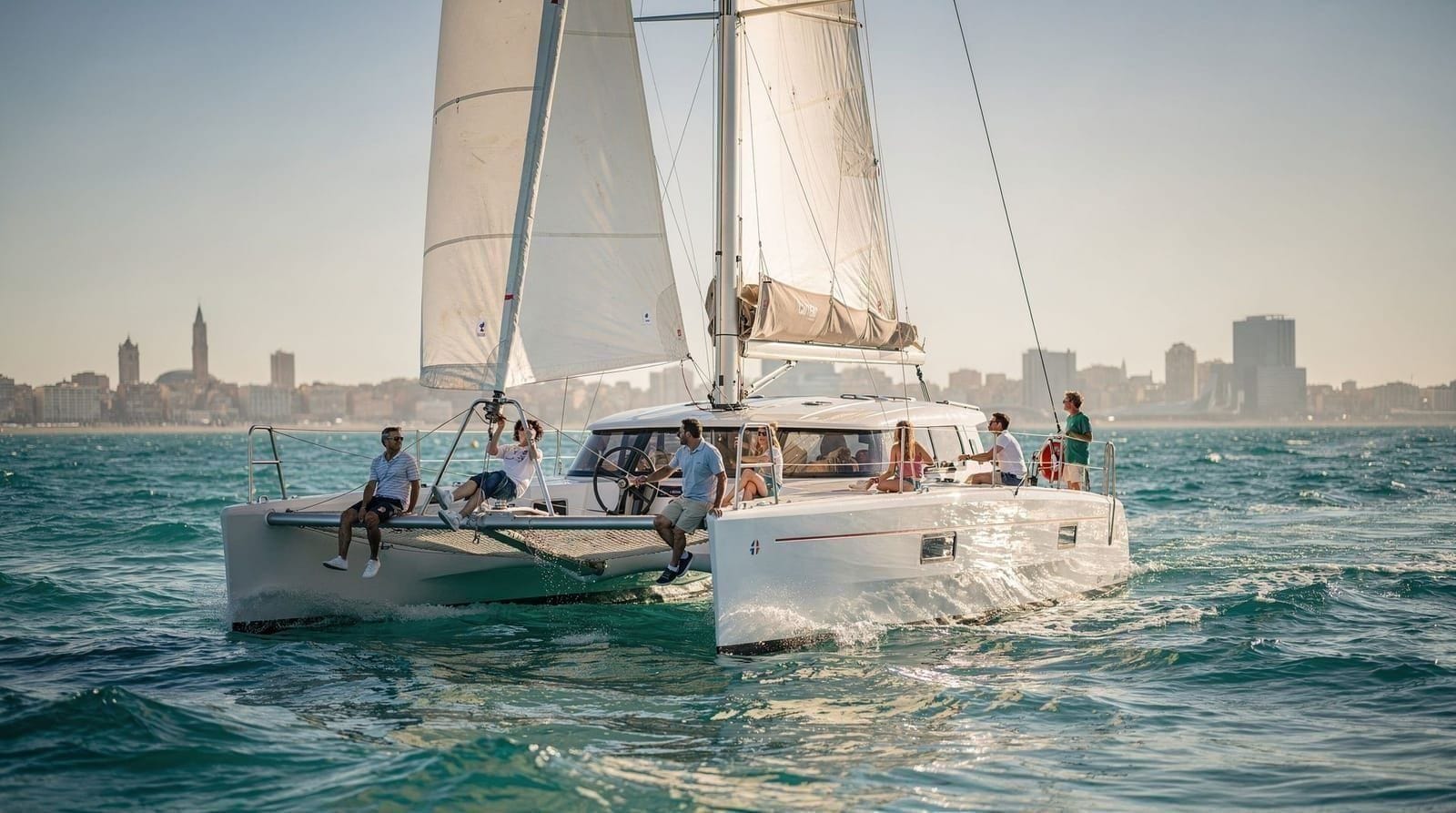
Valencia: sailing catamaran cruise with sunset option and DJ
Duration: 1-1.5 hours
Quick facts
- Distance from Valencia
- 65 km south
- Travel time
- ~60 min by Cercanías train (C1 line)
- Getting there
- Direct train from Valencia Nord (C1 line, ~€4.80 each way)
- Best for
- Long Blue Flag beach, Borgia ducal palace, port seafood, family beach holidays
- Don't miss
- Palau Ducal dels Borja, Playa de Gandia (6 km long), Grao port fish market
Gandia is a coastal city of 73,000 residents, 65 km south of Valencia along the Costa del Azahar. It is known by most visitors for its beach — a 6-kilometre Blue Flag strand that draws an enormous domestic Spanish tourism market and significant European summer visitors. It is less known, even to regular visitors, for its Palau Ducal dels Borja — the well-preserved palace of the Borgia dynasty, open for guided visits and containing rooms that pre-date the Vatican connection by a century. Between the beach and the palace, Gandia makes an efficient full-day trip from Valencia.
| Where | 65 km south of Valencia, Costa del Azahar |
| Time needed | Full day; overnight for a proper beach break |
| Getting there | C1 Cercanías train, ~60 min, around €4.80 each way |
| Cost | Palace entry €8; fideuà lunch around €18–25 |
| Best time | June–September for the beach; spring/autumn for the palace |
Getting to Gandia from Valencia
The C1 Cercanías line from Valencia Nord runs directly to Gandia in approximately 60–65 minutes. The line is the main Valencia–Gandia commuter route and runs frequently (every 30–60 minutes); single fare approximately €4.50–5.00. Note that Gandia’s main station is in the town centre, about 4 km from the beach. A local bus (bus line 1 or 2) runs from the station to the Grao (port and beach district) in 15 minutes, approximately €1.
In summer, a tourist shuttle also operates. There is no reliable way to walk from the station to the beach — it’s a long and uninspiring 45-minute walk along an inland road.
Driving from Valencia takes 50–60 minutes on the AP-7 motorway. Parking in the Grao area charges €1–2/hour in peak summer; free in the town centre on weekdays.
The Borgia connection: Palau Ducal dels Borja
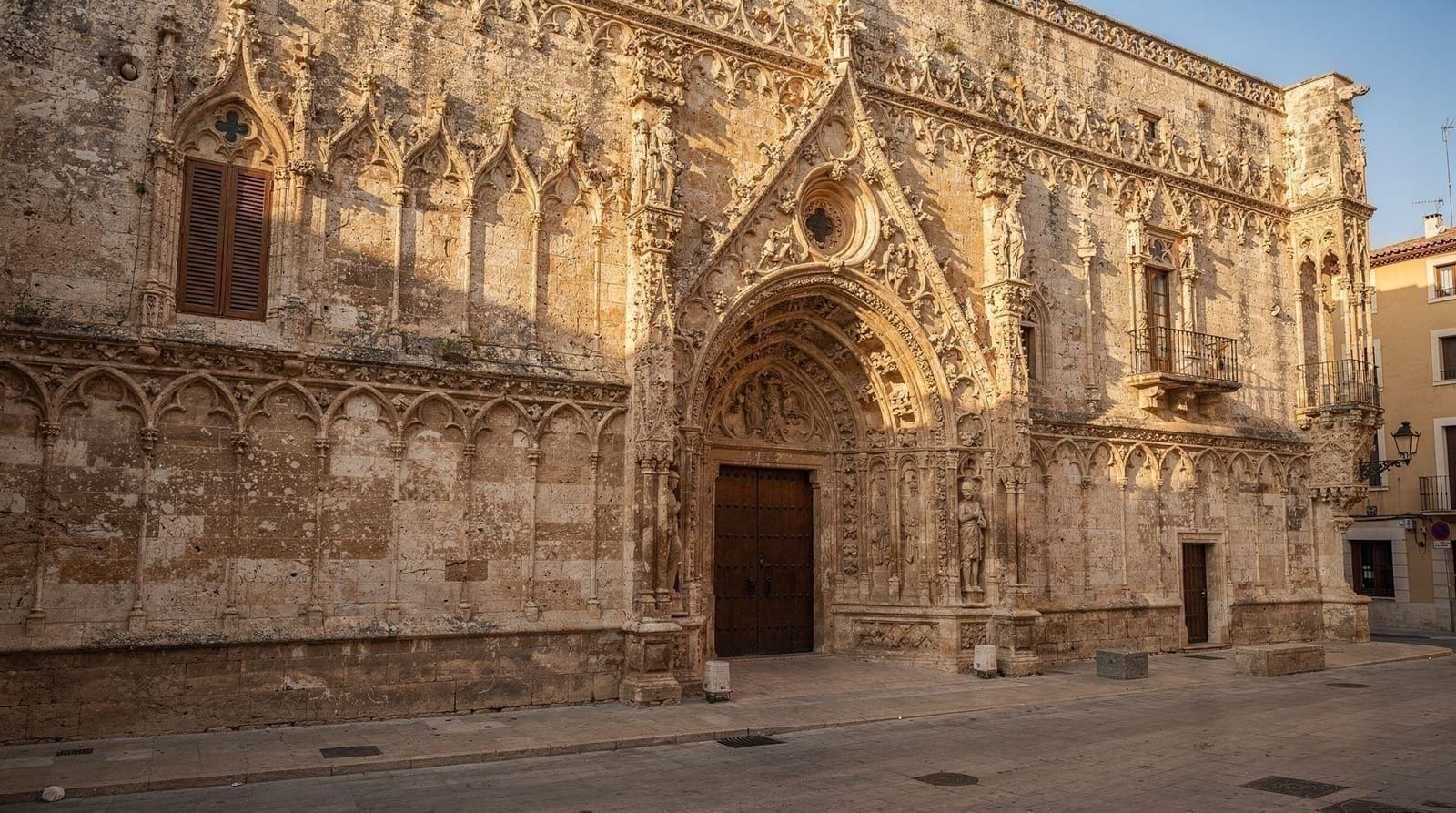
The Palau Ducal (Ducal Palace) was the residence of the Dukes of Gandia — the principal title of the Borgia family in Spain — from the 14th century onward. The palace predates the Borgias’ Vatican prominence; it passed to the Borgia family in the late 15th century when the dukedom was granted to the Spanish-Borgia branch.
The most notable figure associated with the palace is Sant Francesc de Borja (Francis Borja, 1510–1572), the 4th Duke of Gandia who renounced his title after the death of his wife, joined the Jesuit order, and eventually became Superior General of the Society of Jesus. He was canonized in 1671. The palace has a dedicated room to his memory and life.
Guided tours of the palace interior are available in Spanish (with brochures in English, French and German). The palace is managed by Jesuit administration; guided tours run at set times, Monday to Saturday (morning and afternoon) and Sunday morning. Entry €8 (€7 reduced). Advance booking recommended in summer. The palace interior is genuinely interesting — ornate coffered ceilings, 16th-century tile floors and an atmospheric ducal chapel.
Gandia beach: the Grao
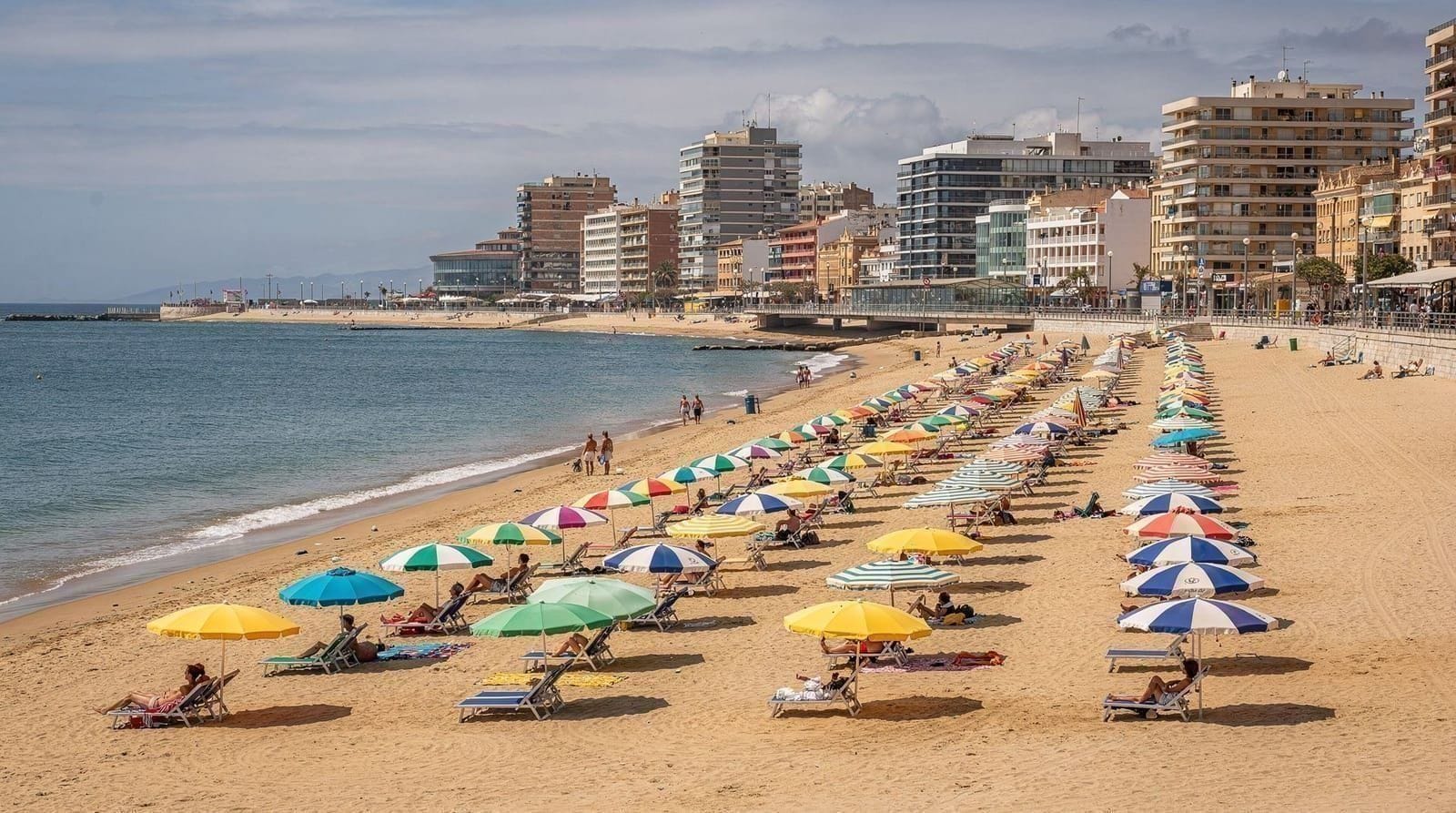
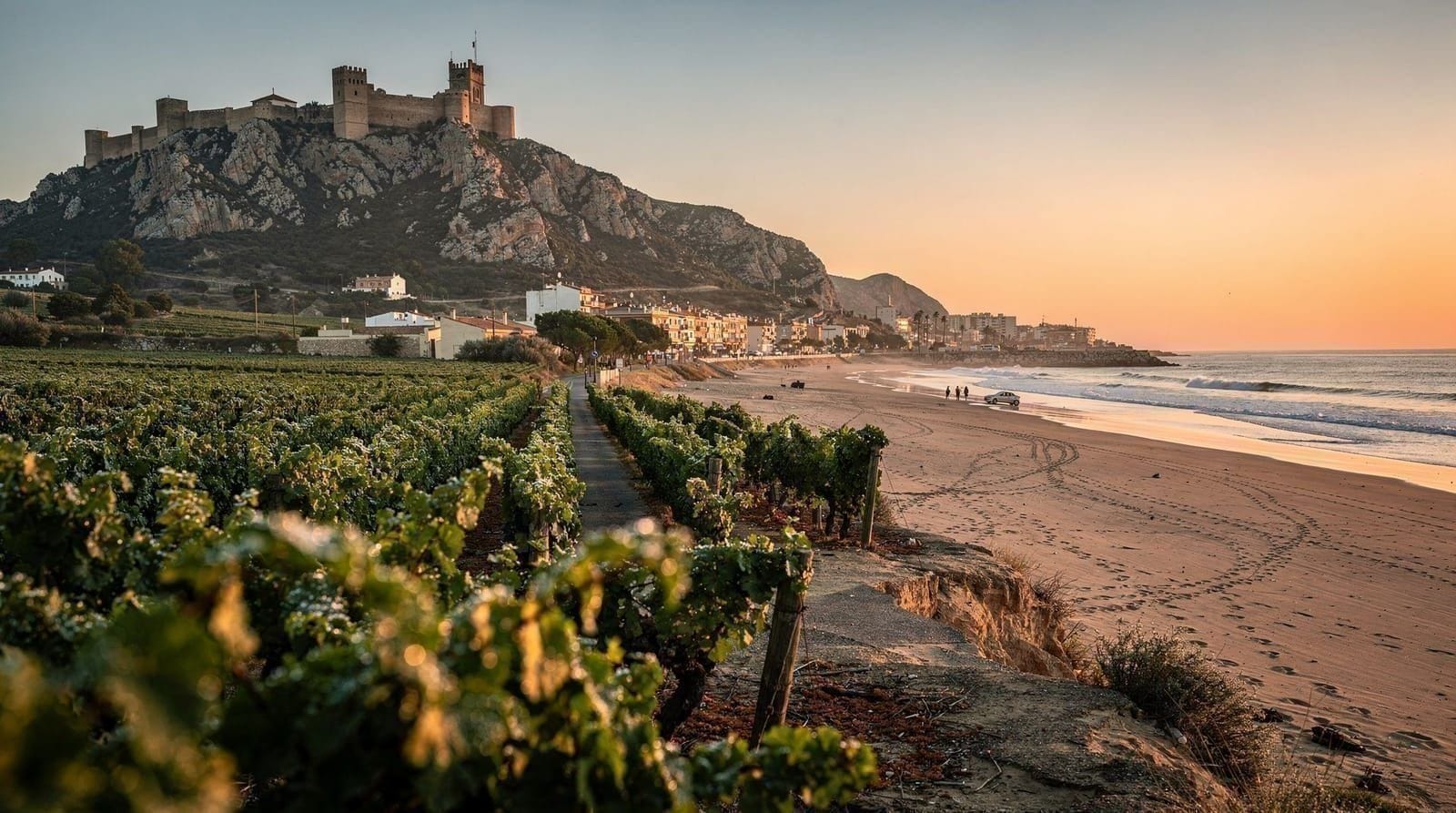
Playa de Gandia stretches 6 km from the Grao (port district) northward to where the orange groves end and the beach begins — a wide, well-serviced strand that has held the EU Blue Flag for decades. Facilities are comprehensive: lifeguard posts, beach showers, toilets, sunbed rental (€8–12/day), and a beach bar (chiringuito) every 400–500 metres.
The beach is divided into numbered sectors. Sector 2–4 (the central area near the main Grao roundabout) is the most crowded in summer. Walk 20 minutes north toward Sector 6–8 for more space. The water is shallow for 20–30 metres offshore, making it particularly good for children.
Water temperature: 26–27°C in August; 24°C in June/September; drops to 17–18°C by November.
Valencia sailing catamaran cruise with sunset option operates from Valencia port rather than Gandia specifically, but for those basing in Gandia for a day, the sunset boat option from Valencia makes a good evening addition if you return by train.
If the beach is your main reason to come, the dedicated Gandia beach guide goes sector by sector, and the family beaches guide helps you compare it with the options closer to the city. Travellers who mostly want elbow room can also browse the quiet beaches around Valencia before settling on a destination.
A simple rhythm works well here: do the palace in the morning while the light is soft and the town is calm, then head to the Grao for a long lunch and spend the hot hours on the sand. The beach is flat and easy to reach on foot from the port area, so there is no need to plan around transport once you have arrived. Bring your own sun protection and a light layer for the evening, since the sea breeze can feel cooler than you expect after a day in the sun.
Port (Grao) and seafood
Gandia’s fishing port (El Grao) is adjacent to the beach area. The lonja (fish auction) takes place early morning (5:00–7:00 AM — not practical for tourists but interesting if you’re up for it). The port restaurants clustered along Passeig Neptú are where Gandia’s most reliable seafood restaurants are located.
The local speciality is fideuà de Gandia — some food historians argue the dish originated here, with noodles substituting rice in a paella-style pan. Look for restaurants specifically advertising “fideuà Gandiana” (from Gandia, not from Valencia city). Prices at port restaurants: €18–25 for a fideuà or rice for two; set lunch menus €14–16.
Avoid the first row of restaurants facing the beach promenade — tourist-pricing rules. Walk one block back toward the port for the same food at 20–25% lower cost.
Rice dishes are cooked to order, so expect to wait and treat lunch as the main event of the day rather than a quick stop. Ask what the kitchen is proud of that day and order the fish or the rice accordingly. If you want to understand how the dish differs from its famous cousin, the paella versus fideuà guide explains the difference, and the guide to ordering paella properly applies just as well to rice dishes on this coast.
FIB (Festival Internacional de Benicàssim connection)
Note: Gandia is often confused with Benicàssim in music festival discussions. The FIB (Festival Internacional de Benicàssim) is held in Benicàssim, 120 km north — not in Gandia. Gandia has its own smaller summer music festival (Gandia Summer Festival, usually in July), but it is not the FIB. See Benicàssim for the correct information about FIB.
Staying overnight in Gandia
Gandia is a self-contained holiday destination for Spanish families and increasingly for Northern European visitors. Hotel infrastructure is substantial — dozens of hotels from hostal to 4-star, plus apartment rentals. In July–August, accommodation prices are high (€80–150/night mid-range) and occupancy is near 100%; book 3–4 months ahead. Shoulder season (May–June, September–October) offers better prices and more pleasant conditions.
For the Gandia–Xàtiva–coast road trip, see the Xàtiva–Gandia itinerary which combines inland history with coastal beach time over two days.
Overnighting also lets you enjoy the beach in the early morning and the evening, when the sand is quieter and the light is at its best, and it removes the pressure of catching a specific train back. If you stay, keep the palace for a weekday morning and leave the beach for the afternoon.
Planning the day from Valencia
The practical details of the rail connection are covered in the Valencia to the coast by train guide, and the fuller Gandia day trip guide lays out a timed plan for the day. For the best weather and sea temperatures, check the Valencia beach season guide before choosing your date. Visitors who prefer to stay based in the city can read about Valencia itself and return to Gandia as a separate outing once the main sights are done.
If you have a second day to spare in the area, the inland castle town of Xàtiva pairs well with Gandia, and the Xàtiva castle guide shows what to expect there.
Practical information
- Train: Valencia Nord → Gandia (C1 line), ~65 min, ~€5 each way; runs every 30–60 min
- Bus to beach from station: Line 1 or 2, ~15 min, ~€1
- Palace visits: Mon–Sat morning and afternoon (guided tours at set times), Sun morning; €8; advance booking advisable in summer
- Beach season: Full services June–September; lifeguards July–August
- Parking at beach: ~€1.50/hour (summer metered)
Gandia vs Valencia’s own beaches
| Gandia | Valencia city beaches | |
|---|---|---|
| Length | 6 km, Blue Flag | ~4 km combined (Malvarrosa + Patacona) |
| Crowd density | Spread over a longer stretch | More concentrated in central sections |
| Getting there | ~60 min train from Valencia Nord | Tram, 15–20 min from the centre |
| Best for | A dedicated beach day, families wanting space | Combining beach with the old town same day |
If a beach day is the whole point of your trip, Gandia’s length and consistent Blue Flag water quality make it a strong choice. If you want to combine beach time with sightseeing in the same afternoon, Valencia’s own beaches — see the best beaches near Valencia guide — save the travel time.
Cullera as an alternative or add-on
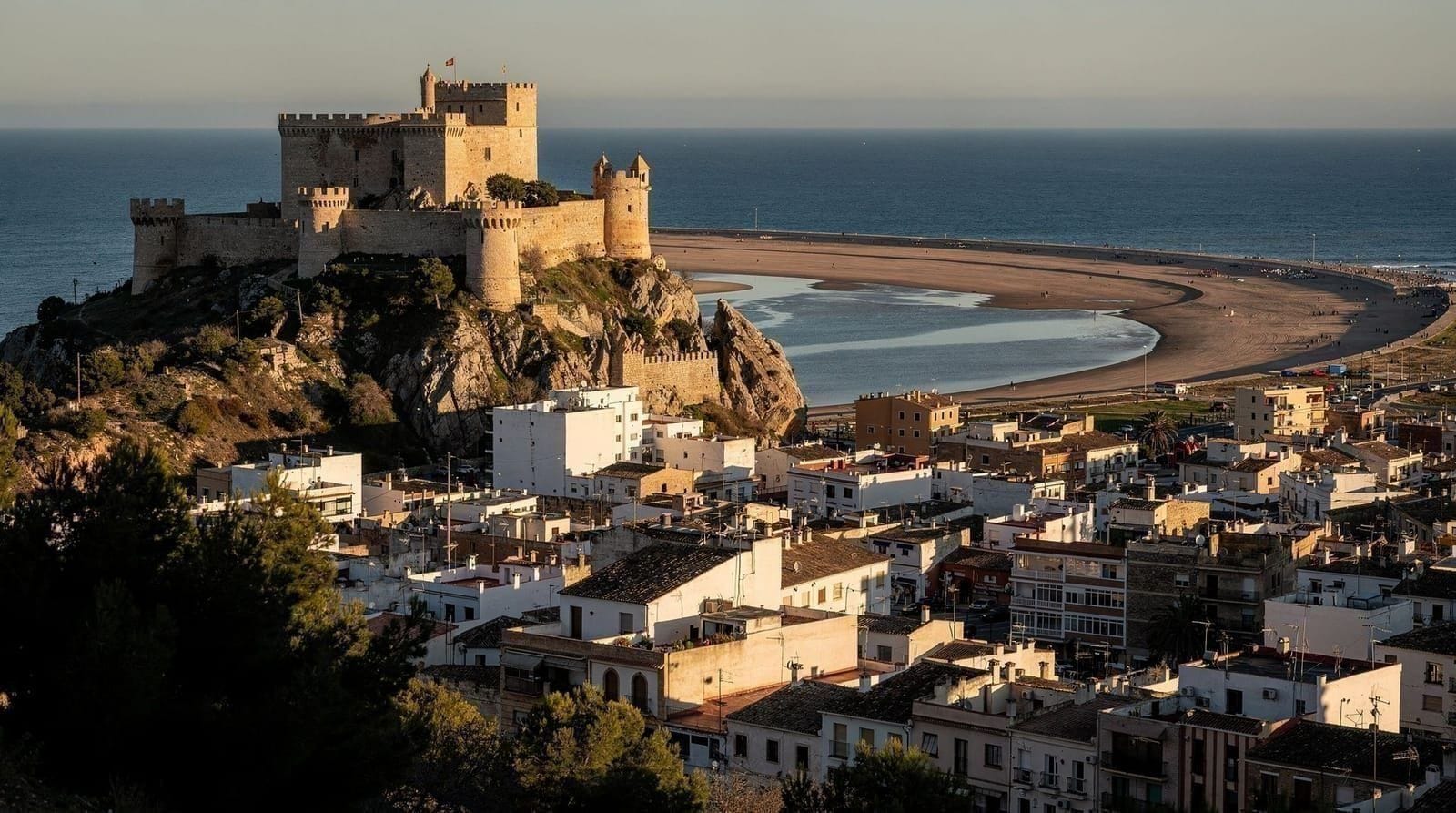
Cullera, another Costa del Azahar beach town, sits between Valencia and Gandia and is often cross-shopped against it. It has its own castle hill and a shorter but still substantial beach. Some visitors combine a Gandia–Cullera comparison trip, though each works well as a standalone day. See the Cullera destination guide for the comparison in detail, and the Xàtiva–Gandia road trip itinerary for combining Gandia with the inland castle town of Xàtiva over two days.
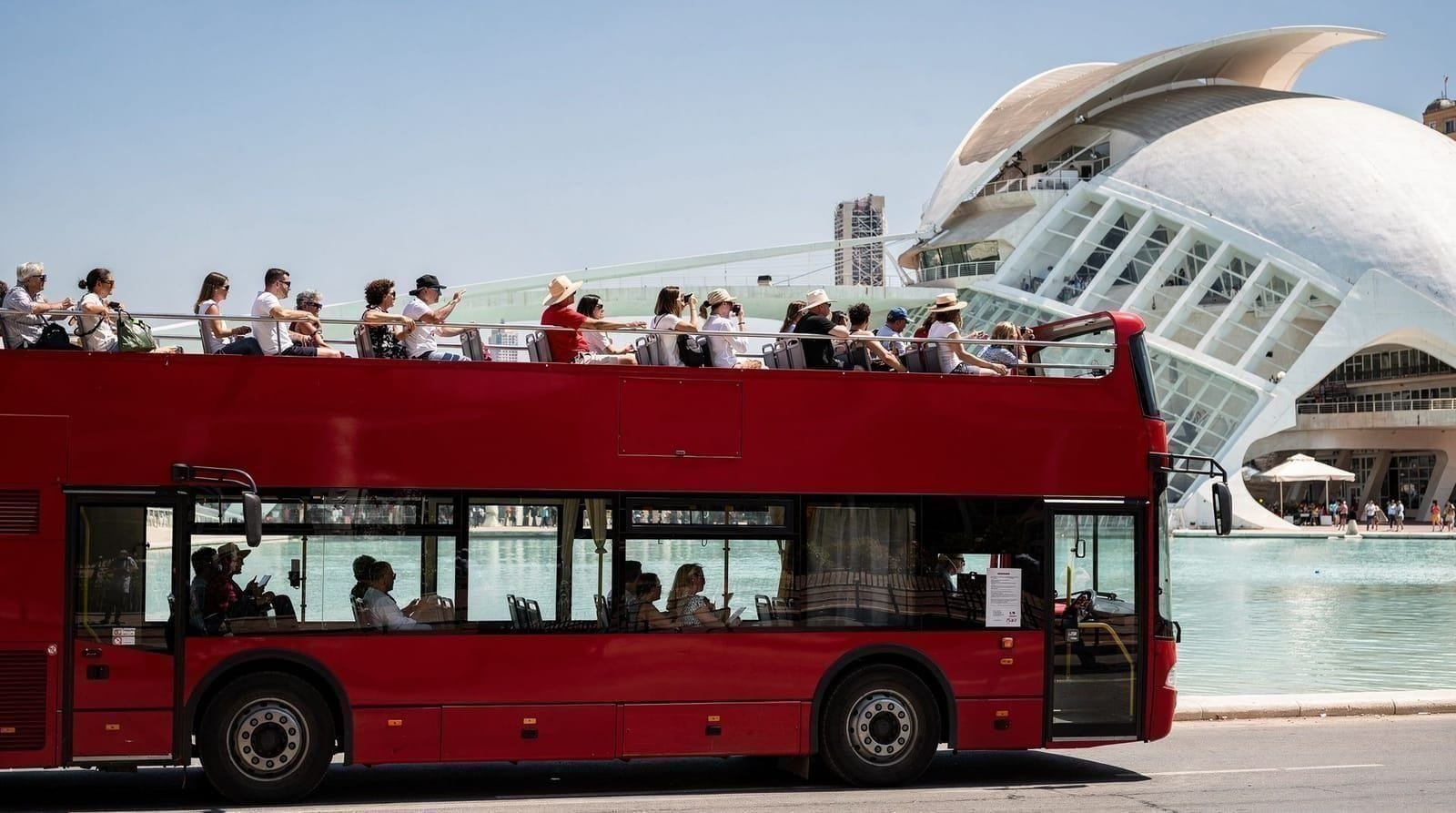
Valencia hop-on hop-off bus — useful for exploring the city before or after a Gandia day trip by train.
Frequently asked questions about Gandia
Is Gandia’s beach better than Valencia’s beaches?
They are different in character. Gandia’s beach is wider, longer (6 km versus 4 km for Malvarrosa/Patacona combined), and generally less crowded per metre than Valencia’s urban beaches in peak season, partly because it spreads the load over a longer stretch. Valencia’s beaches have better evening/restaurant access without needing a bus. For a purely beach-focused day, Gandia is the stronger option.
How do I get from Gandia train station to the beach?
Local bus (line 1 or 2) from outside the station to the Grao roundabout: 15 minutes, ~€1. In summer, a tourist shuttle also operates. Taxi: €6–8. Walking is not recommended (45 minutes, no pavement for part of the route).
Is the Borgia palace in Gandia worth visiting?
Yes, particularly for visitors who have encountered the Borgia family’s history elsewhere (Vatican, Italian Renaissance connections). The palace is well-preserved and the guided tour is informative. Plan 60–90 minutes. The combination of palace + beach makes Gandia a more complete day trip than a beach-only town.
Does Gandia have good restaurants?
The port area (Grao) has genuinely strong seafood options, particularly for fideuà and arrós a banda. The beach promenade restaurants are mediocre and overpriced. Locals recommend Restaurante L’Ancora (Passeig Neptú, Grao area) and El Vent as reliable options — both around €18–24 per person for a full meal.
Is Gandia family-friendly?
Very much so — it is one of the most family-oriented beach resorts on the Valencia coast. The beach is shallow, lifeguarded, well-served. The palace is manageable for older children (10+). There are no major water parks in Gandia specifically, but Aqua Natura park is 70 km north near Benidorm.
How far is Gandia from Peñíscola?
Approximately 140 km north by road. They are not practical in the same day trip from Valencia unless you have a car and don’t mind long driving. Both are on the same coast but separated by considerable distance. Plan separate days if visiting both.
Is Gandia or Cullera the better beach day trip?
Both work well; the choice comes down to time and interest. Gandia has the longer beach and the Borgia palace, making it a fuller day. Cullera is closer to Valencia and adds a castle-hill viewpoint over the beach. If you can only pick one, Gandia’s combination of beach and history gives more to do in a single day.
Can I do Gandia as a half-day trip?
It’s possible but tight. The train alone takes about 60 minutes each way, so a half day leaves little time for both the beach and the palace. If time is limited, prioritise one: the beach for a swim-focused visit, or the palace and port area for a shorter cultural stop without changing into beachwear.
Top experiences
Bookable activities with verified prices and instant confirmation on GetYourGuide.