Road trip Xàtiva and Gandia — a one-day circuit from Valencia
Xàtiva: the complete experience from Valencia — castle and museum
The Xàtiva–Gandia circuit is one of the best single-day road trips from Valencia: a medieval hilltop castle and a Borgia-birthplace town in the morning, a proper beach town with excellent seafood in the afternoon. Total driving is about 120 km round trip, the road is straightforward (A-7 motorway south then west), and both towns work well together as contrasts.
| Where | Xàtiva (60 km south) then Gandia (30 km further) |
| Cost | around €40–70/day incl. car, entries and meals |
| Time needed | 1 full day (9:30–19:30) |
| Getting there | Car recommended for the combined circuit; each town alone is train-reachable |
| Best time | Spring and autumn for the castle climb; June–September for the beach |
Quick answer: Drive 60 km south on the A-7 to Xàtiva by 10:00. Climb the castle (2 hours), eat in the old town (1 hour). Drive 30 km east to Gandia by 14:30 for paella and a beach afternoon. Return to Valencia by 19:30.
Before you go: renting a car
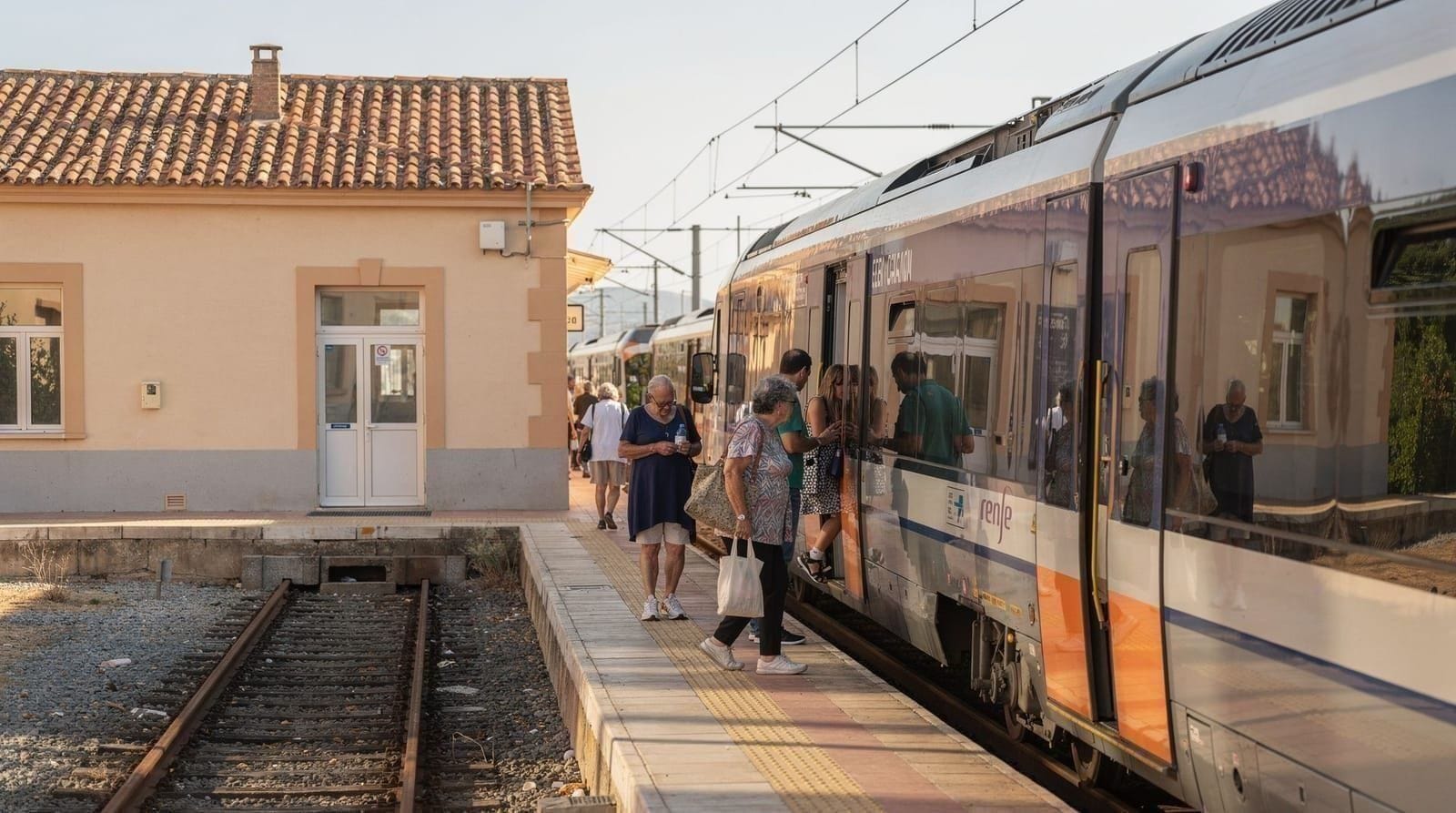
A car is essential for this route. Xàtiva is also reachable by Cercanías train (45 min from Estació del Nord, €4.60 return), but combining it with Gandia in one day requires a car. Gandia alone is reachable by RENFE Cercanías (1 hour).
Car rental in Valencia: pick up from the airport (best selection) or from city-centre offices on Calle Bailén or Calle Colón. Budget €35–60/day for a compact car including insurance. Book online 48 hours in advance for the best rate.
Full guide: car rental for day trips from Valencia.
Travelling with children? Both towns work for families — the castle climb in Xàtiva is manageable for most ages via the tourist bus, and Gandia’s beach is calm and shallow. See the family itinerary for Valencia and the family beaches near Valencia guide for pacing ideas.
On a budget? The two entry fees are modest compared to other day trips, but see the Valencia on a budget guide if you’re trying to cut costs across a longer trip.
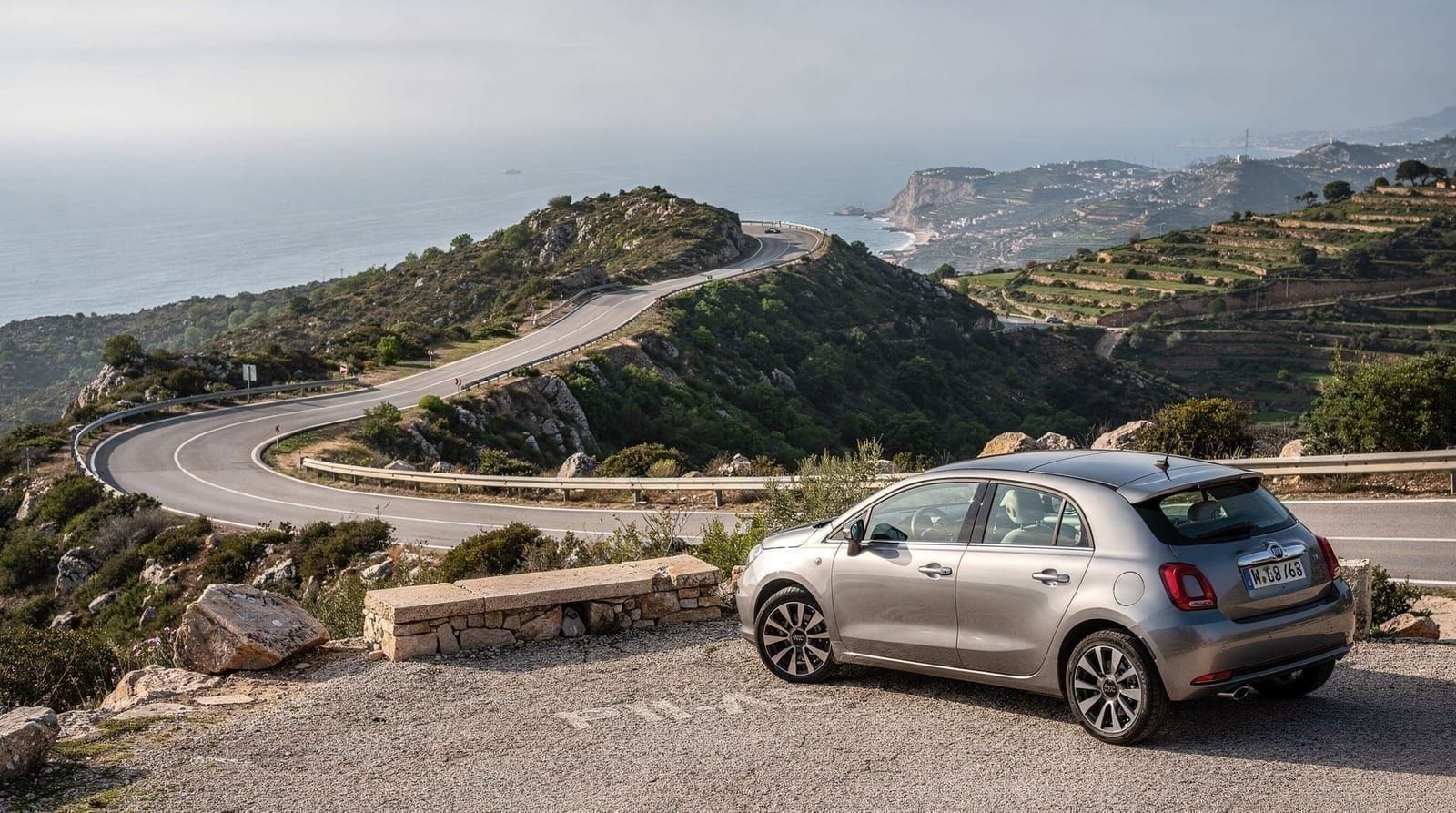
Driving note: The A-7/AP-7 motorway south to Xàtiva and Gandia is fast and easy. The alternative N-332 is slower — not recommended for this tight one-day circuit.
Driving route
Valencia → Xàtiva: A-7 south, exit at Xàtiva (km 817). 60 km, 50 minutes without traffic. Parking: paid underground car park near the Plaça de la Trinitat (€1.50/hour) or free on the streets below the castle.
Xàtiva → Gandia: Continue south on A-7, exit Gandia (km 847 area). 30 km, 25 minutes.
Gandia → Valencia: A-7/AP-7 north. 75 km, 55 minutes.
9:30 — Arrive Xàtiva
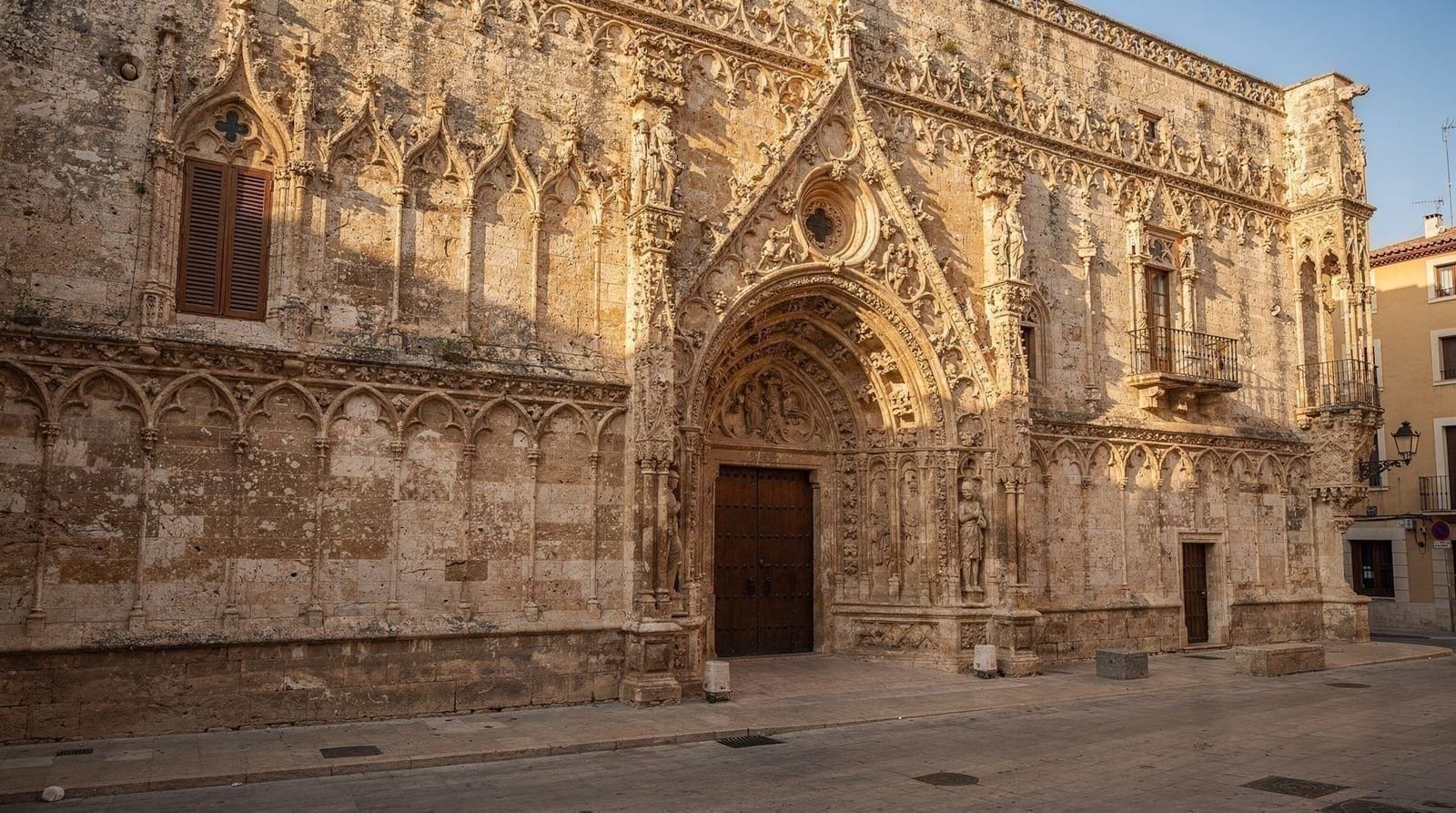
Xàtiva (population 30,000) sits on a plain 60 km south of Valencia. The old town is pleasant but the castle is the reason to come. From the old town, the castle rises above on a limestone ridge — you can see it from the motorway as you approach.
The tourist office is at Alameda Jaume I. Pick up a map. The main sights are:
- The castle (the primary reason for visiting)
- Collegiate Church of Santa María (under reconstruction for decades)
- Municipal Museum (noteworthy for one specific item — see below)
- Plaça de la Trinitat (the main old town square)
10:00 — Xàtiva castle
The castle is in two connected sections: the Castillo Menor (lower, older, partially ruined) and the Castillo Mayor (upper, better preserved). The climb from the old town takes 25–30 minutes on foot along a marked path. Alternatively, a small tourist bus runs from below for €1.50 each way.
Entry: €6. Hours: 10:00–21:00 (summer), 10:00–18:00 (winter). Allow 1.5–2 hours.
What to see in the castle: the views over the Valencian plain (on clear days you can see the sea, 30 km east), the Roman foundations at the highest point, the cisterns and the medieval defensive architecture. The castle has been here in some form since Iberian times, rebuilt by Romans, Moors, and then the Aragonese crown.
For a guided tour from Valencia that includes transfer and entry:
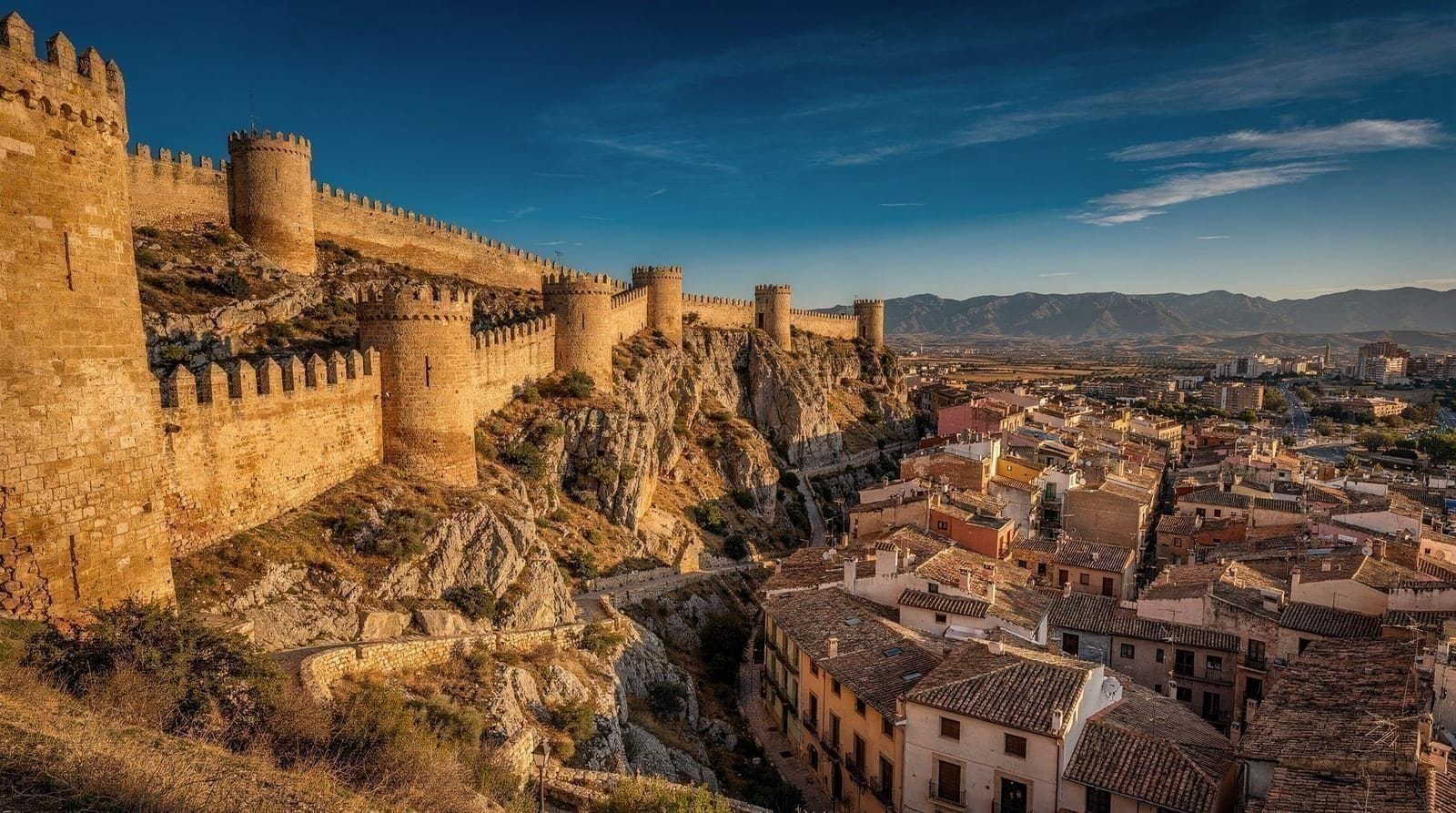 the complete experience from Valencia — castle and museumCheck availability
A private tour with transfer from Valencia (ideal if you don’t want to drive):
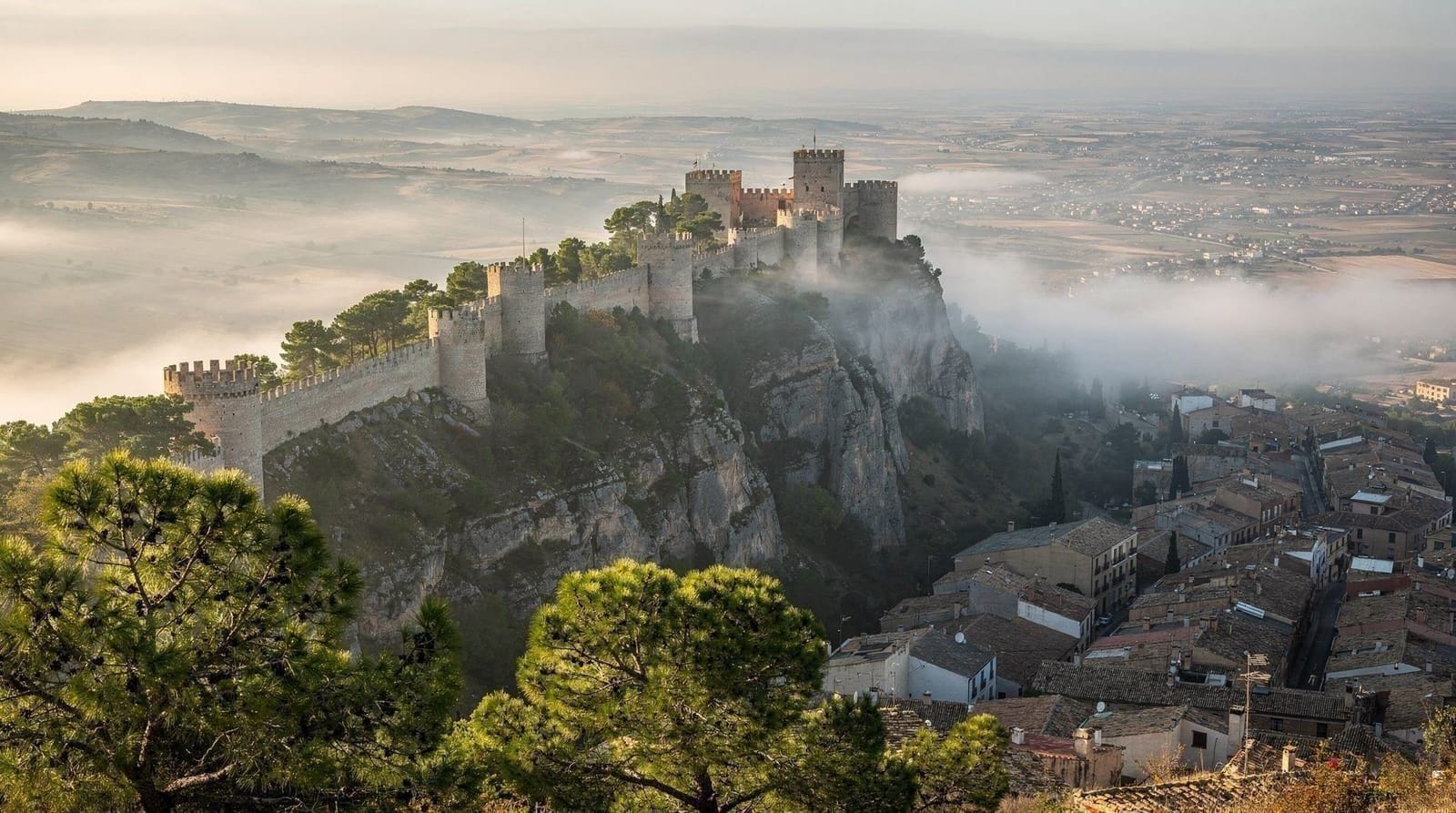 private castle tour from Valencia with transferCheck availability
11:45 — Municipal Museum and the inverted portrait
After the castle, come down to the Museu Municipal de Xàtiva (Carrer de la Corretgeria, near Plaça de la Trinitat). The museum is modest but contains one extraordinary object: the portrait of King Felipe V hung upside-down.
Felipe V ordered Xàtiva burned in 1707 during the War of Spanish Succession after the town sided with the Habsburgs. The town was rebuilt but never forgave the Bourbon king. Sometime in the 18th century, someone in the museum reversed his portrait. It has remained upside-down ever since. This is not a tourist story; it is documented fact, it is still the case, and it is one of the most characterful small-scale acts of civic defiance in European history.
Museum entry: €2.40.
12:30 — Lunch in Xàtiva
The old town has several restaurants at honest prices:
- La Nostra Terra (Carrer d’Àngel Lacort 2): Valencian home cooking, €14–18/pers, excellent and reliable
- Restaurant Kasa (Carrer de la Muralla): menú del día €12–15 on weekdays
- Café del Mercat (near the municipal market): good tapas and coffee at market prices
Xàtiva is a torró (nougat) production town — buy some from the market stalls before leaving if you’re in the October–January season. The artisan torró here is better and cheaper than the tourist versions sold in Valencia city.
14:00 — Drive to Gandia (30 minutes)
A-7 south, 25 minutes to Gandia. Park at the Parking Safor or near the Passeig de les Germanies (free street parking exists but requires patience in summer).
Gandia is a medium-sized Valencian town (around 75,000 permanent residents, significantly more in summer) with a well-regarded beach, good seafood, and a historic centre that is understated but genuine. It was the birthplace of Pope Alexander VI (Roderic de Borja, born 1431) — the most notorious of the Borgia family — and has the Palau Ducal dels Borja as its main historic attraction.
14:30 — Paella lunch on Gandia beach
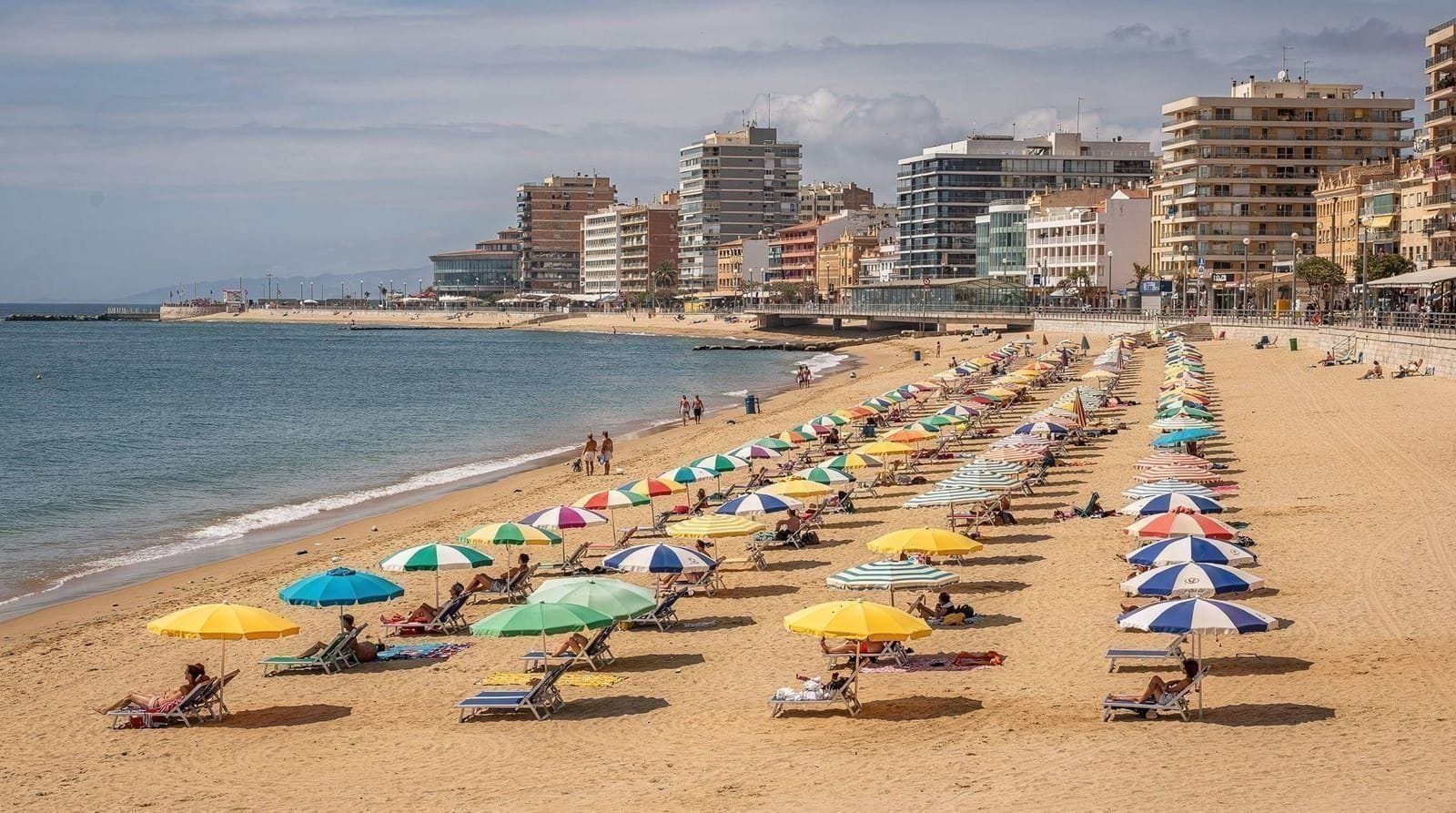
Gandia beach is 3 km of wide, flat sand, well-organised but less touristy than the Costa Blanca resorts to the south. The promenade restaurants here are significantly more honest in pricing and quality than the equivalent stretch at Benidorm.
Best options for paella in Gandia:
- Restaurante Gamba (Passeig de Neptú 2): the most respected seafood restaurant on the beach promenade, excellent arroz del senyoret (seafood rice), €22–30/pers
- Restaurante L’Escalet (Passeig de Neptú): traditional rice dishes, slightly cheaper, good fideuà, €18–24/pers
- La Gamba Beach Bar: more casual, prawns and beer, €12–18/pers
If you’d rather eat more simply, the beach chiringuitos (seasonal, June–September) serve food at lower prices.
16:00 — Gandia beach afternoon
The beach is wide, flat and well-organised with sun lounger rental (€6–8/day). The water is Mediterranean standard: calm, clear, warm in summer. The southern end of the beach is slightly quieter.
Notable: Gandia beach has Blue Flag certification and is notably cleaner than some other Valencian beach towns. The town’s permanent population means it doesn’t have the purely transactional character of purpose-built resort beaches.
Optional: visit the Palau Ducal dels Borja (the Borgia palace, Carrer del Duc Alfons el Vell 1, in the town centre). Entry €8. If medieval history interests you and you have an hour before returning to Valencia, this is worthwhile. Closed Mondays.
18:30 — Return to Valencia
Return via A-7/AP-7 north. Allow 55–60 minutes to Valencia, more on Friday evenings or holiday weekends when the A-7 backs up south of Valencia. Return the rental car to the pick-up point (airport or city office).
Alternative: Xàtiva by train, Gandia not included
If you don’t want to drive, Xàtiva alone is excellent by Cercanías train (Line C-1, 45 min, €4.60 return). Skip Gandia on this version. See the Xàtiva day trip guide.
A combined day trip tour from Valencia to both Xàtiva, Ontinyent and Anna:
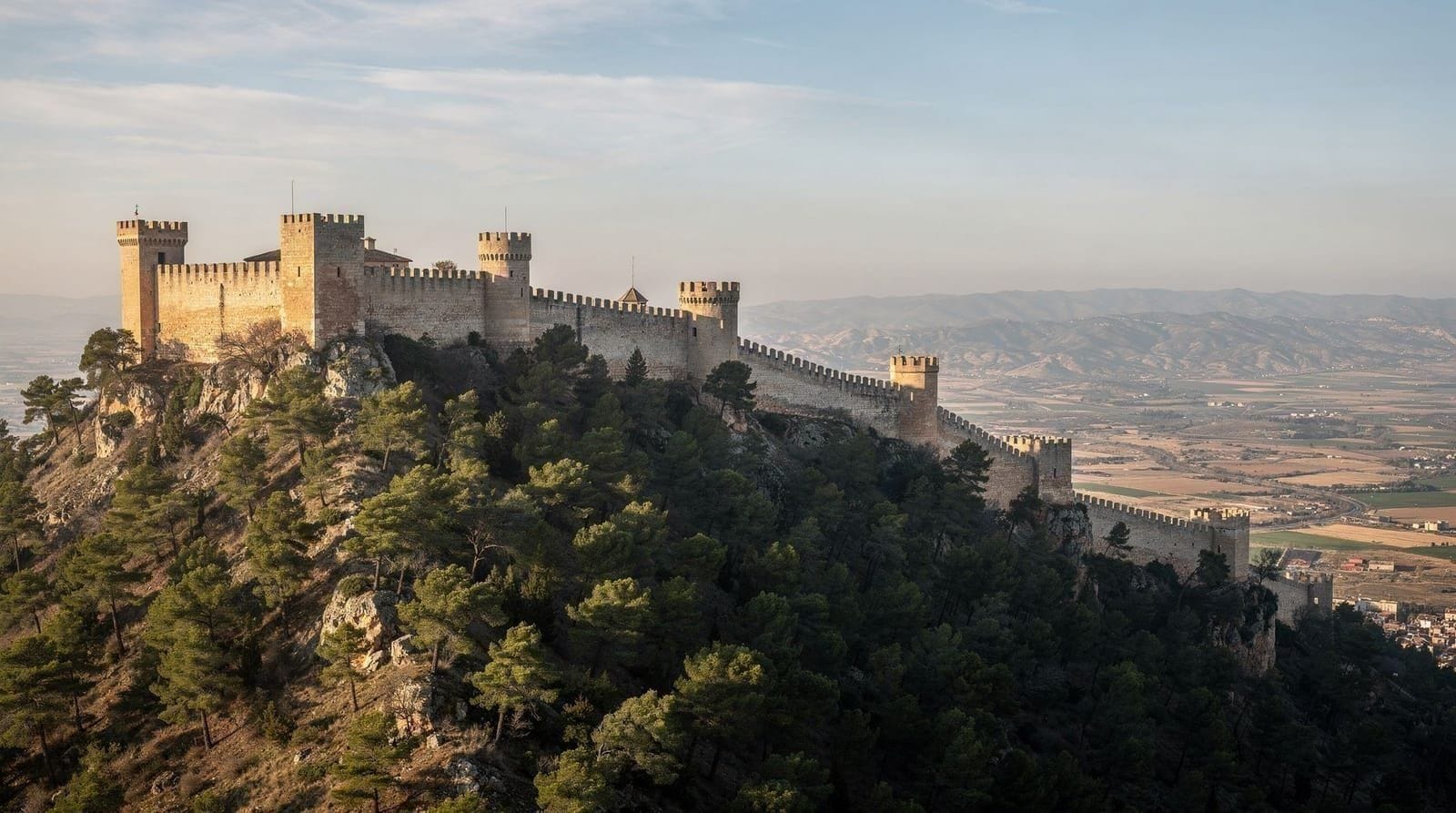 Xàtiva, Ontinyent and Anna day tripCheck availability
Combined route options
With more time: Add the Anna lakes to the circuit — the Alhambra de Anna (a Moorish-era garden and waterfall complex) is 15 km west of Xàtiva. Circuit: Valencia → Xàtiva → Anna → Gandia → Valencia. Total driving: 160 km. Time needed: full day, early departure (8:30 from Valencia).
Omit Gandia: Spend more time in Xàtiva and return via the Requena wine road (A-3 motorway west, Utiel-Requena DOC wine country). Very different character — inland, vineyards, cave cellars — but works as a single circuit if beaches aren’t the priority. See the Valencia wine lovers itinerary and the Requena wine tour guide for Requena specifics — the wine region deserves its own half-day rather than being squeezed into this one.
Day-by-day summary
| Time | Stop | Focus |
|---|---|---|
| 9:30–13:30 | Xàtiva | Castle, Municipal Museum, old town |
| 12:30–14:00 | Xàtiva | Lunch |
| 14:00–14:30 | Drive to Gandia | Short A-7 hop |
| 14:30–18:30 | Gandia | Paella lunch, beach afternoon |
| 18:30–19:30 | Drive to Valencia | Return via A-7/AP-7 |
Practical notes
Parking in Xàtiva: The underground car park at Plaça de la Trinitat is the most convenient (€1.50/hour). There is free parking below the castle on the road up — 15-minute walk to the start of the path.
Parking in Gandia: The beach promenade area has paid parking (€1.50/hour, meter). Street parking in the residential streets behind the beach is usually free (check signs). The Parking Safor (Carrer de la Coques 11) is covered and cheaper for half-day.
Tolls: the A-7 between Valencia and Gandia is toll-free.
Petrol stations: Plentiful on the A-7 at each exit and in both towns.
Frequently asked questions about the Xàtiva-Gandia road trip
Is the drive from Valencia to Xàtiva and Gandia difficult?
No. The A-7 motorway is well-maintained, multi-lane and clearly signed. The town centres of both Xàtiva and Gandia are easy to navigate by car. The only challenge is parking in Gandia on summer weekends (arrive before 14:00 for the beach parking).
Can I do Xàtiva and Gandia in one day without a car?
Separately, yes — both are reachable by Cercanías train from Valencia (Xàtiva 45 min, Gandia 60 min). As a combined same-day circuit, you need a car — the train times don’t allow both in one day without significant waiting time.
Is Gandia beach better than Malvarrosa?
Different rather than better. Gandia is wider and slightly less urban in character. Malvarrosa is closer to Valencia (20 min vs 60 min) and has the best paella restaurants. For a day trip by car, Gandia has more of a full destination feel. For a quick afternoon, Malvarrosa wins on convenience. See best beaches near Valencia.
What is Xàtiva famous for?
Xàtiva is famous for three things: its hilltop castle (one of the best in the region), its role as the birthplace of two Borgia popes, and the inverted portrait of Felipe V. It was also the location of one of Europe’s first paper mills (12th century) and was an important silk and agriculture centre in the medieval period.
How long do I need in Xàtiva?
2.5–3 hours covers the castle, the Municipal Museum and a walk through the old town. If you want to spend more time in the castle (archaeology interests) or visit the Collegiate Church, add an hour. For a half-day focused solely on Xàtiva, 4 hours is comfortable.
Can I visit Gandia on its own without Xàtiva?
Yes — Gandia is reachable by RENFE Cercanías in about an hour and works well as a standalone beach day. See the Gandia day trip guide for a version of the day focused entirely on the beach and the Palau Ducal, without the castle morning.
Is this itinerary suitable for families with children?
Yes. The Xàtiva castle climb has a tourist-bus option for those who don’t want to walk up, and Gandia’s beach is calm, shallow and well set up for a relaxed afternoon. See the family itinerary for Valencia for how to adjust the pacing with younger children.
Top experiences
Bookable activities with verified prices and instant confirmation on GetYourGuide.