La Malvarrosa — Valencia's city beach
Honest guide to La Malvarrosa, Valencia's main urban beach — what it's like, how to get there, the best beach restaurants, and what to do beyond
Valencia: paella and beach tour by e-bike
Quick facts
- Best for
- Urban beach, seafood lunch, watersports
- Time needed
- Half day to full day
- Getting there
- Tram L8 to Eugènia Viñes or bus 4, 6, 95
- Don't miss
- Lunch at La Pepica or Casa Carmela; early morning swim
- Avoid
- Renting a sunlounger from hawkers who overcharge
| Where | 1.8 km beach directly east of El Cabanyal |
| Time needed | Half day to full day |
| Getting there | Tram L8 to Eugènia Viñes, ~15–20 min |
| Cost | Free beach; paella lunch around €18–24 |
| Best time | June–September for swimming; early morning to avoid crowds |
La Malvarrosa is Valencia’s most central urban beach — a 1.8 km stretch of grey-gold sand directly east of El Cabanyal, backed by a wide pedestrian promenade (the Passeig Neptú) lined with beach restaurants and bars. The Mediterranean here is calm, shallow, and warm from June through September, with water temperatures reaching 26–27 °C in August. Malvarrosa is emphatically not a secluded beach — it is a city beach, with the associated density in peak summer. But early morning (before 09:00) and outside July–August, it is a genuinely pleasant place to spend a few hours.
Getting there
Tram L8: board at Pont de Fusta (old town end) toward Eugenio Viñes. The Eugènia Viñes stop deposits you at the promenade; the Malvarrosa–Serrería stop is slightly north. Journey: 15–20 minutes, €1.50.
Buses 4, 6, and 95: from Colón, all go to the Malvarrosa promenade. Bus 95 continues along the coast.
Bike: the Turia park cycling path leads east and connects to the beach promenade cycling lane. The ride from the old town takes about 20 minutes.
The beach itself
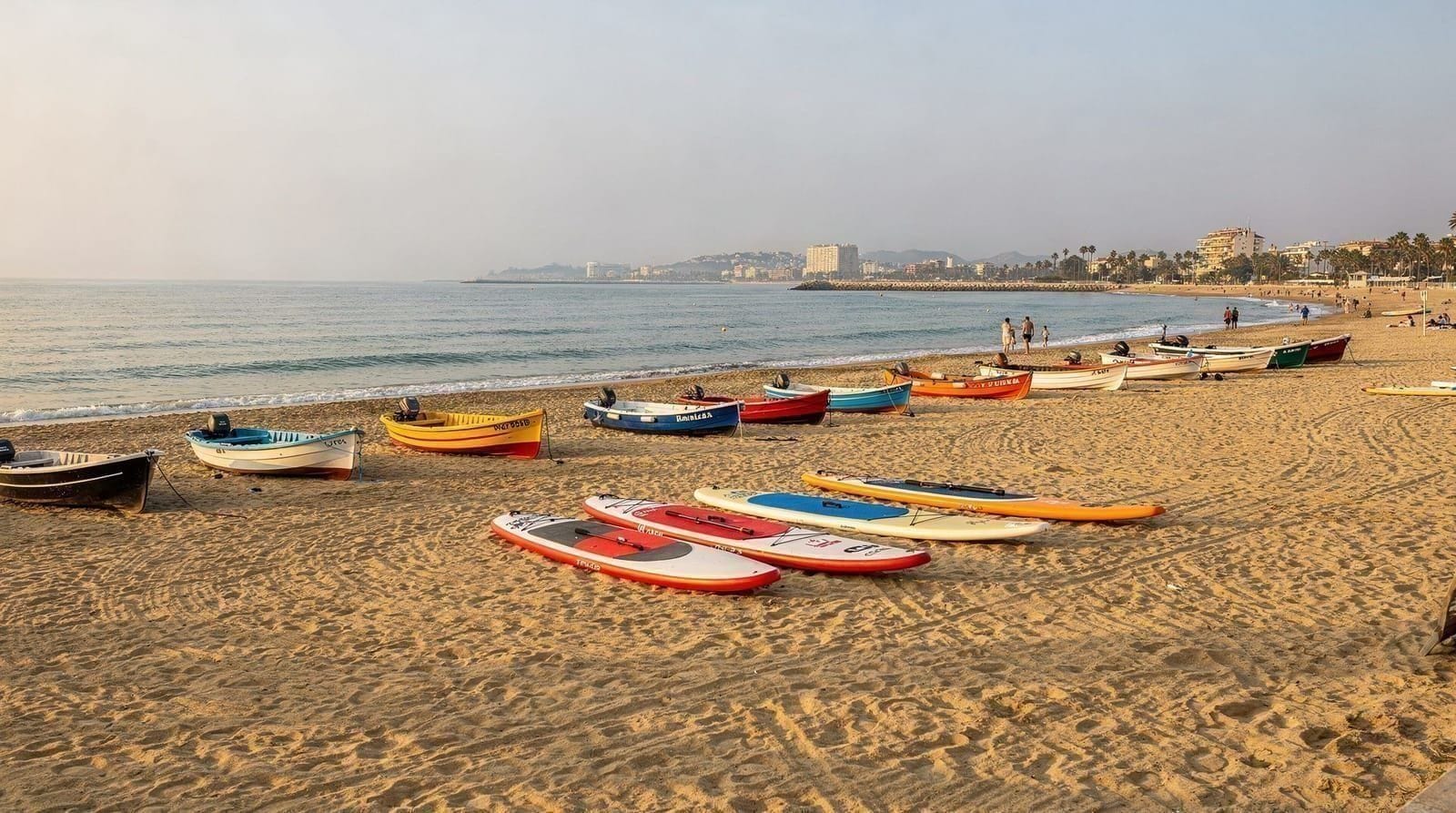
The sand is a mixed grey-gold fine grain — not the white talcum sand of Formentera, but clean and comfortable. The sea is calm in normal summer weather; the bottom is sandy and slope is gentle for the first 20–30 m, making it suitable for children learning to swim. Lifeguards operate June–September with towers every 500 m.
Beach facilities: public showers, disabled access ramps, toilet blocks (basic), sunlounger rental (ask price before accepting — €5–8 per chair is reasonable; €12+ is a rip-off). During July–August the beach fills completely by 11:00; arrive before 09:30 for space. The northern end of Malvarrosa (toward Patacona) is consistently less crowded than the central section. Read the Patacona beach guide.
Water quality: officially rated “excellent” by EU bathing water standards most years. No persistent algae or jellyfish problems. The only practical issue is summer crowding.
Eating on the promenade
The Passeig Neptú restaurants are a mixed bag. The general rule: the further you walk from the central Malvarrosa stop, the more local and less tourist-priced the restaurants become.
La Pepica (Passeig Neptú 6): the most famous restaurant on the promenade, open since 1898, famous partly because Hemingway ate here repeatedly. Paella €18–24 per person, traditional recipe, reliable execution. Book a table — it fills on weekend lunchtimes. Arrive before 13:30 or after 15:00.
La Marcelina (Passeig Neptú 8): next door, similar quality and style. Good fideuà (the noodle-based cousin of paella, originally from the coast). Around €18–22 per person for the full menú.
For something cheaper: any of the smaller restaurants 100–200 m north or south of the central area offer menú del día for €12–14 with grilled fish as the second course. The quality drops at the cheapest end but is still acceptable.
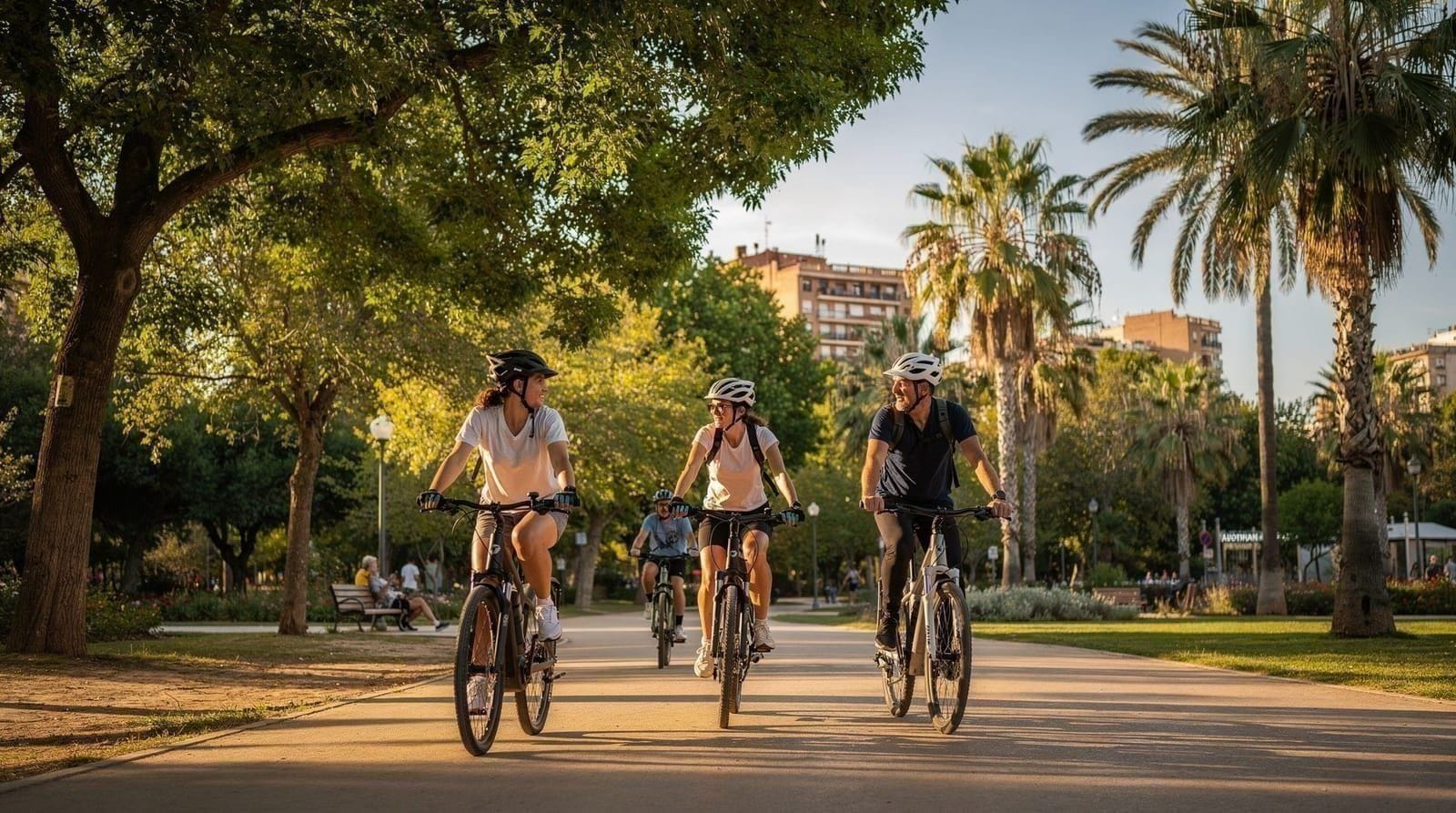
Paella and beach e-bike tour — combine cycling the beach promenade with a traditional lunch.
Watersports
The Malvarrosa–Patacona section has several watersports operators. Available activities (prices fluctuate by season):
- Paddle surfing: lessons from €25–35 per 90 minutes; board rental from €10/hour. Operators near the central beach.
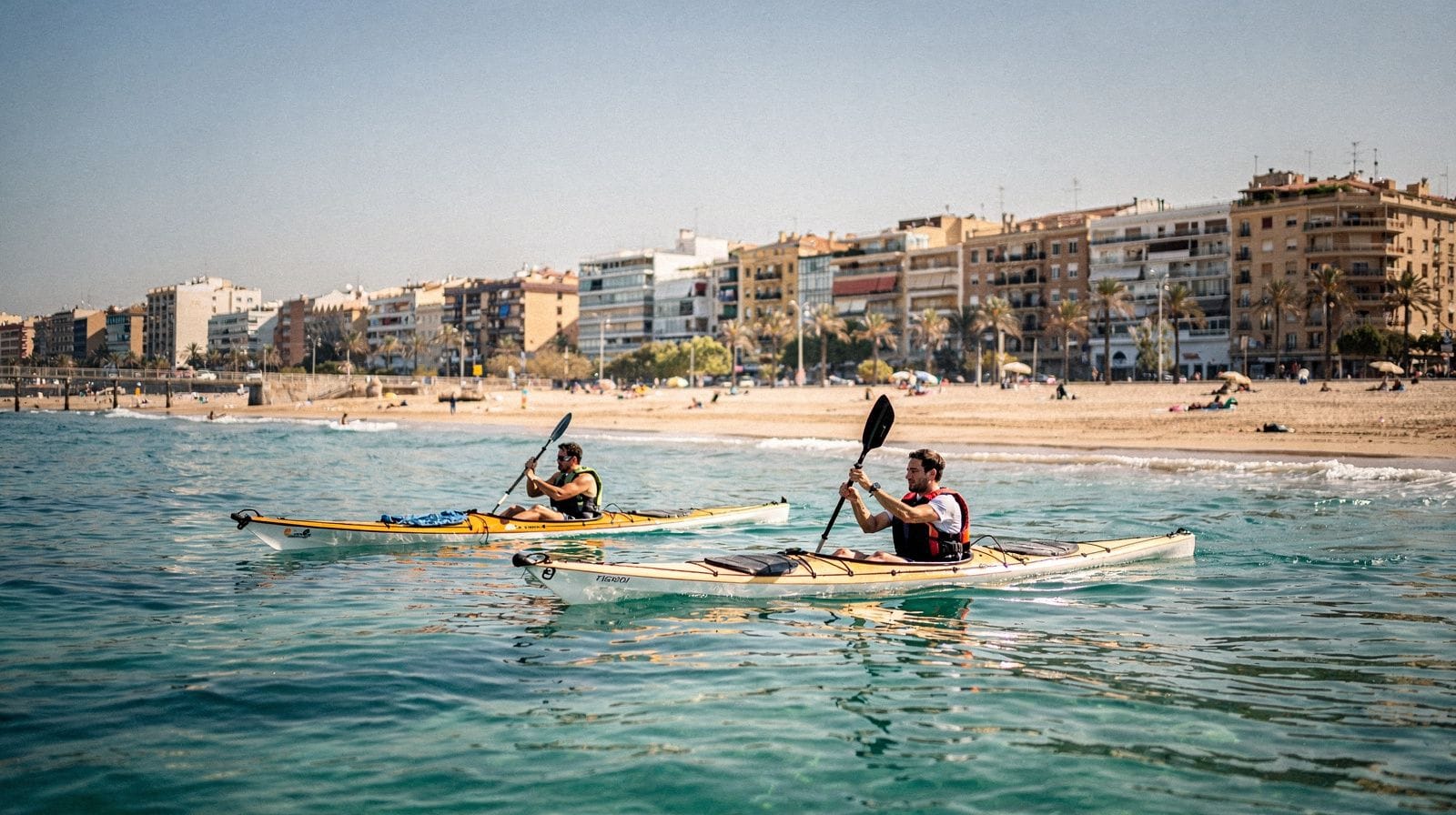
- Kayak rental: €10–15/hour for single or double kayaks, available from several beach clubs.
- Jet ski: excursions from the nearby marina for €30–50/30 minutes.
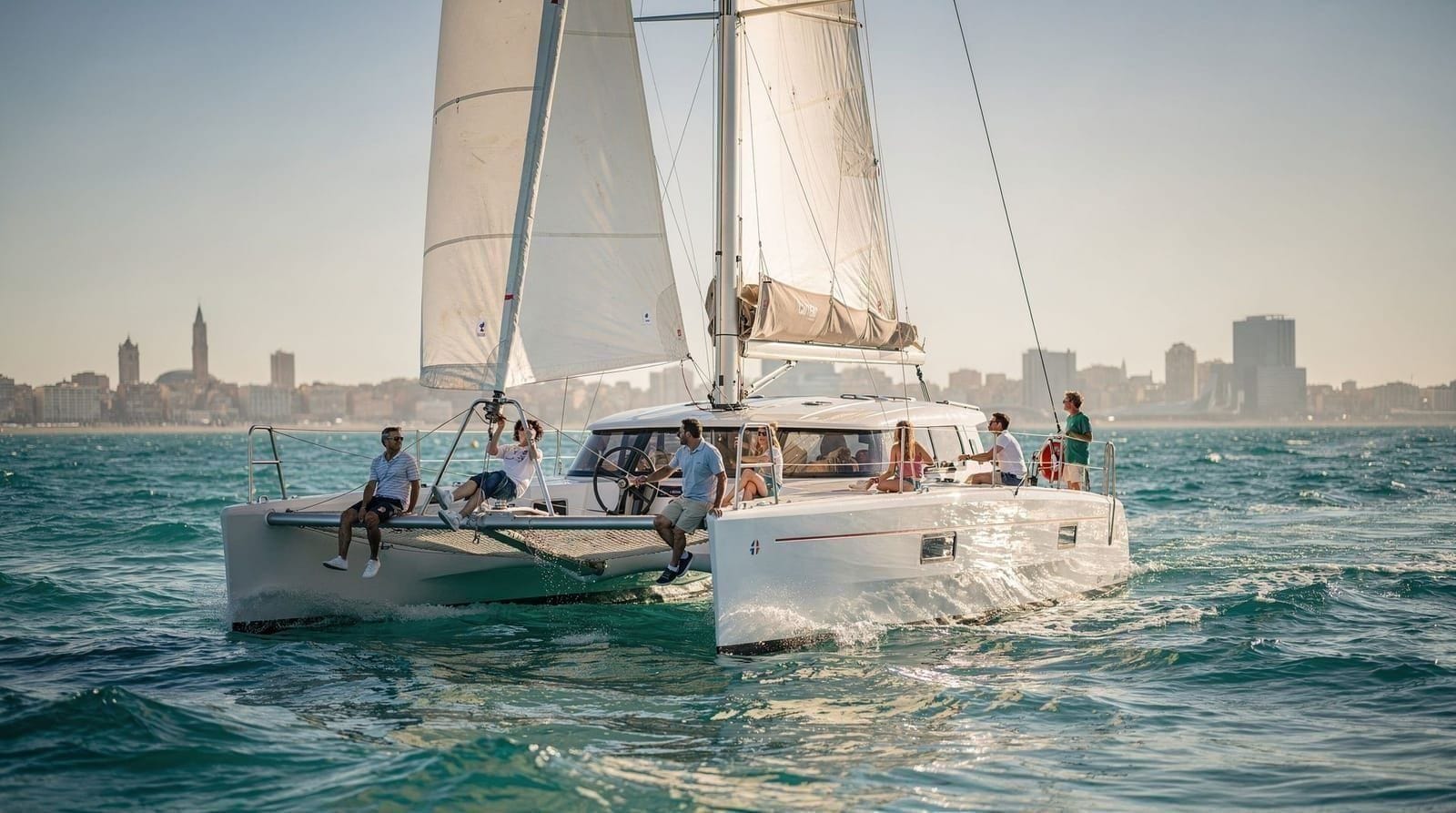
- Sailing: catamarans depart from the nearby Port América’s Cup marina.
Paddle surf lesson at Valencia beach — all equipment included, suitable for beginners.
Beyond sunbathing
The beach promenade cycling and walking lane extends 3 km from Malvarrosa north to Patacona. This is a pleasant route at any time; in early morning the promenade is largely empty and the light on the sea is excellent.
From the southern end of Malvarrosa, the tram continues to the port area and the city centre. The walk south along the waterfront connects to the Port of Valencia and the America’s Cup harbour, where the catamarans depart.
Evening on the promenade is active in summer — families walking, bars open, light until 21:30. This is local Valencia beach life, less performative than the Barcelona beachfront and less tourist-focused than the Costa Blanca.
Pairing the beach with the rest of your trip
Malvarrosa works best as one piece of a wider plan rather than a full-day commitment. If you are still deciding how to split your time, the how many days in Valencia guide helps place a beach half-day, and the Valencia in one day itinerary shows how little room there is if you only have a short stay. The beaches and city itinerary is built around exactly this kind of split, with sand in the morning or late afternoon and the old town in between.
Staying close to the sea changes the rhythm of a visit. The where to stay guide and the best area for first-timers explain the trade-off between sleeping near the beach and sleeping in the historic centre. The El Cabanyal guide covers the fishermen’s quarter just behind the promenade, which is the natural place to wander before or after a swim. For the beach from the El Cabanyal side, the Cabanyal beach guide and the dedicated Malvarrosa beach guide go deeper on the sand itself.
Getting back and forth is simple once you understand the network. The getting around by metro and EMT guide explains the tram and bus options, and the valencia to coast train guide is useful if you plan to continue to other coastal towns. If you prefer two wheels, the bike rental and Valenbisi guide covers the practical side of cycling out to the water.
Who La Malvarrosa suits best
Couples and solo travellers tend to enjoy the promenade most outside the peak weeks: a slow walk, a long lunch and an evening drink without having to fight for a table. Groups of friends will find the beach volleyball and the watersports easy to turn into a half-day plan. Families benefit from the gentle entry into the water, the toilets and showers, and the fact that a tram ride gets everyone home without a car.
Travellers who like to eat well will want to plan the meal first and the beach around it. The authentic paella guide and the how to order paella guide help you avoid the classic mistakes, and the paella traps guide is worth a skim before choosing a table on any seafront. Remember that paella is traditionally a lunch dish, so a late afternoon swim followed by a seafood dinner of something else often makes more sense than forcing a rice dish at night.
If you are travelling with children, the beaches with kids guide offers a broader comparison, and the Valencia with kids guide fits the beach into a family itinerary. Visitors who want a calmer alternative can look at the quiet beaches guide.
The Malvarrosa promenade in detail
The Passeig Neptú runs the full length of Malvarrosa’s seafront. Walking its 1.8 km gives a cross-section of how Valencians actually use their urban beach: families with children playing at the water’s edge, groups of older residents doing morning exercise walks, teenagers renting paddleboards. The activity is most vivid between 10:00 and 14:00 and again from 19:00 onwards in summer.
At the central section (near the main tram stop and the Eugènia Viñes junction): the highest density of restaurants, sunlounger rentals, and beach volleyball courts. Also the most crowded in peak season.
At the northern end (toward Patacona): the promenade thins out. A few chiringuito bars with plastic chairs on the sand, fewer tourists, and notably more space on the beach itself. The Patacona section begins here — see the Patacona guide for comparison.
At the southern end (toward the port): the beach transitions to the port area’s rock jetties and eventually to the America’s Cup harbour. The sailing and catamaran tour operators are concentrated here; this is where the afternoon departures pick up passengers.
Malvarrosa vs. other Valencia beaches
Malvarrosa is the most accessible and the most urban. It is not the cleanest or the most scenic — that is El Saler and La Devesa (quieter, natural park–backed, accessed by bus 24/25 south). It is not the calmest — that is the protected waters at Patacona. But it has the most restaurants, the easiest transport links, and the busiest life at both ends of the day.
For families with young children who want beach access combined with easy transport back to the city: Malvarrosa is the practical choice. For swimmers or readers who want space and quiet: Patacona or El Saler.
Read the full comparison in the best beaches near Valencia guide and the family beaches guide. See the beach season guide for timing and water temperature conditions by month.
Practical tips for a Malvarrosa visit
Arrive early or late: July and August, the beach fills from 10:00 to 19:00. A 08:00 swim is a completely different experience — cool water, empty sand, lifeguard shift change at 09:00. An after-17:00 arrival in midsummer means the worst heat has passed, the beach is thinning out, and the evening restaurants are setting up.
What to bring: the nearest supermarkets are in El Cabanyal (Calle de la Reina, 10 minutes’ walk back from the beach). Buying drinks and snacks here rather than on the promenade saves 40–60% on cost. A supermarket water bottle is €0.60; the same water at a beach kiosk is €2–2.50.
Valuables: leave them at the hotel or apartment. Phone thefts from beach towels are common in July and August — particularly around the central and southern sections where density is highest. The northern Patacona section sees fewer incidents.
Sunlounger rental: agree on price before sitting down. Reasonable is €5–8 per chair; walk away from any quoted price above €10.
Photography: the best light on Malvarrosa is at golden hour — around 20:00–21:00 in summer, 17:00–18:00 in autumn and winter. The long perspective south down the promenade, with the port cranes in the distance, is one of the more compositionally interesting shots available in Valencia’s beach area.
For a professional photoshoot at Malvarrosa:
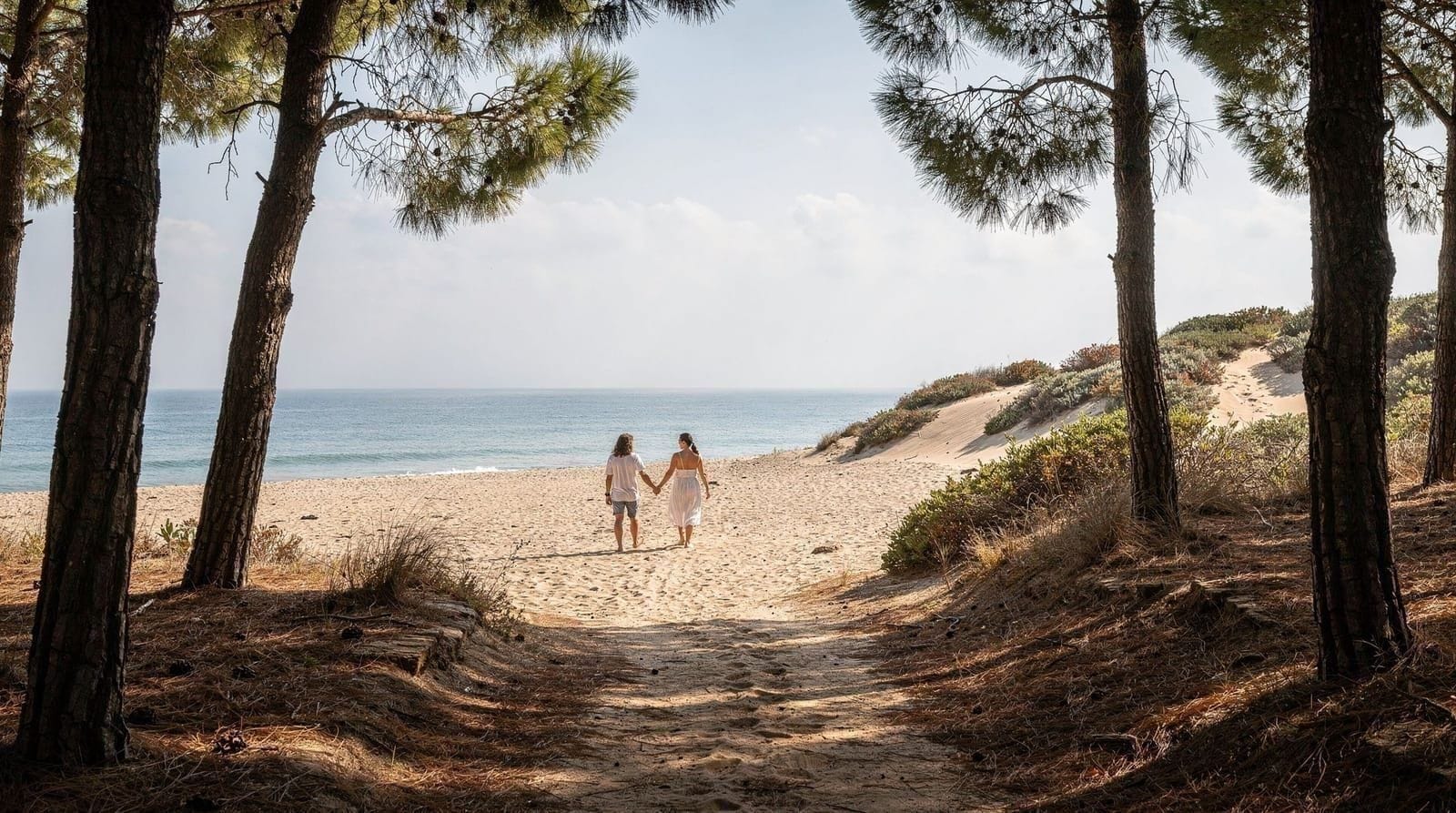
Professional photo shoot at Valencia beach — outdoor portraits and travel photography with a local photographer.
Malvarrosa by season
| Season | Water temperature | What to expect |
|---|---|---|
| Jun–Sep | 24–27°C | Full crowds, all restaurants and services open |
| May & Oct | ~20–22°C | Comfortable swimming, noticeably fewer people |
| Nov–Mar | 14–17°C | Too cold for most swimmers; promenade walk still pleasant |
| Apr | ~18°C | Early-season swimmers only; beach quiet |
A morning at Malvarrosa
For visitors who want the beach without the crowds, the routine locals use works well: arrive on the first tram (before 09:00), swim while the water is calm and the sand is still cool, then have a coffee at one of the smaller bars set back from the main promenade rather than the beachfront terraces, which charge a premium. By 11:00 in July or August, this same stretch is at capacity — the difference between the two hours is dramatic.
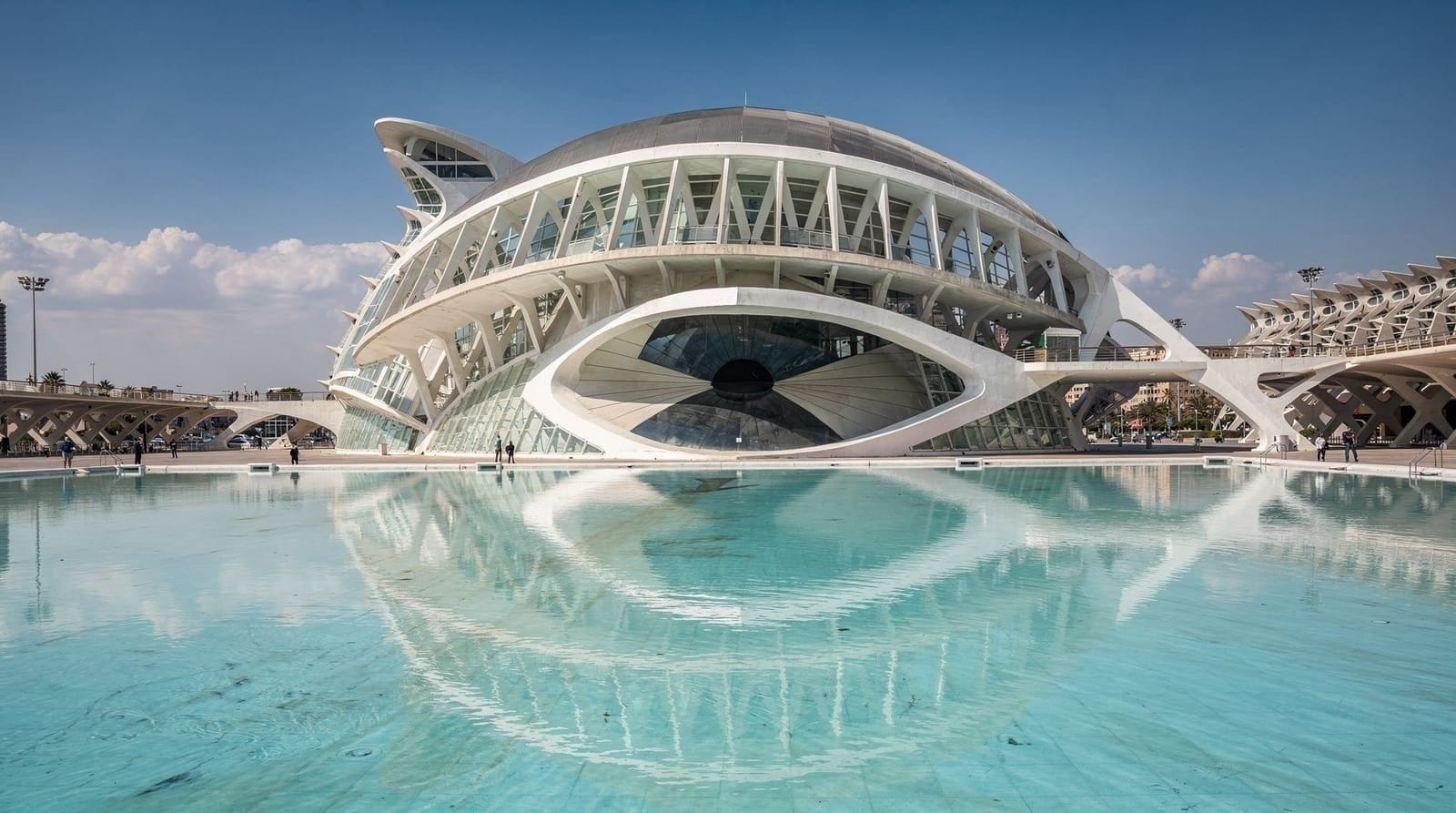
Combining the beach with a wider Valencia day is straightforward: the tram from Malvarrosa connects directly back to Colón and the old town in under 20 minutes, making it realistic to spend a morning at the beach and an afternoon at the Ciutat de les Arts i les Ciències or exploring Ciutat Vella.
Old town to City of Arts and Sciences e-bike tour — a route that can be extended to finish at Malvarrosa beach.
Frequently asked questions about La Malvarrosa
Is La Malvarrosa a good beach for swimming?
Yes. The sea is calm, the bottom is sandy with a gentle slope for the first 20–30 metres, and lifeguards operate June–September. Water quality is officially rated excellent by EU bathing standards most years, with no persistent algae or jellyfish issues.
How crowded does Malvarrosa get in summer?
Very crowded in the central section during July and August, with the beach essentially full by 11:00. The northern end toward Patacona stays noticeably less dense, and early morning (before 09:30) or after 18:00 offers a very different experience even in peak season.
Top experiences
Bookable activities with verified prices and instant confirmation on GetYourGuide.