Sagunto
Sagunto is 35 km north of Valencia — 35 min by train. Roman theatre, hilltop Moorish-era castle, Jewish quarter and a beach. Underrated, genuinely
Valencia: private visit to Sagunto and Caves of San Josep
Quick facts
- Distance from Valencia
- 28 km north
- Travel time
- ~35 min by Cercanías train (C6 line)
- Getting there
- Direct train from Valencia Nord (C6 line, ~€2.80 each way)
- Best for
- Roman history, multilayered castle, quiet day trip without beach crowds
- Don't miss
- Teatro Romano (2nd century BC), Castillo de Sagunto, the Jewish quarter (Barrio Judío)
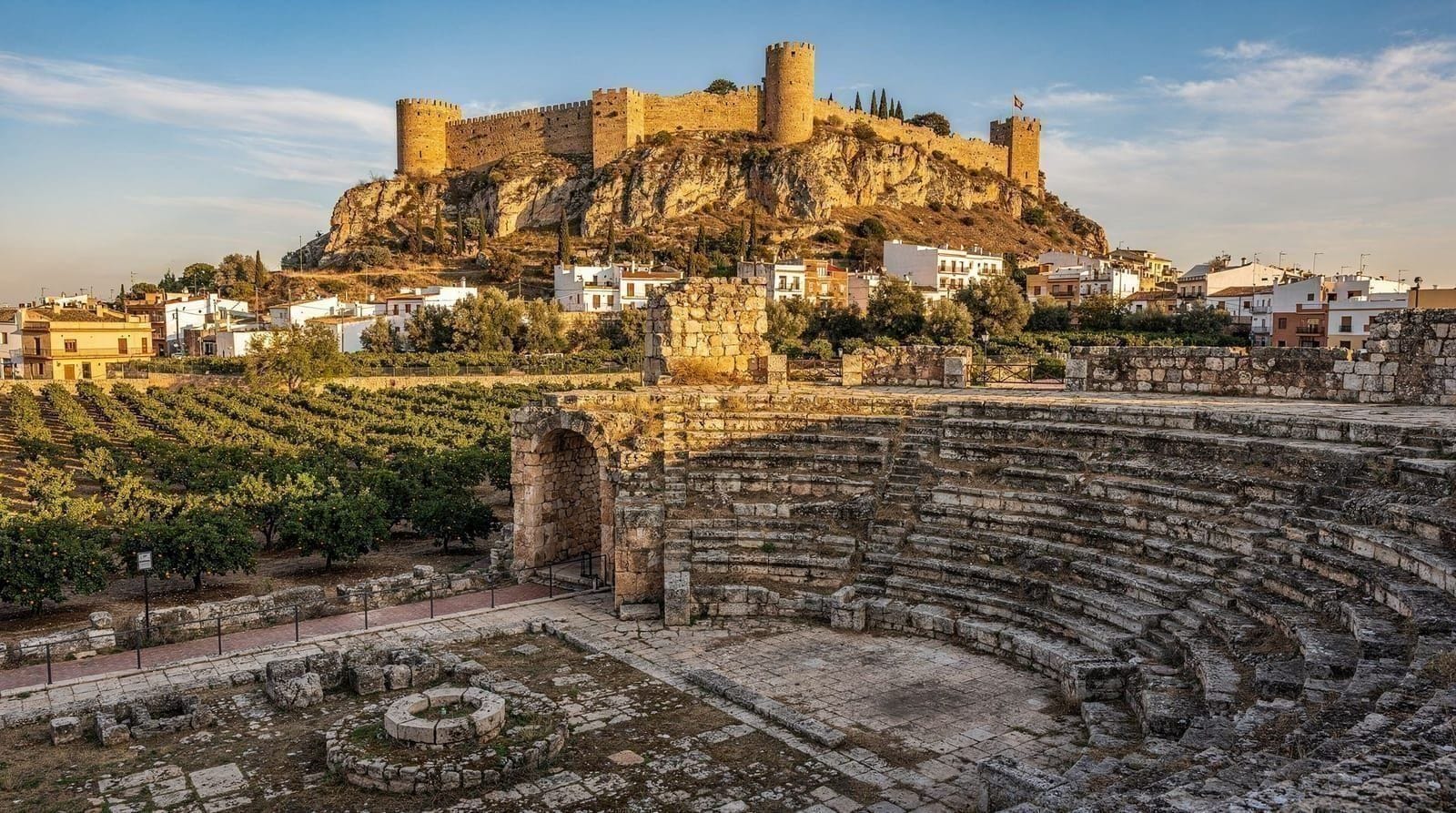
Sagunto is 28 km north of Valencia and one of the most historically layered towns in eastern Spain. Its 1.2-kilometre-long hilltop castle contains Roman, Moorish, and Aragonese-era structures built one on top of another over 2,000 years. Its Teatro Romano dates to the 2nd century BC — and was controversially restored in the 1990s in a manner that divided architectural critics. Its Jewish quarter (El Call) is one of the better-preserved in the Valencia region. All of this is 35 minutes from Valencia on a €2.80 train ticket, and on a weekday morning, you’ll often have the castle plateau nearly to yourself.
| Where | 28 km north of Valencia, on the C6 Cercanías line |
| Cost | Castle free (hours seasonal); Teatro Romano free all year |
| Time needed | Half day (4–5 hrs); full day with the beach |
| Getting there | Direct train from Valencia Nord, ~35 min, ~€2.80 |
| Best time | Weekday mornings for a quiet castle; summer evenings for theatre performances |
Getting to Sagunto from Valencia
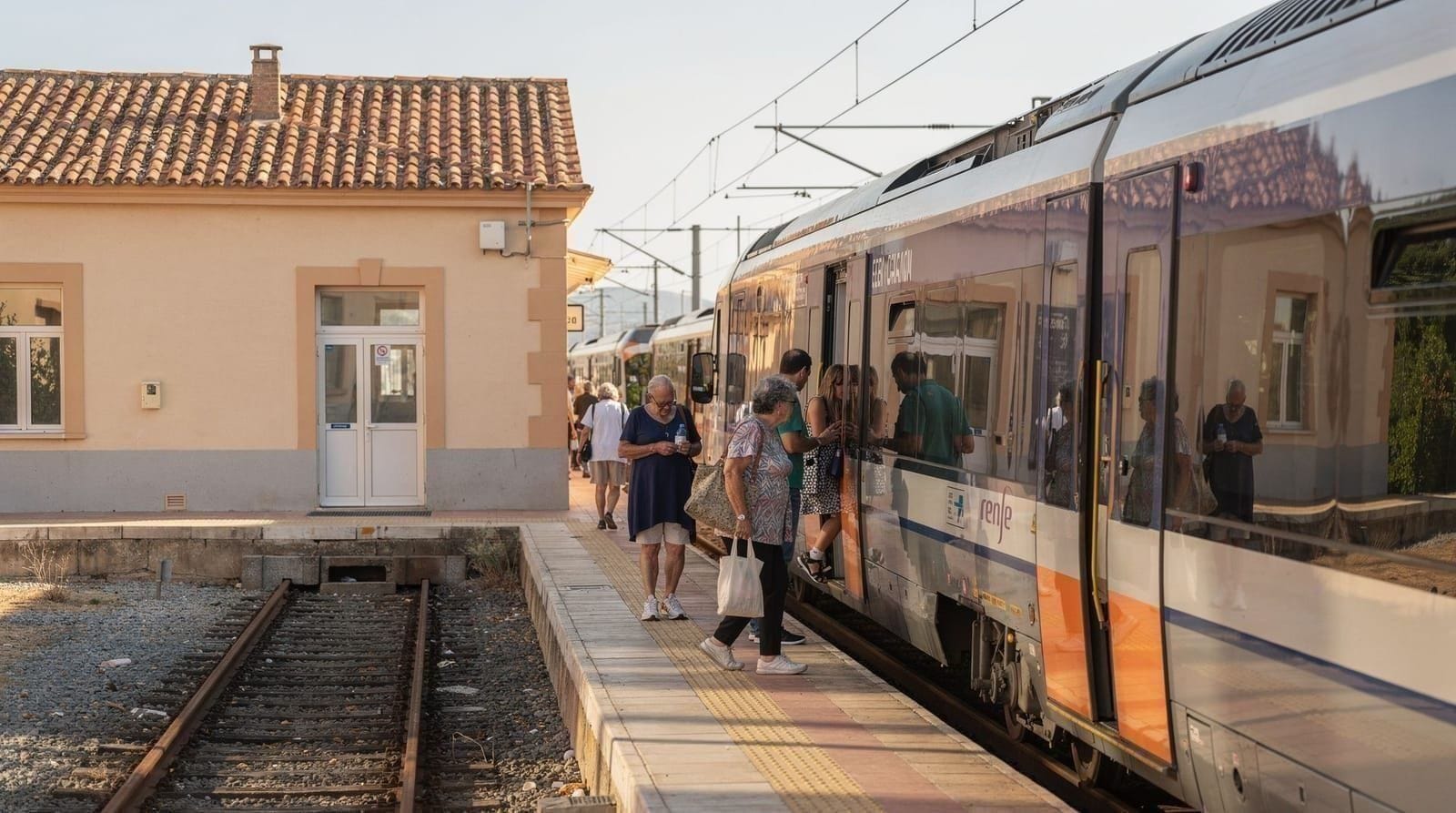
The C6 Cercanías line departs from Valencia Nord (Estació del Nord) and reaches Sagunto’s main station in approximately 35 minutes. Trains run every 30–60 minutes; single fares are around €2.80. The station sits at the foot of the hill — the castle entrance is a 25-minute uphill walk through the old town or a steeper 15-minute shortcut via stairs from the Barrio Judío.
There is also a Sagunto Puerto station (serving the beach and port district), one stop further on the same line. If you plan to combine the castle with a beach afternoon, stay on the train one additional stop.
Driving takes 25–30 minutes on the CV-35 or N-234 north. Parking in the old town area is limited but available on surrounding streets on weekdays.
Private visit to Sagunto and Caves of San Josep from Valencia — an organised tour that pairs Sagunto with a visit to the nearby Coves de Sant Josep (a navigable underground river system in Vall d’Uixó, 30 km further north). A practical combination that would be time-consuming to arrange independently.
The castle: 1.2 km of layered history
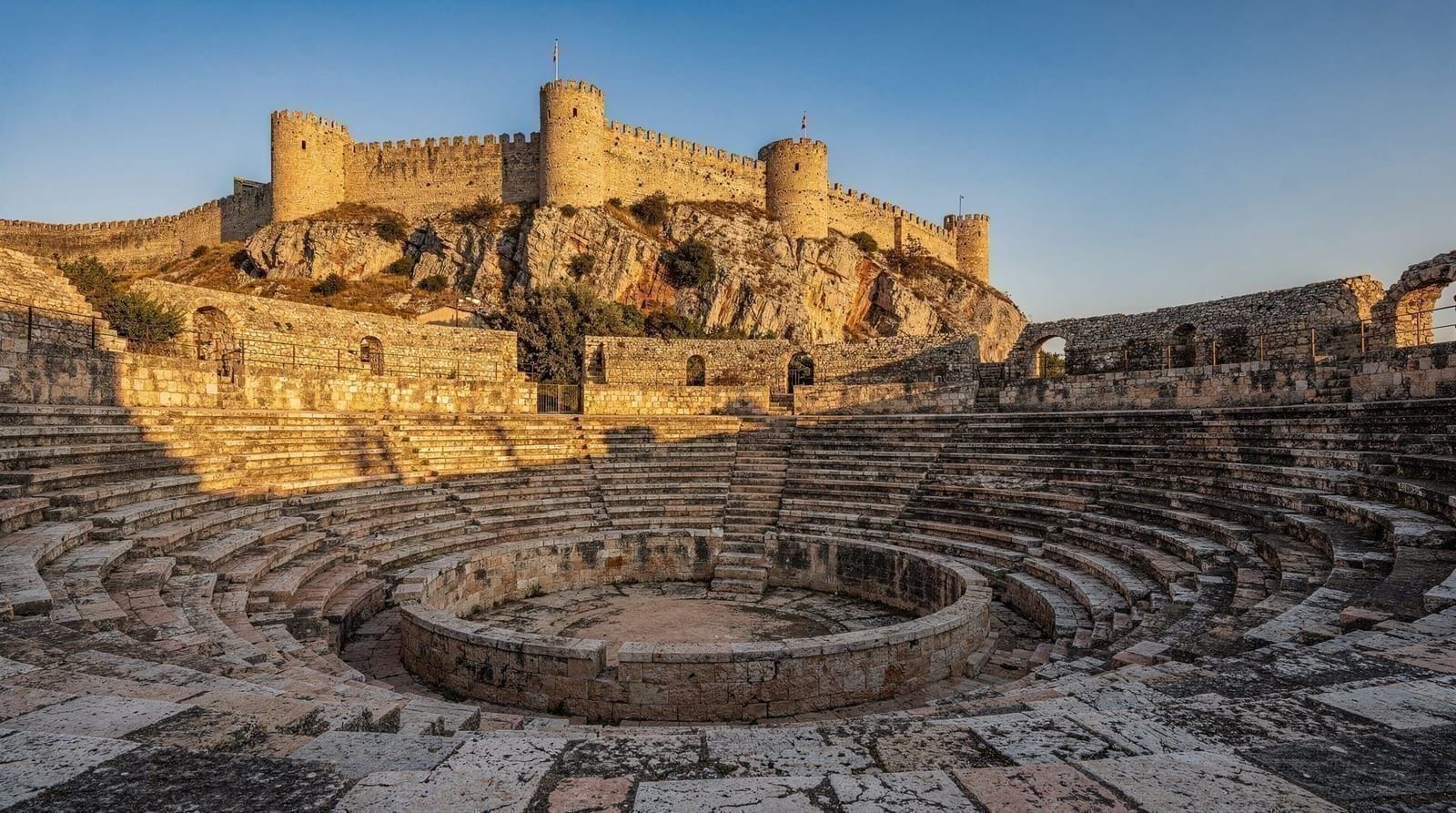
The Castillo de Sagunto is not a single castle — it is a fortified hilltop enclosure that covers the entire summit of Monte del Castillo, stretching 1,200 metres from east to west. Different sections were built and rebuilt by Iberians, Romans, Visigoths, Moors, and the Crown of Aragon over two millennia.
The most significant historical event here was the Siege of Saguntum (219–218 BC), when the Ibero-Roman city held out for eight months against Hannibal Barca before its destruction — the event that triggered the Second Punic War between Carthage and Rome. The ruins visible today are largely medieval in construction, though excavations have exposed Roman-era foundations throughout.
Entry to the castle enclosure is free. The walk from the town centre to the main gate takes 20–25 minutes uphill. Inside, you can walk the entire length of the walls for views over the Valencia plain, the sea to the east, and the Palancia river valley to the north. The castle museum (at the eastern end near the Teatro Romano) contains Roman-era artefacts and is worth 30–45 minutes.
The Teatro Romano: the controversy
The Teatro Romano de Sagunto is a genuine 2nd-century BC Roman theatre — one of the oldest surviving Roman theatre structures in Spain. Its current appearance, however, is largely the result of a 1990s reconstruction by architects Giorgio Grassi and Manuel Portaceli that generated significant controversy: the restoration added contemporary architectural elements (a rear wall, new seating) that purists argued was falsification of the ruin.
The debate is discussed in all serious architecture guides and is part of Sagunto’s cultural story. Regardless of how you feel about the reconstruction, the theatre is used for performances — the Festival de Teatro Clásico de Sagunto (July–August) stages classical plays here, with the Roman walls as backdrop. Tickets for performances sell out quickly; check the festival website (teatresagunt.com) if you’re visiting in summer.
Entry to the theatre is free all year, with free guided visits and no booking needed. The castle is also free, with seasonal opening hours.
The Jewish quarter (El Call)
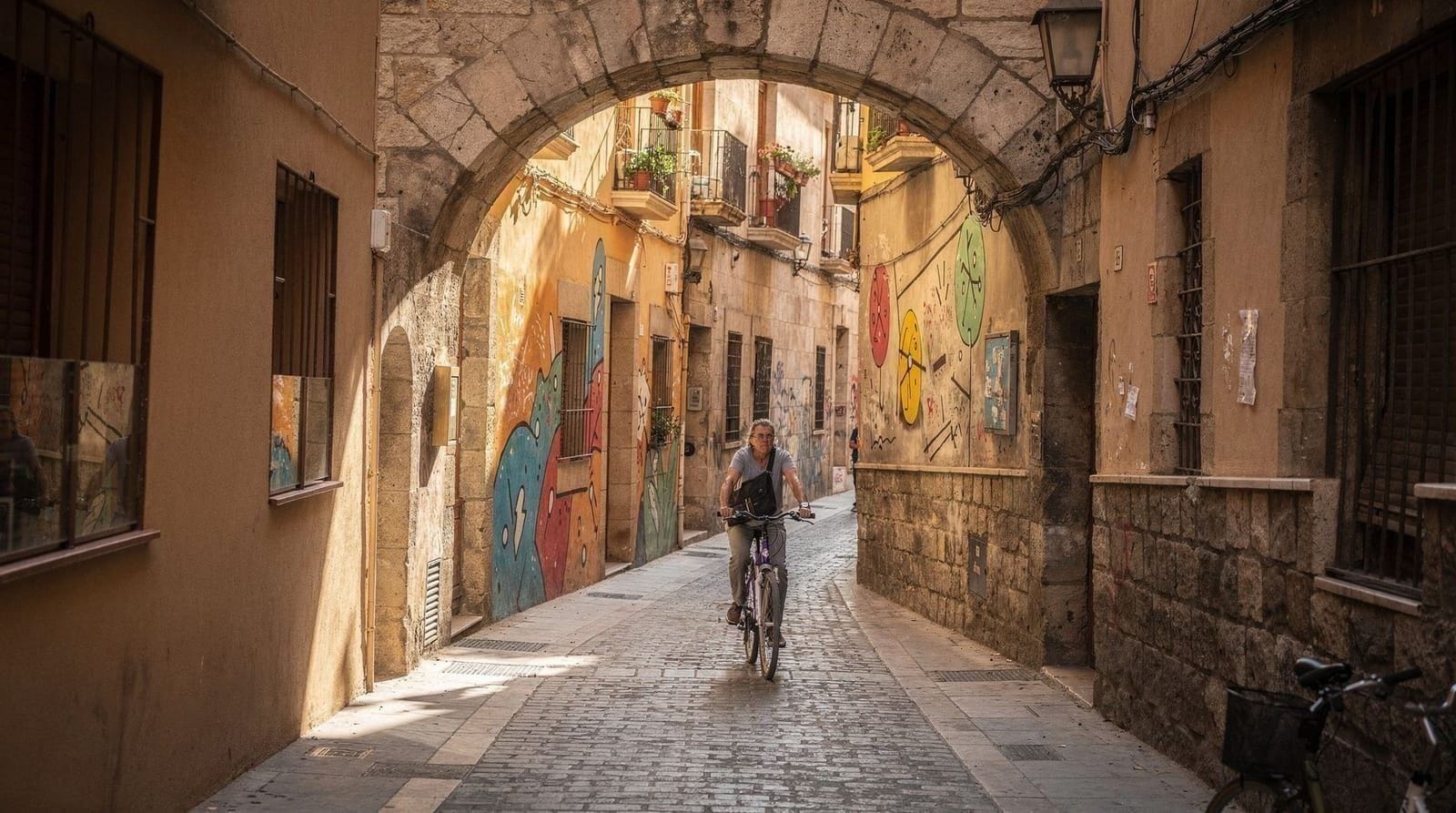
The Barrio Judío sits between the main town and the castle approach, on the northern slope of the hill. Sagunto’s Jewish community was substantial in the medieval period — the quarter has narrow lanes, a restored synagogue site, and the Portalet dels Jueus (Jewish gate), a small arched gate in the old walls. The neighbourhood has been partially restored and is genuinely atmospheric — more intact than the Jewish quarters in many larger Spanish cities. Walking it takes 30–45 minutes.
Combining with the beach
Sagunto Port (Puerto de Sagunto) is the industrial and beach district, 3 km east of the castle hill. The steel mills that once dominated this area have been largely decommissioned, leaving a pleasant beach (Playa de Sagunto, 3 km long) with good infrastructure and significantly fewer crowds than Valencia’s Malvarrosa. The beach is accessed via the Sagunto-Puerto station on the same C6 line.
For a full day: castle and Jewish quarter in the morning (3–4 hours), train one stop to Puerto (5 minutes), beach lunch and afternoon swimming. This is an efficient use of the C6 line with no car required. See the Valencia to coast train guide for further options.
Shore excursion combining Sagunto and Valencia is designed for cruise passengers but also works as a general guided overview if you want context provided.
Practical tips
- The tourist office is at the base of the castle hill (Calle Castillo) — free town maps
- Avoid the first café at the castle entrance (€4 coffee, €8 bocadillo) — walk two blocks back into town
- El Mesón de la Villa (just off Plaza Mayor) is a reliable lunch option, menú del día €13–14
- The castle is exposed and hot in summer afternoons — visit before noon in July–August
- On-site toilet facilities are limited and not always open; use facilities in the town before ascending
How to pace the day
Sagunto rewards a slow start. The town is small enough that nothing feels rushed, but the castle is the one place where the pace matters: the enclosure is long, the paths are uneven, and there is very little to lean on if you tire. Wear shoes with real grip rather than sandals, carry water from the town, and treat the walls as a walk rather than a checklist. Many visitors rush the castle to reach the theatre and then regret not lingering on the ramparts, where the views over the plain and the sea are the real reward.
If you would rather have the stories behind the stones, a guided option helps. a private tour tailored to your own interests can be shaped around Roman history, and it is a sensible choice for families or small groups who want to move at their own speed instead of following a fixed group.
What the layers actually mean
It helps to arrive with a rough map of who built what. The Iberian and Roman phases belong to the ancient city that Hannibal besieged. The Visigothic and Moorish centuries reworked the same hill as a defensive stronghold, and the Crown of Aragon later adapted it again. On the ground these phases are not neatly labelled, so expect to read the walls rather than follow a single route. Look for changes in the masonry, in the size of the stones and in the way gateways were narrowed or widened; those clues tell the story better than any single plaque.
The same layered logic runs through the rest of the region. If this kind of history appeals, the Valencia and Silk Route guide shows another side of how the area was shaped, and the UNESCO sites in Valencia page puts the city’s heritage in a wider frame. For a taste of medieval walls in a very different setting, the hilltop streets of Morella are worth a look on a longer trip.
Bringing Sagunto into a wider Valencia stay
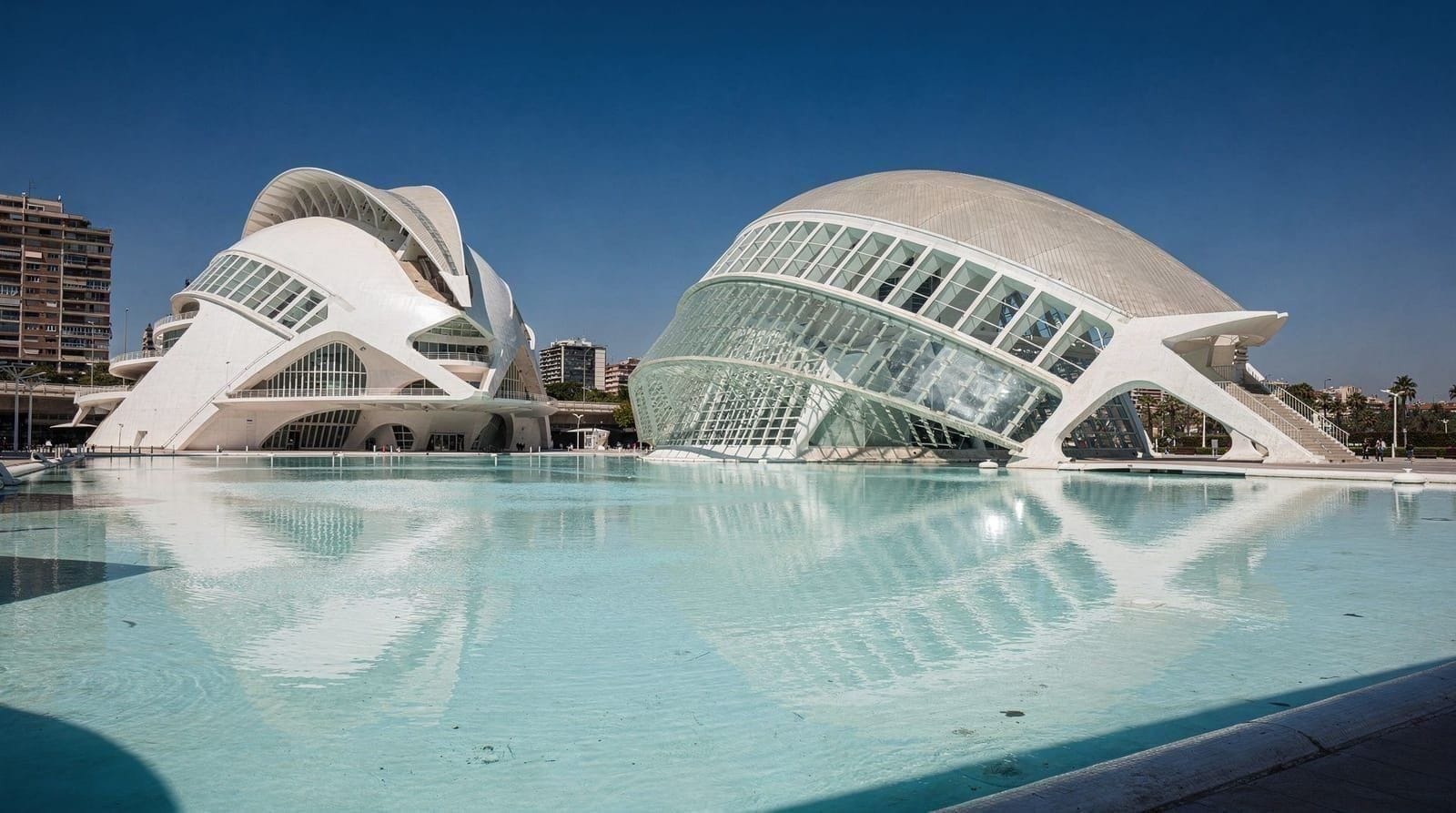
Sagunto works best as one piece of a longer visit rather than the whole plan. Pair it with a city-centre day so that the contrast is clear: a morning among the Roman and medieval stones here, and an afternoon back in Valencia among the modern buildings of the City of Arts and Sciences. The Valencia 3 days itinerary leaves room for exactly this kind of half-day escape, and the Valencia in one day plan is better kept for the city itself.
If you prefer to understand the capital before heading out, a historical walking tour of Valencia gives useful background on the same succession of cultures, so the layers at Sagunto feel familiar when you arrive. For travellers who like the idea of a quiet coastal stop after the ruins, the Valencia beach season guide explains how the nearby sand compares with the city beaches.
Whatever you choose, keep the day flexible. Weather, energy and the pull of a good lunch all matter more here than a rigid schedule, and Sagunto is forgiving to those who let the day unfold.
Frequently asked questions about Sagunto
Is Sagunto worth visiting from Valencia?
Yes, particularly for history-minded travellers. The castle’s scale is impressive, the Teatro Romano has genuine antiquity, and the Jewish quarter adds depth. The train journey is short and cheap. It’s not beach-focused, but combines well with Sagunto’s own beach for a varied day.
How do I get from Sagunto castle to the beach?
Walk down from the castle to the main Sagunto train station (25 minutes), take the C6 train one stop north (5 minutes) to Sagunto-Puerto, and walk 5 minutes to the beach. Total: 35–40 minutes from castle to sand. Alternatively, take a taxi (€6–8) from the old town directly to the beach.
Are there guided tours of the castle?
The castle museum has audio guide rental available. Guided group tours run on weekends in Spanish; English-language tours are irregular — check with the tourist office. The private tour from Valencia above includes an English-speaking guide.
What is the Teatro Romano controversy?
The 1990s restoration by Grassi and Portaceli inserted a contemporary rear wall and tiered seating into the original Roman ruins, creating a hybrid structure rather than a pure archaeological site. The Spanish Supreme Court ordered demolition of parts of the additions in the early 2000s, but the full restoration remains largely intact. The debate made Sagunto a reference point in discussions about heritage conservation versus adaptive reuse.
Can I take the train from Valencia Nord to Sagunto?
Yes. The C6 line departs from Valencia Nord (Estació del Nord) and is the most convenient starting point for most Valencia visitors. Total journey: approximately 35 minutes.
Is there parking near Sagunto castle?
Limited. The old town streets around the castle base have some on-street parking, generally free on weekdays, but competition is high on weekends and holidays. Sagunto’s main car park is near the modern town centre, about a 10-minute walk from the castle approach.
A half-day itinerary
For visitors doing Sagunto as a half-day trip without the beach extension, this timing works well from an early train:
| Time | Activity |
|---|---|
| Arrive ~9:30 | Train from Valencia Nord, walk into the old town |
| 10:00–10:30 | Barrio Judío (Jewish quarter) |
| 10:30–12:00 | Castle walk and museum |
| 12:00–12:30 | Teatro Romano |
| 12:30–13:30 | Lunch in the old town (El Mesón de la Villa or similar) |
| ~14:00 | Train back to Valencia |
Add the Sagunto-Puerto beach stop and this extends comfortably into a full day, returning to Valencia by early evening. This trip requires no car at any point — see the day trips by train guide and the day trips without a car overview for how Sagunto compares with other train-accessible options.
Sagunto versus other Valencia day trips
Sagunto sits at the accessible end of Valencia’s day-trip options: shorter and cheaper to reach than Xàtiva or Requena, with a similarly impressive castle but a smaller, quieter old town. It suits travellers who want serious history without committing a full day, or who want to add a beach afternoon without leaving the same train line. Travellers wanting a livelier town centre alongside the castle may prefer the Xàtiva castle day trip; those prioritising wine and food over ruins should look at Requena instead.
Top experiences
Bookable activities with verified prices and instant confirmation on GetYourGuide.