Train from Valencia to the coast: Cullera, Gandia and beach towns
Valencia: Cullera history, beach and the Valencian Albufera tour
Can I reach the coast from Valencia by train?
Yes. Cercanías line C1 runs south from Valencia's Estació del Nord to Cullera (45 min, ~€3.20 return) and Gandia (65 min, ~€5 return). Both stations are served without reservations. Gandia's beach is 5 km from the train station; Cullera's is 2 km. Neither requires a car.
Valencia sits on Spain’s Mediterranean coast, yet the city’s own beaches — Malvarrosa, Patacona — tend toward urban beach rather than resort escape. For quieter sand and a different atmosphere, the Cercanías C1 line runs south along the coast to Cullera and Gandia, both accessible without a car and without advance booking.
| Where | Cullera (45 min) and Gandia (65 min) on Cercanías line C1 |
| Cost | around €6.40 return to Cullera, around €10 return to Gandia |
| Time needed | half day for Cullera, full day for Gandia |
| Getting there | Estació del Nord, no reservation needed |
| Best time | weekday mornings; summer weekends are crowded |
The Cercanías C1 line: Valencia’s coastal railway
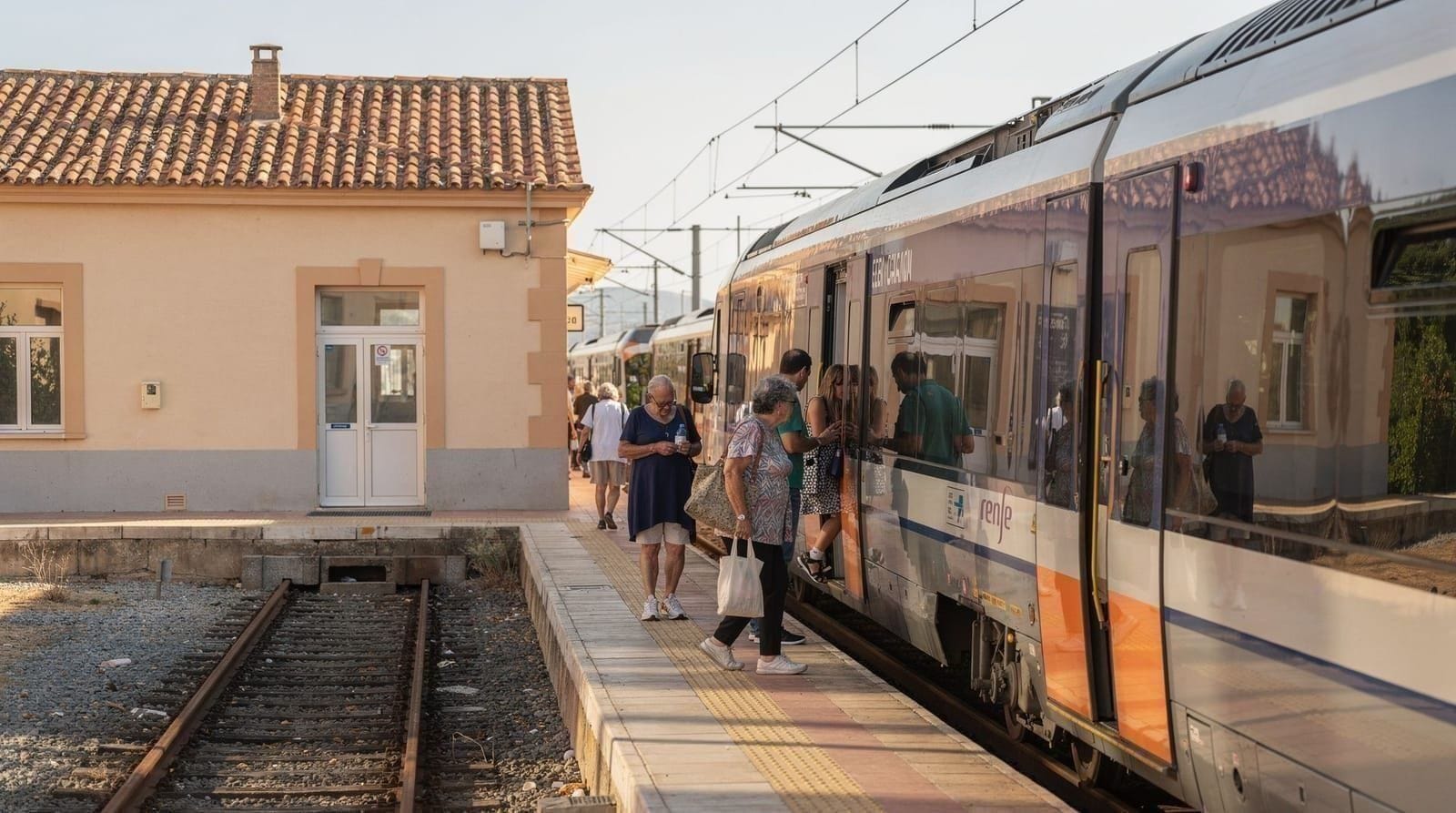
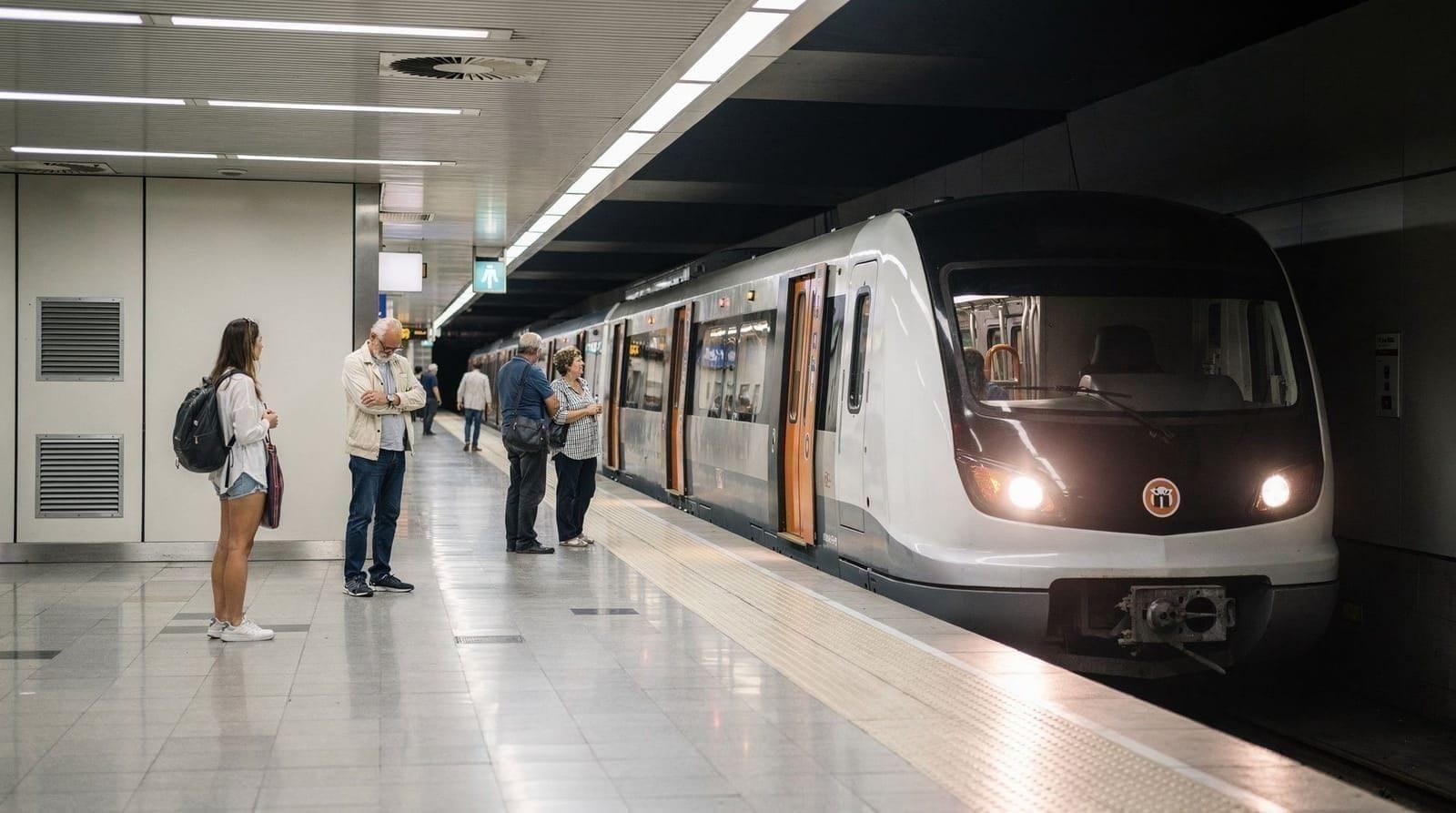
Line C1 departs from Valencia Estació del Nord (the central mainline station, accessible from the Xàtiva metro stop) and runs south through the Albufera rice plain before reaching the coast at Cullera and continuing to Gandia. All C1 services are operated by Renfe as part of the Cercanías Valencia network.
Key details:
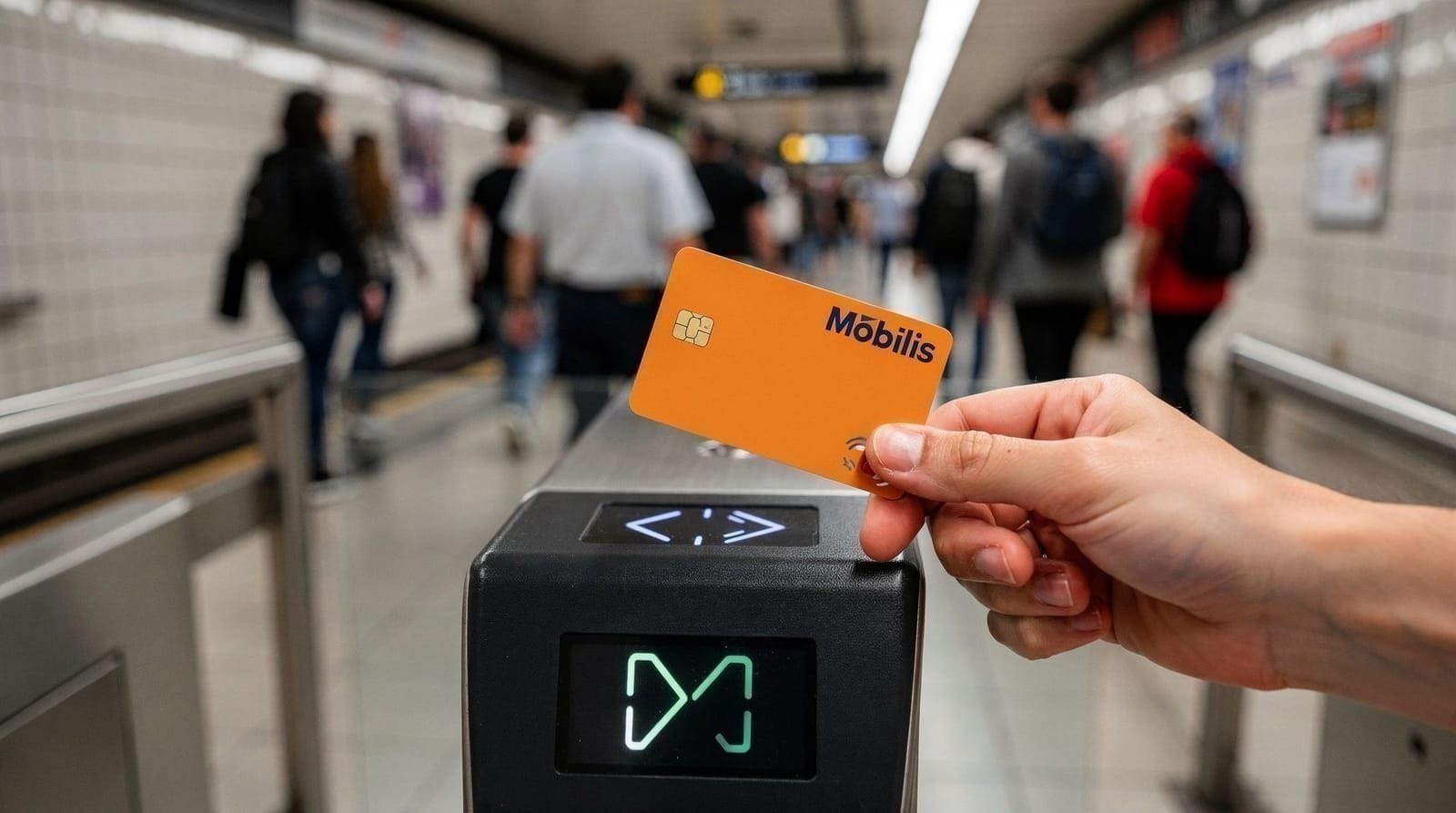
- No reservation required — turn up and buy at the machine
- Accepts Cercanías day passes and the Valencia Tourist Card
- Frequency: every 30 minutes on weekdays, every 45–60 minutes on weekends and holidays
- Journey timing: check the Renfe app or Cercanías Valencia website for current timetables, as Sunday frequency drops significantly and last-return times vary
Ticket prices (approximate):
| Destination | Distance | Single | Return |
|---|---|---|---|
| Cullera | 55 km | ~€3.20 | ~€6.40 |
| Gandia | 75 km | ~€5.00 | ~€10.00 |
Buy at station machines at Estació del Nord (ground floor, follow signs to Cercanías), the Renfe app, or the Renfe website. The machines offer English-language interface.
Cullera: the compact coastal day trip (45 min)
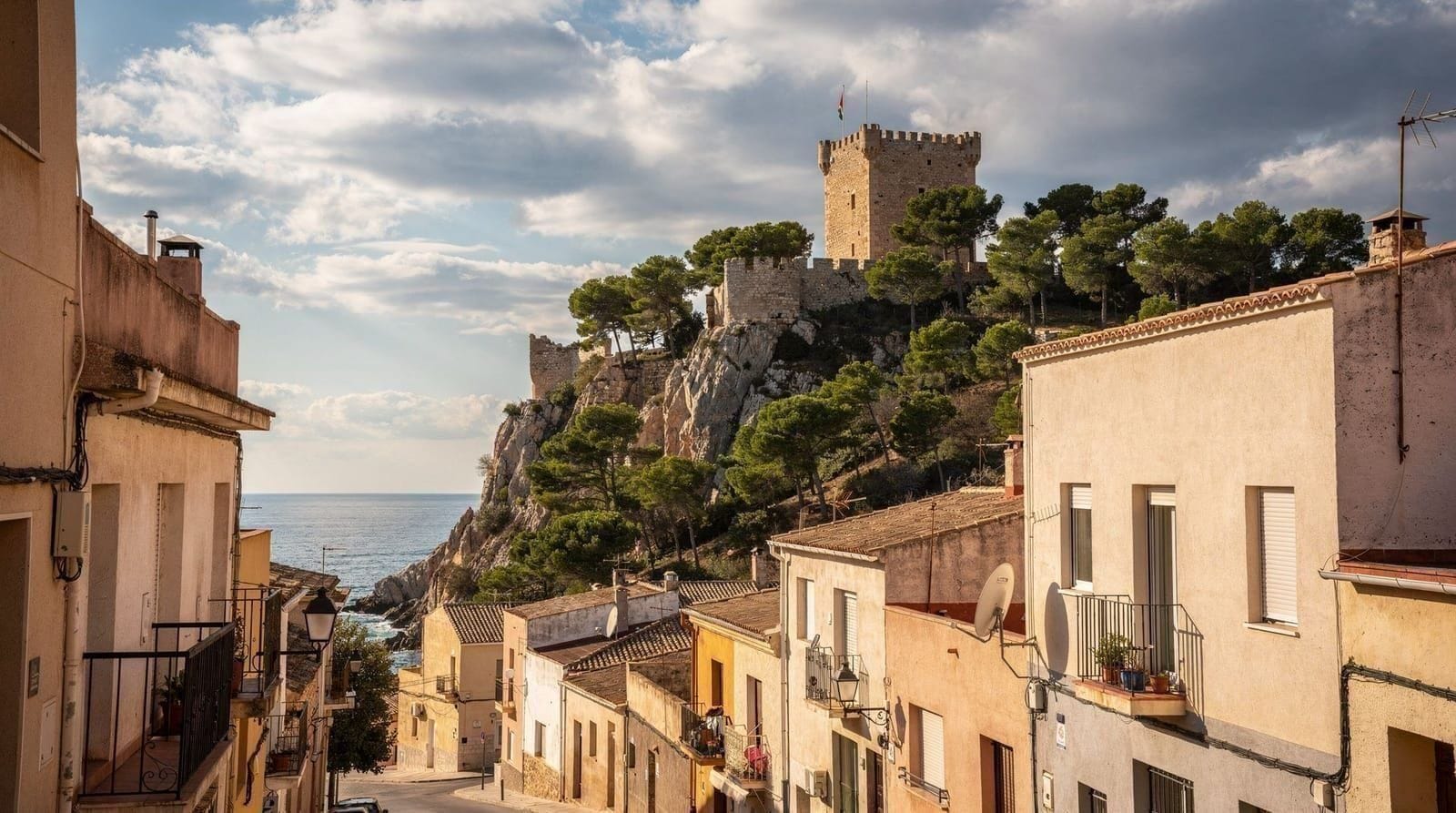
Cullera sits where the Júcar river meets the sea, with a rocky headland crowned by a medieval castle and Romanesque chapel, plus several beaches on either side. The combination of ruined fortification, reservoir views, and accessible sand makes it a more rounded day out than a pure beach resort.
Station to beach: Cullera’s train station is about 1.5–2 km from the main beaches. A local bus (línea urbana) runs between the station and the beach zone, or it is walkable in 20–25 minutes through the town. In summer, additional buses run during peak beach hours.
The beaches: Playa de Cullera (main town beach, gentle slope, busy in July–August), Playa del Dosel (smaller, more sheltered), and the headland beaches below the castle (smaller, rocky approach). The headland itself, with the castle and the mirador views across the Albufera rice plain and the sea, is worth the 20-minute climb from the town.
What to do in Cullera:
- Castle and chapel (Castillo de Cullera) — 1.5 hours including the walk up
- Playa de Cullera and neighbouring beaches — 2+ hours
- Old town lunch at a restaurant on the main square or the port area
- Mirador views from the headland
Honest assessment: Cullera is not a spectacular destination — it lacks the medieval perfection of Xàtiva or the architectural grandeur of Morella. But as a beach day with historical interest added, it delivers reliably. Best on weekdays when the beach is quieter. Summer weekends are crowded.
If you would rather see the town from the water than climb to the headland, a guided outing combining Cullera’s history, its beach and a boat ride on the Albufera ties the town, the sand and the lagoon together in one go. It suits travellers who like having the day organised for them, while the train remains the simplest way to get there on your own.
For detailed beach information, see the Cullera beaches guide and Cullera day trip.
Gandia: the best beach day trip by train (65 min)
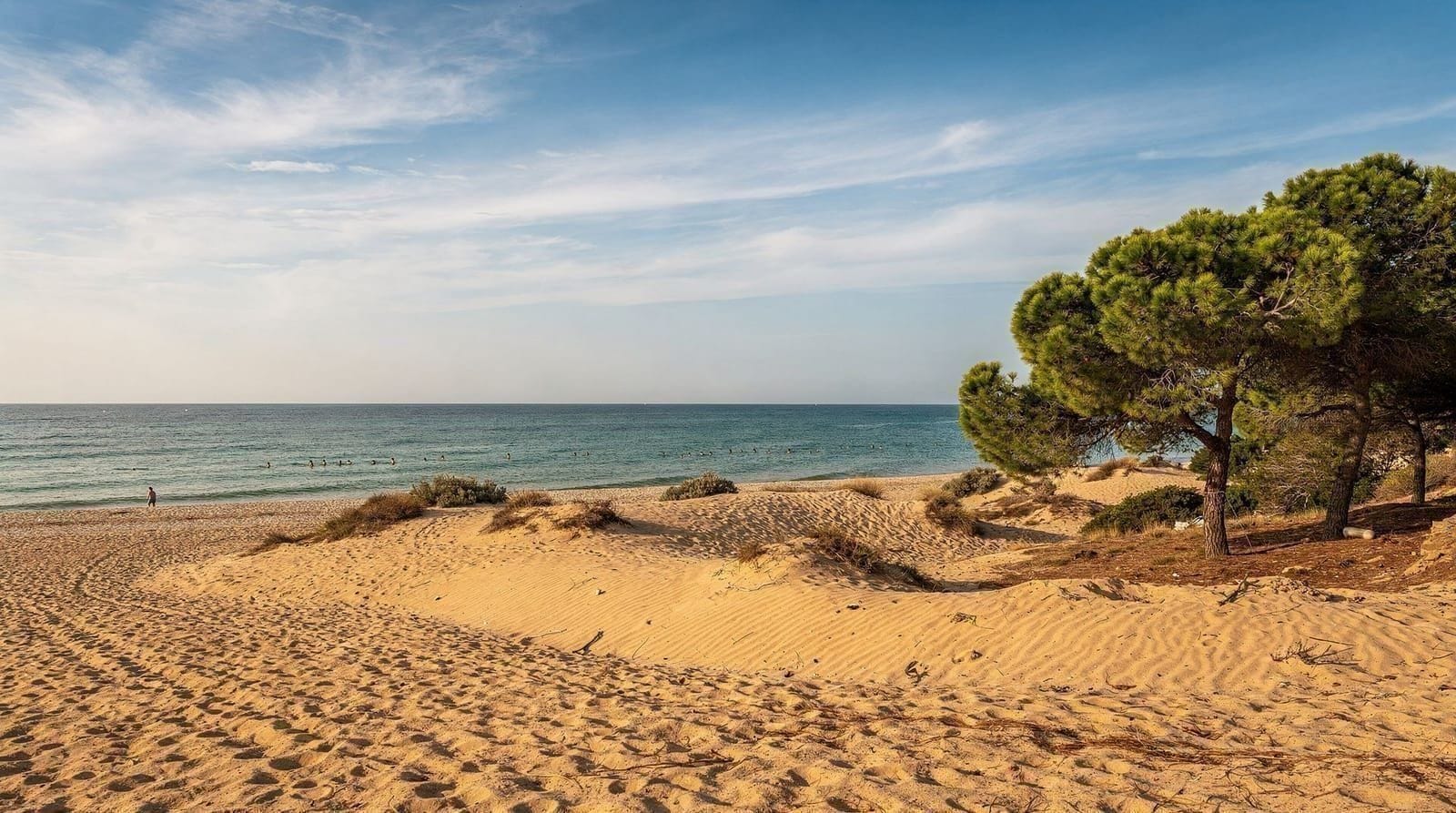
Gandia is the furthest C1 destination from Valencia and the most beach-focused. Playa de Gandia — 3 km of wide, Blue Flag-awarded sand — is one of the best-maintained resort beaches on the Costa Blanca norte. The combination of a proper beach resort and the Palau Ducal dels Borja (the medieval palace of the Borgia family, one of Spain’s least-appreciated historical sites) makes Gandia a more worthwhile day than a generic beach town.
Station to beach: This is Gandia’s main logistical challenge. The train station is 4.5 km from Playa de Gandia, separated by the town centre and a zone of 1970s–1990s residential development. Options:
- Local bus (lines 1, 2): from outside the station to the beach, 20 minutes, €1.50. Buses run every 15–20 minutes in summer.
- Taxi: €7–9 from the station to the beach
- Bike rental: available near the station and beach promenade
- Walking: 50–60 minutes — not pleasant in summer heat
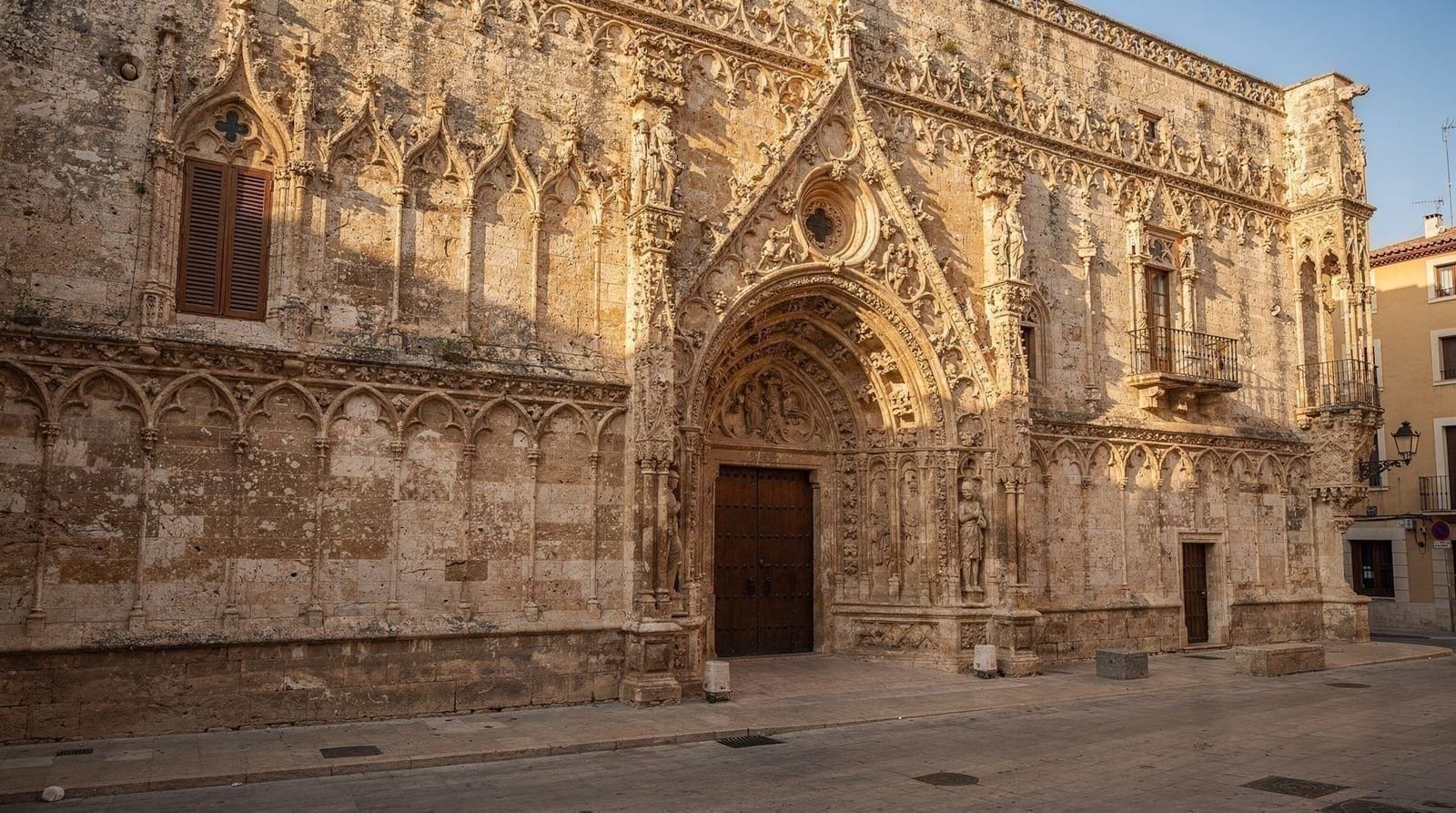
Palau Ducal dels Borja: In the historic town centre (5 minutes’ walk from the station), this early-Renaissance palace was home to Francisco de Borja, the Spanish duke who became a Jesuit saint. The guided tour takes 45–60 minutes and is genuinely interesting — the palace is well-preserved and largely avoided by the mass tourism crowd that fills the beach. Entry around €8.
What to do in Gandia:
- Palau Ducal (morning, when it’s cooler) — 1 hour
- Bus to the beach — 20 minutes
- Beach at Playa de Gandia — 3 hours (Blue Flag, well-served with cafés and chiringuitos)
- Lunch at the port (Grau de Gandia) — 1.5 hours
- Return train from Gandia station
Honest assessment: The beach is excellent — wide, clean, well-organised. The distance from station to beach is the one genuine inconvenience. Don’t attempt to walk it in July or August. As a beach day-trip destination from Valencia, Gandia beats Cullera for pure beach quality; Cullera beats Gandia for historical interest without the logistics.
For detailed information, see the Gandia beach guide and Gandia day trip.
Other coastal options by train
Alboraia and Patacona: These northern beaches (Patacona, a continuation of Malvarrosa) are technically within the metropolitan area and reached by metro (L4 tram or L5 + walk) rather than Cercanías. Not a day-trip destination — more an afternoon escape from the centre. See the Patacona beach guide.
If you want to reach that stretch of sand under your own steam, an e-bike ride out to the beach with a paella lunch is an easy alternative to a train day, and a jet ski session at a beach club north of the city suits anyone who wants something more active than lying on a towel. More options are collected in the e-bike tours guide and the jet ski guide.
Sueca and Sollana: Both on the C1 line between Valencia and Cullera, passing through the Albufera rice plain. Neither is a beach destination, but rice-field views in late summer (September–October when the paddies flood before harvest) are beautiful from the train window.
Oliva: The next town south of Gandia, with a fine long beach. Not served directly by Cercanías from Valencia — requires changing at Gandia station to a regional service. Worth it for a longer beach holiday; less practical as a day trip.
Peñíscola: On the C6 line north of Valencia towards Castellón, but the nearest Cercanías station is at Benicarló-Peñíscola, 7 km from the castle town. An ALSA bus completes the connection. The total journey from Valencia is 1h30–2h. For a day trip, an organised tour is often more convenient. See Peñíscola day trip.
Practical tips for coastal train trips
Leave early. Summer trains to Cullera and Gandia are crowded from 09:30. The 07:30–08:30 departure puts you at the beach before it fills. The return is most crowded between 17:00 and 19:00 on summer weekends — consider the 19:30 train or later.
Check Sunday timetables. Weekend frequency on C1 drops, with longer gaps between services. Missing the 18:00 return train on a Sunday could mean a 45-minute wait. Check the exact timetable the evening before using the Renfe Cercanías Valencia app.
The Valencia Tourist Card covers unlimited Cercanías travel, including both Cullera and Gandia. If you plan to visit both on consecutive days, or if you’re already buying the card for city attractions, the Cercanías inclusion adds solid value. See the tourist card guide for the full assessment.
Combined approach: Some visitors combine an Albufera morning (bus 24/25 from central Valencia to El Palmar) with an afternoon in Cullera. The logistics are manageable by car but require careful planning by public transport — the bus doesn’t connect directly, and the timing is tight. A tour that combines Albufera and Cullera is available. See the Albufera day trip guide.
Summer beach crowds: Playa de Gandia is a popular resort beach that fills up in August. The beach is wide enough that crowding is rarely oppressive, but beach chairs (€6–8/pair) fill before noon. Bring a towel and arrive before 10:30 if you prefer uncrowded conditions.
Frequently asked questions about coastal trains from Valencia
Can I take a surfboard or large beach equipment on the Cercanías?
Standard folded beach equipment (umbrella, folded chairs, cool box) is allowed as long as it does not block aisles or cause disturbance to other passengers. During peak summer services, carriages can be very crowded — a large beach setup becomes difficult. Surfboards and paddle boards are not permitted on Cercanías trains.
Is there a Cercanías station in Cullera or Gandia town centre?
Cullera’s station is on the edge of the town, 1.5–2 km from the beach area but walkable. Gandia’s station is in the town centre, 4.5 km from the beach — the bus connection is essential.
Do C1 trains run during Las Fallas?
Yes. Renfe runs standard Cercanías services during Las Fallas (March 1–19). The coast is less relevant during Fallas — most visitors are in Valencia for the festival. After Fallas, the spring beaches begin to warm up.
Is swimming safe at Cullera and Gandia beaches?
Both are generally safe for swimming with lifeguards present in season (June–September). Cullera’s smaller rocky beaches can have stronger currents — stick to the main Playa de Cullera in windy conditions. Gandia’s main beach has consistently gentle surf and a long shallow entry.
Maximising a coastal train day trip: timing and strategy
The difference between a great day trip and a mediocre one often comes down to train timing and arrival time at the destination. Here are the tested optimal approaches:
Xàtiva (historical day trip, not coastal but C2 adjacent)
Leave Valencia at 09:00–09:30 on the C2. Arrive 09:50–10:25. The castle is cool and quiet until 11:30. Lunch in the old town at 13:30 (the Hostal Casa del Camí and other local restaurants near Plaza del Mercat). Return train at 16:00 or 17:00, back in Valencia by 17:00–18:00. Full day, not rushed.
Cullera optimal timing
Depart Valencia 08:30 (first practical tourist departure). Arrive Cullera 09:15. Walk to beach (20 min) or take local bus. Beach until noon. Castle visit 12:00–13:30 (avoid the midday climb in July–August heat by going early). Lunch at 14:00 in the town. Return train 17:00 or 18:00.
Alternative: Arrive at 10:30, head straight to castle (before midday heat), then beach for 2 hours, then afternoon train at 16:30. This is more comfortable in summer.
Gandia optimal timing
Depart Valencia 08:00–09:00. Arrive Gandia 09:05–10:10. Visit Palau Ducal dels Borja (open from 10:00, often shorter queues at opening). Take local bus to beach (20 min). Beach from 11:00 to 15:00. Lunch at the port (Grau de Gandia) with fresh seafood. Return bus to station. Train back 17:30–18:30.
The bus challenge: Check the local bus timetable the morning of travel using the Gandia city transport app or Google Maps. In off-season (October–May), buses to the beach run less frequently — verify before relying on them.
The rice plain journey: what to look for from the train
The C1 south from Valencia to Cullera and Gandia crosses the Albufera rice plain — one of Spain’s most distinctive agricultural landscapes. The view from the train window varies dramatically by season:
- January–March: Flooded paddies, mirror-like reflections, herons and cormorants standing in the water
- April–June: Planted paddies, green shoots gradually filling the water’s surface
- July–August: Dense green growth, rice stalks visible above the water
- September–October: The paddies turn gold as the rice ripens; combine harvesters appear on the embankments
- November–December: Post-harvest straw, then re-flooding
The most dramatic views are in winter (flooding) and early autumn (harvest). The station at Sueca (midway between Valencia and Cullera) marks the heart of the Albufera rice country — the paddy views from here are the most extensive of the journey.
Combined Albufera and coast day
For an ambitious full day combining the Albufera lake and a coastal beach:
By public transport: This is possible but requires planning. Take bus 24/25 from Valencia to El Palmar in the morning (depart 09:00, arrive 09:45). Spend 2–3 hours at the Albufera (optional: book an afternoon boat tour in advance through a local operator in El Palmar). Return to Valencia by 14:00. Then take the C1 to Cullera for an afternoon beach visit (beach 15:30–18:00), return to Valencia by 19:00.
This is a long but rewarding day. It requires good public transport timing — use the EMT app and the Renfe Cercanías app simultaneously.
By car: Much easier — drive to El Palmar for morning, then coast road CV-500 south to El Saler beach (20 min), or north on CV-500 to Valencia and then down to Cullera. A car gives the flexibility to visit both with no timing pressure.
What to eat at the coast
Cullera: The port area (Grau de Cullera) has seafood restaurants serving fresh fish at honest prices. The arròs al forn (oven-baked rice with blood sausage and chickpeas, a local variant) is available at some traditional restaurants and is worth trying as a local alternative to the ubiquitous paella.
Gandia: The Grau de Gandia (port zone) has the best seafood restaurants in the town — further from the tourist zone, better quality. The fideuà (vermicelli noodle dish, the Gandia region claims significant credit for this dish’s origin) is the local speciality. At restaurants in Gandia, a fideuà should cost €14–18 per person — if it’s €22+ you are paying the tourist premium. See the paella vs fideuà guide for context on the dish.
Rail passes and group discounts
Valencia Tourist Card: Includes unlimited Cercanías travel, so covering both a Cullera and a Gandia trip within a 48 or 72-hour card is possible — the Cercanías return fares alone (€6.40 + €10) exceed the 48-hour card cost (around €22). If you are also visiting paid attractions and using metro 4+ times daily, the Tourist Card becomes genuinely worthwhile for the coast-focused portion of a trip.
Group discounts: Renfe does not offer specific tourist group discounts on Cercanías. The pricing is per-person, per-zone, fixed rate. Large families (3+ adults) paying individual return fares get no reduction — in this case, a car rental (€30–40 for a day, fuel additional) can undercut the public transport cost for groups of 4.
For the full transport overview including city metro and buses, see the getting around Valencia guide.
Planning the rest of your trip around the coast
A coastal day works best when it fits into a wider plan. If you are still deciding where to base yourself, the where to stay guide and the best area for first-timers help you choose a neighbourhood with easy access to Estació del Nord. Travellers with limited time can slot a beach day into the Valencia in one day or beaches and city itineraries, while those staying longer will find more car-free ideas in the day trips without a car guide and the Valencia 3-day itinerary.
Families have their own considerations: shallow water, shade and easy toilets matter more than a medieval castle, so read the beaches with kids guide and the family beaches guide before choosing between Cullera and Gandia. If crowds are your main worry, the quiet beaches guide and the Valencia beach season guide explain when the sand is calmest. Destination overviews for Cullera and Gandia give a fuller picture of each town.
Train versus car for a coastal day trip
| Cercanías train | Rental car | |
|---|---|---|
| Cost (1–2 people) | around €6.40–€10 return per person | around €30–40/day plus fuel and parking |
| Station-to-beach gap | walkable at Cullera, bus needed at Gandia | none — park near the sand |
| Flexibility | fixed timetable, weekend gaps | leave whenever you want |
| Best for | solo travellers and couples, no parking hassle | families of 3+, combining Albufera and coast in one day |
| Albufera detour | requires a separate bus connection | easy — CV-500 links El Palmar to El Saler and Cullera directly |
For most solo travellers and couples the train wins on cost and simplicity. Groups of three or more, or anyone wanting to combine the Albufera with a beach afternoon, are usually better off with a car for the day.