Bioparc Valencia ticket review: worth it in 2026?
Valencia: Bioparc Valencia admission ticket
Bioparc Valencia opened in 2008 with a concept that set it apart from traditional zoos: no visible cages, no bars, and no barriers that remind you you are in a zoo. Instead, the African savanna, the tropical forest, and the wetland ecosystems are recreated at 1:1 scale, with animals and visitors moving through the same open spaces separated only by water moats, rock formations, and carefully hidden fencing. It is a well-executed concept and a genuinely impressive attraction. Whether it is worth your time and money depends on what kind of visitor you are.
| Where | Cabecera park, western Turia riverbed, around 4km from the centre |
| Cost | Around €24–28 adult online, €18–22 child |
| Time needed | 2.5–4 hours |
| Getting there | Tram line 4 to Nou d’Octubre, or cycle the Turia park path |
| Best time | Weekday mornings, 10:00–13:00 |
The concept and design
Bioparc is built around “immersion zoology” — the idea that you should feel inside the ecosystem, not looking at it through glass. Walk into the savanna zone and the giraffes are 15 metres away with nothing visible between you. The hippo pool has an underwater viewing window at eye level. The gorilla island is separated from the viewing area by a channel of water but otherwise open, allowing close observation of natural behaviour.
The African theming extends to the architecture: replica acacia trees, mud-walled buildings, thatched viewing platforms, and African cultural objects throughout the route. It can feel slightly theme-park at times, but the animal welfare standards and the spatial quality of the enclosures are well above average for a European urban zoo.
What you will see
The route is a loosely circular loop covering roughly 10 hectares. Main highlights:
Savanna zone: Elephants (African bush elephants), giraffes, white rhinos, zebras, and a variety of birds. The elephant area is large and the animals are visible throughout the day.
Equatorial Africa: Gorillas and chimpanzees in forested island enclosures. The primate viewing here is excellent — the islands allow naturalistic behaviour that cage settings prevent. Morning visits (before 12:00) typically offer the most active observation.
Wetlands and rivers: Hippos, crocodiles, and African painted dogs in their respective habitats. The hippo underwater viewing is one of the best moments in the entire zoo.
Madagascar: Lemurs, aye-ayes, and other endemic species in a dedicated indoor/outdoor zone.
Meerkat colony: A perennial favourite with children. The meerkats are usually positioned near the route and reliably active.
Birds of Africa: Flamingos, hornbills, pelicans and several raptor species in various enclosures.
Practical information
Admission: Adult tickets are approximately €24–28 online, €27–32 at the gate. Children aged 4–12 pay €18–22. Under-3s free. Senior/disabled rates available.
Book Bioparc Valencia admission ticketOpening hours: 10:00 daily year-round. Closing time varies by season — 17:00 in winter, 20:00 in summer. Check before visiting.
Getting there: Tram line 4 (Nou d’Octubre stop) is the easiest option — 25 minutes from the city centre. Cyclists can follow the Turia park path west; the park entrance is adjacent to the Turia Gardens. No direct metro line.
Food: The on-site restaurant serves a basic menu. Prices are elevated (this is a captive market situation). Pack snacks if you are feeding children; alternatively, the Cabecera park outside has picnic areas.
Is it worth it?
For families with children: Yes, unambiguously. Bioparc is one of the best-designed family attractions in Valencia. The “Heart of Africa” design, the open-plan animal viewing, and the hippo underwater window are genuinely memorable for children aged 5 and above. Budget a minimum of 3 hours.
For adults without children: Less clear-cut. Bioparc is well-executed but fundamentally a zoo. If you have a strong interest in African wildlife or conservation, it delivers. If you are choosing between Bioparc and Oceanogràfic for a half-day slot, Oceanogràfic typically offers more architectural spectacle and more variety of species.
For a second Valencia visit: Worth adding if you already did Oceanogràfic on a first trip.
Bioparc: discover the Heart of Africa full-day experienceThe hop-on hop-off combo option
If you are planning to use the hop-on hop-off bus for city sightseeing and want to include Bioparc, the combo saves money compared to buying separately:
Hop-on hop-off bus + Bioparc comboThe bus does not stop directly at Bioparc — you need to exit at the nearest stop and walk 5–10 minutes. But the combined ticket offers a genuine saving of approximately 15% and makes logistical sense if you are doing both in the same day.
Honest assessment
Bioparc sets the benchmark for immersion zoo design in Spain. The lack of visible barriers makes it feel fundamentally different from a standard zoo, and the African theming is executed with care rather than just as a marketing concept. Animal welfare appears genuinely prioritised — enclosure sizes are generous, behavioural enrichment is visible.
The main limitations are honest ones: it is a zoo, it is primarily a family attraction, and in summer it can be hot (most of the route is outdoors). The price is competitive for what it delivers — lower than Oceanogràfic, comparable to European zoo standards.
One note on the website and signage: the animal information panels are heavily themed in Spanish and Valencian, with limited English text. This does not affect the animal viewing but reduces the educational value for non-Spanish speakers.
Bioparc vs Oceanogràfic: which one first
| Bioparc | Oceanogràfic | |
|---|---|---|
| Focus | African savanna & land animals | Marine life & architecture |
| Setting | Open-plan immersion zoo | Architectural aquarium complex |
| Time needed | 2.5–4 hours | 3–5 hours |
| Best for | Close-up land animal viewing | Marine spectacle, larger scale |
| Price | Around €24–28 adult | Higher — see the Oceanogràfic worth it review |
If you only have time for one animal attraction, choose based on what your children respond to more: land mammals up close (Bioparc) or marine life and scale (Oceanogràfic). Families doing both usually split them across two different days rather than the same day — both are physically tiring with young children.
Combining Bioparc with the rest of your day
Because Bioparc sits at the western tip of the Turia riverbed park, it pairs naturally with a morning or afternoon spent along the Turia Gardens rather than in the historic centre. Families cycling the route can rent bikes at a Valenbisi station or book a longer e-bike tour of the city highlights that passes near the park. If Bioparc is one stop in a fuller family day, the family itinerary for Valencia shows how to sequence it against Ciutat de les Arts i les Ciències without exhausting younger children. For a rainy-day backup plan on the same trip, see rainy day activities with kids.
Frequently asked questions about Bioparc Valencia
Is Bioparc Valencia suitable for toddlers under 3?
Yes. Under-3s enter free, the route is pushchair-friendly throughout (no stairs on the main circuit), and the animal viewing levels are accessible at low height. The morning is calmer and cooler for toddler visits.
Can you see a lion at Bioparc Valencia?
Yes. Lions are in the savanna zone. Morning hours before feeding time (usually around 11:00) offer the most active observation.
Is Bioparc better than a traditional zoo?
The immersion model does make the experience more engaging and the enclosures more naturalistic. Whether that makes it “better” depends on your criteria — animal welfare advocates generally rate it positively; visitors expecting educational signage in English may find it lacking.
What is the best time to visit Bioparc Valencia?
Weekday mornings between 10:00 and 13:00 are least crowded. Avoid late July and August weekend afternoons — heat and crowds peak simultaneously. Autumn visits (October–November) offer comfortable temperatures and smaller queues.
Is photography allowed at Bioparc?
Yes throughout. Drone use is prohibited. No flash photography in indoor pavilions.
Are there guided tours of Bioparc?
Guided group tours are available in Spanish (and sometimes English) on certain days. Check the Bioparc calendar. For most visitors, the signage and map are sufficient for a self-guided visit.
How do I get to Bioparc by bicycle?
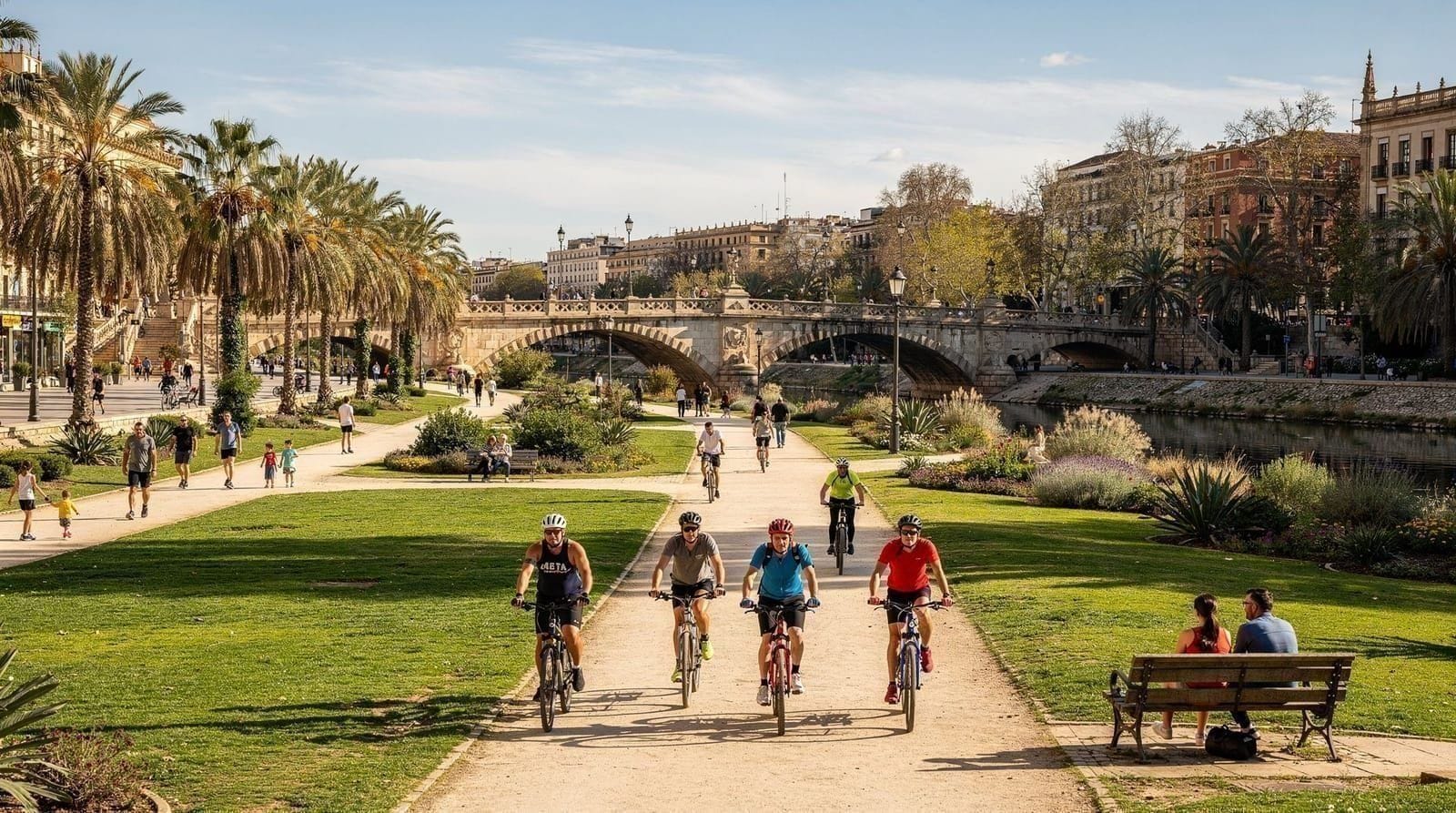
Follow the Turia river park path westward from the city centre. It is a flat, traffic-free route of approximately 4 kilometres from the Cathedral area. Bioparc entrance is on the left bank at the western end of the park near the Cabecera wetlands.
Compare alternative tours
Frequently asked questions about Valencia
How much does Bioparc Valencia cost?
Standard adult admission is around €24-28 depending on where you book. Children aged 4-12 pay roughly €18-22. Under-3s enter free. Online booking is cheaper than the gate and avoids queues.How long do you need at Bioparc Valencia?
Budget 2.5 to 4 hours. Families with children tend to spend longer. The zoo is designed as an immersive walk-through experience with no cages, so pace varies.What animals can you see at Bioparc Valencia?
African savanna species including elephants, giraffes, hippos, gorillas, chimpanzees, white rhinos, lions, meerkats, crocodiles, flamingos, and over 250 other species. All themed around the African continent.Is Bioparc Valencia a traditional zoo?
No. Bioparc uses an "immersion zoology" model with no visible barriers — animals and visitors share open-plan spaces separated by moats, hidden fences and natural landscaping. It is visually impressive and more engaging than a standard cage zoo.Is Bioparc Valencia worth it if I'm also visiting Oceanogràfic?
If you have children, yes — they offer completely different experiences. Oceanogràfic is marine life in an architectural setting; Bioparc is African land animals in an open-landscape design. Adults without children may find one sufficient for a single trip.Is there a combo ticket for Bioparc and the hop-on hop-off bus?
Yes. A hop-on hop-off bus and Bioparc combo is available and can save around 15% compared to buying both separately.Where is Bioparc Valencia located?
In the Cabecera park at the western end of the Turia riverbed, about 4 kilometres from the city centre. Accessible by tram (line 4, Nou d'Octubre stop) or by cycling along the Turia river park.