Requena wine tour from Valencia: is it worth booking?
Valencia: Utiel-Requena wine tour and traditional lunch
Duration: 8 hours
The Utiel-Requena wine region sits 70 kilometres west of Valencia in a high plateau at 700–900 metres altitude — cool nights, hot summers, and an indigenous grape variety (bobal) that produces wines unlike anything you will find in La Rioja or Ribera del Duero. A day trip to Requena for wine tasting is one of the most genuinely rewarding excursions available from Valencia, and unlike some other day trips, the return on investment is real: you leave knowing a wine region that most international travellers have never heard of.
| Where | Requena, around 70 km west of Valencia |
| Cost | around €55–90/person (group tour incl. lunch) |
| Time needed | full day, around 8 hours door to door |
| Getting there | coach tour, or Cercanías C3 train (~1h15) |
| Best time | mid-September to October for harvest |
The Utiel-Requena wine region
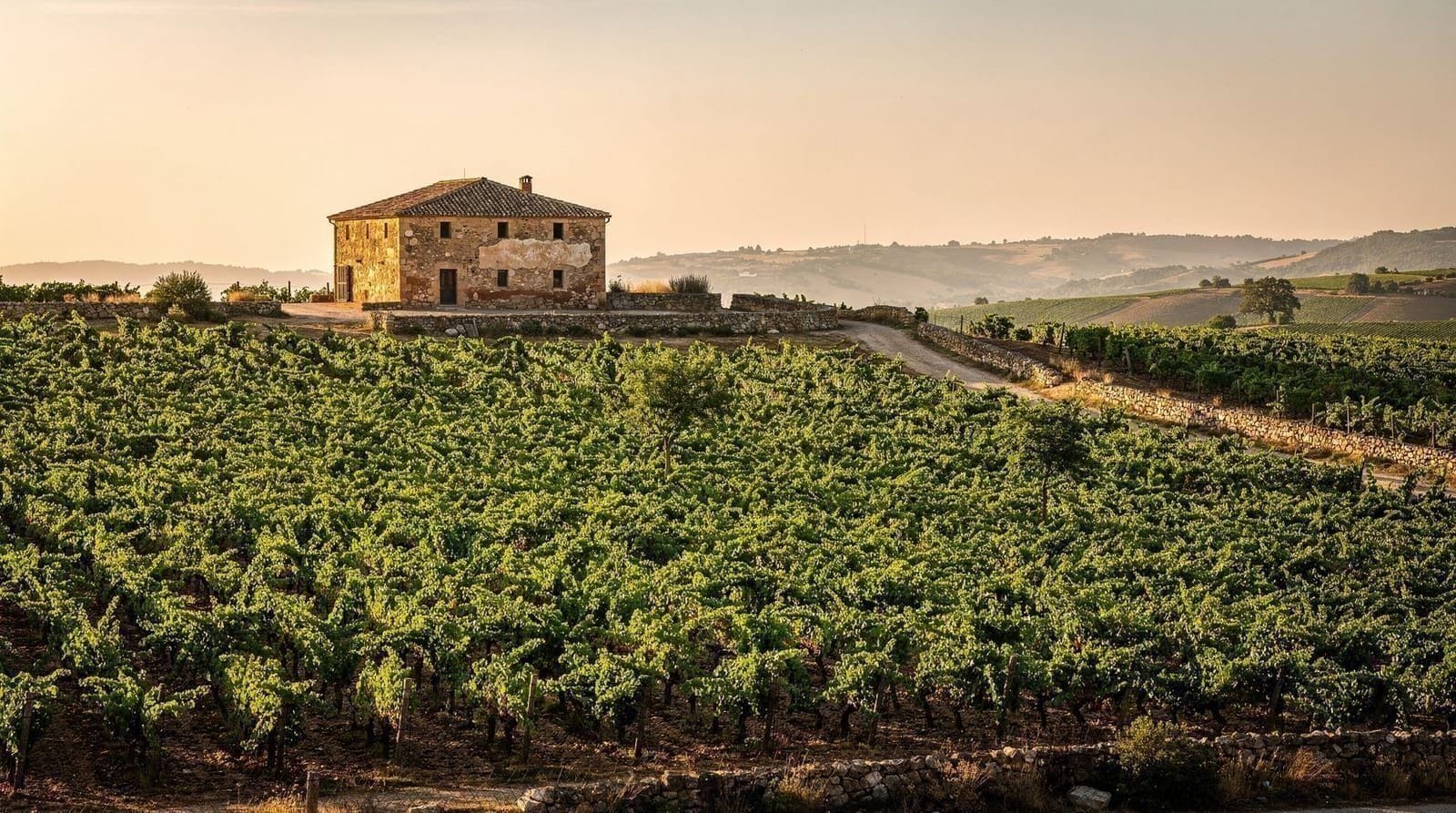
The Denominación de Origen Utiel-Requena covers a plateau in the interior of Valencia province. At altitudes between 700 and 900 metres, the region experiences a continental climate significantly different from coastal Valencia — cold winters, hot summers, and a large diurnal range that helps grapes retain acidity overnight.
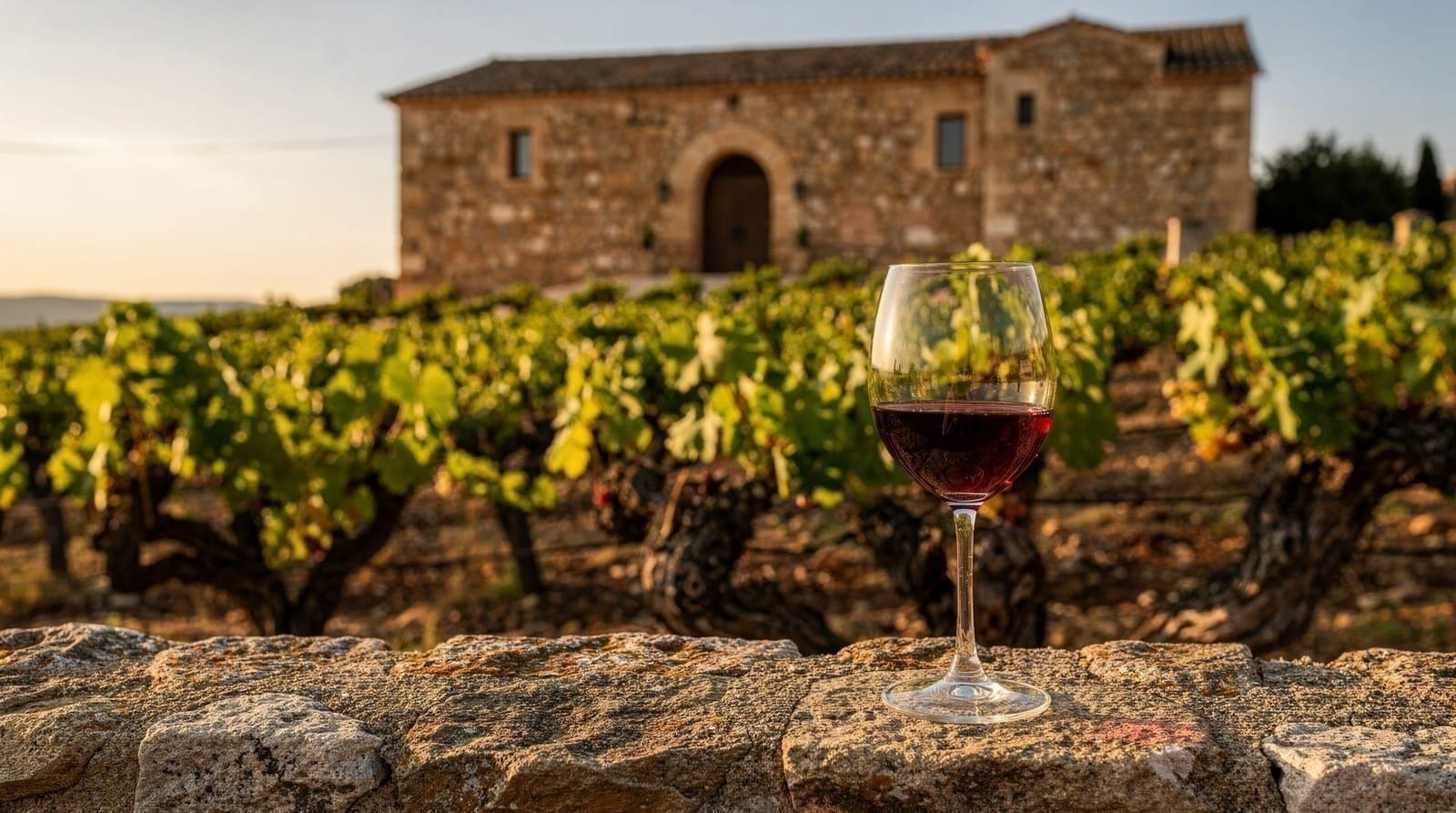
Bobal is the dominant variety: indigenous to this specific corner of Spain, resistant to drought, and capable of producing deeply coloured, tannic reds with dark cherry and blackberry flavours. For decades, most bobal was sold to wine houses across Spain for blending. Modern producers — notably Mustiguillo, Celler del Roure, and Pago de Tharsys — have invested in quality production that has earned international recognition.
Beyond bobal, the region also produces:
- Garnacha tintorera (for blends and rosé)
- Tempranillo (for lighter styles)
- Macabeo and Merseguera (whites, smaller production)
- Clarete: a traditional style halfway between red and rosé, made from co-fermenting red and white grapes — a Requena speciality that is rarely seen outside the region
Tour options compared
Utiel-Requena wine tour and traditional lunch from ValenciaThe standard full-day group tour (approximately 8 hours from Valencia). Includes return coach, visits to two wineries with cellar tours and tastings (typically 4–6 wines per winery), and a traditional lunch with wine pairing at a local restaurant. Price: approximately €60–80 per person. Best option for a comprehensive introduction that handles all logistics.
The lunch component is relevant: local restaurants in Requena serve the full inland Valencian repertoire — rice dishes, lamb, rabbit, and all i pebre (eel and paprika stew) when in season. The food alone justifies the journey for culinary-minded travellers.
Tour and tasting at 2 Utiel-Requena wineriesA more focused version that concentrates on the winery visits and tastings rather than a full lunch. Good for travellers who are primarily wine-focused and want depth at the cellars over time at the table. Price: approximately €50–65.
Private Requena wine tour with tastingsA private tour with a dedicated guide and more flexibility over which wineries to visit and how long to spend. Suitable for wine professionals, serious collectors, or groups who want a more personalised experience. Price: approximately €120–180 per person.
Utiel-Requena excursion to wineries with tastingAn alternative group format with different operator inclusions. Compare against the main tour for current pricing and winery selection.
Best time to visit by season
| Season | What to expect |
|---|---|
| Mid-September–October | Harvest (vendimia) — grapes being pressed, most atmospheric, book ahead |
| April–June | Pleasant vineyard walks, fewer crowds, full tasting rooms open |
| July–August | Hot, some wineries reduce outdoor time; cellars stay cool |
| November–March | Quiet, some smaller wineries have reduced tasting hours |
For the deeper background on the grape itself, the bobal wine guide is worth reading before you go — knowing what makes bobal distinct turns a generic tasting into a more informed one. The standalone Requena wine tour guide and the Requena destination guide both cover the town beyond the tour itself, useful if you are extending the day independently.
What happens on a typical tour day
Departure: Coach leaves Valencia at 09:00–09:30 from a central pickup point (usually near the main station or old town).
First winery (10:30–12:30): A medium to large producer that offers structured cellar tours — typically covering the vineyard, winemaking process, oak barrel aging areas, and a guided tasting. Guides explain bobal’s unique characteristics and the local terroir.
Lunch (13:00–15:00): At a local restaurant in or near Requena. Three-course menu with wine pairings and coffee. The quality is consistently better than tourist restaurants in Valencia’s city centre at comparable or lower prices.
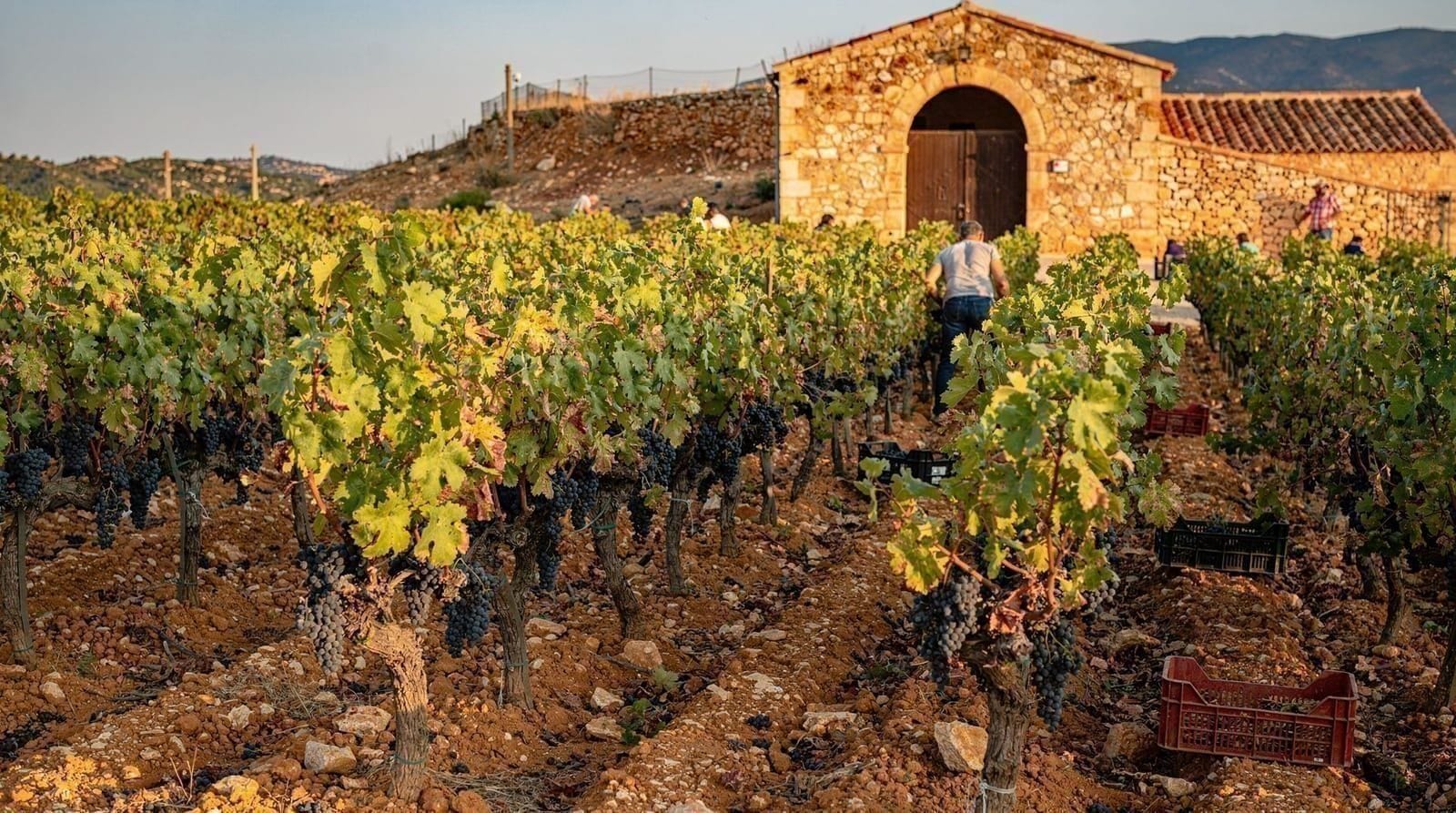
Second winery or old town visit (15:30–17:30): Either a second winery (smaller, often more artisan-oriented) or a guided walk through Requena’s La Villa quarter — including the underground cave cellars, the Museo del Vino, and the 15th-century church of Santa María.
Return to Valencia: Typically arriving by 19:00–19:30.
Going independently
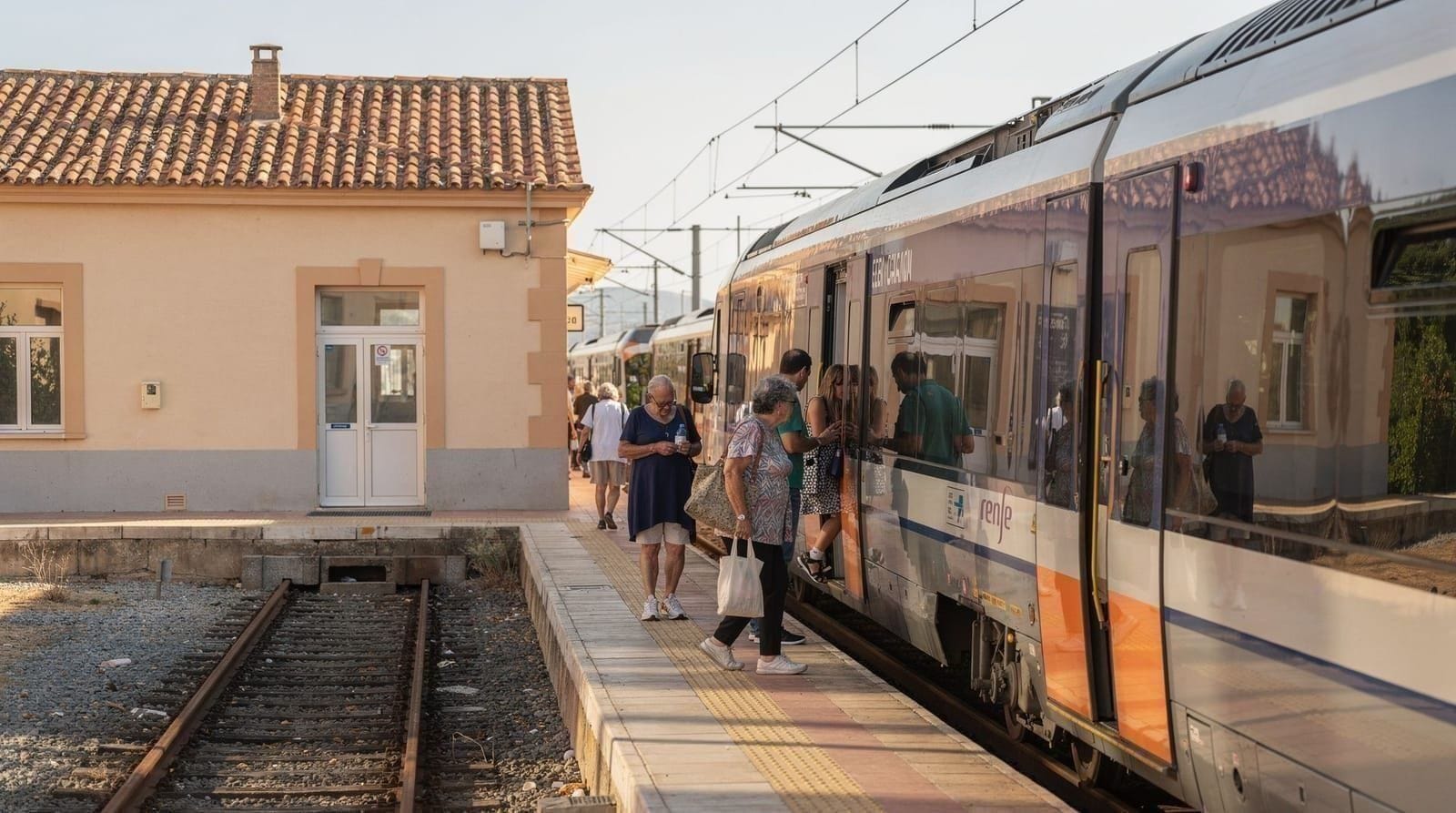
If you are confident with independent travel and speak some Spanish, the train from Valencia-Nord to Requena is a genuinely good option:
- Journey time: ~1h15 (Cercanías C3 line)
- Cost: €6–8 return
- Frequency: Every 1–2 hours
From Requena town centre, getting to wineries requires a taxi or rental car — most wineries are outside the town. The Museo del Vino and the La Villa quarter are walkable from the train station.
For the wine experience specifically, independent visits to individual wineries require advance booking (most operate tasting rooms Tuesday–Saturday only) and your own transport between them. The organised tour solves this problem and includes the cellar access that would require individual arrangements independently.
What to buy
Requena has several wine shops in the old town and at the wineries themselves. Prices are significantly lower than in Valencia city shops or internationally:
- Basic bobal table wine: €4–8
- Mid-range bobal Crianza: €10–18
- Premium single-vineyard bobal: €20–45
- Clarete (the local rosé/red hybrid): €6–12
The Cooperativa Agrícola de Utiel sells directly to visitors and is a reliable source of honest-price regional wines including some hard-to-find older vintages. Prices at the cooperative and at most cellar-door shops are fixed and displayed, so there is little need to negotiate — unlike some market stalls in Valencia itself.
Building it into a longer trip
If wine is a genuine priority rather than a single day trip, the Valencia for wine lovers itinerary sequences Requena alongside other wine-focused stops across a longer stay. For travellers comparing this excursion against Valencia’s other rail-accessible day trips, the day trips by train guide puts Requena in context next to the coast and inland options. And if the lunch mentioned above whets your appetite for more regional food beyond wine, the all i pebre guide covers the eel-and-paprika stew that shows up on the same inland-Valencian menus.
Is it worth it?
The Requena wine tour delivers consistently: the wines are genuinely interesting (especially for visitors unfamiliar with bobal), the cellars are professional and accessible, and the lunch component makes the day feel complete rather than rushed. The coach format means you can drink freely without worrying about driving.
The main caveat is the group tour format — 20–30 people moving through wineries on a schedule limits the depth of conversation with winemakers. Private tours or independent visits with advance appointments offer more serious access for wine professionals. For travellers new to the region, the standard group tour is the right starting point.
Frequently asked questions about Requena wine tours
What is the best winery to visit in Requena?
Mustiguillo (Finca Terrerazo) and Celler del Roure are among the most critically acclaimed producers in the DO. Both operate tasting rooms and are included in some tour itineraries. Pago de Tharsys is another strong option, particularly for sparkling wines.
Is bobal wine expensive?
No — quality bobal wines are still underpriced relative to their quality. This is partly because the variety lacks international recognition. A bottle that would cost €30–40 from a comparable Ribera del Duero producer costs €12–20 in Requena. That gap is narrowing as the reputation grows.
Can I bring wine home from the Requena tour?
Yes. The coach tours accommodate wine purchases — most guides allow participants time to buy at the wineries, and the coaches have storage space. Check with your tour operator about luggage capacity. Transporting wine on planes requires careful packing or shipping.
What food is Requena known for?
Beyond the wine, Requena is known for its charcuterie — morcilla (blood sausage), longaniza (cured pork sausage), and cured loin. These feature prominently in local restaurants and are available at food shops in the market. Also notable: garlic-based lamb preparations and the Semana de la Vendimia (Grape Harvest Festival) held in September.
Is the Requena wine tour suitable for people who do not drink alcohol?
If you do not drink, the tour’s main value (the wine tastings) is largely lost. The old town visit and the cellar architecture are interesting regardless, but the experience is primarily wine-focused. Non-drinkers accompanying wine enthusiasts may enjoy it; those booking for themselves specifically would be better served by a different excursion.
What should I wear for a Requena winery tour?
Comfortable clothes for a combination of indoor cellar environments (cool, dark, slightly damp) and outdoor vineyard walking. Closed-toe shoes are essential for cellar visits. In summer, layers are useful — cellars are cool regardless of exterior temperature.
When is the best time to visit Requena?
Harvest time (mid-September to October) is the most atmospheric — you can see the grapes being processed and the press running. Spring (April–June) is pleasant for outdoor vineyard walks. Winter visits are quieter but some wineries have reduced tasting schedules.
Compare alternative tours
Frequently asked questions about Valencia
How far is Requena from Valencia?
About 70 kilometres west of Valencia, roughly 1 hour by car or tour coach. By Cercanías train, the journey takes about 1 hour 15 minutes from Valencia-Nord station.What wine does Requena produce?
Requena is in the Utiel-Requena Denominación de Origen (DO), which specialises in bobal grape wine. Bobal is a thick-skinned, deeply coloured variety producing robust reds with dark fruit flavours. The DO also makes rosé (clarete), garnacha blends, and small quantities of whites.What is bobal wine?
Bobal is a red grape variety indigenous to the Utiel-Requena region, one of the few places in the world where it thrives. For decades it was used mainly for bulk wine production. Modern winemakers have worked to elevate its reputation and bobal now produces serious single-varietal wines that hold up well in international competitions.What does a Requena wine tour from Valencia include?
Typically: return coach transport, visits to 1-2 wineries with cellar tour and tasting (usually 4-6 wines), a traditional lunch with wine pairing, and sometimes a guided walk through Requena's medieval old town. Some tours also cover Utiel (the other major town in the DO).Can I visit Requena wineries independently?
Yes. Requena is reachable by train from Valencia. Several wineries accept direct booking for tastings — Mustiguillo, Pago de Tharsys, and Cherubino Valsangiacomo are well-known. However, transport between wineries requires a car or taxi, which complicates independent logistics.How much does a Requena wine tour cost?
Organised tours cost approximately €55-90 per person including transport, tastings, and lunch. A private tour runs €120-180. The standalone day trip by train costs under €10 return; winery tastings typically cost €12-20 per person per winery.Is Requena's old town worth visiting?
Yes. Requena has a well-preserved medieval quarter (La Villa) with a 15th-century church, underground cave system (bodegas excavated into the hillside), and a small but quality wine museum. Many tours include a short walk through La Villa.