Requena wine tour from Valencia: Utiel-Requena wineries and medieval town
Valencia: Utiel-Requena wine tour and traditional lunch
Duration: 8 hours
Is a Requena wine tour worth doing from Valencia?
Yes. Requena is 70 km west of Valencia (1 hour by car or Cercanías), the capital of the Utiel-Requena DO — Spain's most important region for Bobal grape, producing robust reds. The medieval old town has cave wine cellars (bodegas) carved under the streets. Half a day is enough; a full tour with lunch runs 6–8 hours.
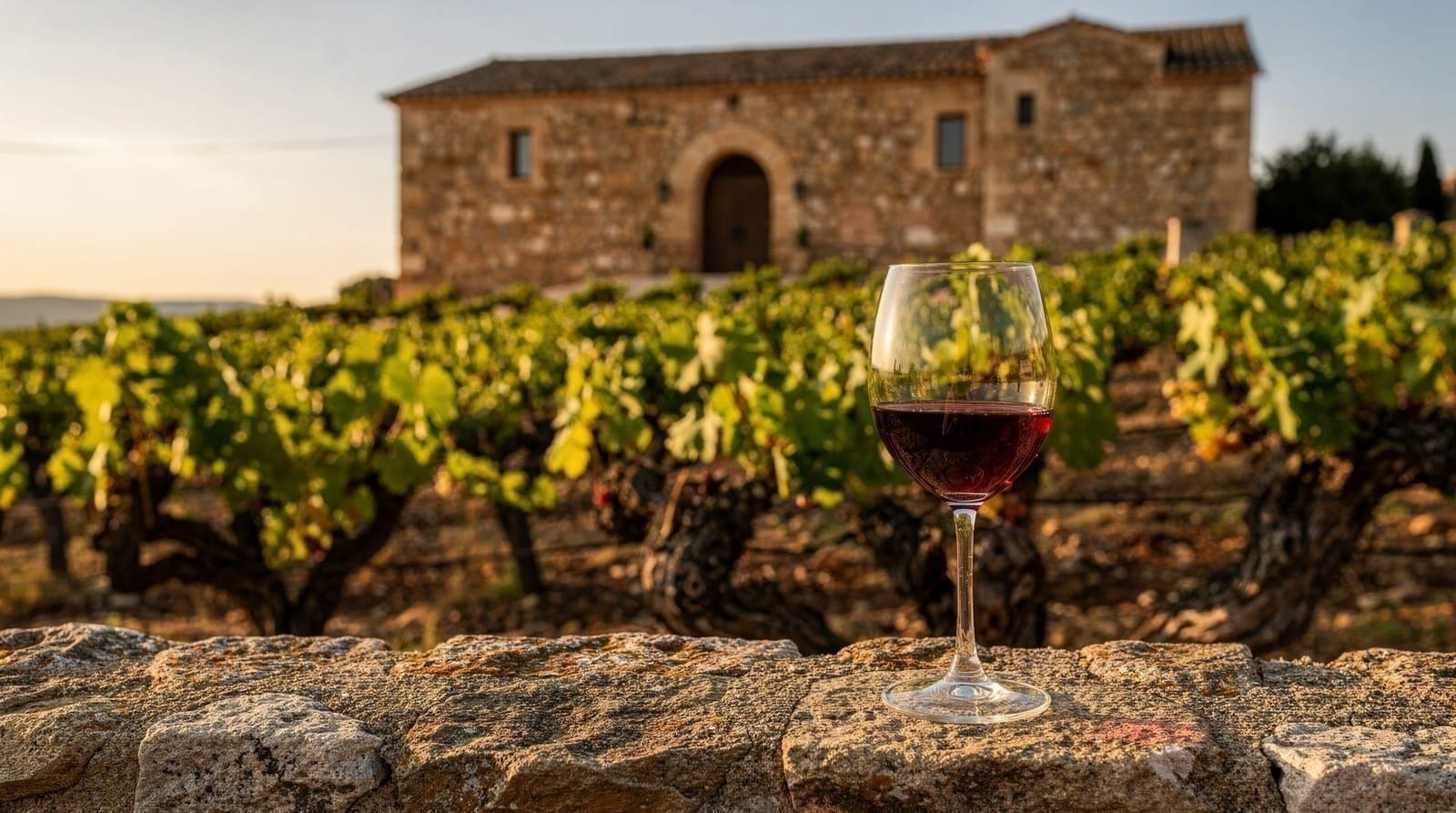
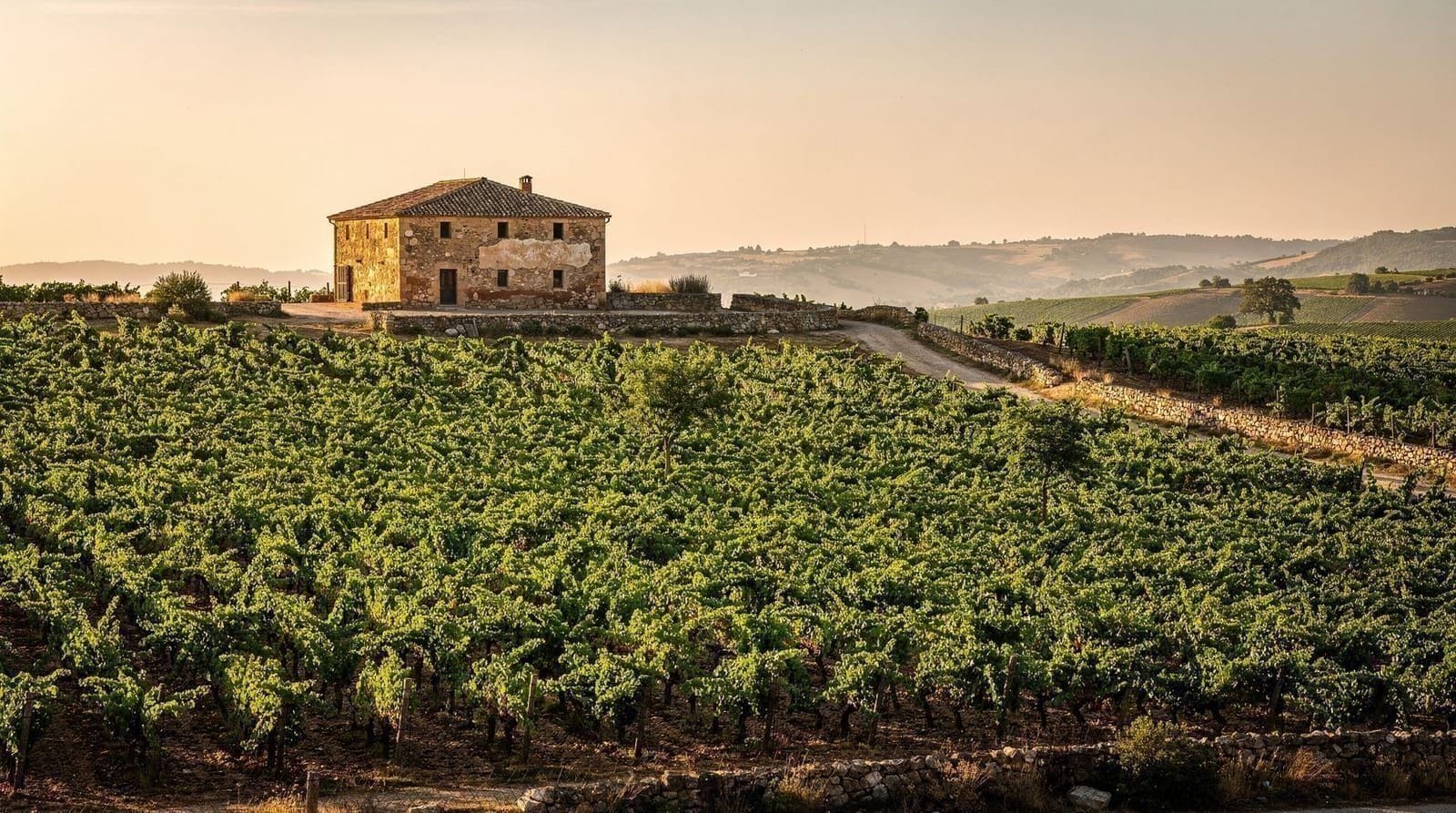
Requena sits at 692 m altitude on the western edge of Valencia province, in the Utiel-Requena plateau that has produced wine since at least Roman times. It is the kind of inland destination that visitors to Valencia’s coast rarely reach — quieter, cheaper, and more authentically local than any beach town. The medieval old town preserves a network of underground wine cellars carved directly into the rock, and the surrounding vineyards produce some of Spain’s best-value Bobal red wines.
Getting here without a car is straightforward by train (Cercanías, about 1 hour). With a car, the combination of winery visits, the underground caves, and a proper lunch runs smoothly in a full day. See the Requena destination guide for a fuller picture of the town beyond the wine-tour logistics.
| Where | 70 km west of Valencia, Utiel-Requena DO |
| Getting there | Cercanías C3 (~1 hour, €5–7) or car via A-3 (~1 hour) |
| Cost | Cave tour: ask the tourist office; organised wine tour €50–75 |
| Time needed | Half a day for town + caves; full day with wineries |
| Best time | Early September (harvest festival) or spring |
Getting to Requena from Valencia
By car
The A-3 motorway heads directly west from Valencia toward Madrid. Requena sits at the 70 km mark — 55–65 minutes from central Valencia. The drive is straightforward motorway. From the motorway exit, Requena town centre and the wineries are well signed.
A car is the most practical option for winery visits, as the best estates are scattered across the plateau outside the town. Some wineries are reachable only by car on country roads.
By Cercanías or regional train
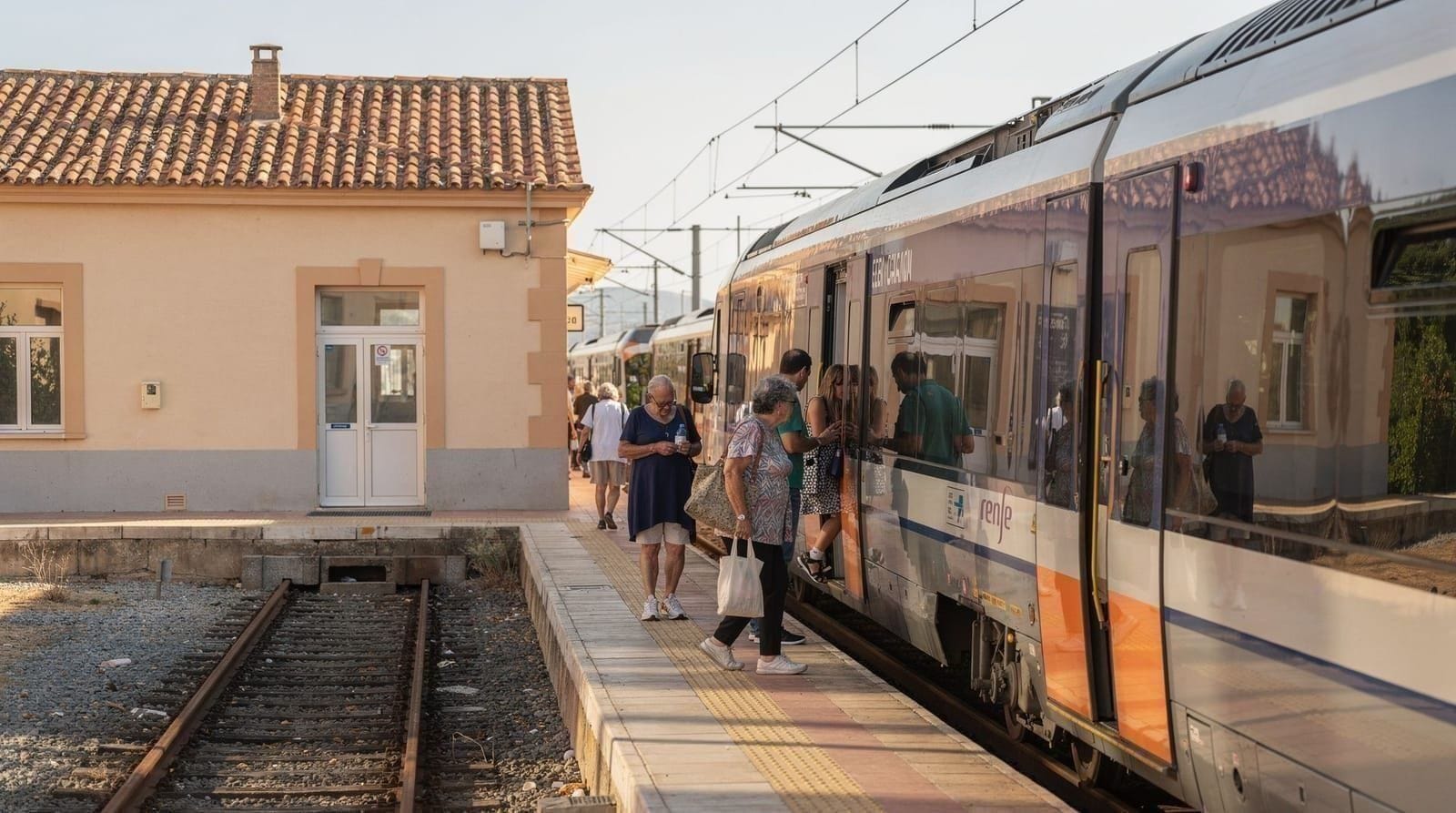
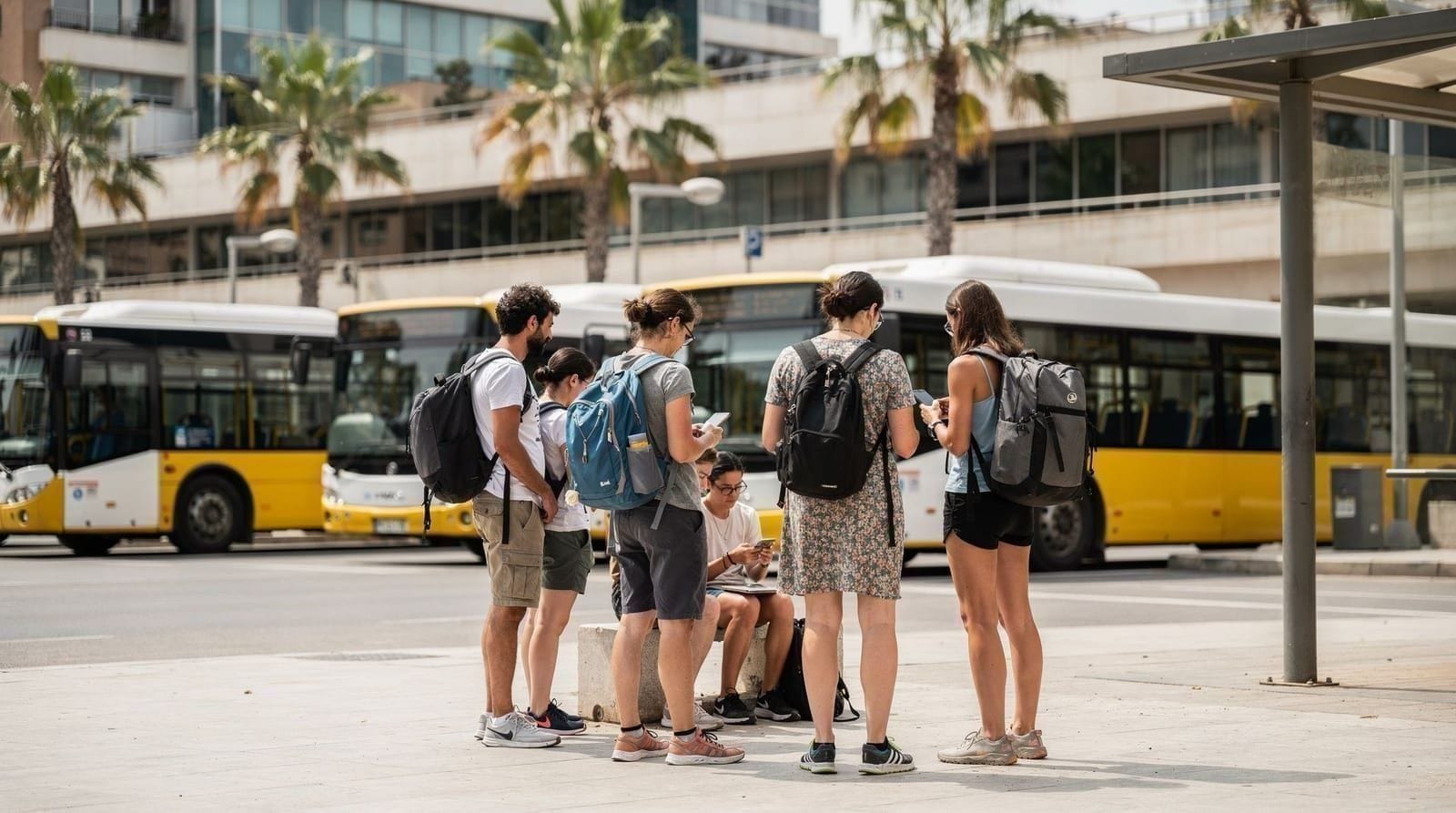
The Cercanías C3 (operated by Renfe) runs from Valencia Estació del Nord to Requena-Utiel. The journey takes approximately 55–65 minutes, with trains roughly every 1–2 hours. Fare around €5–7 each way. This deposits you in Requena town, from which you can walk to the old town (15 minutes) and the tourist caves. Winery visits further afield require a taxi or tour arrangement.
The train option works well for a town-focused visit combining the cave cellars and old town without requiring a car.
By organised tour
Tours from Valencia typically run 6–8 hours and include transport, two winery visits, and a traditional lunch in Requena or at one of the estates. This is the most seamless option if wine is the primary focus — operators have pre-arranged access to estates that require booking, and include the expertise of a guide.
 Utiel-Requena wine tour and traditional lunchCheck availability
Choosing between the three ways of going
The choice mostly comes down to how much of the day you want to spend on wine and how much on the town. If the old town and the underground cellars are the draw, the train is cheap and relaxed, and you can set your own pace without watching the clock for a pick-up. If you want to taste at two or three estates and still eat a proper lunch, an organised tour removes the usual problem of who drives. A car sits in between: it gives you freedom, but it also means one person in your group tastes very little. Travellers who already know they dislike group tours can look at the car rental day trips guide to weigh up the logistics, while those happy to stay car-free will find more ideas in the day trips without a car guide.
A private format is worth considering for small groups who want to choose the estates and the pace themselves, rather than follow a set route with strangers. It tends to suit couples, a family with teenagers, or friends who care more about one particular style of wine than about covering many stops, such as a private wine tour of the Requena area.
The Utiel-Requena wine region
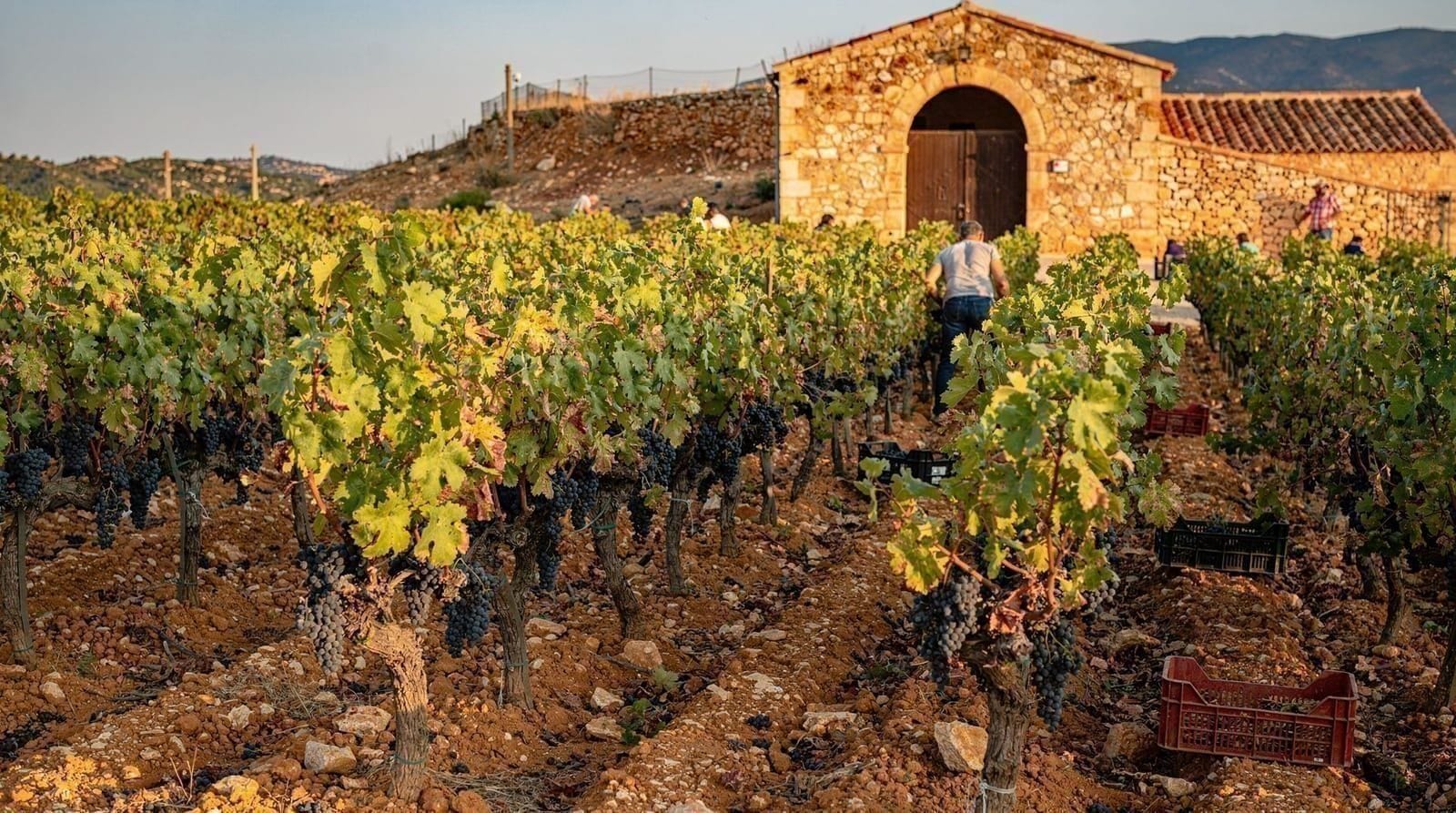
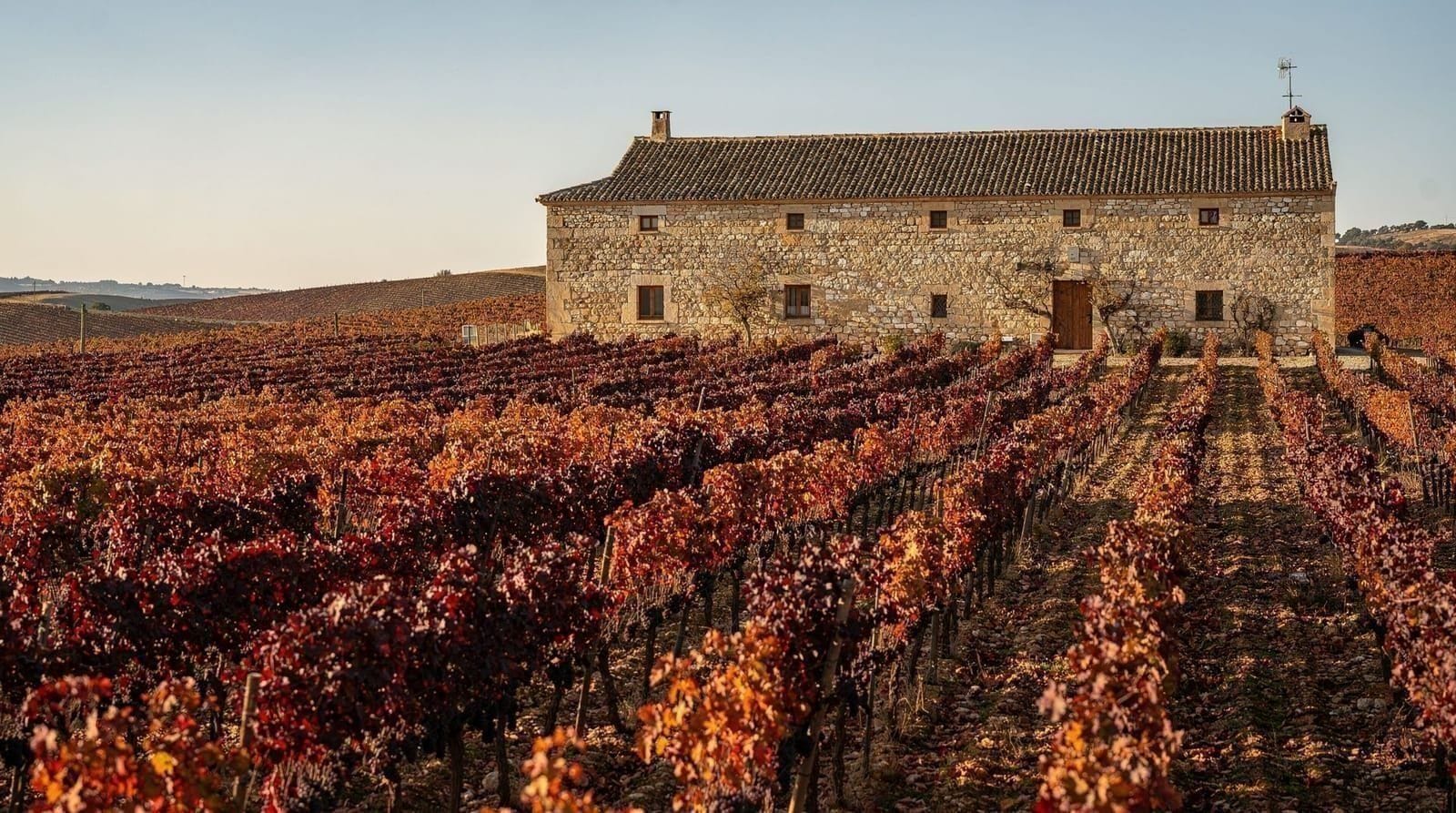
The Utiel-Requena DO covers approximately 36,000 hectares of vineyards at 700–900 m altitude, with a continental climate (cold winters, hot summers, significant day-night temperature variation that preserves grape acidity). The principal grape is Bobal — a thick-skinned, late-ripening red variety that accounts for around 65% of plantings.
Bobal was historically dismissed as a bulk wine grape, used for darkening thin Spanish reds from other regions. Since the 1990s, serious winemakers have been vinifying estate-bottled Bobal with modern technique and the result is distinctive: deep purple-red colour, dense tannin, characteristic earthy-blackberry flavour, with good aging potential. Single-varietal Bobal from top producers (Finca San Blas, Mustiguillo, Pago de Tharsys) now sells for €15–40 per bottle — still excellent value against comparable quality from Rioja or Ribera del Duero. The Bobal and Utiel-Requena wine guide goes deeper into the grape and the region’s winemaking history if you want the full context before tasting.
Which wineries to visit
Finca San Blas (near Requena, family estate) produces acclaimed Bobal in traditional and modern styles. Visits by appointment. Their cave winery is accessible and the tasting room honest about what’s in each glass.
Mustiguillo (near Fuenterrobles, 25 km from Requena) is the region’s flagship producer — their “Quincha Corral” single-vineyard Bobal is one of Spain’s benchmark reds. Visits require advance booking and are more formal. Prices reflect the reputation.
Pago de Tharsys (near Requena) is a mid-sized estate producing a wide range, including a Cava sparkling wine, and has a well-organised visitor programme with tastings and cellar tours.
Bodegas Vegamar (near Requena) is often included in organised tours for its modern installations and accessible approach to visitors.
Pricing for a cave/cellar tour with tasting: typically €8–15 per person direct; included in organised tour prices.
 tour and tasting at 2 Utiel-Requena wineriesCheck availability
How to taste like you mean it
A winery visit rewards a little attention. Look at the colour first, then smell before you sip, and ask what the wine spent its time in, whether tank, oak or a mix. Bobal rewards a second sip: the first can feel tight and tannic, while the second shows the fruit. Spit buckets are normal at serious estates and nobody will think less of you for using them, particularly if you are driving or have more stops ahead. Drink water between wines, and do not hesitate to ask the host which bottle they would open at home on an ordinary evening; the answer is often the best recommendation of the day.
If you plan to buy, taste the wine you are considering again at the end of the visit rather than relying on your first impression. Ask whether the estate ships abroad, since some will arrange it for larger orders, and keep any bottles away from the heat in a car boot on a summer afternoon.
Pairing the day with the rest of the region
Because the plateau is quieter than the coast, a wine day combines well with a slower trip elsewhere. Visitors planning a few days around food and drink may enjoy the Valencia wine lovers itinerary, which places Requena alongside other tastings, and the Valencia for foodies itinerary is a good match if you want the wine paired with market visits and rice dishes back in the city. For a longer read on regional cooking before you go, the eat like a local guide explains what to order and what to avoid.
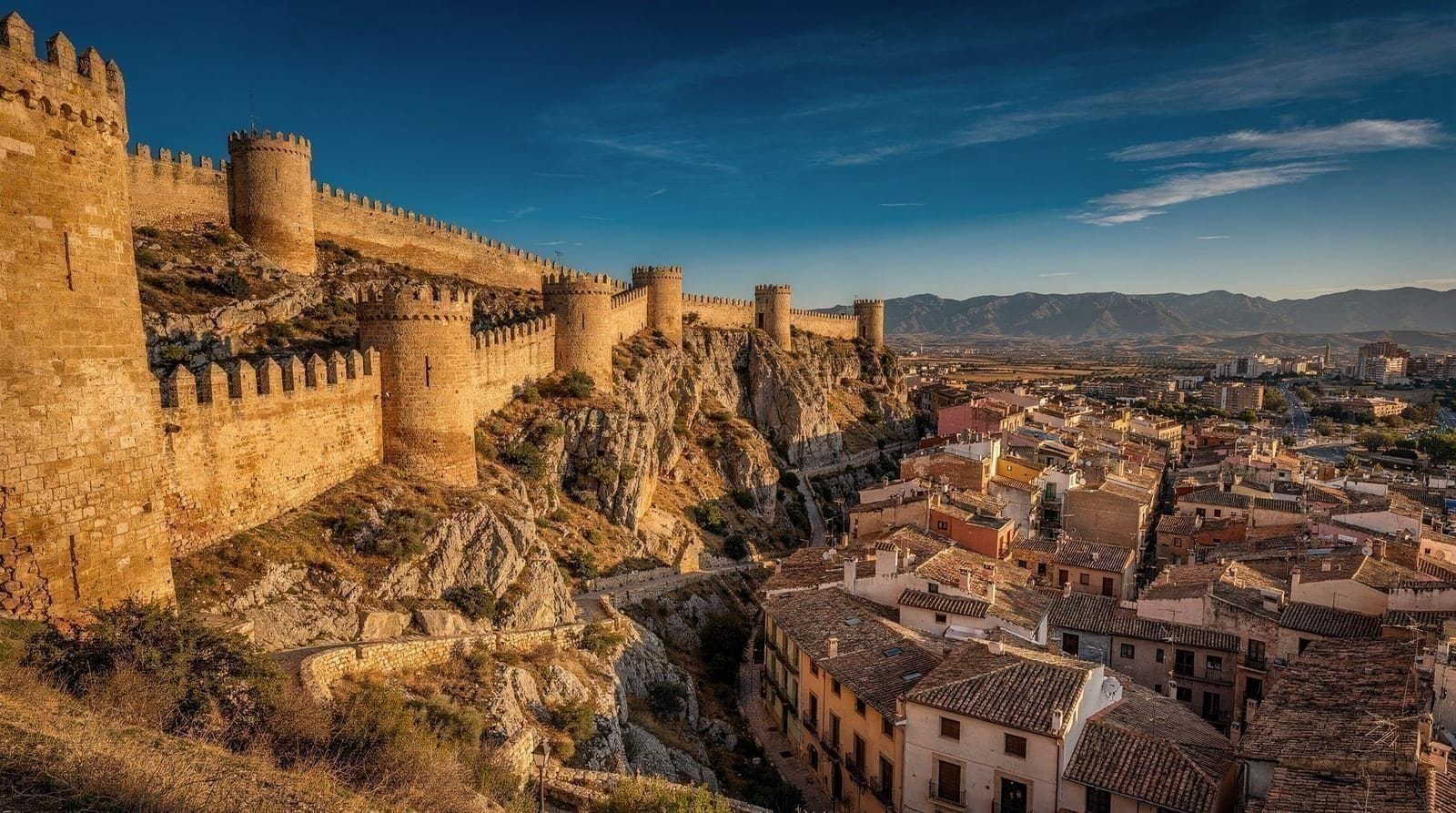
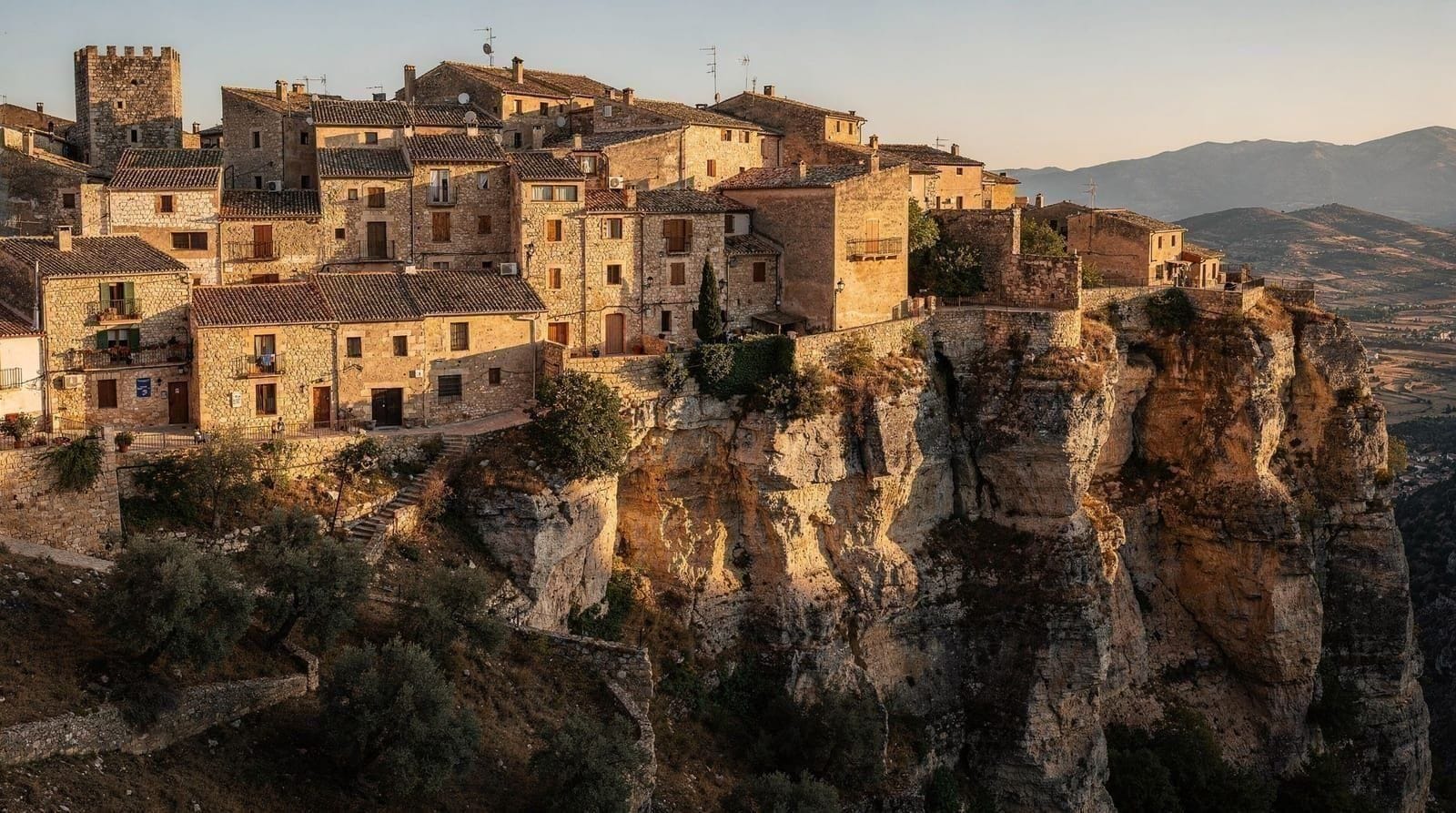
Requena’s medieval old town and cave cellars
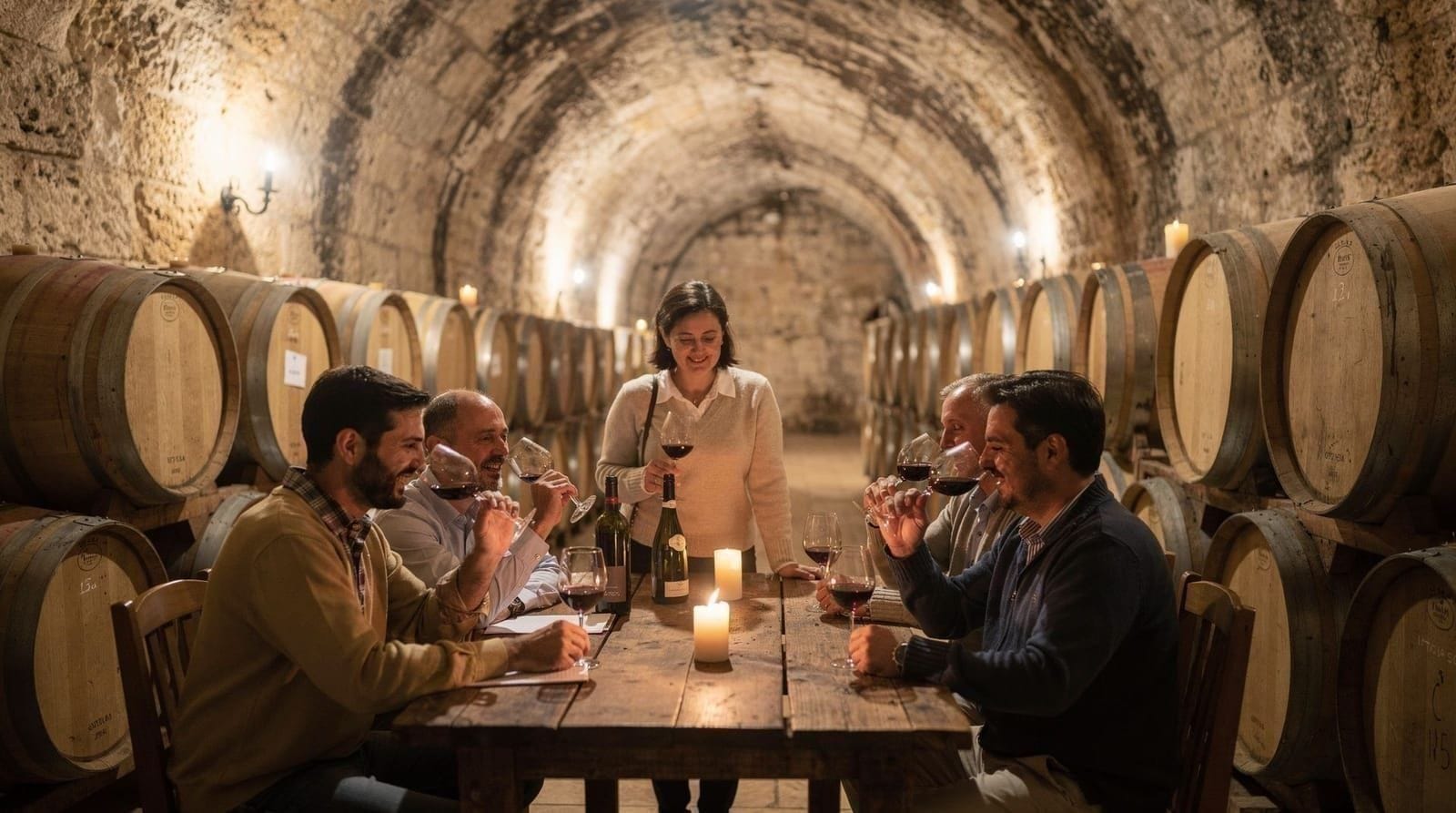
The most distinctive feature of Requena’s old town is what lies beneath it. Centuries of wine production led to an extensive network of bodega caves — natural and excavated cellars running under the streets and houses at depths of 5–10 m. Some of the caves predate the medieval period. The network is estimated at over 100 km of passages (though not all are accessible or mapped).
Guided cave tours depart from the tourist office on Plaza de la Villa. Duration about 45–60 minutes. Visits run at set times and the caves are closed on Mondays except public holidays; check the Requena tourist office for current times and the price. The tour takes you through the most accessible sections of the underground network, explaining the wine storage history and showing the characteristic barrel rooms with arched ceilings.
Above ground in the old town (La Villa):
Iglesia de Santa María la Mayor: A 15th-century Gothic church with a 16th-century plateresque portal, standing at the highest point of the old town. Interior includes a fine Baroque altarpiece and 16th-century choir stalls.
El Castillo: Moorish-origin fortification at the western end of the old town ridge. Partly ruined but free to explore, with views over the surrounding vineyards.
La Morería (Arab Quarter): The oldest surviving residential streets, preserving the tight lane pattern of the pre-Reconquista Moorish settlement. Best explored without a map — the streets converge eventually.
Making the most of the old town on foot
The old town is small enough that you do not need a fixed route. A sensible shape is to start with the cave tour, walk up toward the church, wander the narrow lanes of La Morería, and finish at the castle for the view over the vineyards before heading to lunch. Wear shoes with grip, since the streets are old, uneven and sloped, and bring a light layer because the caves feel noticeably cooler than the street outside. The surrounding countryside is also worth a few minutes of your attention: the vines stretch away in every direction, and the light late in the afternoon is lovely for photos.
If you want to extend the trip with another inland stop on a different day, the Requena destination page and the Bocairent destination page are useful starting points, and the Valencia vs Barcelona guide is a handy read if you are still deciding how much of your time in Spain to give to the region.
Where to eat in Requena
Requena’s restaurants serve traditional Valencian-Castellano cuisine at genuine local prices — significantly cheaper than Valencia city.
El Mesón del Vino (near Plaza Mayor) focuses appropriately on regional wines by the glass alongside classic mountain cuisine. Menú del día €13–15.
Restaurante El Molino (outside town, signposted from the N-330) is a reliable spot for asados (roasted meats) and regional lamb, popular with groups and families.
For tapas and wine by the glass: Several bars on the Plaza de la Villa serve the local Bobal by the glass for €1.50–2.50 — remarkable value for the quality.
The harvest festival in early September brings food stalls, outdoor wine pouring, and the traditional grape treading (pisada de uvas) to the old town. This is the best single day to visit Requena if you can time it.
A few habits make eating here easier. Lunch is the main meal and kitchens keep local hours, so arrive hungry rather than expecting an early or very late service. Ask what is cooked locally that day and let the wine list follow the food; regional bottles on the table cost little and usually suit the dishes better than anything imported. Our menú del día guide explains how the set lunch works, and the same logic applies in Requena as in the city. If you booked a tour that includes a meal, a winery day trip with tastings keeps the schedule simple and leaves you free to enjoy the food.
Practical information
Duration: Half a day for town + caves + lunch. Full day if adding multiple winery visits outside town.
Best timing: Arrive by 10:00–10:30 to catch the morning cave tour and have time for wineries before a 14:00 lunch. Leave Valencia by 09:00–09:30.
What to buy: Wine direct from wineries is markedly cheaper than retail. A mixed case (12 bottles, mostly Bobal, some rosado) bought at Finca San Blas or a cooperativa typically runs €60–100 and represents genuine quality. Check baggage/weight if flying.
Heat: The plateau in July–August reaches 35–38°C. Underground cave visits are cool and welcome (around 14°C). Schedule them for midday.
Planning around the season: The harvest period brings a different mood from spring, and the weather shapes what you will want to wear and when you will want to be outdoors. The best time to visit Valencia guide helps you decide which part of the year fits your whole trip, and the Valencia in autumn guide covers what else is happening when the grapes come in.
Driving and tasting: If you hire a car, agree in advance who will drive, or choose a tour so everyone can taste properly. Spanish roads are good on this route, but tasting and driving do not mix, and a designated driver should expect to spit rather than swallow.
Requena versus other inland day trips
Requena is one of several worthwhile inland alternatives to Valencia’s beach-focused day trips. Xàtiva, with its hilltop castle and Roman-Moorish history, is a comparable distance by train and works well if history interests you more than wine. Bocairent, a mountain village with cave dwellings carved into a gorge, offers a different kind of medieval atmosphere further south. If you’re deciding between inland options generally, the day trips by train guide and the broader day trips without a car guide cover how each compares for visitors without a rental car — Requena is one of the easiest of the group by train, since the Cercanías drops you close to the old town.
Frequently asked questions about Requena wine tour from Valencia
How do I get to Requena from Valencia?
By car: 70 km west on the A-3 motorway, about 55–65 minutes. By train: Cercanías C3 or regional trains from Valencia Estació del Nord run regularly, journey about 1 hour, around €5–7 each way. By organised tour: half-day tours depart from Valencia hotels and include winery visits and sometimes lunch, approximately €50–75 per person.What is the Utiel-Requena DO and why is it significant?
Utiel-Requena is a Denominación de Origen covering the plateau between Requena and Utiel (70–100 km west of Valencia). It is one of Spain's oldest wine regions and home to the Bobal grape — a thick-skinned red variety that produces dense, tannic wines suited to aging. Bobal was historically used for blending but the region has been producing quality estate-bottled Bobal since the 1990s. Altitude (700–900 m) gives cooler temperatures and good acidity.Which wineries can I visit near Requena?
Finca San Blas (Carretera Camporrobles km 7) and Mustiguillo (near Fuenterrobles) are among the most regarded estates for Bobal. In Requena town itself, the Cooperativa de Requena and several family bodegas offer tastings. Many wineries require advance booking, especially for cellar tours. Organised tours arrange access that walk-in visitors may not get.What is the Requena old town like?
Requena's old town (La Villa) is a compact medieval quarter built on a promontory above the modern city. Below the streets is an extensive network of bodega caves — natural cellars carved into the rock over centuries for wine storage. Guided tours of the underground network are available from the tourist office. The 15th-century Iglesia de Santa María and the Moorish-origin streets of the Arab Quarter (La Morería) are the main above-ground sights.When is the best time for a Requena wine tour?
September–October for the harvest season — the vendimia festival in Requena (early September) involves traditional grape treading, wine parades, and market events that make the town unusually lively. Spring (April–June) is good for winery visits without the crowds. Avoid August — extremely hot on the inland plateau.What wines should I try in Requena?
Bobal is the answer. Look for single-varietal Bobal with at least 6 months in oak — it should be deep purple-red, with a characteristic earthy-blackberry character and firm tannins. Also try the local doble pasta wines (more intense extraction, traditional style) and the rosados from Bobal — the pale pink colour is distinctive. At €8–15 per bottle direct from wineries, quality exceeds price substantially.Can I visit Requena without a car and do a proper wine tour?
Partly. The train gets you to town. The tourist office cave tour is walkable from the station. For winery visits outside town, taxis are available but expensive for multiple stops. An organised tour from Valencia that collects you in the city and handles all transport is the cleanest solution for a focused wine-tasting day.How much wine is included in organised tours?
Typically 4–8 different wines across the winery visits, plus aperitivo or wine with lunch. No organised tour dumps unlimited wine on you (regulations and driving aside). The emphasis is on quality and education rather than quantity.Is Requena appropriate as a solo day trip?
Yes. The old town and caves are self-guided or easily joined through the tourist office. Several of the wineries near town accept walk-in visitors, particularly in harvest season. Solo travel is fine; the only constraint is transport to outlying estates without a car.How does Requena compare to Ribera del Duero or Rioja?
Different profiles. Utiel-Requena is less famous and therefore better value. Bobal lacks the global recognition of Tempranillo but the best examples are genuinely world-class. The advantage of Requena as a day trip is that the medieval town and cave network add a cultural dimension that pure wine routes like Ribera often lack.
Top experiences
Bookable activities with verified prices and instant confirmation on GetYourGuide.