Day trips from Valencia by train: the complete guide
Xàtiva: the complete experience from Valencia — castle and museum
What are the best day trips from Valencia by train?
The Cercanías network gives excellent access to Xàtiva (C2, 50 min), Sagunto (C6, 30 min), Cullera (C1, 45 min), and Gandia (C1, 65 min). Requena and Buñol are on the C3 westbound. Albufera and the inland villages (Bocairent, Morella, Montanejos) require a car. None need advance booking.
Valencia’s Cercanías network is one of the best arguments for basing yourself in the city rather than at a coastal resort. Five lines radiate from Estació del Nord (the central mainline station, also accessible from the metro network) to the surrounding province, putting several genuinely interesting destinations within reach without a car, without advance booking, and without significant cost.
This guide covers every realistic day trip achievable from Valencia by train, with practical logistics: which line, how long, what it costs, what you get.
| Where | Xàtiva, Sagunto, Cullera, Gandia, Requena, Buñol |
| Cost | around €2.60-9.00 return depending on destination |
| Time needed | half a day (Sagunto) to a full day (Gandia, Requena) |
| Getting there | Cercanías from Estació del Nord, no booking needed |
| Best time | weekday mornings — weekend frequency drops |
The Valencia Cercanías network
The Cercanías Valencia (operated by Renfe) runs five lines from the Estació del Nord:
| Line | Direction | Key destinations |
|---|---|---|
| C1 | South along coast | Cullera, Gandia |
| C2 | South-west inland | Xàtiva |
| C3 | West | Buñol, Requena-Utiel |
| C4 | North (loop) | Bétera, Llíria |
| C5 | North | Gandia (some services via different route) |
| C6 | North along coast | Sagunto, Castellón |
Ticket prices: Cercanías fares operate on a zone system. Most day-trip destinations cost €2.60–5.50 single, €4.70–9.00 return. Buy at station ticket machines, the Renfe website, or the Renfe app. No advance booking required or possible for Cercanías.
Frequency: Lines C1, C2, C6 run every 30 minutes on weekdays, less frequently on weekends. Line C3 (westbound) runs every 45–60 minutes. Check the Renfe Cercanías Valencia timetable app or website before departure, particularly for weekend return journeys.
Starting point: All Cercanías lines call at Valencia Estació del Nord (also called “Valencia” on the timetables). Some also stop at Valencia Sant Isidre and other suburban stations, but Estació del Nord is the main hub. The metro network (lines 3, 5, and 10) connects to the station from across the city.
Xàtiva — the best castle day trip (C2, 50 min)
Line: C2 (Valencia – Xàtiva – Alcoi direction) Journey time: 50–55 minutes Fare: ~€4.70 return Frequency: Every 30 minutes on weekdays
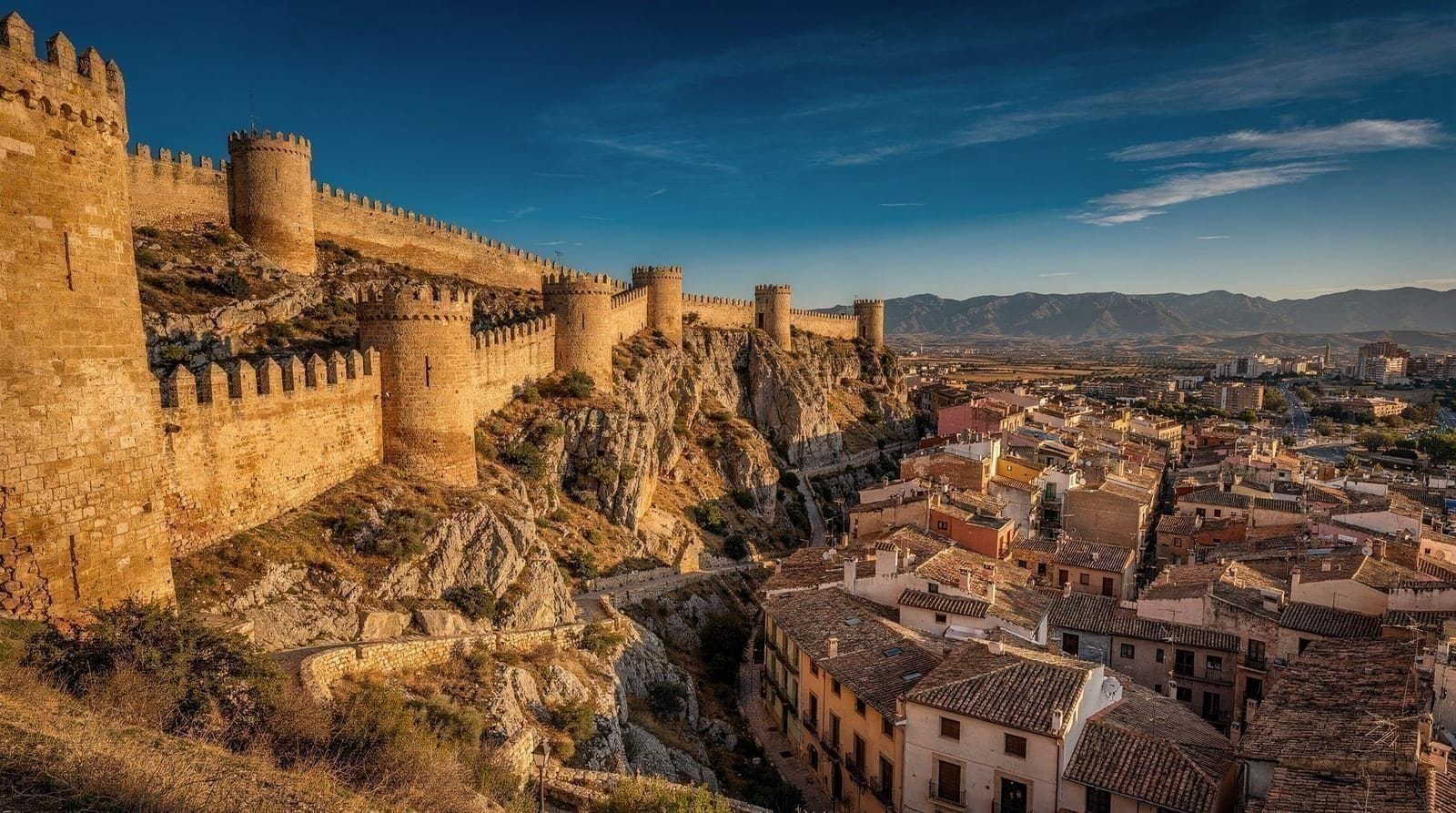
Xàtiva offers the complete package: a proper medieval town, a spectacular castle on a ridgeline, a well-preserved old quarter, and the famous upside-down portrait of Felipe V in the museum. The train drops you in the town centre, a 15-minute walk from the castle gate.
What you get: Castle walk (2.5–3 hours), old town and museum (1 hour), lunch (1 hour). Back in Valencia by 17:00 if you leave at 09:30.
Verdict: The best single day trip from Valencia by train, full stop. Reasonable cost, high-quality destination, no car needed.
For detailed logistics, see Xàtiva castle day trip.
 the complete experience from Valencia — castle and museumCheck availability
Sagunto — Roman theatre and castle (C6, 30 min)
Line: C6 (Valencia – Sagunto – Castellón direction) Journey time: 28–35 minutes Fare: ~€2.60 return Frequency: Every 30 minutes on weekdays
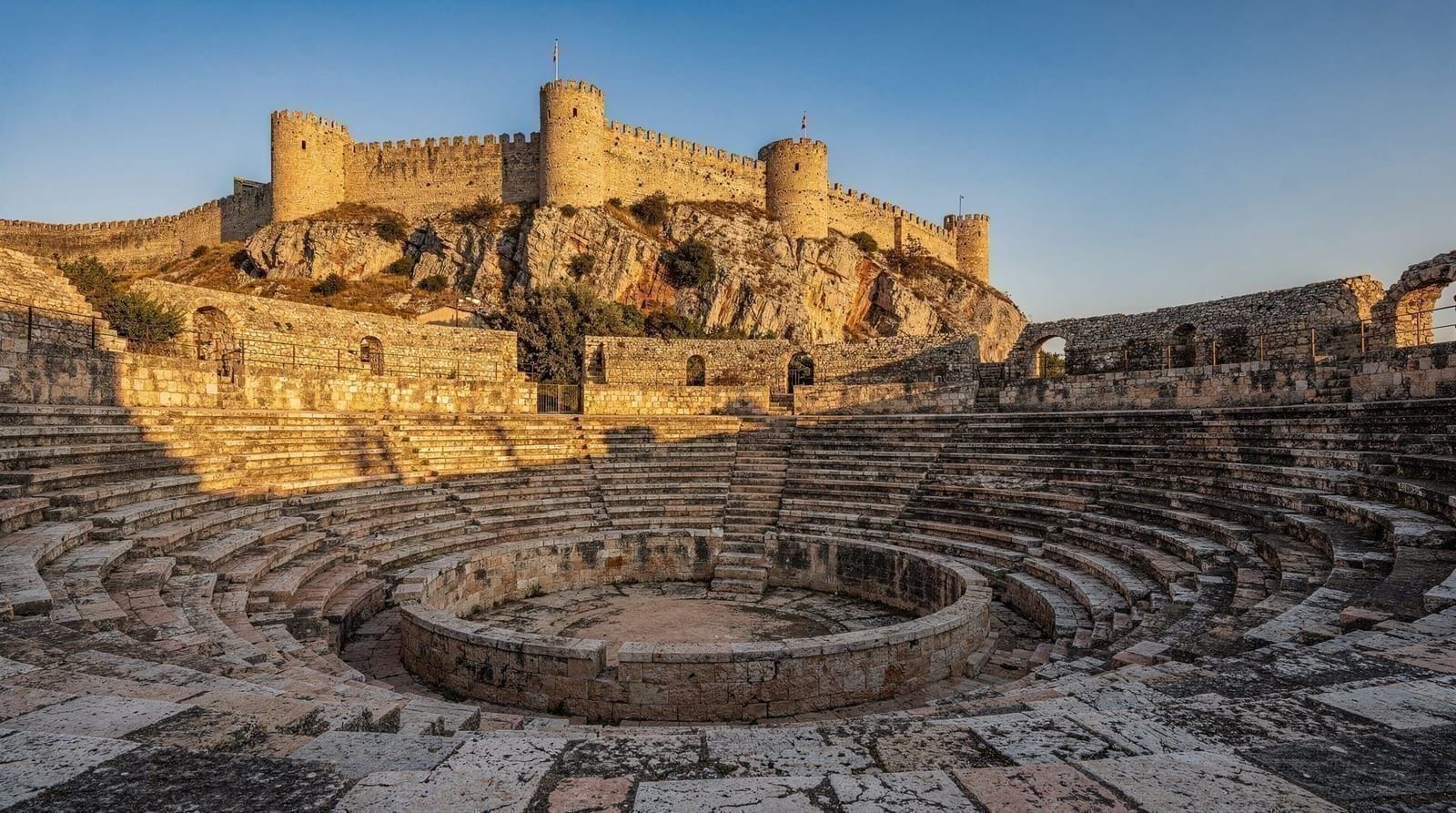
Sagunto is the shortest and cheapest train day trip from Valencia. The Roman theatre (controversially restored in the 1990s) and the 1 km hilltop castle are the main draws. The Jewish quarter and the Museu Arqueologic add depth.
What you get: Roman theatre and museum (45 min), castle walk (1 hour), old town (45 min), lunch. Back in Valencia by 15:00 if you leave at 09:00.
Verdict: Best for Roman history and archaeology. Less visually dramatic than Xàtiva but closer and cheaper. A morning trip works perfectly.
For detailed logistics, see Sagunto day trip.
Cullera — headland castle and beaches (C1, 45 min)
Line: C1 (Valencia – Cullera – Gandia direction) Journey time: 40–45 minutes Fare: ~€3.20 return Frequency: Every 30 minutes on weekdays
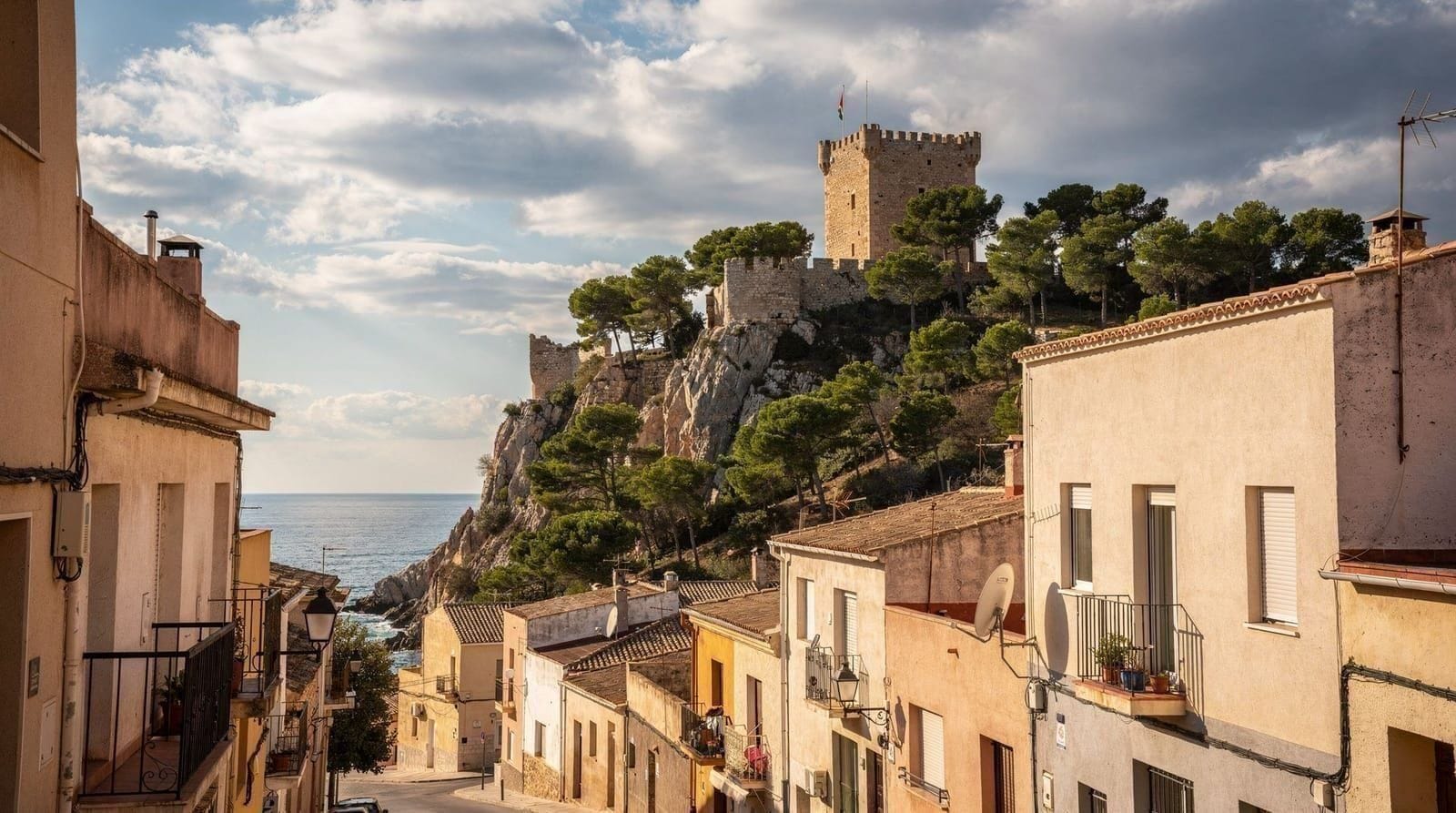
Cullera combines coast and history in a way few Valencian day trips manage — the rocky headland with a castle and reservoir views, good sandy beaches, and an accessible town. It sits at the southern edge of Albufera territory, so combining Albufera and Cullera in one day is possible by car (but not practical without a car).
What you get: Castle headland (1.5 hours including walk up), beach (2 hours), old town and lunch (1.5 hours). A full but comfortable day.
Verdict: Best beach-plus-history combination by train. Better for active visitors than purely beach-focused ones.
For detailed logistics, see Cullera day trip. Visitors who want the castle, the beach, and an Albufera boat segment without self-navigating can book a combined tour instead:
Cullera history, beach, and Albufera boat tourGandia — beach and Borgia palace (C1, 65 min)
Line: C1 (Valencia – Gandia direction, end of line) Journey time: 65–70 minutes Fare: ~€5.00 return Frequency: Every 30–60 minutes
Gandia is the longest Cercanías journey from Valencia but delivers a proper beach resort (Playa de Gandia, 3 km of Blue Flag beach) and a genuine cultural gem in the Palau Ducal dels Borja. The Cercanías station is 5 km from the beach — budget for a local bus or taxi from the station.
What you get: Borgia palace (1 hour), beach (2–3 hours), lunch at the port (1.5 hours). A full day.
Verdict: Best beach day trip by train from Valencia. The palace makes it more culturally rounded than a pure beach excursion.
For detailed logistics, see Gandia day trip.
Requena — wine country (Cercanías C3, 60 min)
Line: C3 or Renfe regional (Valencia – Requena-Utiel direction) Journey time: 55–65 minutes Fare: ~€5–7 return Frequency: Every 45–90 minutes
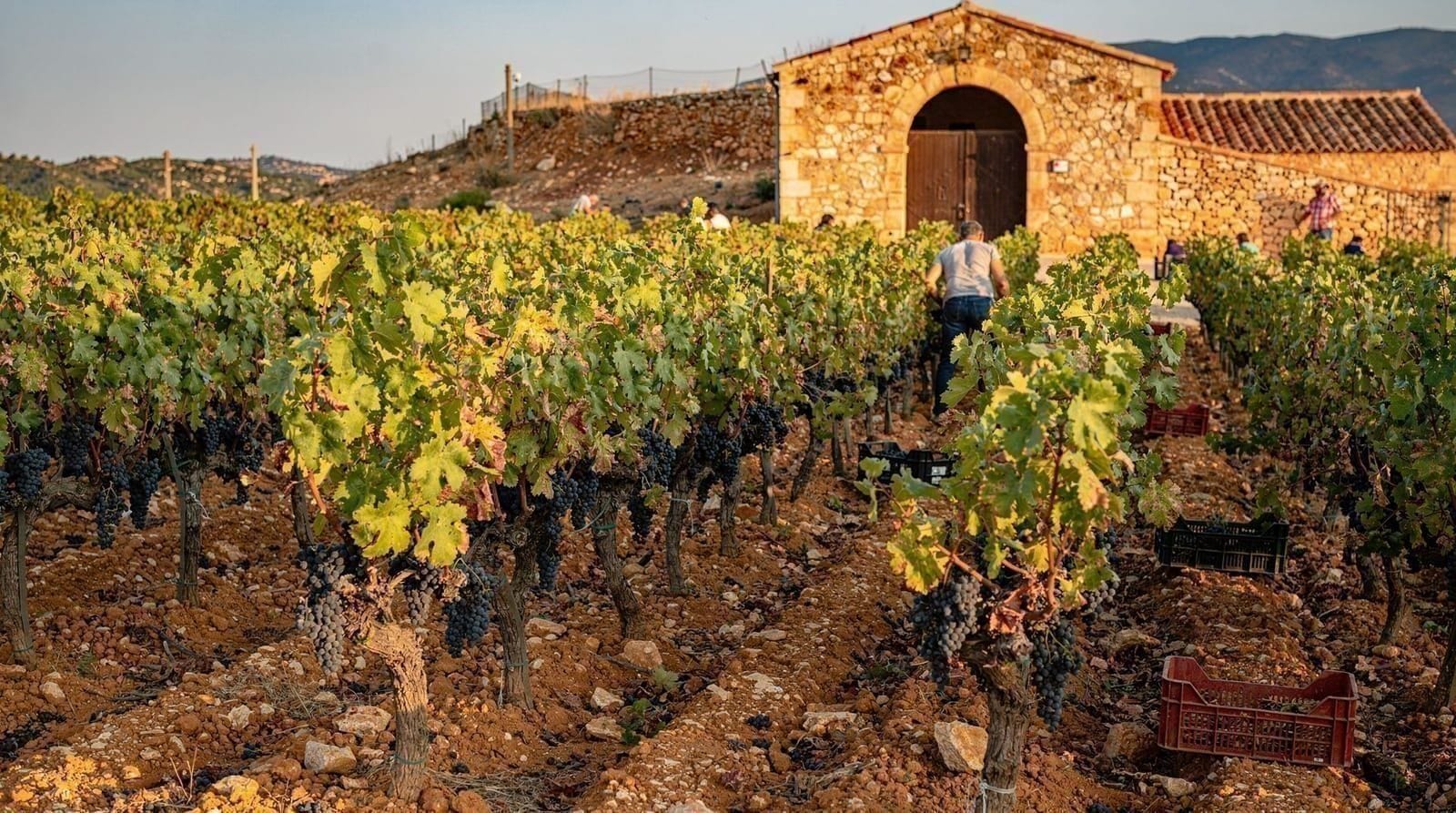
Requena is the most underused train day trip from Valencia. The Utiel-Requena wine country, the medieval old town, and the underground bodega caves are all accessible from the train station. Winery visits outside town require planning (arrange a taxi or tour in advance), but the town itself — caves, old quarter, churches — is perfectly walkable.
What you get: Underground bodega caves (1 hour), old town (1 hour), lunch with local Bobal wine (1.5 hours). Wine purchases from the tourist office winery.
Verdict: Best for wine tourism by train. Quieter than the coastal trips, genuinely local atmosphere.
For detailed logistics, see Requena wine tour.
Buñol — La Tomatina (Cercanías C3, 50 min)
Line: C3 (Valencia – Buñol – Requena direction) Journey time: 45–50 minutes Fare: ~€3.80 return Frequency: Extra Renfe services on Tomatina day; standard frequency otherwise
Buñol outside the last Wednesday of August is an unremarkable small inland town. On La Tomatina day (last Wednesday of August), it becomes one of Europe’s most extraordinary events. The train is the most practical transport from Valencia — Renfe runs reinforced services, but they are packed. See the full logistics in La Tomatina in Buñol.
What you cannot reach by train from Valencia
These destinations require a car or an organised tour:
| Destination | Why no train | Alternative |
|---|---|---|
| Albufera | No rail line | Bus 24/25 from Valencia centre |
| Bocairent | Remote inland, no service | Car or private tour |
| Montanejos | No service to Castellón mountains | Car or organised tour |
| Morella | No train, 175 km north | Car, ALSA bus (2.5h), or tour |
| Guadalest/Algar | Costa Blanca interior | Car or tour from Valencia |
| Peñíscola | Nearest station 7 km away (Benicarló) | ALSA bus direct, or tour |
For carless day trips including these destinations, see day trips without a car from Valencia.
 Albufera boat ride with food and paella includedCheck availability
Which day trip suits which traveller
| Destination | Best for | Skip if |
|---|---|---|
| Xàtiva | History and one standout castle in a short trip | You only want beach time |
| Sagunto | A cheap, quick half-day with Roman history | You want a full day out |
| Cullera | Combining beach and headland castle views | You want maximum beach infrastructure |
| Gandia | The best full beach resort day by train | You are short on time — it is the longest ride |
| Requena | Wine country and cave tourism, away from crowds | You are travelling with young children with short attention spans |
| Buñol | La Tomatina only (last Wednesday of August) | Visiting any other date — there is little to see |
Combining two day trips in one day
It is technically possible to combine two nearby destinations in a single long day — Sagunto in the morning and back to Valencia by early afternoon leaves enough of the day to add a shorter stop, and Cullera and Gandia sit on the same C1 line. In practice this is ambitious rather than relaxing: both destinations end up rushed, and the return-journey timing gets tight if either train runs late. A single, unhurried destination consistently produces a better day than two rushed ones. If you do want more than one place in a trip, pair a train day trip with a half-day in the city itself rather than stacking two train destinations back to back — for example, a Sagunto morning followed by an afternoon in Valencia’s own old city leaves both halves of the day feeling complete rather than rushed.
Practical tips for train day trips from Valencia
Buy your ticket on the morning. Cercanías tickets do not sell out and do not require advance purchase. The Renfe app works smoothly and avoids station queues. Alternatively, ticket machines at Estació del Nord accept cards and cash.
Check weekend timetables separately. Frequency drops significantly on weekends for all lines. A train every 30 minutes on weekdays may become one every hour on Sunday afternoons. Always confirm the return journey time before departing.
The Valencia Tourist Card covers unlimited Cercanías, metro, and EMT bus travel within its validity period. If you are buying a 48-hour or 72-hour card for city attractions, check whether it includes Cercanías travel beyond zone A. The full Valencia Tourist Card does — see Valencia Tourist Card guide for value assessment.
Take the early train. Most day-trip destinations are at their best in the morning before the day-tripping crowd arrives. The 08:30–09:30 train from Valencia gives you the castle, old town, or beach largely to yourself until 11:00.
Platform finding: At Estació del Nord, Cercanías trains depart from the underground Cercanías platforms (separate from the mainline AVE and regional platforms). Follow signs for “Cercanías” inside the station — the ticketing and boarding areas are distinct.
Return timing: On summer weekends, trains from coastal destinations (Gandia, Cullera) fill in the late afternoon. If travelling on a summer Saturday or Sunday, book the 17:00–17:30 return to avoid the 18:00–19:00 crush.
Luggage and lockers: None of these are luggage-friendly trips — Cercanías trains have limited space and none of the small-town stations have lockers. Do these day trips with a day bag only, and leave suitcases at your Valencia accommodation.
Frequently asked questions about Day trips from Valencia by train
Do I need to book Cercanías train tickets in advance?
No. Cercanías (suburban trains) do not require reservations. You can buy at any station ticket machine or on the Renfe app. Regional trains to Requena (more than 1 zone away) also run without reservations. AVE and long-distance trains require booking — but all the day-trip destinations covered here are accessible on Cercanías or regional trains without advance purchase.What is the cheapest train pass for Valencia day trips?
The Cercanías Valencia multi-zone day pass is the best value if you are making 3+ train journeys in a day. Individual return tickets are often just as economical for a single destination. The Valencia Tourist Card includes free Cercanías and metro travel — useful if you are also visiting multiple city attractions on the same card.Which day trip from Valencia is best by train for history?
Xàtiva (C2, 50 min) for the castle and medieval Borgia history. Sagunto (C6, 30 min) for Roman theatre and hilltop castle. Both are free or very cheap to enter. Sagunto is closer; Xàtiva has the more impressive castle and better preserved old town.Can I reach the Albufera by train?
No direct Cercanías to Albufera. Bus 24 or 25 from central Valencia runs to El Palmar in the Albufera natural park — 40–45 minutes, no train needed. See the Albufera day trip guide for full bus details.What is the difference between Cercanías and Renfe regional trains?
Cercanías (suburban rail) run frequently without reservations on shorter routes (Valencia, Sagunto, Cullera, Gandia, etc.). Regional trains cover longer distances (Valencia to Requena, Valencia to Castellón, etc.), run less frequently, and cost slightly more. Both are comfortable and reliable.Do I need to validate my Cercanías ticket?
Yes. Cercanías tickets must be validated at the yellow stamping machines on the platforms before boarding. Failure to validate can result in a fine from inspectors. The machines are clearly marked on all platforms.Can I use my metro card on the Cercanías trains?
The standard metro single tickets are not valid on Cercanías. However, the T-Genial (annual pass) and certain multi-zone bonus cards cover both metro and Cercanías travel within the combined zones. Check your specific card type at the ticket machine or information office.Is there a hop-on hop-off approach to the Cercanías lines?
Not officially — each journey requires a separate ticket or a day pass. The day pass (Tarifa Plana Día) is available from Renfe and covers unlimited Cercanías travel within selected zones for a fixed price. Worth calculating if you plan to visit two destinations on the same day (e.g., Sagunto in the morning, Xàtiva in the afternoon — though this is a long day).Which is the most scenic Cercanías journey?
The C1 south to Gandia passes through the Albufera rice paddy landscape — particularly beautiful in autumn when the paddies are flooded. The C6 north to Sagunto passes through the Horta Nord farmland. The C2 to Xàtiva crosses the Huerta Sur irrigation plain before rising into the hills near Xàtiva. None are dramatic mountain railways, but the Valencian plain has a quiet visual appeal.
Top experiences
Bookable activities with verified prices and instant confirmation on GetYourGuide.