Anna lakes and waterfalls
Anna is 70 km from Valencia — three waterfalls, a spring-fed lake and 'Anna's Alhambra' gardens. Quiet, car-recommended, best combined with Xàtiva.
Valencia: Anna's Alhambra and the 3 waterfalls tour
Duration: 6 hours
Quick facts
- Distance from Valencia
- 70 km south-west
- Travel time
- ~1 hour by car (A-7 south then CV-590)
- Getting there
- Car recommended; some organised tours combine Anna with Xàtiva
- Best for
- Natural spring swimming, waterfall walks, quiet inland countryside, combining with Xàtiva
- Don't miss
- Gorges de Anna (waterfall canyon), Llac d'Anna natural pool, the Jardines de Anna ('Anna's Alhambra' gardens)
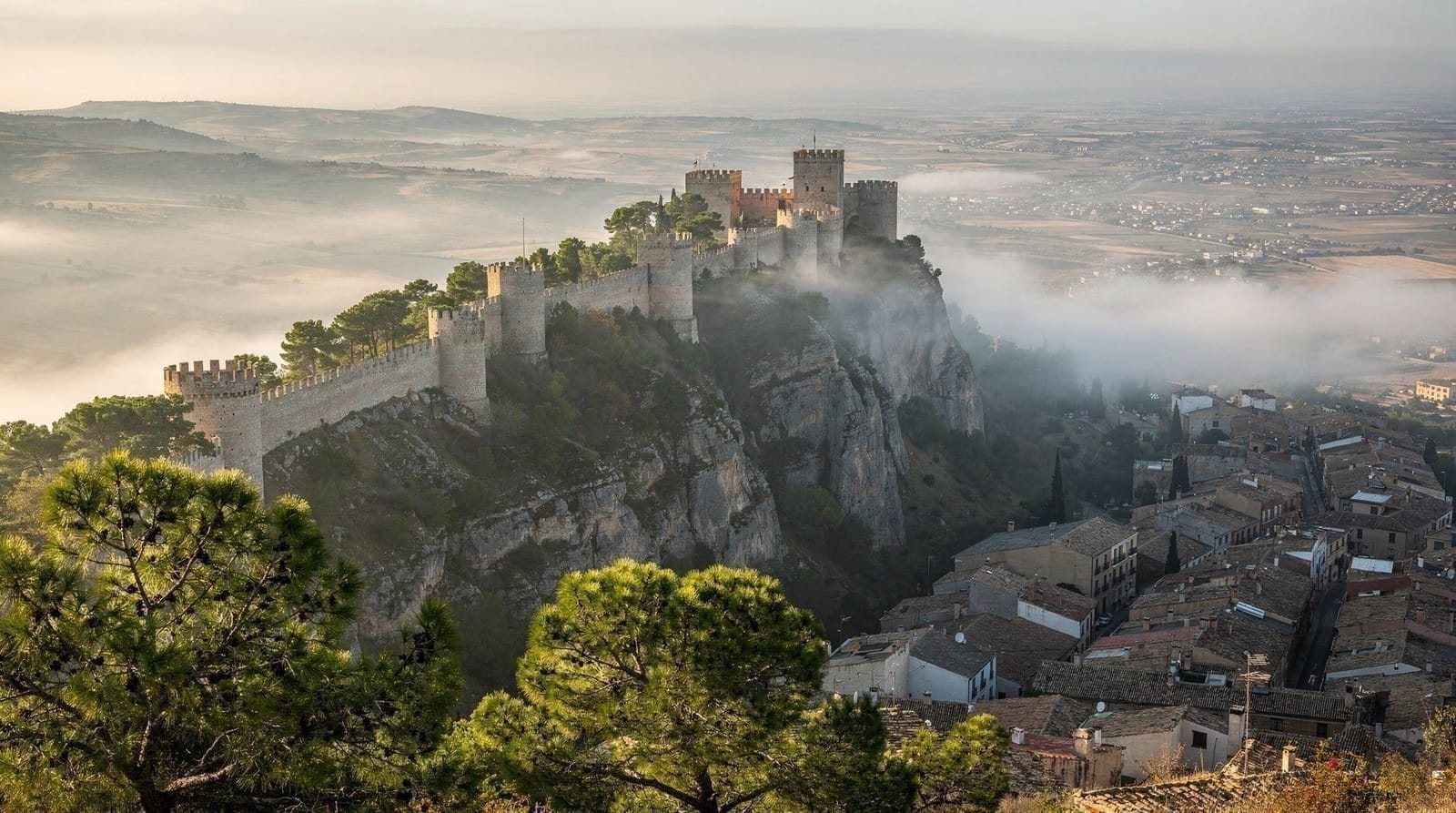
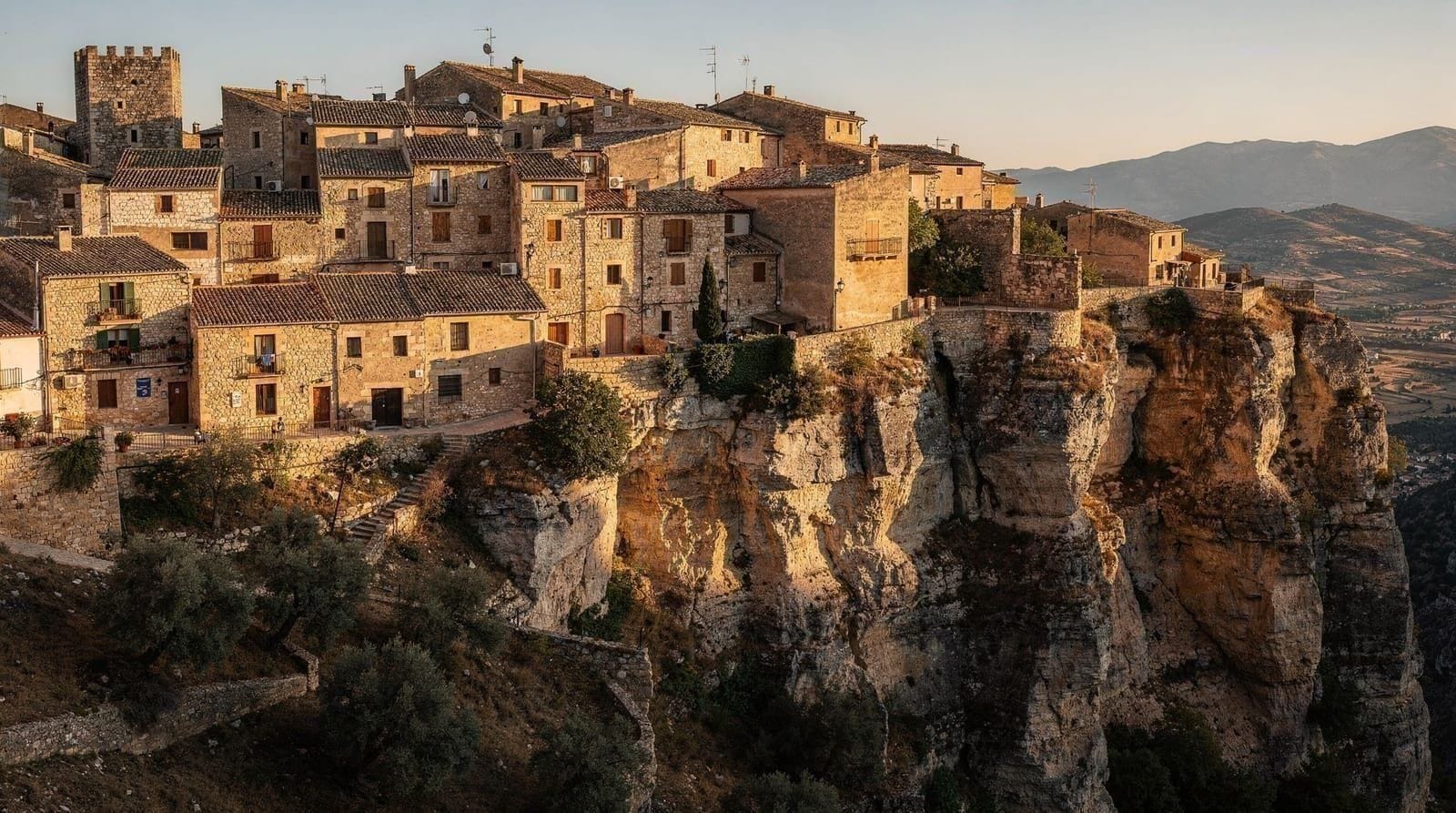
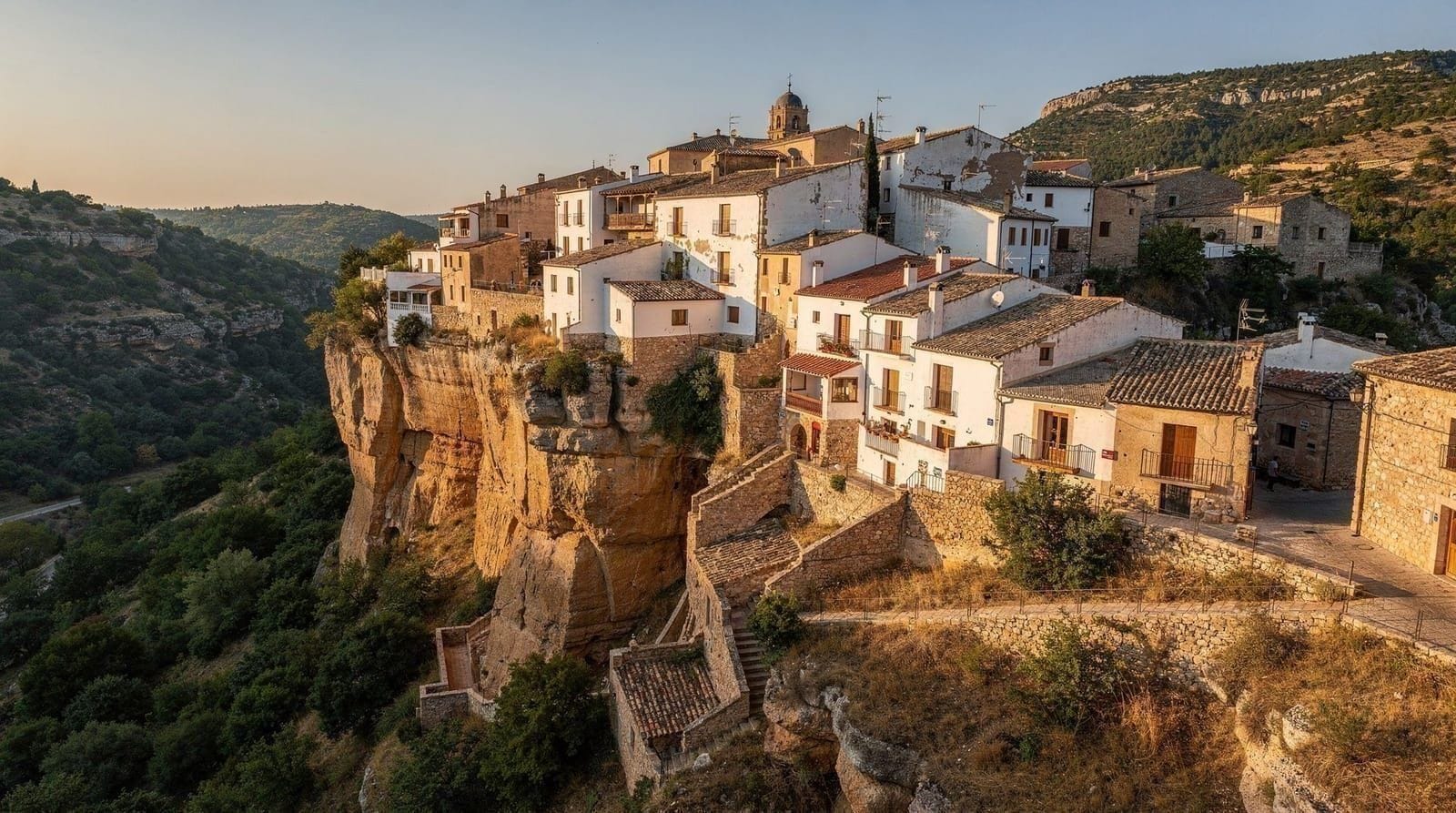
The town of Anna in the Vall d’Albaida, 70 km south-west of Valencia, sits at the top of a spring-fed canyon system known as the Gorges de Anna (or Barranc de les Gorges). Three distinct waterfalls cascade through a limestone gorge, a natural lake (Llac d’Anna) is fed by the same spring system, and a terraced garden complex built over centuries of water management has been nicknamed “Anna’s Alhambra” for its Moorish-influenced layout. It is one of the least-publicised natural attractions within 90 minutes of Valencia, and on a Tuesday in June, you may have the main waterfall trail almost entirely to yourself.
| Where | 70 km south-west of Valencia, Vall d’Albaida |
| Cost | Free trail and lake access; gardens around €2 |
| Time needed | Half day (3–4 hours); full day with Xàtiva |
| Getting there | Car recommended (~1h via A-7 and CV-590); no direct bus |
| Best time | April–June for water flow; July–September for swimming |
Getting to Anna from Valencia
A car is the practical choice. Take the A-7 motorway south toward Xàtiva, then follow the CV-590 west through Llosa de Ranes toward Montesa and Anna. The drive is around 60–70 minutes depending on traffic through Valencia’s southern exits.
There is no direct bus or train to Anna. There are services to the area via Xàtiva, but with connection waiting times, a public transport day trip becomes a 5-hour commitment in each direction.
Organised tours from Valencia combine Anna with nearby Xàtiva (30 km east of Anna), making the two-destination combination viable in a single day:
Valencia: Anna’s Alhambra and the 3 waterfalls tour — a 6-hour organised tour covering the gardens and the waterfall trail, with transport from Valencia included.
Valencia: Xàtiva, Ontinyent and Anna day trip — this covers the Xàtiva castle, Ontinyent town and Anna’s natural attractions in a single structured day.
The Gorges de Anna: waterfalls and canyon
The Barranc de les Gorges is a limestone canyon approximately 2 km long, carved by the spring system that emerges at the head of the valley. Three waterfalls punctuate the trail:
Primer Salt (First Fall): The most accessible and largest, about 1 km from the village centre. Water drops approximately 8–10 metres into a natural pool. A viewpoint platform is directly adjacent; the pool below is swimmable when water levels permit (generally March–September, deepest in spring).
Segon Salt (Second Fall): 500 metres further up the canyon, reached by scrambling over boulders and some easy rockwork. Smaller fall (3–5 metres), narrower pool. More intimate setting than the first.
Tercer Salt (Third Fall): The highest and least visited, requiring a scramble up loose terrain. Not always swimmable due to shallower pool depth. The view back down the canyon from this point justifies the climb.
The full round trip — village to third fall and back — takes 2 to 2.5 hours on foot, with moderate terrain on the lower section and rougher going above the first fall. Wear shoes that can handle wet rocks. The canyon is shaded in the morning and exposed in the afternoon.
Gorgos de Anna canyoning or hiking tour provides a structured guided experience through the canyon, including abseiling into the gorge from above — a more adventurous approach than the standard walking trail.
The Llac d’Anna (Anna lake)
A natural lake of approximately 100 by 200 metres, fed by the same spring system as the gorge. The lake maintains a relatively constant level year-round due to its spring source. Swimming is permitted in most of the lake; a small beach area at the south end has a car park and picnic tables.
Water temperature: cold even in summer (around 18–20°C) due to the spring feed. Air temperature in July–August can reach 35°C, making the contrast dramatically refreshing. There are no lifeguards; the lake has a section with gradually increasing depth suitable for children learning to swim.
Entry to the lake recreational area: free. Parking: free, 50 spaces (fills on summer weekends by 10:00).
The Jardines de Anna (“Anna’s Alhambra”)
The garden complex below the town centre was developed over centuries, incorporating the spring water channel system into a series of terraced pools, fountains and plantings. The “Alhambra” nickname refers to the Nasrid-influenced hydraulic design — a system of channels, reflecting pools and water features that echo the aesthetic of the Alhambra’s Generalife gardens in Granada, though on a much smaller scale.
The gardens are open for guided visits; opening times are irregular and managed by the local council (call the Anna town hall or check for a sign at the main entrance). Entry approximately €2. The visit takes 30–45 minutes. If the gardens are closed on arrival, the exterior and water channel above the gardens are accessible without charge.
Combining Anna with Xàtiva
The most natural combination: Anna (2.5–3 hours for gorge walk, lake swim) + Xàtiva (castle, 3 hours, 30 km east). Either order works by car. Starting at Anna in the morning (spring water is coldest, trail coolest, parking emptiest) and ending at Xàtiva for lunch and the castle in the afternoon is a clean full day. See the Xàtiva destination guide and Xàtiva castle guide for castle timing.
What else is near Anna
- Montesa Castle (10 km north-east): ruins of the castle of the Orden de Montesa, a medieval military-religious order founded in Valencia. Free access; dramatic remains on a hilltop above the town of Montesa. Adds 1 hour to an Anna visit.
- Ontinyent (25 km south): larger town with an Arabic quarter, a local museum and a weekly market. Textile manufacturing history visible in surviving 19th–20th century factory buildings.
- Bocairent (40 km south-west): the Coves dels Moros cliff caves and medieval village. Too far to combine with Anna in a half day but possible on a full inland circuit day.
Planning the day around the seasons
Anna changes character with the calendar, and it helps to choose the month before you choose the route. In spring the water is at its most generous and the walking is comfortable, which makes it a natural companion to the advice in the Valencia in spring guide. Summer turns the trip into a swimming outing, and the Valencia in summer guide explains why escaping the coast for cold spring water is such a welcome change when the city is hot. Early autumn sits between the two: calmer paths, softer light and fewer people, as the Valencia in autumn guide suggests for the wider region.
Whatever the season, arriving early is the single habit that improves everything else. The paths are quieter, the pools are clearer and the lake car park is not yet a problem. Pack a towel, water shoes, a snack and a small bag that can live on your back during the scramble to the upper falls, then leave the heavier items in the car.
Anna with children
The lake is the easy win for families, and the first waterfall is a short, rewarding walk. Treat the upper falls as an adult-and-older-child option and decide on the spot, depending on the water level and how the little ones are coping with wet rock. If you are building a wider trip around young travellers, the Valencia with kids guide and the family itinerary show how a nature day like this fits between the city’s more structured attractions. Keep a change of dry clothes in the car: the cold water surprises children more than it does adults.
Guided or independent?
Going alone gives you freedom over timing and the chance to linger at the lake. A guided option removes the logistics of the drive and adds context about the water system and the gardens. If you are unsure which suits your group, the guided versus self-guided Valencia guide walks through the trade-offs. For a more active day, the canyoning and hiking tour listed above is the adventurous route, while the thermal and swimming combination below suits travellers who want water in several forms:
a day of waterfalls, thermal springs and swimming pairs naturally with this page for anyone who wants to compare spring-fed and thermal bathing in one outing.
Extending the trip into a longer inland circuit
Anna works well as one stop in a wider loop through the interior. The road trip itinerary through Xàtiva and Gandia shows how to string inland and coastal stops together, and the Albufera and Montanejos nature itinerary is a good model if water is the theme of your stay. For another mountain-and-water day, read the Montanejos destination page and the Montanejos nature guide, or look at Guadalest and Algar and its day trip guide for a different kind of waterfall scenery.
If you would rather leave the car behind altogether, the day trips by train guide lists the destinations that suit rail travellers better than Anna does, and the Valencia public transport guide explains how to get to the stations in the first place.
Practical information
- Parking at gorge trailhead: Free, 30 spaces, 500 metres from the village centre
- Lake parking: Free, 50 spaces
- Gardens visits: Irregular hours — check with the town hall (ajuntament.anna.es) or tourist information at the trailhead board
- ATM: One in the village centre; bring cash as a backup
- Restaurants: Bar-Restaurante La Fuente at the lake area has basic food and cold drinks; village bar Ca Peret (Plaza Mayor) serves lunch menus at ~€11–12
Anna fits most naturally into a broader inland trip rather than a standalone visit — see the best time to visit Valencia guide for how the region’s inland towns compare season by season, and the Xàtiva castle guide for timing the more historically-focused half of a combined day.
Anna compared with other inland waterfall trips
| Destination | Distance | Best for | Car needed? |
|---|---|---|---|
| Anna | 70 km | Three waterfalls, spring-fed lake swimming | Yes |
| Bocairent | 90 km | Medieval village, cave cells | Yes (bus is slow) |
| Montanejos | 90 km | Thermal river pools, year-round mild water | Yes |
Anna has the coldest, clearest swimming water of the three because it’s spring-fed rather than river-fed, but the least to see beyond the gorge itself. If you want a village to wander as well as water, Bocairent is the better single stop; if warm, mineral-rich bathing water matters more than scenery, Montanejos wins. See the day trips without a car guide if public transport is a hard requirement — Anna is one of the harder inland destinations to reach that way, and the car rental for day trips guide covers the practical side of renting for the day.
Frequently asked questions about Anna lakes and waterfalls
Is Anna worth a separate day trip from Valencia?
As a standalone destination, Anna is best suited for those specifically interested in natural swimming and gorge walking. For history-focused travellers, it combines better as an add-on to Xàtiva (30 km east) than as a primary destination. The organised Xàtiva–Anna tour is the most efficient way to see both without a car.
Can I swim in the Anna waterfalls?
In the pool below the first waterfall (Primer Salt), yes — it’s the main attraction for most summer visitors. The water is cold (spring-fed, ~18°C even in August) but clear and clean. The pool is natural rock-edged with no facilities. Water shoes are advisable for the entry path. The lake (Llac d’Anna) is a warmer and more comfortable swimming option in summer.
When is the best time to visit the waterfalls?
Spring (April–June) for peak water flow and cooler walking conditions. July–August for swimming in the warmer ambient temperatures (despite cold water). September–October for a balance of comfortable weather and moderate crowds. Avoid August weekends — the main pool and lake are near-capacity and parking is problematic.
How difficult is the gorge walk?
The trail to the first fall (Primer Salt) is easy — 1 km on a clear path, some uneven ground. The second fall requires 15 minutes of boulder-scrambling — moderate. The third fall involves a rougher 20-minute climb on loose terrain — more demanding. The full round trip to the third fall takes 2–2.5 hours.
Is the site suitable for families with young children?
The first waterfall and the lake are both accessible and suitable for families with children. The second and third waterfalls involve terrain that requires adult hands for children under 8. The lake beach area is particularly child-friendly — shallow entry, no current, clean water.
Does Anna have any accommodation?
Very limited. One or two rural casas (Casa Rural El Molí is the best-known option) provide basic overnight accommodation. For most visitors, Anna is a day trip from Valencia or as part of a circuit with Xàtiva. Book well in advance for any accommodation in the village as there are fewer than 20 rooms total in the immediate area.
Top experiences
Bookable activities with verified prices and instant confirmation on GetYourGuide.