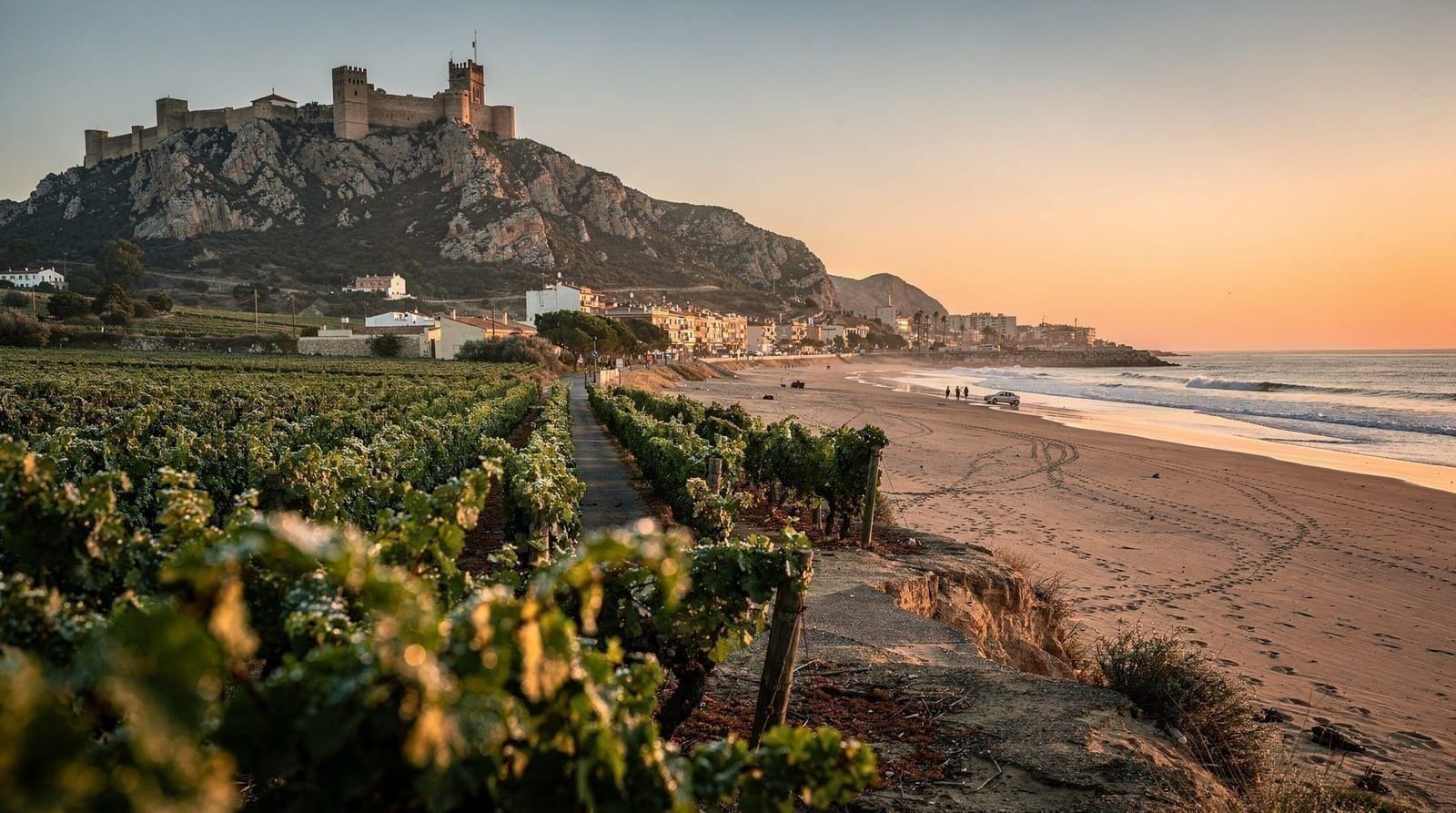
Xàtiva
Xàtiva sits 60 km south of Valencia — 40 min by train, hilltop castle, Borgia popes birthplace, excellent for a half-day or full day.
Xàtiva: the complete experience from Valencia — castle and museum
Quick facts
- Distance from Valencia
- 60 km south
- Travel time
- 40 min by train (C2 line, Renfe Cercanías)
- Getting there
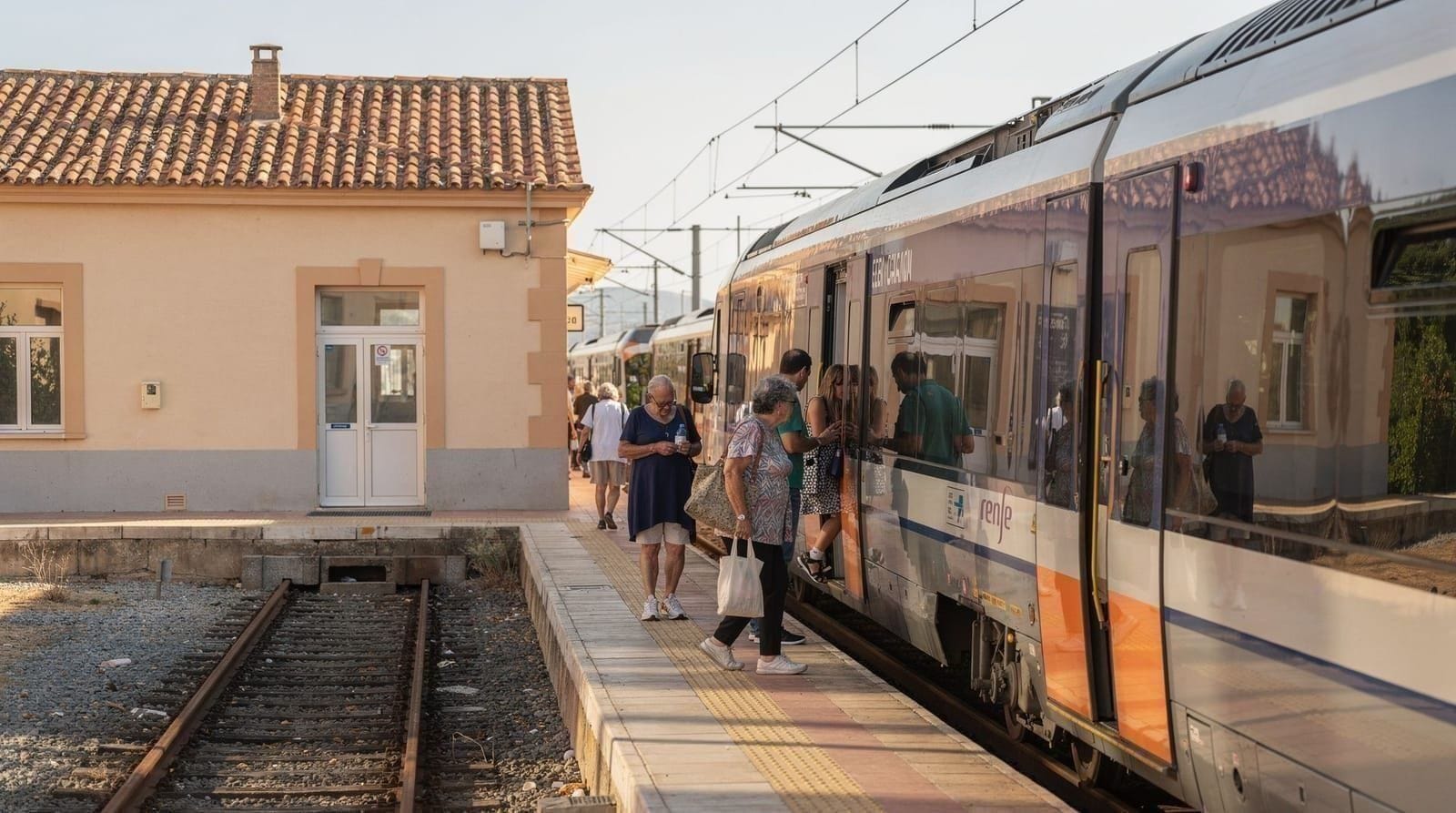
- Direct train from Valencia Nord (C2 line, ~€4 each way)
- Best for
- Castle hike, medieval history, Borgia popes lore, day trips without a car
- Don't miss
- Castillo de Xàtiva (upper and lower), the inverted portrait of Felipe V
Xàtiva (pronounced “SHA-ti-va” in Valencian) is one of the most historically significant towns near Valencia — birthplace of two Borgia popes, site of a two-kilometre hilltop castle, and 40 minutes away on a direct Cercanías train. It’s the most accessible inland day trip from Valencia, and one of the few that genuinely rewards even a half-day visit.
| Where | 60 km south of Valencia, on the C2 Cercanías line |
| Cost | Castle entry ~€6; shuttle bus ~€1.50; museum access included with some tickets |
| Time needed | Half day (4–5 hrs); full day to explore the old town at ease |
| Getting there | Direct train from Valencia Nord, 38–42 min, ~€3.60–4.20 |
| Best time | March–June or September–November; avoid the midday climb in summer |
Getting to Xàtiva from Valencia
The C2 Cercanías line runs from Valencia Nord (also called Estació del Nord) directly to Xàtiva’s station. Trains run roughly every 30–60 minutes; the journey takes 38–42 minutes. A single fare costs around €3.60–€4.20 depending on the tariff zone — there is no reservation required. The town centre and castle access are both walkable from the station (15 minutes on flat ground to the old town, then a further 25–30 minute uphill walk to the lower castle, or a shuttle bus in summer).
If you prefer a guided experience with transport sorted, organised day trips depart from Valencia every day:
The complete Xàtiva experience from Valencia includes castle admission, a museum visit and a guide — a straightforward choice if you want context alongside the views.
Driving takes around 55 minutes on the AP-7 motorway. Parking near the castle entrance is limited in peak months.
The castle: what you are actually looking at
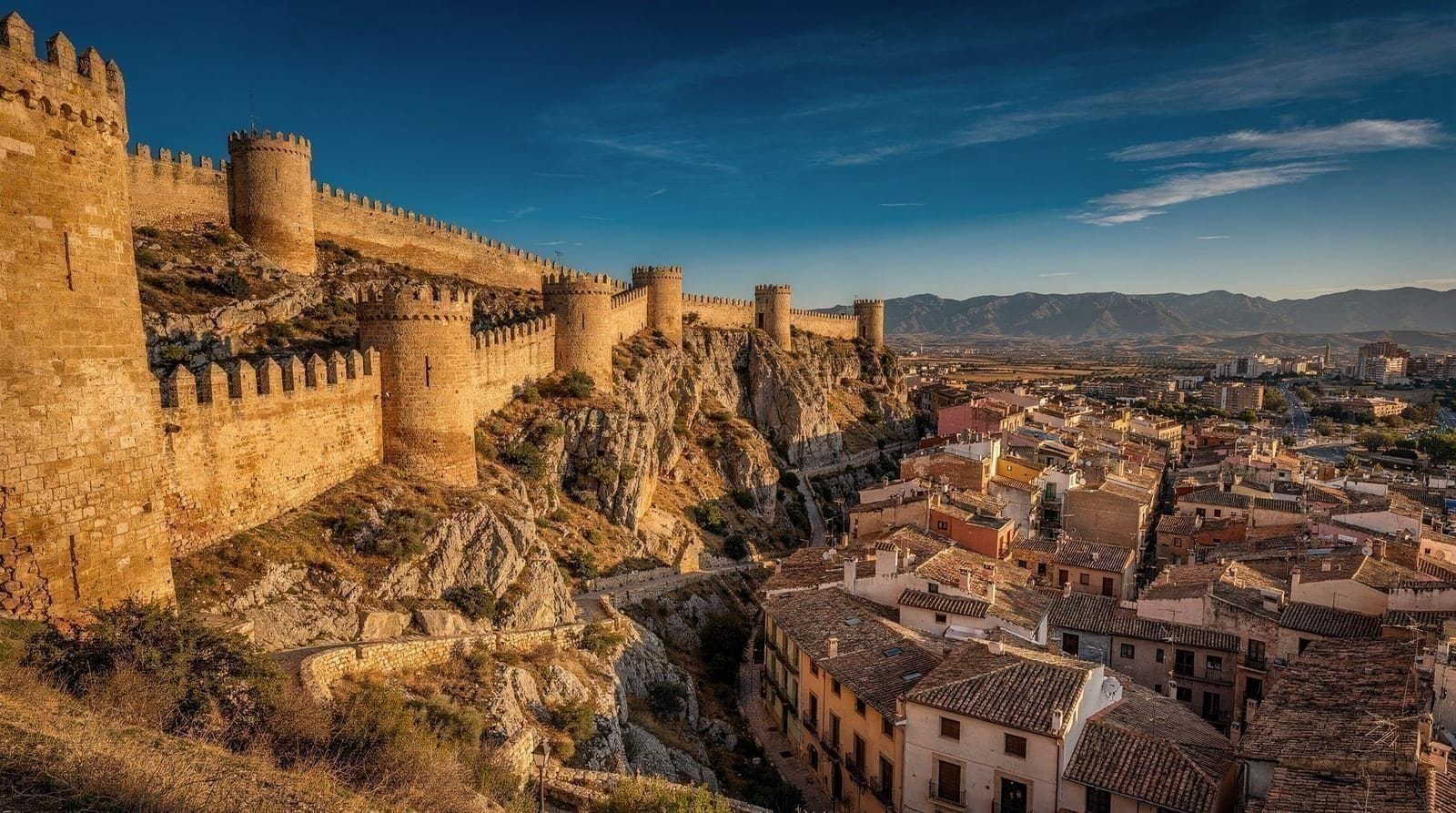
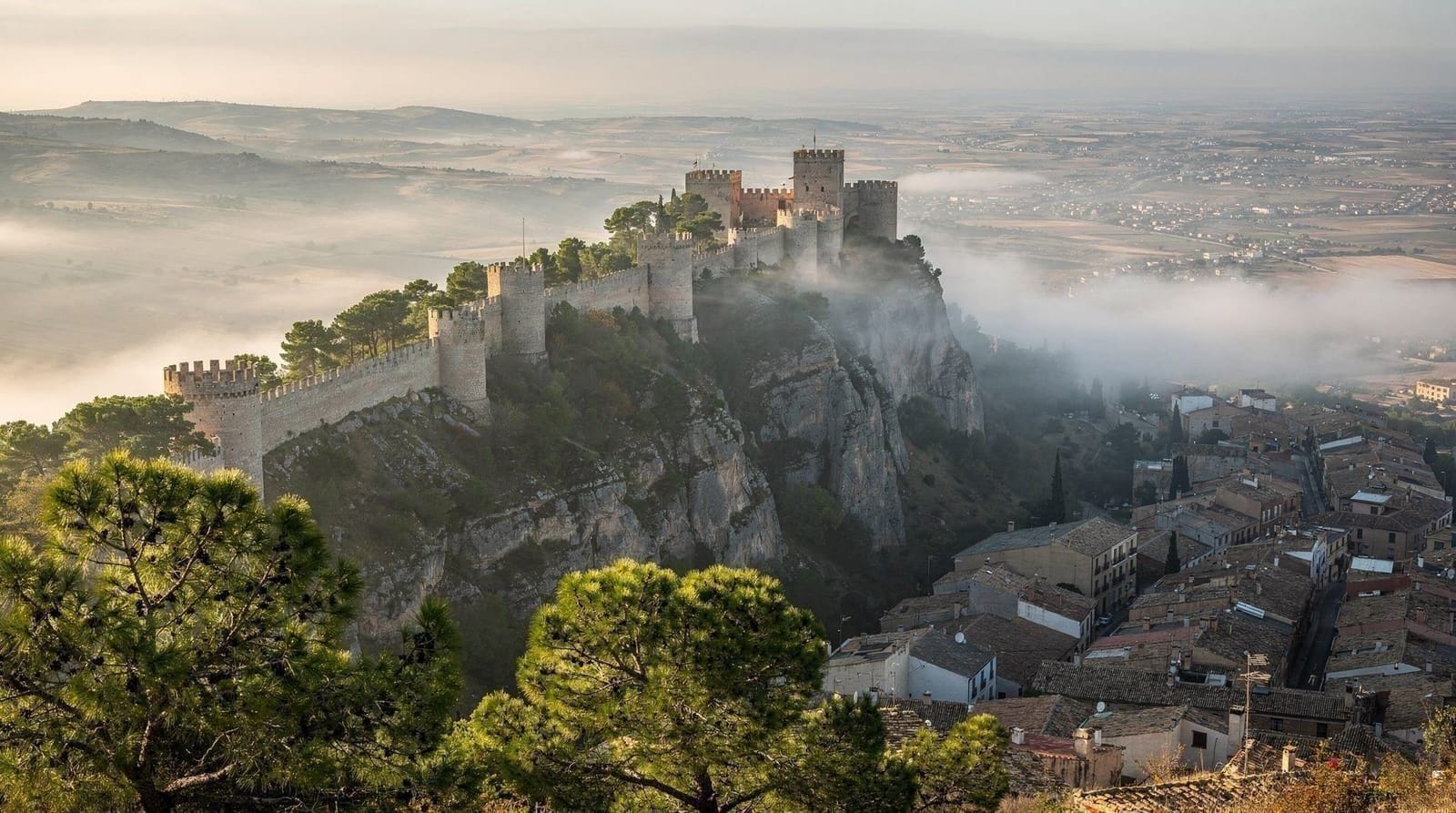
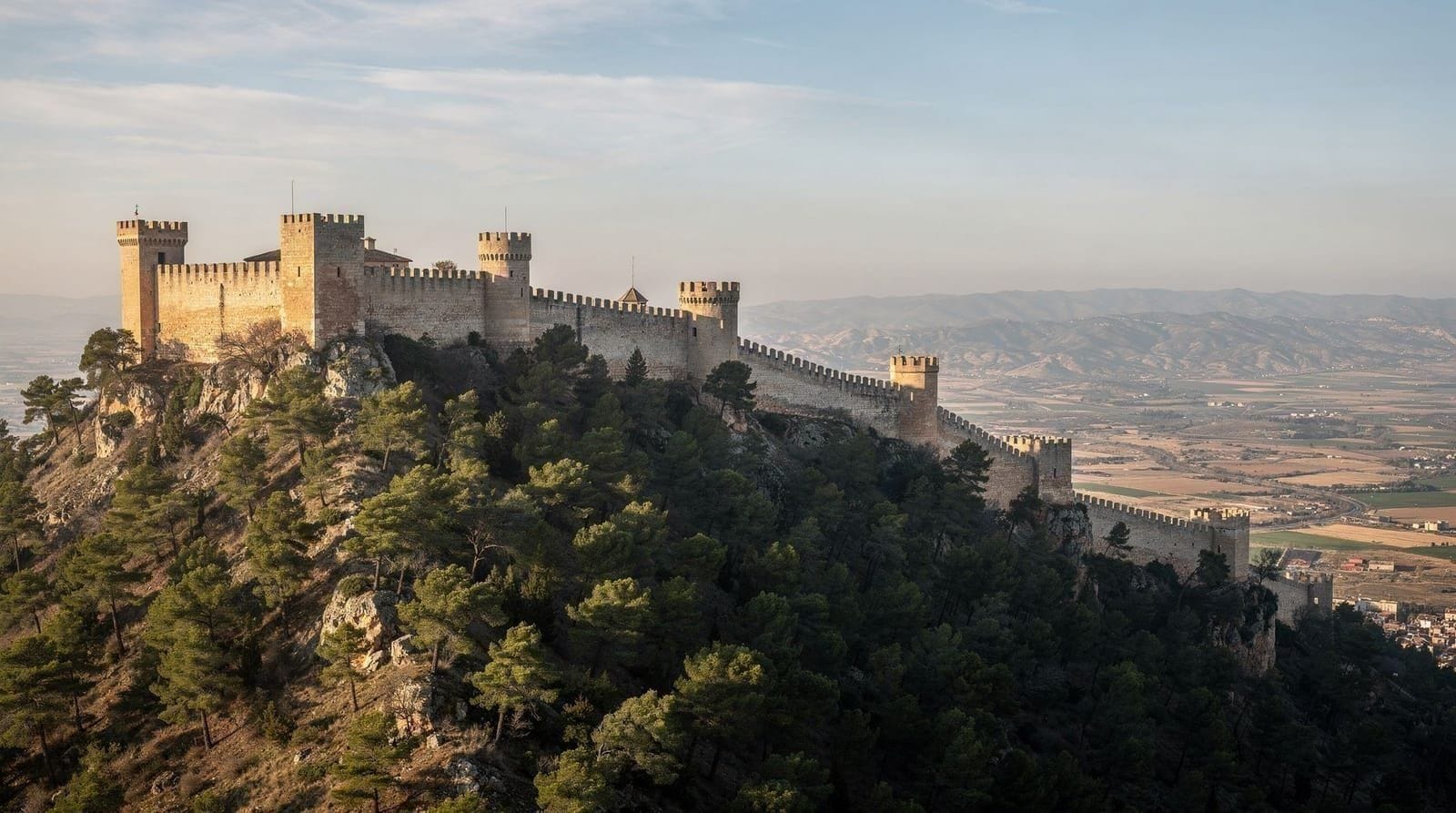
The Castillo de Xàtiva is not a single structure — it is two connected fortresses strung across a limestone ridge 120 metres above the town. The lower castle (Castillo Menor) dates from Iberian and Roman periods, heavily modified under Moorish rule and then Christian reconquista. The upper castle (Castillo Mayor) was expanded in the 12th–14th centuries and contains a better-preserved section of walls and towers.
Entry to the castle costs €6 for adults (as of 2026; confirm on-site). You can walk up from the town (30–40 minutes from the town hall area) or take a small shuttle bus (Castell Bus, ~€1.50, operates in summer and weekends). The walk back down offers a different perspective and passes the Hermitage of Sant Feliu.
The views from the upper battlements take in the entire Albufera coastal plain on clear days, and the Serra Vernissa to the west. In haze or summer heat, expect limited visibility.
One fixture worth knowing about: in the Arxiu Municipal (town museum, Carrer de la Corretgeria, adjacent to the castle approach), there hangs an inverted portrait of Felipe V. After Xàtiva was razed and renamed “San Felipe” by that king following the War of Spanish Succession (1707), the town later flipped his portrait upside down as permanent protest. The portrait still hangs inverted today.
Xàtiva and the Borgias: what’s real, what’s myth
Two popes were born in Xàtiva: Alfons de Borja (Pope Calixtus III, 1455–58) and Roderic de Borja (Pope Alexander VI, 1492–1503). The latter fathered Cesare Borgia and Lucrezia Borgia — figures that inspired Machiavelli’s The Prince and several TV series.
The connection is genuine but sometimes oversold by tour operators. What you will actually find in Xàtiva: the Museu de l’Almodí houses a Borgia room with period portraits and documents. There is no “Borgia palace” you can enter — the family’s original structures did not survive. The Collegiate Church of Santa María (14th–16th century, still partly under construction) is worth entering for its Gothic nave and retablos.
A private Xàtiva castle tour with transfer from Valencia allows more time with a guide to cover the Borgia history specifically — better for groups.
The old town: beyond the castle
Xàtiva’s lower town is genuinely pleasant for a couple of hours. The main street, Carrer Moncada, runs through the old Muslim quarter. The Almudí market square has a 16th-century arcade. La Seu (the collegiate church) is on the northern edge of the old quarter — free entry, though donations are welcomed.
Practical tips:
- Avoid the “tourist menu” restaurants directly on the main plaza near the town hall — mark-up is significant. Walk 2–3 streets back for better value.
- Bar Restaurante Pous (Carrer de la Corretgeria area) and Casa La Abuela are better options for lunch, with menus del día around €12–14.
- The covered market (Mercat Municipal) on Plaça del Mercat is open Tuesday–Sunday mornings.
Combining Xàtiva with other stops
Xàtiva pairs naturally with Anna (another 20 km south, accessible by road), where the so-called “Anna’s Alhambra” water gardens and three waterfalls make a half-day addition. The Valencia–Xàtiva–Anna day trip covers both in a single organised excursion.
If you like the idea of a countryside extension, the Anna lakes page describes the setting in more detail, and the Albufera destination page covers the lake and its surroundings.
You can also combine Xàtiva (morning, train) with an afternoon in the Albufera if you drive: the lake is 60 km north-east of Xàtiva via the V-31.
See the full Xàtiva day trip guide for a timed itinerary and transport details. For train-based day trips generally, the day trips by train guide covers multiple options from Valencia. For a multi-day road loop, the Xàtiva–Gandia road trip itinerary adds beaches and southern towns to a two-day circuit.
Planning your day: a relaxed order that works
The simplest rhythm is to take an earlier train, head straight for the castle while the legs are fresh and the light is soft, and keep the old town for after the descent. Walking up first means the hardest part of the day is behind you by the time you sit down to lunch, and the return through the streets feels like a reward rather than an afterthought. If you reverse the order, you risk climbing on a full stomach in the hottest part of the afternoon.
After the castle, the museum and the collegiate church fit naturally into the gap before or after lunch. Take your time over the Borgia room rather than rushing it: the portraits and documents make far more sense once you have stood on the ridge and seen how the town sits beneath the fortress. Leave a little slack at the end of the day too, so that missing one train is not a problem and you can wander the market square without watching the clock.
Travelling without a car is perfectly realistic here, which is why Xàtiva appears so often in our guide to day trips without a car. If you would rather have the freedom to stop at viewpoints and villages on the way, the car rental day trips guide explains how to organise a hire for the day, and the Xàtiva day trip story on the blog gives a more personal account of the visit.
Choosing the right season
Spring and autumn are the sweet spot, when the climb is comfortable and the views across the plain are at their clearest. Our guides to Valencia in spring and Valencia in autumn explain what else is on in those months, and the best time to visit Valencia guide helps you slot Xàtiva into a longer stay. Winter days can be crisp and quiet, which suits anyone who dislikes crowds, though you should dress in layers because the ridge is exposed to the wind.
Eating well after the climb
Lunch is the natural reward for the walk. Look for a fixed-price lunch of the kind explained in our menú del día guide, and read the advice on tourist menu traps before choosing a table on a busy square. For a wider sense of how locals eat across the region, eat like a local in Valencia is a useful companion, and asking for the dish of the day is nearly always a safe bet.
When not to go
Late July through August: the castle hike in full sun at 35–40°C is genuinely unpleasant and potentially dangerous for children or older visitors without proper hydration. If you must visit in summer, start early (castle opens at 10:00) and be descending by midday. The shuttle bus helps.
The other caveat: on Spanish public holidays (especially Easter week, August long weekends), the town is popular with Valencians on day trips. The castle can feel crowded on those days; the train back may require standing room.
Practical information
- Train: Valencia Nord → Xàtiva (C2 line), ~40 min, ~€4 each way, no booking required
- Castle hours: Tues–Sun 10:00–18:00 (summer until 21:00); closed Monday
- Castle entry: Adults ~€3, under-8 free; shuttle bus ~€1.50 extra
- Town museum (Almodí): Tues–Fri 10:00–14:00 and 16:00–18:00, weekends 10:00–14:00
- Tourist office: Plaça del Mercat — can provide a free printed map
Frequently asked questions about Xàtiva
Is Xàtiva worth visiting from Valencia?
Yes, particularly for travellers interested in medieval history or who want an inland day trip without needing a car. The castle is one of the better-preserved in the Valencia region, the train journey is short and cheap, and the old town adds 2–3 hours of quiet exploration. It won’t suit everyone — there are no beaches, and the main attraction requires a 30-minute uphill walk.
How much time do I need in Xàtiva?
Four to five hours comfortably covers the castle (including the walk up, a visit, and the walk back), the town museum, and lunch in the old town. If you also want to visit the collegiate church and browse the market, budget six to seven hours — which effectively makes it a full-day trip.
Can I visit Xàtiva without a tour?
Entirely, and most independent travellers do. The C2 train is direct, the castle is signposted from the station, and entry is ticketed at the gate. A guidebook or audio guide app provides context. Organised tours add transport convenience and a guide’s commentary on Borgia history — useful but not required.
What is the inverted portrait of Felipe V?
After the War of Spanish Succession (1707–1709), King Felipe V ordered Xàtiva to be burned and its citizens dispersed as punishment for supporting the rival Habsburg cause. The town was later rebuilt and renamed “San Felipe.” As a long-standing act of defiance, the town’s museum displays a portrait of Felipe V hung upside down. The practice has continued as a cultural statement for over three centuries.
Is the castle walk suitable for children?
The path from the old town to the lower castle is steep and partly cobbled — manageable for most children over 8, though the surface is uneven. The upper castle involves further climbing on rougher terrain. The shuttle bus eliminates the ascent. Bring water regardless of season.
What should I eat in Xàtiva?
The local speciality is arròs amb fesols i naps (rice with white beans and turnips), a peasant dish that predates Valencia’s more famous paella. It appears on most local restaurant menus in winter; summer menus may substitute it with lighter options. Avoid the tourist-facing restaurants on the main plaza — prices are 30–40% higher for no quality difference.
Can I combine Xàtiva and the Albufera in one day?
Yes, by car — Xàtiva in the morning, Albufera for a late afternoon boat trip, return to Valencia for dinner. By public transport it’s awkward: from Xàtiva you’d need to return to Valencia and then take Bus 24 or 25 to the Albufera, which adds travel time. Organised tours combining both exist — see the Xàtiva Castle and Albufera private tour.
Xàtiva versus other inland day trips
Among Valencia’s inland day trips, Xàtiva offers the best balance of a genuinely impressive castle and a livable old town — you’re not just visiting a hilltop ruin, you’re spending time in a town with restaurants, a market and history beyond the fortress. Compared with Sagunto, which is quicker and cheaper to reach but has a smaller old town, Xàtiva rewards a longer visit. Compared with Requena, which is built around wine tourism, Xàtiva is the better choice for travellers whose main interest is medieval history rather than gastronomy.
| Day trip | Distance | Journey time | Main draw |
|---|---|---|---|
| Xàtiva | 60 km south | 38–42 min train | Castle + Borgia history + lively old town |
| Sagunto | 28 km north | ~35 min train | Roman theatre + castle, quick and cheap |
| Requena | 70 km west | ~1 hr train/car | Bobal wine, underground cellars |
If you only have time for one inland day trip, Xàtiva is the safest general-appeal choice; choose Sagunto if time is tight, or Requena if wine is the priority.
Top experiences
Bookable activities with verified prices and instant confirmation on GetYourGuide.