Xàtiva castle day trip from Valencia: the honest guide
Xàtiva: the complete experience from Valencia — castle and museum
Is Xàtiva castle worth the trip from Valencia?
Yes. Xàtiva is 50 minutes from Valencia by Cercanías C2 train (€4.70 return). The castle complex covers a 5 km ridgeline with two fortresses and panoramic views over the Montgó plain. Budget 2.5–3 hours for the castle and another hour for the medieval old town below.
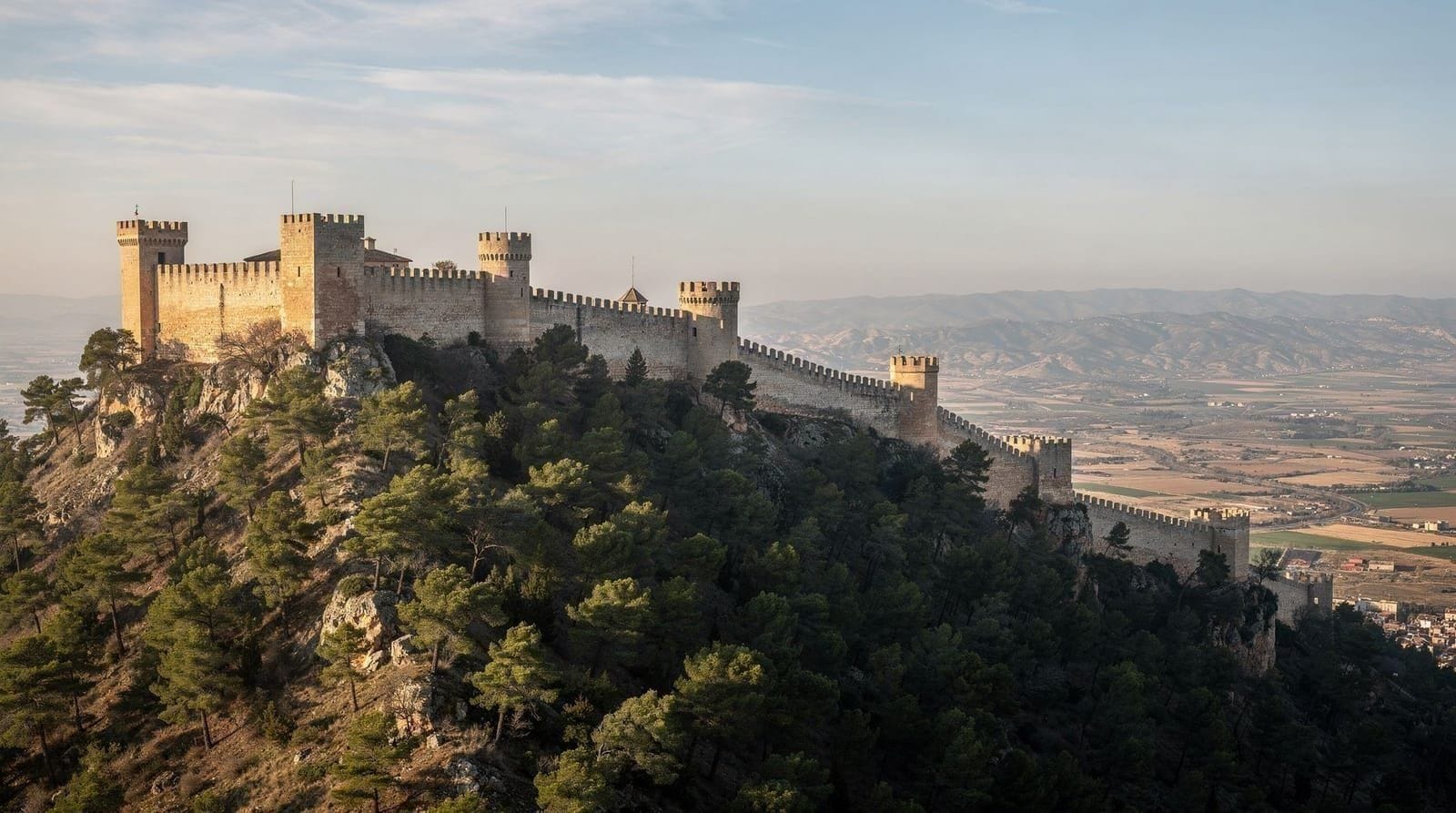
Xàtiva (also written Játiva) is the most rewarding train day trip from Valencia — a medieval city 50 minutes south on the Cercanías C2 line, dominated by a castle complex that sprawls across a 5 km limestone ridge above the town. Two popes were born here, the city was burned on the orders of a Bourbon king, and the municipal museum maintains a quiet act of defiance that has lasted three centuries. It is a more textured destination than it first appears.
The castle alone justifies the trip. But Xàtiva’s old town — Gothic churches, Renaissance fountains, quiet plazas — fills a pleasant hour before or after the climb.
| Where | 50 min south of Valencia by Cercanías C2 |
| Cost | around €4.70 return train, €6 castle entry |
| Time needed | half day (4–5hrs) minimum, full day for a relaxed pace |
| Getting there | Estació del Nord, no reservation needed |
| Best time | spring or autumn; early morning in summer |
Getting to Xàtiva from Valencia
By train (Cercanías C2)
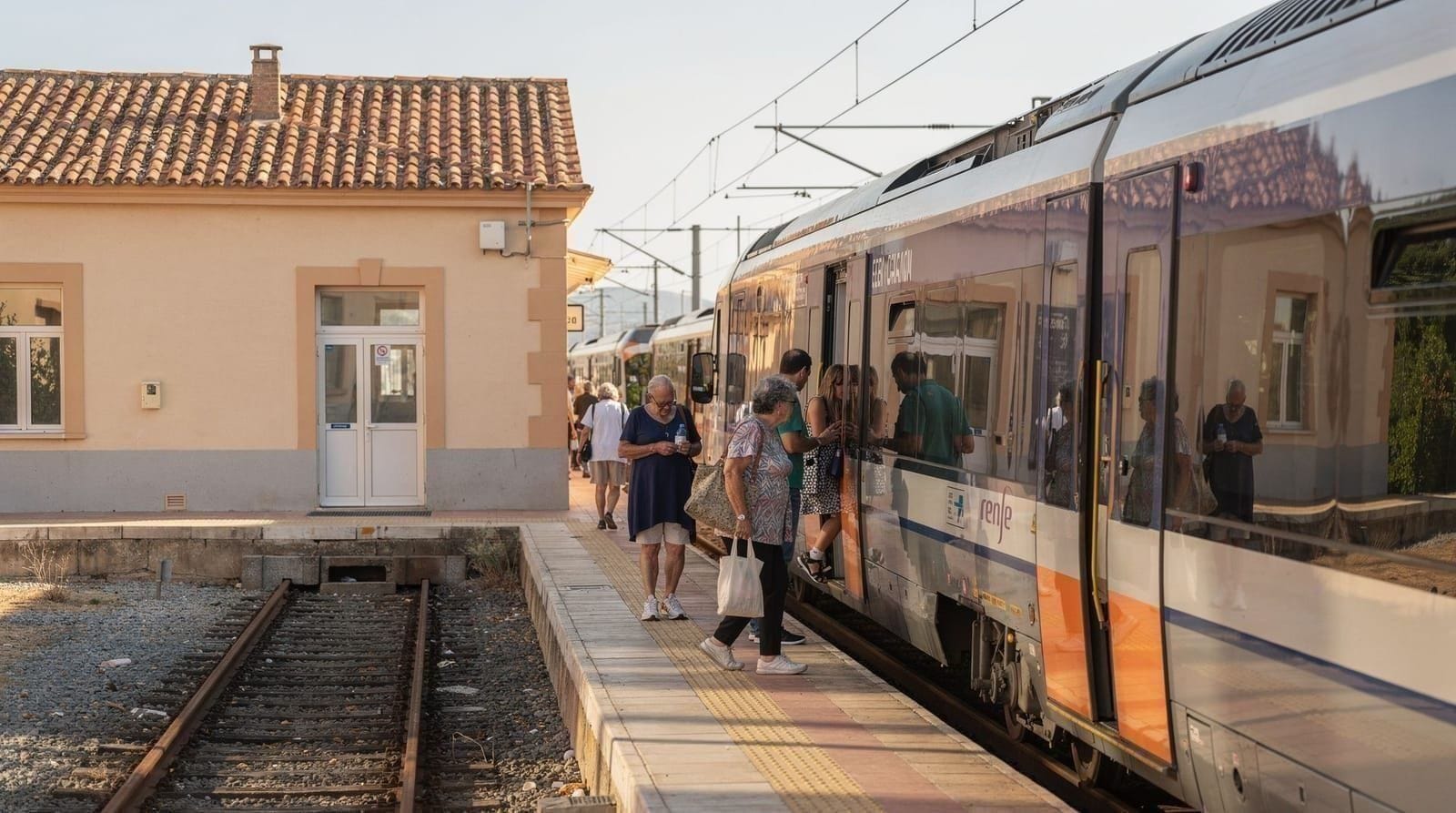
The Cercanías C2 line runs from Valencia Estació del Nord (mainline station, also accessible from Xàtiva metro stop on lines 3 and 5) south through the Huerta Sur and on to Xàtiva. Journey time is 50–55 minutes. Trains depart roughly every 30 minutes on weekdays, with reduced frequency at weekends — check the Renfe Cercanías Valencia timetable before you go.
Fare: The return ticket costs around €4.70 on the multi-zone Cercanías ticket. No advance reservation required; just buy at the station or use the Renfe app. If you have a 10-trip Bonobus card valid for metro zone B it may cover train travel too — check compatibility.
The station is straightforward. Trains are regional Cercanías units, comfortable enough, and the route passes through the flat irrigated plain (L’Horta Sud) before the terrain rises toward Xàtiva.
From the station to the castle
Xàtiva station sits at the edge of the modern town. From the platform, the walk to the castle gate takes about 15 minutes via the old town streets — steep in places, but mostly shaded and passing through the most interesting medieval zones. Follow signs for “Castell” from the station exit.
Alternatively, the Tren de la Bruja (tourist road train) departs from Plaza del Mercat in the centre of town. It runs up the hill to the castle and back for around €4 return, departing approximately hourly. It is mainly aimed at visitors who find the climb difficult; most walkers skip it.
On hot summer days, the 15-minute climb to the castle gate is moderately strenuous. Start early (before 10:00) or go in late afternoon when the worst heat has passed.
The Xàtiva castle complex
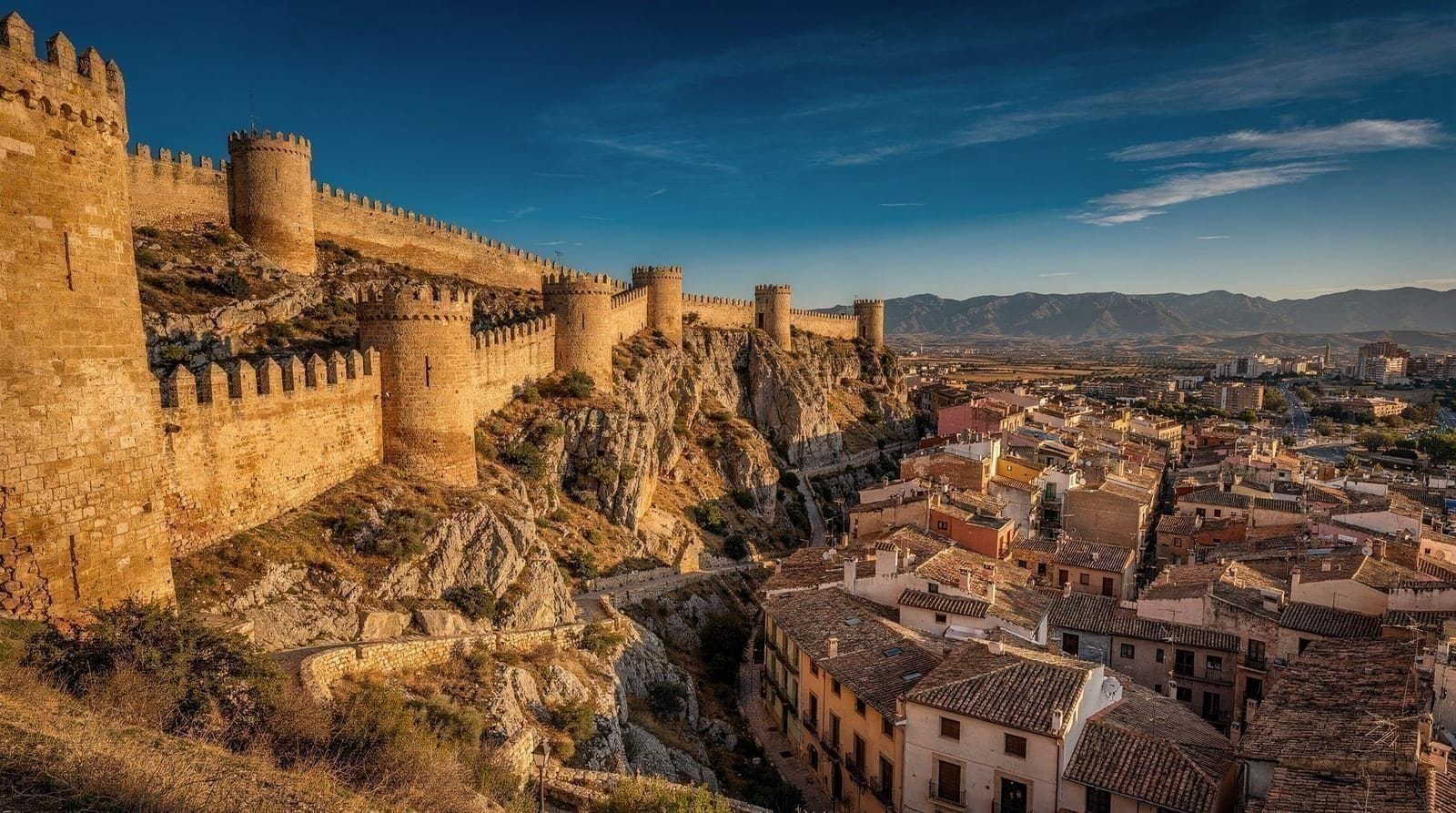
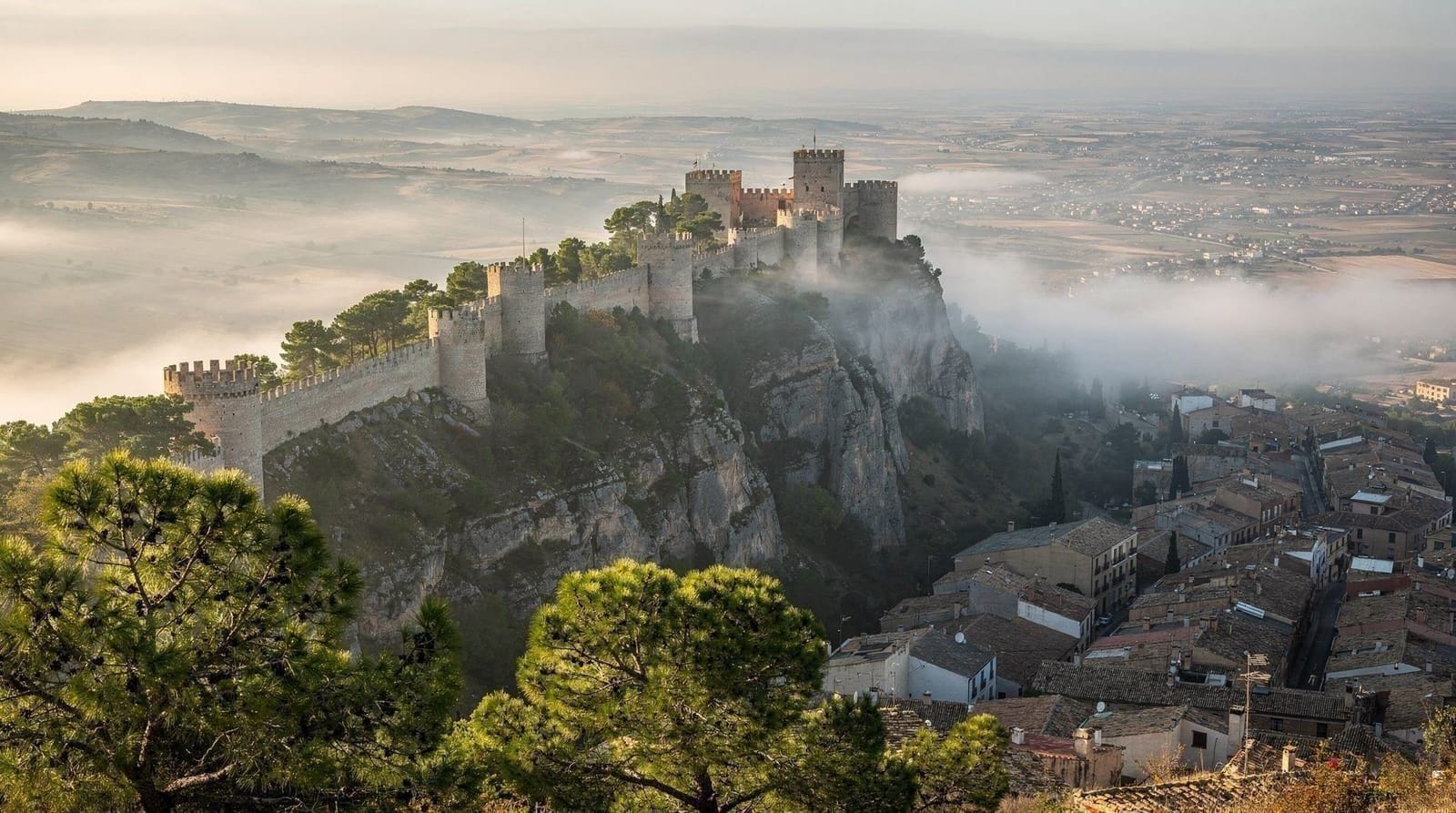
The castle is not a single building but a continuous fortification system running along the ridge above the city. It divides into two main sections: the Castillo Menor (lower, older, partly Iberian in foundation) and the Castillo Mayor (upper, larger, mainly mediaeval Arab and Christian construction). Together they represent one of the most complete surviving mediaeval defensive complexes in the Valencian Community.
Entry: approximately €6 adults; reduced rates and closing days are listed on the official Xàtiva tourism website. Open from 10:00; closing times vary from 18:00 in winter to 21:00 in summer. The ticket includes both castle sections.
What to see inside the castle
Torre de la Presó (Prison Tower): The most imposing individual tower, used as a state prison for centuries. Cesare Borgia was imprisoned here briefly, and the tower’s scale reflects Xàtiva’s role as a significant point of detention for political prisoners.
The panoramic walkway: The ramparts offer views across the Montgó plain to the south, over the city below, and on clear days north toward Valencia. In spring the plain is emerald green with irrigated farmland; in summer it bleaches gold. The walk along the full ridgeline takes around 45–60 minutes.
Cisternes (water cisterns): Large underground cisterns carved into the rock beneath the castle, essential to its survival during sieges. Still intact and accessible.
The lower Castillo Menor: More ruined than the upper complex but has traces of earlier Iberian and Roman occupation visible in the stonework. The views from this section look east toward the coast.
Budget 2.5–3 hours for a thorough visit of the full castle complex, including the walk along the ridgeline.
 the complete experience from Valencia — castle and museumCheck availability
How to pace the castle visit
The castle rewards a slow, unhurried visit. Most people make the mistake of heading straight for the highest point and then running out of energy for the rest. A better approach is to enter, take the first terraces at an easy pace, and save the far end of the ridgeline for when you already know how much time and water you have left. The path is long and uneven in places, so comfortable shoes matter far more than a camera lens.
If you are travelling with children, the cisterns and the towers tend to hold their attention better than the long walks between them. Our Valencia with kids guide has more ideas for keeping a family day trip enjoyable, and the family itinerary shows how a day like this fits into a longer stay.
Photographers should plan around the light. The ramparts face different directions along the ridge, so the views change as you walk, and the plain below looks very different in the soft light of morning than under the flat glare of midday. Take your time at the viewpoints rather than rushing between them.
If you would rather have the history explained as you go, a guided option can make the fortifications easier to read. Some visitors prefer a guided visit to the castle and the museum, and others are happy with the information panels on site. See our comparison of guided versus self-guided days in Valencia if you are undecided.
The old town and historic centre
The walk from the station to the castle passes through Xàtiva’s compact historic centre. Several sights deserve a pause:
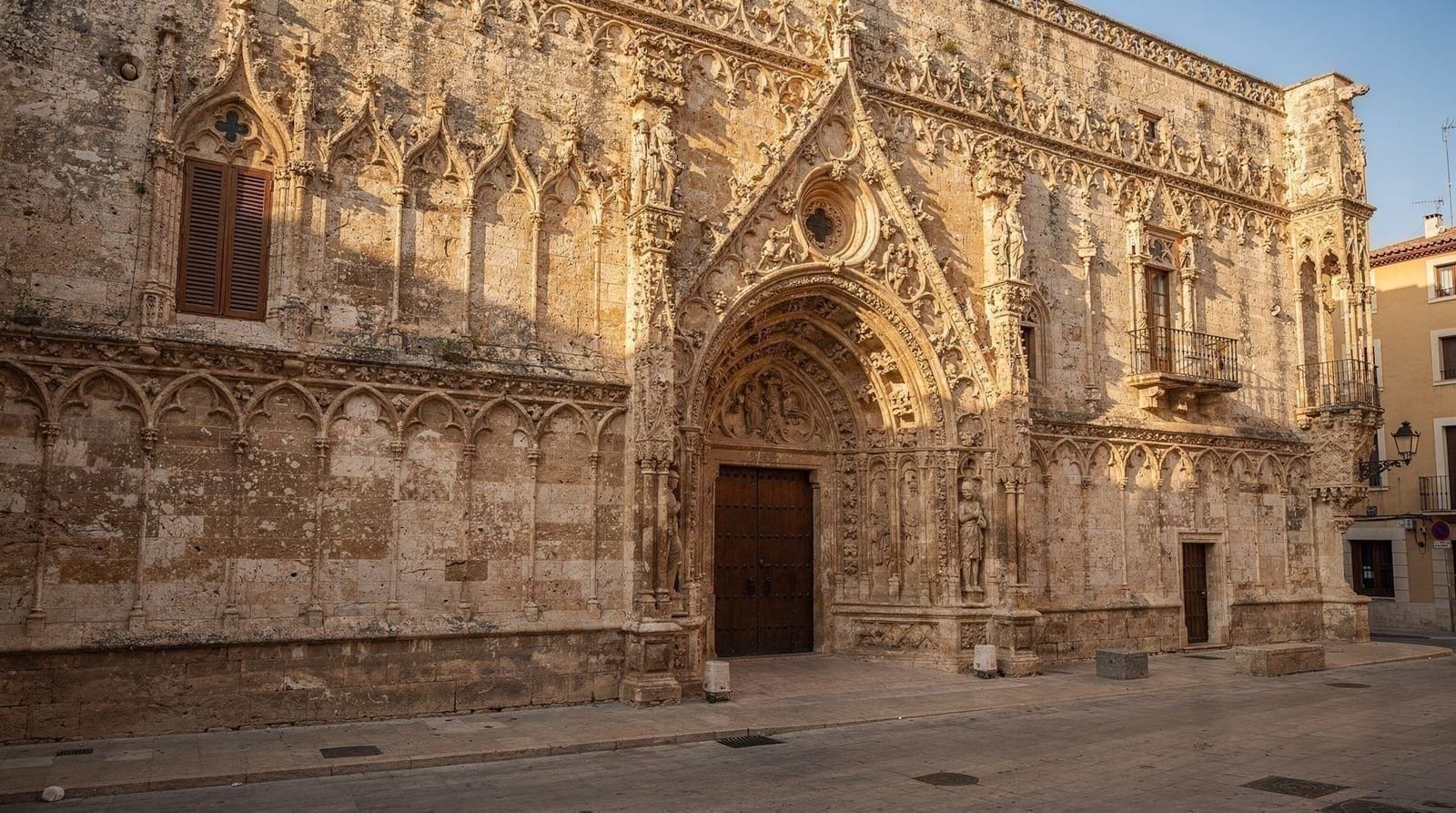
Colegiata Basílica de Santa Maria: A large Gothic collegiate church begun in the 15th century and never fully completed — the unfinished apse is visible from outside. The interior has a fine 17th-century altarpiece. Free entry during non-service hours.
Font de la Trinitat: A 15th-century triple-spout fountain near the old walls, considered the oldest surviving public fountain in Spain.
Museu de l’Almodí: The municipal museum in a 15th-century building housing the city’s collection of archaeology and art. The most famous exhibit is the portrait of Felipe V, hung upside-down since the 18th century. After Felipe V ordered Xàtiva burned in 1707 and its population expelled (during the War of Succession, the city had supported the Archduke of Austria), the city was temporarily renamed “Colonia de San Felipe.” The portrait inversion began as a protest and became tradition. Entry is free or reduced for EU citizens.
The Borgias’ Xàtiva: Two plaques mark the birthplaces of Rodrigo de Borja (Pope Alexander VI) and his uncle Alfonso de Borja (Pope Calixtus III), near Carrer de la Corretgeria. The connection is noted more than celebrated — Alexander VI’s papacy was not Xàtiva’s finest hour globally, but his birthplace was here.
Why the old town is worth slowing down for
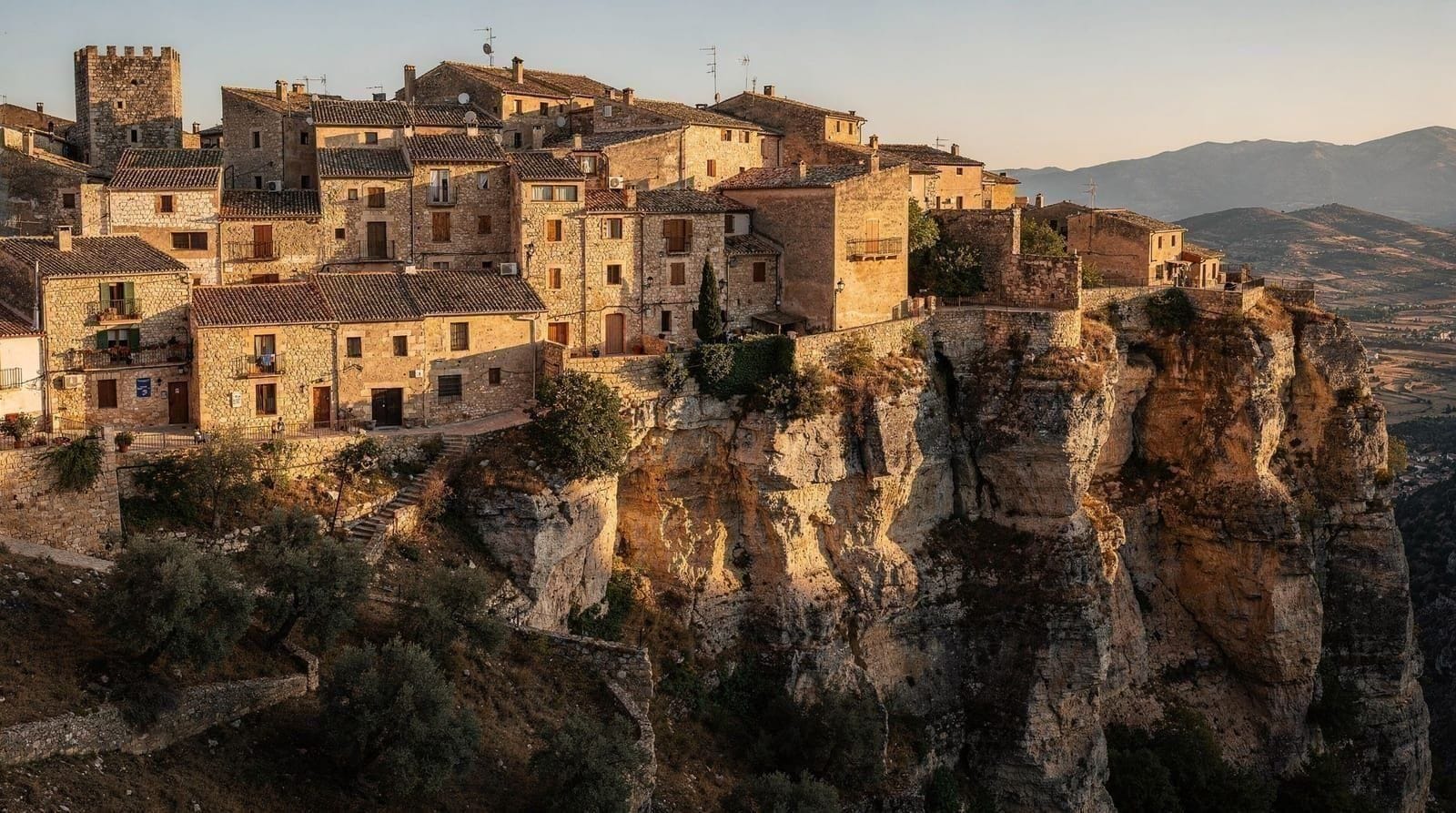
Xàtiva is a working Valencian town rather than a stage set, and that is a large part of its appeal. Between the sights you will pass bakeries, small squares and ordinary local life, which is something the busiest parts of Valencia city can no longer offer in the same way. If you enjoy neighbourhood wandering, the same instinct serves you well in the El Carmen guide back in the capital, and the Xàtiva destination page gives a broader picture of the town itself.
Where to eat in Xàtiva
Xàtiva’s restaurants are notably cheaper than Valencia city, and the cooking reflects inland Valencian tradition rather than seaside tourism.
What to order: Arrós al forn (oven-baked rice with pork, black pudding, and chickpeas) is the local specialty — heavier than paella and deeply satisfying in cooler months. Pebreres farcides (stuffed peppers) are another local tradition. For sweet tooth: arnadí, a pumpkin and almond sweet of Moorish origin, sold in bakeries around the old town.
Where: Hostal Nou Murta (Carrer Corregiria 17) has solid home cooking at reasonable prices — menú del día €12–14. El Hostalet (Baixada del Mercat) is another honest local option. The Parador de Xàtiva, occupying a palace near the castle approach, serves regional food at higher prices but the setting is exceptional.
Most restaurants close by 16:00 and do not reopen for dinner until 21:00. If you want lunch before descending, aim to be seated by 13:45. For a broader sense of Valencian inland cooking, the all i pebre guide covers another regional dish worth trying on this kind of trip.
Lunch in a place like this is best treated as part of the day rather than a break from it. Ask what the kitchen is doing that day, order the local rice if the weather suits it, and take your time. For the wider habit of eating the Valencian way, the eat like a local guide and the menú del día guide explain how the midday set menu works and why it is usually the best value of the day.
Practical information
Best time to visit: Spring (April–June) and autumn (September–October) for comfortable temperatures. The castle is exposed and windy — bring a layer even in summer. Summer visits require early starts; by 13:00 the castle ridgeline is brutal in direct sun.
How long to allow: A minimum half-day (4–5 hours including train travel). A full-day allows a thorough castle visit, museum, old town, and a relaxed lunch. If you are combining with Gandia by train, leave Xàtiva by 16:00. For other train-based day trips from Valencia, see the day trips by train overview.
Facilities: The castle has a small café/kiosk selling water and snacks near the main gate. Toilets are available. There are no other services on the ridgeline — bring water, especially in summer.
 private castle tour from Valencia with transferCheck availability
Planning around the weather and the season
Because so much of this trip is outdoors and exposed, the season shapes the whole experience. Spring and autumn are the easy choices, and our seasonal guides for Valencia in spring and Valencia in autumn help you judge what to pack. In summer, read the Valencia in summer guide and plan the castle for the cooler ends of the day. If you are still choosing dates, the best time to visit Valencia puts the whole year in context.
Without a car, and with one
This is a trip that works well without a car, which is part of its charm. If you like the idea of more freedom, or want to string several smaller places together, the car rental day trips guide shows what becomes possible, while the day trips without a car guide covers the many places you can reach by public transport alone. For a longer loop that links Xàtiva with the coast, the Xàtiva and Gandia road trip itinerary is worth a look.
Guided options
Some travellers prefer to let someone else handle the logistics, especially when the day also takes in other stops such as the Anna lakes or the Albufera. The Albufera day trip guide explains that side of a combined excursion. For the independent train version, our blog write-up of the Xàtiva castle day trip tells the story from a visitor’s point of view.
Xàtiva versus Sagunto: which castle day trip to pick
| Xàtiva | Sagunto | |
|---|---|---|
| Journey time | 50–55 min by C2 | about 30 min by C6 |
| Castle scale | larger, 5 km ridgeline, two fortresses | smaller, single Roman/Moorish hill fort |
| Old town | more developed, Gothic churches, Borgia history | compact, Roman theatre is the highlight |
| Best for | a fuller half/full day out | a quicker, closer history fix |
If you only have time for one, Xàtiva rewards the extra travel time with a bigger, more varied site. If you’re short on time or basing a day around something else, Sagunto is the faster option.
Combining Xàtiva with a wine detour
Wine enthusiasts sometimes ask about combining Xàtiva with Requena’s Bobal wine country — the two aren’t on the same line and doing both properly in one day is unrealistic by public transport. Treat them as separate day trips unless you have a rental car and a very early start.
Fitting Xàtiva into a longer Valencia stay
Xàtiva works best as the quiet counterweight to the busier days of a trip. After a few days of museums, markets and beaches, a day among old stones and open views feels like a change of pace rather than another item to tick off. If you are building a longer plan, the three-day Valencia itinerary and the how many days in Valencia guide show where a day trip naturally slots in, and the main Valencia destination page is a good starting point for the rest of the region.
A sensible rhythm is to put the castle on a day when you have no other commitments, leave early, and come back without a schedule pressing on you. Trains are frequent enough that a missed connection is an inconvenience rather than a problem, but the later part of the day is better spent relaxing than rushing. Many visitors find that the best moment of the whole trip is the unplanned one: a bench in a shaded square, a coffee, and the castle seen from below as the afternoon light settles on the ridge.
Whatever you decide, go with realistic expectations. This is not a polished attraction with a long list of facilities, and that is exactly why it feels honest. Bring water, wear sturdy shoes, give yourself time, and let the town set the pace.
Frequently asked questions about Xàtiva castle day trip from Valencia
How do I get to Xàtiva from Valencia by train?
Cercanías line C2 runs from Valencia Estació del Nord (and Xàtiva metro station) directly to Xàtiva station. Journey time is 50–55 minutes. Trains run roughly every 30 minutes on weekdays, less frequently on weekends. Return fare around €4.70 with the Cercanías multi-zone ticket. No reservation required.How do I get from Xàtiva station to the castle?
From the train station, walk 15 minutes uphill through the old town to the castle gate, or take the tourist bus (Tren de la Bruja, a small road train) that runs from Plaza del Mercat for around €4 return. The walk is steep but passes the old town, the Font de la Trinitat, and the Colegiata Basílica. The final stretch to the main castle gate is paved but tiring in summer heat.What are the Xàtiva castle opening hours and entry fee?
Hours are roughly 10:00–18:00 in winter, 10:00–21:00 in summer. Entry fee is approximately €6 for adults; reduced rates and closing days are listed on the official Xàtiva tourism website. The price includes access to both the Castillo Mayor (upper fortress) and Castillo Menor. Check the Xàtiva tourism website for current hours as they vary seasonally.How long should I spend at Xàtiva?
Allow 2.5–3 hours for the castle walk, which covers the full ridgeline. Add 45–60 minutes for lunch in the old town and another 30 minutes to walk through the historic centre, including the Colegiata Basílica and the upside-down portrait of Felipe V in the Almodí museum. A full half-day excursion is realistic.Who was born in Xàtiva and why does it matter?
Two popes were born in Xàtiva: Calixtus III (1378) and his nephew Alexander VI (1431), the most notorious Borgia pope. The city's historical importance as a mediaeval power is reflected in the castle's scale. Felipe V ordered Xàtiva burned in 1707 during the War of Succession — his portrait in the local museum is displayed upside down in protest, a tradition maintained to this day.Are there organised tours to Xàtiva from Valencia?
Yes. Several Valencia-based operators run half-day or full-day guided tours to Xàtiva, usually combining it with Albufera or the Anna Lakes. Private transfers with guide cost more but let you stop at viewpoints not accessible from the train. For most visitors, the Cercanías train is cheaper and perfectly adequate — the walk from station to castle is part of the experience.What should I eat in Xàtiva?
Xàtiva is known for arrós al forn (oven-baked rice with pork ribs, morcilla, and chickpeas) and the arnadí (a sweet pumpkin-almond dessert of Moorish origin). For lunch try Hostal Nou Murta on Carrer Corregiria or the restaurant at the Parador de Xàtiva if budget allows (the parador occupies the old castle palace). Menú del día runs €12–16 in the old town.Can I visit Xàtiva and somewhere else in the same day?
Xàtiva pairs well with a quick stop at Gandia (30 minutes south by train) for a beach afternoon. It is also often combined with Albufera, though that requires returning to Valencia and taking a bus south — a long day. The dedicated tour combining Xàtiva, Ontinyent and Anna is available as an organised excursion.Is Xàtiva busy with tourists?
No, noticeably less so than central Valencia or the coast. Xàtiva sees a steady but modest flow of day-trippers, mostly on weekends and in spring/autumn. Weekday visits, especially mornings, feel genuinely uncrowded even at the castle's main viewpoints.Do I need to book Xàtiva castle tickets in advance?
Generally no. Walk-up entry is normal outside of major local festivals. If travelling on a weekend in peak spring or autumn season, buying online in advance avoids any queue at the gate, but it is rarely essential.Is the Xàtiva castle accessible to visitors with mobility restrictions?
Partially. The road from the town centre to the castle gate is steep and not wheelchair accessible. The tourist road train (Tren de la Bruja) can carry visitors to the gate. Within the castle, the main walkways are paved but some sections involve steps and uneven terrain. The Castillo Mayor's main terrace is accessible; the full ridgeline walk is not.Is there a combined ticket for Xàtiva castle and the Almodí museum?
Yes, a combined ticket is occasionally available from the tourism office near Plaza del Mercat. Check at the office on arrival — the combination saves a few euros if you plan to visit both.Can I do Xàtiva in half a day?
Yes, if you prioritise the castle and skip the museum. Take the 09:30 train from Valencia Estació del Nord, arrive around 10:25, walk straight to the castle, spend 2.5 hours there, have a quick lunch, and take the 14:30 or 15:00 train back. You will be back in Valencia before 16:00.Is Xàtiva worth it compared to other Valencia day trips?
It is the easiest and cheapest independent day trip from Valencia by train. For history and castles, it competes only with Sagunto (Roman and Moorish fortifications, 30 minutes north). Sagunto is closer and has a Roman theatre; Xàtiva has the bigger castle and a better preserved medieval town. Both are worth doing if you have multiple days.
Top experiences
Bookable activities with verified prices and instant confirmation on GetYourGuide.