Bocairent
Bocairent is a cliff-carved medieval village 1h30 from Valencia by car — remarkable Coves dels Moros cave cells, Gothic quarter, quiet and largely
Valencia: waterfalls and thermal springs tour with swimming
Quick facts
- Distance from Valencia
- 90 km south-west
- Travel time
- ~1h30 by car; no direct train
- Getting there
- Car recommended (A-7 south then CV-81); bus connections exist but slow (2h+)
- Best for
- Off-beat medieval architecture, Coves dels Moros, quiet village walking
- Don't miss
- Coves dels Moros rock-hewn cells, the Plaza Mayor balconies, convents overlooking the gorge
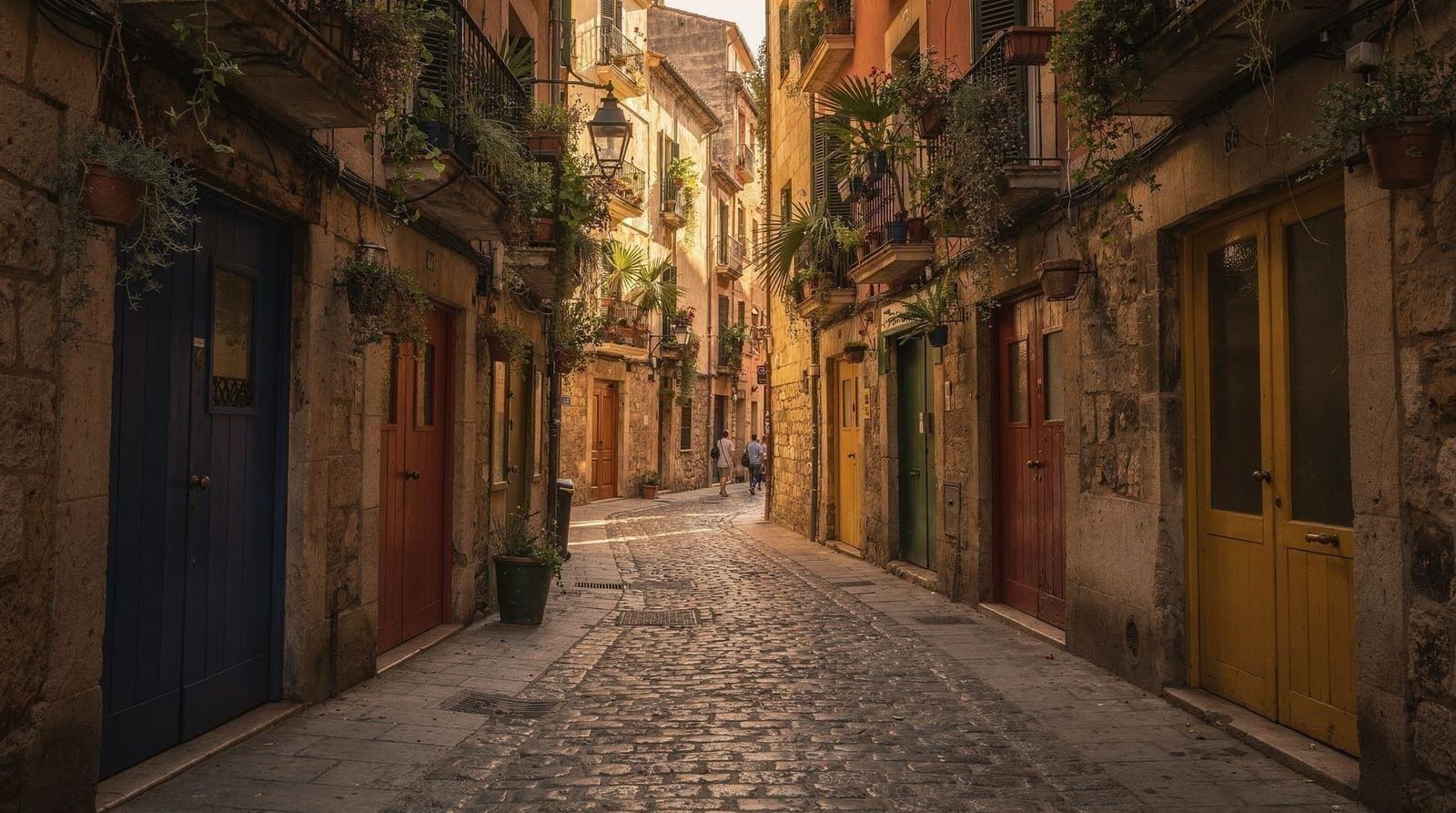
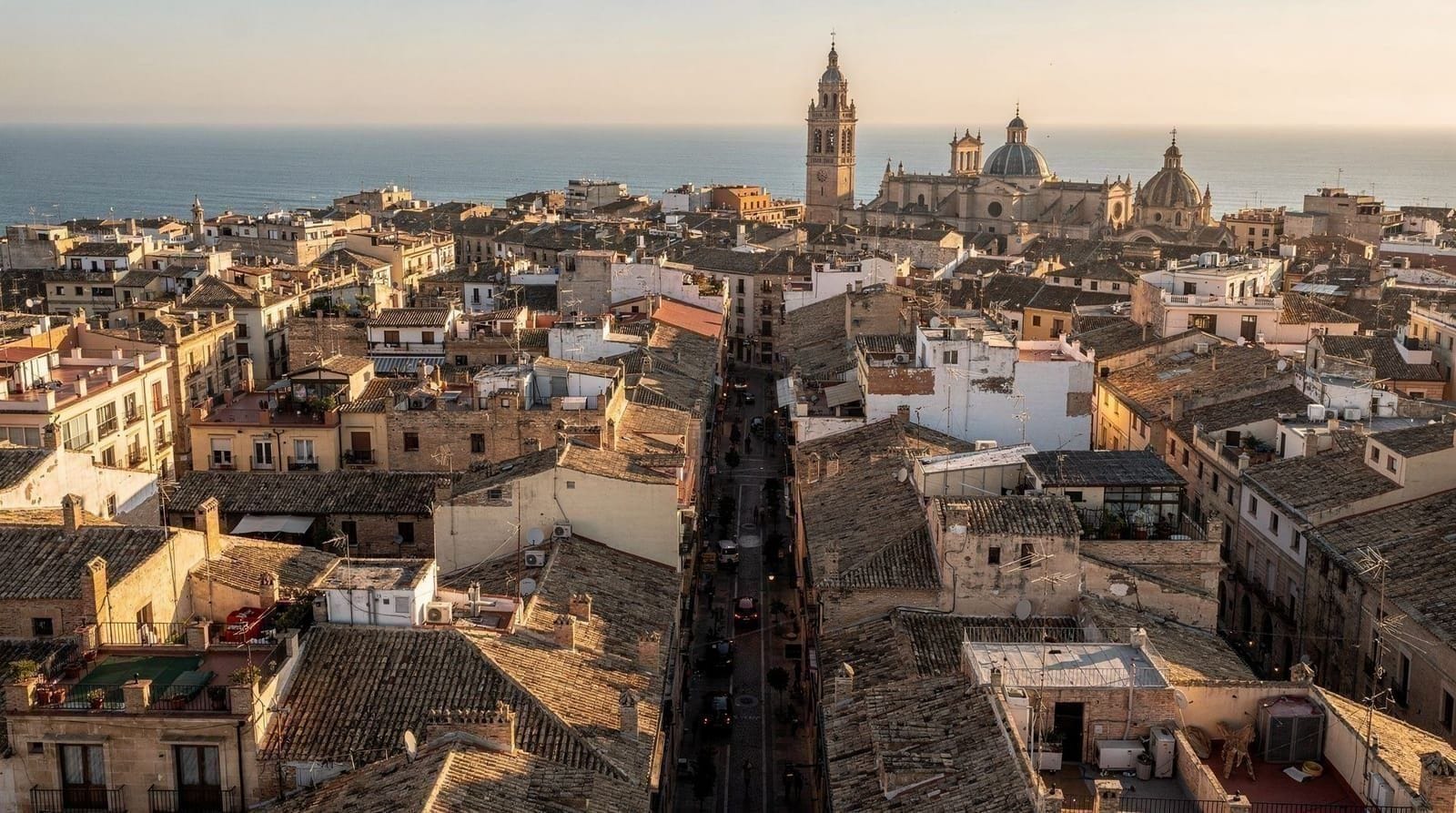
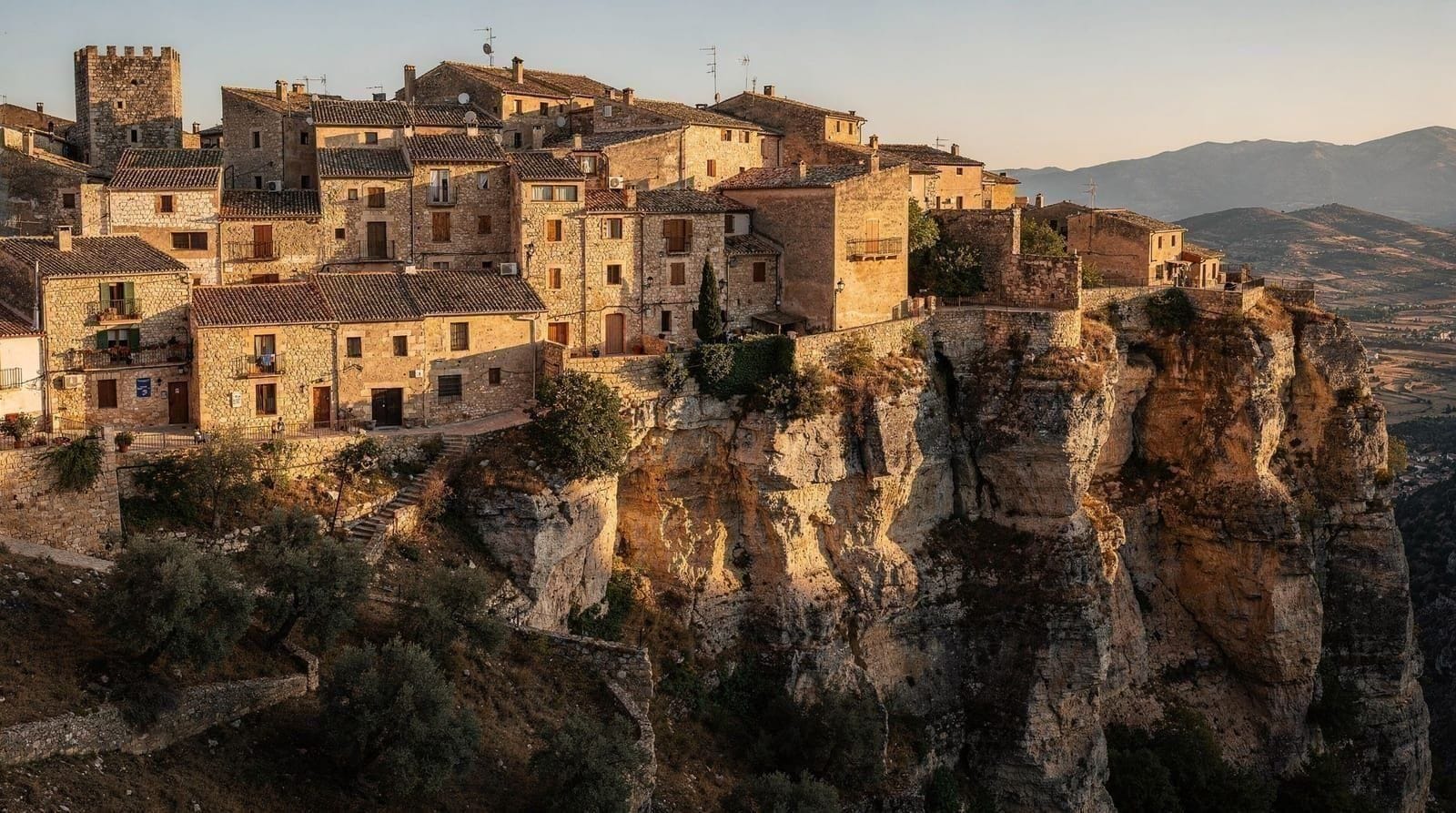
Bocairent is a medieval village perched on a cliff face in the Vall d’Albaida, 90 km south-west of Valencia, and it is one of the most architecturally singular places in the entire Valencia region. The cliffs directly behind the village contain the Coves dels Moros — a series of around 53 cave cells carved into the sandstone face, of unknown age and purpose — and the village itself spirals upward in a tight web of arched lanes, whitewashed houses and Gothic church towers that feel genuinely medieval rather than reconstructed. Almost nobody from outside Spain knows it exists.
| Where | 90 km south-west of Valencia, Vall d’Albaida |
| Cost | Free village and caves; convent museum: ask the tourist office for current ticket details |
| Time needed | Half day (3–4 hours); full day with a hike |
| Getting there | Car recommended (~1h30 via A-7 and CV-81); slow bus exists |
| Best time | Spring and autumn; summer weekends get crowded |
Getting to Bocairent from Valencia
A car is practically essential. Take the A-7 motorway south toward Xàtiva, then the CV-81 west toward Bocairent. The drive is around 1 hour 20–30 minutes depending on traffic at the Valencia ring road. The final approach on the CV-81 involves steep mountain switchbacks — fine in a standard car, not ideal in heavy rain.
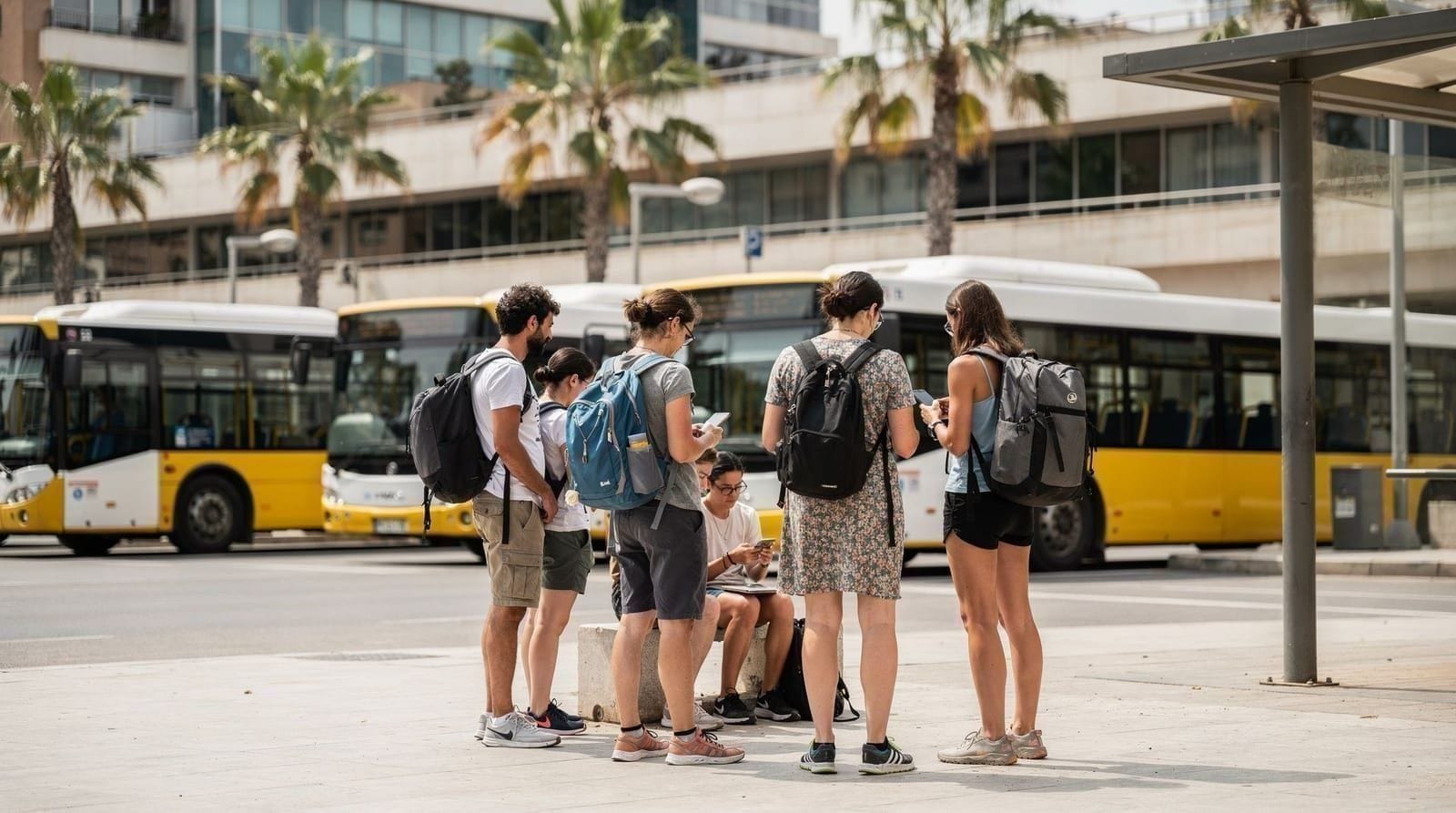
There is a bus service (Autocares Giner) from Valencia to Bocairent via Ontinyent, but journey time is 2 hours 15 minutes and frequency is limited (2–3 daily). Check schedules on the Valenciana de Movilidad website. Return buses leave Bocairent in early afternoon, limiting your day significantly.
The lack of public transport means Bocairent is largely limited to visitors with cars — which is partly why it remains uncrowded. Organised tours from Valencia that include nature-focused stops in the Valencia inland often combine Bocairent with waterfall visits:
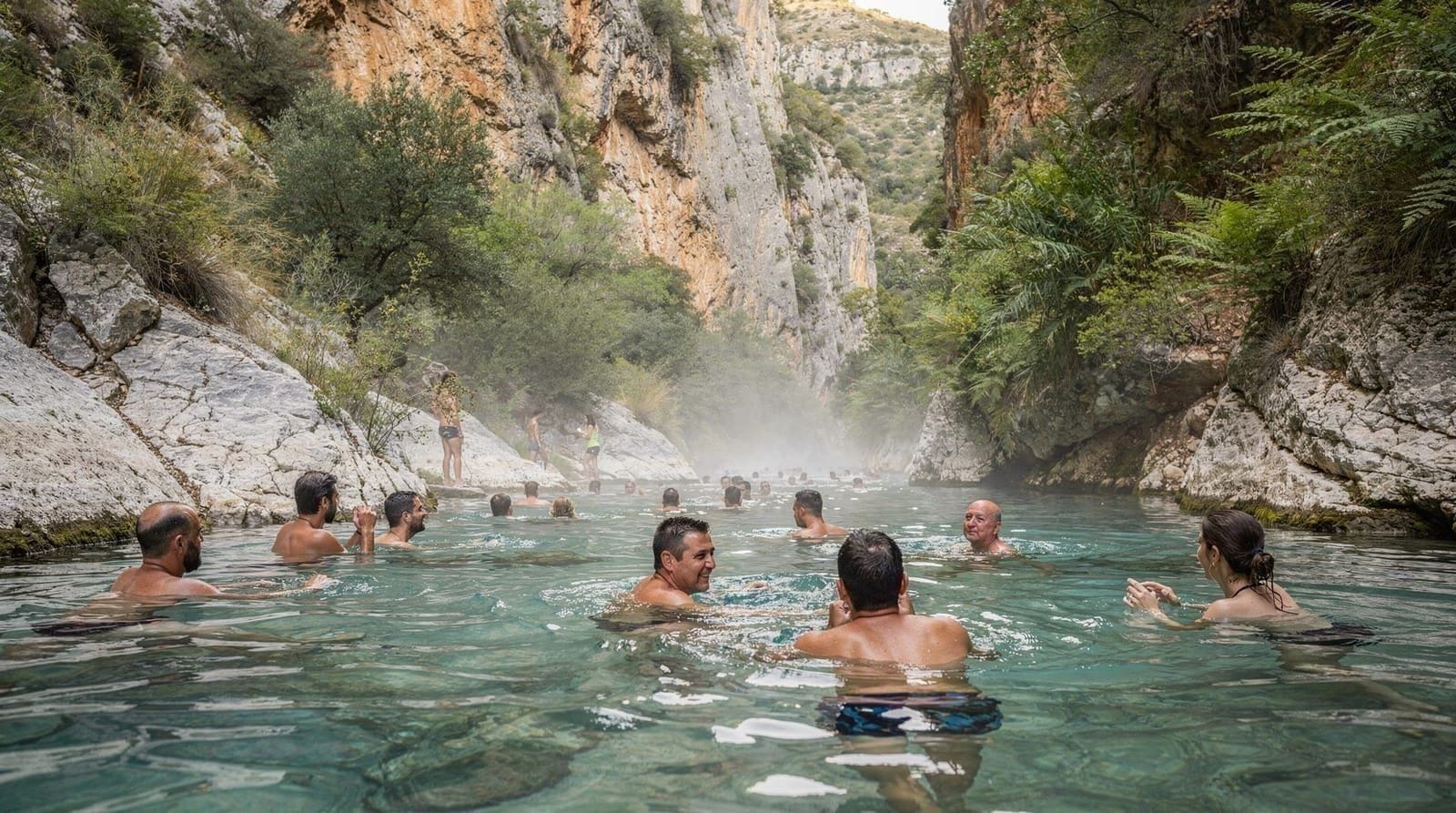
Valencia waterfalls and thermal springs day trip visits the natural area around Bocairent’s broader region and includes swimming stops.
The Coves dels Moros
This is the single most unusual feature of Bocairent. Carved directly into the sandstone cliff face above a ravine, a series of small cave chambers line up in a horizontal band perhaps 50–80 metres above the valley floor. They were traditionally attributed to Moorish inhabitants (hence “Moros”), but current archaeological thinking is uncertain — some may predate the Muslim period, others may be early Christian anchorite cells.
Access is on foot via a path from the village edge (well-signposted, free, no booking required). The approach takes 10–15 minutes from the Plaza Mayor. You can walk along the cliff-face ledge between the cave openings, peer inside the chambers, and look down at the river gorge below. The view back toward the village from this vantage point is the most photographed scene in Bocairent.
Practical note: the path has no barrier in places and the ledge can be slippery after rain. The cave openings are low — adults must crouch to enter. Not suitable for those with a fear of heights; fine for children who can follow instructions.
The old town: what to explore
The historic quarter is car-free and roughly triangular, contained by the old walls. Key points:
Plaza Mayor: The main square has an unusual angled layout due to the cliff topography. The surrounding buildings date from the 14th–17th centuries, with wrought-iron balconies typical of Valencian Gothic. Coffee and drinks on the square at Bar Plaça are fairly priced (€1.50 espresso, no tourist surcharge noticed).
Church of l’Assumpció: 16th-century Gothic church with an elaborately carved stone portal. Open for visits, free entry, donations welcomed. The interior has been less extensively restored than many Spanish churches — the rougher stone visible around the apse is original.
Convent de Sant Francesc (Franciscan convent): now a museum housing local history and archaeological finds. Perched at the village edge with views over the gorge.
Medieval theatre: Bocairent claims one of Spain’s oldest outdoor theatres, built into a rocky hollow near the village walls. It is used for performances during the Moros i Cristians festival and at summer cultural events.
How to pace your visit
Bocairent rewards slow walking more than ticking off sights. A sensible order is to arrive, park at the village entrance and head first to the Plaza Mayor for a coffee, which gives you a feel for the layout before the lanes start to climb. From there, wander the old quarter without a fixed plan: the arched passages, steps and small corners are the real attraction, and the village is compact enough that you cannot get seriously lost.
Do the Coves dels Moros path while you are still fresh and the light is good, then return to the old town for the church and the convent museum. Leave the gorge terrace of the convent for the end, when you can sit and take in the view without hurrying. If you have a full day, the hiking loop below the village fits naturally into the afternoon, and lunch can happen on either side of it.
Comfortable shoes with a decent grip matter more here than anywhere else on a typical Valencia day out. The lanes are steep, the stone is worn smooth in places, and the cave ledge is uneven. Bring water and a layer for the shade, because the village sits in a gorge setting where temperatures can feel different from the coast.
Photographers will want to think about timing. The view back toward the village from the cave ledge is the classic shot, and soft light early or late in the day flatters the sandstone. If you enjoy this kind of image-hunting, the photography tours guide covers how to approach Valencia with a camera, and the same instincts apply in a village like this.
Why Bocairent suits a slower kind of trip
Many Valencia day trips are built around a single headline attraction and a queue. Bocairent is the opposite: a place to switch off after the busier parts of the city. If your days in town have been full of museums and crowds, it makes a good counterweight. The Valencia in one day itinerary and the 3-day Valencia itinerary pack the city tightly, and an inland day out can sit comfortably between them.
It also pairs well with a trip built around the countryside. The Albufera and Montanejos nature itinerary shows how to link natural areas on separate days, and Bocairent fits the same spirit even though it is a village rather than a park. For a different kind of hill-town atmosphere, Morella is another inland destination that rewards the effort of getting there.
If you are deciding between several inland options, think about what you want from the day. Bocairent offers architecture, quiet and an unusual sight. Xàtiva offers a castle and easier logistics. Guadalest and Algar lean more toward scenery and viewpoints. None is strictly better; they simply suit different moods.
Moros i Cristians festival
Every February, Bocairent holds one of the most theatrical Moros i Cristians festivals in the Valencia region. These festivals re-enact the medieval battles between Moors and Christians that defined the reconquista — they involve elaborate costume parades, mock battles with gunpowder explosions and music, and continue for three days. Bocairent’s version is smaller than those in Alcoi or Villena but generally considered more atmospheric. Book accommodation (limited: one small rural hotel, a few casas rurales) months in advance if visiting during this period.
Combining Bocairent with other stops
The most natural combination is Bocairent with nearby natural attractions:
- Font de l’Arcada and the river gorge below the village: a 40-minute hiking loop accessible directly from the village
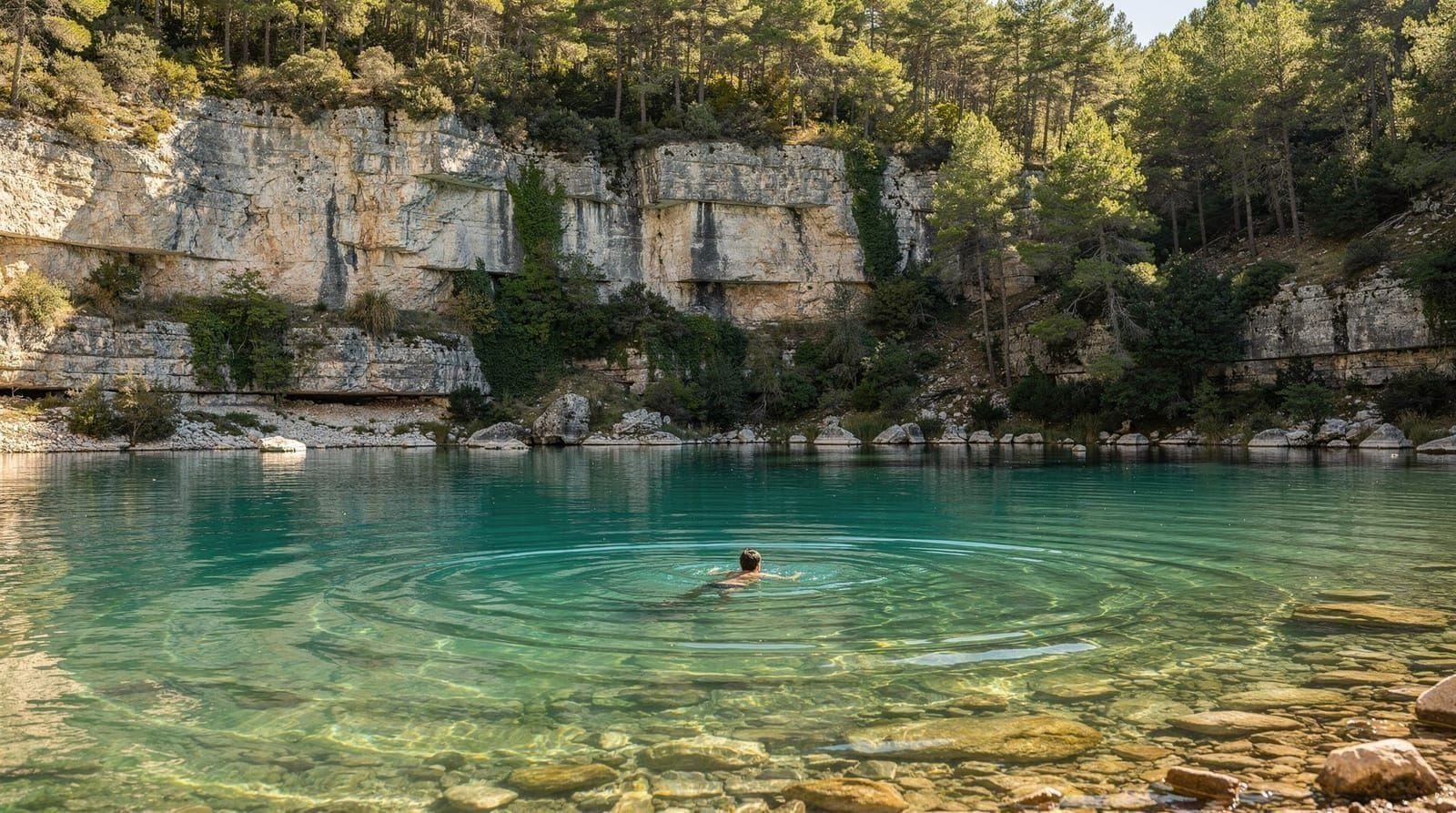
- La Canal Natural Pool (15 km by car): a natural swimming spot in the Serra Mariola mountains, popular with locals in summer
- Ontinyent (16 km north-east): a larger town with a well-preserved Arabic quarter and a textile manufacturing history; add 2 hours if you want to explore
Valencia natural wonders — top 4 waterfalls tour covers the broader region’s natural features on a single organised trip.
For other car-required inland destinations, see Montanejos thermal springs and Anna Lakes.
The Bocairent village day trip guide has a more detailed walking route and timing.
Practical information
- Opening hours: The village is always accessible. Convent Museum times and tickets change with the season; check them at the Bocairent tourist office (Plaza del Ayuntamiento 2), which is open Tuesday–Friday 10:00–14:00 and 16:00–18:00, and Saturday, Sunday and holidays 10:00–14:00.
- Parking: Free parking at Plaça del Mercat at the village entrance. Do not attempt to drive into the old quarter.
- Restaurants: Limited but quality options. Restaurant El Molí (just outside the village, by the river) serves local Valencian cuisine with river views; lunch menus around €15–20. Advance booking recommended on weekends.
- ATM: One ATM in the new town area; not reliable — bring cash.
Bocairent compared with other inland villages
| Destination | Distance | Best for | Public transport |
|---|---|---|---|
| Bocairent | 90 km | Cave cells, medieval village, near-total quiet | Slow (2h15, 2–3 daily) |
| Xàtiva | 60 km | Hilltop castle, larger town, restaurants | Good (direct train) |
| Anna | 70 km | Waterfalls and spring-fed swimming | None practical |
Bocairent has the least public transport of the three but the most distinctive single sight in the Coves dels Moros. If travelling without a car, Xàtiva is far easier to reach and still delivers a genuine medieval atmosphere. Read the day trips without a car guide before ruling either in or out based on transport alone.
Choosing between driving yourself and an organised trip
Driving gives you the freedom to stay as long as you like at the caves and to stop where the road looks interesting. If you are renting, the car rental for day trips guide explains what to consider before you book. The mountain approach is the only part that calls for concentration, so build in a little margin rather than racing to be back at a fixed time.
If you would rather not drive, an organised excursion removes the logistics and lets you look at the scenery instead of the road. For a day shaped around your own interests, a private tailored tour from Valencia lets you ask for the pace and stops you prefer. The guided versus self-guided guide is a useful way to decide which style suits you.
Whichever way you go, tell whoever is driving that the village is best explored on foot and that you will want to park once and stay put. Trying to move the car between viewpoints gains nothing and adds stress in narrow streets.
A wine and food stop nearby
Bocairent sits within reach of the Vall d’Albaida’s small-scale wine country, distinct from the better-known Utiel-Requena region west of Valencia. It’s not a wine-tourism destination in its own right, but a stop in Ontinyent on the way back — for its Arabic quarter and textile history — makes a natural addition if you have a full day rather than a half day. For the region’s more established wine route, see the Requena wine tour guide and the wine and Bobal grape guide, best combined with a separate day trip west of the city rather than with Bocairent.
Frequently asked questions about Bocairent
Is Bocairent worth the drive from Valencia?
For travellers specifically interested in medieval towns and natural landscape, yes — it is one of the more genuinely unspoiled villages in eastern Spain. For travellers primarily seeking beaches, castles or wine culture, there are more efficient options closer to Valencia.
Can I reach Bocairent without a car?
There is a daily bus service from Valencia, but journey time and infrequency make it impractical for a day trip unless you plan carefully and stay overnight. A car-sharing arrangement or organised tour is more realistic for most visitors.
What are the Coves dels Moros exactly?
A row of small cave cells carved into the sandstone cliff face above Bocairent’s ravine. Their origin remains uncertain — possibly Moorish, possibly earlier. They are free to access on foot, require crouching to enter, and the path has no safety barriers, making them unsuitable for those uncomfortable with heights.
When is the Moros i Cristians festival?
Bocairent’s festival falls in early February (around the feast of San Blas, 3 February). Exact dates change year to year; the Bocairent Town Hall website (bocairent.es) publishes the programme in December–January.
Is Bocairent suitable for children?
The village itself is fine for children — small, car-free, flat enough in the main areas. The cave path requires attention for younger children due to the uneven terrain and lack of barriers. The Franciscan convent museum has limited child appeal. Overall, it’s a manageable half-day trip for families who don’t mind mostly walking.
Top experiences
Bookable activities with verified prices and instant confirmation on GetYourGuide.