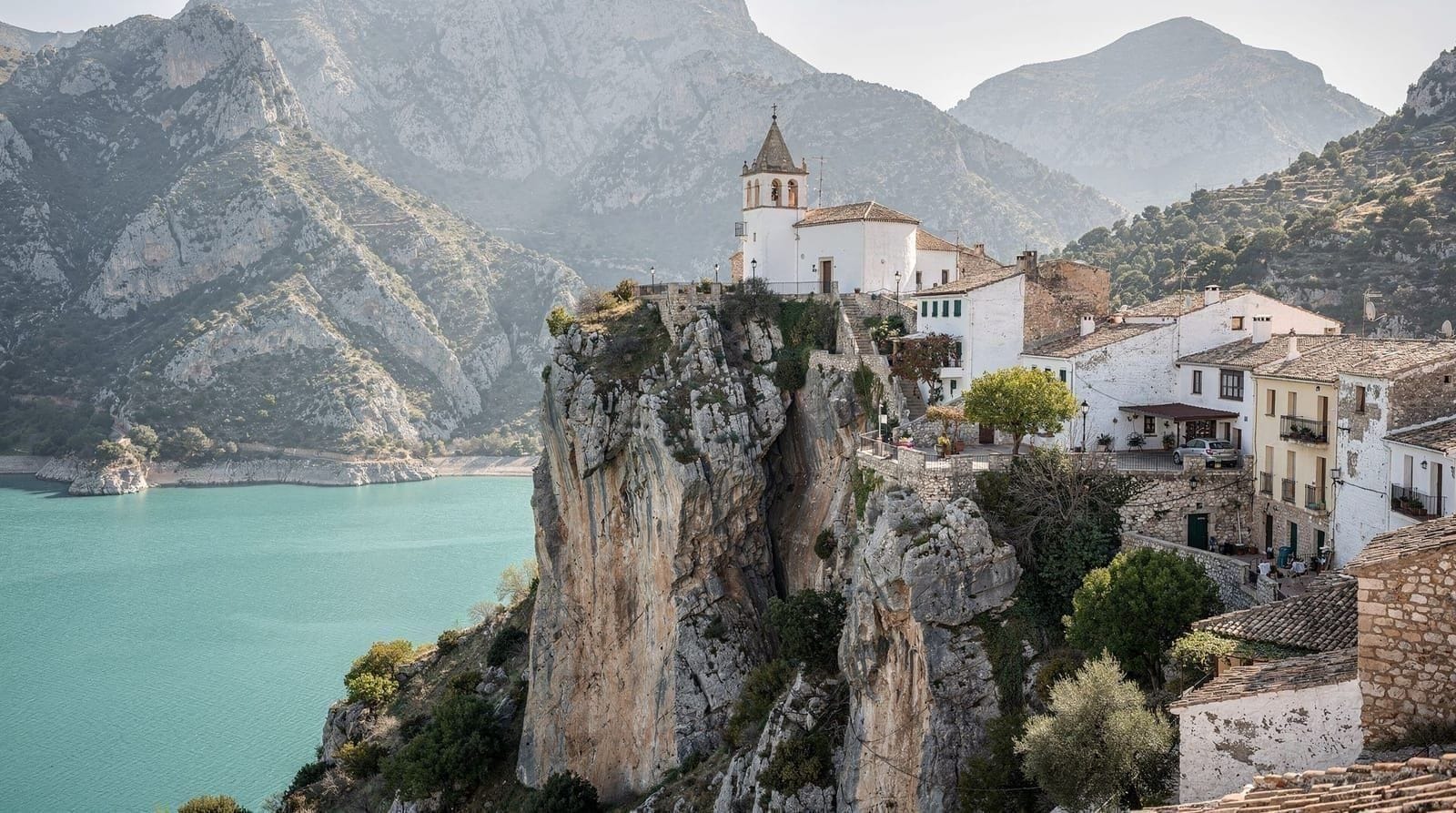
Bocairent village day trip from Valencia: the hidden medieval gem
Valencia: waterfalls and thermal springs tour with swimming
Is Bocairent worth visiting from Valencia?
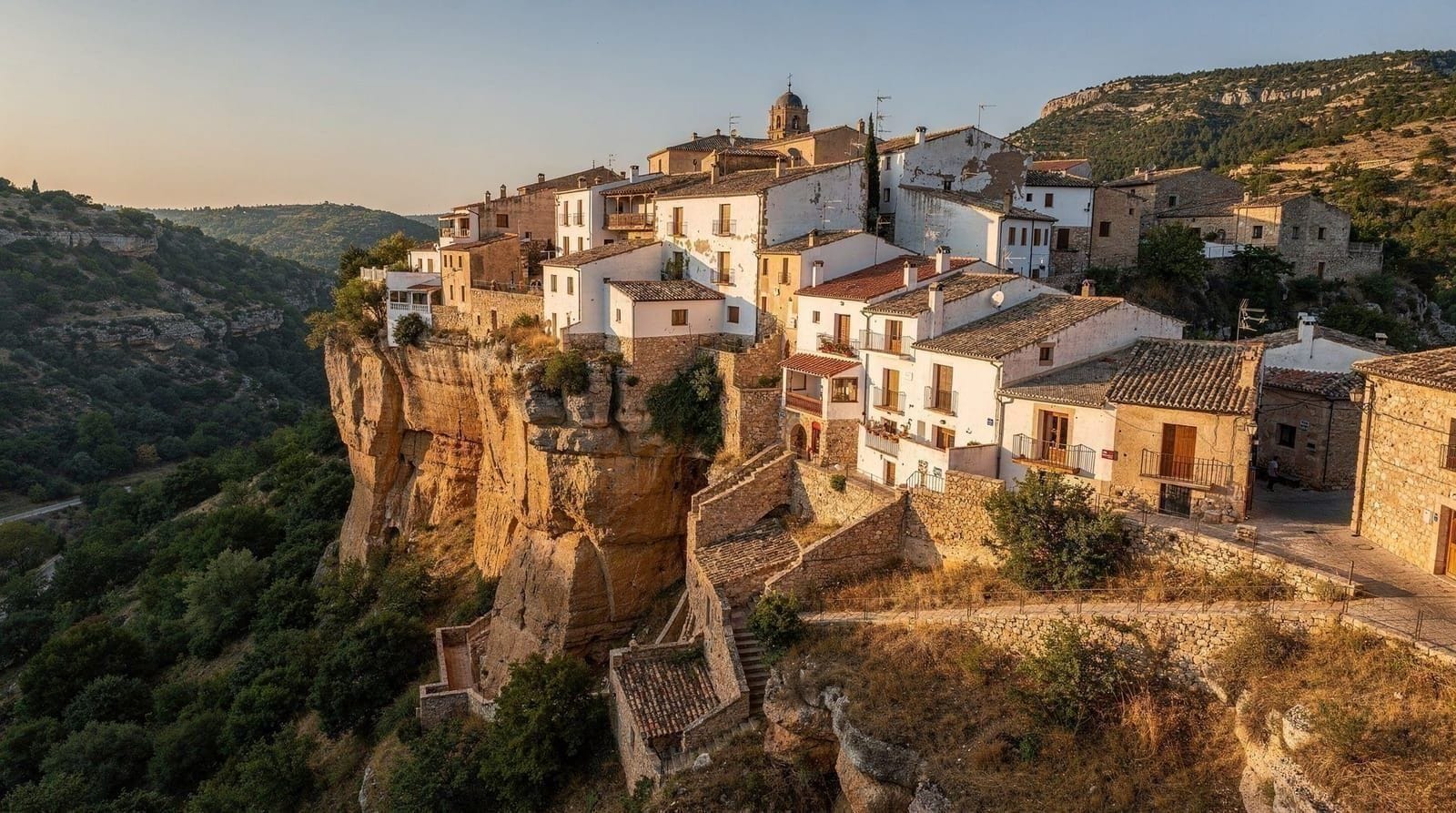
Yes, for visitors who want something genuinely off the tourist circuit. Bocairent is a medieval hilltop village 90 km south-west of Valencia (about 90 minutes by car). There is no practical public transport. What you find is an extremely well-preserved medieval street pattern, cave hermitages in the cliff face, and an absence of tourist infrastructure that marks it as authentically local.
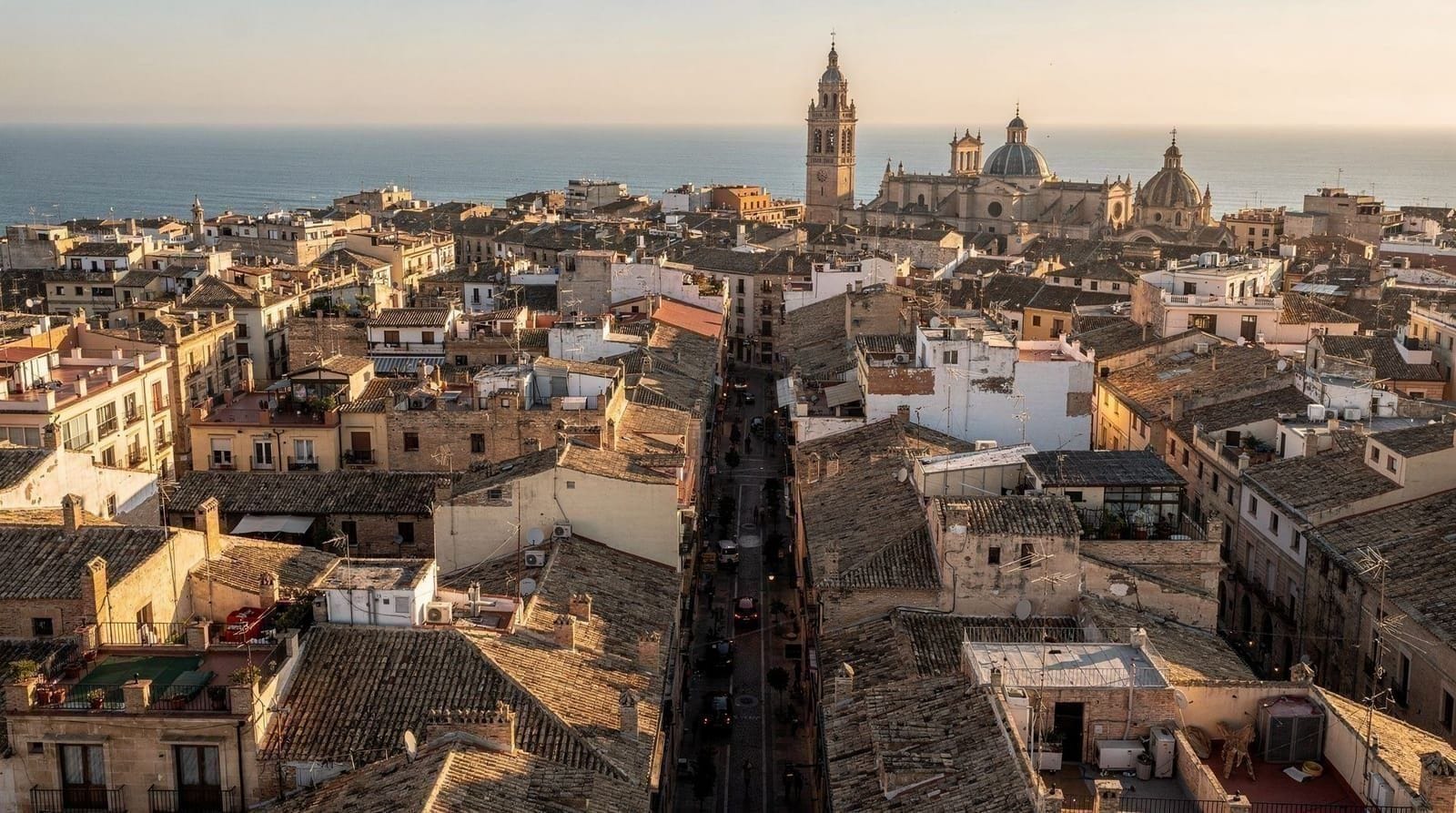
Bocairent is the day trip that almost no guidebook covers in English, which is the first reason to go. A medieval village of 4,500 people in the mountains of inland Valencia province, it sits on a rocky promontory at 640 m altitude, surrounded by dry hills and pine forests. The medieval street pattern is intact, the cave hermitages carved into the cliff below the village are unique, and on a weekday the main square has more old men playing dominoes than tourists.
It requires a car — there is no practical public transport connection from Valencia. The drive is 90 km via the A-7 south then the N-340 and local roads, taking about 90 minutes. The effort is worth it.
| Where | Bocairent, 90 km south-west of Valencia, inland mountains |
| Cost | Free village access; menú del día around €12–14 |
| Time needed | Half a day (3.5–4 hrs) to a full day |
| Getting there | Car essential — 1 hr 20–30 min via A-7/A-35/CV-81 |
| Best time | April–May or October–November |
Getting to Bocairent from Valencia
By car — the only realistic option
Take the A-7 motorway south toward Gandia, then exit toward Ontinyent on the A-35, then follow signs for Bocairent on the CV-81. Total distance approximately 90 km, journey time 1 hour 20–30 minutes. The final approach road is winding and single-lane in places, passing through the Vinalopó valley — not difficult but not motorway.
Park in the large free car park outside the old town walls. The streets inside the medieval quarter are pedestrianised and inaccessible by car.
By bus — theoretically possible, not practical
A daily ALSA bus connects Valencia to Bocairent via Ontinyent. Journey time approximately 2 hours. Departures are limited to one or two per day, and the return timing typically does not allow more than 3 hours in the village. For a proper visit, a car is strongly recommended.
By organised tour
A handful of Valencia-based operators include Bocairent in inland tours, sometimes combined with Ontinyent or Montanejos. This is the practical solution for car-free visitors who want a full-day experience.
If you would rather set the pace yourself, a private tour tailored to your own interests lets you ask for an inland itinerary and skip the driving altogether. For other ways to leave the city without wheels, see day trips by train and, if you decide a rental is worth it after all, the car rental guide for day trips.
What to see in Bocairent
The medieval old town (El Barri)
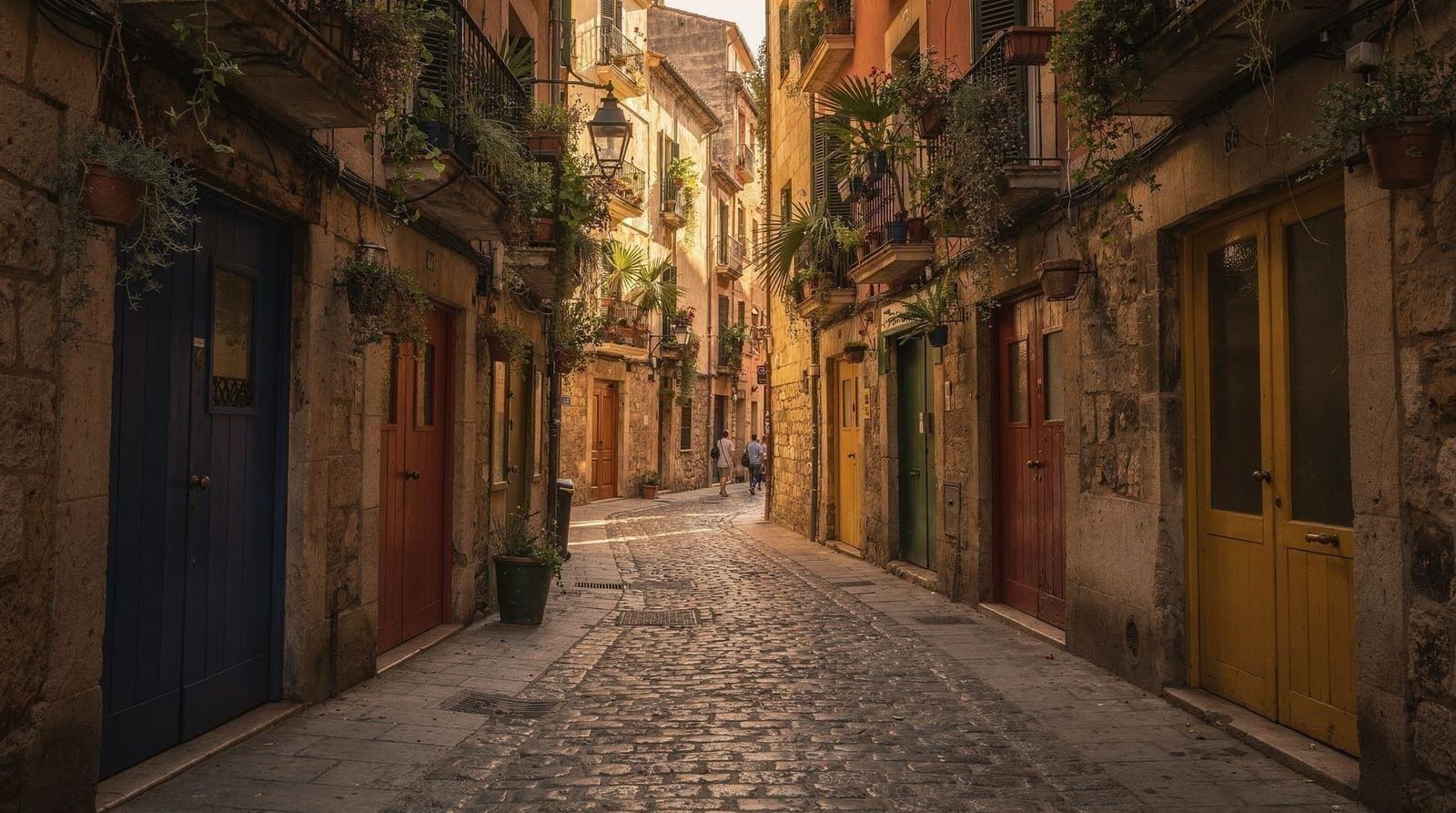
The old town quarter of Bocairent is the main reason to come. The streets are so narrow that some sections are tunnels — upper floors of facing houses have merged overhead, creating covered passages (covered streets called “porxes” in local usage). The layout is essentially unchanged from the 14th–15th century and has been designated a nationally protected heritage zone.
Key walking route: Enter through the Puerta de las Monjas (main medieval gate), walk up Carrer Major past the Plaça Major, continue to the upper lookout point above the cliff, then descend via the network of back streets to the cave hermitage access point.
Plaça Major (main square): The arcaded town hall (Ajuntament, 16th century), the parish church of Sant Pere (16th–18th century, with a tower visible from the valley), and several old houses with carved stone doorways. The square is the social heart of the village — café tables appear in good weather.
Time needed: 1–1.5 hours for a thorough walk of the old town.
The cliff caves (Covetes dels Moros)
This is Bocairent’s single most unusual sight — a series of cave recesses carved into the sandstone cliff face below the village, accessed via a precipitous path cut into the rock. The caves are Moorish-period (11th–12th century) in origin, possibly used as granaries, storerooms, or religious hermitages. The series runs along the cliff face for about 100 m, with a 50 m drop below.
Access: from the old town, follow signs to “Covetes dels Moros.” The path descends steeply and includes iron handholds bolted to the rock. Not suitable for visitors with vertigo or mobility difficulties. Entirely free.
The views from the cave level — across the valley and up at the village above — are excellent. Allow 30–40 minutes for the descent, exploration, and return.
The Bullring (Plaza de Toros)
Bocairent has one of Spain’s most unusual bullrings — a circular arena carved entirely into the rock of a natural hillside hollow, dating from 1843. It is the only “excavated” bullring of its type in Europe. Whether you engage with bullfighting or not, the engineering is remarkable: the tiered seating is cut into the hillside in concentric circles, the arena floor is natural earth, and the whole structure seats around 2,200 people.
Access: 5-minute walk from Plaza Major, signed. Free or token entry when not in use.
The surrounding landscape
The countryside around Bocairent — pine forests, rocky outcrops, and dry valleys — is excellent for hiking. The Ruta de las Covetes dels Moros extends into a longer walking circuit (5–8 km, 2–3 hours) through the valley below the village. Marked trails from the village tourist office; free map available.
A little history: why Bocairent stayed off the map
Bocairent’s isolation is precisely what preserved it. The village grew around a Muslim-era settlement on the cliff, then passed to Christian control in the 13th century, and the steep terrain that made it defensible also made it inconvenient to reach — which is why the medieval layout survived intact while flatter, more accessible towns modernised their street plans over the centuries. The same geography explains the cave hermitages: the cliff face was already riddled with usable recesses long before anyone thought to carve a bullring into the hillside above it.
Textile manufacturing (wool and later blankets) sustained the local economy into the 20th century, and a handful of old factory buildings on the edge of the village are a reminder of that industrial past, even though tourism and small-scale agriculture have since taken over. None of this is signposted in English, so a little context before you go makes the walk through the old town more legible.
Valencia day trip: waterfalls, springs and cavesFor visitors without a car, a guided day trip covering Bocairent-style inland scenery (waterfalls, natural pools and caves further north) is a practical alternative — see the day trips without a car guide for the full range of car-free options from Valencia.
Bocairent vs. other inland day trips
| Destination | Distance from Valencia | Best for | Public transport |
|---|---|---|---|
| Bocairent | 90 km / 90 min | Medieval streets, cliff caves, silence | Impractical — one bus/day |
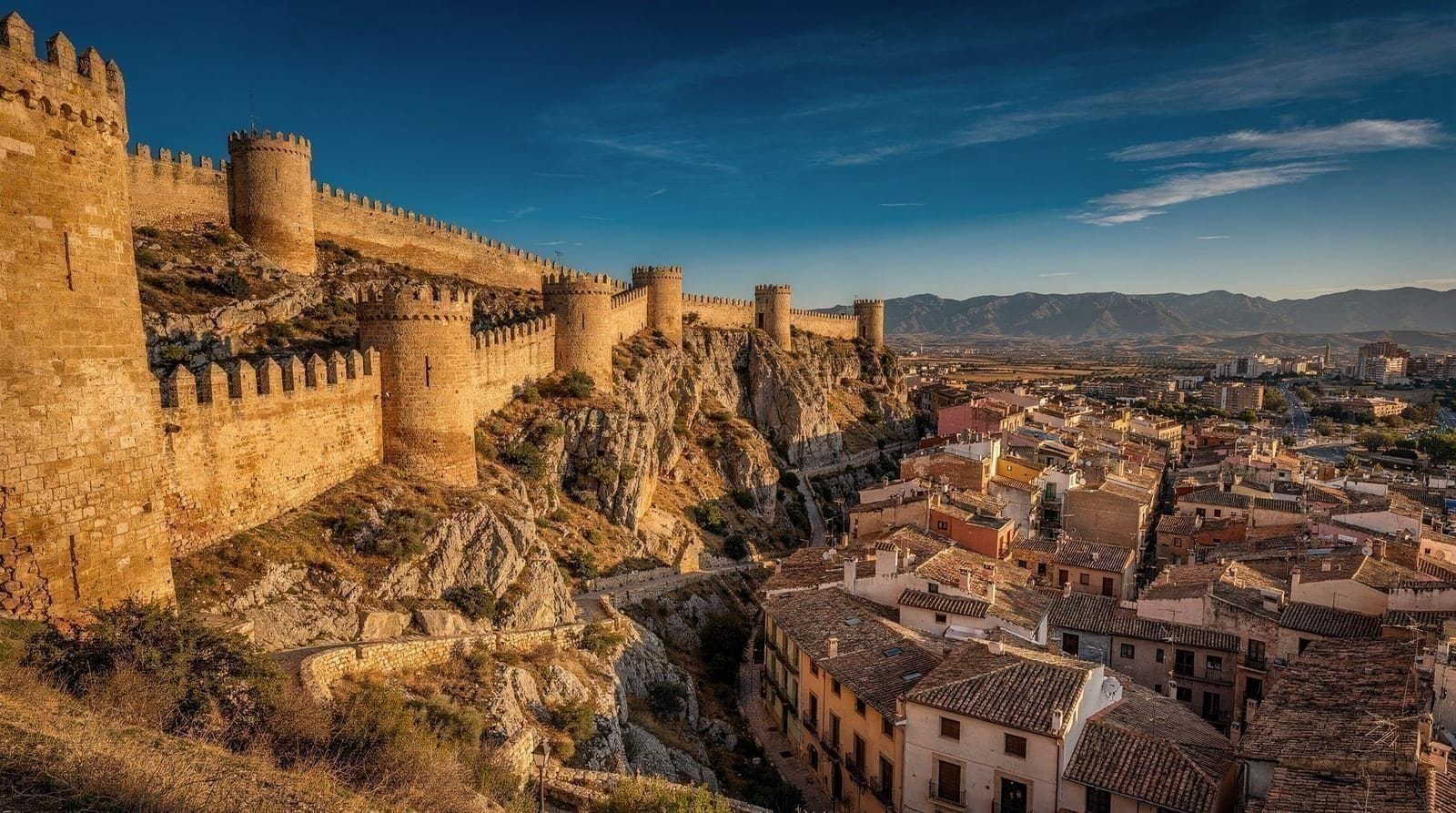
| Xàtiva | 60 km / 50 min | Hilltop castle, easier logistics | Regular train |
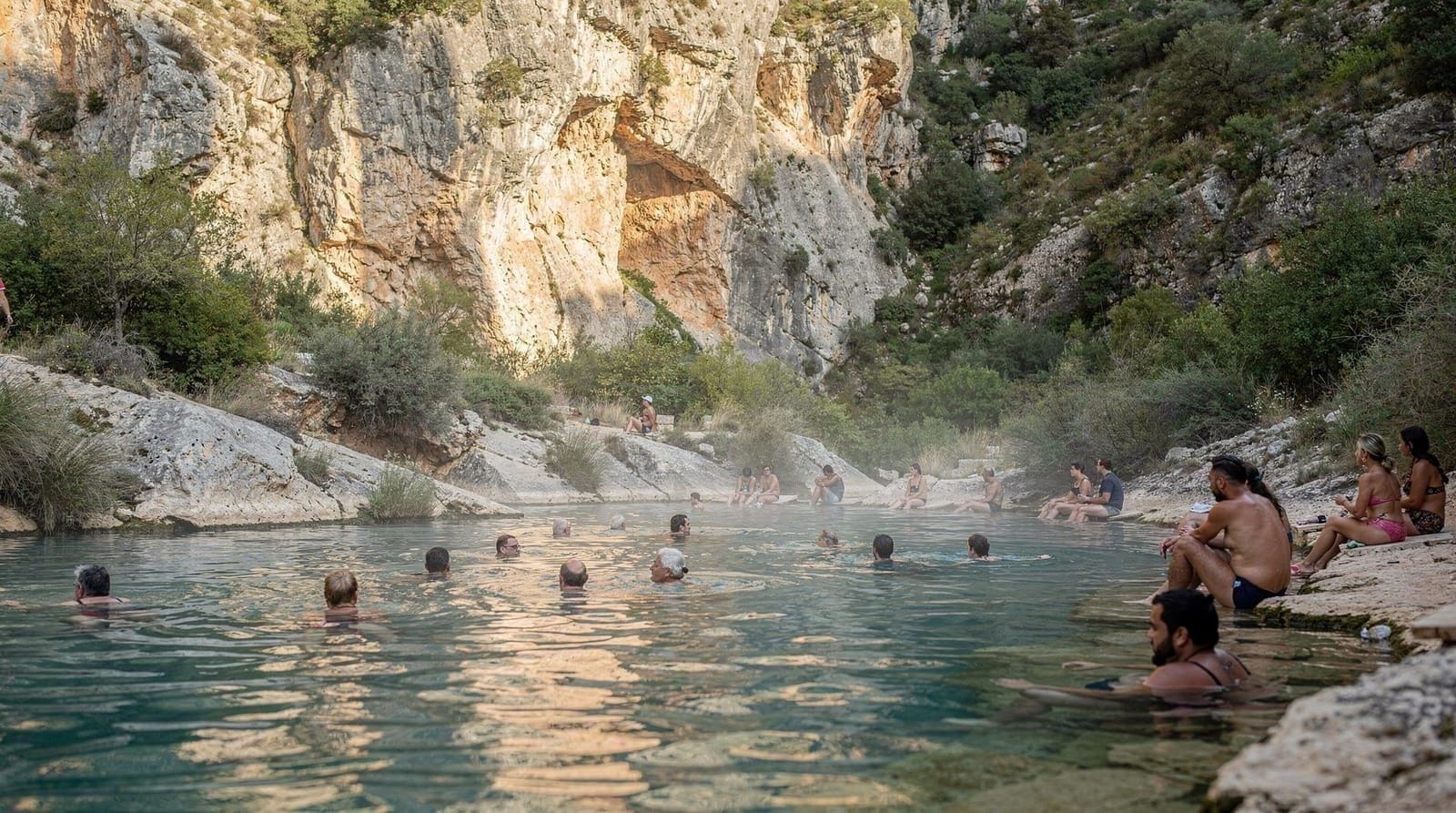
| Montanejos | 100 km / 100 min | Thermal river pools, active day out | Impractical — car needed |
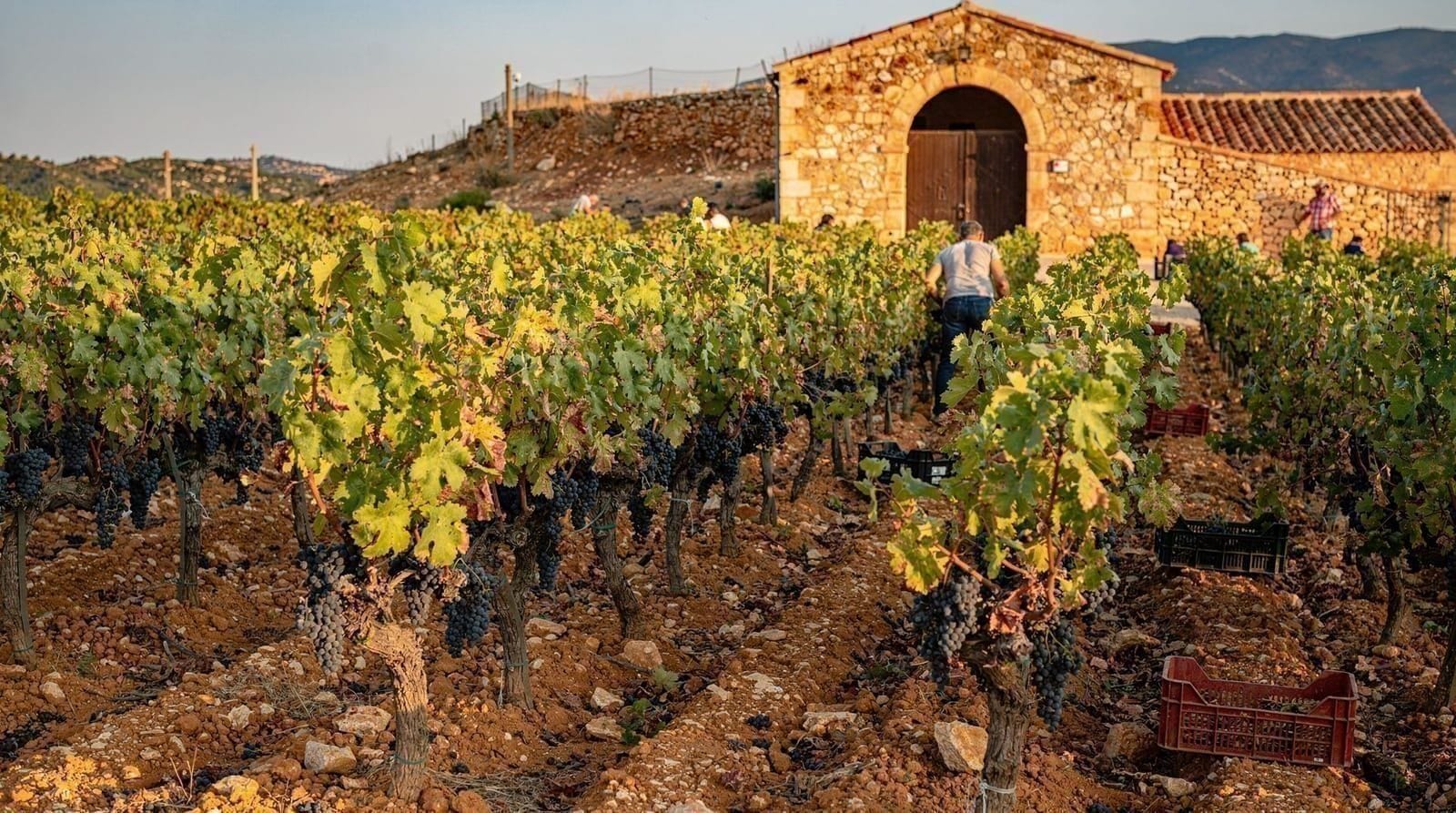
| Requena | 70 km / 60 min | Wine country, cellar visits | Regular train |
Bocairent rewards patience rather than convenience: it is the hardest of these four to reach without a car, and the quietest once you arrive.
Where to eat in Bocairent
Bocairent has a small but honest restaurant scene. Prices are significantly lower than Valencia city.
Restaurant La Vila (Carrer Major, in the old town) serves traditional Valencian mountain food — bacallà (salted cod preparations), rabbit with herbs, bean soups. Menú del día €12–14 on weekdays.
El Xato del Vinater (Plaza Mayor) is the most central option for tapas and the local rosé wine (the Bocairent area has small-scale wine production). Open lunchtimes and weekends.
Coca de Bocairent: Look in the village bakeries for the local version of coca (a flatbread topped with vegetables or cured fish) — it is the emblematic local snack and worth seeking out.
Combining Bocairent with other destinations
Bocairent and Ontinyent: Ontinyent is 20 km northeast of Bocairent on the CV-81 — a larger town with a less spectacular medieval quarter but a fine art museum and the Font del Pou thermal baths. A combined visit is possible in a full day.
Bocairent and Xàtiva: Xàtiva is 45 km northeast of Bocairent, accessible by road. Combining the two medieval towns in one day is feasible but ambitious — it requires early departure from Valencia.
For purely nature-focused inland day trips, Montanejos (the thermal river pools, 100 km north) offers a different experience — more accessible and more physically active. If swimming is the point of your day, a guided outing to several waterfalls and natural pools covers that ground without any planning on your part.
Planning the rest of your Valencia stay around it
Bocairent works best as the quiet counterweight to a busy city break. Pair it with a loud, social stretch of your trip, such as the Las Fallas guide if you are visiting in March, and the contrast will make the village feel even calmer. If you are still deciding how to split your time, the how many days in Valencia guide helps you work out where an inland day fits.
Travellers who like to see the whole region will find the Bocairent destination page a useful companion, and the Morella day trip offers another hilltop village with a very different character. For a route that strings several inland and coastal stops together, the Xàtiva and Gandia road trip itinerary shows how to build a longer drive. After a day of walking steep streets, the eat like a local guide and the menú del día guide help you make the most of lunch, and the Bocairent blog story gives a more personal take on the same village.
Practical information
Best time: Spring (April–May) and autumn (October–November) for comfortable temperatures and good light. Summer is very hot in the valley; the village itself at 640 m is cooler but the cliff path is exposed. Christmas and Easter bring local processions that transform the quiet village.
Duration: Half a day is comfortable (3.5–4 hours in the village plus 3 hours total driving). A full day allows for lunch, the longer hiking circuit, and a relaxed pace.
What to bring: Sturdy shoes for the cliff path. Water — there are no shops on the cliff trail. Cash for restaurants. A small backpack if doing the longer hiking circuit.
Peak times: August and Corpus Christi weekend bring the largest local crowds (Bocairent’s Moros i Cristians festival in February is the most important local event, but February weather is uncertain). Most visitors arrive on Sunday lunchtimes with families — Saturdays and weekdays are quieter.
Frequently asked questions about Bocairent
Is Bocairent suitable for children?
The old town streets are car-free and safe for children. The cliff path to the caves requires careful supervision — the path is narrow and exposed, not recommended for young children or those uncomfortable with heights. The bullring visit is universally accessible.
What makes Bocairent different from other Spanish medieval villages?
The covered street tunnels, the cliff caves, and the excavated bullring make it architecturally unique — no other accessible village near Valencia has the same combination. It is also unusual in having very little tourist infrastructure: no souvenir shops selling plastic flamenco dancers, no English menus, no hop-on tourist trains.
Is there accommodation in Bocairent?
Yes. The Hotel L’Estació (former railway station, refurbished as a rural hotel) and several rural house rentals operate in and around the village. For a day trip from Valencia a hotel is unnecessary, but staying overnight means you experience the village without day visitors and with access to early morning light.
Can I combine Bocairent with another inland destination in one day?
It’s possible but tight. Xàtiva and Requena are both feasible pairings on paper, but given the driving time to and around Bocairent, most visitors get more out of dedicating the full day to Bocairent alone rather than rushing between two villages.
Top experiences
Bookable activities with verified prices and instant confirmation on GetYourGuide.