Cullera
Cullera is 40 km south, 50 min by train. Moorish cliff castle, lighthouse views and a long sandy beach — easy to combine with an Albufera boat trip.
Valencia: Cullera history, beach and the Valencian Albufera tour
Quick facts
- Distance from Valencia
- 40 km south
- Travel time
- ~50 min by Cercanías train (C1 line)
- Getting there
- Direct train from Valencia Nord (C1 line, ~€3.60 each way)
- Best for
- Beach day with history, castle views, quieter than Valencia city beaches
- Don't miss
- Castillo de Cullera cliff views, Faro de Cullera (lighthouse), Río Júcar estuary beaches
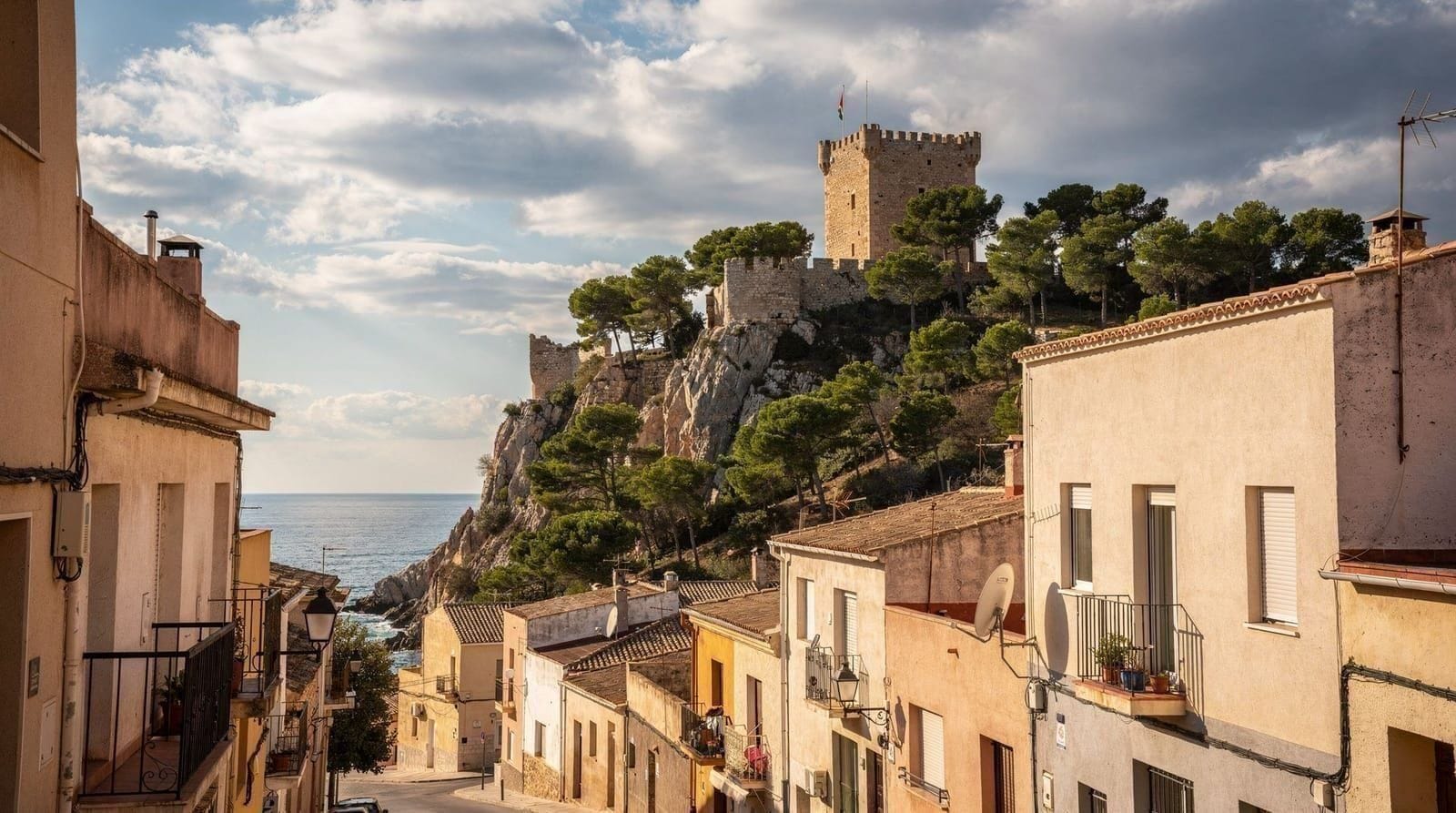
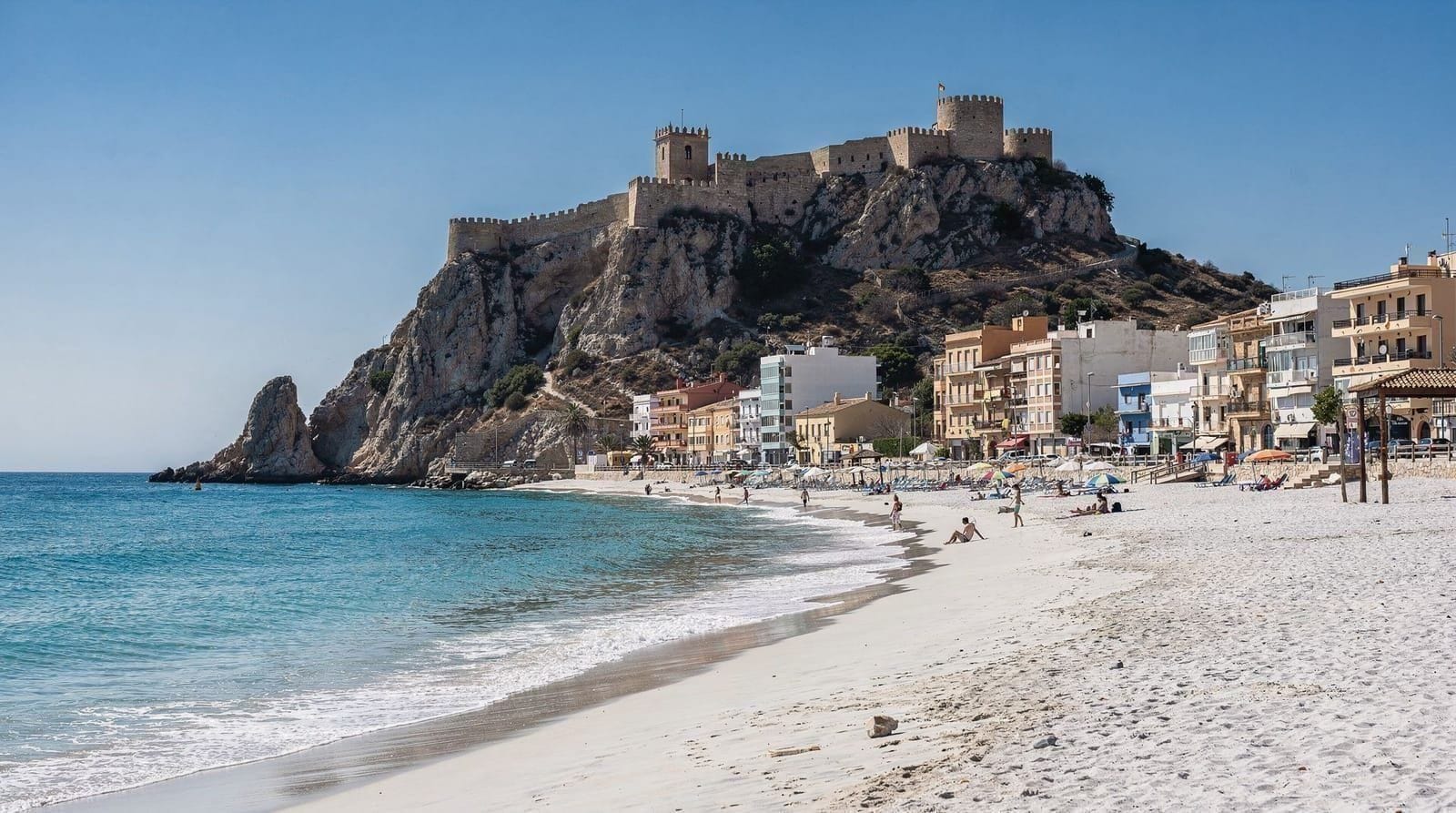
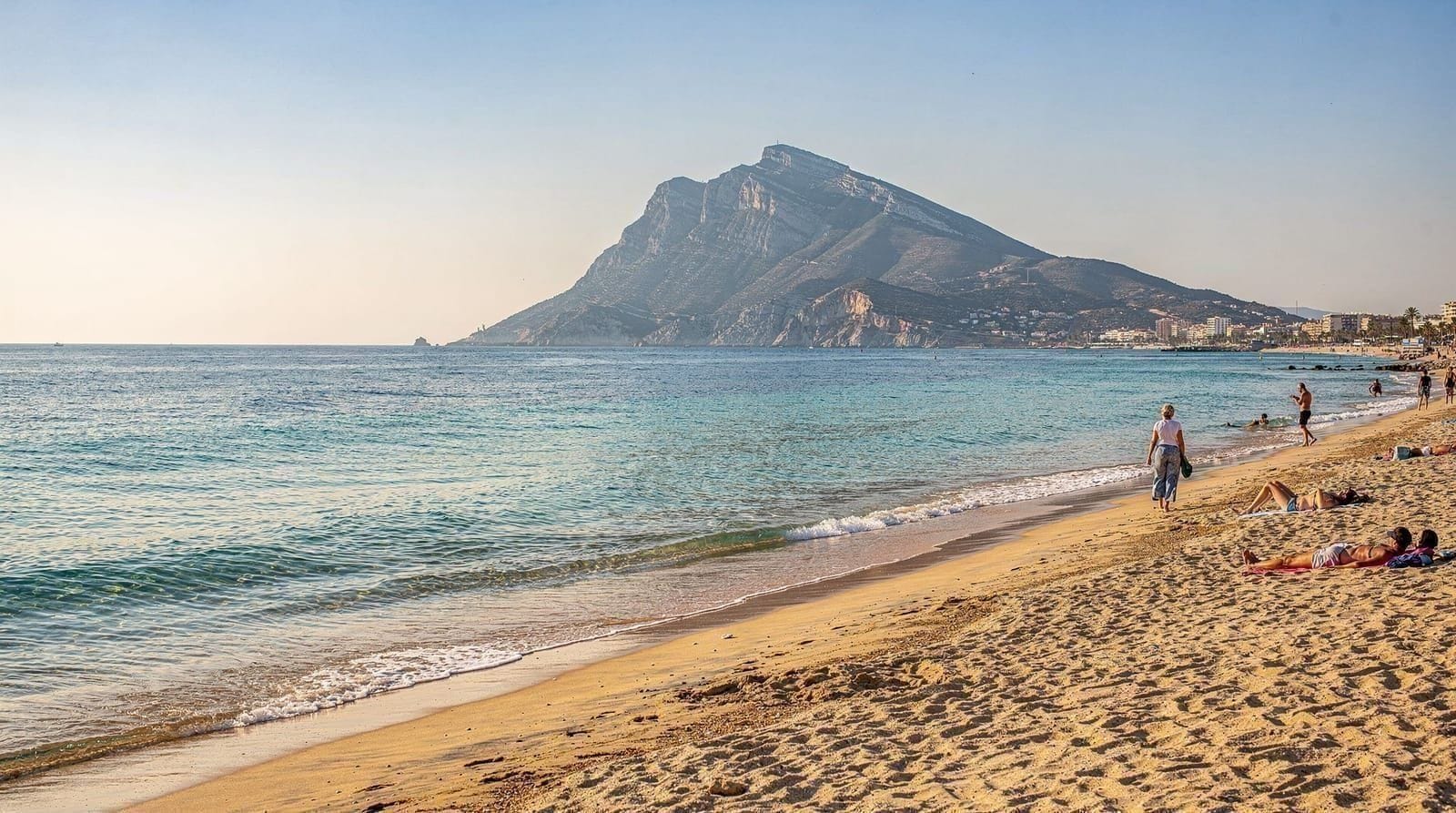
Cullera sits where the Río Júcar meets the Mediterranean, 40 km south of Valencia. A Moorish castle on a 150-metre cliff dominates the northern end of town, a lighthouse provides panoramic views over 80 km of coastline, and the beach stretches south for several kilometres with fewer crowds than Valencia’s urban beaches. It is the most accessible beach-plus-history combination within an hour of Valencia by train, and on a clear day in May, the views from the castle rival anything on the Costa del Sol.
| Where | 40 km south of Valencia, Júcar river mouth |
| Cost | Free beach and castle courtyard; museum: ask the Cullera tourism office |
| Time needed | Full day (castle + beach); half day for castle only |
| Getting there | Cercanías C1 train from Valencia Nord (~50 min) |
| Best time | June–September for swimming; May for quiet castle views |
Getting to Cullera from Valencia
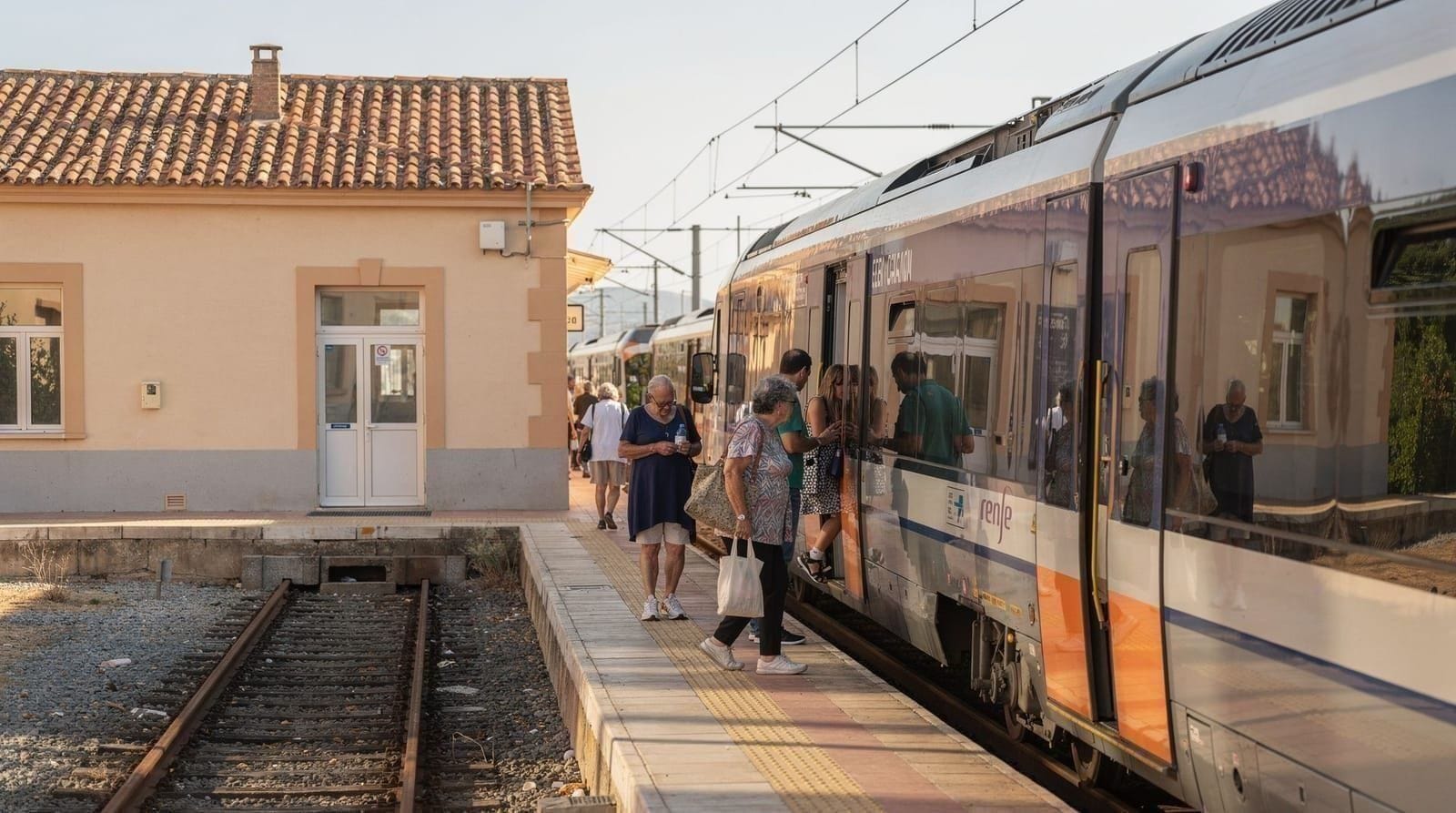
The C1 Cercanías line runs from Valencia Nord directly to Cullera station in approximately 50–55 minutes. Trains run hourly, more frequently in summer. Single fare: approximately €3.50–4.00. The beach is a 10-minute walk from the station; the castle is a 20-minute walk from the station or a short taxi (€4–5).
In summer, a small tourist train (Trenet Turístic) connects the main beach area with the castle base. The actual hike up to the castle involves roughly 200 steps from the base — manageable for most visitors, but not wheelchair accessible.
Driving takes 40–45 minutes on the A-7 motorway south. Parking near the beach area is available but fills rapidly on summer weekends.
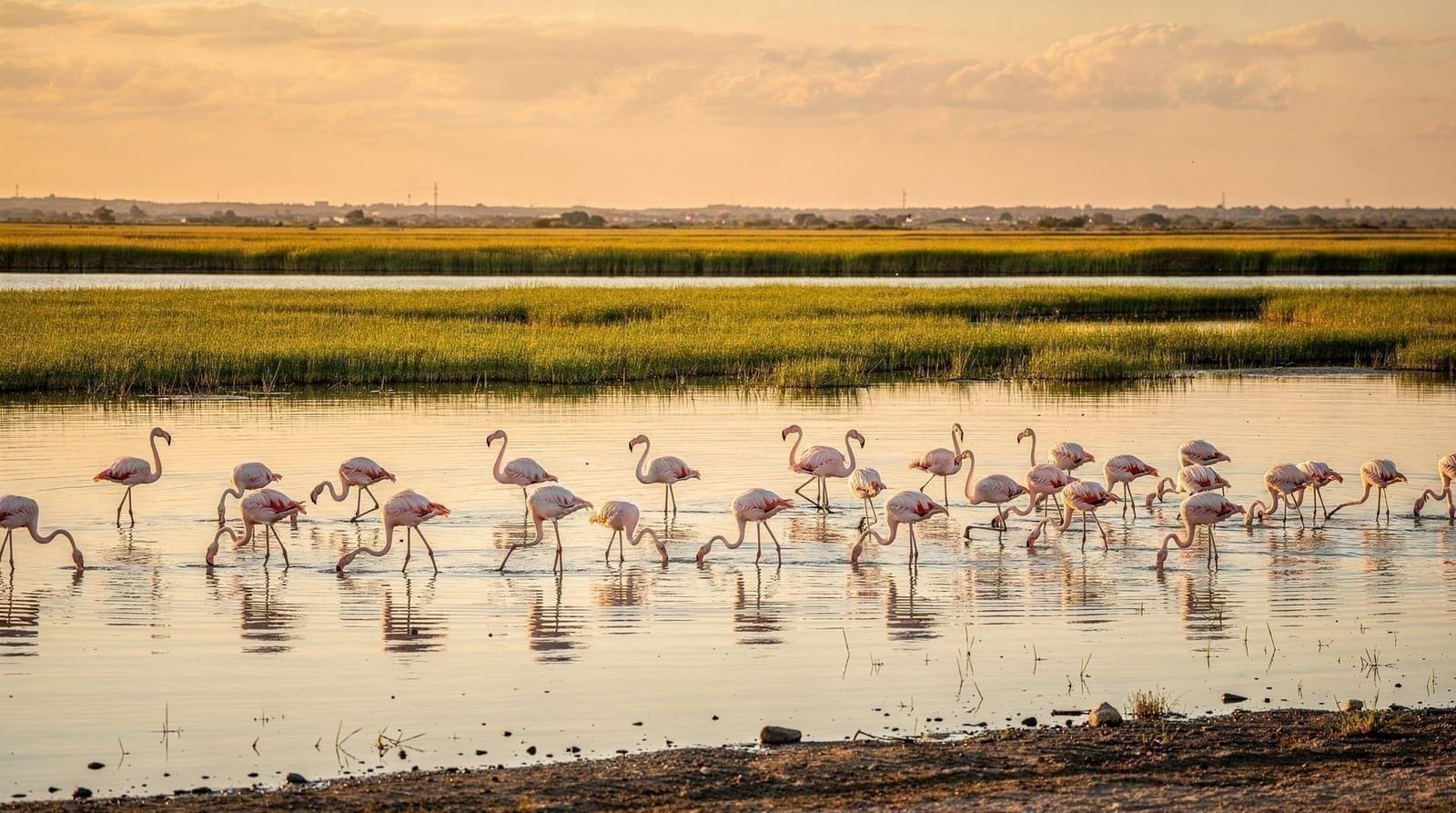
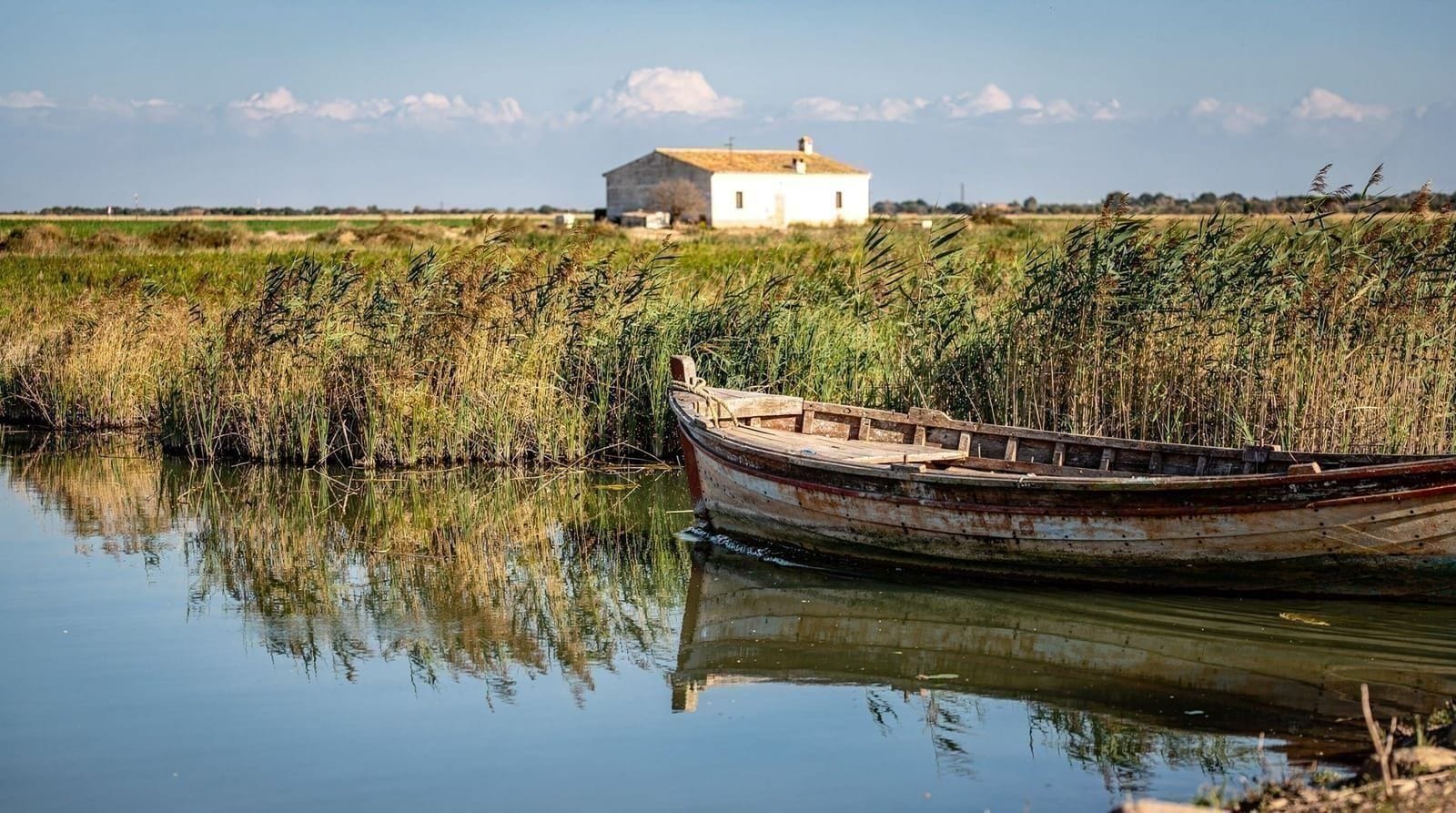
Cullera history, beach and Valencian Albufera tour — a full day organised trip covering Cullera’s castle and beach, then the Albufera lake, including a boat ride. Good value if you want both covered without a car.
Planning the day without a car
Cullera works well as a day trip because the train does the hard part. If you have never used the regional network, the guide to the Valencia coast trains explains how tickets and platforms work, and the overview of day trips by train shows where Cullera sits among the other easy options. Travellers who would rather not drive at all will find more ideas in the day trips without a car guide. If you prefer your own wheels for the flexibility, the car rental guide for day trips covers what to expect.
A sensible rhythm is to head for the castle first, while the light is good and the stone is not yet hot, then drift down to the sand for lunch and a long swim. Leave the evening for the train home rather than trying to squeeze in a second sight. Cullera rewards a slow day more than a packed one, and the town is small enough that you never feel rushed between the station, the cliff and the water.
The castle: Moorish origins, Christian modifications
The Castillo de Cullera sits on a rocky promontory above the town. Its origins are Moorish — a fortification used during the Taifa period (11th century) — though most of the current structure dates from the 14th–15th centuries after the Christian reconquista. The castle was fortified and expanded multiple times during the medieval period due to its strategic position controlling the coastal road and the Júcar river mouth.
Today the castle contains a small museum (Museu del Castell; check the Cullera tourism office for the entry price) covering local history from prehistory through the medieval period. The main draw, however, is the view: on clear days, you can see north to Valencia’s city outline and south towards Gandia, with the Albufera lagoon visible as a grey shimmer inland.
Opening hours: daily in summer 10:00–14:00 and 17:00–20:00; reduced hours in winter; confirm at the tourist office. The castle courtyard is free to enter even when the museum is closed.
Take your time in the courtyard and along the walls. The value of the castle is as much in what it shows you about the geography as in the stonework: you can trace the line of the river, the flat rice country behind the town and the long curve of the shore, and it makes the rest of your day make sense. If this kind of hilltop fortress appeals, the Xàtiva castle guide describes a larger and more dramatic cousin inland, and Sagunto offers another ancient hilltop site closer to Valencia.
The lighthouse (Faro de Cullera)
The Faro de Cullera stands at the highest point of the cape, adjacent to the castle. The lighthouse itself is not open to visitors (operational), but the lookout platform beside it is accessible and provides the best panoramic view in the area. The path from the castle to the lighthouse takes 10–15 minutes on foot.
A local legend attaches to this cape: the Cova del Dragón (Dragon’s Cave) is a sea cave at the base of the cliff, accessible by boat in calm conditions. Local operators in the port offer small boat tours to the cave in summer (approximately €8–10 per person; no advance booking necessary, typically 30-minute trips).
Cullera’s beaches: where to go
Cullera’s coastline divides into several distinct beach areas:
Playa de Cullera (main urban beach): directly accessible from the station, wide, well-serviced (toilets, showers, parasol rental ~€8/day). Good for families. Gets crowded in July–August.
Playa del Dosel: north of town, at the base of the castle headland. Narrower, less service infrastructure but more sheltered. Better for swimming if sea is rough at the main beach.
Las Palmeras and Las Gavinas: south of town, quieter stretches favoured by local Valencians on weekend trips. Accessible by car or bus; 20 minutes from the station on foot.
Río Júcar estuary beaches: the southern edge of Cullera’s beach area where the river meets the sea creates brackish-water areas with different character — calmer water, popular with families with young children.
The sea at Cullera is clean and meets EU Blue Flag standards on the main urban beaches. Water temperature reaches 25–26°C in July–August; 22–23°C in June and September.
Choosing your stretch of sand
If you are travelling with children, start with the main urban beach or the calmer estuary water, and read the family beaches guide and the guide to beaches with kids for what to pack and what to look for. If you want space and quiet above all, the quiet beaches guide lists other options along this coast. For help deciding when to go, the beach season guide explains how the summer months differ, and the guide to Valencia in summer covers heat and crowds. For a wider seasonal view, see when to visit Valencia.
The rice growing connection
The Júcar delta around Cullera is rice country — paddy fields extend inland between the beach and the Albufera lagoon. Cullera’s local cuisine reflects this: arròs al forn (oven-baked rice with ribs and chickpeas) and arròs amb fesols i naps are found on almost every local menu. This is also part of the Albufera rice-growing tradition that underpins Valencian paella’s origin story.
Practical restaurant options near the beach:
- Restaurante El Faro (near the lighthouse approach): good seafood rice, €18–22 per person
- Casa Paella (Calle San Antonio): reliable, local-facing, menú del día €14 including a half litre of local wine
- Avoid the chiringuitos (beach bars) on the main urban beach — quality is inconsistent and prices are inflated versus town restaurants 300 metres back
Rice is the dish to order here, and ordering it well makes a real difference. The guide to ordering paella explains what to ask for and what to avoid, and the authentic paella guide helps you tell a genuine kitchen from a tourist one. The same logic that applies in the city holds in Cullera: a proper rice dish is a lunch, cooked to order, and rarely the cheapest thing on the menu. The village of El Palmar, inside the Albufera, is the other great address for rice if you extend the day.
Combining Cullera with the Albufera
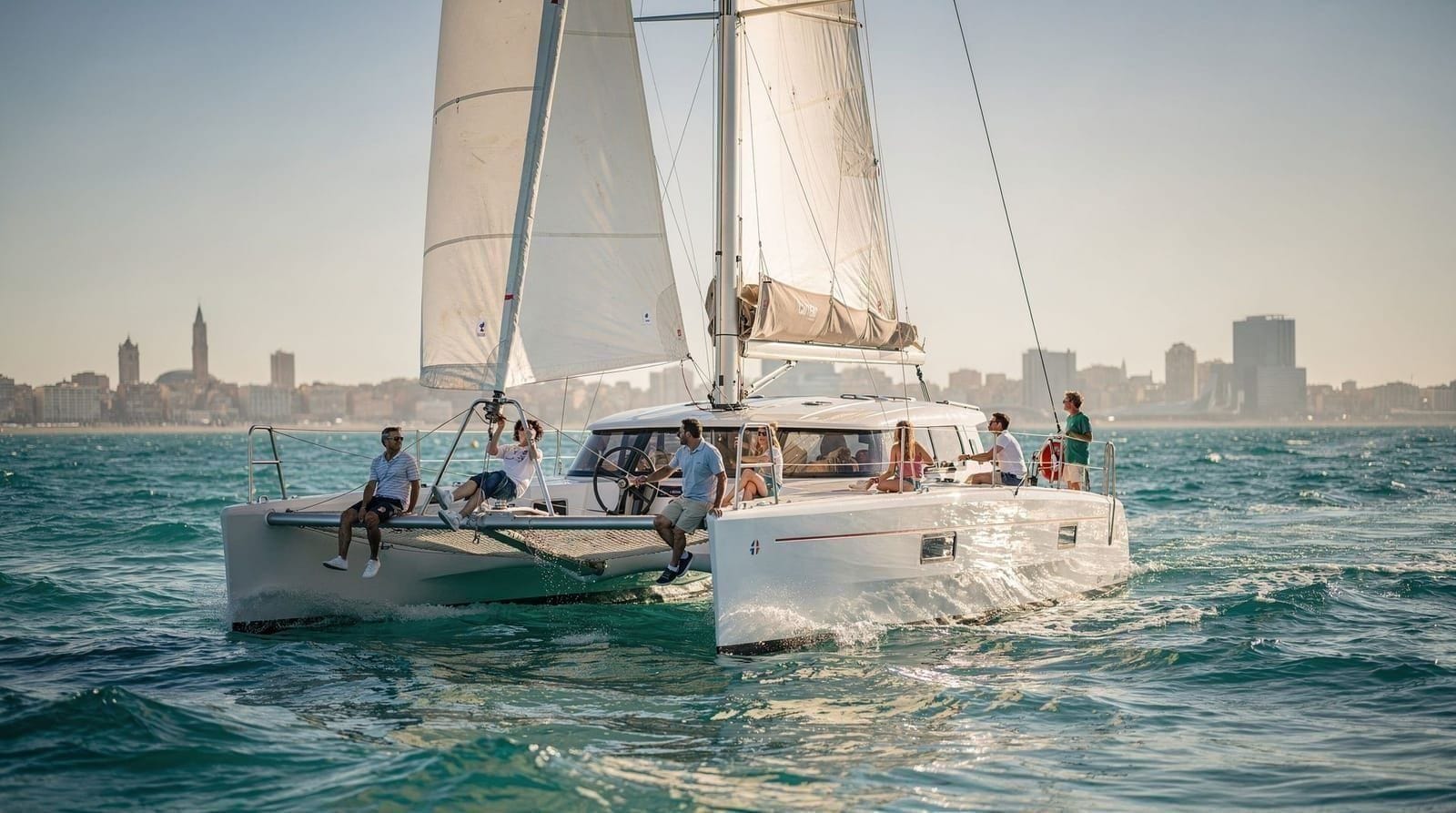
If you want a gentler way to see the lagoon, a boat ride on the Albufera at sunset with paella makes a pleasant second outing on another day, and it pairs naturally with the rice theme of this coast. The Albufera sunset boat guide and the Albufera natural park guide explain what the lagoon offers.
The organised tour above combines Cullera with a sunset boat ride on the Albufera — this is the most efficient way to see both in one day without a car. Alternatively, if driving, Cullera and the Albufera are 25 km apart; a morning at Cullera castle and beach, then an afternoon Albufera boat tour, is a viable full day. See the Albufera day trip guide for boat timing.
For beach comparisons across the Valencia coast, see the Cullera beaches guide and the best beaches near Valencia overview. For Gandia, the next coastal town south, the train journey continues on the same C1 line.
Practical information
- Train: Valencia Nord → Cullera (C1 line), ~50 min, ~€3.60 each way
- Beach season: June–September for comfortable swimming
- Castle hours: Daily 10:00–14:00 and 17:00–20:00 (summer); reduced in winter
- Tourist office: Plaza de Constitución (near the river bridge) — maps and tide/event information
- Parasol rental: ~€8–10/day (beach service season June–September)
- Taxis: Available from station rank; €4–5 to castle base
Cullera compared with Gandia and the Albufera
| Destination | Distance | Best for | Getting there |
|---|---|---|---|
| Cullera | 40 km | Castle + beach combination | C1 train, ~50 min |
| Gandia | 65 km | Longer beach, Borgia palace | Continue on C1, ~30 min more |
| Albufera / El Palmar | 25 km (from Cullera) | Boat ride, paella | Bus or car |
If you have a full day and want to see two coastal towns, continue south on the same C1 line to Gandia for a longer beach and the Borgia family’s palace. If food and nature interest you more than a second beach, the Albufera is a short hop inland from Cullera and pairs naturally with the castle visit in the morning. See the Cullera day trip guide for a full combined itinerary.
For a longer coastal outing, the Gandia day trip guide shows how to continue along the same line, and the itinerary combining beaches and the city helps you balance sand days with sightseeing in Valencia itself.
Water sports and other activities
Beyond swimming, Cullera’s beaches and the Júcar estuary support a modest range of water activities in summer — paddleboard and kayak rental near the main beach, and jet-ski hire through operators based in the port area. None require advance booking outside peak August weekends. For broader options across the Valencia coast, including operators closer to the city, see the kayak and paddle guide and the jet ski guide.
Frequently asked questions about Cullera
Is Cullera better than Valencia’s city beaches?
Different rather than better. Cullera’s beaches are wider, slightly less crowded in mid-summer, and come with a castle and lighthouse added. Valencia’s beaches (Malvarrosa, Patacona) are more convenient and better connected to the city’s restaurant and nightlife scene. For a day trip specifically, Cullera offers more variety.
Can I visit Cullera without a car?
Easily — the C1 train from Valencia takes 50 minutes and runs hourly. From the station, the main beach is a 10-minute walk, the castle 20 minutes. The tourist train in summer connects main areas (check the Cullera tourism office for fares). No car needed for a standard day trip.
Is the castle worth visiting in Cullera?
Yes, for the views more than the museum. The castle museum is modest, but the viewpoint is one of the better coastal panoramas on this stretch of coast. If you’re visiting in summer, the castle is best before 11:00 — it’s exposed and hot in the afternoon.
How far is Cullera from Gandia?
Approximately 27 km south. If driving or taking the train (continue on C1), you could combine both in a day — Cullera castle in the morning, then Gandia’s Borgia palace and beach in the afternoon. The train journey between them is about 25 minutes.
Is there anything to do in Cullera at night?
Limited by Valencia standards. Cullera has a modest bar scene along the main beach promenade in summer, family-focused rather than nightclub-oriented. For evening entertainment, most visitors return to Valencia. The exception is if performances are running at the castle — occasional summer concerts use the castle as a venue.
Are there good paella options in Cullera?
Yes — the Júcar delta rice tradition means local restaurants genuinely understand rice cooking. Look for arrós al forn or arròs a banda (rice cooked in fish stock, fish served separately) rather than tourist-facing “paella for two” dishes. Budget €18–25 for a proper rice dish at a non-beach-front restaurant.
Top experiences
Bookable activities with verified prices and instant confirmation on GetYourGuide.