Cullera beaches: castle views, calm lagoon, and day-trip guide
Valencia: Cullera history, beach and the Valencian Albufera tour
Is Cullera a good day trip from Valencia?
Yes — one of the best. The Cercanías C1 train from Estació del Nord takes 50 minutes and costs around €4 each way. Cullera has a proper sandy beach, a medieval castle on a headland, a calm family lagoon (Estany de Cullera), and several distinct beach sections. A full day is enough to cover beach, castle, and a seafood lunch.
Cullera is 50 km south of Valencia — close enough for a relaxed day trip, far enough that the crowds are distinctly thinner than Malvarrosa. The town is built on a dramatic headland crowned by a castle, with the Júcar River mouth on one side and open Mediterranean beach on the other. The geography creates several distinct beach environments within a small area: the long sandy main beach, a sheltered river-mouth strip, and the Estany de Cullera, a coastal lagoon so calm that families with toddlers use it as a natural swimming pool. For an overview of how Cullera fits among Valencia’s other coastal day trips, see the best beaches near Valencia guide.
| Where | Cullera, 50 km south of Valencia |
| Cost | around €4 each way by train, castle entry price on the Cullera tourism site |
| Time needed | a full day; longer for an overnight |
| Getting there | Cercanías C1 train, 50-55 min from Estació del Nord |
| Best time | June and September for fewer crowds, warm water |
Getting to Cullera from Valencia
By train
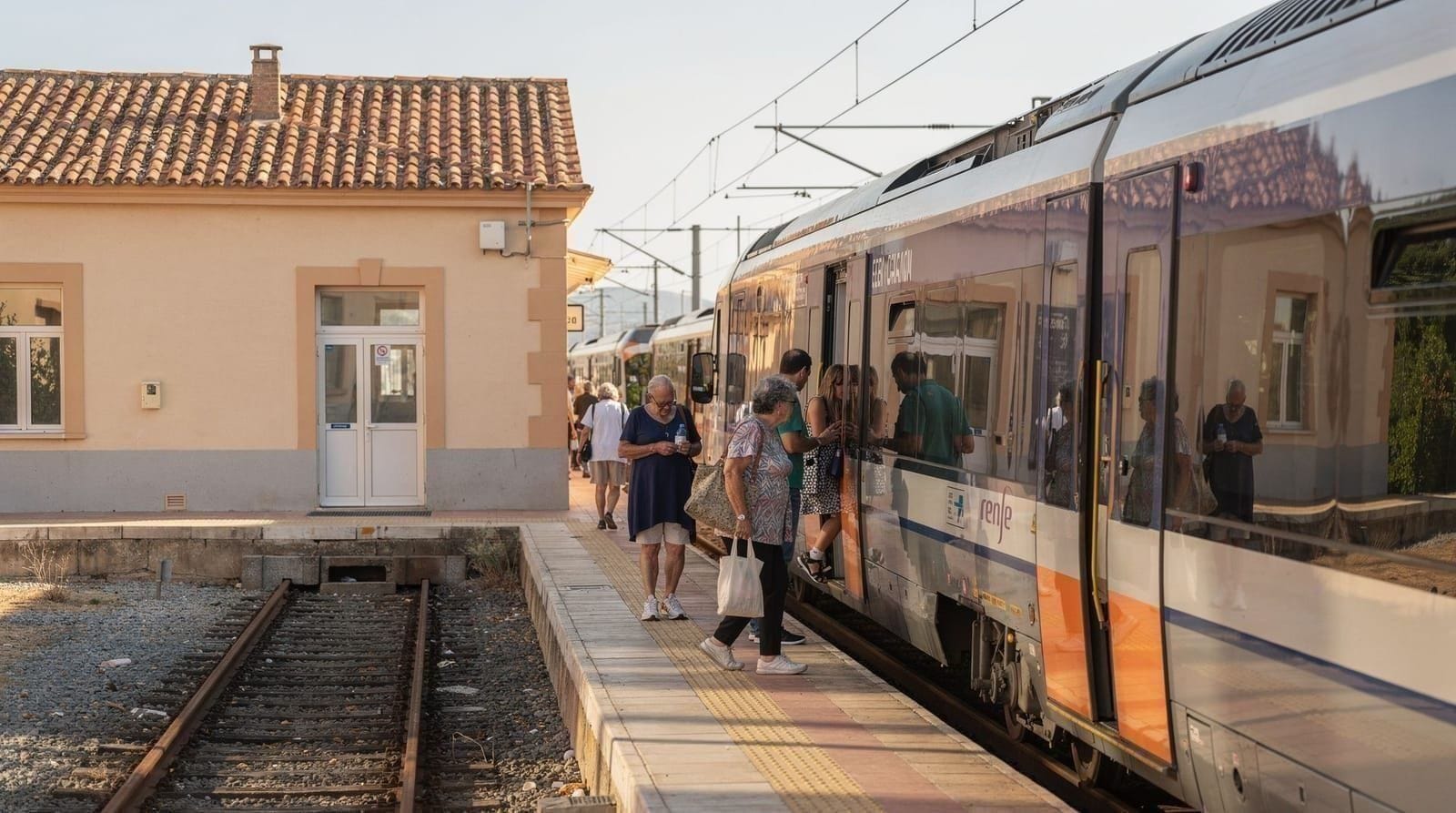
The Cercanías C1 line from Valencia Estació del Nord to Cullera takes 50–55 minutes and runs approximately every 30 minutes during the day. Tickets cost approximately €3.60–€4.20 each way depending on the fare zone and card used.
At Cullera station, the beach is a 20-minute walk east (about 1.5 km), or there are local buses and taxis. The walk is straightforward but in summer heat a bus or taxi is practical. Taxis from the station to the main beach cost approximately €5–7.
This is the recommended option for visitors without a car — the train is comfortable, frequent, and drops you 20 minutes from the beach. The day trips by train guide has full logistics for train-based Valencia excursions.
By car
The fastest route is the AP-7 motorway south or the N-332 coastal road (slower through towns). AP-7: approximately 45–50 minutes. N-332: approximately 70 minutes. Parking at Cullera beach is more manageable than at El Saler — the town has paid car parks near the beachfront.
By guided tour
A guided tour that includes Cullera’s history, beach time, and an Albufera boat return is an efficient option if you want the context without self-navigation:
 Cullera history, beach and the Valencian Albufera tourCheck availability
The beaches
Platja de Cullera (main beach)
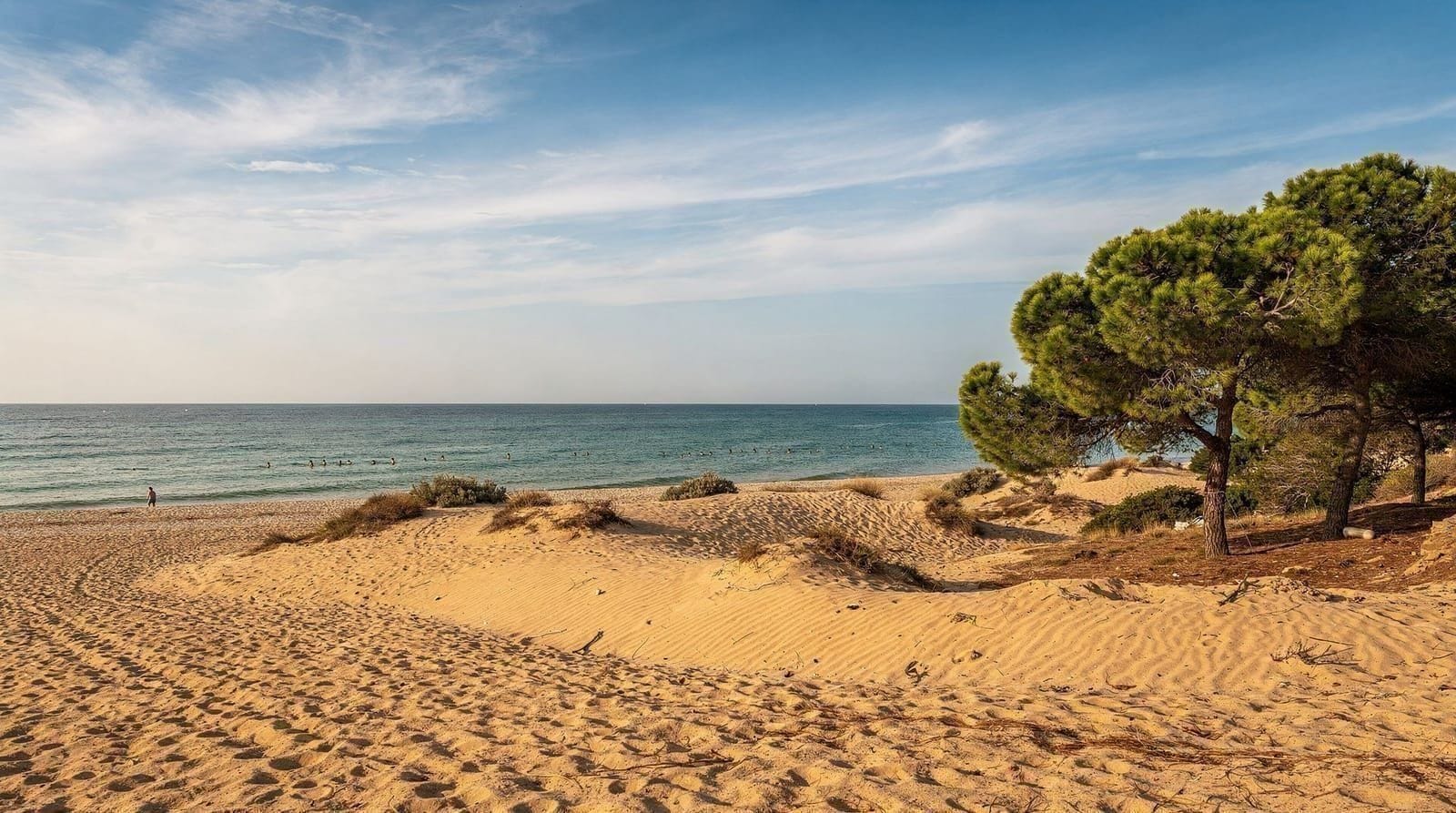
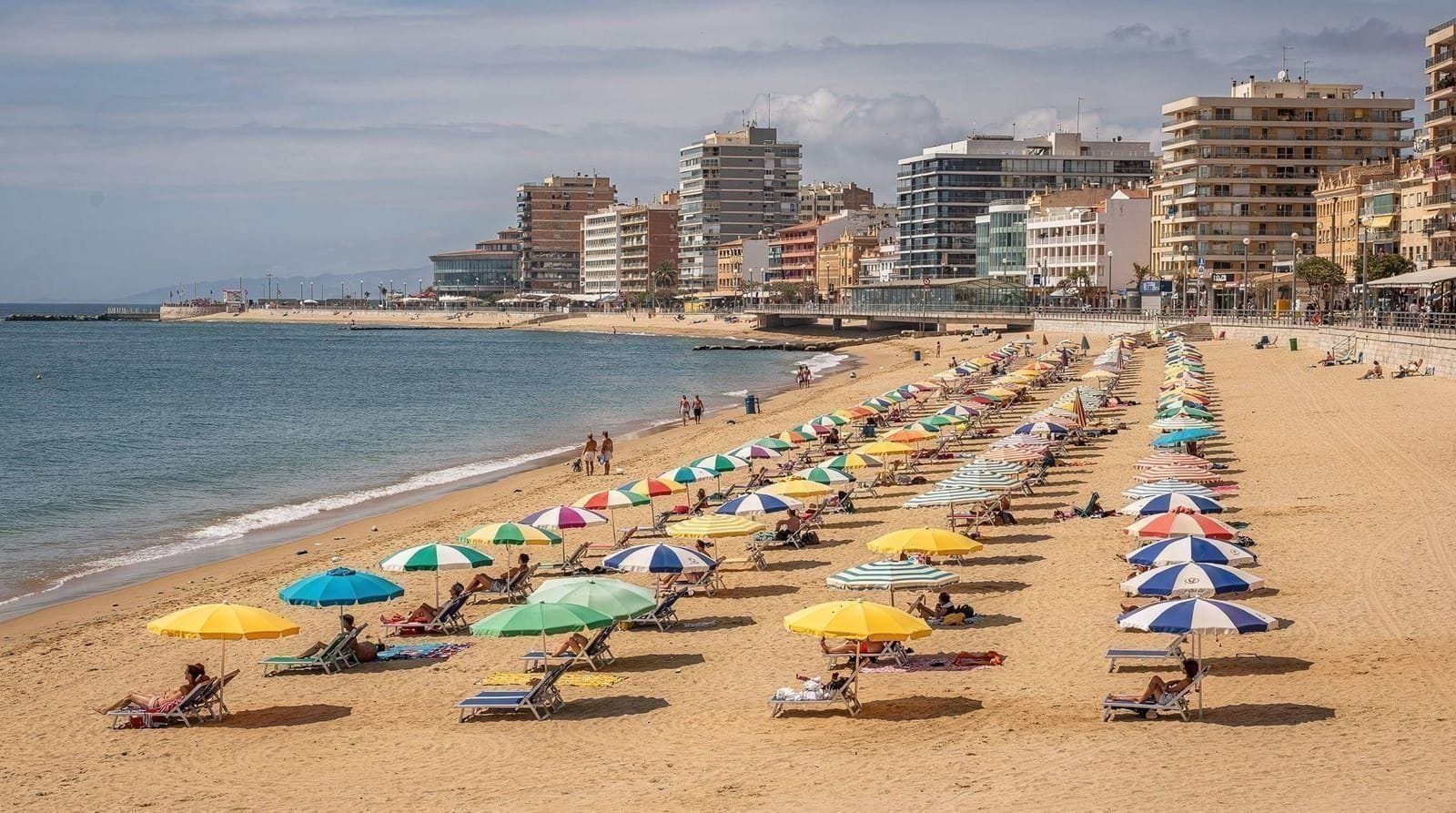
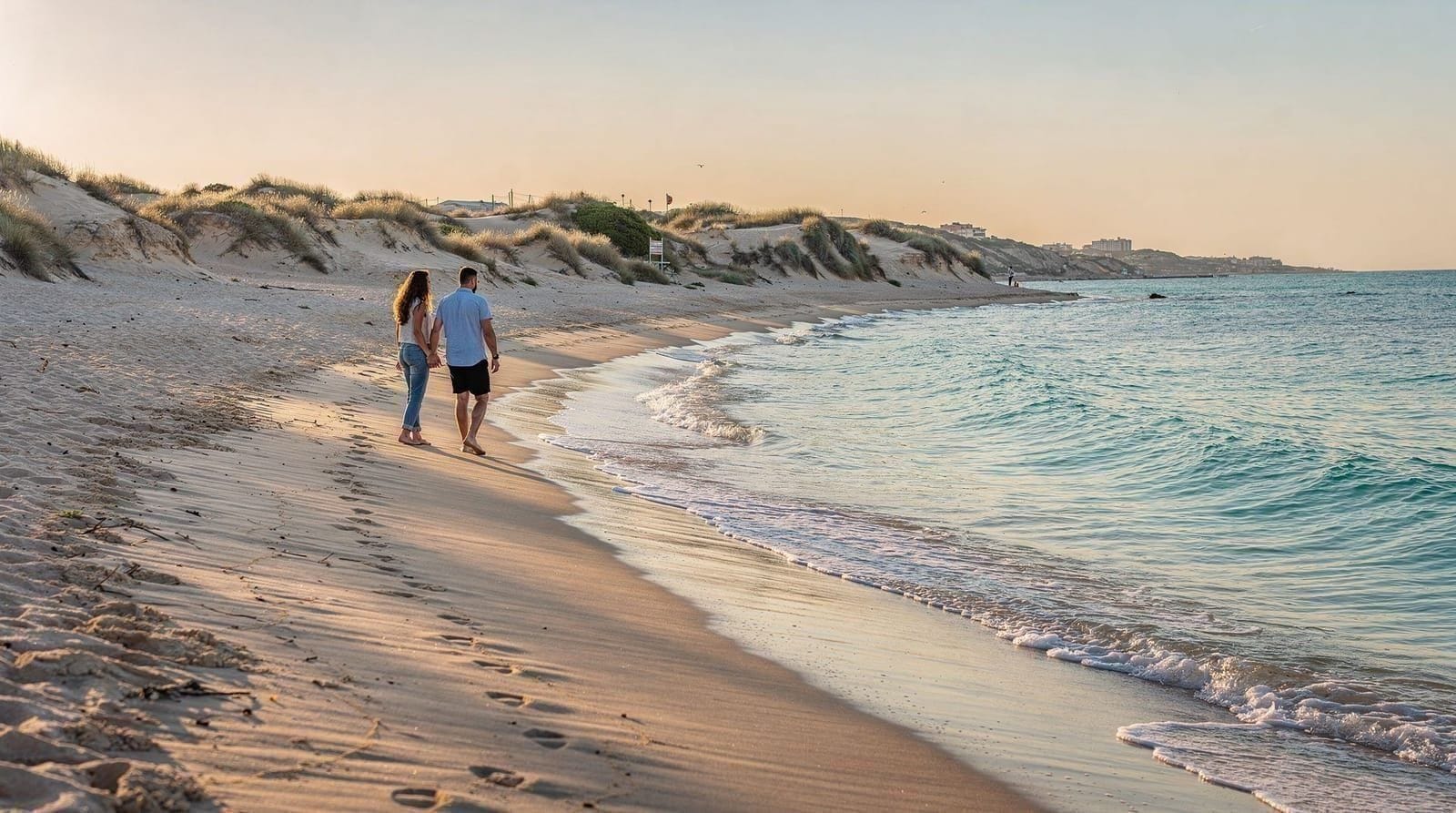
The main beach runs 3.5 km south from the river mouth along a continuous sandy strip. Width varies from 40–80 metres. The sand is pale and fine; the water is calm and clear. This is a properly maintained resort beach with the infrastructure to match: sunbed concessions, showers, beach bars, accessible facilities, and summer lifeguards.
The northern section near the river mouth is calmer and more family-oriented. The southern section is larger and slightly more exposed. Both sections are Blue Flag certified.
Compared to Gandia beach (another day-trip option): Cullera’s main beach is shorter but the overall setting — castle above, headland view, river mouth — is more visually interesting.
Cullera vs other Valencia beach day trips
| Destination | Distance | Standout feature | Best for |
|---|---|---|---|
| Cullera | 50 km, 50 min by train | Castle, lagoon, river mouth | Variety in one day |
| Gandia | 70 km, ~1h by train | Longer main beach, more nightlife | A proper resort beach day |
| Quiet beaches options | Varies | Fewer crowds, less infrastructure | Avoiding peak-season density |
| El Saler | 15 km, short drive | Closest to the city, dunes | A shorter half-day trip |
Platja del Terretet
The most scenic small beach at Cullera: a sheltered cove with a cliff backdrop at the base of the castle headland. Narrow (20–30 metres wide) and smaller than the main beach, it is reachable by foot from the town or by a short path from the castle area. It gets direct sun until early afternoon due to the cliff orientation.
The water here is calmer than the open main beach and the setting is the most photogenic in Cullera. Arrive before 11:00 on summer weekends — it fills quickly due to limited space.
Estany de Cullera (coastal lagoon)
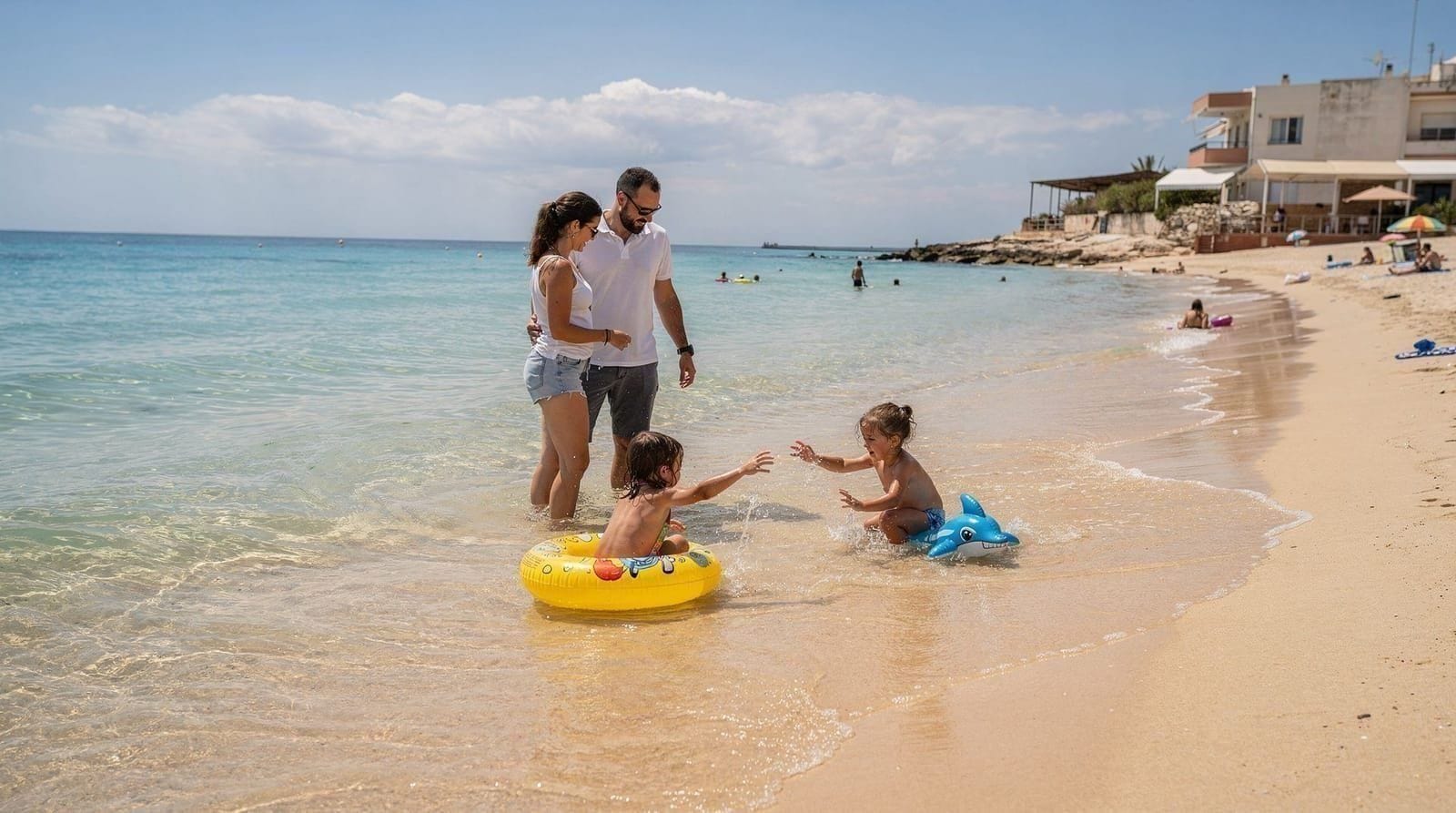
The Estany (lagoon) is the feature that most day-trip resources omit. It is a narrow coastal lagoon separated from the sea by a sand bar, with water that is calm, shallow, and warm — reaching 30 °C in August due to its shallow depth and enclosed nature. It is the most family-friendly swimming environment in the Cullera area, particularly for children under 5 who can stand in waist-deep water anywhere in the lagoon — see the family beaches near Valencia guide for how it compares to other kid-friendly options.
The Estany is accessed from the northern end of the town, off the road toward the lighthouse. Facilities are basic but the environment is excellent.
Northern beaches (south of town)
South of the main Platja de Cullera, several smaller sections continue along the coast — Platja del Dosser, Platja del Marenyet. These are progressively less developed and quieter. No public transport reaches them directly; a bicycle or car is needed.
The castle and town
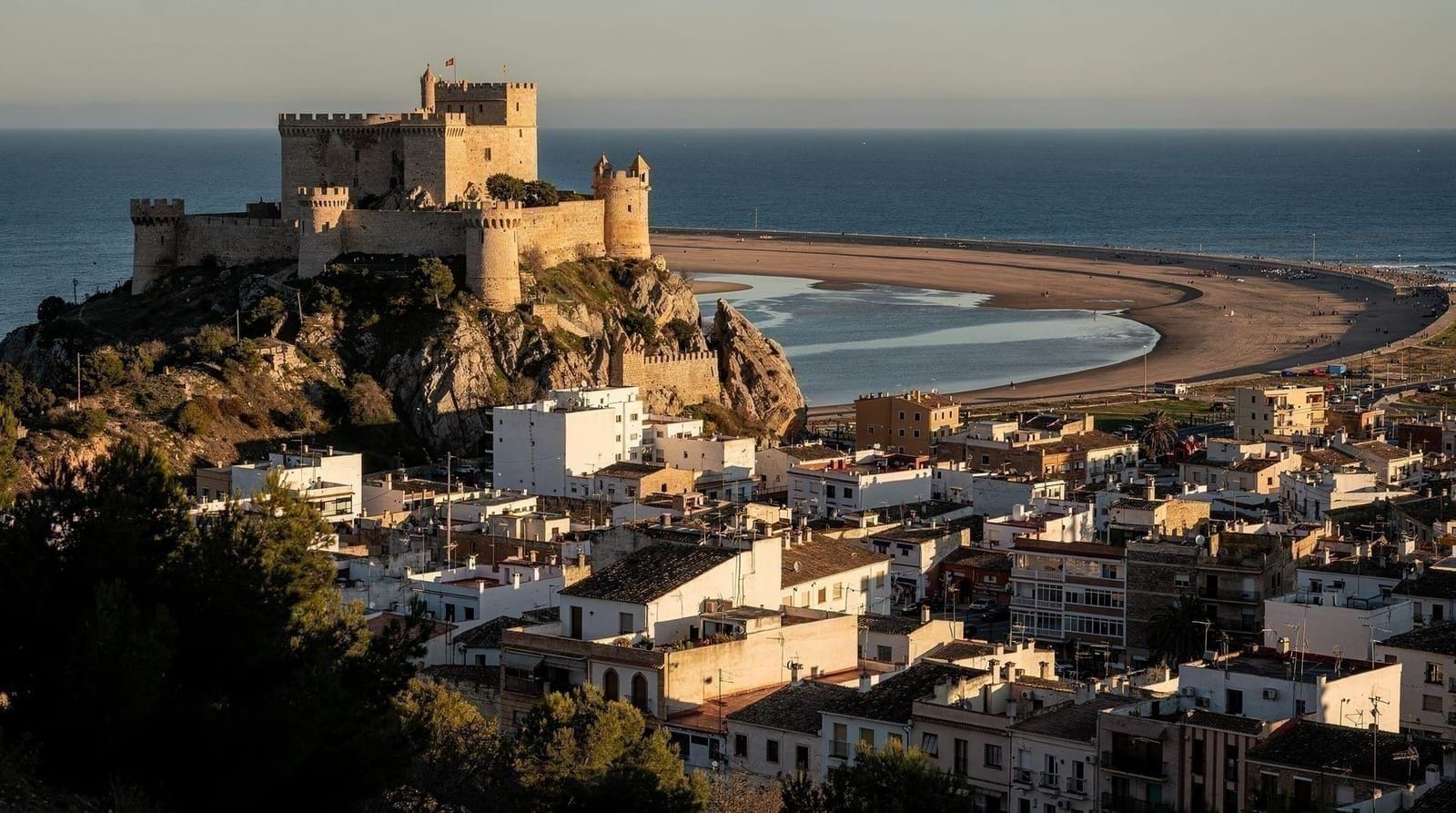
Cullera Castle (Castell de Cullera) is the dominant feature visible from the beach and from the train as it approaches the town. The fortress dates to the Moorish period and was rebuilt and extended through Christian control. Today it functions as a museum with exhibits on Cullera’s history from prehistoric times through the medieval period.
The castle is a 20–30 minute walk uphill from the beach, or accessible by a small tourist train that runs in summer from the beach area. Check the Cullera tourism office for current opening hours and the entry price. The views from the castle over the beach, river mouth, Albufera lake to the north, and open sea to the south are the best reason to visit.
The town of Cullera itself is pleasant but unremarkable — a working Valencian coastal town rather than a tourist showcase. The streets near the fishing port have several honest seafood restaurants at competitive prices. Order the fresh catch rather than anything described as “paella” on a tourist menu.
Seafood and eating in Cullera
Cullera’s fishing heritage gives it a legitimate claim to good seafood. The town is positioned at the Júcar River mouth, which historically supported eel and freshwater fish alongside saltwater species. Several restaurants near the port serve:
All i pebre de Cullera — a version of the Albufera eel dish prepared slightly differently here than at El Palmar, with the eel from the Júcar rather than the lagoon. A local specialty worth trying if you eat eel.
Fresh fish à la plancha — grilled fresh fish with olive oil and garlic. Ask what was caught that morning. A full plate costs €12–18 at non-tourist-facing establishments.
Arrós a banda — rice cooked in fish stock served as a first course. Different from paella in that the fish stock is the primary flavour; it is a Valencian coastal rice dish in its own right.
Tourist trap warning at Cullera: the restaurants immediately at the beach have adopted the same tourist-menu pattern as Valencia’s seafront — fixed-price menus at €15–20 with frozen paella. The port-area restaurants 10–15 minutes inland from the beach are consistently better value.
A practical day itinerary from Valencia
By train (no car):
- 09:15 — Cercanías C1 from Estació del Nord
- 10:10 — Arrive Cullera. Taxi/bus to beach.
- 10:30–13:00 — Beach (choose Platja del Terretet early for the cove, or Estany if family)
- 13:00–14:00 — Walk to castle (or tourist train in summer)
- 14:00–15:30 — Lunch near the port
- 16:00–17:30 — Return beach or explore town
- 17:45 — Train back to Valencia (~18:35 arrival)
This uses the full day without rushed timing.
Guided tour option that includes beach, history narration, and an Albufera boat segment:
Cullera history, beach and the Valencian Albufera tourCheck availability
What to know before you go
Best season: June–September for swimming. Cullera is a genuine resort town — some restaurants close October–May. Worth checking in advance for early/late season visits.
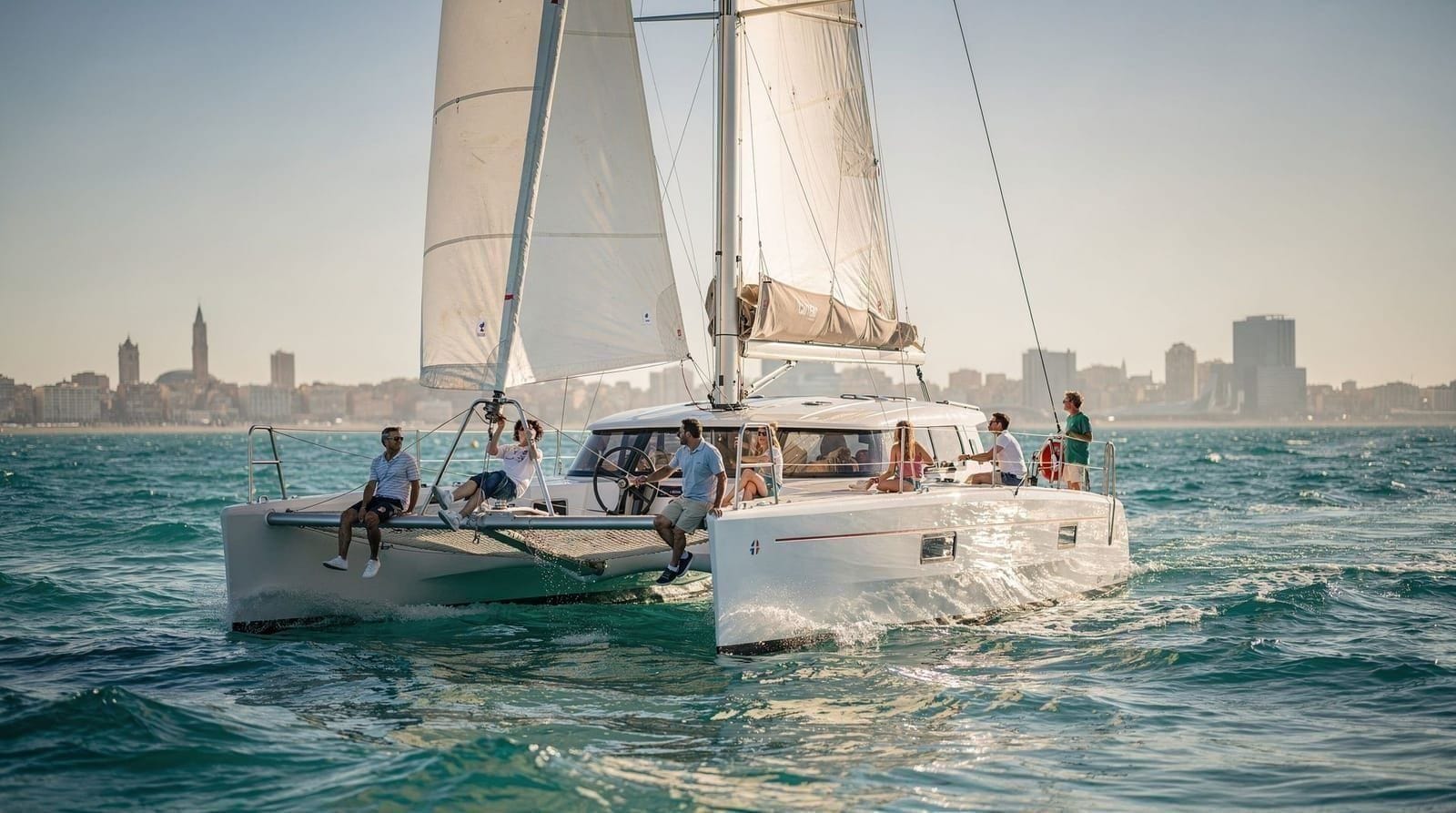
Water sports: Cullera has paddle surf rentals on the main beach in season. Windsurfing and kitesurfing at the southern end of the beach where conditions allow. For a different way to see the coastline, a sunset catamaran sail out of Valencia is a good add-on for the evening after a Cullera day trip:
Valencia sunset catamaran sailCullera with kids: the Estany lagoon is the standout feature for families — shallow, warm, and free of waves or currents, it works for toddlers in a way the open main beach does not. The castle walk is manageable for children old enough to handle 20 minutes of uphill walking, and the museum inside is short enough not to test anyone’s patience. Combine an Estany morning with a castle visit in the late afternoon once the heat softens, and save the main beach’s sunbeds for whichever half of the day is left.
Accommodation: If extending to an overnight, Cullera has budget to mid-range hotels near the beach. Off-season prices drop substantially (June vs August: often 40–50% lower).
Crowds: Manageable compared to Valencia’s own beaches. The main beach absorbs July–August visitors without the density of Malvarrosa. August weekends are the peak; weekdays are comfortable throughout summer.
Frequently asked questions about Cullera beaches
Is Cullera beach better than Gandia?
Different strengths. Cullera has the castle, more beach variety (cove, lagoon, main beach), and a less resort-dense atmosphere. Gandia has a longer main beach (6 km vs 3.5 km), more beach infrastructure, and better nightlife. Families with young children often prefer Cullera for the Estany. Visitors wanting a proper resort beach prefer Gandia.
Can I visit both Cullera and Gandia in one day?
Not comfortably. They are 20 km apart and each deserves at least 4–5 hours. Choose one.
What is the best beach section at Cullera?
Platja del Terretet is most scenic (small, cliff-backed cove). The Estany is best for young families. The main beach is best for full-service sunbed-and-swim experience. The answer depends on your priority.
Is Cullera castle worth visiting?
Yes, especially for the views. The museum inside is informative without being lengthy — allow 45 minutes inside and 15 minutes on the terrace for views. The walk up (20 min from the beach) doubles as exercise and offers successive viewpoints over the coastline.
How do I get from Cullera station to the beach?
Walk (1.5 km, about 20 min). Local bus in season (check with the driver — routes vary). Taxi (€5–7). In summer, a tourist train sometimes runs from the station area to the beach. The tourist office near the seafront has current information.
Is Cullera good for a family with young kids?
Yes, largely because of the Estany lagoon, which offers shallow, calm, warm water without the waves or currents of the open beach. Combine it with a gentle castle visit and Cullera works well as a family day trip — see the family beaches near Valencia guide for how it stacks up against other kid-friendly options.
Cullera as a day trip vs. an overnight
Most Valencia visitors treat Cullera as a day trip. The train connection makes this sensible. However, Cullera also rewards an overnight stay for several reasons:
Morning light on the castle: The castle’s south-facing aspect means the best photography light is morning. Arriving the previous evening and walking up to the castle at 09:00 gives you the best version of the view.
Fewer restaurant crowds: Cullera’s seafood restaurants have fixed lunch sittings (13:00–15:30) that fill on summer weekends. Arriving the previous evening lets you have dinner at the port restaurants (less crowded than lunch) and book lunch for the following day.
Evening Albufera: The Albufera lagoon is 10 km north of Cullera. An evening boat ride from El Palmar combined with Cullera beach creates one of the best two-day Valencia itineraries possible.
Accommodation: Cullera has budget to mid-range hotels near the beach at rates significantly lower than Valencia city equivalents. Off-season discounts are substantial.
The Albufera from Cullera
From Cullera, the Albufera lagoon is approximately 10 km north via the N-332 coastal road. The tour that combines Cullera’s history, the beach, and an Albufera boat ride:
Cullera history, beach and the Valencian Albufera tourCheck availability
This is the most efficient format for visitors who want to see both Cullera and the Albufera in a single day from Valencia. The tour handles transport and timing, combining the Cullera castle/history context with the lagoon boat experience and a paella lunch.
Alternatively, if you have a car, the combination of Cullera beach in the morning and El Palmar in the afternoon (continuing north on the N-332) covers both in a natural sequence.
Cullera’s Júcar River mouth
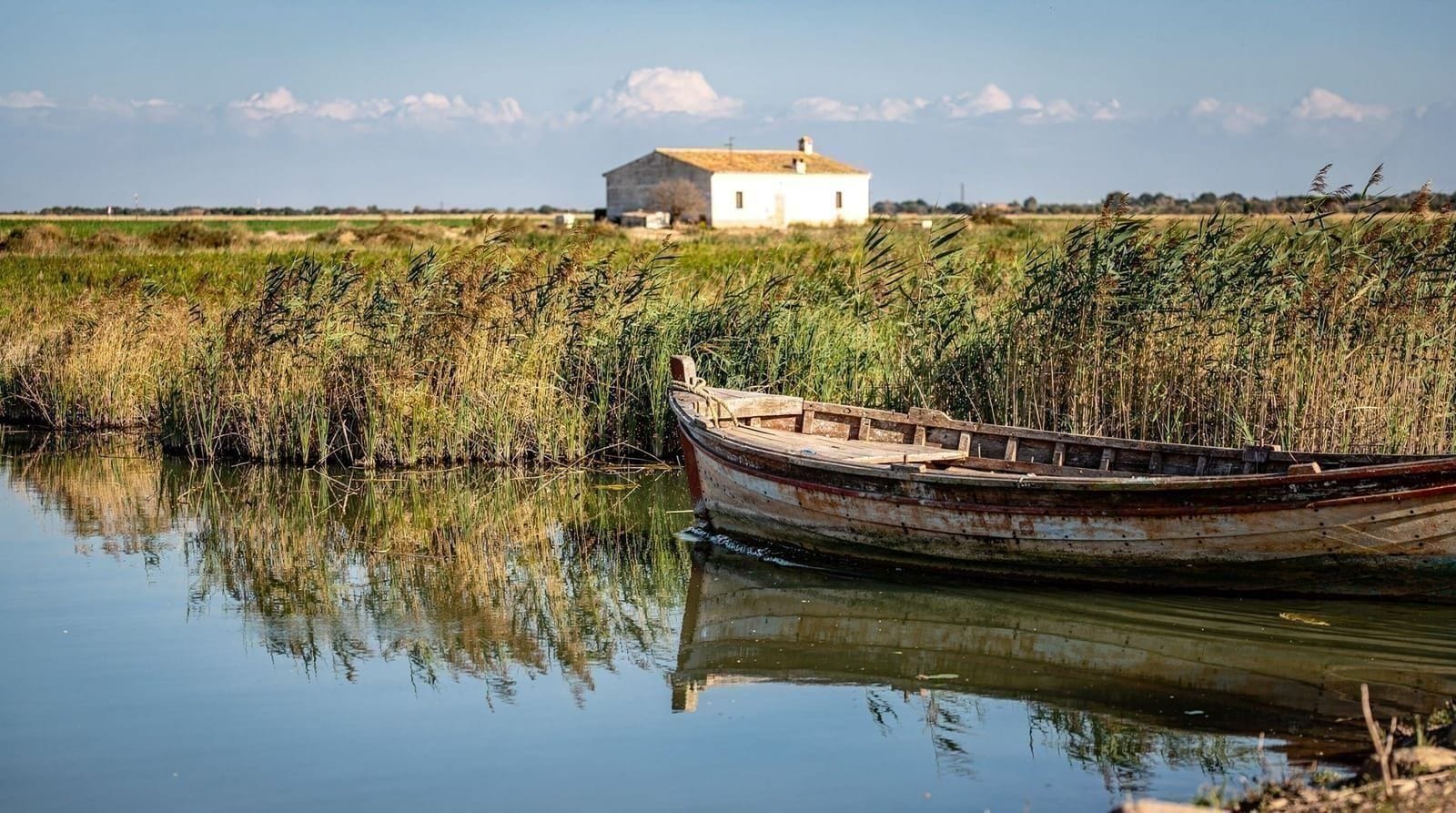
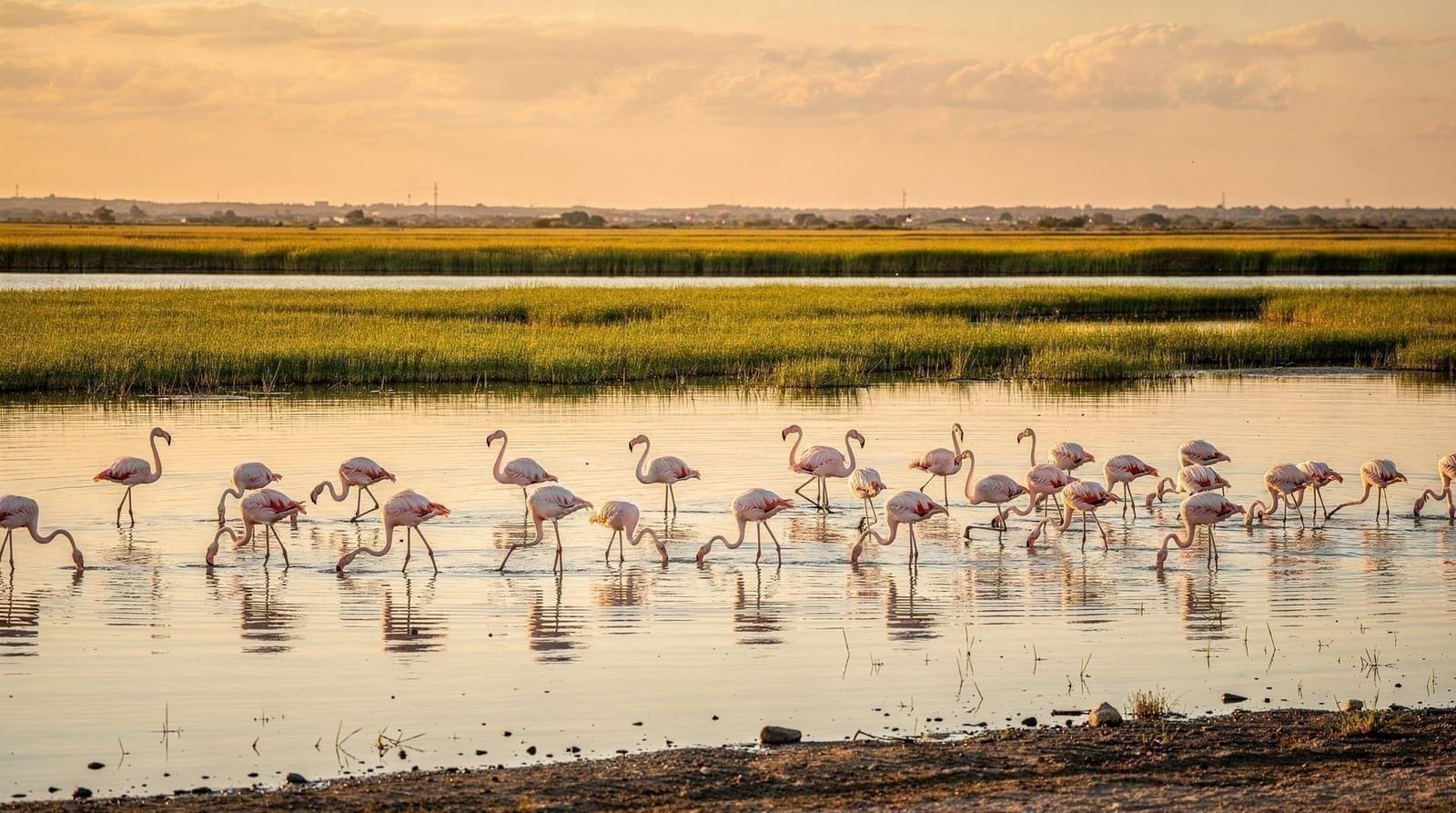
The Río Júcar meets the sea at Cullera, creating a river mouth environment that is different from the open sandy beach. The river mouth area on the north side of the beach strip has calmer water due to the riverine current meeting the sea, and a distinct ecosystem: reed beds, migrant birds, and the kind of visual interest that straight sandy beaches lack.
Walking north from the main beach to the river mouth takes about 20 minutes. The fishing boats that work the Júcar for freshwater species and the eel harvest are often visible. The restaurant area near the river mouth specialises in freshwater fish and Albufera-adjacent cuisine alongside the standard Mediterranean seafood.
Camping near Cullera
Cullera has established camping grounds that draw Spanish and Northern European families in summer. Camping Cullera Beach (on the main beach road) is the largest, offering bungalows and pitches. For visitors who want a multi-day base for exploring the southern Valencia coast, Cullera camping is significantly cheaper than Valencia city accommodation.
A camping base at Cullera also works well for visitors planning a broader south-coast trip that folds in beaches and city time — using Cullera as a low-cost anchor point while day-tripping to Gandia or the Albufera by car is cheaper over three or four nights than moving hotels each night.
Water conditions comparison: Cullera vs. Valencia beaches
Cullera’s main beach is more exposed to southerly swell than the urban Valencia beaches (which benefit from the port breakwater). This typically means:
- Calm days: Little difference in swimming experience
- Southerly weather systems: Cullera may have 0.5–1 m swell when Malvarrosa is flat
- Northerly wind (Tramontane): Both beaches are similar
The Estany de Cullera lagoon is completely protected from all marine conditions — it is the calmest swimming option regardless of sea state, which is worth knowing if you are planning around a forecast rather than fixed dates.
Seasonal notes for Cullera
June: Best combination of manageable crowds and good swimming. The castle is less crowded than in July–August. Water reaches comfortable temperature (20–22 °C) from mid-month.
July–August: Peak season. The main beach is busy but has sufficient capacity. The castle sees the longest queues. Book castle entry and restaurant tables in advance.
September: Arguably the best month. Water 23–24 °C, crowds half of August levels, restaurants less stretched. The town returns to something more like its normal pace.
October–May: Most beach services closed. The castle is open with reduced hours (check current schedule). Walking the coastline and visiting the Estany in autumn is genuinely peaceful.
Top experiences
Bookable activities with verified prices and instant confirmation on GetYourGuide.