Best beaches near Valencia: ranked and honestly reviewed
Valencia: paella and beach tour by e-bike
What is the best beach near Valencia?
It depends on what you want. Malvarrosa is the most accessible (20 min by metro). El Saler and La Devesa are the best natural beaches (15 km south, car or bus 25). Cullera has the most variety at distance (50 km, 1h by train). For families, El Saler or Patacona. For complete quiet, La Devesa or the southern Gandia beaches.
Valencia sits on a coastline that most visitors underestimate. The city’s own beaches — Malvarrosa, Cabanyal, Patacona — are the obvious starting point, and they are better than their urban reputation suggests. But the real range begins once you look 15 km south to the Albufera’s dune forests, or 50 km to Cullera, or 65 km to Gandia. This guide ranks the accessible beaches honestly, with specific notes on who each suits and what the tourist-facing promotion tends to leave out.
| Closest option | Malvarrosa, around 20 min by metro |
| Most natural | El Saler / La Devesa, around 15-20 km south |
| Best day-trip by train | Cullera, around 50 min, Cercanías C1 |
| Swim season | Roughly June to early October |
| Peak crowding | August, especially weekends |
Urban beaches (0–5 km from city centre)
1. Malvarrosa beach
Best for: First-time visitors, urban convenience, atmosphere. Getting there: Metro 4/6 to Eugenia Viñes (20 min from centre, €1.50–€2.20). Distance: 4.5 km from the Cathedral.
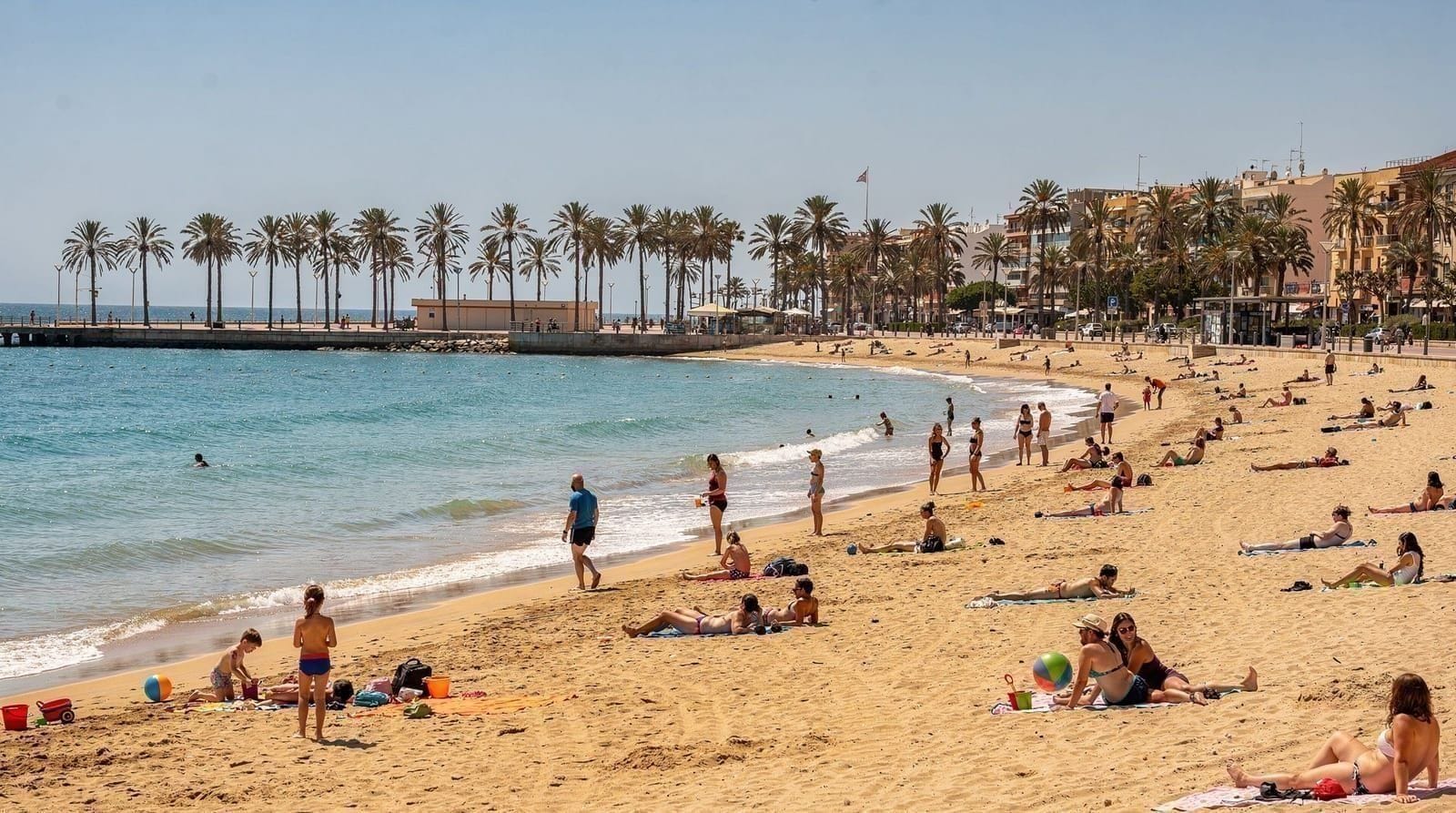
The most visited beach in Valencia for good reason: wide, clean (Blue Flag most years), 1.8 km long, and reachable by metro without a car. The beachfront Paseo de Neptuno has restaurants and services. The negatives are also real: on August weekends the beach holds 80,000 people, the promenade restaurants charge tourist prices, and the noise from the seafront road is constant.
Best visits: weekday mornings in June or September. Full guide: Malvarrosa beach.
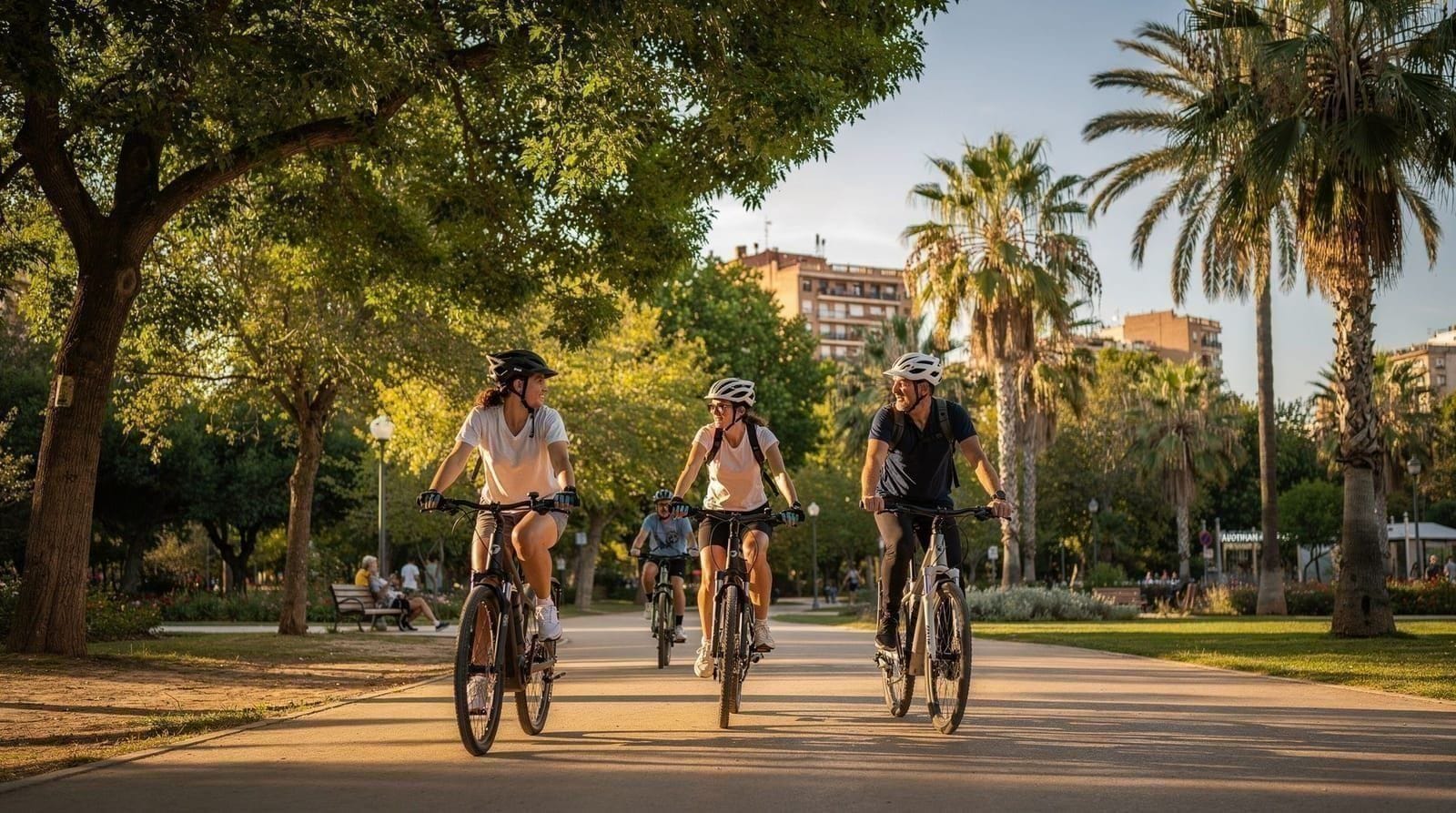 paella and beach tour by e-bikeCheck availability
2. Patacona beach
Best for: Paddle surfing, volleyball, local atmosphere slightly removed from tourist strip. Getting there: Metro to Eugenia Viñes, then 15-min walk north. Distance: ~5.5 km from centre.
Patacona is the first beach that local Valencians mention when Malvarrosa fills up. The volleyball courts, a reliable SUP operator, and the Alboraia restaurant cluster make it a solid all-round choice. Still urban, but noticeably less crowded on the same August weekend that fills Malvarrosa to capacity.
Full guide: Patacona beach.
3. Cabanyal beach
Best for: Combining beach with neighbourhood exploration. Getting there: Metro 4/6 to Marítim-Serreria or Neptú. Distance: ~4 km from centre.
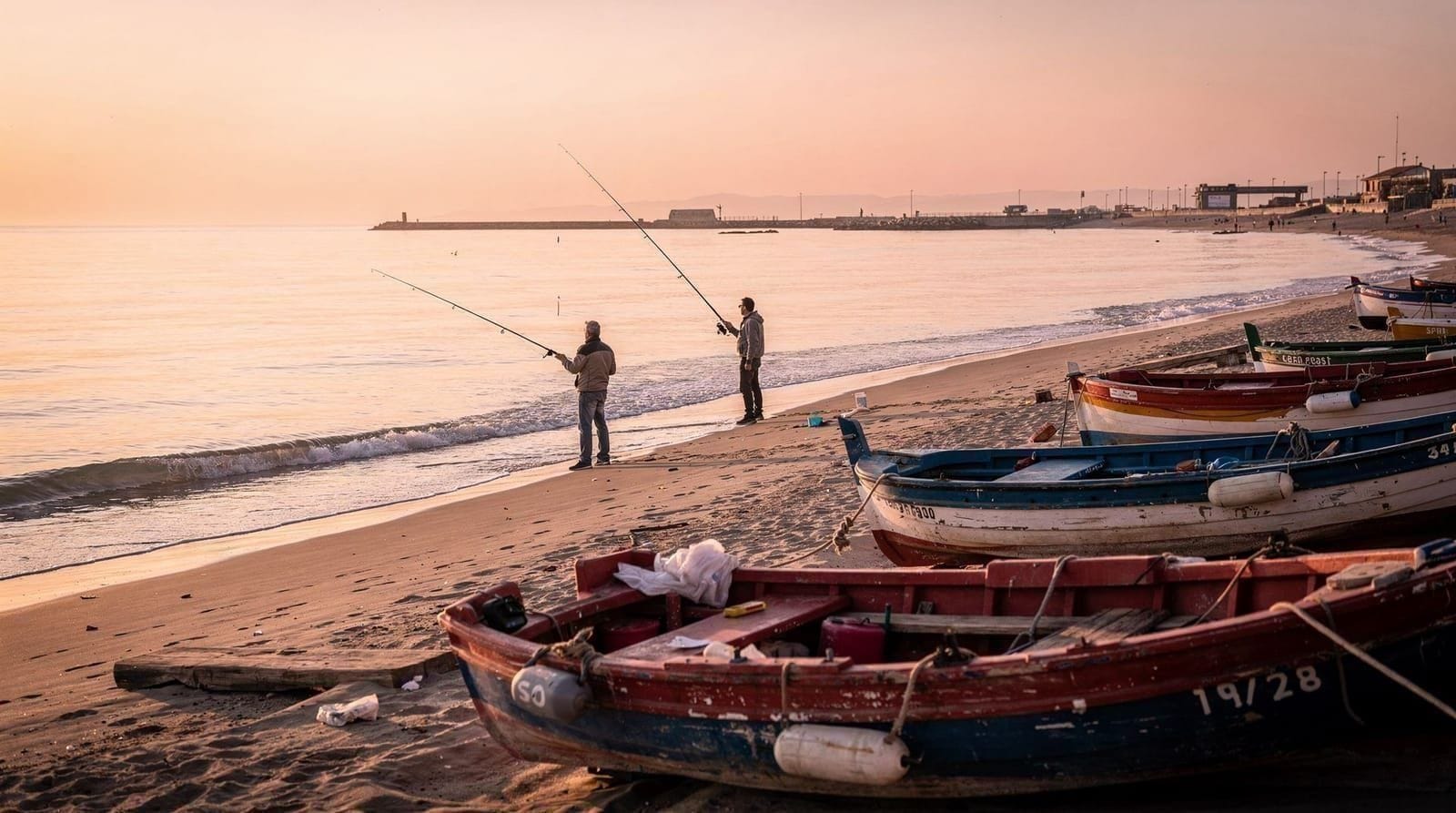
The beach in front of El Cabanyal is the same sand as Malvarrosa but backed by a genuinely interesting neighbourhood of tiled facades, street art, and a working-class fishing history. The beach itself is unremarkable; the 30-minute neighbourhood walk before or after is the reason to choose this access point over others.
Full guide: Cabanyal beach.
Natural park beaches (15–25 km from city centre)
4. El Saler beach
Best for: Natural setting, pine shade, combining with Albufera. Getting there: Bus 25 from Alfahuir (35 min), or car via CV-500 (20 min). Distance: 15 km south.
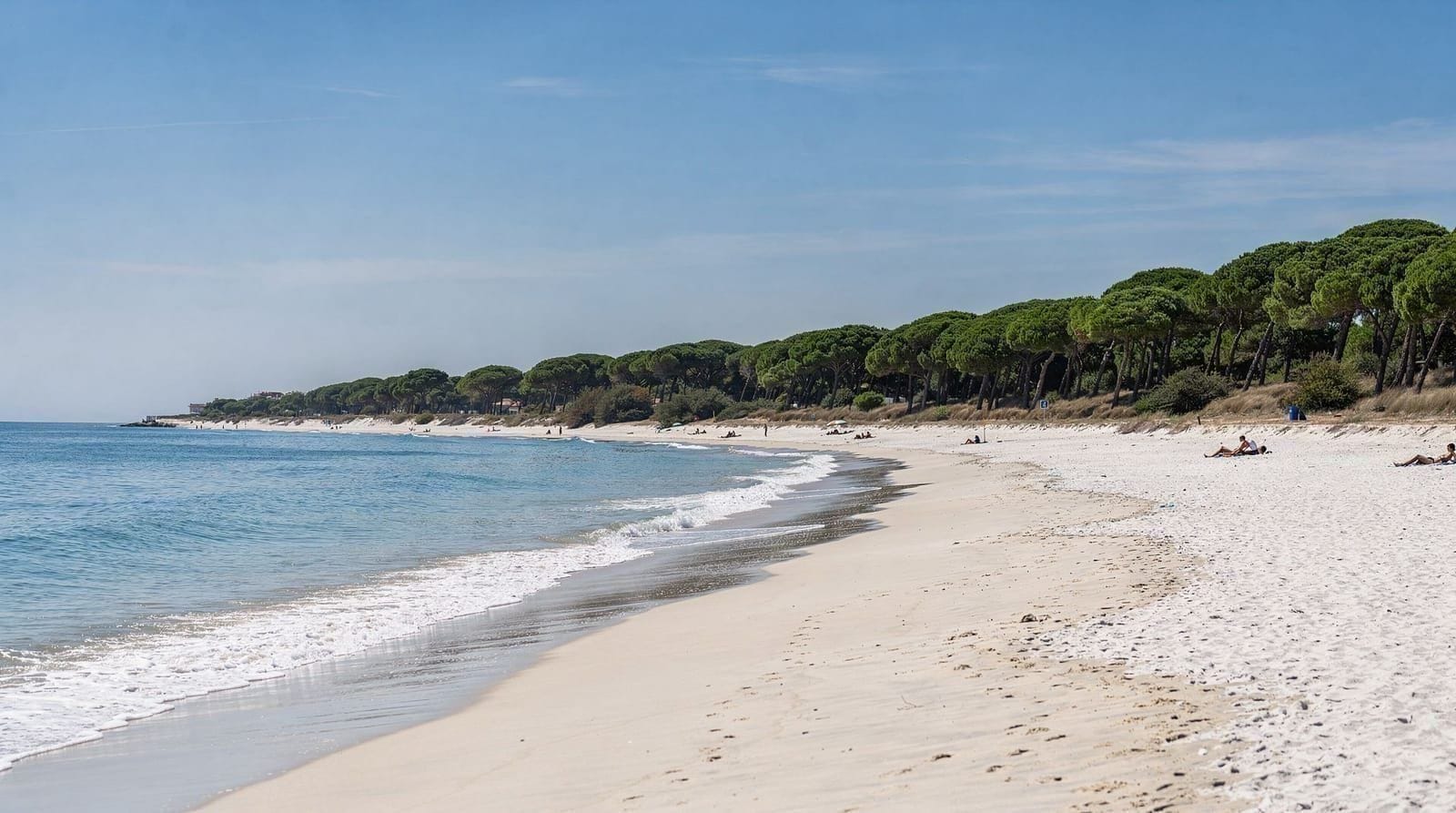
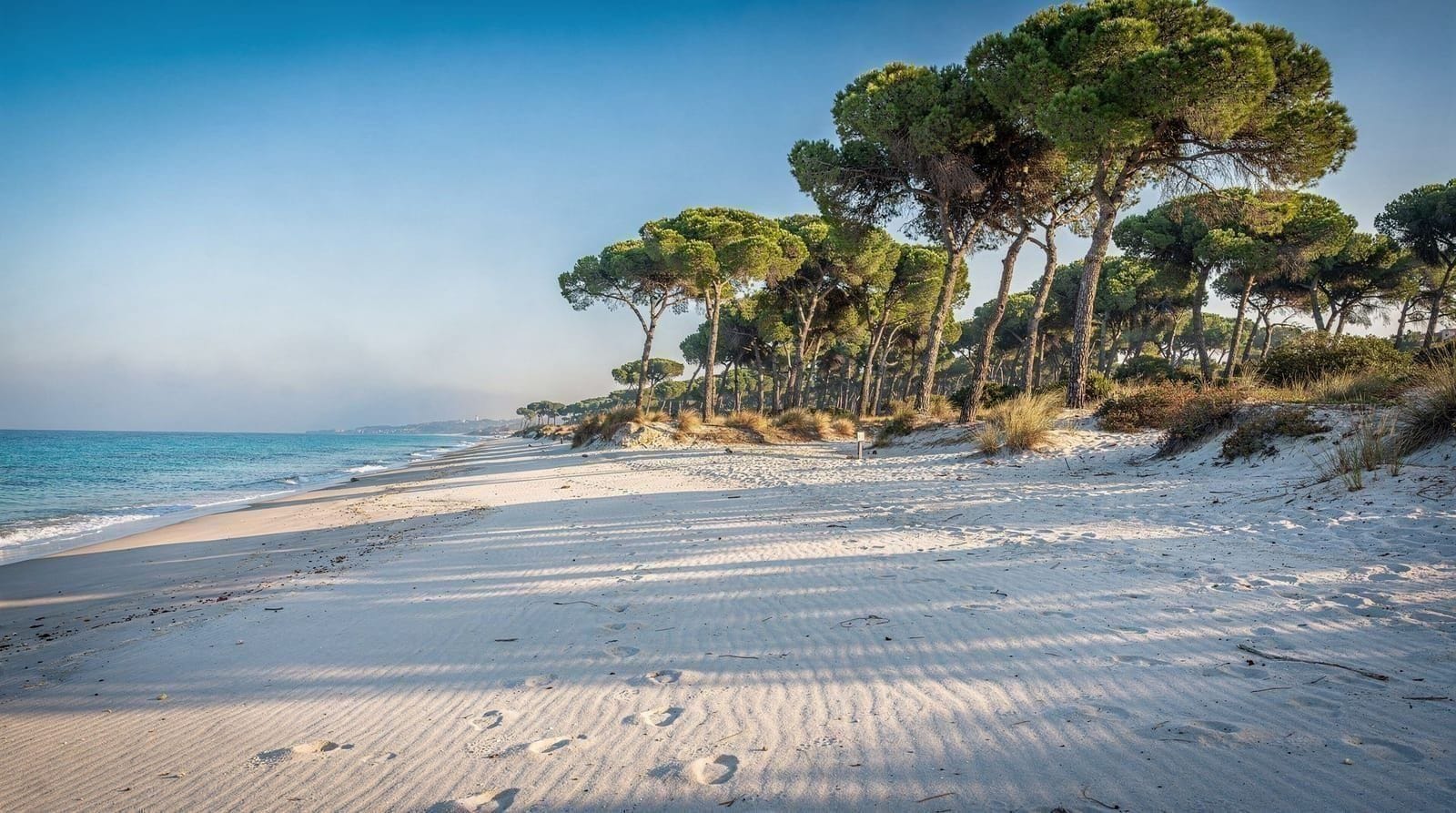
El Saler is the transition point between urban beach and protected nature. The 5 km beach is backed by maritime pine forest; the Albufera Natural Park designation limits development. Facilities are basic — showers, one chiringuito, summer lifeguards. The sand is finer and paler than the northern urban beaches.
Combine with a sunset boat ride on the Albufera lagoon for the definitive Valencia coastal day:
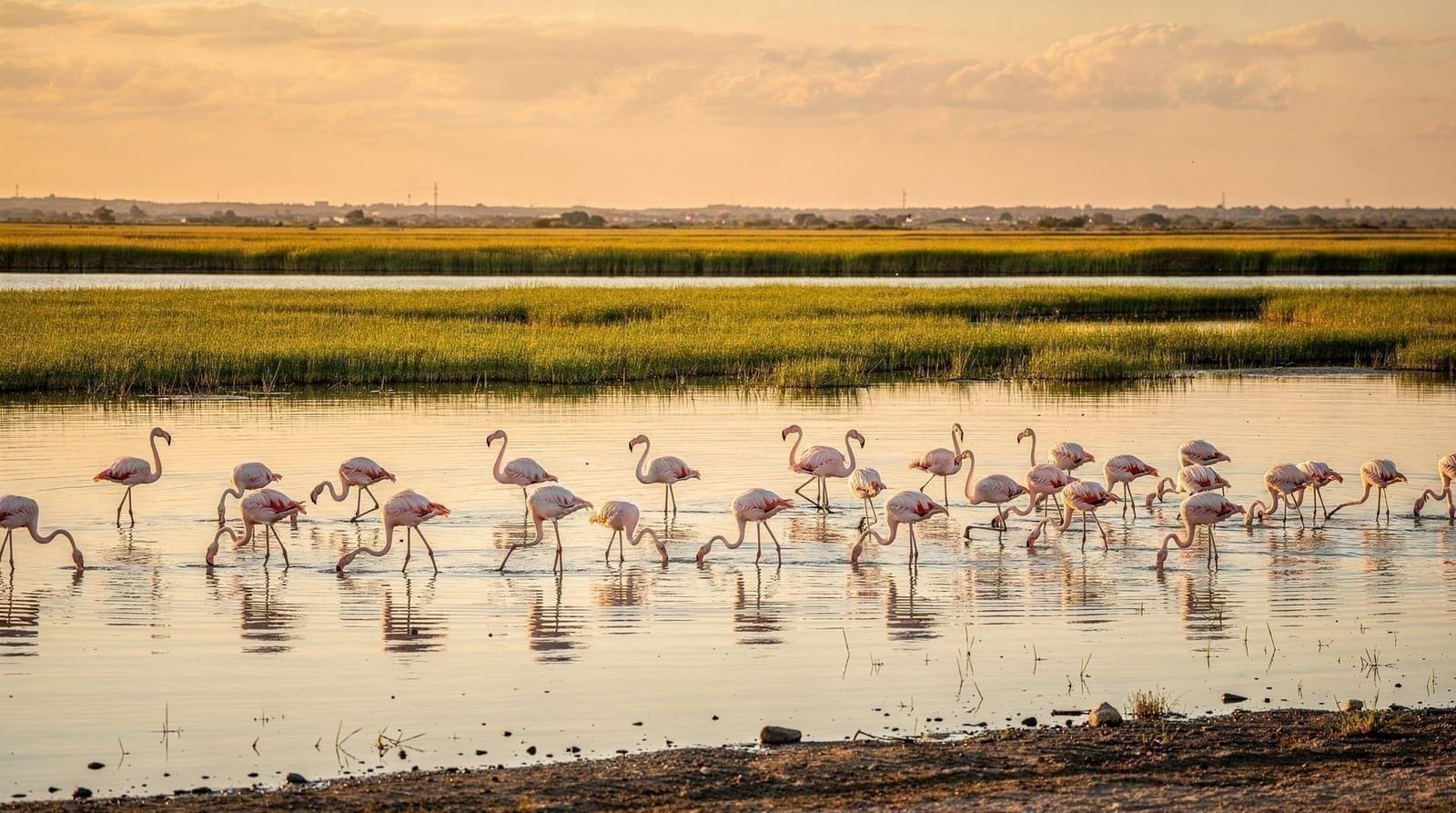 Albufera Natural Park eco boat tour at sunsetCheck availability
Full guide: El Saler beach.
5. La Devesa beach
Best for: Solitude, nature, hikers, families who can manage without facilities. Getting there: Car to La Garrofera access off CV-500, or bike through the forest from El Saler. Distance: 18–22 km south.
La Devesa is what El Saler promises but with fewer other visitors. The 25 km dune-backed coastline has multiple access points through the pine forest. No lifeguards at most points, no food, limited shade beyond the trees. Water is clean and often clearer than the northern beaches.
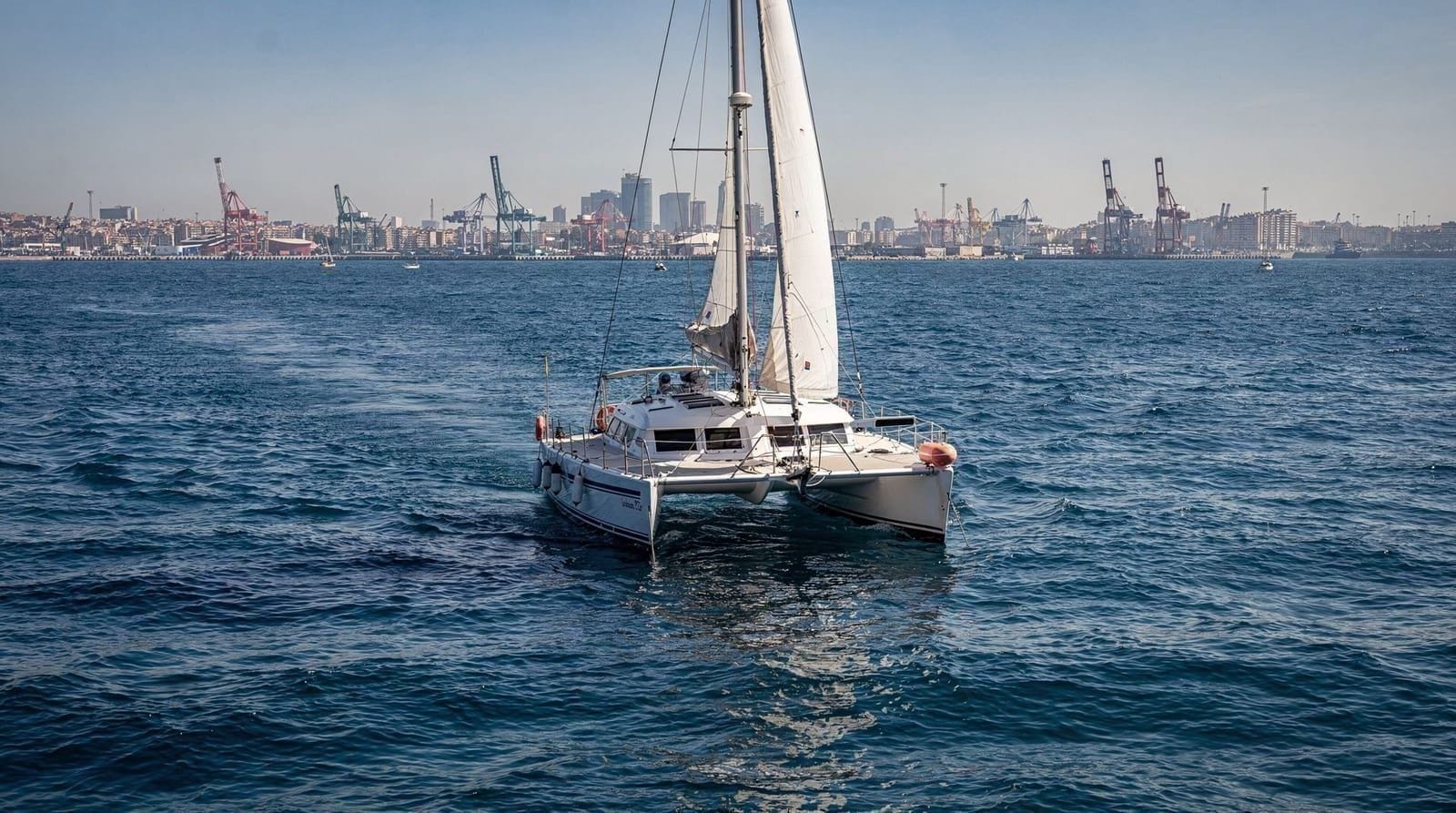 catamaran cruise with snack and swim at El SalerCheck availability
Full guide: La Devesa beach.
Day-trip beaches (40–70 km from Valencia)
6. Cullera beaches
Best for: Variety — combining headland, castle views, calm lagoon (Estany de Cullera), and open sea. Getting there: Cercanías train C1 from Estació del Nord (50 min, ~€4 each way). Car via AP-7 or N-332 (~50 min). Distance: 50 km south.
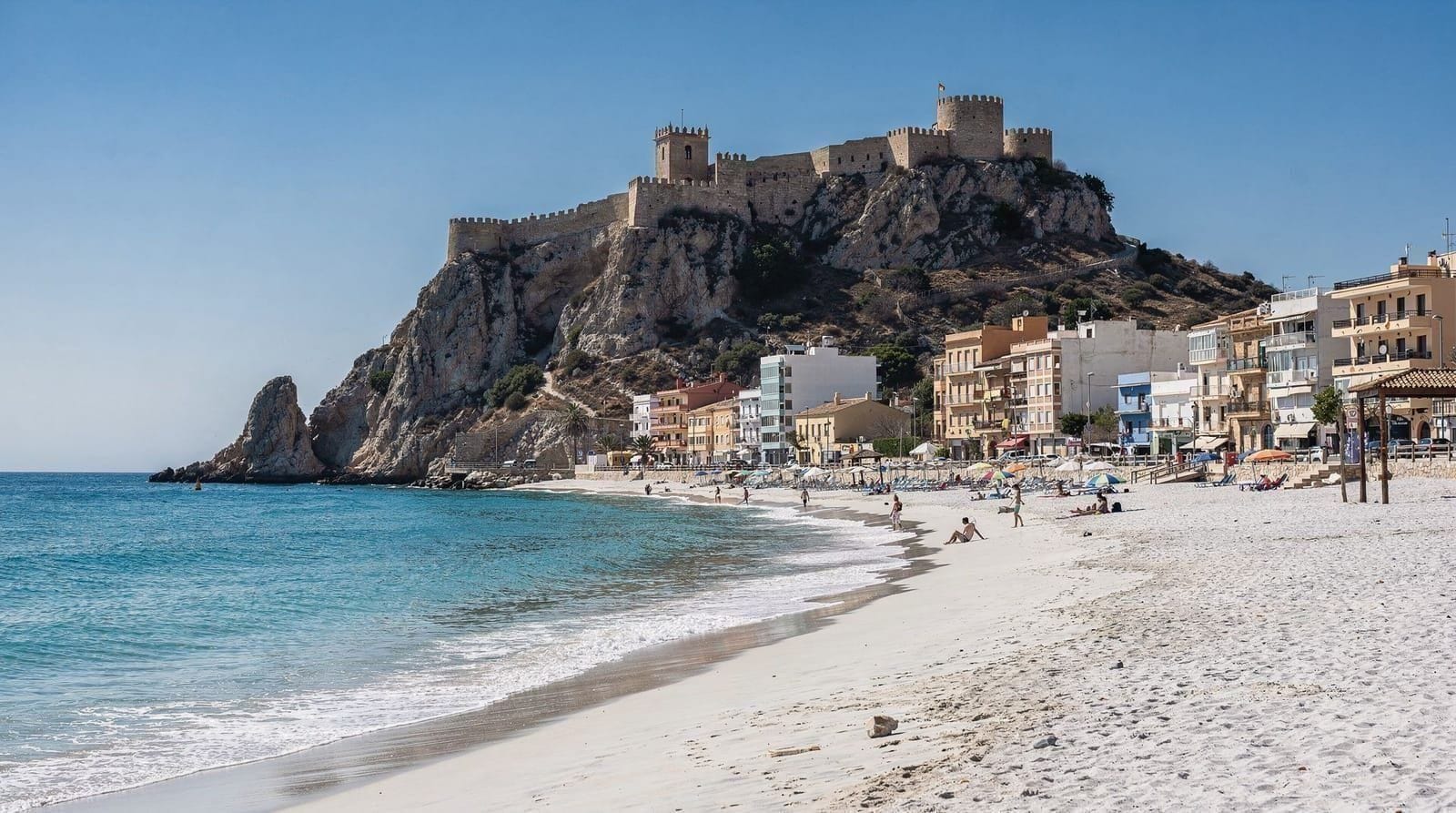
Cullera is the best-structured day-trip beach destination from Valencia. The town has a castle on a headland overlooking the sea, a sheltered river mouth, and several distinct beach sections — Platja de Cullera (main sandy strip), Platja del Terretet (smaller, more sheltered), and the Estany de Cullera (a coastal lagoon popular with families for its calm, shallow water).
The train from Valencia is direct and comfortable. The castle is a 20-minute walk or taxi from the beach and worth visiting for the views.
Full guide: Cullera beaches.
7. Gandia beach
Best for: Resort experience, wide beach, good facilities, nightlife in season. Getting there: Cercanías train C2 from Estació del Nord (60 min, ~€4.80). Car via AP-7 (~1h). Distance: 65 km south.
Gandia beach (Platja de Gandia) is 6 km of wide sandy beach with a developed resort infrastructure: sunbed concessions, restaurants, beach clubs, and in summer, a significant nightlife scene. The beach itself is excellent — wide enough to absorb the crowds, and the facilities are well-maintained.
The resort character cuts both ways. It is ideal if you want the full beach holiday infrastructure without flying further south. It is not ideal if you are seeking quiet or natural surroundings.
Full guide: Gandia beach.
Hidden picks further afield
8. Platja de Tavernes de la Valldigna
Best for: Quieter sandy beach south of Cullera without the resort crowds. Getting there: Car (60 km, ~55 min) or train to Cullera then taxi. Distance: 60 km south.
Tavernes de la Valldigna’s beach is arguably better than Cullera for visitors who simply want a large, clean sandy beach without Gandia’s resort density. The village of Tavernes is inland; the beach approach is through a small residential area. English-speaking tourism infrastructure is minimal, which keeps the atmosphere local.
9. Platja de Xeraco
Best for: Fine sand, quieter alternative south of Gandia. Getting there: Car (75 km, ~1h 10 min). Distance: 75 km south.
The kayak and SUP sunrise excursion based here is one of the more unusual water sports offerings from Valencia:
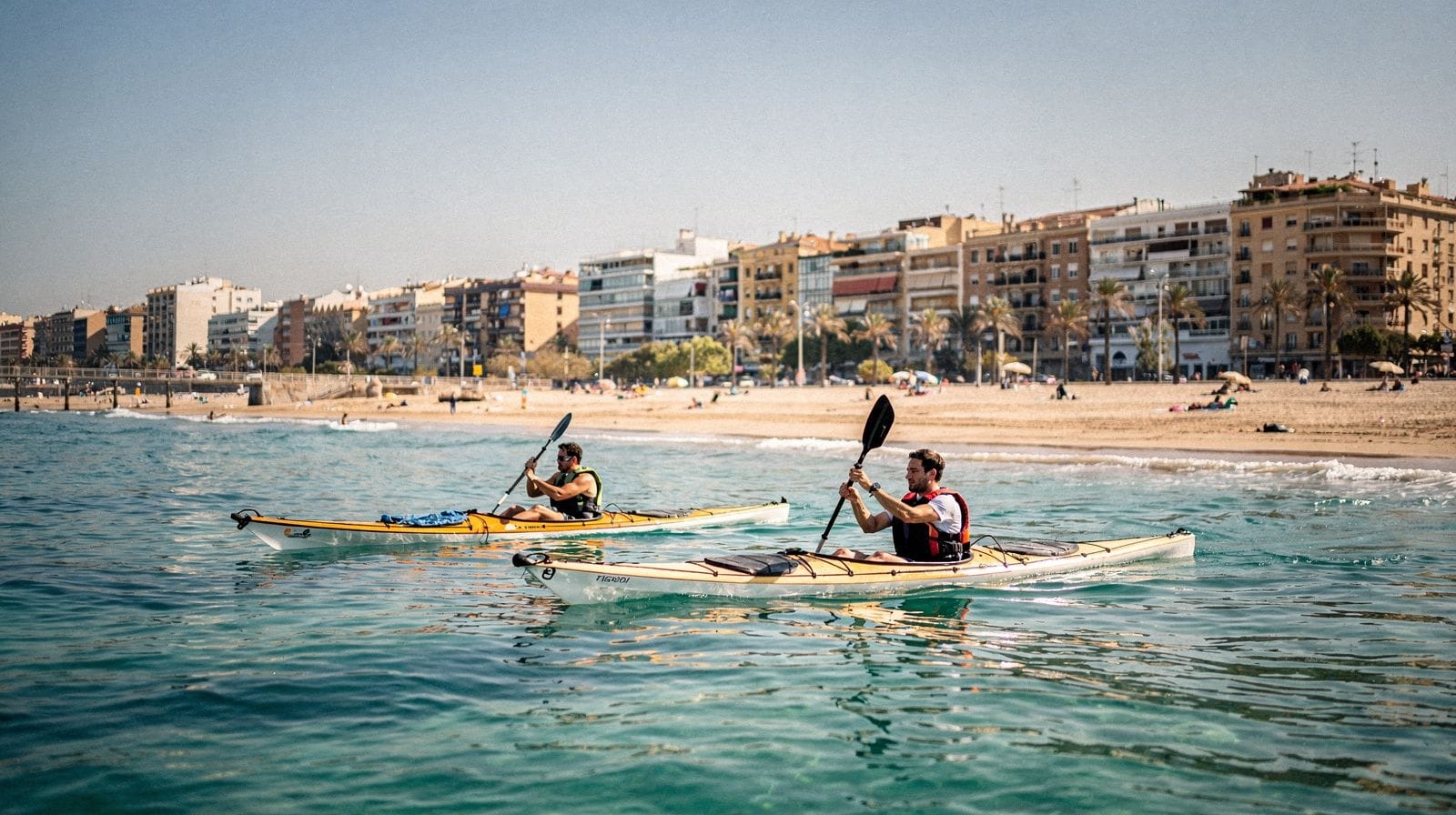 sunrise kayak or SUP excursionCheck availability
10. Sagunto beaches
Best for: Combining beach with Roman ruins — an unusual combination. Getting there: Cercanías train C6 from Estació del Nord (30 min, ~€3). Car via AP-7 (~30 min). Distance: 25 km north.
Sagunto is primarily known for its Roman theatre and medieval castle, but the town has a beach — Platja de Canet d’En Berenguer — that is clean and less visited than the southern options. The sand is narrower and the setting less dramatic than El Saler, but the combination of Roman/medieval history and beach in a single day trip is unusual.
Beach comparison table
| Beach | Distance | Transport | Facilities | Crowds | Natural setting |
|---|---|---|---|---|---|
| Malvarrosa | 4.5 km | Metro | High | Very high (Aug) | Low |
| Patacona | 5.5 km | Metro+walk | Medium | High | Low |
| Cabanyal | 4 km | Metro | Medium | High (Aug) | Low |
| El Saler | 15 km | Bus/car | Low | Medium | High |
| La Devesa | 18+ km | Car/bike | Very low | Low | Very high |
| Cullera | 50 km | Train | Medium–high | Medium | Medium |
| Gandia | 65 km | Train | High | High | Medium |
Getting to Valencia beaches without a car
The urban beaches are well-served by metro and tram. For the Albufera and natural park beaches, the lack of regular bus service to La Devesa is the main constraint. Options:
- Bus 25 from Alfahuir to El Saler village (every 45–60 min in summer): covers El Saler beach but not La Devesa.
- Organised tours that include transport from Valencia: the Albufera bike and boat tour includes transport.
- Cycling: The coastal route from Valencia to El Saler is 15–18 km each way — feasible for fit cyclists.
- Cullera and Gandia: Both directly accessible by Cercanías train, making them the most practical day-trip beach options for visitors without a car.
Water sports comparison by beach
Each beach has different water sports infrastructure:
Malvarrosa: SUP rental and lessons near Eugenia Viñes. Sailing catamaran tours from the marina (20 min south by bike). Jet ski excursions from the marina.
Patacona: The best SUP hub. Multiple operators, calm morning water, less crowded water entry than Malvarrosa central.
El Saler: Catamaran tours anchor offshore for swim stops. No on-beach operators. The catamaran to El Saler approach is the main organised water activity.
Cullera: Paddle surf rentals on the main beach in season. Limited windsurfing at southern end.
Gandia: Paddle surf, windsurfing, kitesurfing at southern beach sections. Full resort water sports infrastructure.
For kayak: see kayak and paddle surf Valencia. For catamaran tours: see sailing catamaran Valencia. For jet ski: see jet ski Valencia.
The beach season in Valencia: month by month
April–May: Water 16–19 °C. Cool for swimming. Beaches quiet. Good for walking and cycling the promenade. El Saler and La Devesa at their most natural and birdful.
June: Swimming begins comfortably from mid-month (water 20–22 °C). Malvarrosa weekend crowds build but manageable. The best combination month: warm enough to swim, not so crowded as July–August.
July: Full summer. Water 24–26 °C. Malvarrosa and Patacona crowded on weekends. El Saler car parks full by 09:30. Arrive early everywhere or accept crowds. Cullera and Gandia absorb day-trip overflow well.
August: Peak. Every beach in Valencia is at maximum use. Malvarrosa weekends: 80,000+ people. Water 26–28 °C. The redeeming features of August: evenings (17:30–20:30) are comfortable, water is warmest, and sunset light is still beautiful.
September: The best beach month. Water remains 23–25 °C. Crowds thin dramatically after the first week. Services still operating. October: water 20–22 °C, most services closing, but beach is genuinely quiet and the sea is still swimmable.
November–March: Off-season. Walking the beach promenades is pleasant. Swimming only for those acclimated to 14–16 °C water. Most beach services closed.
Lifeguard coverage and safety flags
Valencian beaches use the standard flag system: green (safe), yellow (caution, moderate risk), red (no swimming). Lifeguard coverage is seasonal and beach-dependent, which matters more than most visitors expect.
Urban beaches (Malvarrosa, Patacona, Cabanyal) have lifeguard towers staffed roughly mid-June to mid-September, with reduced hours in the shoulder weeks. Outside that window, swim at your own risk and expect no supervision.
El Saler has summer lifeguard coverage at the main access points only — much of the 5 km stretch is unsupervised even in August. La Devesa has essentially no lifeguard presence at most of its access points; this is part of what keeps it quiet, but it means competent swimmers only, and extra caution with children.
Cullera and Gandia, as resort beaches, have the most consistent lifeguard coverage of the day-trip options, extending later into September than the urban beaches.
The practical rule: if swimming without supervision matters to your risk tolerance, plan visits to the unsupervised beaches (El Saler beyond the main point, La Devesa, the hidden picks further south) for calm-sea days, and treat the flag system as a real signal, not a formality.
Parking at the beaches
Malvarrosa/Patacona/Cabanyal: Street parking is scarce and contested in summer; the metro is genuinely the better option for these three. Paid car parks exist near the Paseo de Neptuno but fill early on August weekends.
El Saler: Free car parks along the CV-500 access road, but they fill by around 09:30-10:00 on summer weekends — arrive earlier or expect to walk from further back.
La Devesa: Several numbered free car parks (marked “aparcamiento”) along the access road through the pine forest; quieter than El Saler’s but still worth an early arrival in peak season.
Cullera and Gandia: Paid parking near the main beach fronts, generally available even in summer given the scale of these resort beaches; the train remains the less stressful option regardless.
Combining a beach day with the rest of the city
Because Valencia’s urban beaches sit only 20 minutes from the historic centre, a genuinely relaxed itinerary doesn’t have to sacrifice sightseeing time. A workable pattern for a single day: monuments and market in the cooler morning hours (roughly 09:00-13:00), lunch, then the metro out to Malvarrosa or Patacona for the afternoon and evening, when the light along the Paseo de Neptuno is at its best. Reverse it on a hot week — beach first thing, old city in the late afternoon once the stone streets have cooled.
For visitors basing themselves near the City of Arts and Sciences, the beach is closer than the old city: Malvarrosa and Patacona are a short cycle or bus ride away via the port, which makes a half-day-museum, half-day-beach combination easy without crossing the whole city twice. The cycling in Valencia guide covers the Turia Gardens route that connects the two.
Honest ranking summary
For the first-time Valencia visitor asking which single beach to visit:
With a car: El Saler beach (morning) + Albufera boat ride at El Palmar (afternoon). The combination of natural setting, real pine forest shade, and the lagoon sunset experience is unique to Valencia and not duplicated by any urban beach.
Without a car: Malvarrosa, arriving before 10:00 in summer. Accept it is urban. Do the Cabanyal neighbourhood walk before or after. Take the metro back — it is efficient and direct.
With children under 5: Estany de Cullera lagoon (train, 50 min). The shallow, warm, current-free water is superior to any open Mediterranean beach for very young children.
For nature and quiet: La Devesa (car essential). Accept the minimal facilities. Bring everything you need. It is worth it.
Frequently asked questions about Best beaches near Valencia
How far is the beach from Valencia city centre?
Malvarrosa and Cabanyal are 4–5 km from the Cathedral, about 20 minutes by metro (lines 4/6). El Saler is 15 km south, 25 minutes by car. Cullera is 50 km south, about 50 minutes by car or 1 hour by train from Estació del Nord. Gandia is 65 km, 1–1.5 hours by train.Which Valencia beach is least crowded?
La Devesa is the least crowded in the natural park category — multiple beach access points spread visitors along 25 km. Among day-trip beaches, Gandia's northern sections (Platja de Gandia nord) are quieter than the main resort strip. Platja de Tavernes de la Valldigna (60 km south) is excellent and significantly less visited than Gandia.Can you swim at Valencia beaches in October?
Yes. Water temperature remains 20–22 °C in October and is comfortable for swimming. Most beach services (lifeguards, sunbeds) close after September, so you swim without supervision. Malvarrosa and El Saler are both good options in October with warm water and thin crowds.What is the best beach for snorkelling near Valencia?
The Valencian sandy beaches have limited snorkelling interest due to the sandy seabed. For proper snorkelling, day-trip to the Calpe headland (120 km south, 1.5h) or the Peñón de Ifach. Closer options with rocky sections: the southern Cullera headland has some rocky shore and slightly more marine life than the open sandy beaches.Which beaches are accessible by train from Valencia?
Cullera (50 km, 50 min from Estació del Nord, Cercanías line C1). Gandia (65 km, 60 min, Cercanías C2). El Saler and La Devesa cannot be reached by train. The urban beaches (Malvarrosa, Patacona, Cabanyal) are metro accessible.Is there a beach suitable for nudism near Valencia?
Yes. The Platja de l'Arbre del Gos at Cullera and certain sections of La Devesa beach are used by nudists, though neither is officially designated. The official FKK beach is at Playa de la Garrofera within the Albufera park.What time does the beach fill up in summer?
Malvarrosa reaches comfortable capacity by 11:00 and is genuinely crowded by 12:00 on summer weekends. El Saler car parks fill by 09:30. Cullera and Gandia beaches are large enough to absorb day-trippers from Valencia without reaching Malvarrosa-style density.Are Valencia beaches child-friendly?
Most of them yes. Malvarrosa, Patacona, El Saler, and Cullera all have gentle slopes, calm water, and families as the dominant user group. See the dedicated guide to family beaches near Valencia.Which beach is closest to Valencia?
Malvarrosa beach is the closest, approximately 4.5 km from the Cathedral, reachable in 20 minutes by metro.Can I reach any beach from Valencia by train?
Yes — Cullera (Cercanías C1, 50 min) and Gandia (Cercanías C2, 60 min) are both directly accessible by train from Estació del Nord. The urban beaches (Malvarrosa, Patacona, Cabanyal) are metro-accessible.What is the best beach for a day trip from Valencia by public transport?
Cullera offers the best combination of beach quality, train access, and something extra (the castle) for a full day. The 50-minute train ride and return service allows a comfortable 6–7 hours on the ground. Gandia is also excellent but the beach is more resort-oriented.How many days does Valencia need for beaches?
One full beach day covers Malvarrosa and El Cabanyal neighbourhood. A second day for El Saler with an afternoon Albufera boat ride uses the natural park well. A third day for Cullera or Gandia if you want a proper day-trip beach experience. These three days cover the most distinct beach environments Valencia offers.
Top experiences
Bookable activities with verified prices and instant confirmation on GetYourGuide.