Russafa — Valencia's creative neighbourhood
Honest guide to Russafa (Ruzafa), Valencia's best neighbourhood for food, coffee, independent shops, and evening tapas. What to do, eat, and skip.
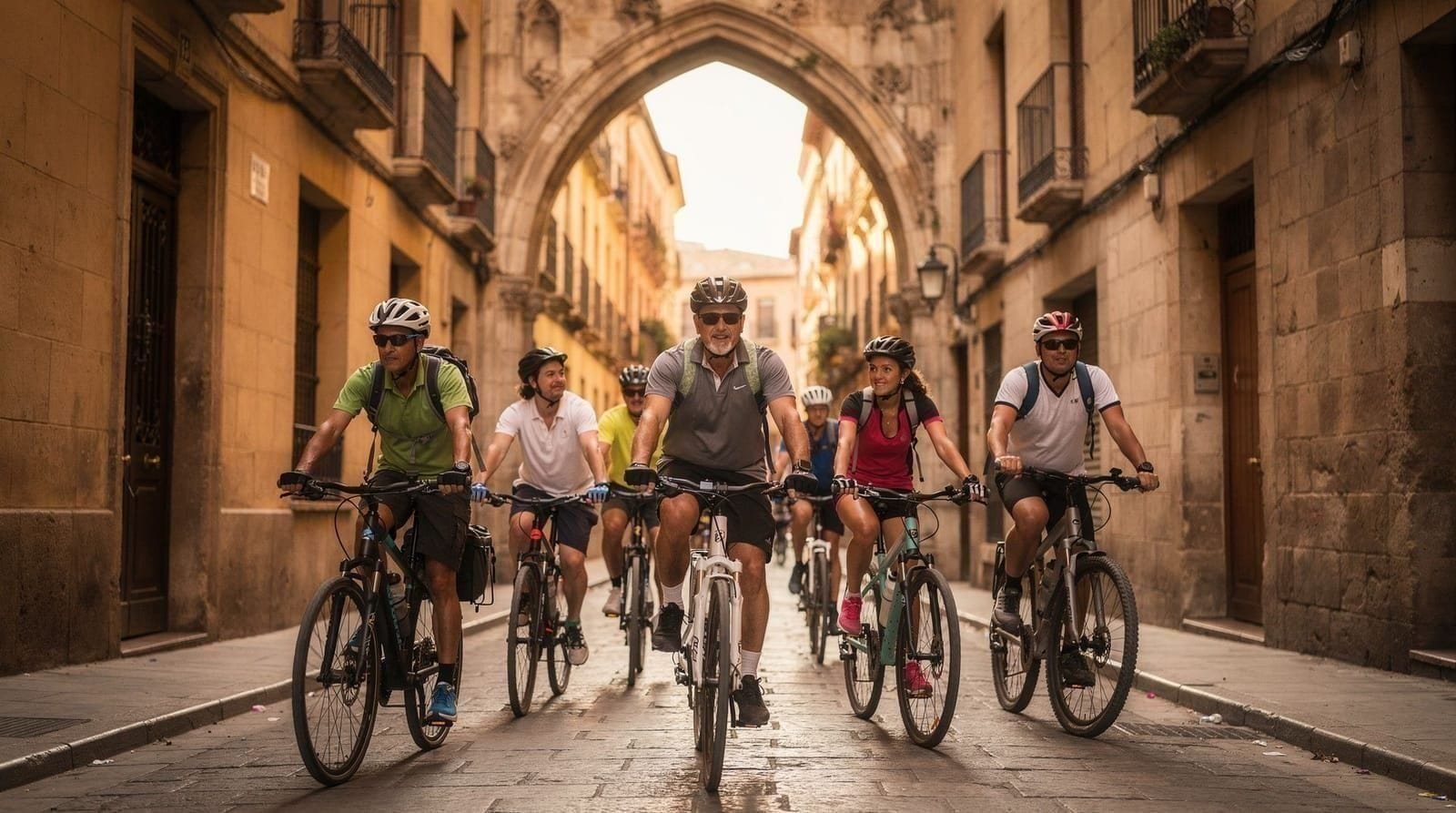
Valencia: Ruzafa guided bike tour of the city highlights
Quick facts
- Best for
- Food, coffee, tapas, independent culture
- Time needed
- Half day; evening for tapas
- Getting there
- Metro L1/L5/L3 to Xàtiva, 5-min walk south
- Don't miss
- Calle Cadis tapas bars, Sunday morning Mercado de Russafa
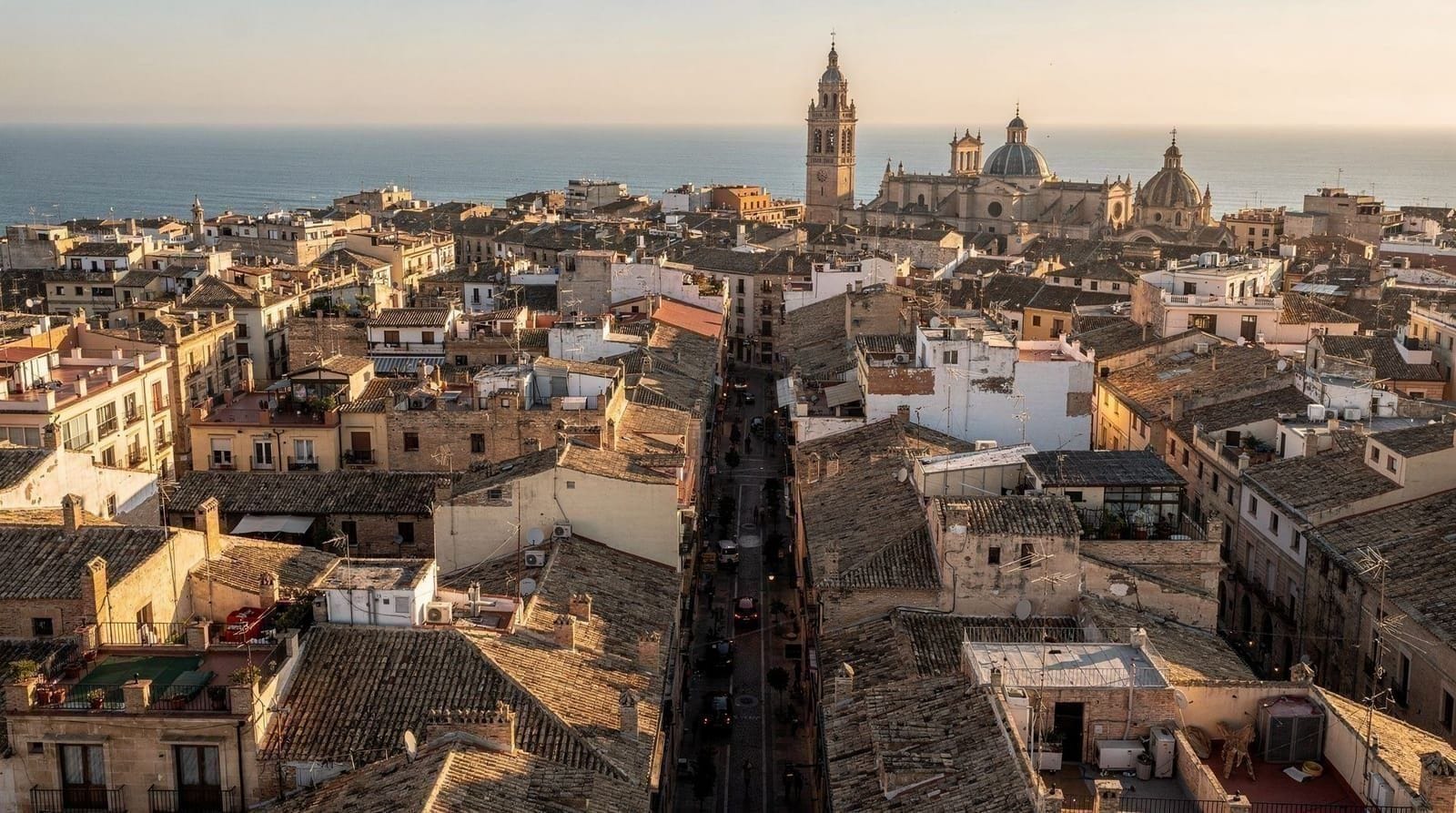
Russafa (also written Ruzafa, which is the Spanish transliteration of the original Arabic name ar-russafa) is the neighbourhood immediately south of Valencia’s old town, a 10-minute walk from the Cathedral. It was a working-class Arab suburb during Moorish rule, then a separate municipality incorporated into the city in the 19th century. Today it is Valencia’s most vibrant neighbourhood for independent restaurants, third-wave coffee, concept stores, and evening tapas — a Barcelona Gràcia equivalent without the tourist density.
| Where | South of Gran Via Marqués del Túria, 10 min walk from the Cathedral |
| Cost | Free to walk; coffee €2.50–3.50, tapas evening €20–35/person |
| Time needed | Half day, or an evening for tapas |
| Getting there | Metro L1/L3/L5 to Xàtiva, 5-minute walk south |
| Best time | Sunday morning for the market; Thursday–Saturday evenings for tapas |
Where Russafa is and how to arrive
Russafa sits directly south of the Gran Via Marqués del Túria, the tree-lined boulevard that separates it from Eixample and the old city. The northern boundary starts roughly at Calle Convento Jerusalén; the southern limit fades into residential streets around Avenida del Reino de Valencia.
Metro lines L1, L3, and L5 stop at Xàtiva station, from which the centre of Russafa is about a 5-minute walk south. Bus lines 14, 70, and 71 run along the Gran Via perimeter.
The food and coffee scene
Russafa became the centre of Valencia’s independent restaurant culture around 2010–2015 and has maintained that reputation. Unlike the old town, where tourist-facing restaurants dominate, Russafa’s clientele is primarily local — and the quality difference is notable.
Coffee: Russafa has Valencia’s best espresso bars. Ubik Café (Calle Literato Azorín 13) combines a bookshop with serious filter coffee (€2.50–3.50). Federal Café (Calle del Puerto Rico 3) serves a proper flat white for €2.80 — a rarity in Spain where the default is a cortado. Dulce de Leche (Calle Cádis 43) makes the best croissant in the neighbourhood.
Tapas and evening bars: the street to start on is Calle Cádis and its surrounding network. L’Ermita (no reservations, expect a queue) is known for its pintxos spread on weekend nights. Bar Pony (Calle Padre Perera 5) serves natural wine and small plates. Canalla Bistro (Calle del Maestro José Serrano 5), by Michelin-starred chef Ricard Camarena, serves creative international tapas at around €6–12 per dish.
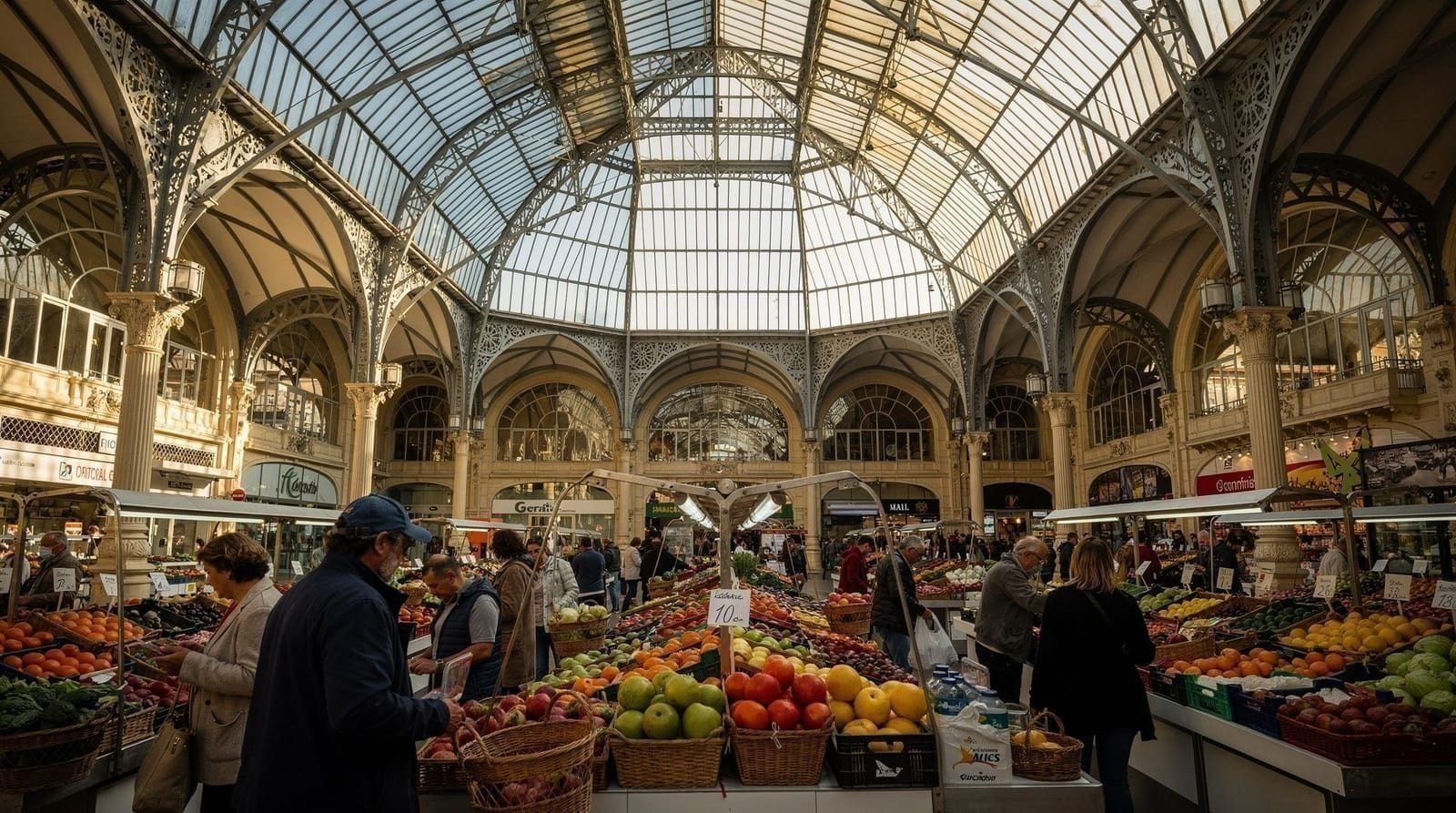
Mercado de Russafa (Monday–Saturday, mornings): a smaller neighbourhood market at Calle Cádis 5, less tourist-oriented than Mercado Central. Good for Valencian produce, fresh pasta, and a quick coffee at the market bar.
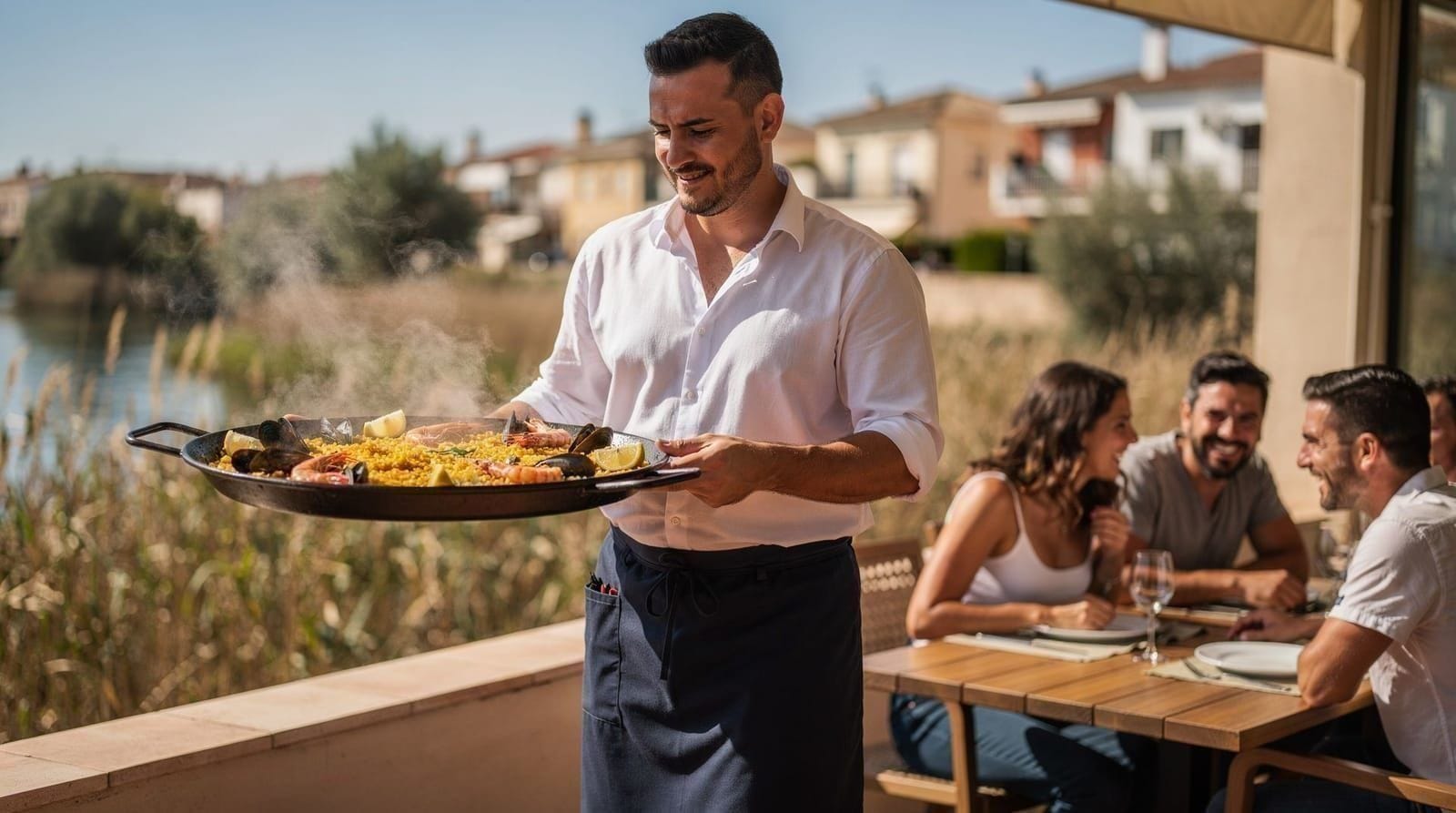
Paella workshop in Russafa with tapas and market visit — cooking class based in the neighbourhood.
Sunday morning in Russafa
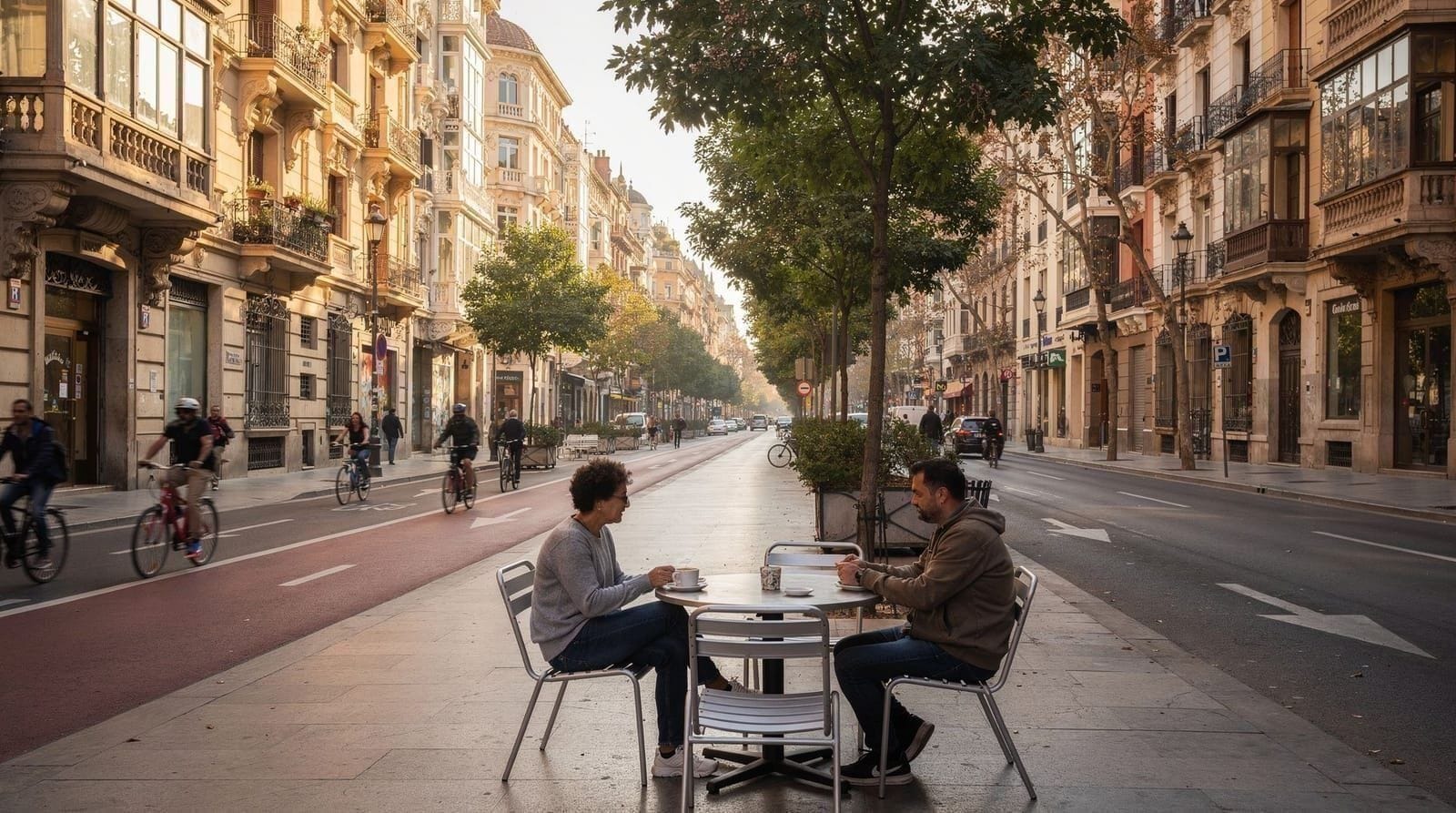
Sunday is the best time to see Russafa at its most local. The neighbourhood is full by 10:00 with residents doing their weekend shopping, eating esmorzaret (mid-morning snack), and drinking coffee at pavement tables. The Sunday market on Calle Cádis is small but genuine. Several bakeries and fruit shops stay open; most restaurants close until dinner service, making this a good time to walk and eat light rather than sit for a full meal.
Evening tapas circuit
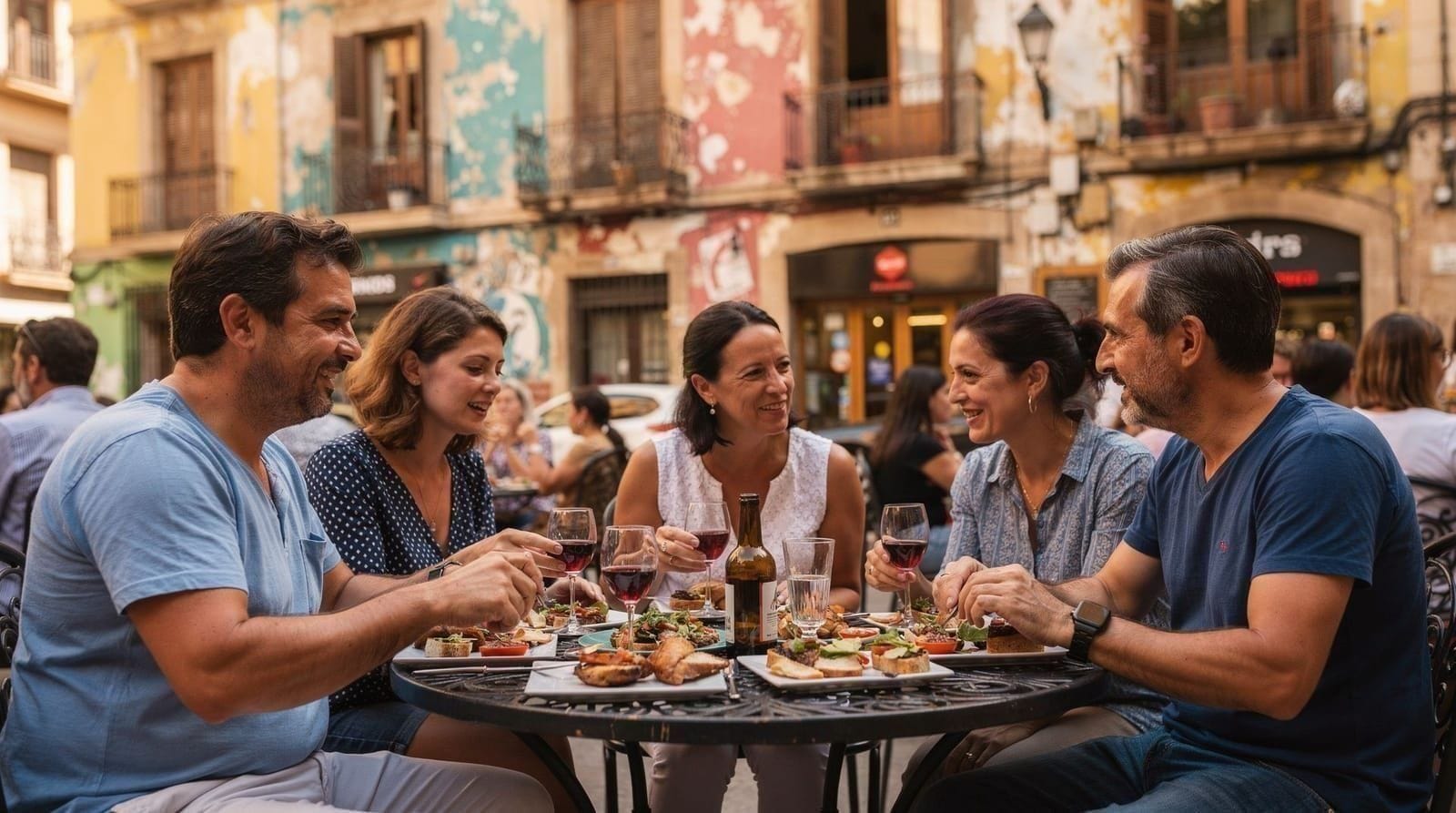
The standard Russafa evening starts at around 20:00 and progresses through several bars, with two or three small dishes and a drink at each. Total spend: €20–35 per person for a full evening.
A practical sequence: start at a bar on Calle Literato Azorín for aperitivo, move to Calle Cádis for pintxos, finish at one of the late-opening cocktail bars on Calle Cuba or Calle Sueca. Most bars reach peak density at 22:30–24:00 on Fridays and Saturdays.
Independent shops
Russafa is also the best neighbourhood for independent retail in Valencia. Notable examples:
- Espacio Mutuo (Calle Literato Azorín 17): design and object shop
- Alboroque (Calle Cádis 50): locally produced ceramics, textiles, and food products
- Several vintage clothing shops on Calle del Padre Perera and Calle Cádis
- Independent bookshops including one of Valencia’s few English-language secondhand bookshops (Calle Literato Azorín)
Russafa’s restaurant scene in depth
Beyond the well-known names, Russafa rewards walking slowly and stopping at whatever looks alive. A few specific recommendations that perform consistently:
Brunch and daytime: La Tinta (Calle Cuba 48) serves a proper brunch menu on weekends — eggs cooked correctly, good bread, fresh juice. Budget €10–14 per person. Queues form by 11:00 on Sundays.
Natural wine: Bar Pony (Calle Padre Perera 5) is Valencia’s most serious natural wine bar. The wine list changes weekly; ask the staff which bottle they opened that morning. Glasses from €4; small plates (cheese, cured meats, anchovies) €5–9.
Vegetarian and vegan: Russafa has the highest density of plant-forward restaurants in Valencia. El Milagrito (Calle del Salvador 20) does weekly-changing dishes using Huerta Norte vegetables. Budget €12–15 for a full meal.
Late-night sandwiches: La Pilareta (Calle Moro Zeit, technically in the old town but a 5-minute walk from Russafa) is famous for clochinas (Valencian mussels) and sandwiches available until late. A point of continuity between the old town and Russafa eating cultures.
The Russafa market (Mercado de Russafa)
The neighbourhood market at Calle Cádis 5 operates Monday to Saturday mornings. Unlike the Mercado Central, this is a functional neighbourhood market — residents buy their weekly produce here. It is undecorated and genuine: a fish counter, a cheese and charcuterie stall, a fruit and vegetable section, a few prepared-food stalls. There is a coffee bar at the entrance that opens at 07:30 and serves the local working breakfast crowd.
The vegetable selection includes Valencian varieties rarely seen in supermarkets: ferradura beans, garrofó, alquerque peppers, and seasonal wild mushrooms in autumn. If you are curious about local Valencian food ingredients, this is a more educational stop than the Mercado Central’s tourist-optimised stalls.
What Russafa is not
A clear-eyed visitor should know: Russafa is gentrified. The working-class Arab suburb and the subsequent 20th-century immigrant neighbourhood have been replaced by a creative-class district with rent levels that have pushed out many original residents. The neighbourhood’s authenticity is relative — it is more authentic than the tourist restaurant strip near the Cathedral, but it is not a preserved traditional barrio. This is normal for any European city’s equivalent district. The food is genuinely good; the cultural dynamism is real; the claim to represent “real Valencia” should be taken with appropriate context.
Getting around Russafa
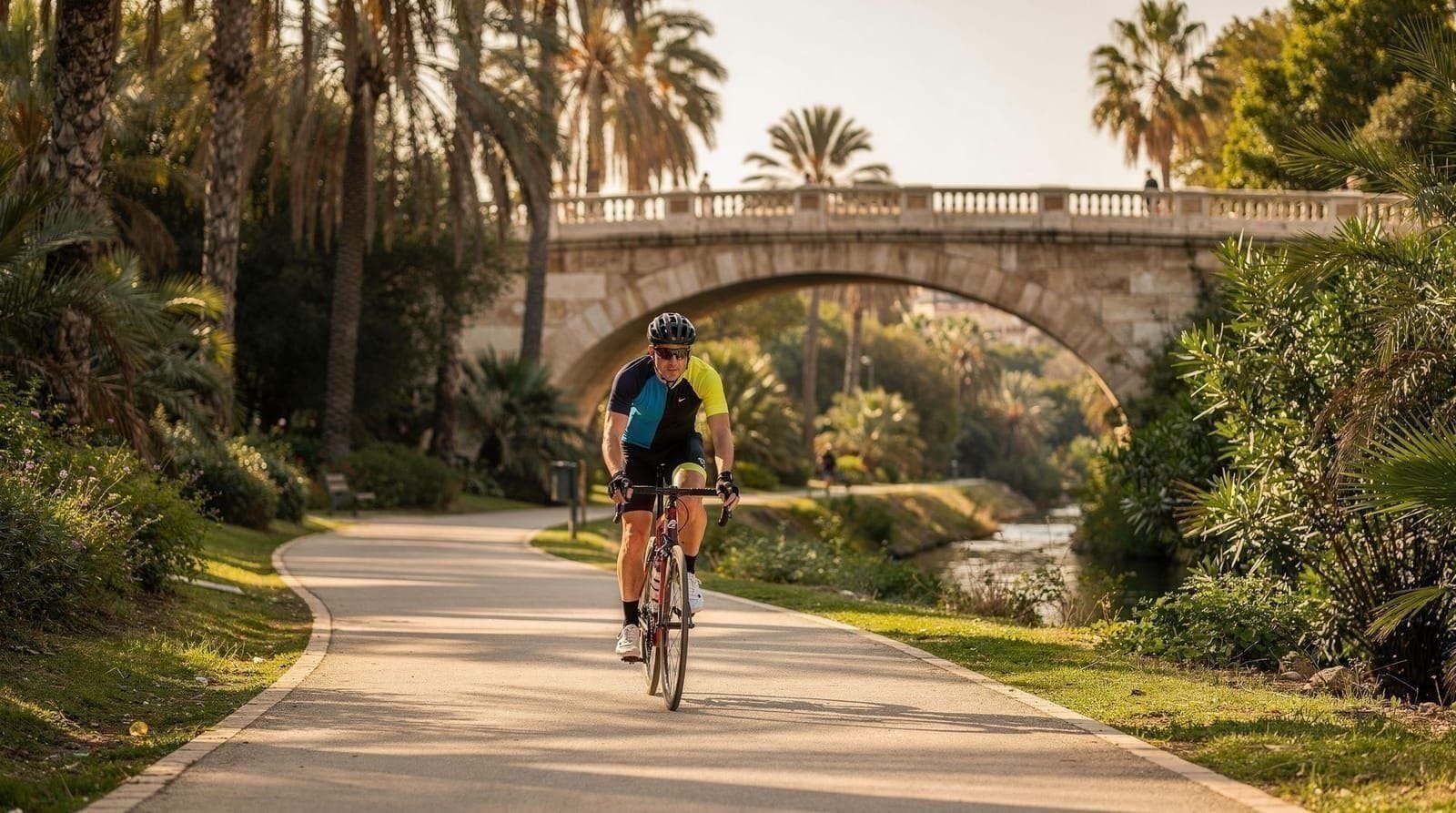
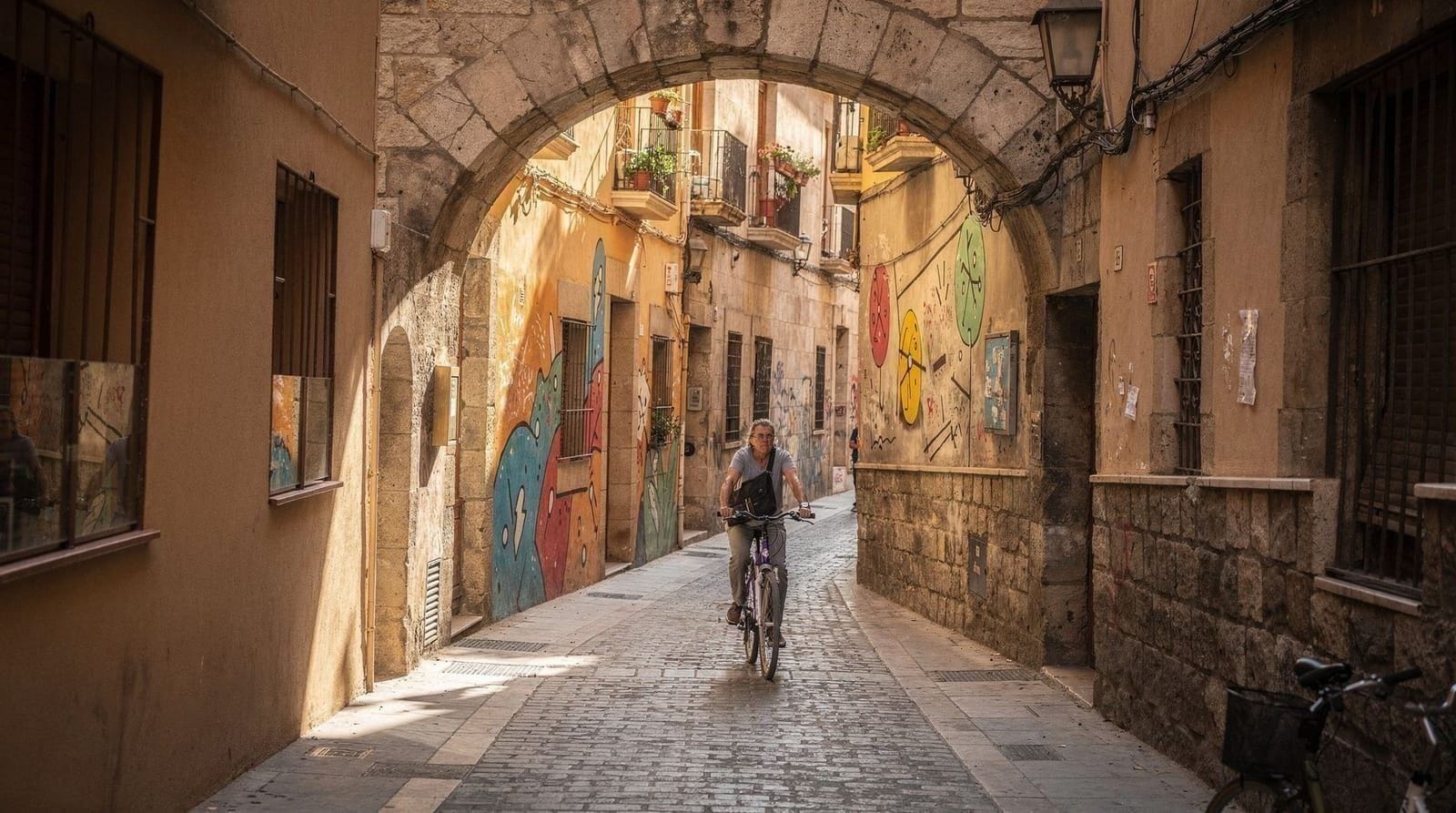
Russafa is entirely walkable — the core area is about 500 m × 600 m. Valenbisi stations are on most perimeter streets. The neighbourhood connects directly to Eixample (north), Canovas (east), and the Turia gardens (further north via Eixample). A bike tour that connects Russafa with the City of Arts, the Turia, and the beach is one of the most practical ways to cover central Valencia in a day.
Guided bike tour of Russafa and city highlights — the neighbourhood as part of a city circuit.
How Russafa fits with the rest of your trip
Russafa works best as one piece of a wider plan rather than a stand-alone stop. Pair it with the old town: the Ciutat Vella and El Carmen guide covers the cathedral area and the medieval streets, and the contrast between the two districts is part of the appeal. If you are building a longer stay, the three-day Valencia itinerary leaves room for an evening here, and the first weekend itinerary shows how to squeeze Russafa into a short break without rushing the main sights.
For travellers who plan their trip around eating, the Valencia for foodies itinerary treats Russafa as a natural base for markets, bars and long dinners. Read it alongside the Valencia food markets overview if you want to compare the neighbourhood market with the bigger ones.
If you would rather have someone show you the streets, a guided option can make the first hour easier, and some visitors like to combine a walk with a tasting route:
a guided food tour with several tastings
is a sensible way to learn what to order before you return on your own for an evening.
Practical habits that make Russafa easier
A few small habits help. Eat later than you would at home: the local rhythm is a long lunch and a late dinner, and bars fill up well after the hour most visitors expect. Order in rounds rather than all at once, so plates arrive hot and you can change your mind after the first drink. Carry some small change for coffee and market stalls, and be ready to stand at the bar, which is often the quickest and friendliest way to be served.
Dress for walking: the grid of streets is flat and pleasant, but you will cover more ground than you expect while drifting between shops, cafés and bars. If you are travelling with a companion who is less interested in food, the independent shops and bookshops give them something to do while you queue for a table. Anyone interested in the wider Valencian eating culture will also enjoy the guide to eating like a local and the esmorzaret and almuerzo guide, both of which explain the mid-morning habit you will see on Sunday.
If you want to see how the district compares with its neighbours, the Benimaclet guide describes another residential, local-feeling area, and the Russafa neighbourhood guide goes deeper on streets and venues.
Day-to-night in Russafa: a practical sequence
Morning (09:00–12:00): coffee at Federal Café or Ubik, browse the Mercado de Russafa, walk Calle Cádis and the surrounding grid.
Lunch (13:00–15:30): a menú del día at one of the non-tourist restaurants on Calle del Literato Azorín, Calle del Maestro José Serrano, or Calle Cuba. Budget €12–15.
Afternoon (16:00–20:00): independent shops on Calle Cádis and side streets. A Valenbisi rental to reach the City of Arts (15-minute ride south) or Turia park (10 minutes north).
Evening (20:00 onwards): aperitivo on a terrace, pintxos at L’Ermita or Bar Pony, late bar on Calle Cuba. Budget €20–30 for a full evening of drinks and small plates.
Staying in Russafa
Several mid-range hotels and boutique guesthouses operate in and around Russafa. The practical advantage over old-town accommodation: you are 5 minutes’ walk from everything the old town offers, the streets are quieter at night (the bar noise is concentrated within El Carmen, not Russafa), and hotel prices are typically 15–25% lower for comparable quality.
Key things to know: Calle Cádis and Calle Cuba can be noisy on Friday and Saturday nights until 03:00 — if you are staying on these streets, a high floor or double-glazed windows matter. The quieter residential streets (Calle del Literato Azorín south of Calle Cádis, Calle del Ministro Sospedra) are better choices for light sleepers.
Russafa as a hub for Valencia day trips
The EMT buses to the Albufera (24/25) depart from Gran Via Germanies, one block from the edge of Russafa. This makes the neighbourhood a practical staging point for an Albufera day trip: early market visit, late morning departure to El Palmar, afternoon boat tour, return for evening tapas. See the city and Albufera itinerary for a day plan.
The Xàtiva metro station (5 minutes’ walk) connects to the main bus and train stations for day trips to Xàtiva, Sagunto, and Requena.
Russafa versus staying elsewhere in Valencia
Deciding where to stay is one of the most common questions for first-time visitors, and Russafa is a strong contender against the two other obvious choices:
| Area | Character | Best for | Trade-off |
|---|---|---|---|
| Russafa | Local, creative, foodie | Independent travel, evening tapas | 10–15 min walk to the main sights |
| Ciutat Vella | Historic, central | First-timers wanting everything on foot | Noisier at night, more tourist-priced restaurants |
| Eixample | Residential, quiet | Travellers wanting calm evenings | Fewer bars and restaurants within walking distance |
For a full comparison including budget ranges, see the where to stay in Valencia guide. See also the Eixample guide, the food guide to tapas in Ruzafa, and the Valencia food markets overview.
Frequently asked questions about Russafa
Is Russafa safe at night?
Yes. It is one of Valencia’s busier neighbourhoods after dark, with restaurant and bar traffic keeping the streets active until late, especially Thursday to Saturday. The usual city-centre precautions (watch bags in crowded bars) apply, but there is no particular safety concern specific to Russafa.
Is Russafa walkable from the old town?
Yes — Russafa starts about a 10-minute walk south of the Cathedral, just across Gran Via Marqués del Túria. Most visitors walk between the two without needing transport.
What’s the difference between Russafa and Ruzafa?
They’re the same neighbourhood. “Russafa” is the Valencian-language spelling and “Ruzafa” the Spanish one; both appear interchangeably on signage, menus, and maps.
Top experiences
Bookable activities with verified prices and instant confirmation on GetYourGuide.