Valencia's food markets — the complete guide to all seven
Valencia: daytime tapas tasting tour with Central Market visit
Duration: 3 hours
Which food markets are worth visiting in Valencia?
The Mercado Central (daily, old city) is the most impressive and most visited. The Mercat de Russafa (Saturday mornings) is the best neighbourhood market. The Mercado de Colón (daily, Eixample) is the gourmet option. Between them, these three cover the main market experiences Valencia offers.
Valencia is a city of markets. The Valencian huerta — the fertile agricultural belt surrounding the city — has historically produced surplus that fed not just Valencia but much of Spain. The market culture that developed to distribute this produce still shapes daily life. Here is a guide to the markets worth your time.
| Where | Old city (Mercado Central), Eixample (Colón), Ruzafa (Mercat de Russafa) |
| Cost | Free entry; produce and tastings from around €2 |
| Time needed | 45–90 min per market |
| Getting there | Walkable from the centre; metro/tram to Ruzafa or Colón |
| Best time | Weekday mornings before 10:30 for the best produce; Saturday for Russafa |
The seven main markets
Valencia has seven dedicated public markets, each with a different character:
- Mercado Central — old city, daily, general
- Mercado de Colón — Eixample, daily, gourmet
- Mercat de Russafa — Ruzafa, Saturday morning, neighbourhood
- Mercat del Cabanyal — El Cabanyal, daily, neighbourhood
- Mercat de Benimaclet — Benimaclet, weekday mornings
- Mercat de Torrefiel — north city, weekday mornings
- Mercat del Grau — port area, weekday mornings
For most visitors, the relevant markets are the first three.
Mercado Central: the essential market
The Mercado Central is covered in detail in the Central Market food guide, but the key facts:
Location: Plaza del Mercado, 6 — old city, five minutes from the cathedral Hours: Monday-Saturday, 07:30-15:00 (closed Sunday) Size: 8,000 square metres, approximately 1,200 stalls Best for: fresh produce, seafood, charcuterie, olives, dried goods, paella ingredients, Central Bar for breakfast
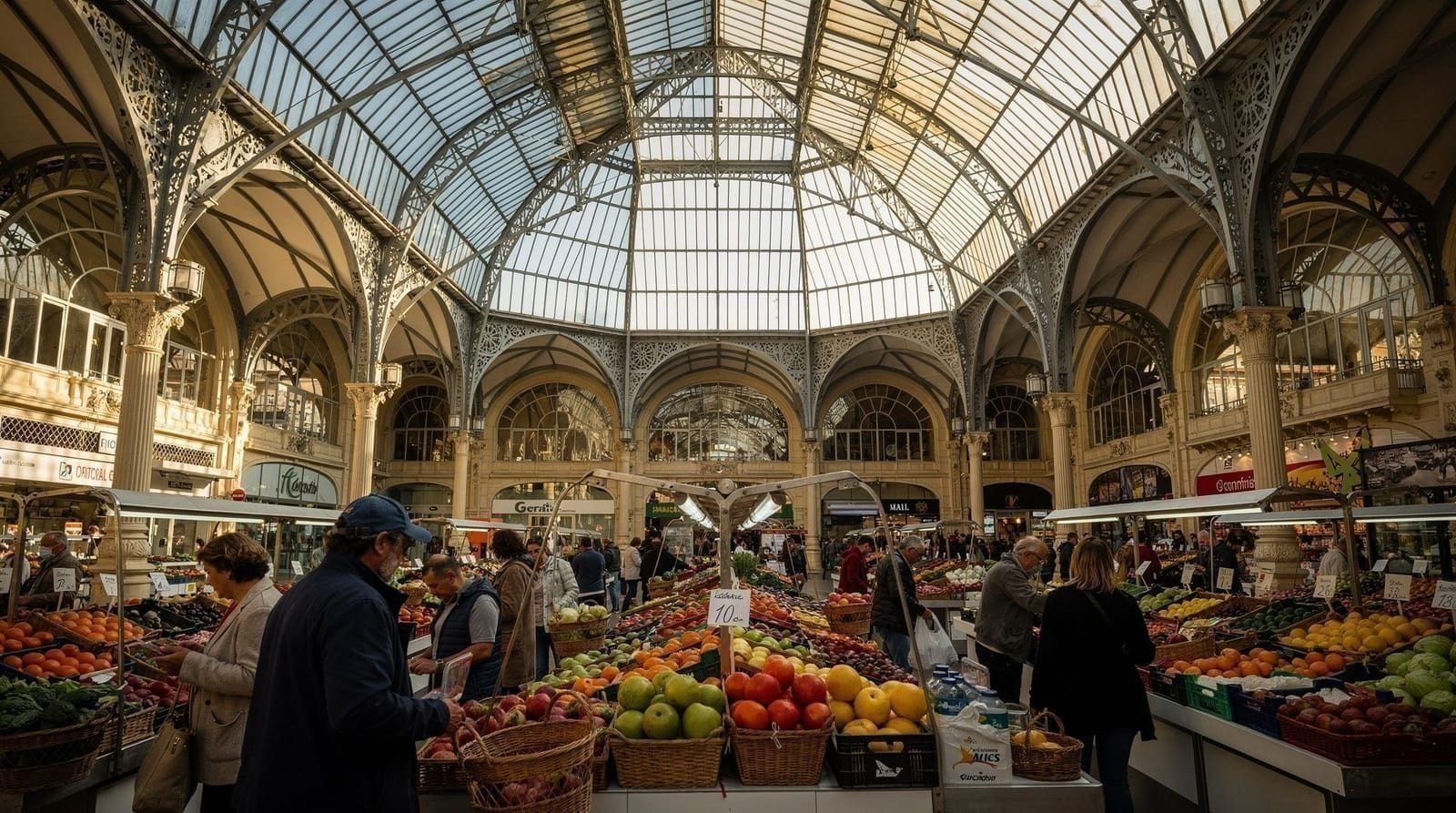
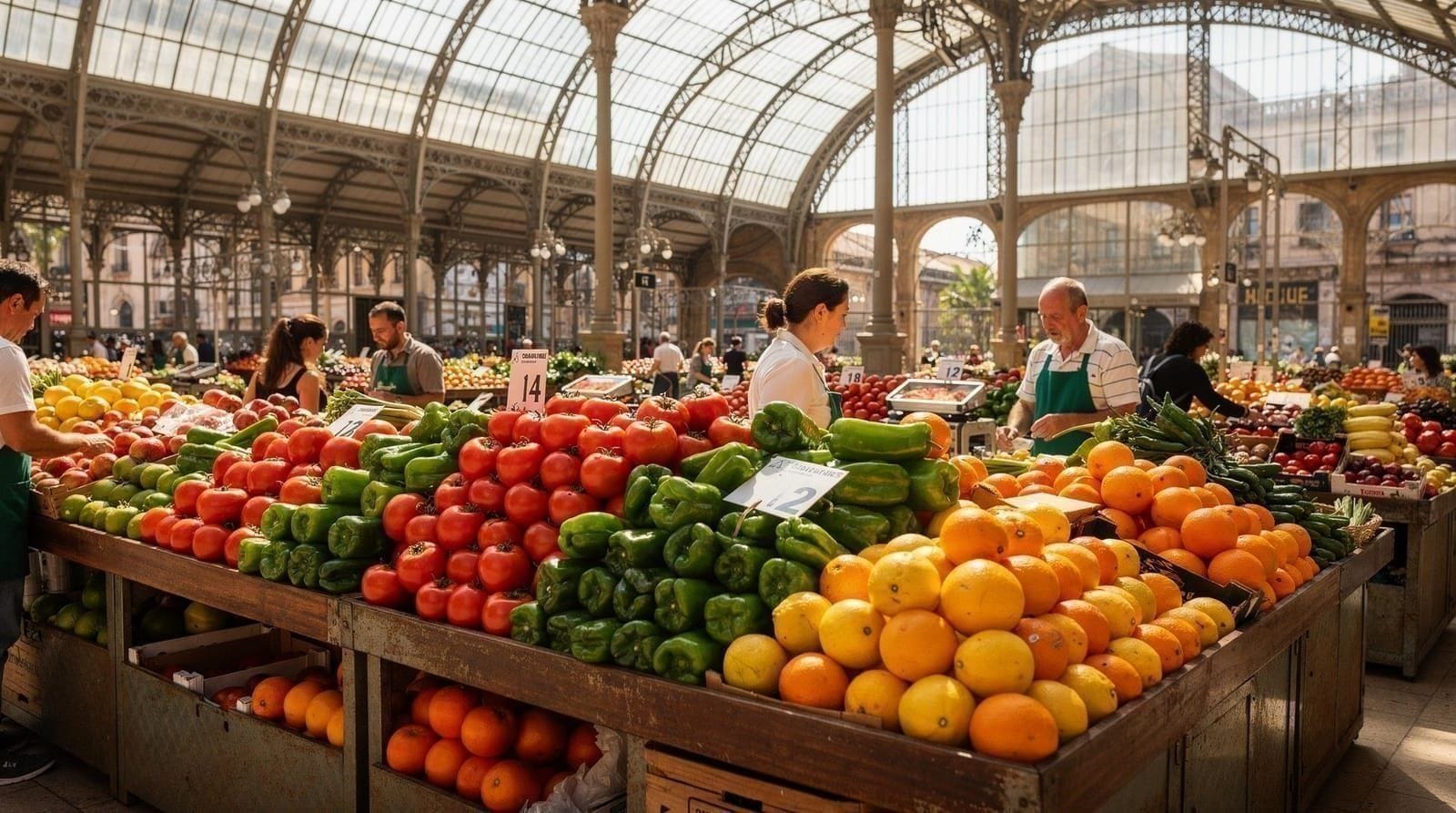
The Mercado Central is the market to visit on a first trip to Valencia. The building (1928 Art Nouveau, stained glass dome) is one of the most impressive covered markets in Europe, and the produce quality is genuinely high.
Tourist trap warning: the smoothie stalls near the entrance charge 8-12€ for fruit drinks made from ingredients sold elsewhere in the market for 2€. Stay away from these.
Mercado de Colón: the gourmet market
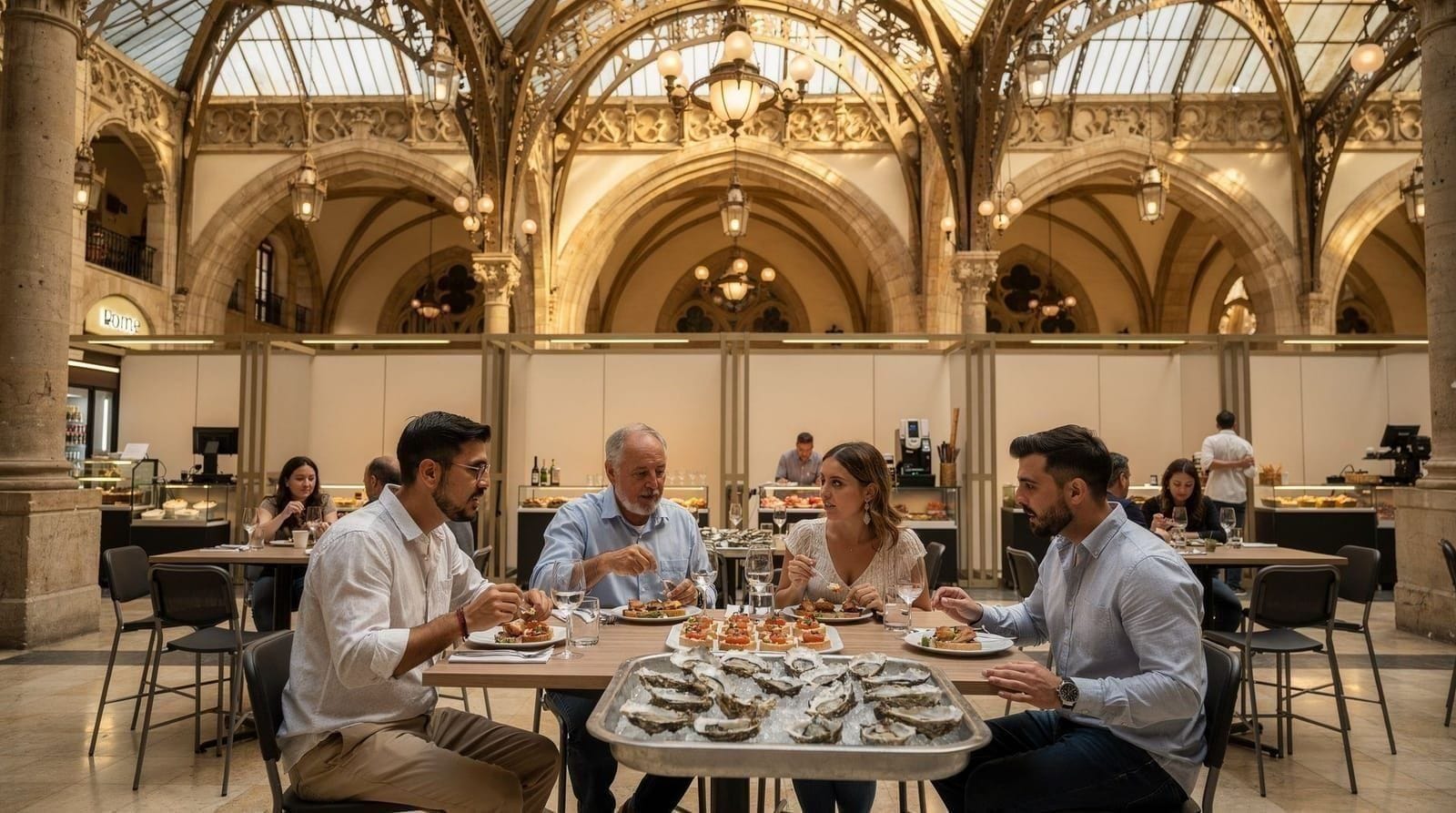
The Mercado de Colón is a different animal entirely — not a traditional food market but a converted 1914 modernist market building that now functions as an upscale food hall with restaurants, wine bars, and specialty food shops. See the full Mercado de Colón guide.
Location: Carrer de Cirilo Amorós 26 — central Eixample Hours: Monday-Sunday, 07:30-21:00 (individual businesses within vary) Best for: quality wine, premium charcuterie, sit-down breakfast or lunch, Spanish specialty food shops
The Mercado de Colón’s terrace and outdoor seating area is one of the better settings in Valencia for an afternoon drink or evening aperitivo. The building itself, with its ornate iron and glazed tile facade, is worth seeing as architecture.
Mercat de Russafa: the neighbourhood market
The Mercat de Russafa is a working neighbourhood market in Ruzafa that is at its best on Saturday mornings when organic and artisanal producers from the huerta set up outside. This is the most authentic market experience in Valencia for visitors who want to see how the city actually shops.
Location: Carrer del Doctor Serrano, Ruzafa Hours: Monday-Saturday morning (smaller weekday market; main Saturday market from 08:00) Best for: organic produce from local farmers, seasonal vegetables, neighbourhood atmosphere
On Saturday mornings, the exterior of the Mercat de Russafa fills with stalls from small farmers — a temporary organic market that draws food-conscious residents from across the city. You will find varieties of vegetables and fruits not available in supermarkets, alongside artisanal cheese, bread, and preserves.
The combination of the Mercat de Russafa Saturday market + brunch or esmorzaret at a nearby bar is one of the best ways to spend a Saturday morning in Valencia.
Mercat del Cabanyal: the fishing neighbourhood market
The Mercat del Cabanyal is in El Cabanyal, Valencia’s historic fishing neighbourhood on the seafront. The market reflects the neighbourhood’s maritime character: excellent seafood is available fresh each morning from the port.
Location: Carrer del Dr. Lluch, El Cabanyal Hours: Monday-Saturday mornings Best for: fresh Mediterranean seafood, clochinas (Valencia mussels), seasonal fish
Clochinas — Valencia’s local mussel variety, smaller and more intensely flavoured than Atlantic mussels — are in season from May to August and at their best at this market and the nearby fishmongers. El Cabanyal’s seafood is genuinely fresh from the nearby port.
Combining a visit to the Mercat del Cabanyal with breakfast at Casa Montaña (Carrer de Josep Benlliure 69) is an excellent morning in El Cabanyal.
Seasonal and street markets
Beyond the permanent markets, Valencia has several recurring temporary markets:
El Mercat Artesà (Sunday, Plaça de Santa Úrsula, El Carmen): a Sunday artisan market in the old city with handmade goods, organic food, and local products. More craft than food but some interesting local producers.
El Rastro (Sunday, Av. de Pérez Galdós): a large flea market on Sunday mornings. Not primarily food-focused, but has second-hand book sections, vintage goods, and some food vendors.
Farmers’ market at Turia gardens: occasional pop-up producers’ markets in the Turia park during warmer months. Check local listings.
What to buy at Valencia’s markets
Across the different markets, the best edible souvenirs and items to take home:
At the Mercado Central:
- Dried chufa (tiger nuts) from Alboraia — for making horchata
- Genuine azafrán (saffron) in glass vials
- Albufera short-grain rice (Senia or Bomba)
- Llonganissa and other Valencian cured meats (vacuum-packed for travel)
- Mantecados (traditional shortbread)
At the Mercado de Colón:
- Spanish olive oil (aceite de oliva virgen extra)
- Spanish cheeses (manchego, torta del Casar, idiazábal)
- Natural wines from Utiel-Requena or other Spanish DOs
- High-quality jamón ibérico (the real thing, from proper producers)
At the Mercat de Russafa (Saturday):
- Seasonal organic vegetables from the huerta
- Local honey and preserves
- Artisanal bread from local bakers
Practical market tips
Bring cash: most stalls in the Mercado Central and neighbourhood markets are cash only. ATMs are available near all markets. Bring small bills and coins.
Go early: the best produce goes to early buyers. By 12:00, premium items at the Mercado Central are sold. The Saturday Ruzafa market has the best selection before 10:30.
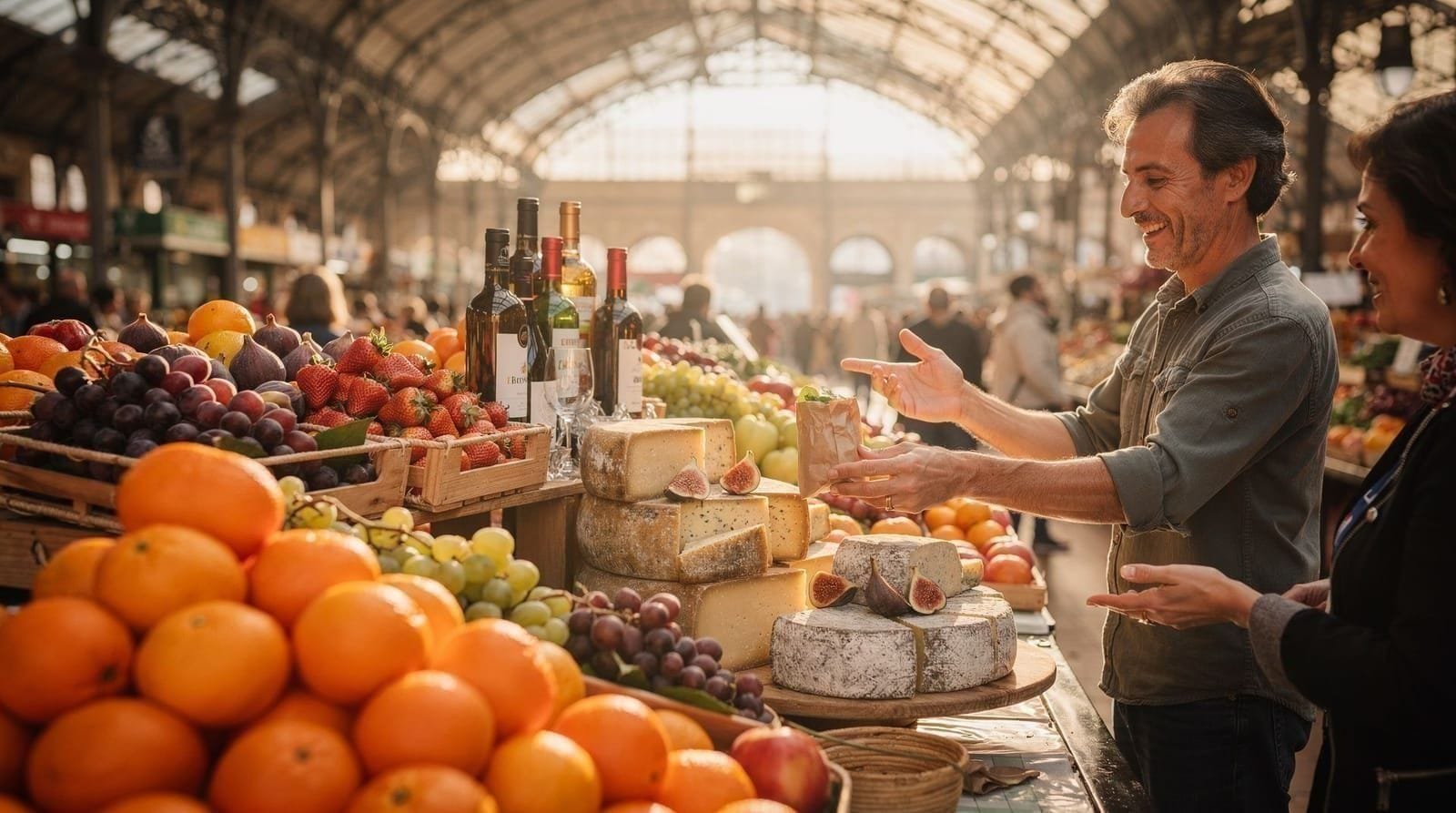
Taste before you buy: reputable stalls in all Valencia markets offer tastings of olives, cheese, and charcuterie. It is expected and normal to ask for a taste.
Negotiate respectfully: prices at most Valencia markets are fixed. Light negotiation on larger purchases (a whole leg of ham, for example) is acceptable; haggling on a bag of tomatoes is not the local custom.
A market-hopping morning
For visitors who want to see more than one market in a single trip, the geography works in your favour — all three main markets sit within a comfortable walk or a short metro/tram hop of each other.
| Time | Stop | What to do |
|---|---|---|
| 08:00–09:00 | Mercado Central | Arrive early for the best seafood and produce; breakfast at Central Bar |
| 09:15–10:00 | Walk to Mercado de Colón (25 min) | Coffee on the terrace, browse the specialty shops |
| 10:15–11:30 | Metro or tram to Ruzafa | Mercat de Russafa (Saturday only for the outdoor farmers’ stalls) plus tapas in Ruzafa |
This order works because the Mercado Central is busiest and best in its first hours, the Mercado de Colón stays lively into the afternoon, and the Russafa market’s outdoor Saturday stalls run until roughly midday. On a weekday, swap the Russafa stop for a walk through El Carmen instead, since the outdoor farmers’ stalls are Saturday-only.
Food tours that include markets
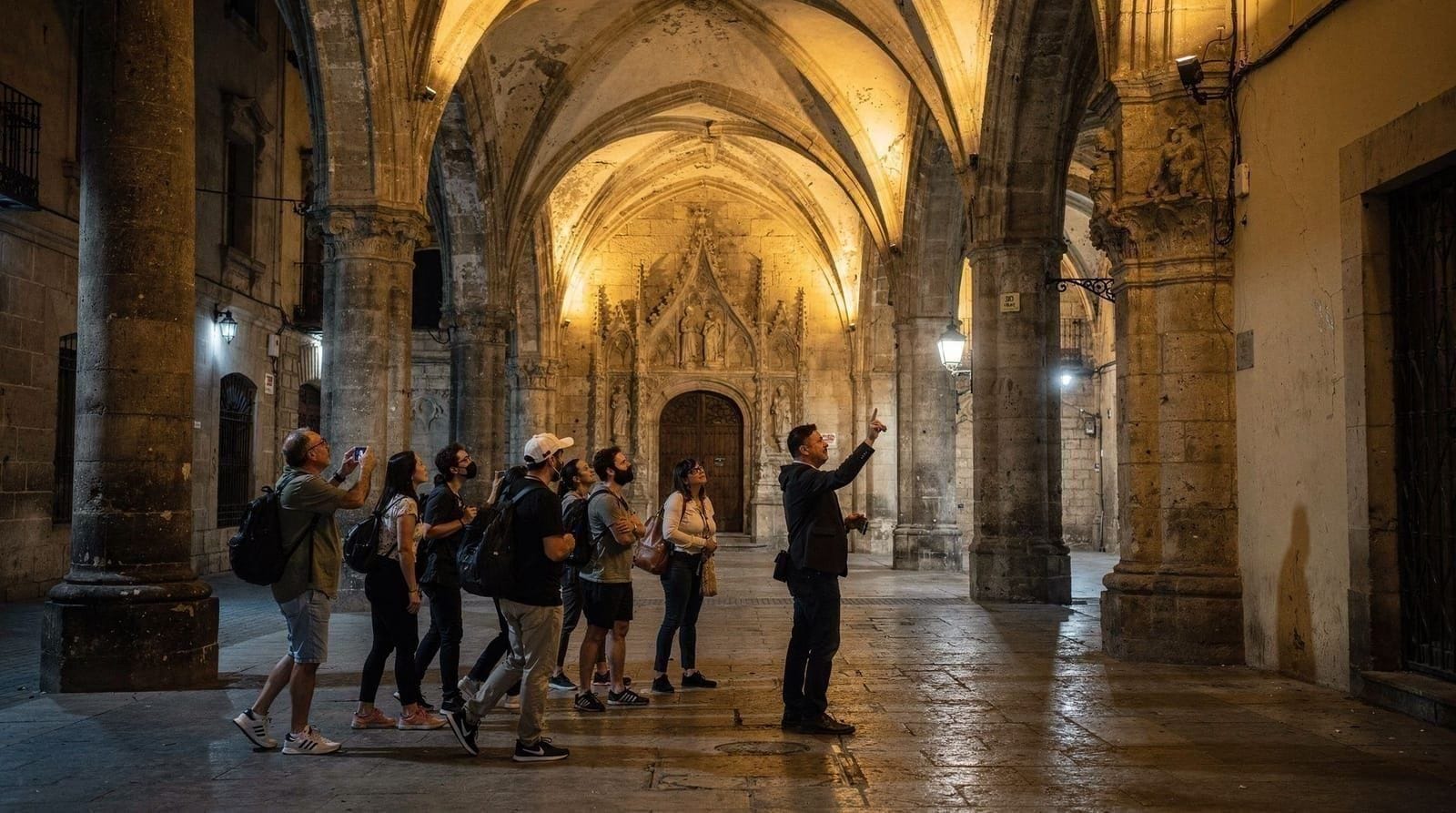
Valencia: daytime tapas tasting tour with Central Market visitA guided food tour with a Central Market component is worth considering on a first visit — a good guide identifies the best stalls, provides tastings, explains the produce, and gives context about the market’s history and the Valencian food culture it represents.
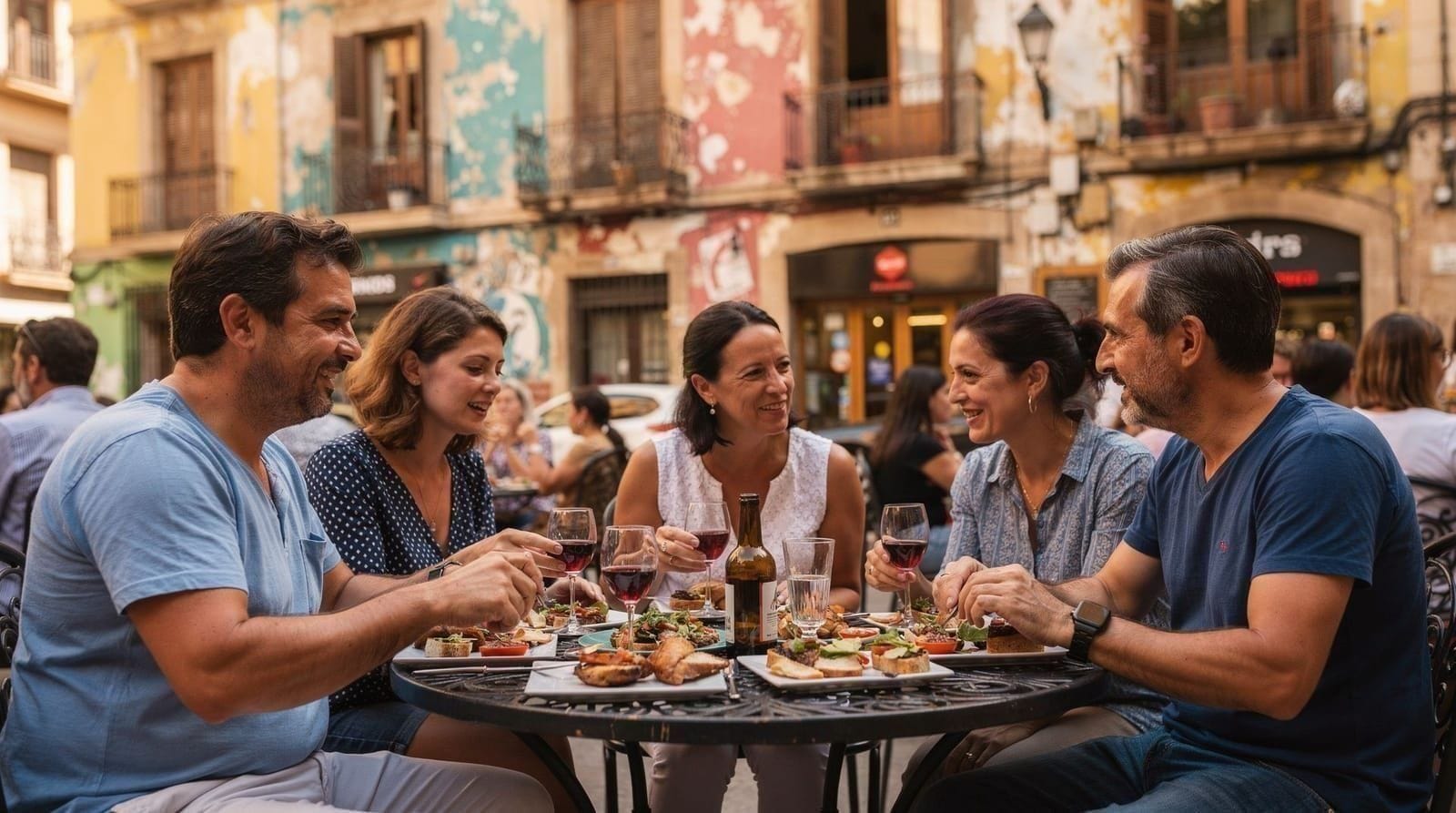
If markets are only one part of what you want to eat in Valencia, a broader tasting route can fill the gaps. a guided walk with a series of tastings across the old city suits visitors who would rather have someone else choose the stops, while an evening tapas and drinks route picks up where the markets close for the day, since the covered markets are morning places. Neither replaces a self-guided wander through the stalls, but both give you a sense of what to order afterwards. For more on eating well without a tour, see the eat like a local guide and the Valencia for foodies itinerary.
How to read a Valencian market
A market visit goes better when you know how the stalls work. Most vendors specialise: one stall sells only eggs, another only salt cod, another only dried beans and pulses. This means a shopping list quickly turns into a small tour of the building, and it is worth walking a full lap before buying anything so you can compare what is on offer. Locals tend to have a favourite stallholder for each category and return to the same person week after week, which is why you will often see short, friendly queues at one stall while the one next door stands quiet.
Look at what is piled highest and what is handwritten on the signs. Seasonal produce is the clearest signal of quality, and a stall dominated by one or two vegetables usually means they are at their peak. If you are cooking in an apartment, ask the vendor how they would prepare something; most are glad to explain, and a few words of Spanish go a long way. If you plan to cook rice dishes, the market is also the right place to understand the ingredients behind them — our guides to how to order paella and all i pebre explain what the finished dishes should taste like.
Eating at and around the markets
Markets in Valencia are not only for shopping; they are also places to eat. Many have a bar or small counter where workers and shoppers stop for coffee and something light before going on with their day. This is the moment to try the local habit of a mid-morning bite, covered in more depth in our esmorzaret and almuerzo guide. Order what the person next to you is having, and keep the pace relaxed.
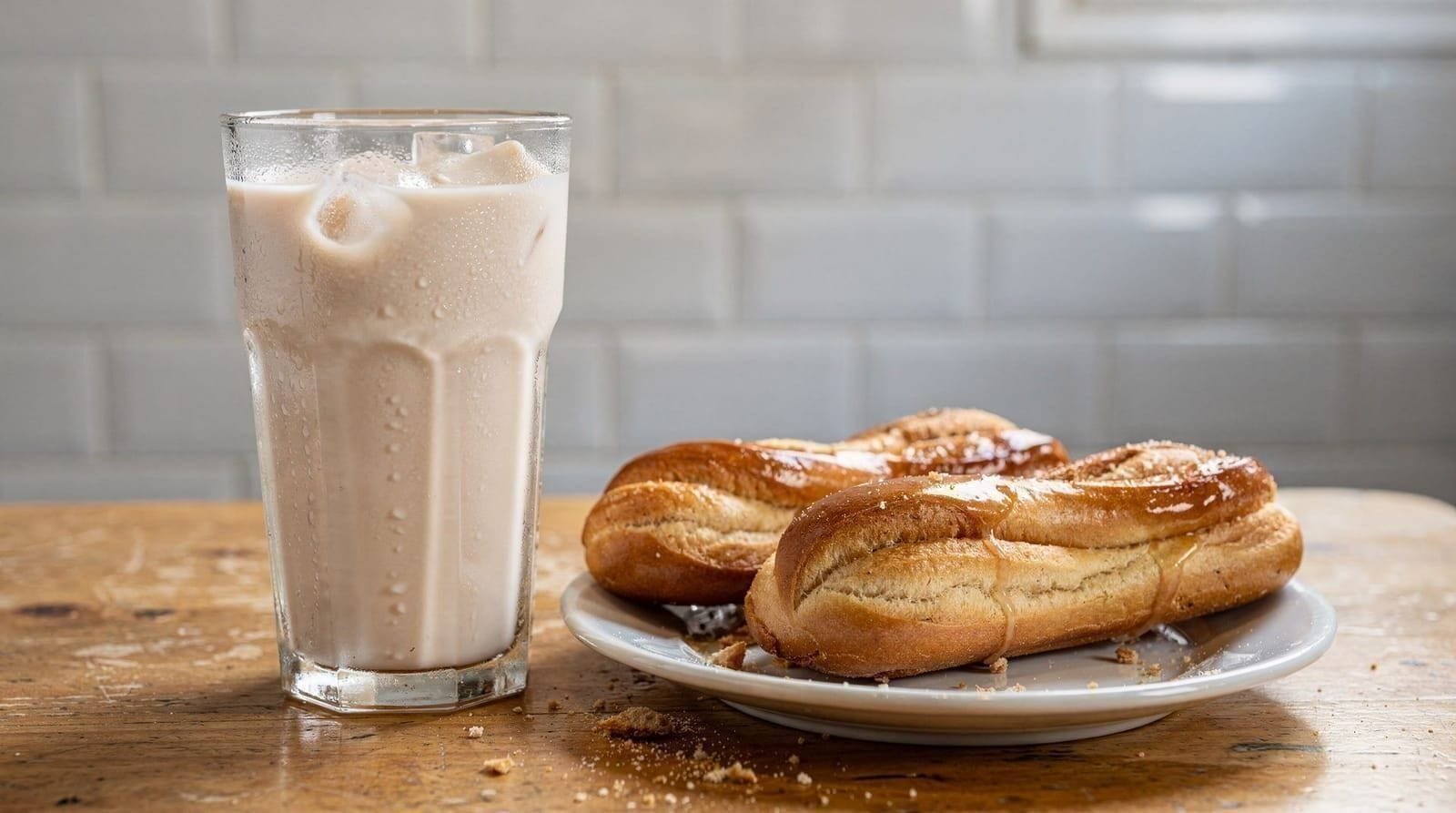
For a sweet stop, the neighbourhood around the markets has several places serving the city’s signature drink and its traditional pastries; the horchata and fartons guide explains how to order. If you want a lunch built around a fixed-price set meal rather than market snacks, read the menú del día guide before choosing a restaurant, and keep the tourist menu traps guide in mind near the busiest squares.
Planning around the rest of your trip
The markets fit easily into a longer stay. A morning at the Mercado Central pairs naturally with the nearby sights of the old town, such as the Lonja de la Seda, which sits just across the square. The Russafa and Colón visits slot into a day in the Eixample and Ruzafa districts, and the Russafa guide covers the neighbourhood beyond its market. If you are deciding where to base yourself so the markets are close, the where to stay guide compares the main areas.
One practical reminder: markets are working places first and attractions second. Move aside when you stop to take photos, do not handle produce you do not intend to buy unless the vendor invites you to, and keep bags close to you in the busiest aisles. Done with a little courtesy, a market visit is one of the easiest ways to feel like a resident rather than a passing visitor.
Comparing Valencia’s markets to other Spanish cities
Spain’s covered market culture is strong — Barcelona’s La Boqueria, Madrid’s Mercado de San Miguel, San Sebastián’s Mercado de la Bretxa are all well-known. Valencia’s Mercado Central is in the same league architecturally as La Boqueria but less overtly tourist-facing. The Mercat de Russafa’s Saturday market is arguably more authentically local than anything in Barcelona’s tourist zone.
The comparison with Mercado de Colón and Barcelona’s Eixample gourmet markets (Galvany, Ninot) shows Valencia at a comparable quality level but lower prices.
Frequently asked questions about Valencia food markets
Which market is best for a Sunday visit?
The Mercado Central is closed on Sunday. The Mercado de Colón is open Sunday and provides the best alternative. The Sunday artisan market in El Carmen (Plaça de Santa Úrsula) has some food vendors if you want a smaller, less commercial experience.
Can I ship food purchases home from Valencia?
Most specialty food shops and some market stalls will vacuum-pack and box purchases for travel. For shipping internationally, the postal service (Correos) and courier services (Nacex, MRW) have offices in Valencia. Dry goods (rice, dried chufa, cured meats vacuum-packed) travel well.
Are Valencia’s markets accessible with a pushchair or wheelchair?
The Mercado Central has significant accessibility challenges — the interior aisles are narrow and crowded, particularly in peak hours. The Mercado de Colón is considerably more accessible with wider spaces and proper facilities.
Top experiences
Bookable activities with verified prices and instant confirmation on GetYourGuide.