Bioparc Valencia: the honest family visitor guide
Valencia: Bioparc Valencia admission ticket
What is Bioparc Valencia and how much does it cost?
Bioparc is a zoo without visible barriers — animals in naturalistic habitats where plants and water features separate visitors from gorillas, elephants, and lions rather than fences. Adult entry costs from about €29.50 online. Allow 3–4 hours. It is genuinely one of the best-designed zoos in Europe.
| Where | Western Valencia, near Nou d’Octubre |
| Cost | From about €29.50/adult, €23.50/child online |
| Time needed | 3-4 hours |
| Getting there | Metro (line 1/5) to Nou d’Octubre, or bus 95/97 |
| Best time | Morning, first two hours after opening |
Bioparc Valencia opened in 2008 with a specific philosophical commitment: no visible barriers between visitors and animals. The concept — called “zoo immersion” — uses natural landscape elements to create habitats where the separation is achieved through moats, rocks, vegetation, and glass rather than wire or chain-link fencing. The result, across its 10-hectare site on the western edge of Valencia, is one of the most thoughtfully designed zoos in Europe. The gorilla complex alone — where a family group moves through an Equatorial African forest habitat behind floor-to-ceiling glass panels — justifies the entrance price.
The concept and what it means in practice
Traditional zoo design separates humans from animals with obvious barriers. Bioparc replaces those barriers with mimetic landscape features that frame and conceal the separation: a stream in a gorge creates distance; a boulder field blurs the boundary between visitor path and lion habitat; glass is placed flush with the ground rather than behind fences, so children can press their faces against it without obstruction.
The concept is not unique to Bioparc — it draws on zoo design philosophy developed in the 1980s and refined in the 1990s across Northern Europe. What distinguishes Bioparc is the consistency of its application: the theming does not break down at inconvenient points, and the African and Malagasy ecosystem focus gives the whole park a coherent narrative arc.
The honest limitation: the concept works better for some species than others. The elephant habitat is large and functional. The gorilla habitat is the best in Spain and among the best in Europe. The lion and cheetah habitats are good. Some of the smaller enclosures in the Madagascar section are more conventional. And on hot summer afternoons, many animals are inactive and the “immersion” effect is reduced.
What to see: the main attractions
The gorilla complex
Bioparc has one of the largest captive gorilla populations in Europe and the gorilla habitat is the park’s signature exhibit. The complex houses a bachelor group and a family group in separate habitats connected by an indoor section. The main viewing area — a sunken walkway at eye level with the habitat floor, separated by glass — allows for close observation of gorilla behaviour at near eye-to-eye distance.
Western lowland gorillas are critically endangered in the wild. Bioparc participates in the European Endangered Species Programme (EEP). Births at Bioparc — there have been several since the park opened — receive national press coverage.
Plan to spend 20–30 minutes at the gorilla complex. Morning visits are reliably more active than afternoon ones.
African elephants
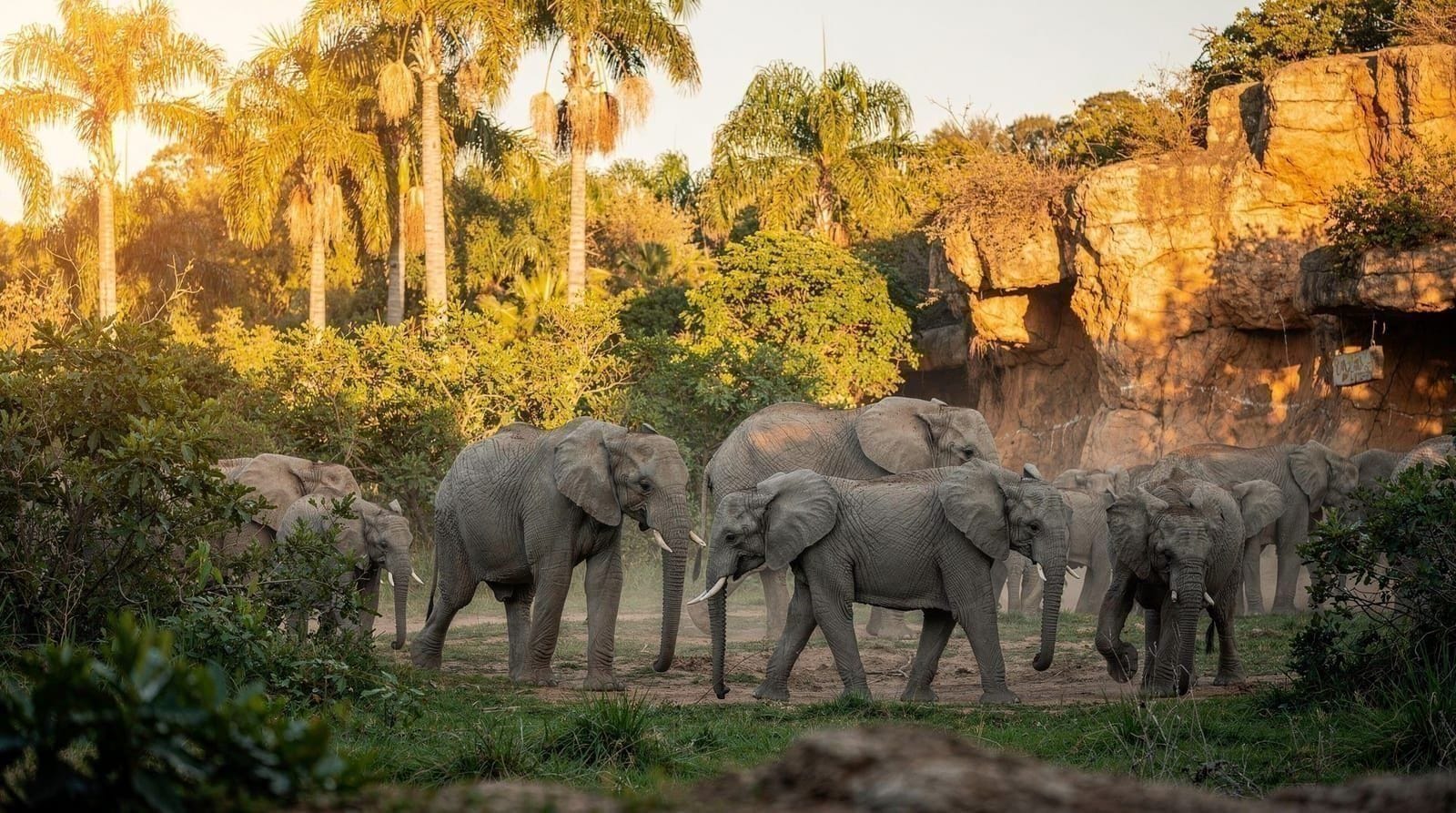
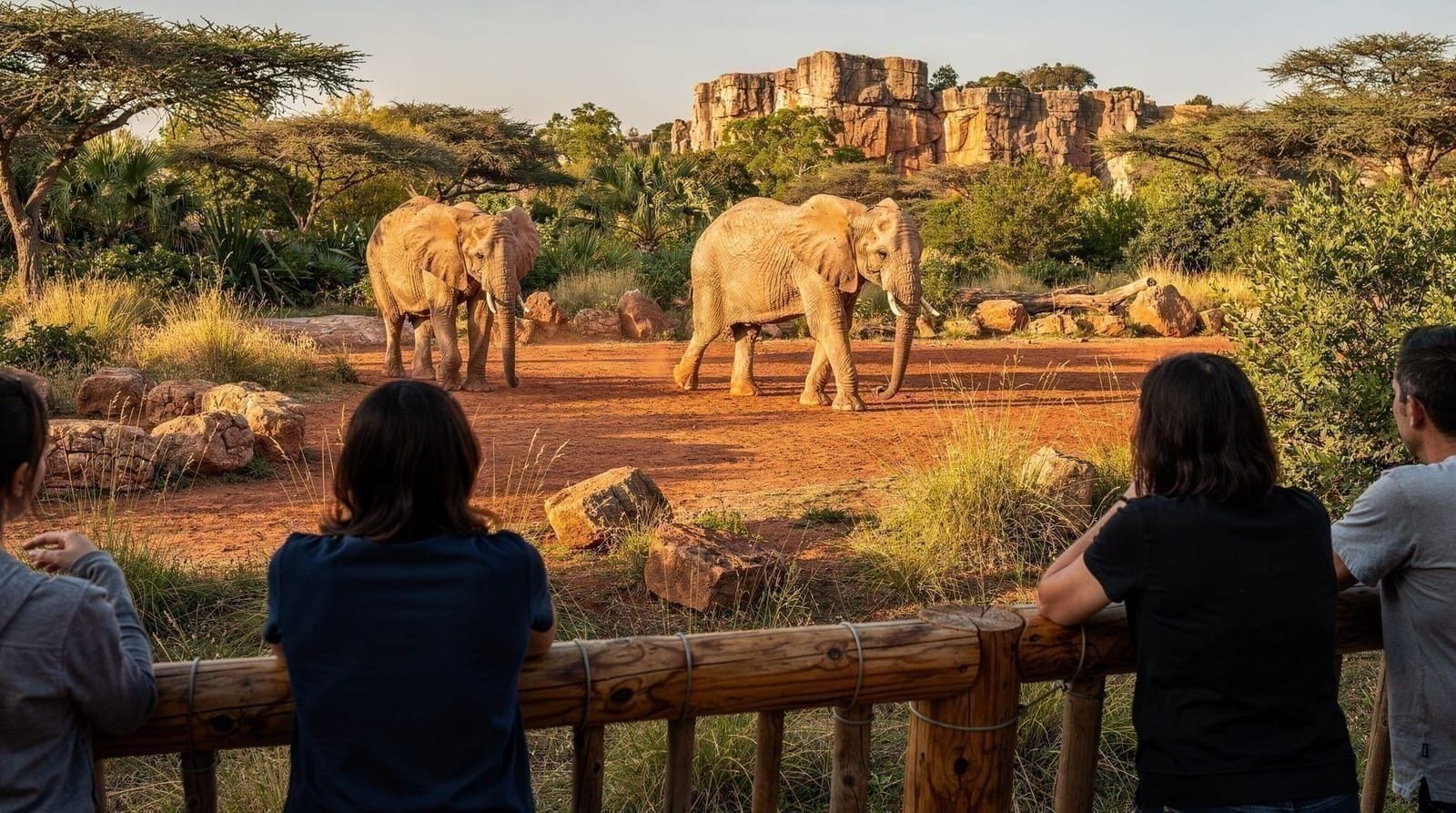
The elephant habitat at Bioparc is among the largest in Spain, featuring a pool for bathing, mud wallowing areas, and savanna grassland. The park currently holds a small herd. Feeding sessions and keeper talks are scheduled — check the board at the habitat entrance on arrival.
Lions and cheetahs
The large feline habitat uses a moat-and-rock system to achieve separation without visible fencing. The cheetah observation points, in particular, work well — cheetahs are diurnal and tend to be active in morning hours, moving through their habitat in patterns that visitors can follow.
Lions are predictably inactive in the afternoon heat. Morning visits, again, produce better observations.
Hippos and crocodiles
The hippo pool includes an underwater viewing section where visitors descend into a basement-level walkway to see hippos moving underwater. The effect is similar to the Oceanogràfic’s shark tunnel — initially surprising and worth seeking out. Crocodiles are in adjacent habitats, active primarily in morning hours.
Madagascar section
The Madagascar habitats include several species of lemur in a semi-open environment where some individuals have become comfortable with close proximity to visitors. Ring-tailed and black-and-white ruffed lemurs are the most reliably visible. The aviaries contain Madagascar endemic bird species that are rarely seen in European collections.
Practical information
Opening hours (2026):
- Daily from 10:00 (11:00 on 25 Dec and 1 Jan); closing time varies through the year
- Last entry 1 hour before closing
Ticket prices (2026):
- Adult (13+): from about €29.50 online (prices vary by date; see the official site for door prices)
- Child (4–12): from about €23.50
- Under 4: free
- Senior (65+): from about €23.50
 Bioparc Valencia admission ticketCheck availability
Combination tickets:
- Bioparc + hop-on hop-off bus: savings if you plan both
- Heart of Africa package: adds a behind-the-scenes element with keeper access
 Bioparc — discover the Heart of AfricaCheck availability
How to get there
Metro: Line 1 or 5, stop Nou d’Octubre. Exit toward Avenida Pío Baroja and follow signs (about 8 minutes’ walk from the station exit).
Bus: Lines 95 and 97 stop near the main entrance on Avenida Pío Baroja.
By bike: From the city centre (Plaza de España), Avenida Pío Baroja runs almost directly to the Bioparc entrance — about 2.5 km, mostly flat, with a dedicated cycle lane for a significant portion of the route. Valenbisi stations are near the entrance.
By hop-on hop-off bus: The city tourist bus includes a Bioparc stop. If you already have a 24 or 48-hour bus pass, this is the most convenient public transport option.
Car: Parking is available along Avenida Pío Baroja. Free street parking is usually available within 5 minutes’ walk.
Visiting with children
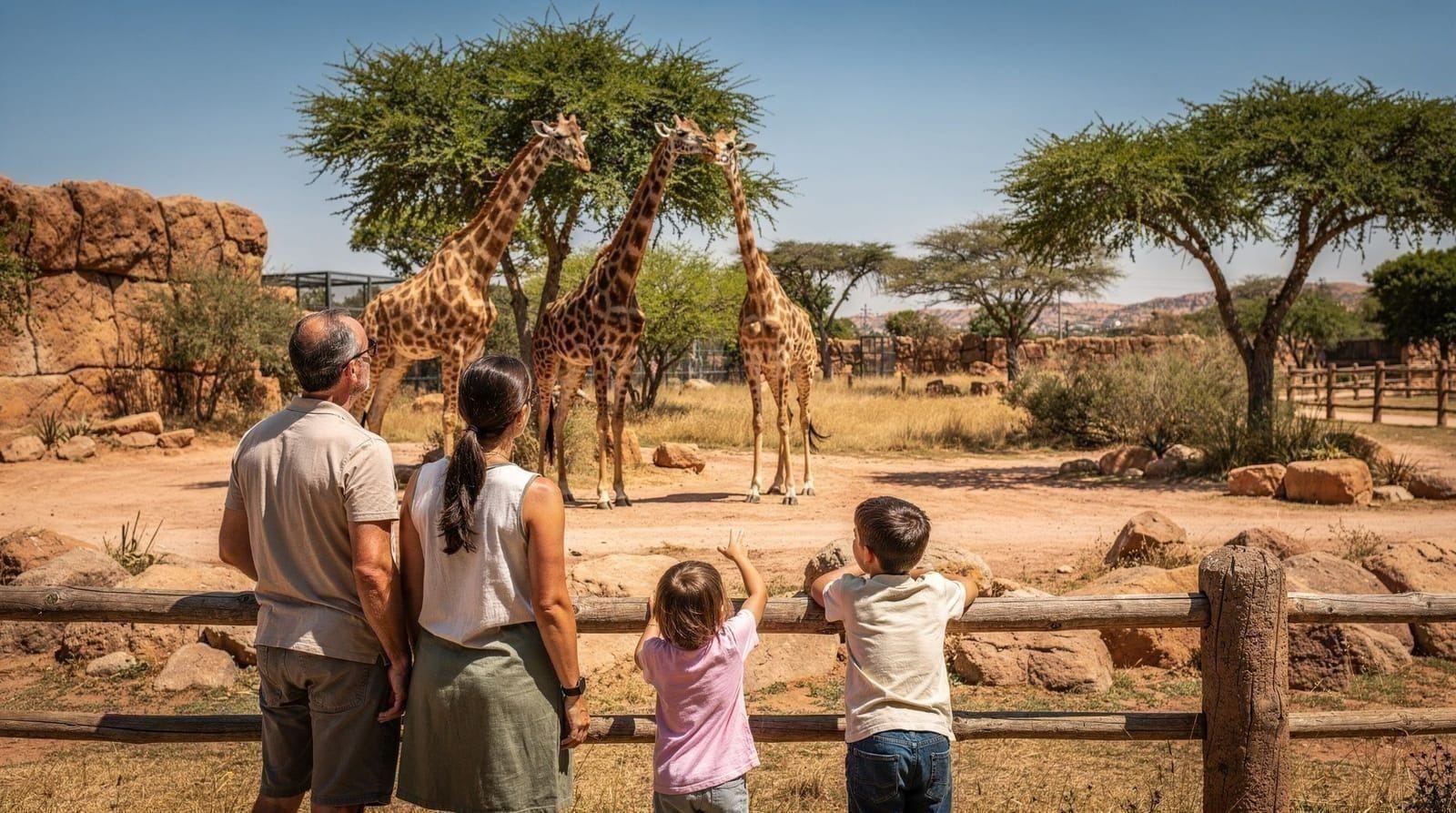
Bioparc is among the best family attractions in Valencia for children between ages 4 and 14. The layout is pushchair-friendly throughout, the animal heights and glass panels are calibrated for child eye level, and the walking distances between major exhibits are manageable for young children.
For families with very young children (under 3), the meerkats and lemur sections are reliably engaging. For older children (8–12), the gorilla and elephant habitats are the highlights. Teenagers who have outgrown enthusiasm for conventional zoos tend to find the immersion concept more engaging than expected.
Shade is available throughout the park but limited in the central savanna sections. Bring sun protection in summer.
For a full family planning guide, see Valencia with kids and the Bioparc family guide.
Comparing Bioparc to L’Oceanogràfic
Both are exceptional. Bioparc is better for families interested in terrestrial wildlife (gorillas, elephants, lions); the Oceanogràfic is better for marine life. Both require 3–4 hours minimum. If you are planning a family itinerary for Valencia with children, allocate one dedicated day to each.
Bioparc is in the western part of the city, the Oceanogràfic in the eastern end of the Ciudad de las Artes y las Ciencias complex. Visiting both in a single day is physically possible but produces an exhausted and understimulated afternoon — better to spread them across two days.
Tips for a better visit
- Arrive at opening (10:00). The first 90 minutes have smaller crowds and more active animals.
- Get a programme board photo on arrival. The board near the entrance lists feeding times and keeper talks for the day — plan your route around the gorilla and elephant talks.
- Bring water. The kiosks inside charge market rates. The sun exposure in the main savanna section is significant in summer.
- Photography: The glass viewing panels reflect light from behind you — stand at an angle to the glass rather than straight on to reduce glare.
- Evening openings: Bioparc runs occasional evening sessions in summer (July–August Fridays and Saturdays) with different lighting and smaller crowds. Check the programme in advance if visiting in peak season.
The Valencia with kids itinerary includes a Bioparc day as part of a 4-day family programme.
 hop-on hop-off bus + Bioparc comboCheck availability
Planning your route through the park
Because the park is themed as a journey through African landscapes, it rewards a loose plan rather than a rigid checklist. Decide before you enter which two or three habitats matter most to your group — for many families that means the gorillas and the elephants — and walk to those first while the animals are at their most active. Everything else can then be taken at a slower, more opportunistic pace, stopping where something is moving and moving on where it is not.
The circuit is easy to follow, and the signage keeps you oriented without a map. Still, take a minute at each habitat to look properly: animals in a naturalistic enclosure are often resting in a corner you would walk past in a hurry. Children in particular tend to spot things adults miss, so letting them lead for a few minutes pays off.
Build in rest stops. A bench in the shade, a snack at the picnic area and a refill of the water bottle make the second half of the visit far more enjoyable than pushing through on empty. If a child is flagging, the small mammals and lemurs are a good low-effort way to restart interest before heading to the larger habitats.
Choosing the right ticket
Most visitors need nothing more than a standard entrance ticket booked online in advance, which also saves you from standing in a queue at the gate. If you want more depth, the keeper-access package described above suits visitors who care about conservation and animal care rather than simply seeing the animals. If you are already planning a sightseeing day by bus, the combination with the city tour is worth considering; our hop-on hop-off verdict explains who actually benefits from that kind of pass.
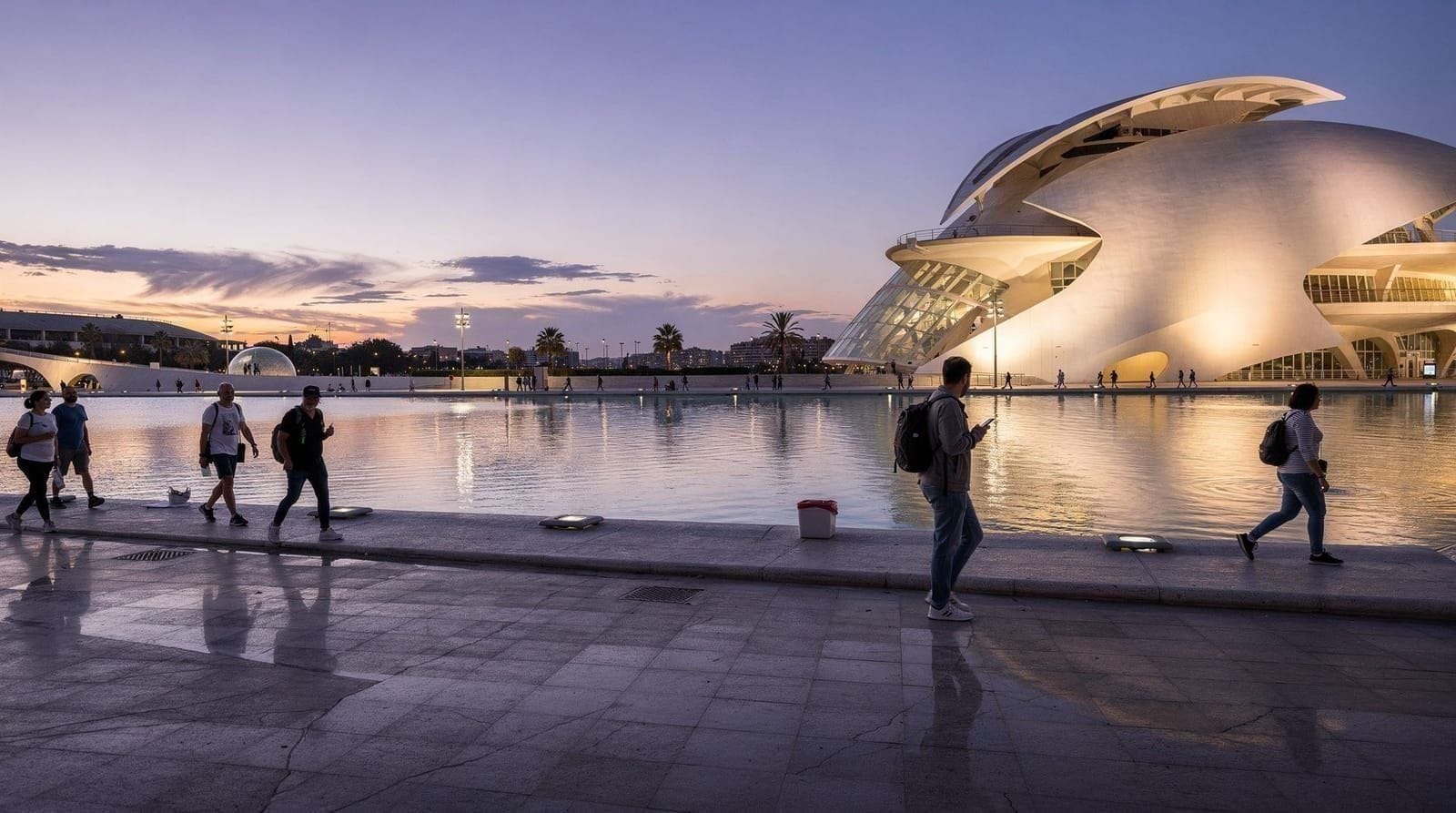
Anyone building a multi-attraction trip should also compare the options in the Valencia Tourist Card guide before buying, since the value of a pass depends entirely on how many paid sights you will really visit. For visitors who prefer a single day devoted to the modern side of the city, the combined City of Arts and Sciences day pairs naturally with a second, separate day at the zoo rather than the same day.
 City of Arts full-day combined ticketsCheck availability
When to go: season and weather
Bioparc is open year-round, but the experience changes with the weather. Spring and autumn offer the most comfortable walking conditions and animals that stay out and about for longer; our guides to Valencia in spring and Valencia in autumn describe what the city feels like in those months. In midsummer, shade becomes the priority, and the advice to arrive at opening is not a suggestion but the difference between an enjoyable visit and a hot, slow one — see Valencia in summer for how to plan around the heat. Winter days can be pleasantly quiet, with fewer crowds at the habitats, though you should dress in layers and check the weather before you set out.
A rainy day does not necessarily cancel the plan. Much of the park is outdoors, so waterproofs matter, but the indoor gorilla and hippo viewing areas stay dry, and the park can feel atmospheric when the vegetation is wet. If the forecast is truly poor, our rainy day ideas for kids list indoor alternatives to swap in. For wider timing advice across the year, the best time to visit Valencia guide covers the seasons in detail.
Combining Bioparc with the rest of your day
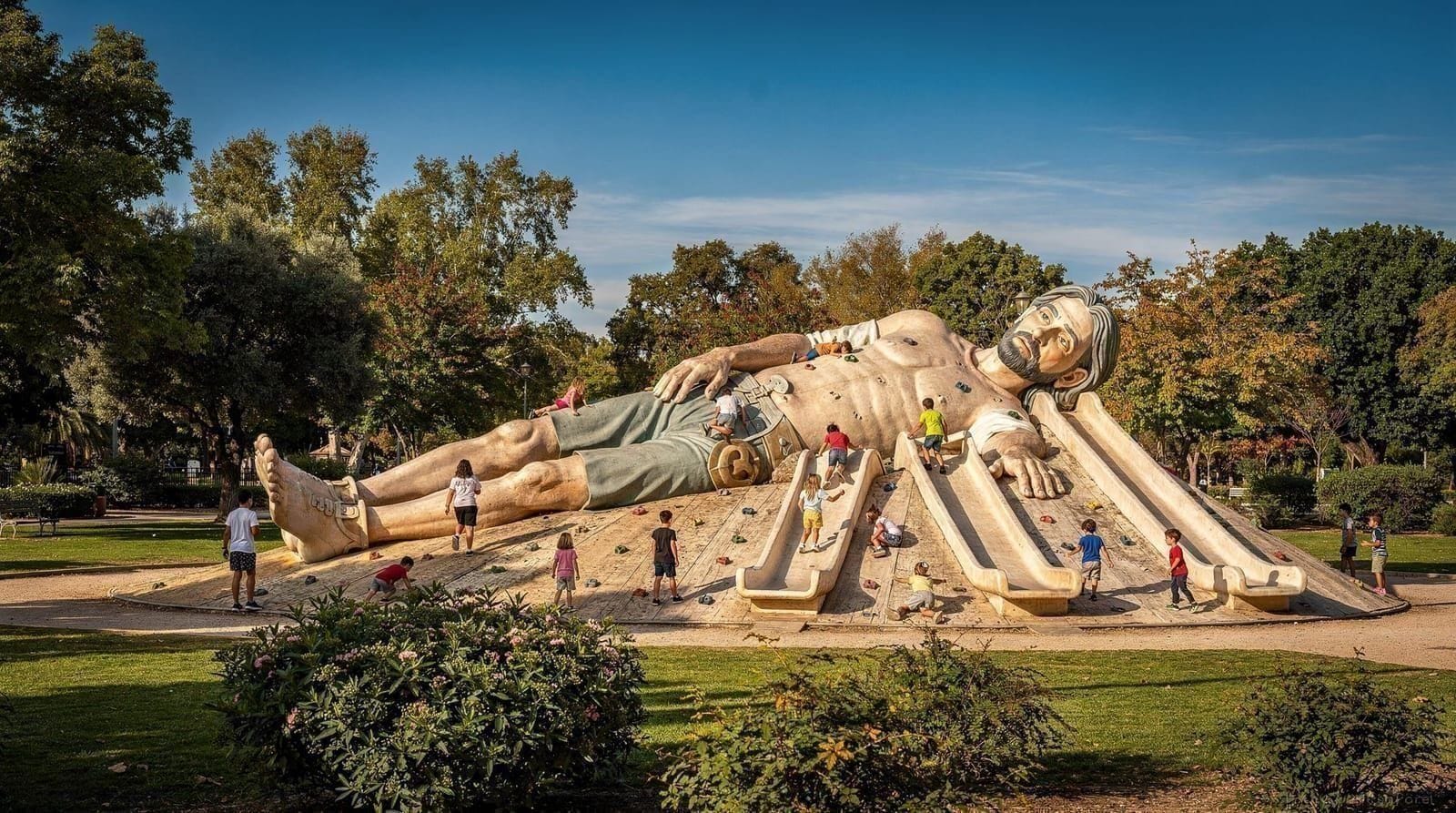
A visit to the zoo is a substantial outing, so keep the rest of the day light. Many families finish in the afternoon with something free and relaxed, such as a stretch on the Gulliver playground for children who still have energy, or a calm walk through the green space of the old riverbed described in our Turia Gardens guide. Cycling back to the centre is a pleasant option if everyone is still in the mood; the Valenbisi guide explains how the city bike-share works, and the metro and EMT guide covers the public transport alternatives if tired legs call for the train instead.
If you are building a longer family trip, the family itinerary for Valencia shows how a zoo day slots in between beach time and the other big attractions, and Valencia with kids gives the wider picture of what works with children of different ages.
Accessibility
Bioparc’s paths are mostly paved and gently graded, which makes the park manageable for wheelchair users and visitors with limited mobility, though the western section near the elephant habitat has a longer, gentler slope worth pacing yourself for. Wheelchair rental is available at the entrance for a refundable deposit; book ahead in peak season if a specific model matters. Accessible toilets are located near the main food pavilion and at two points along the circuit.
For a wider look at getting around the city with mobility needs, see our accessible Valencia guide.
For visitors with sensory sensitivities, the indoor gorilla viewing area and the underwater hippo section can get loud with school groups, particularly on weekday mornings during term time — an early Saturday or Sunday visit is quieter on this specific point, even though weekday mornings are otherwise the best time to see active animals.
How Bioparc compares to a traditional zoo
Visitors used to conventional zoos sometimes need a moment to recalibrate at Bioparc, since the absence of visible fencing changes how you look for animals. Rather than scanning a cage, you’re reading a landscape — a gap in the vegetation, a change in ground level — which is part of the design’s appeal but also means slower visitors, particularly children, benefit from a brief orientation at each new habitat rather than walking straight past.
The trade-off against a traditional zoo is capacity: because habitats are large and naturalistic, Bioparc houses fewer total animals per hectare than a conventional zoo of similar size. What you get instead is depth — genuinely large, well-designed spaces for the species it does have, rather than a longer species checklist in smaller enclosures. For most visitors, especially families, this trade-off is a clear net positive.
Frequently asked questions about Bioparc Valencia
How much do Bioparc tickets cost?
Online prices in 2026 start from about: adult (13+) €29.50, child (4–12) €23.50, under 4 free, senior (65+) €23.50. Prices vary by date; check the official site for door prices. A combo with the hop-on hop-off bus is available and saves a few euros if you plan to use the bus separately.How long should I spend at Bioparc?
3 to 4 hours covers the main areas thoroughly. For families with young children, budget a full morning or afternoon. Gorillas, elephants, and the Madagascar habitats are the slowest sections — the animals are more active in the morning.What is the 'immersion' concept?
Bioparc uses natural barriers — streams, rocks, vegetation, glass panels flush with the habitat floor — instead of traditional cages or wire mesh. Visitors walk through landscapes that surround both them and the animals. The effect, when it works, is remarkable: watching a silverback gorilla at eye level through floor-to-ceiling glass is a genuinely different experience from observing an animal behind bars.What animals does Bioparc have?
Bioparc focuses on African and Malagasy ecosystems. Key species: gorillas (Bioparc has one of the largest gorilla populations in Europe), African elephants, lions, cheetahs, hippos, crocodiles, meerkats, lemurs, and a wide range of African birds. There are no bears, no polar animals, and no Asian species — the thematic focus is maintained throughout.How do I get to Bioparc from the city centre?
Metro: line 1 or 5 to Nou d'Octubre, then a short walk. Bus: lines 95 and 97 stop near the entrance. By bike: the route along Avenida Pío Baroja from the city centre is mostly flat and takes about 25 minutes from the old town.Is Bioparc good for children under 5?
Excellent. The low glass panels on many habitats are designed at child eye level. Pushchairs are accommodated everywhere. The meerkats, lemurs, and small mammals at near-ground level fascinate young children. Budget double the standard visit time for families with toddlers.When are the animals most active?
Morning, particularly the first two hours after opening (10:00–12:00). By mid-afternoon in summer, many animals retreat to shade. The gorilla enclosure is most active before noon.Is there food available inside?
Yes — two main cafeteria areas and smaller kiosks. Prices are typical for a major attraction (€5–8 for a main). Quality is adequate. Bringing a packed lunch is permitted and practical — there are shaded picnic areas near the main food pavilion.
Top experiences
Bookable activities with verified prices and instant confirmation on GetYourGuide.