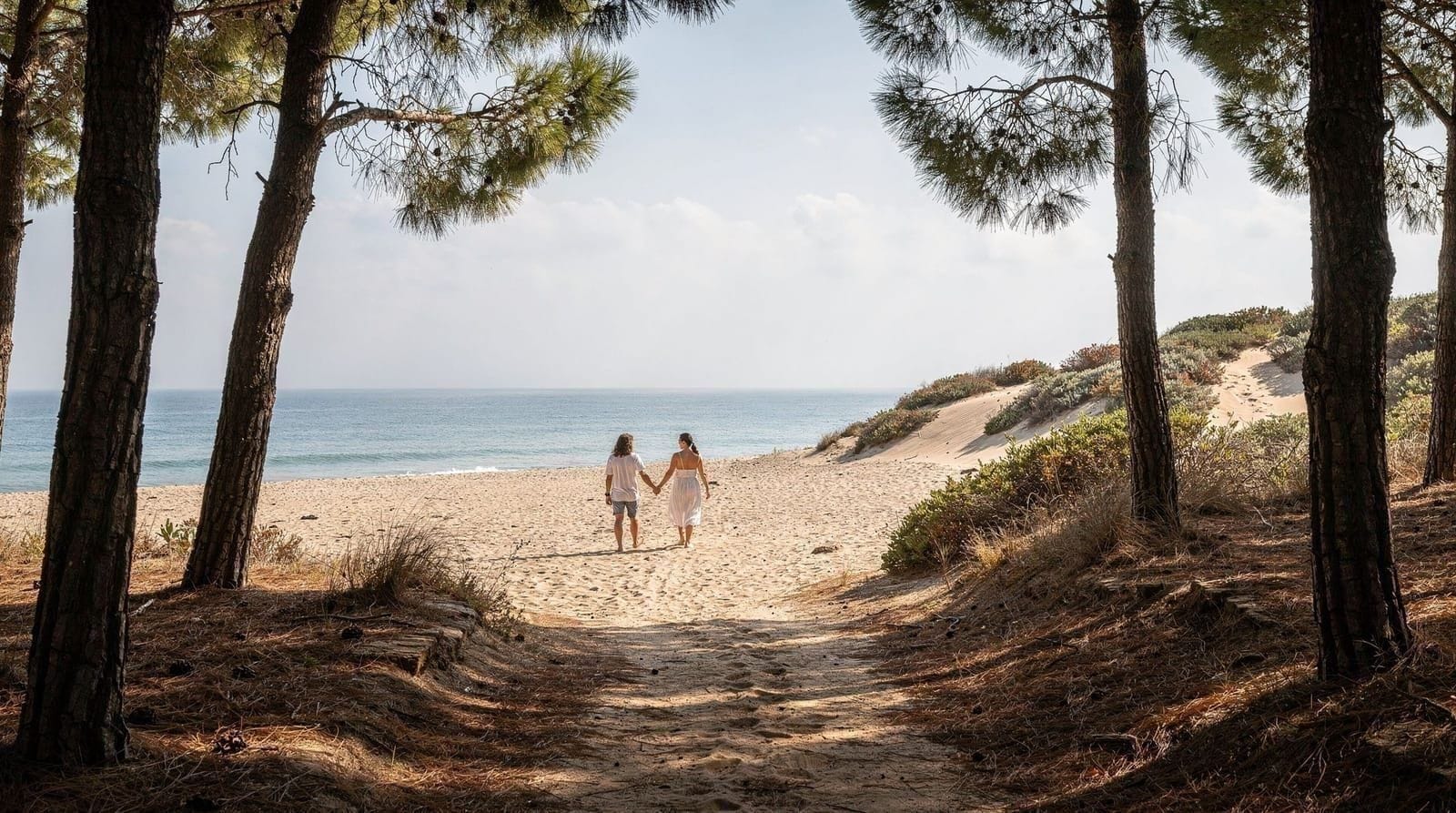
Cullera day trip from Valencia: beaches, castle, and Albufera views
Valencia: Cullera history, beach and the Valencian Albufera tour
Is Cullera a good day trip from Valencia?
Yes, especially if you want beaches and a bit of history without the crowds of the main resorts. Cullera is 40 km south of Valencia, 45 minutes by Cercanías C1 train. The rocky headland, hilltop castle, sandy beaches, and proximity to Albufera make it one of the best-value train day trips on the Valencian coast.
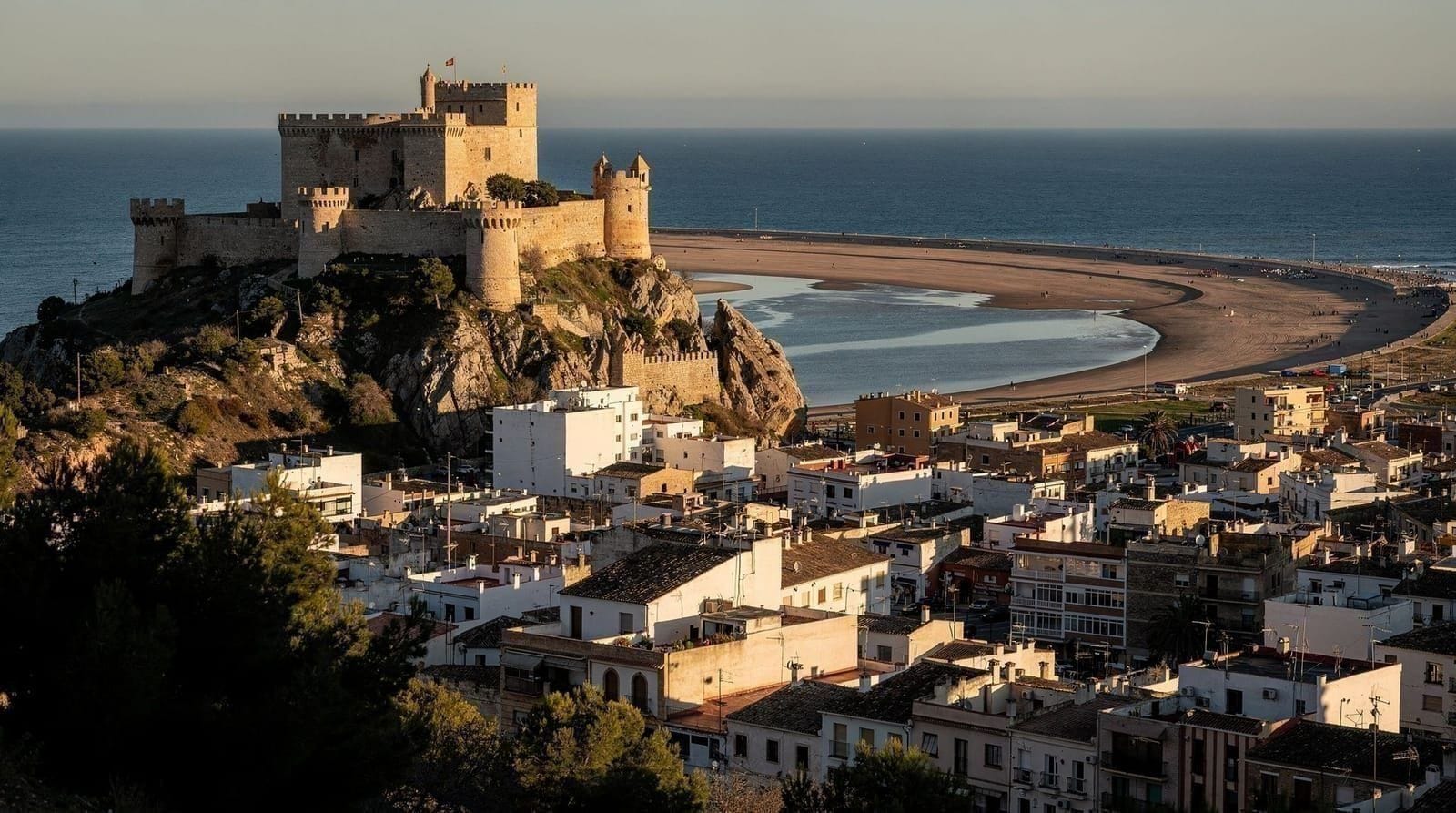
Cullera sits 40 km south of Valencia where the Júcar river meets the Mediterranean — a coastal town backed by a rocky headland topped with a castle, facing a long sandy beach that stretches north along the coast. It is served directly by the Cercanías C1 train from Valencia in 45 minutes, making it one of the quickest beach escapes from the city. Unlike the busier resorts further south, it retains a functioning fishing port and a hill quarter with the kind of tight streets and castle ruins that reward a few hours of exploration.
The beach and the headland views are the main draw. But the combination of the Albufera lagoon to the north, the castle hill, and the Santuario de la Virgen del Castillo makes Cullera more varied than a simple beach destination.
| Where | Cullera, 40 km south of Valencia |
| Cost | around €3.20-3.80 train each way, castle entry price on the Cullera tourism site |
| Time needed | 4-5 hours, or a full day for the coves and headland |
| Getting there | Cercanías C1, 40-45 min from Estació del Nord |
| Best time | May-June and September-October |
Getting to Cullera from Valencia
By Cercanías C1
The Cercanías C1 line runs south from Valencia Estació del Nord toward Gandia, stopping at Cullera. Journey time approximately 40–45 minutes. Trains run roughly every 30 minutes on weekdays. Fare around €3.20–3.80 each way (multi-zone Cercanías). This is the simplest and cheapest option. For a broader look at which Valencian coastal towns work well without a car, see the day trips by train guide and day trips without a car.
From Cullera station, the town centre and beaches are a 10-minute walk east toward the coast. The castle hill is visible from the station — a 20–25 minute walk or short taxi ride to the castle access road.
By car
The V-31 expressway south from Valencia connects to the CV-50 for Cullera — approximately 40 km, 35–40 minutes. Parking near the beaches is ample outside July–August. In peak summer the seafront car parks fill by 10:30.
By organised tour
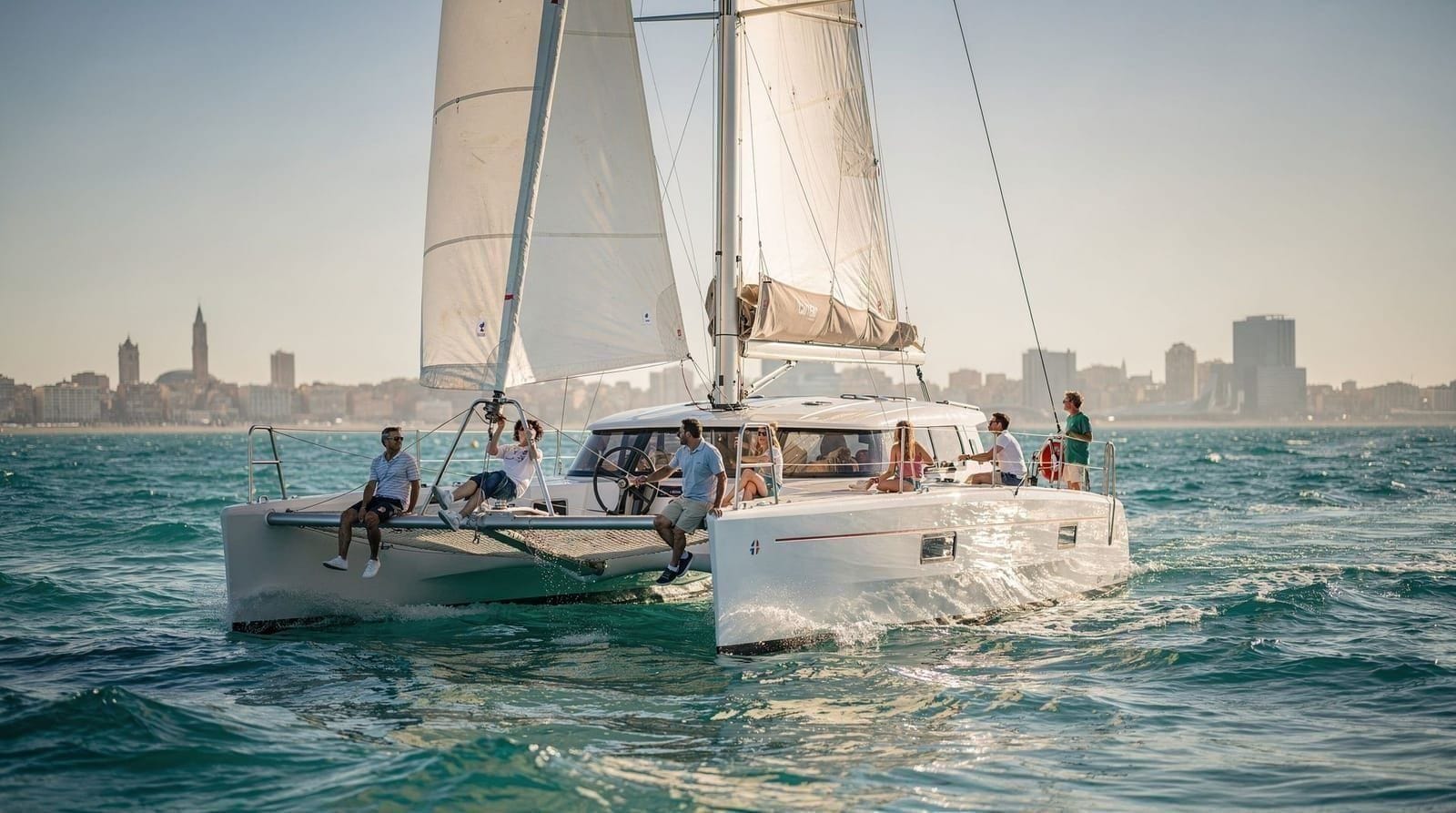
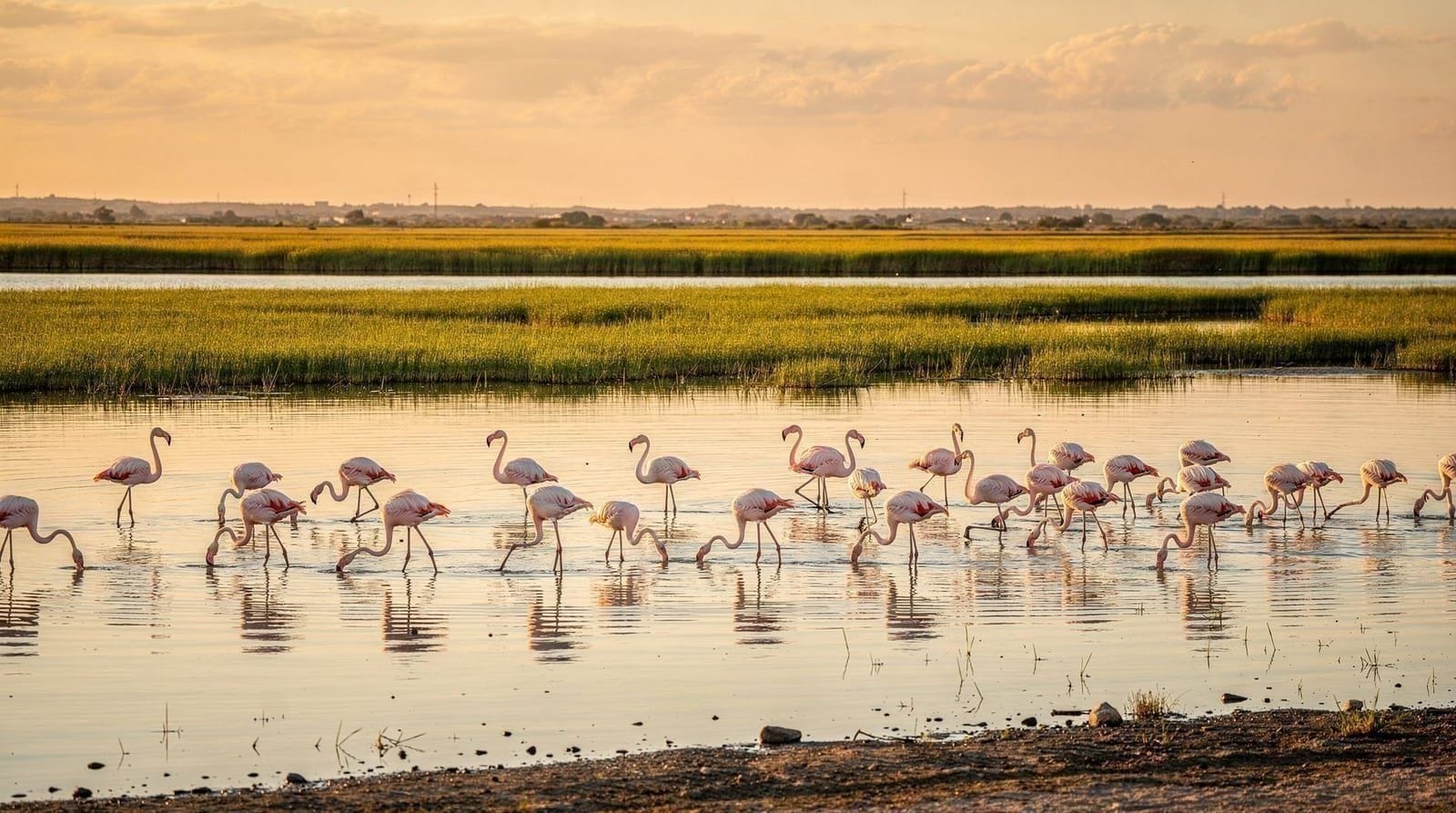
Some Valencia operators run combined Cullera–Albufera day trips, covering both the lagoon and the Cullera beaches by boat, with transport from Valencia. Useful if you want to see both without driving.
 Cullera history, beach and the Valencian Albufera tourCheck availability
What to do in Cullera
The beaches
Cullera has several distinct beaches along its 11 km of coastline:
Playa de Cullera (the main town beach, north of the harbour): 3 km of wide sandy beach with full summer services, sunbeds, parasols, and beach bars. Calm waves. Very crowded in July–August; pleasant in June and September.
Playa de l’Estany (by the Estany lagoon, south of the headland): A more sheltered beach next to a small lagoon, popular with families for its calm water.
Cala del Moro and Cala dels Esmolets (small coves around the headland, reachable by footpath or coastal road): Rocky coves with clearer water than the main beaches, less crowded because fewer people walk there. Worth finding if you have the energy.
Racó beach (north end of the headland): Closest to the Albufera marshland, quieter, backed by orange groves.
For how Cullera’s beach variety compares to other day-trip options along the coast, see the best beaches near Valencia guide. Visitors who want a shorter, closer alternative might prefer El Saler and La Devesa, which sits just south of Valencia city itself.
A closer look at the coves
The Cala del Moro and Cala dels Esmolets reward the extra effort of the coastal footpath: rocky entries mean clearer water and far fewer people than the sandy main beach, but bring sea shoes since the rock and pebble bottom is uncomfortable barefoot. Neither cove has facilities — bring your own water and shade, and treat them as a scenic add-on to the main beach rather than a full replacement for it.
Cullera castle and headland
The Castillo de Cullera sits at the top of the rocky headland (166 m), with 360° views: north over the Albufera lagoon and its ricefields, south along the Costa Blanca toward Gandia, east over the Mediterranean. The castle itself is partly ruined, partly restored — the surviving towers are a small museum with archaeological finds from the site. Open daily with seasonal hours (shorter in winter); check the Cullera tourism office for current hours and the entry price.
The Santuario de la Virgen del Castillo is a small sanctuary church immediately below the castle, the religious heart of Cullera’s local devotion. It can be visited independently and combines naturally with the castle walk.
Getting up the headland: the castle road winds from the town centre (Carrer del Murri, signs for “Castillo”). On foot it is a steep 30–40 minute climb. By car or motorbike, there is parking near the top.
The views at sunset from the castle headland are legitimately spectacular — the Albufera lagoon catches the late light and the rice paddies turn gold. This is the best reason to plan your timing around the late afternoon, particularly from June to September.
The old town and fishing port
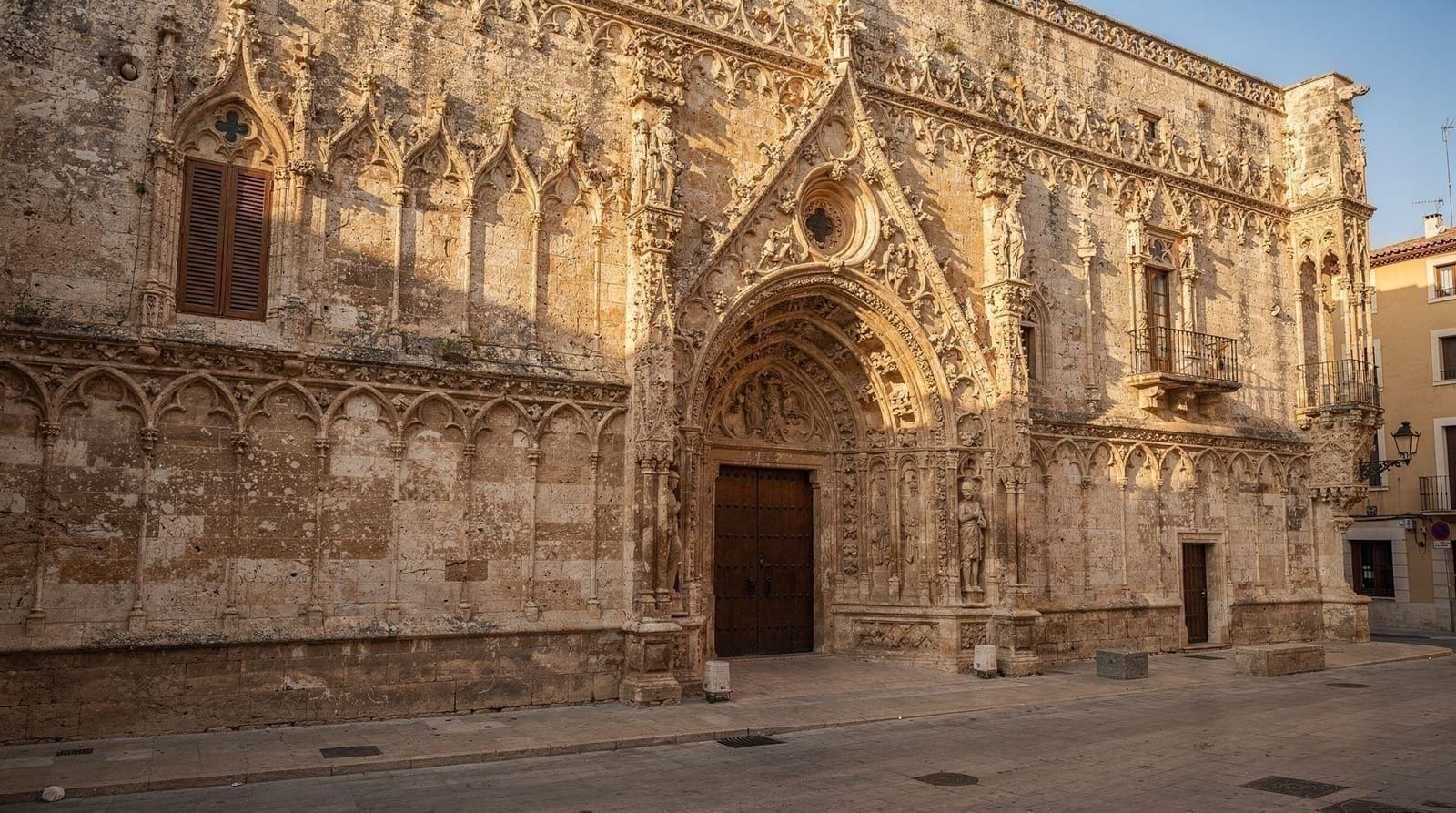
Cullera’s old town clusters at the base of the headland. The Barri Vell (old quarter) has a maze of whitewashed alleys, the arcaded market square (Plaza del Pou), and several 16th–17th century churches. The fishing port (Puerto Pesquero) north of the castle headland still lands sea bass, red mullet, and crayfish — the fish market operates most mornings from about 08:00.
For the best view of the port and headland together, walk to the northern end of the harbour wall.
The Albufera connection
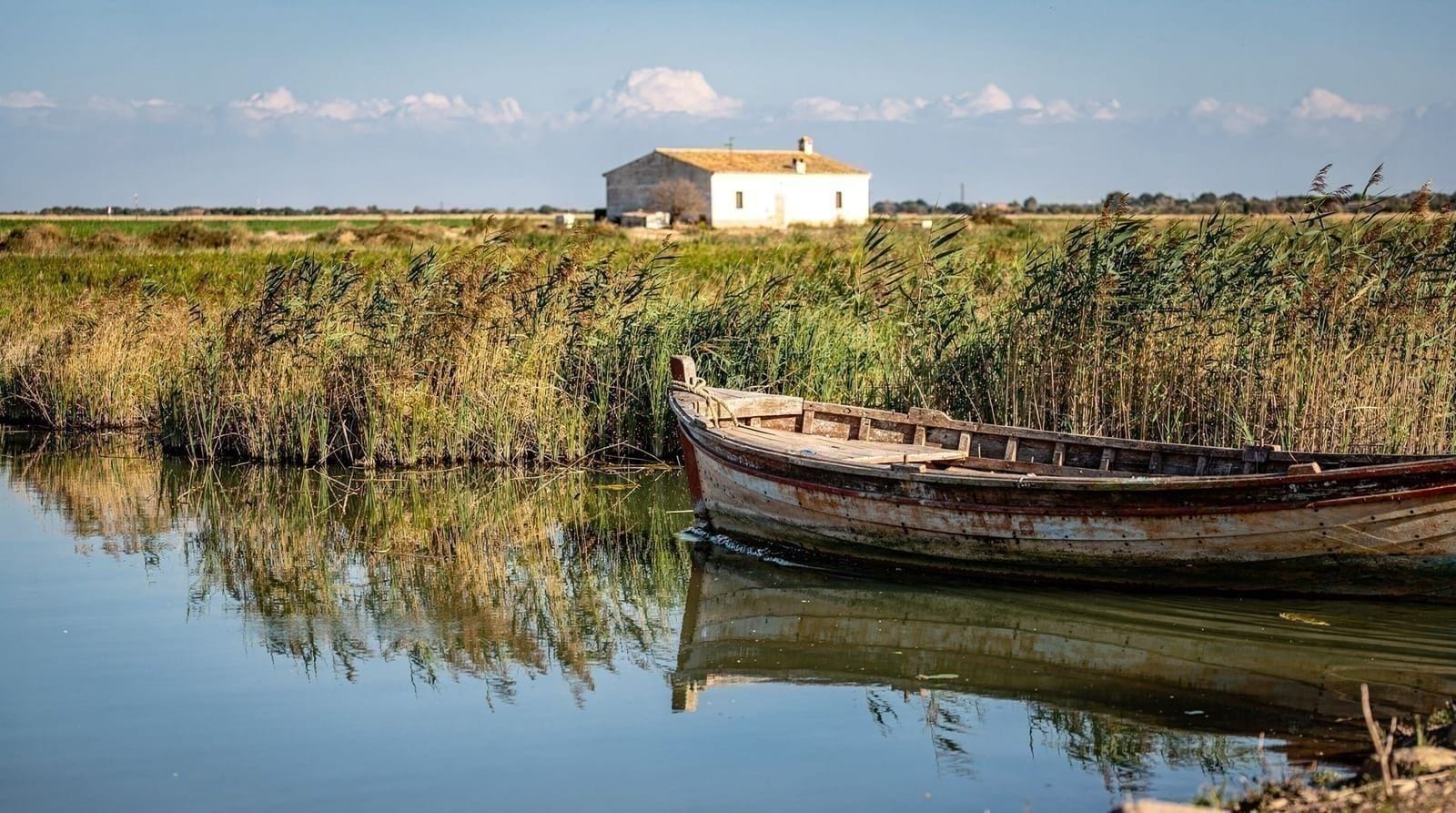
Cullera sits directly south of the Albufera natural park — the lagoon’s southern edges are accessible by road or path north of the town. The Albufera marshes and ricefields are visible from the castle headland. For a full Albufera experience, see Albufera day trip. Combining both in one day by car is feasible — Cullera to El Palmar is a 15-minute drive north.
For visitors without a car who still want both the Cullera headland and an Albufera boat ride, a combined guided tour handles the logistics:
Albufera sunset boat ride and paella from ValenciaShaping your day
The most comfortable rhythm is to treat Cullera as three short chapters rather than one long march. Spend the cooler part of the day on the headland, take a long lunch in the old town while the sun is at its harshest, and finish on the sand once the beach has thinned out. Reversing that order works too if the weather turns, since the castle views are best on a clear afternoon and the beach is the easier fallback.
If you are travelling with children, the sheltered water at Playa de l’Estany is the natural base, and the castle can be a short outing for those with the energy. Our beaches with kids guide and family beaches in Valencia explain what to look for in a family beach, and the Valencia with kids guide covers the wider picture.
Anyone who prefers a quieter stretch of sand will find the approach familiar from the quiet beaches guide: go early, walk a little further than the crowd, and bring your own shade. For a longer look at the sandy options near the city, Cullera’s own beach guide goes deeper than this overview, and the Cullera destination page gathers the essentials in one place.
Pairing Cullera with other days out
Cullera makes a good counterpoint to a city-heavy stay. After a few days among museums and markets, a slower coastal day resets the pace. If you are planning a longer trip, the beaches and city itinerary shows how to balance sand and sightseeing, and the city and Albufera itinerary fits well with the lagoon views you glimpse from the castle.
For the wider range of trips that start from Valencia, the Valencia to coast train guide lays out how the coastal rail line works, and the car rental day trips guide is useful if you would rather combine Cullera with the lagoon and the villages inland. A relaxed read on the same theme is the blog guide to day trips by train without a car.
Visitors who like the idea of a coastal town with a castle might also look at Sagunto or Xàtiva, both of which pair a hilltop fortress with a town worth wandering. And if the lagoon is what draws you, Albufera Natural Park and the El Palmar destination page explain what the marshland offers beyond the views.
Small things that make the day easier
Cullera rewards a flexible plan. Check the train times before you leave the city so the return journey does not dictate your afternoon, and keep a little slack at the end of the day rather than racing for the last departure. If you are unsure how the ticketing works on the regional lines, the metro and EMT guide and the Mobilis card guide explain how fares and passes behave in the Valencia area.
Carry a small bag with a towel, sun protection, a refillable bottle, and sea shoes if you plan to visit the coves. A light layer is worth packing for the evening on the headland, where the breeze picks up after sunset. Travellers who like to understand a place before they visit will enjoy the guided versus self-guided comparison, which helps you decide whether a tour or an independent day suits you better.
Where to eat in Cullera
Cullera’s seafront has the expected range of tourist restaurants with beach views and corresponding prices. For better value and quality, move one or two streets inland.
All i pebre (eel and garlic stew) is available here as it is throughout the Albufera coast — the lagoon eel supply makes it a local specialty. Arròs a banda (rice in fish stock with fish on the side) is the prestige rice dish on this stretch of coast.
Restaurante Casa Miguel (Carrer Major, old town) is a local reference for rice dishes — reservations recommended on weekends. El Rincón del Mar (near the port) serves fresh fish at honest prices.
The beachfront tourist strip near the main Playa de Cullera has the typical price premium for location — expect to pay 20–30% more for similar food than one block back.
Practical information
Best time: May–June and September–October for warm weather, fewer crowds, and comfortable beach conditions. The water is swimmable from June to October.
What to bring: Swimwear, sun protection, water for the castle walk. The headland walk in July–August is strenuous in the heat — start before 09:30 or wait for late afternoon.
Duration: 4–5 hours is comfortable for beaches plus castle walk plus lunch. A full day allows for exploring the different coves and a leisurely afternoon.
Combination with Gandia: Cullera and Gandia are both on the C1 Cercanías line. It is possible to do both in one long day by train — Cullera in the morning, continue south to Gandia for the afternoon — but this is ambitious and leaves limited time at each.
Frequently asked questions about Cullera
Is Cullera better than Gandia for a day trip?
Different strengths. Cullera has the castle headland, Albufera proximity, and a more varied coastline with small coves. Gandia has a wider, more celebrated beach and a historic ducal palace. Cullera is slightly less crowded in summer and has better views from the headland. Both are roughly the same distance from Valencia by train.
Can I swim at Cullera in October?
The sea temperature along the Valencian coast typically stays above 20°C into early October. Swimming is comfortable through September and often into mid-October. The beaches are largely empty of tourists but fully accessible.
Is there a tourist train to the castle in Cullera?
Yes, a small tourist road train (similar to Xàtiva’s) runs from the town centre to the castle area in summer. Check with the Cullera tourism office for current schedules and pricing.
Is Cullera worth it if I don’t have a car?
Yes — it is one of the easiest car-free beach day trips from Valencia, since the Cercanías C1 drops you a short walk from the town centre and beaches. The coves and Albufera edges are the parts that benefit most from a car, but a joint Cullera-Albufera boat tour covers that ground for train-based visitors. See the day trips without a car guide for more train- and bus-friendly options along the coast.
Top experiences
Bookable activities with verified prices and instant confirmation on GetYourGuide.