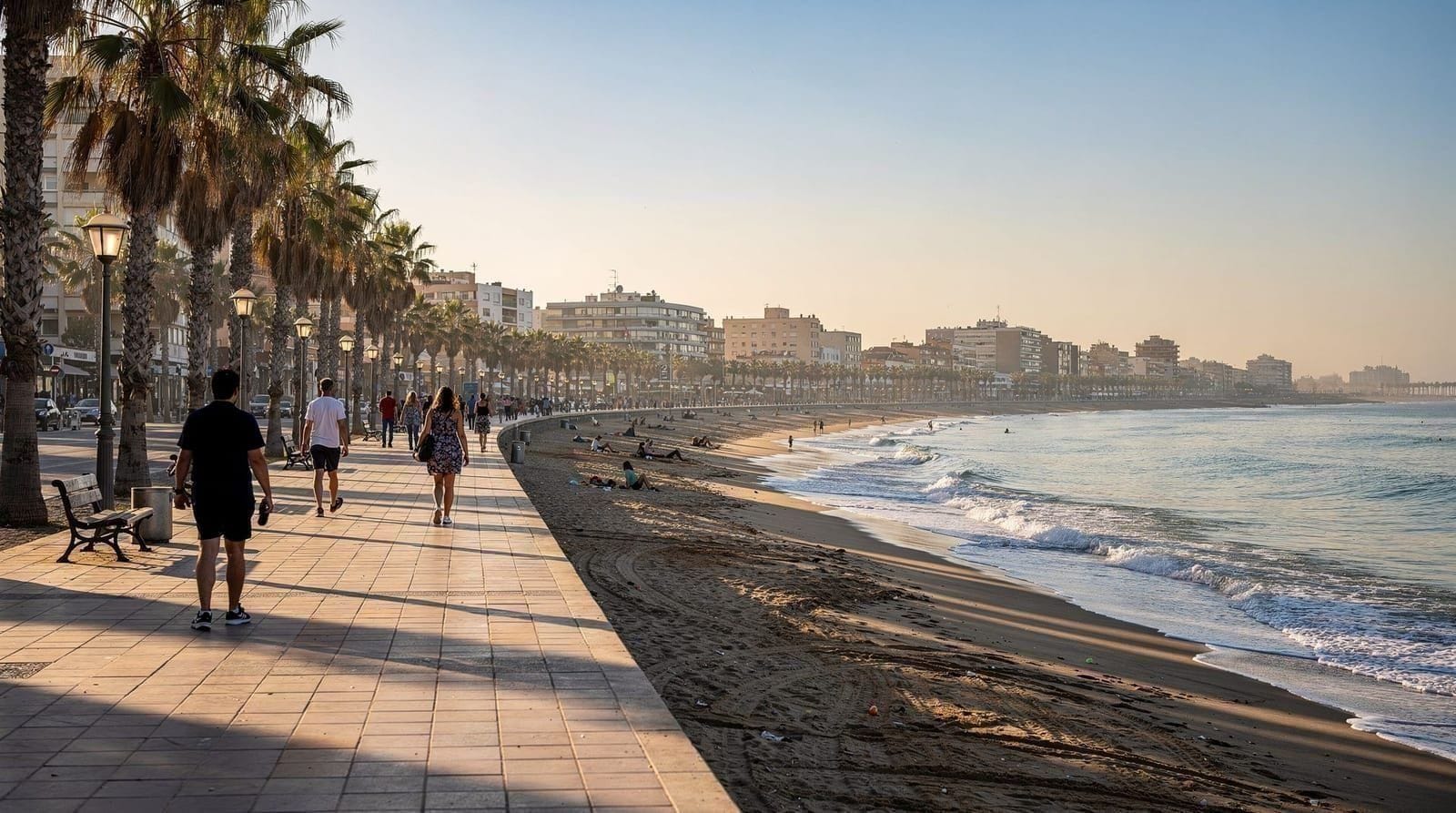
El Saler and La Devesa — Valencia's natural beach and pine forest
Guide to El Saler beach and La Devesa pine forest — the quietest beaches near Valencia, with Albufera access, cycling routes, and no beach-bar clutter.
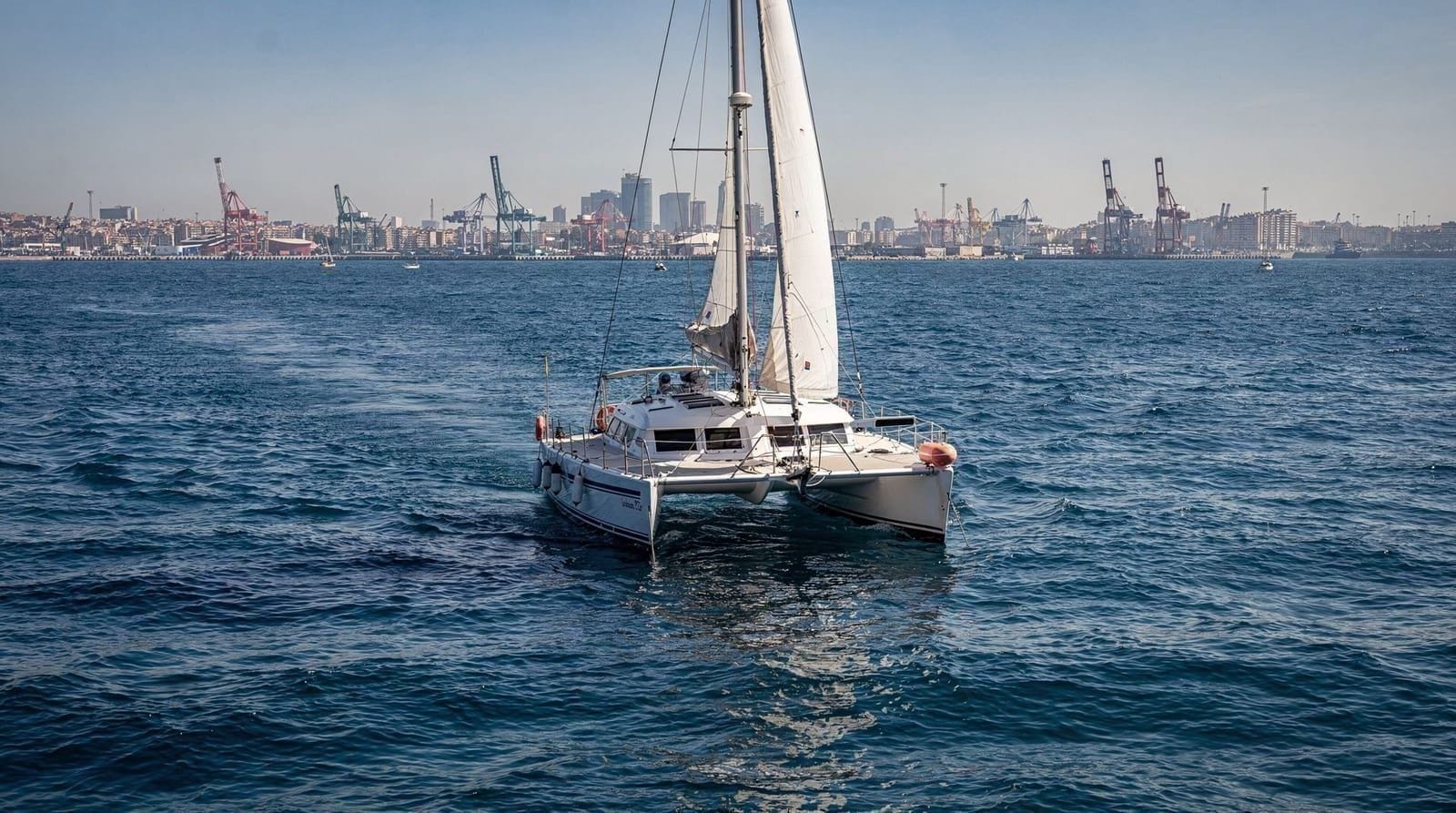
Valencia: catamaran cruise with snack and swim at El Saler
Quick facts
- Best for
- Clean beach, nature, cycling, Albufera access
- Time needed
- Half day to full day
- Getting there
- Bus 24/25 from Valencia (~30 min) or bike via coastal path
- Don't miss
- The pine forest walk to the sea; Albufera lagoon at sunset
El Saler and La Devesa form the narrow sandspit separating the Albufera lagoon from the Mediterranean. The beach here — running 5 km south from El Saler village to the Gola del Perellonet — is significantly cleaner, quieter, and more natural than the urban beaches of Malvarrosa and Patacona. Behind the beach, the La Devesa pine forest covers the full length of the sandspit with stone pines, dune vegetation, and walking paths. This is the least-crowded beach accessible from Valencia within 30 minutes.
| Where | Sandspit south of Valencia, between the Albufera and the sea |
| Time needed | Half day to full day |
| Getting there | Bus 24/25 (~30 min) or by bike along the coastal path |
| Cost | Free entry to the park; catamaran cruise around €25–40 |
| Best time | May–October for the beach; October for Albufera birdlife |
What makes El Saler different
No high-rise development backs the beach. The promenade is a simple path through the trees. The water quality is rated “excellent” (EU bathing water) consistently. The sand is clean and fine. The beach never reaches the density of Malvarrosa in peak season because: there are far fewer bars and shops, there is no urban development directly behind the beach, and the approach by public transport takes slightly longer. These characteristics are features rather than bugs.
Getting there
Bus 24 or 25: from Gran Via Germanies (near Russafa), take either bus toward El Palmar. The El Saler stop is about 30 minutes from central Valencia. Buses run approximately every 30–60 minutes; check the EMT Valencia app for current times. Single fare: €2.
By car: take the V-31 south and exit at El Saler. Parking at the village is free but fills in July–August. Several parking areas are dotted along the La Devesa forest road.
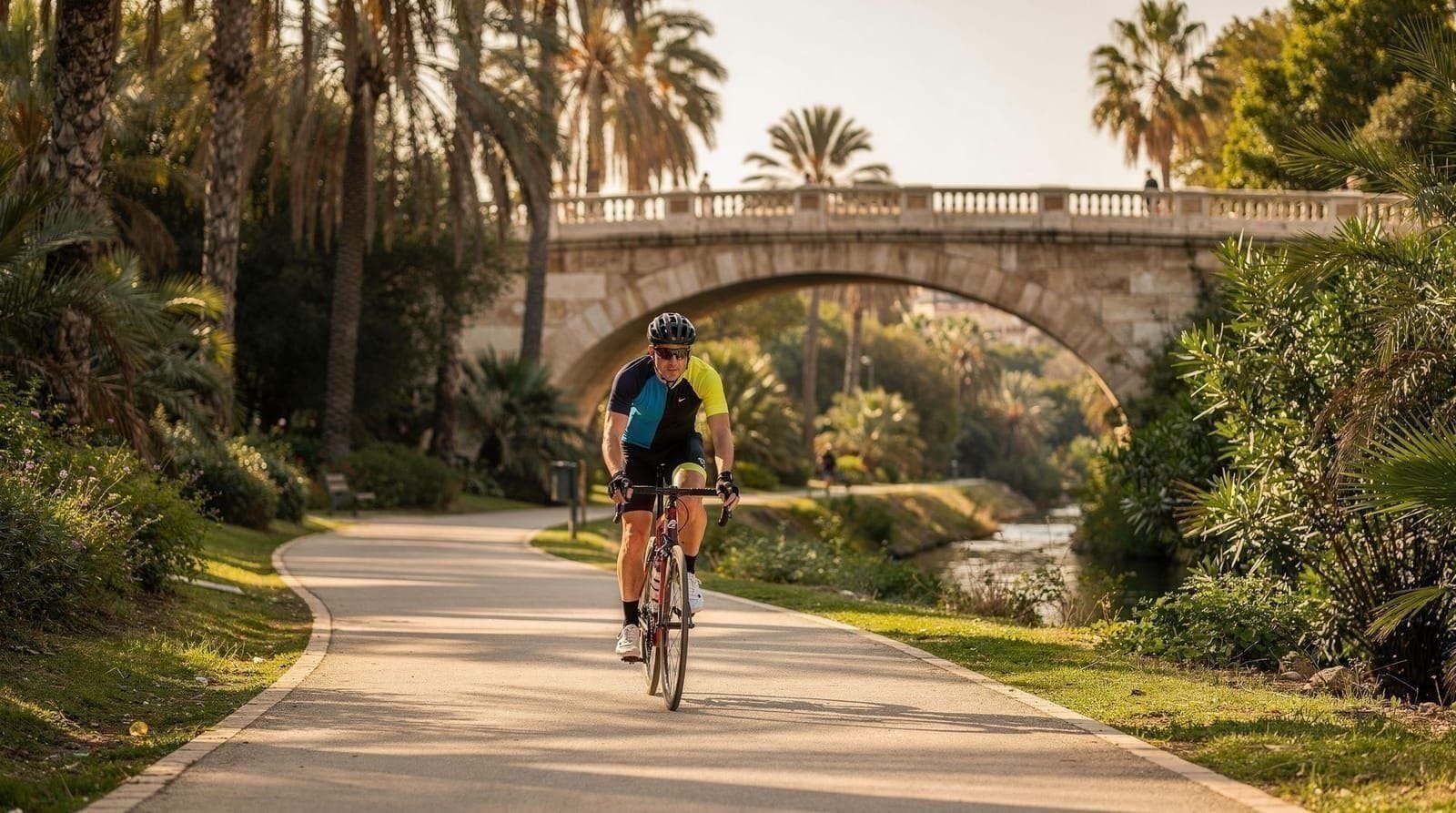
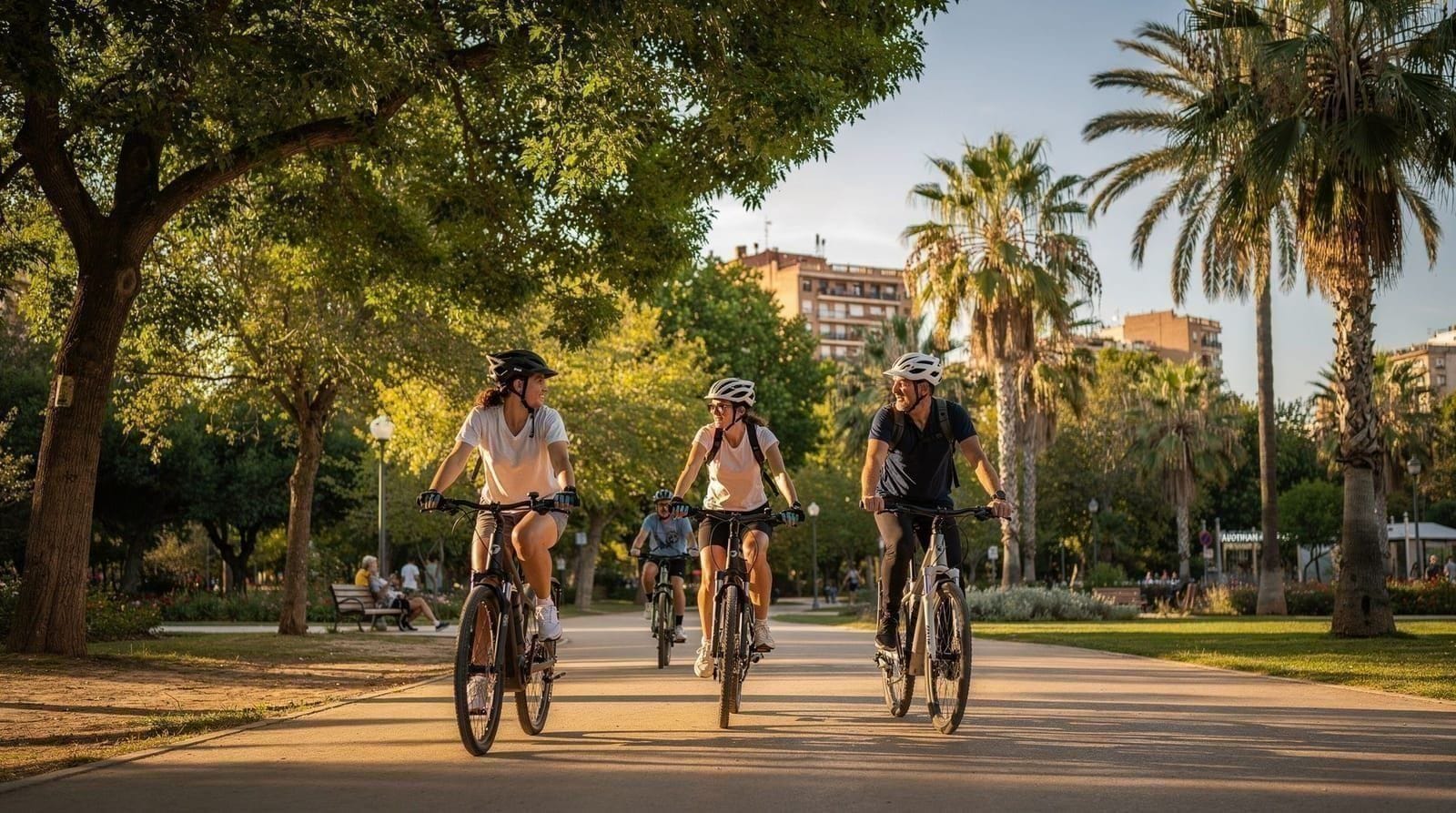
By bike: the most rewarding option for those with time. From central Valencia, the coastal cycling path runs south through the port area, past the old America’s Cup harbour, and continues to El Saler (approximately 12 km, flat throughout). Return via the Albufera perimeter path and Turia gardens for a complete loop of 35–40 km.
Albufera bike and boat tour — cycling from Valencia to the natural park, with a boat ride included.
The beach
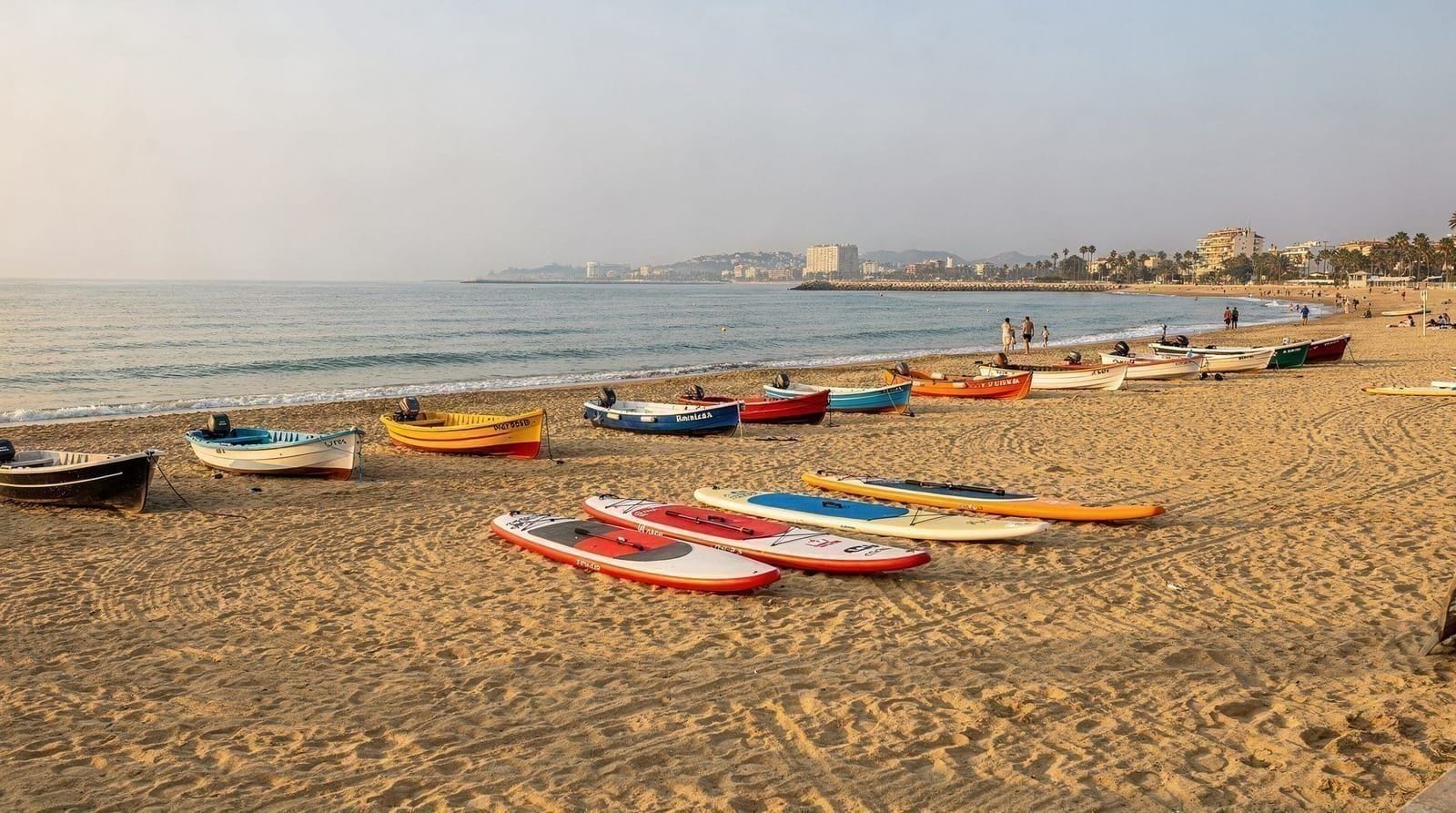
El Saler’s beach is backed directly by dune vegetation and pine trees — you walk through forest to reach the water. This is normal in Spain’s undeveloped natural park coastlines but unusual within 15 km of a major city. The beach is wide (50–80 m of sand at low tide), the sand is fine and pale gold, and the sea is consistently clean.
In July and August, El Saler beach attracts Valencians who specifically want to escape Malvarrosa — still busy by the standards of a natural beach, but not the wall-to-wall density of the urban beaches in high season.
Facilities: no beach bars on the natural beach itself (minimal infrastructure by design as part of the natural park management). One small restaurant/bar at the El Saler village beachfront. Bring water and food. Portable toilets in summer season at parking areas.
La Devesa pine forest
The forest is a managed ecosystem of mixed stone pine, umbrella pine, and Aleppo pine, with native understorey including rosemary, cistus, and several orchid species in spring. Walking paths (mostly flat, sandy substrate) run the length of the sandspit on both the lagoon side (views of the Albufera) and the sea side.
The best route: enter the forest from El Saler village on the lagoon-facing path, walk south with Albufera views, then cross to the sea-facing path for the beach. The round trip to the Gola del Perellonet (southern access point) and back is about 10 km and takes 2.5–3 hours at a walking pace.
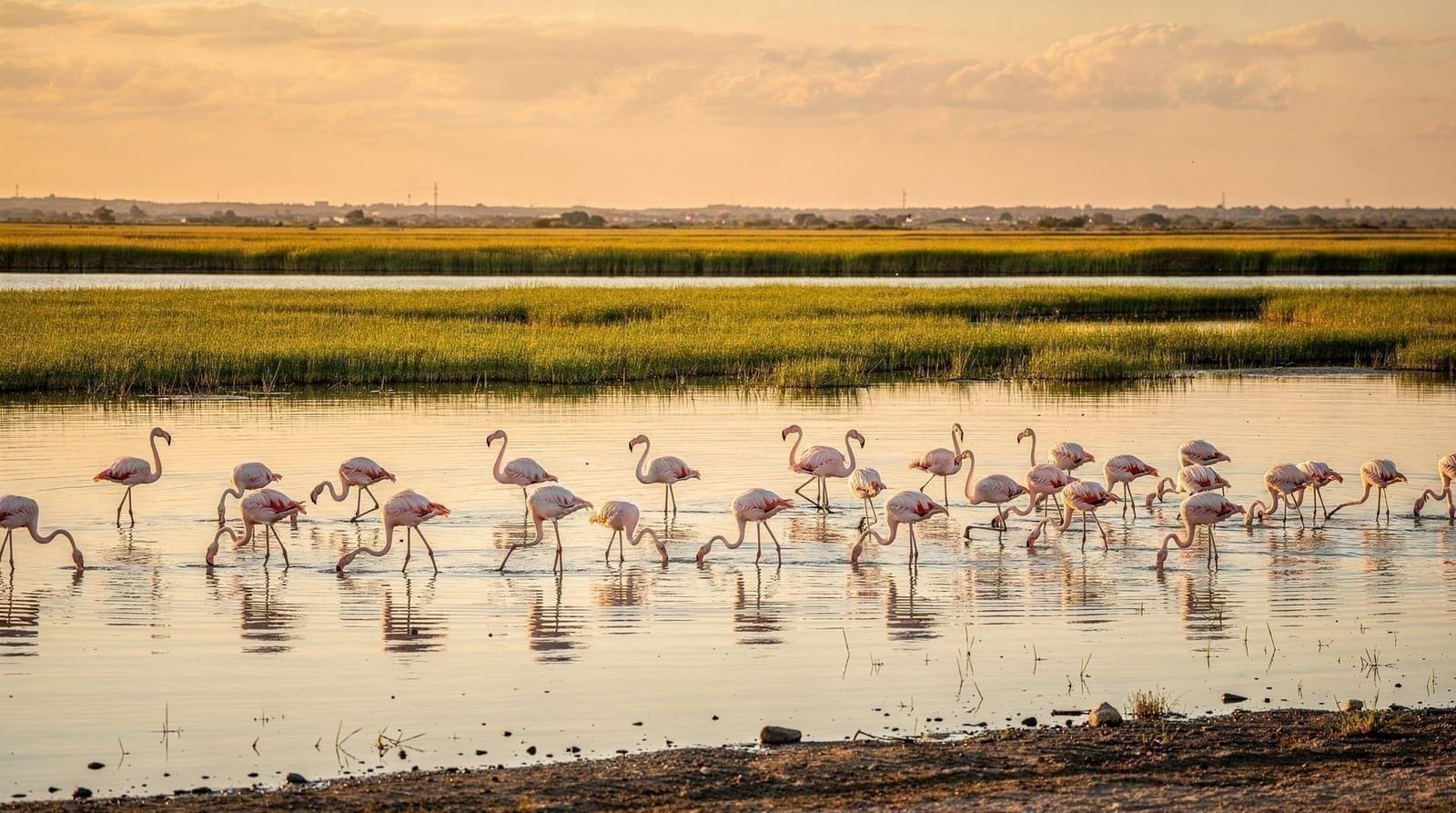
At dawn or dusk, the forest is quiet enough to hear herons and purple gallinules in the Albufera reeds 50 m from the path.
Combining with the Albufera
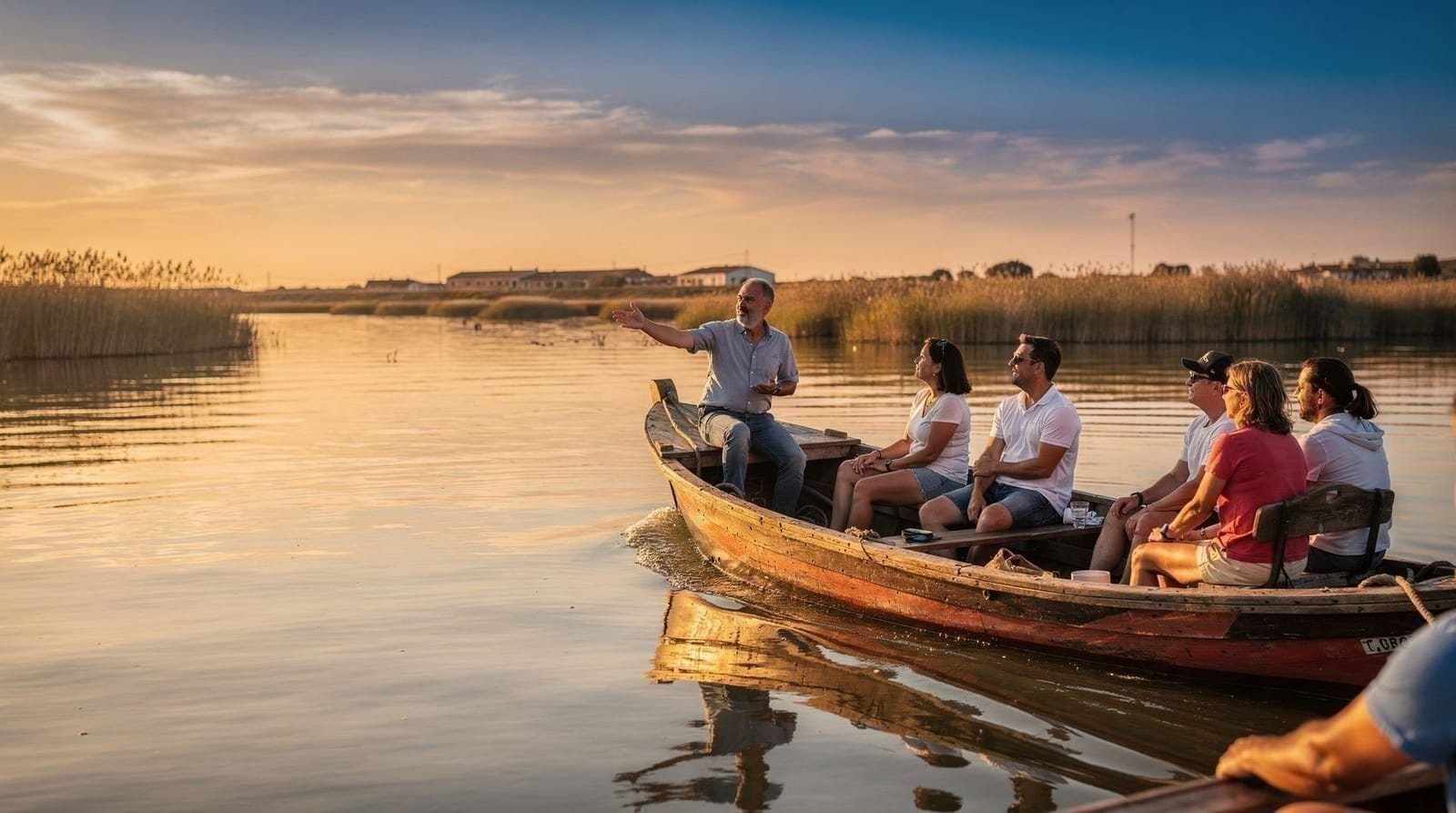
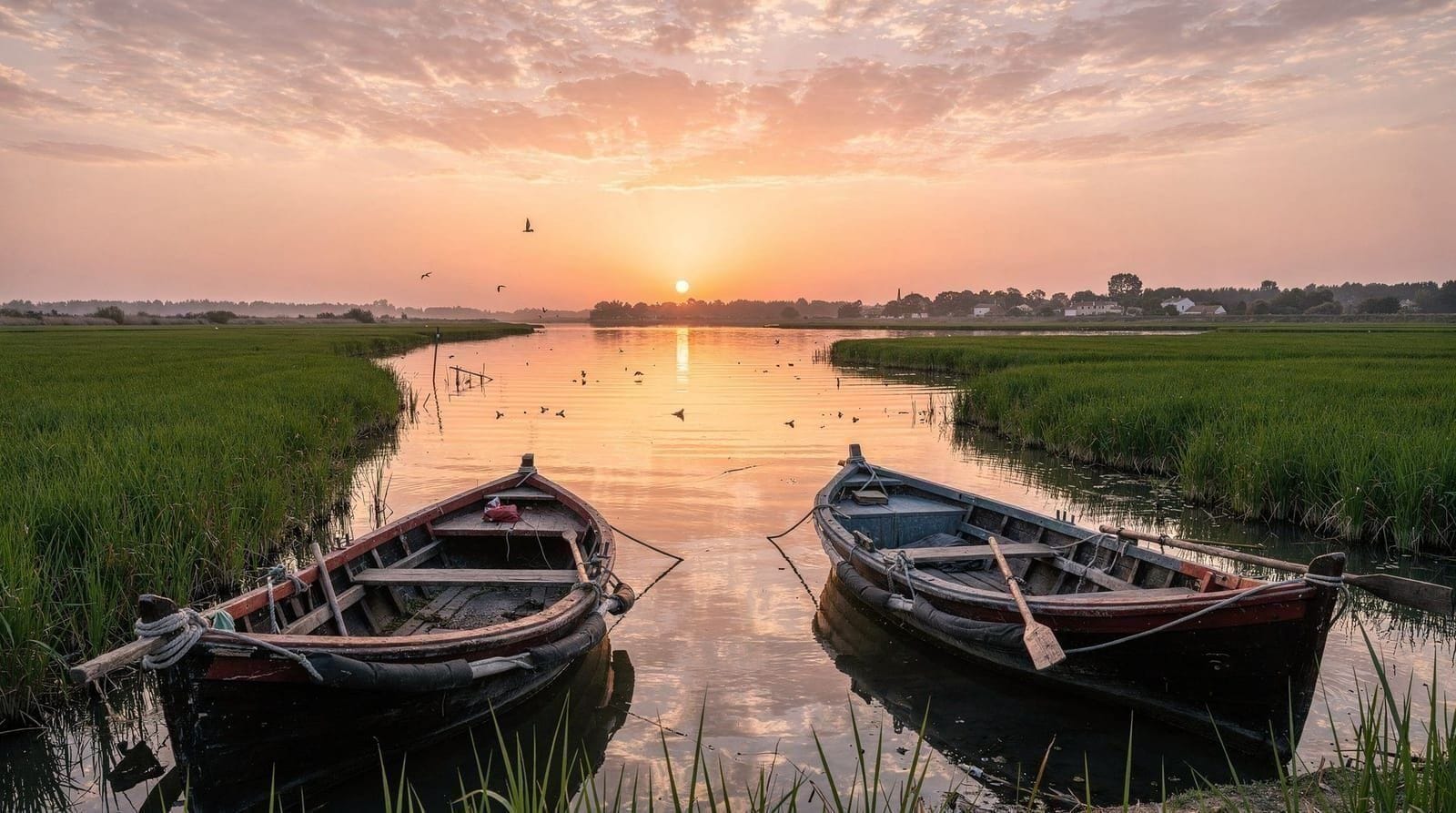
El Saler is the northern access point for the Albufera natural park. Bus 24/25 continues south to El Palmar village after the El Saler stop. A full day: bus from Valencia to El Saler (beach and forest walk, 2–3 hours), then bus south to El Palmar for a 13:30 paella lunch, then the sunset boat tour. See the Albufera destination guide for logistics.
Catamaran cruise with swim stop at El Saler — departing from Valencia port.
What La Devesa looks like on the ground
Walking into La Devesa from the El Saler parking area, the transition from road to forest is immediate. The path narrows, the pine canopy closes overhead, and the temperature drops noticeably — 2–4 °C cooler in the shade on a summer afternoon. The forest floor is sandy and fragrant: pine resin, rosemary, cistus in flower (pink-white blooms from March to May). The path emerges onto the beach through a gap in the dunes after a 5–10 minute walk.
On weekends in July and August this same walk is punctuated by other families making the same journey. On weekdays, or outside the main summer weeks, it is often genuinely solitary.
The lagoon-facing side of the sandbar has a different character: open views across the Albufera to the rice paddies and the distant hills behind Valencia, with reeds and marsh grasses at the water’s edge. A walking circuit combining the forest path (sea side) and the lagoon path on the return is approximately 4 km and takes about 90 minutes.
Wildlife beyond birds
The La Devesa forest supports a modest mammal and reptile community unusual for a peri-urban nature park. Red foxes, rabbits, and the occasional European polecat use the forest at night. Lizards (particularly the large Iberian green lizard) are visible in spring and early summer. The Mediterranean chameleon has been historically recorded at the southern end of the forest, though sightings are rare.
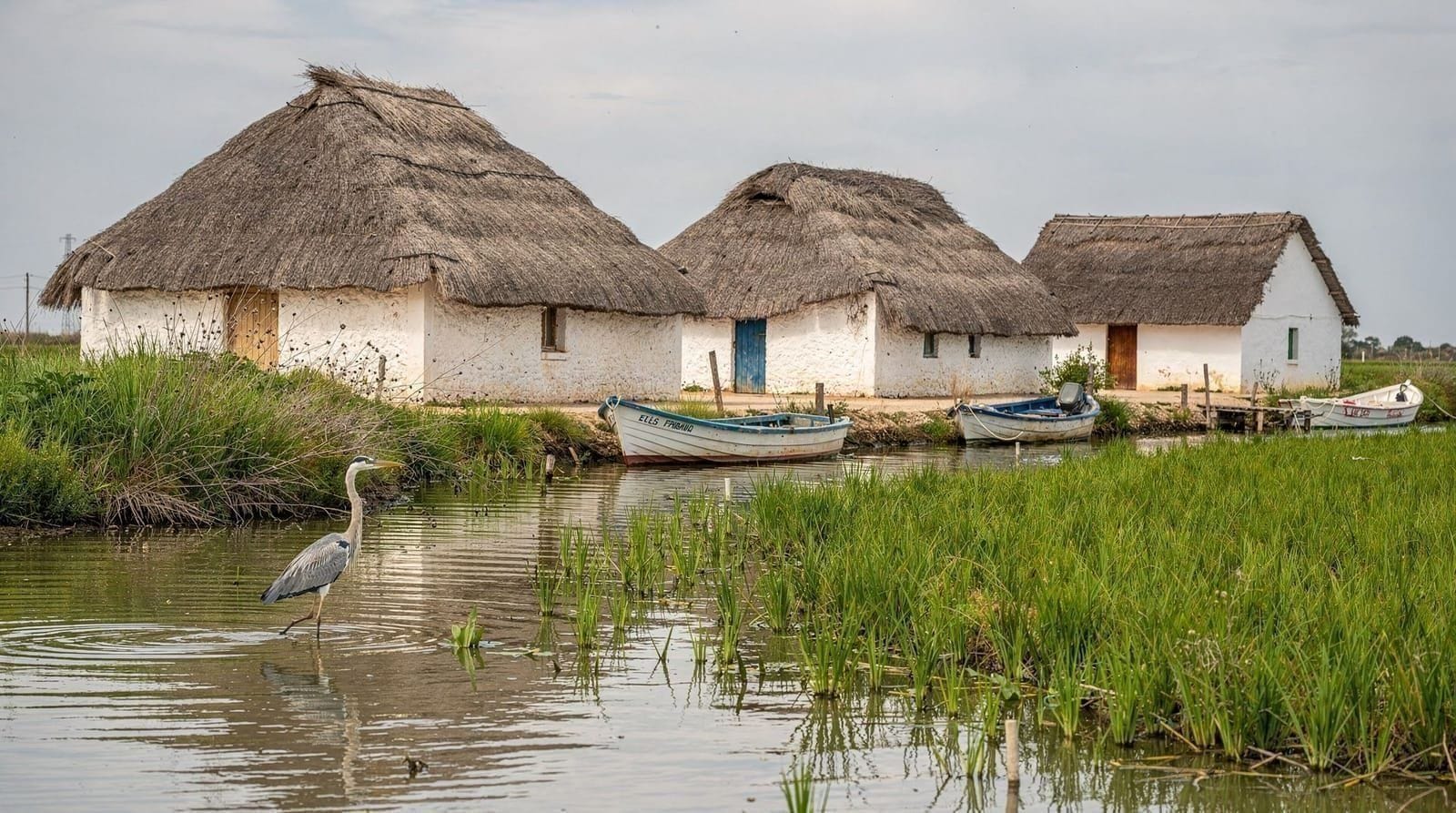
In the Albufera reeds adjacent to the lagoon-facing path: coypu (a large semi-aquatic rodent introduced from South America, now established in the park’s drainage channels), herons fishing at dawn and dusk, and the distinctive call of the purple gallinule year-round.
Practical logistics
Water: there are no water points in the forest itself — carry enough for the full walk and beach time.
Sun exposure: the beach at El Saler is fully exposed. The forest walk provides shade but the beach does not. Sunscreen and a hat are essential in summer.
Entry to the park: free. No timed entry or permits required.
Cycling: bring your own or rent in Valencia. No rental shops operate at El Saler village itself.
El Saler village
El Saler village is a small community of a few hundred residents at the northern end of the sandbar. Unlike El Palmar (the fishing village on the Albufera’s western shore), El Saler faces the sea side. The village has one small restaurant-bar, a small supermarket, a petanque court, and the boat access point for the catamaran tour that departs to the Albufera from the village dock.
It is not an architectural destination in itself — most buildings are functional 1970s construction. But the juxtaposition of the small village, the pine forest, and the sea makes for an unusual quality of quiet that is hard to find this close to a major city.
El Saler golf course: La Dehesa (El Saler Golf Club) is one of Spain’s best-regarded courses, built within the La Devesa forest between the pines and the sea. Visitors can book tee times in advance. Greens fees: €80–120 depending on season. If you are not a golfer, the approach road and the visual of a golf course integrated into a pine forest is worth at least a drive-through.
A full-day El Saler itinerary
09:00: arrive by bus 24/25 at El Saler village. Walk the forest path to the beach (10 minutes).
09:00–12:00: beach swim and walk. The beach is largely empty at this hour even in peak season.
12:00: walk back through the forest to the lagoon-facing path. 45-minute walk south along the Albufera perimeter toward the Gola del Perellonet.
13:30: return to the El Saler embarkation point for the catamaran tour (pre-book in advance). 1.5-hour cruise.
15:30: late lunch at El Saler village’s restaurant. Simple grilled fish and salad, €10–14.
17:00: bus 24/25 north to El Palmar (15 minutes) for a walk around the village and an optional sunset boat.
18:30: bus back toward Valencia (the bus continues from El Palmar through El Saler to Valencia).
See also the La Devesa and Albufera natural park guide and the full beaches near Valencia comparison. For the Albufera lagoon side of the sandbar, read the Albufera destination guide.
How El Saler compares to Valencia’s other beaches
| Beach | Character | Crowds in August | Getting there |
|---|---|---|---|
| El Saler / La Devesa | Natural park, pine forest, no urban development | Moderate — never wall-to-wall | Bus 24/25, ~30 min |
| La Malvarrosa | Urban beach, restaurants, promenade | Heavy in central section | Tram L8, ~15–20 min |
| Patacona | Calmer continuation of Malvarrosa | Lighter than Malvarrosa | Tram L8, ~20 min |
For visitors weighing up which Valencia beach to prioritise, this is the honest trade-off: El Saler is the quietest and most natural, at the cost of a slightly longer journey and fewer facilities. See the full beaches near Valencia comparison for the complete picture, including El Cabanyal as the neighbourhood behind Malvarrosa.
Why El Saler almost looked completely different
Few visitors realise that El Saler and La Devesa were nearly lost to development. In the 1960s and 70s, a large-scale urbanisation plan (Plan Sur) proposed turning much of La Devesa’s pine forest into a resort of hotels and apartment blocks, similar to what happened along much of Spain’s Mediterranean coast in the same period. Protests through the 1970s — one of Spain’s earliest environmental campaigns — halted construction after only a fraction was built (the El Saler golf course and a handful of buildings are the visible remnants). The rest of the forest was declared part of the Albufera Natural Park in 1986. Walking the pine paths today, it’s worth knowing that this landscape survived a serious threat of disappearing entirely under concrete.
Private bike or e-bike tour of Valencia’s parks — a guided route that can be extended out to the Albufera and El Saler.
Frequently asked questions about El Saler and La Devesa
Is El Saler beach better than Malvarrosa for families?
For families who prioritise a clean, uncrowded beach over easy access to restaurants and shops, yes. The water is just as safe for children, and the shallow gradient is similar. The trade-off is a longer bus ride and the need to bring your own food and drink, since there are far fewer beach bars than at La Malvarrosa.
Can I cycle from Valencia to El Saler and back in a day?
Yes, comfortably. The coastal cycling path from central Valencia to El Saler is about 12 km each way, flat throughout, and can be extended into a loop via the Albufera perimeter and the Turia gardens for roughly 35–40 km total — a full but manageable day for a moderately fit cyclist.
Top experiences
Bookable activities with verified prices and instant confirmation on GetYourGuide.