Esmorzaret — Valencia's mid-morning second breakfast tradition
Valencia: daytime tapas tasting tour with Central Market visit
Duration: 3 hours
What is an esmorzaret and where can I have one in Valencia?
The esmorzaret (in Valencian) or almuerzo is a mid-morning second breakfast, eaten around 10:00-11:30. It consists of a bocadillo (baguette sandwich) with cured meat, fried egg, salt cod, or pork products, plus a cold beer or coffee. A full esmorzaret costs 4-8€. It is one of Valencia's most distinctive daily food rituals.
Spanish eating patterns are genuinely different from Northern European ones, and the esmorzaret is one of the clearest examples. This is the mid-morning meal that most Valencians eat around 10:00-11:30 — a substantial bocadillo with a cold beer — before their main lunch at 14:00-15:30. Understanding this rhythm makes Valencia’s food culture considerably more legible.
| Where | Neighbourhood bars in El Carmen, Ruzafa, and around the Mercado Central |
| Cost | Around 4-8€ for a bocadillo and drink |
| Time needed | 15-30 minutes, standing at the bar |
| Best time | 09:30-12:00 |
| How to order | Point and say “uno de esto,” or name the filling directly |
What esmorzaret means
Esmorzaret is the diminutive form of the Valencian word esmorzar (breakfast). The suffix -et makes it “little breakfast” — though the portions are not small. In Spanish, the equivalent is almuerzo.
The tradition reflects a working pattern that predates the eight-hour office day: agricultural and manual workers started work at sunrise, ate a light first breakfast (un trocet de pa amb oli — bread with olive oil) at home before 07:00, worked through until 10:00-11:00, then took a substantial mid-morning break with a proper bocadillo and a drink. This second meal would sustain them through a working morning until the main lunch at 14:00.
The tradition has persisted into the city despite the change in working patterns. Walking through Valencia between 10:00 and 12:00, you see construction workers, office workers, shopkeepers, and retired men all engaged in esmorzaret at neighbourhood bars.
What you order
The bocadillo is the centrepiece — a Spanish baguette (pan de barra) cut lengthwise and filled with one of several traditional combinations:
Classic esmorzaret fillings:
- Llonganissa amb ou (longaniza with egg): a cured Valencian sausage with fried egg — the most traditional combination
- Bacallà fregit (fried salt cod): salt cod fried in olive oil, with or without tomato
- Carn de burro (cured donkey meat): a traditional Valencian charcuterie product, less common now but still found at dedicated esmorzaret bars
- Pernil serrano (cured ham): sliced thin, the accessible standard
- Rostit (roasted pork loin): thinly sliced, sometimes with alioli
The bocadillo is typically eaten with:
- Una cervesa (a beer — most commonly a canya, a small glass of draught)
- Or a café amb llet (coffee with milk) if you prefer
Some esmorzaret bars also offer:
- A small plate of olives (included or 1€)
- A small plate of almonds or crisps (usually included with the drink)
Total cost: 4-8€ for a bocadillo and drink.
Where to eat esmorzaret in Valencia
Bar Ricardo (El Carmen neighbourhood)
One of the most traditional esmorzaret bars in the old city. The bocadillos are made to order, the beer is cold, and the bar fills with a completely local crowd between 10:00 and 12:00. The bocadillo de bacallà fregit is particularly good.
Bar Gandia (Ruzafa)
A neighbourhood institution in Ruzafa, popular with the people who live and work in the neighbourhood rather than tourists. The llonganissa amb ou is the thing to order. Cheap and honest.
El Kiosk (near the Mercado Central area)
Several small bars around the Mercado Central serve excellent esmorzaret — the proximity to the market means the ingredients are fresh and the competition for local customers keeps quality up. Look for bars with a counter covered in bocadillo ingredients laid out visibly.
Bar La Pilareta (Carrer del Mossèn Femades 13, near the old city)
Famous for its clochinas (local Valencia mussels, in season May-August) served at the bar with bread and beer. Also does traditional bocadillos. A genuinely historic establishment.
Ruzafa and El Carmen more broadly
Beyond the specific bars above, both the Ruzafa neighbourhood and Ciutat Vella / El Carmen have a high density of neighbourhood bars still running the tradition. If you’re already staying in or exploring one of these areas, you don’t need to cross town — walk into any bar with a counter full of ingredients and a mostly local, mostly male morning crowd. The Ruzafa tapas guide covers the same neighbourhood’s evening side, useful if you want to bookend the day.
The beer question
Ordering a beer with your mid-morning bocadillo surprises Northern European visitors. In Valencia (and most of Spain), a canya (small glass of draught beer, around 20cl) with breakfast or mid-morning food is unremarkable. It is a cultural norm, not a signal of excess.
The beer is cold and small — it is consumed as a food accompaniment, not as a drinking session. Most Valencians having an esmorzaret stop at one. If you find the idea genuinely uncomfortable, a café amb llet (coffee with milk) is a completely normal alternative and nobody will judge you for it.
A few words that help at the counter
You do not need fluent Spanish, but a handful of words changes the tone of the exchange. Bar staff in esmorzaret places are busy, direct and friendly in a brisk way: they expect you to know roughly what you want when your turn comes. Say “buenos días”, name the filling, and say whether you want a beer or a coffee. If you hear Valencian rather than Castilian, that is normal; the Valencian language guide explains why you will see “esmorzar” on one sign and “almuerzo” on the next, and both mean the same meal.
Watch what the person ahead of you does. Many regulars have a fixed order that the barman starts preparing as they walk in, which is a good sign that the bar is a genuine neighbourhood address. Copying a regular’s order is a perfectly respectable way to choose.
Timing and ritual
The right time: 09:30-12:00. Most dedicated esmorzaret bars gear their kitchen around this window. Arriving at 08:00 may be too early; by 12:30 the bar has moved on to its lunchtime preparations.
Where to stand: traditional esmorzaret is eaten standing at the bar counter, not at a table. Table service for esmorzaret exists but is less traditional. Standing at the counter is cheaper and faster at busy bars.
What to do: order, receive your bocadillo and drink, eat at the bar, pay, leave. The session lasts 15-30 minutes. It is not a lingering brunch; it is a functional refuelling.
Esmorzaret vs brunch culture
Valencia’s restaurant scene has absorbed international brunch culture, and you will find avocado toast, eggs Benedict, and granola bowls at any number of cafes in Ruzafa and the Eixample. These are fine for what they are, but they are not esmorzaret.
The distinction matters if you want to eat what Valencians eat rather than what is served to them for tourists. The esmorzaret bar is recognisable: it is small, the furniture is old, the clientele is local, and the menu involves cured meat and beer at 10:30 in the morning.
The food culture connection
The esmorzaret fits into a Valencian eating day that looks like this:
- 07:00: light first breakfast (café amb llet, maybe a piece of bread)
- 10:00-11:30: esmorzaret (bocadillo + canya)
- 14:00-16:00: main lunch (the biggest meal of the day — paella on Sundays, menú del día on weekdays)
- 18:00-19:00: merienda (a coffee and pastry or snack)
- 21:00-22:00: light dinner (much lighter than the lunch)
This five-meal structure explains several things that confuse visitors: why lunch is the main meal (not dinner), why dinner is served late (21:00-22:00), and why nobody eats paella in the evening. For the midday meal itself, the menú del día guide explains the fixed-price lunch format, and the horchata and fartons guide covers the merienda slot later in the day.
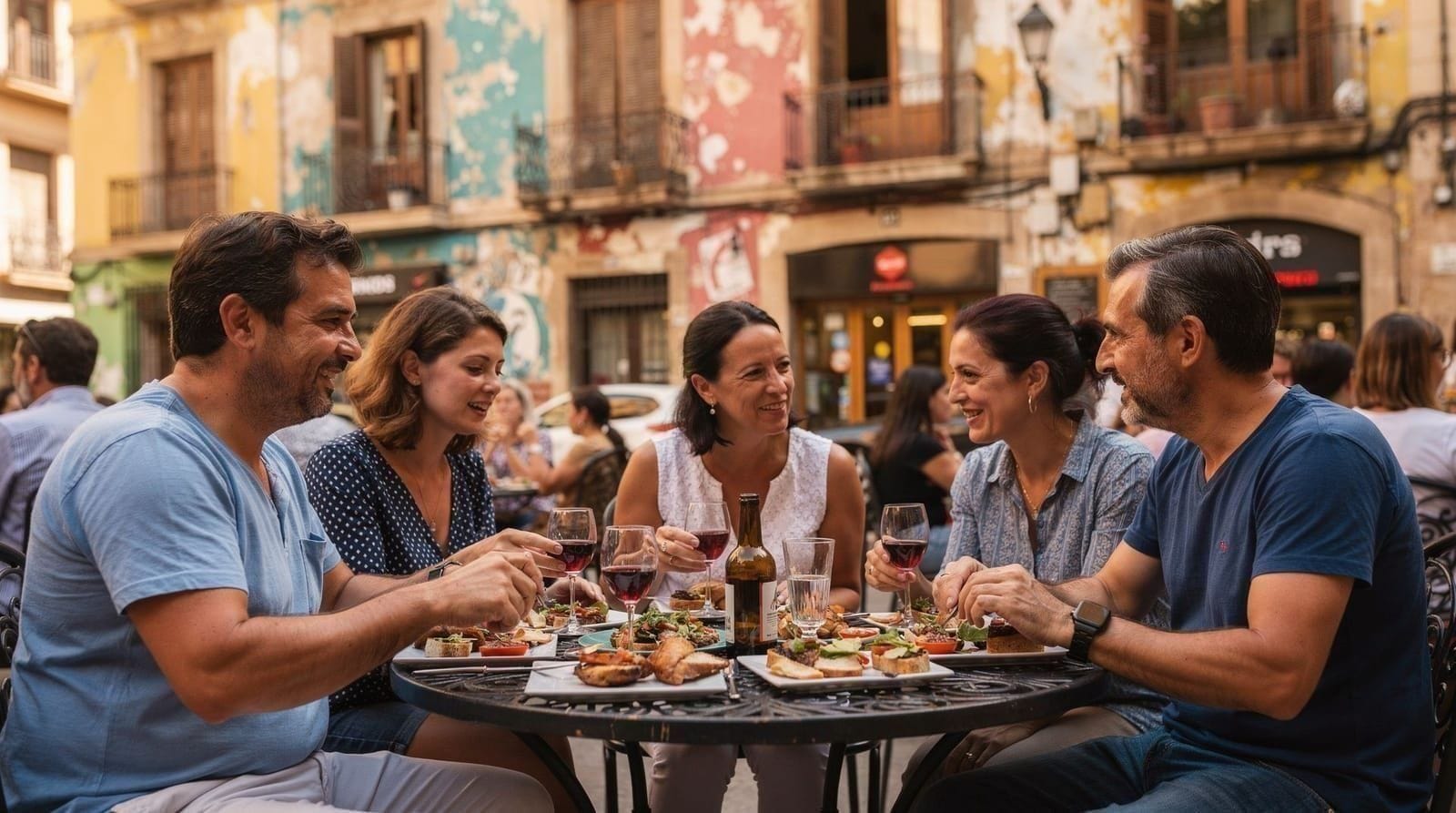
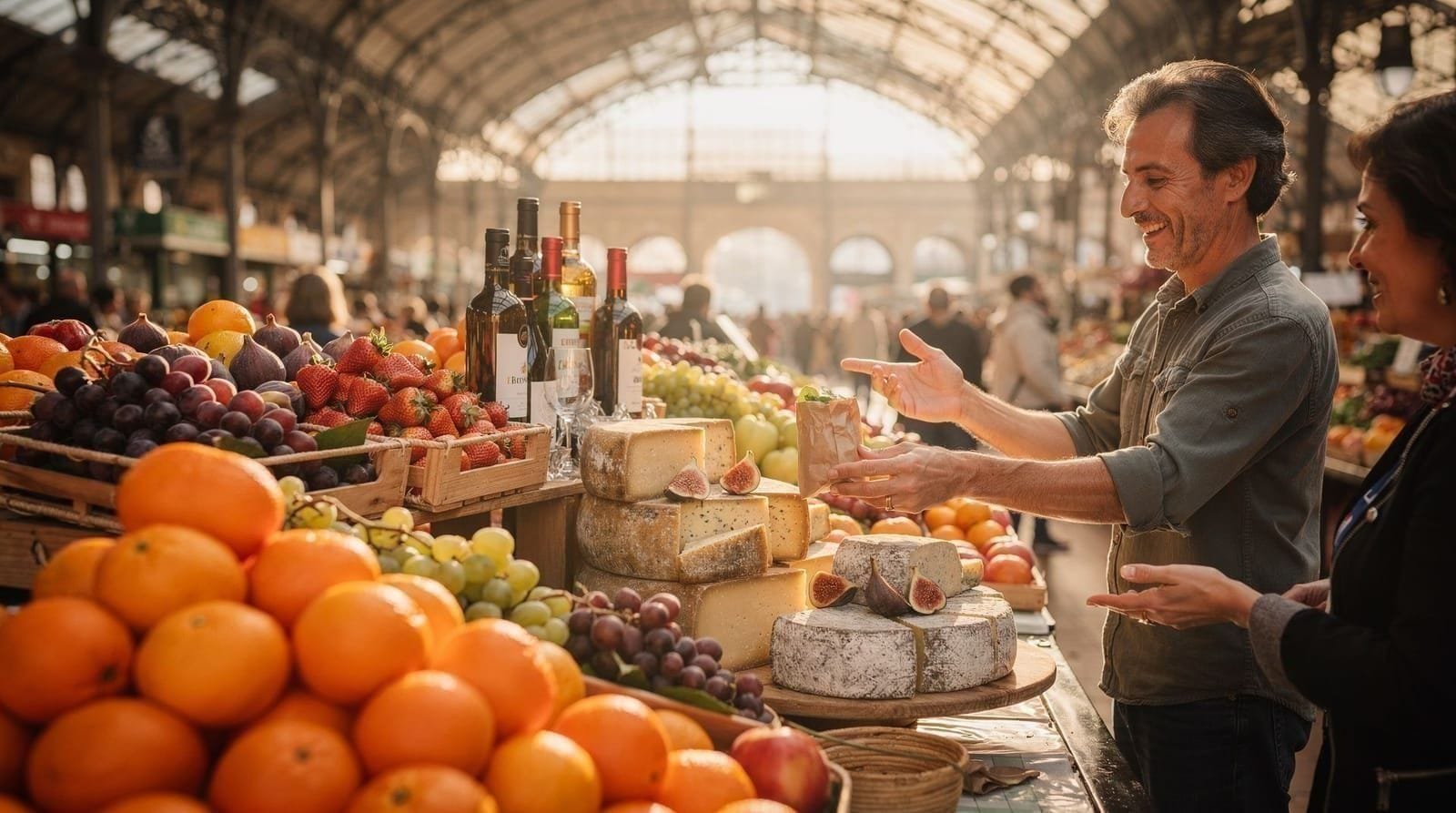
Valencia: daytime tapas tasting tour with Central Market visitA morning food tour that begins around 10:00-10:30 will typically include a stop at a traditional esmorzaret bar as part of the itinerary — it is one of the most distinctive Valencian food experiences and guides tend to prioritise it. For a broader spread of tastings across the day, the wider food tour below covers esmorzaret alongside lunch and merienda stops.
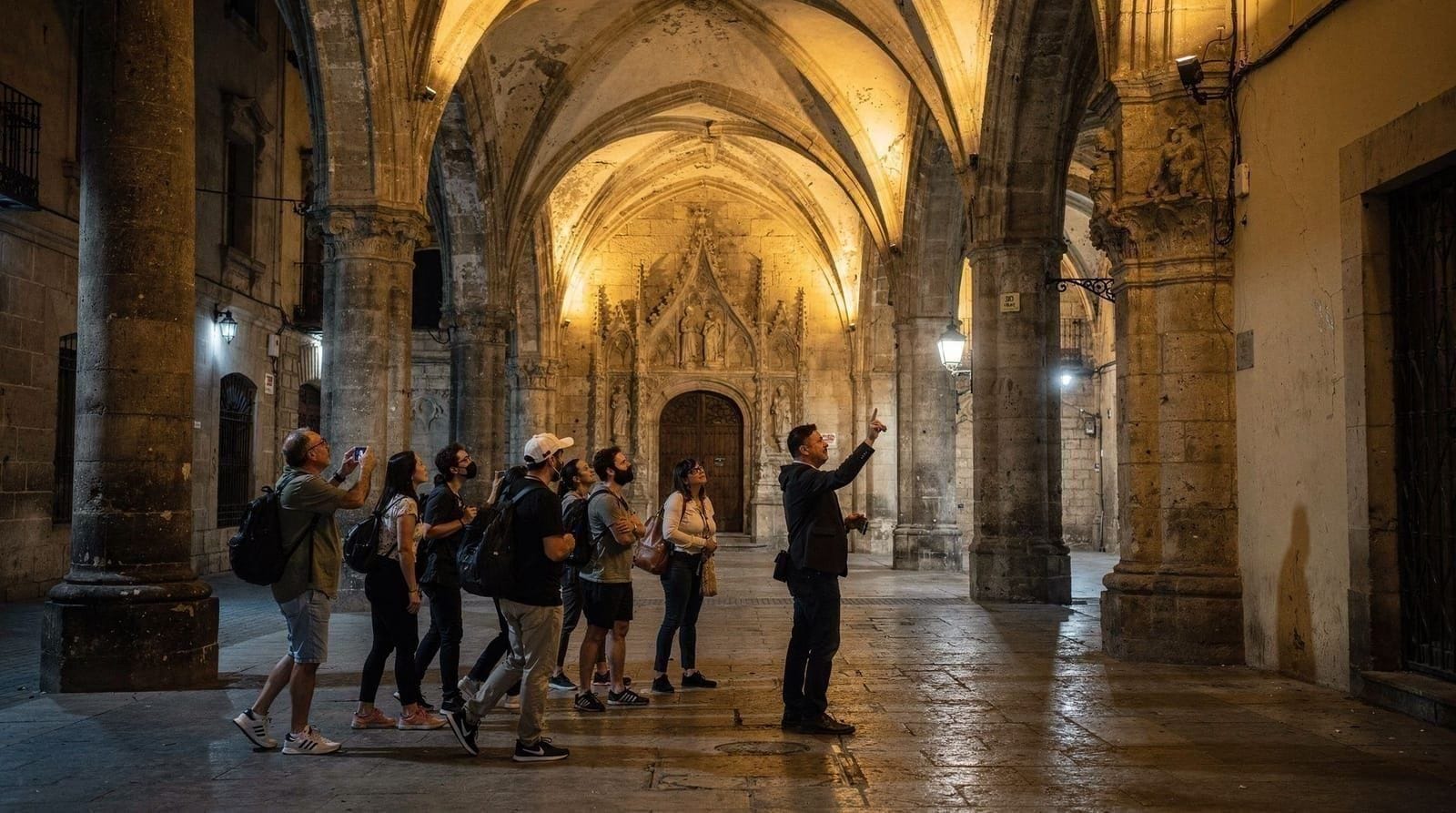
Valencia food tour: 10 tastings and secret spotsEsmorzaret at the Mercado Central
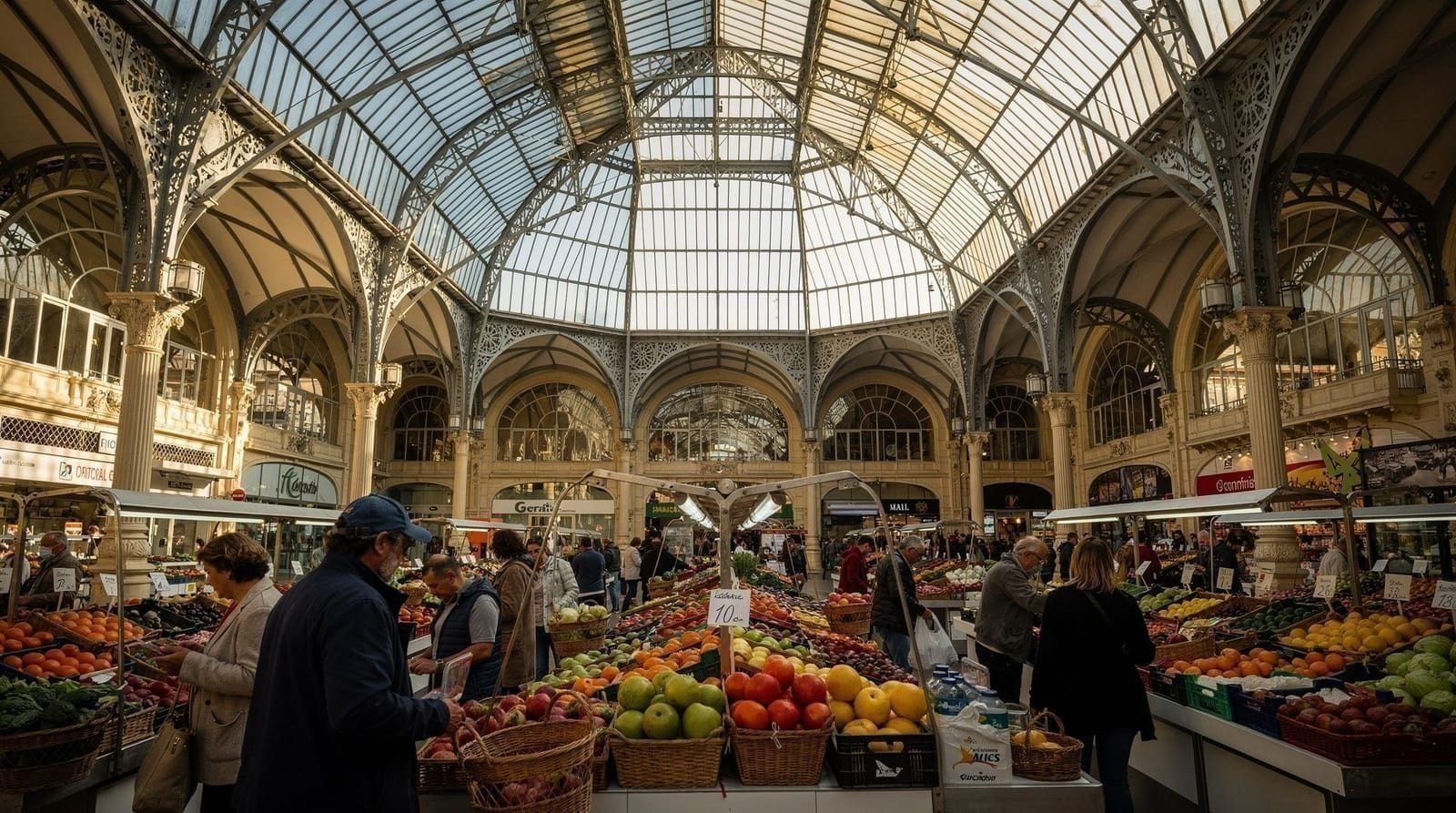
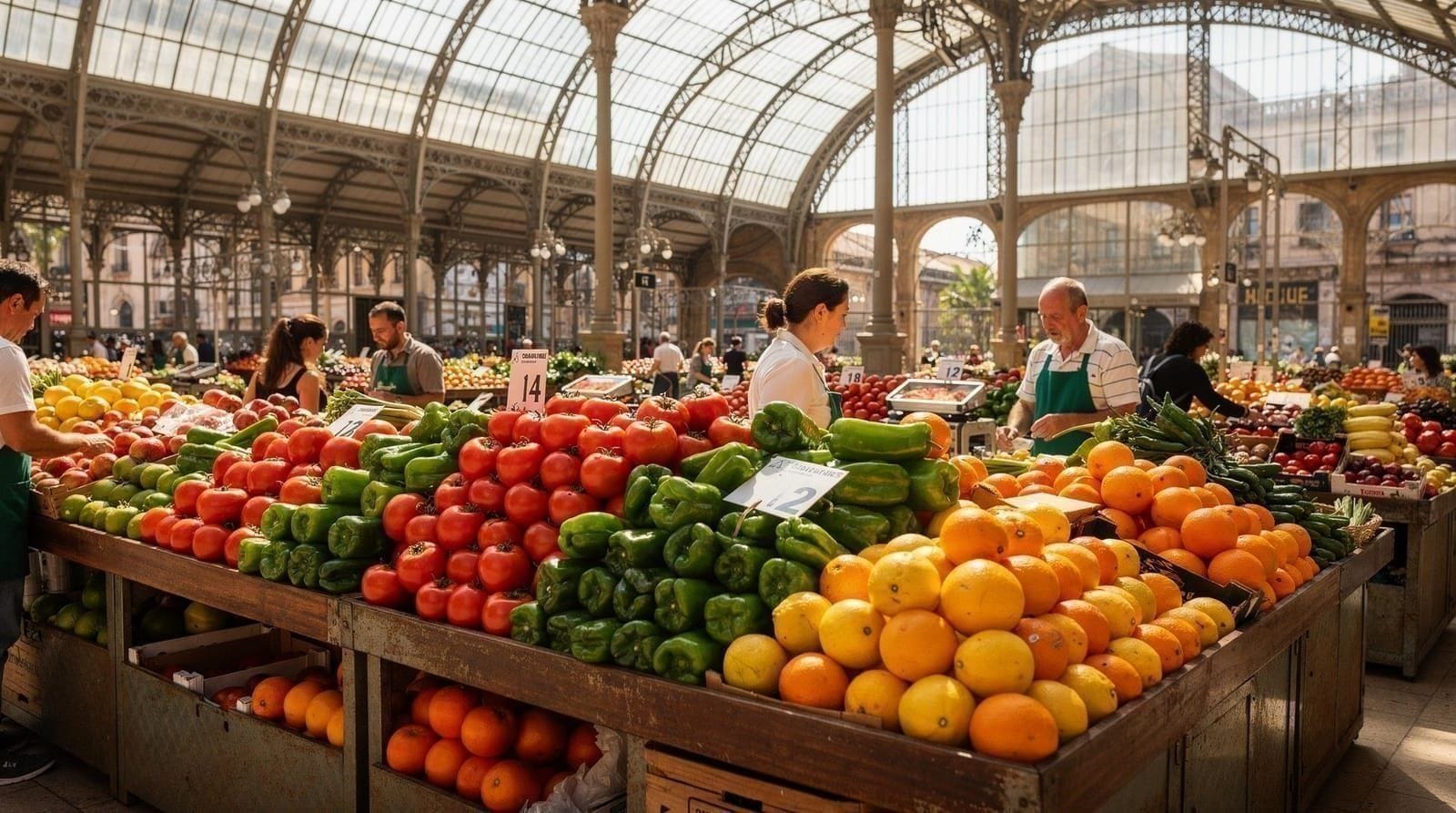
The Mercado Central morning atmosphere is closely connected to the esmorzaret tradition. Market stallholders and buyers eat mid-morning at the bars around the market. Central Bar (Ricard Camarena’s market counter) serves an upscale version — excellent bocadillos with premium ingredients at slightly higher prices (5-8€ per bocadillo).
For a more traditional experience, the bars on the side streets just outside the market (not on Plaza del Mercado itself, where tourist pricing applies) serve esmorzaret at 4-6€.
What to look for when choosing a bar
Good signs:
- A counter covered with pans of fresh ingredients
- Mostly Spanish-speaking clientele, mostly male (traditional establishments)
- Beer taps visible and in use at 10:30am
- Handwritten prices on a small board
- The word “esmorzaret” visible anywhere on the exterior
Less promising:
- Full English menu
- “Brunch” prominently advertised
- Avocado toast on the menu
- Table-service only
Esmorzaret and the Mercado Central market day
If you’re planning a Mercado Central visit anyway, arriving mid-morning lets you combine market browsing with esmorzaret at one of the surrounding bars before the stalls get busy with lunch-hour shoppers. It’s also a useful anchor point if you’re building a food-focused day around authentic paella spots for lunch later — esmorzaret first, market browsing, then a proper paella lunch at 14:00 onward follows the local rhythm exactly.
Fitting esmorzaret into a visit
Because the esmorzaret is quick and cheap, it slots easily into almost any day of sightseeing. It works best as the pause between a first morning activity and the long lunch that follows, rather than as a destination in its own right. If you are watching your spending, it is also one of the most efficient ways to eat well; the budget guide to Valencia shows how a counter-style mid-morning meal sits alongside the menú del día and other low-cost habits.
If food is the point of your trip, the Valencia for foodies itinerary builds days around the same local rhythm, and the broader eat like a local guide places the esmorzaret among the other meals of the day. The Valencia food markets guide is a natural companion if you want to browse produce stalls before or after your bocadillo. For a more narrative take on the same theme, the blog piece on how to eat like a local in Valencia covers the habits that make a visitor’s meals feel less touristy.
Pacing matters too. A bocadillo and a beer is a substantial start to the day, so many visitors find they want a lighter plan afterwards, such as a stroll through the old town or the gardens, before sitting down to lunch. Treat the esmorzaret as real food, not a snack, and arrive at lunch with a moderate appetite rather than none at all. When that lunch comes, the paella traps guide and the best restaurants in Valencia help you choose somewhere worth the main meal of the day, and the tourist menu traps guide flags the fixed menus to walk past.
Frequently asked questions about esmorzaret
Is esmorzaret only for locals?
No — it is open to anyone who orders. The experience of walking into a traditional bar and having mid-morning bocadillo with a beer is straightforwardly available to any visitor. Some bars are more comfortable for tourists than others; none will turn you away.
Do I need to speak Spanish to order?
Pointing at the counter and saying “uno de esto” (one of this) works in most bars. Knowing “bocadillo de longaniza con huevo” (sausage bocadillo with egg) or “bocadillo de bacalao” (salt cod bocadillo) makes it easier. The bar staff in esmorzaret bars are not typically English-speaking.
Can women eat esmorzaret?
Yes. Traditional esmorzaret bars are predominantly patronised by men — a demographic fact reflecting the original working-class context — but women eat there too and the experience is not unwelcoming.
What is carn de burro and should I try it?
Carn de burro is cured donkey meat — a traditional Valencian product that is significantly less common now than it was two generations ago. It has a dark, firm texture and a pronounced cured flavour. If you find a bar that offers it as an esmorzaret filling, trying it is worth doing for the cultural specificity. It is not exotic by the standards of Spanish charcuterie.
Top experiences
Bookable activities with verified prices and instant confirmation on GetYourGuide.