Valencia's Mercado Central — the complete food guide
Valencia: daytime tapas tasting tour with Central Market visit
Duration: 3 hours
What should I buy and eat at Valencia's Mercado Central?
Buy fresh produce, Valencian oranges, olives, local charcuterie, and dried chufas. Eat at Central Bar (chef Ricard Camarena's stall) for a serious breakfast or lunch. Avoid the smoothie stalls — they charge 8-12€ for fruit you could buy for 2€. Go between 08:00 and 13:00 on weekdays.
The Mercado Central is Valencia’s most-visited food market and one of the best-preserved Art Nouveau covered markets in Europe. Built between 1914 and 1928, it occupies 8,000 square metres in the heart of the old city, a five-minute walk from the cathedral. The building alone justifies a visit. But you should also know what to eat, what to buy, and what to ignore.
| Where | Plaça Ciutat de Bruges, s/n, old city — 5 min from the cathedral |
| Cost | Free entry; budget €20–30 cash for shopping |
| Time needed | 30–60 minutes browsing, longer with Central Bar |
| Getting there | EMT city buses (check lines on emtvalencia.es), or a 5-min walk from the cathedral |
| Best time | Weekday mornings, 08:30–12:00 |
The building: what you are looking at
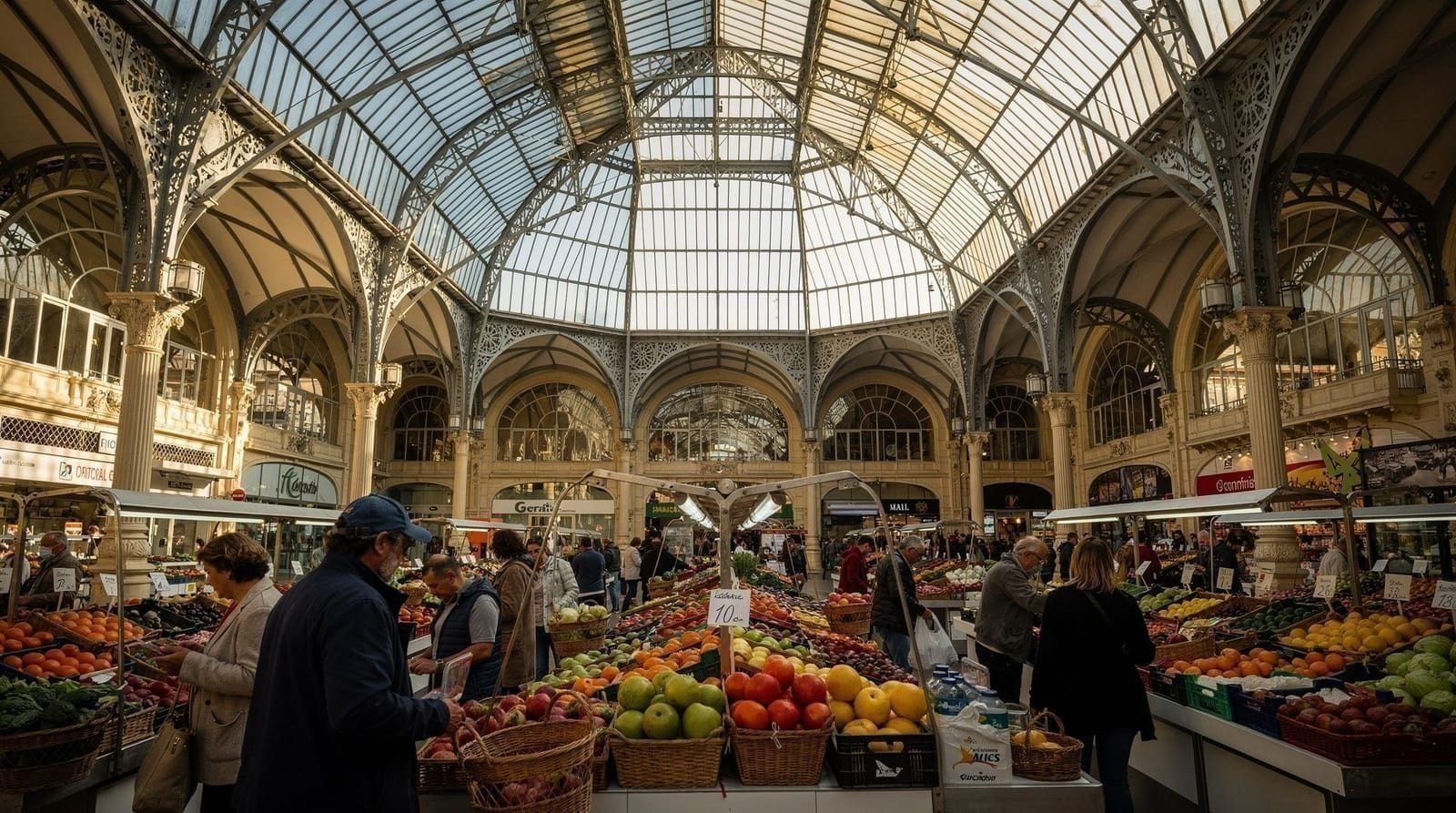
The market’s architect was Francesc Guardia i Vial, working with Alejandro Soler i March. The building is a large steel and glass structure in the Valencian Art Nouveau style — with elaborate ceramic tile work, iron columns, and a central dome of coloured glass that floods the interior with light on a clear morning.
From the outside, the ornate facade on Plaza del Mercado faces the Llotja de la Seda (Silk Exchange), a UNESCO World Heritage Site. The contrast between the two buildings — one Gothic, one early 20th century — is worth pausing to look at from the square before entering.
Inside, the main floor is organised into a grid of permanent stalls. The ceiling rises high above, and the coloured light from the dome creates a particular atmosphere on mornings with direct sun. Even if you are not buying anything, spending 20 minutes walking through the building is worthwhile.
The market also sits at the edge of Ciutat Vella and El Carmen, which means it slots easily into a wider walk through the old centre. Many visitors pair it with the Lonja de la Seda across the square and the cathedral and Miguelete tower a short stroll away, so the morning works as a compact introduction to the historic heart of the city.
What the Mercado Central actually sells
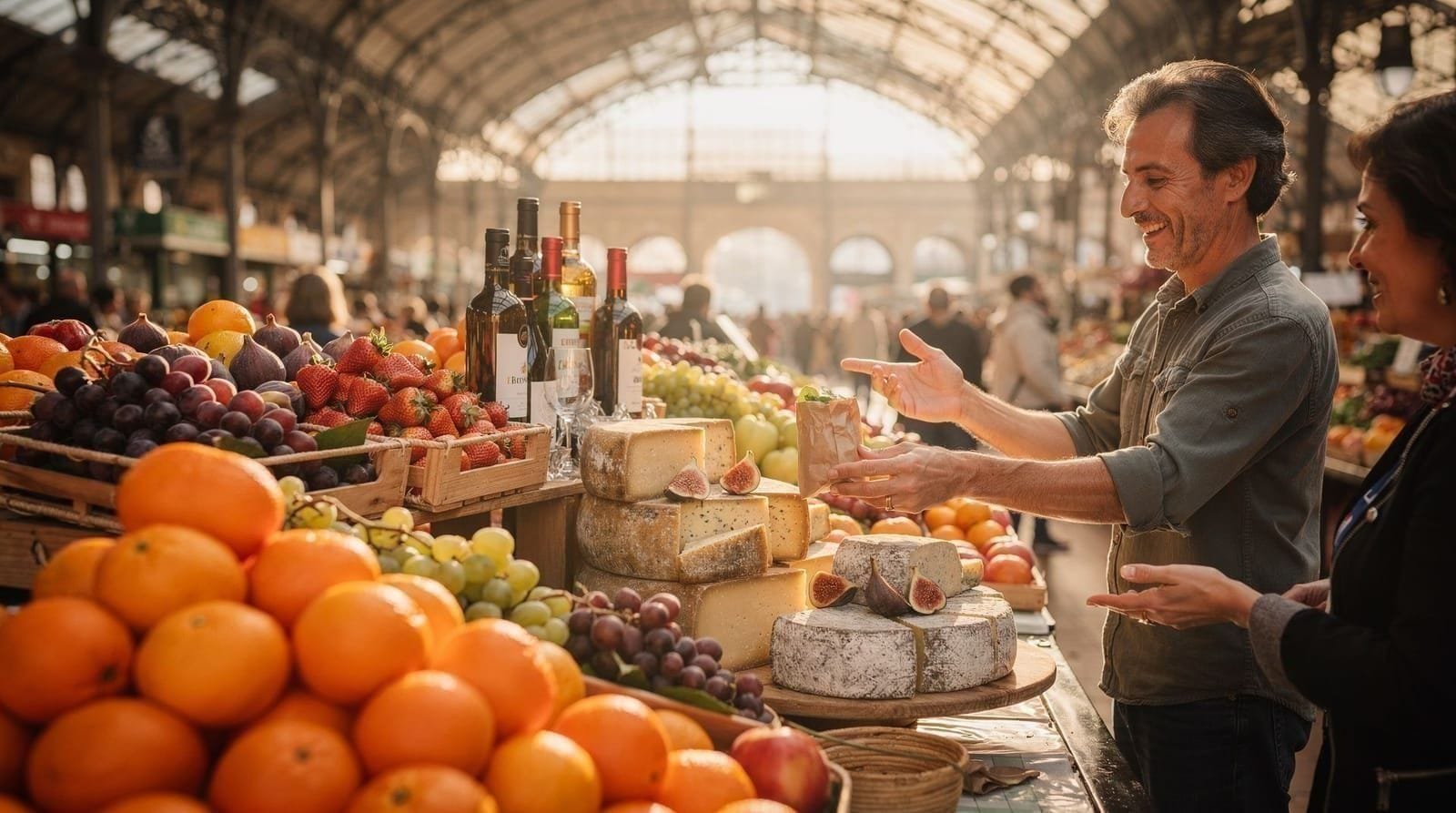
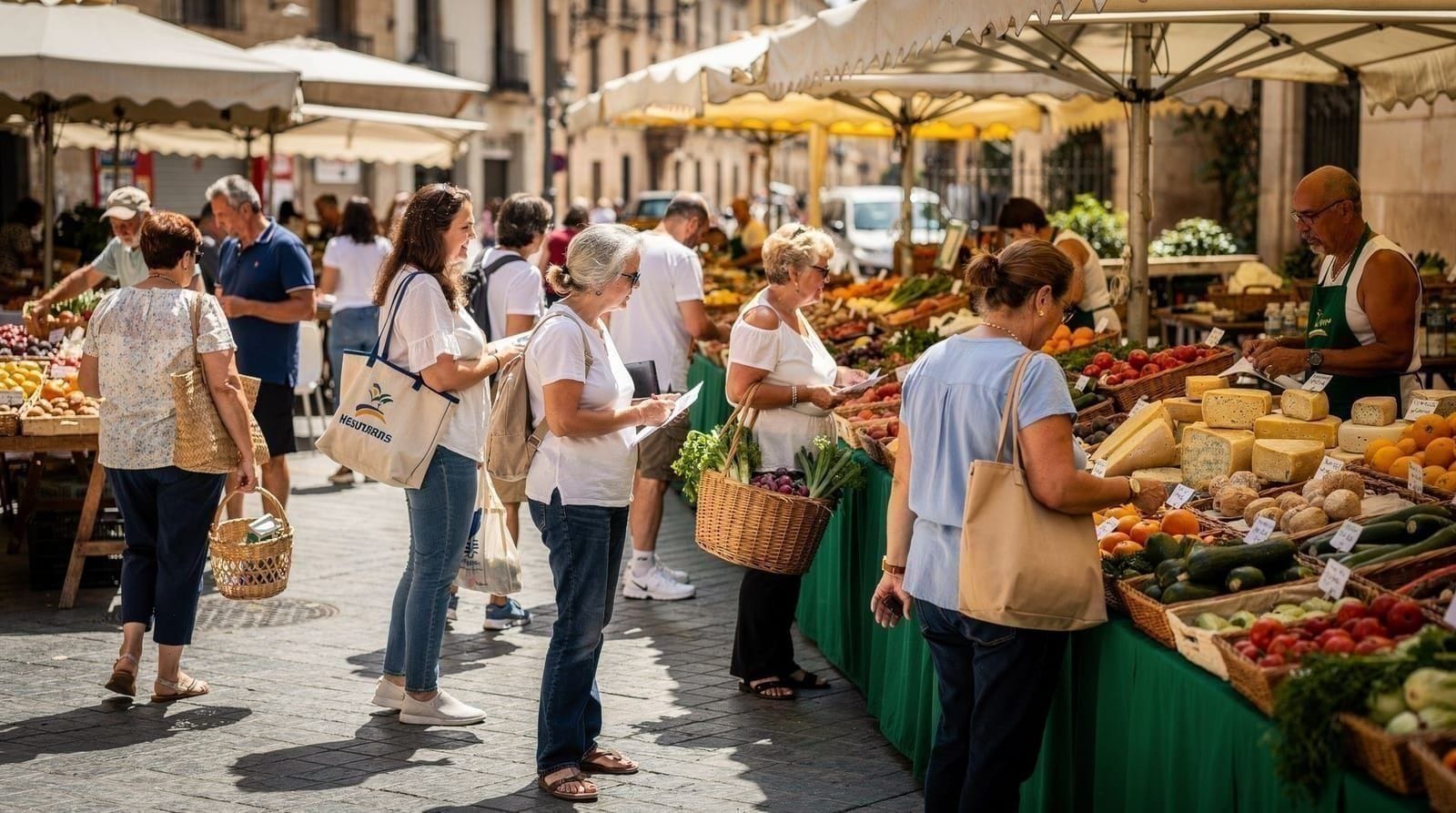
The market has more than 300 stalls covering fresh produce, meat, fish, cheese, olives, dried goods, flowers, and prepared food. The Valencian huerta (market garden belt surrounding the city) produces some of Spain’s best vegetables — they come directly to this market.
Produce: Valencia’s famous oranges and mandarins are sold here, though they are at their best in winter months (December to March). Tomatoes, peppers, artichokes, broad beans, and an extraordinary variety of lettuces are sold at quality levels rarely found in supermarkets.
Seafood: Valencia’s port and marina supplies the fish market section. Sea bass, bream, monkfish, prawns, and cephalopods from the Mediterranean are available. The fish section is best visited early — by 11:00, the premium pieces are sold.
Charcuterie and cheese: Several stalls sell local Valencian cured meats, including llonganissa (a thin, seasoned sausage), cured lamb, and regional cheeses. These make excellent picnic supplies.
Olives: Valencia has extraordinary olive variety. You will find stalls with 20-30 types — from small, bitter arbequinas to large, mild gordal olives stuffed with anchovies, pimiento, or almonds. Buy a small selection and eat them the same day.
Dried goods: Look for Albufera short-grain rice (Senia or Bomba varieties), dried chufas from Alboraia, dried beans (garrofó, paella’s white butter beans), and local saffron. These are genuine souvenirs that you can cook with at home.
Central Bar: the best meal option in the market
Central Bar is the stall operated by Ricard Camarena, the Valencian chef who holds Michelin stars at his Valencia restaurant. Central Bar is his accessible market counter — a high-quality breakfast and lunch spot serving bocadillos (baguette sandwiches), seasonal vegetable preparations, and coffee.
The bocadillo de bacallà (salt cod baguette) and the seasonal vegetable preparations change regularly and are genuinely excellent — not tourist food, but the kind of food a serious local chef makes at a market counter because it is where the best ingredients are. Prices are fair by market standards (check the current menu at Central Bar).
Arrive before 11:00 on weekdays or 10:00 on Saturdays for the best selection and no queue. Central Bar is at the centre of the market floor — look for the queue, which forms quickly after 10:30.
How to shop like a local
The easiest way to get good value is to copy what the regulars do. Walk one full loop before buying anything, so you can see which stalls have the longest lines of local shoppers and which ones are quiet. A queue of residents is the best signal in any market: it usually means the produce is fresh and the prices are fair.
Greet the stallholder, say what you plan to cook, and ask what is best today. Stallholders here tend to be proud of their produce and will often tell you which tomatoes are ripe for tonight and which will keep for a few days. You do not need fluent Spanish; pointing, a smile, and a few words go a long way. Buy small quantities of perishables, since you are probably not cooking a family meal in a hotel room.
If you are staying in an apartment, the market is the natural place to stock up for a few simple meals: bread, tomatoes, cheese, olives, and fruit make a proper lunch. If you are in a hotel, think of the market as a place to assemble a picnic rather than to fill a suitcase. For more on eating the way residents do, see the guide to eating like a local, and for the classic mid-morning habit of a hearty sandwich, read about esmorzaret and almuerzo.
The honest assessment of tourist traps
The Mercado Central has several stalls that target tourists specifically. The most obvious examples:
Smoothie stalls: Located near the main entrance, these stalls charge 8-12€ for a blended fruit drink. They use the same fruit sold by produce stalls for 1.50-2€ per kilogram. The price differential is entirely attributable to location and target audience. The smoothies are not bad, but paying 10€ for one when you could buy a bag of oranges for 2€ is worth knowing.
Pre-packaged “paella kits”: Near the entrance, tourist-facing stalls sell paella seasoning kits, saffron packets, and recipe boxes at significant markup. Real saffron from Spain (genuine azafrán, not the orange-coloured powder that is sometimes sold as saffron) is available from spice stalls deeper in the market at a fraction of the entrance price. Look for saffron sold in small glass vials and ask the stall owner where it is from.
Inflated prices at entrance stalls: The stalls closest to the main entrance typically charge more than equivalent stalls deeper in the market. Walk 30-40 metres inside before comparing prices.
A guided food tour of the market
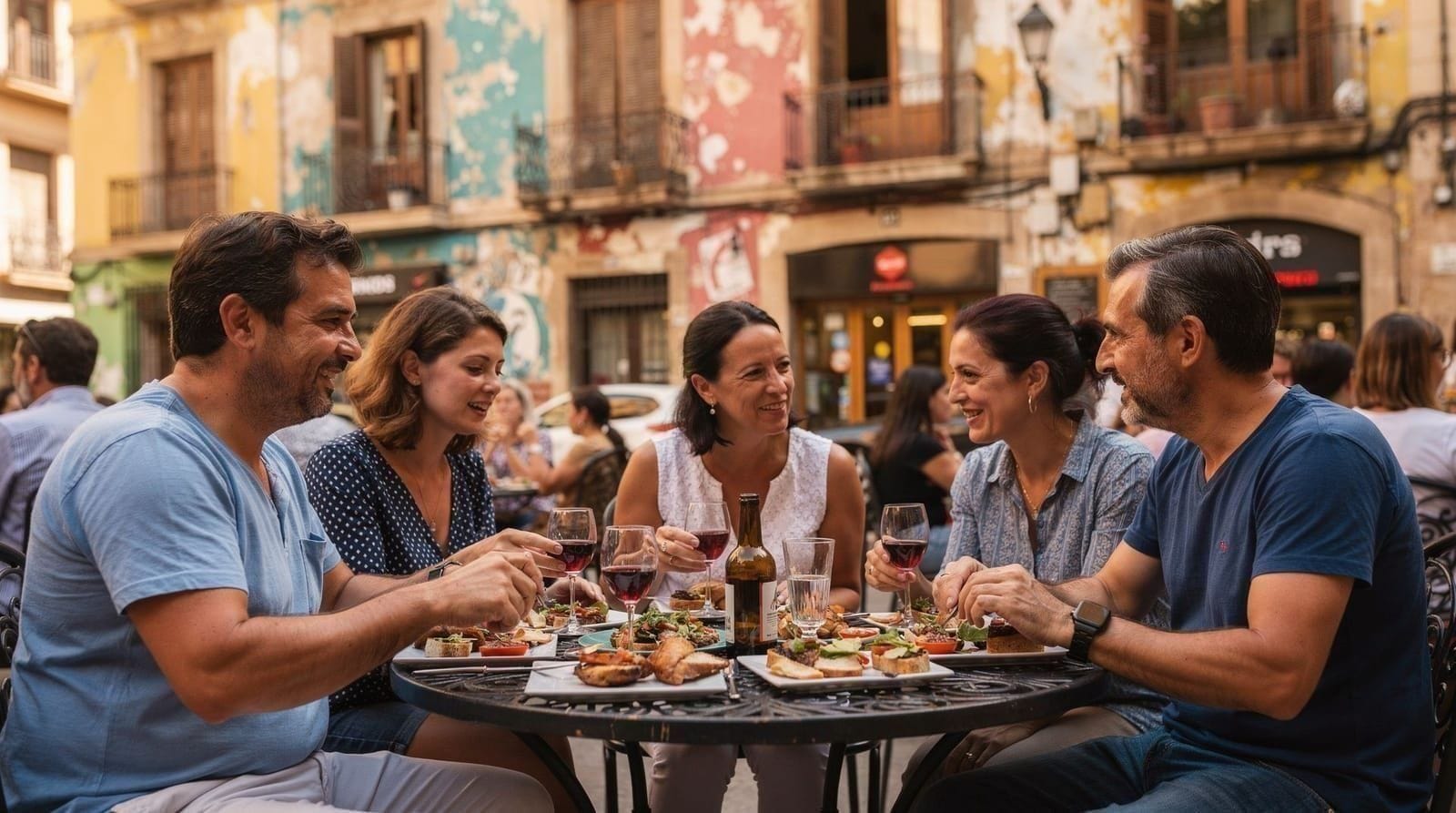
Valencia: daytime tapas tasting tour with Central Market visitA guided food tour that includes the Mercado Central is worth considering, particularly on a first visit. A knowledgeable local guide can identify the best stalls, explain what you are looking at, provide tastings from producers, and give context about Valencian food culture that is not available from reading. Several tours combine the market visit with tapas stops nearby.
Valencia: paella cooking class with Central Market tourThe paella cooking class that begins at the Mercado Central is one of the better-organised experiences in Valencia — you buy the ingredients yourself (with guidance), understand where they come from, and then cook with them. This gives the cooking class a context that a standard class cannot.
Practical information
Opening hours: Monday to Saturday, 07:30 to 15:00. Closed Sunday and public holidays. Best time to visit: 08:30 to 12:00 Entry: free Location: Plaça Ciutat de Bruges, s/n, in the old city — 5 minutes’ walk from the cathedral Nearest transport: several EMT city bus lines stop nearby — see emtvalencia.es for current lines
Payment: most stalls accept cash only. Bring coins and small bills. A few larger stalls have card payment.
Bags: The market has no luggage storage. Do not bring large backpacks or wheeled luggage — it makes navigating the busy aisles difficult.
The market and paella cooking
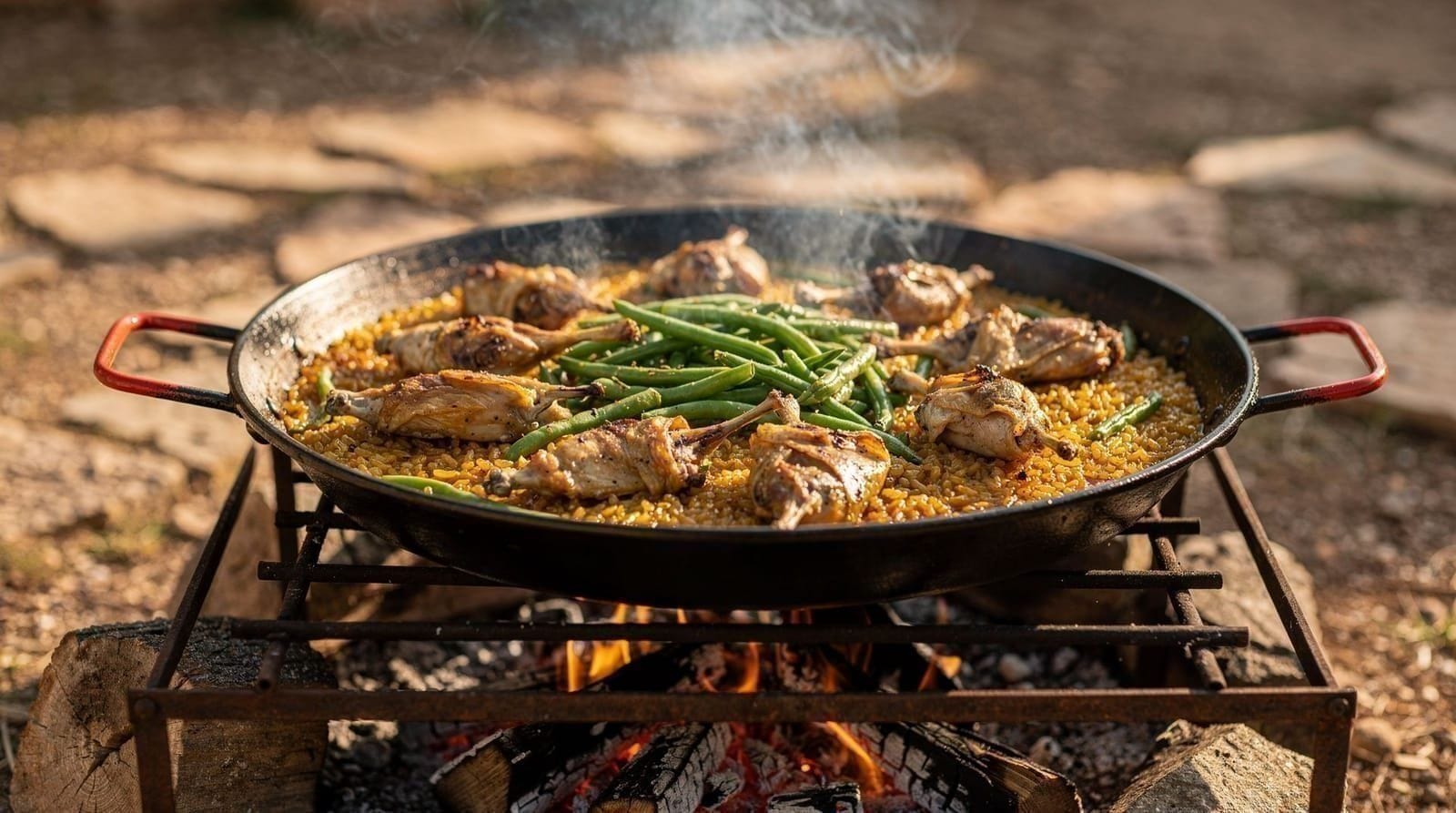
If you are planning to cook paella yourself or take a cooking class, the Mercado Central is the best place to buy ingredients. Look for:
- Rice: Arròs de la Terra, Senia, or Bomba varieties — sold by weight at dedicated rice stalls
- Saffron: in small glass vials, labelled with origin (La Mancha or Valencian saffron)
- Bajoqueta: flat green beans, sold by weight in the vegetable section
- Garrofó: large dried or fresh butter beans — check the dried legume stalls
- Tomatoes: small, ripe Valencia tomatoes are noticeably better than supermarket versions
The how to order paella guide covers ingredient context in more detail.
Mercado Central vs. other Valencia markets
| Market | Character | Best for |
|---|---|---|
| Mercado Central | Grand Art Nouveau building, 300+ stalls | Serious shopping, architecture, Central Bar |
| Mercado de Colón | Modernist building, upscale food hall | Wine bars, restaurants, a sit-down meal |
| El Mercadito de Ruzafa | Smaller, informal | Street food, prepared dishes, a quicker visit |
If you only have time for one market, the Mercado Central gives the fullest picture of Valencian food culture — it’s a working market rather than a curated food hall, and the building itself is worth the visit even before you buy anything. Mercado de Colón is the better choice if you want to sit down with a glass of wine rather than shop.
Best times to avoid the crowds
Saturday mornings between 10:00 and 12:00 are the market’s busiest window, combining tourists with the weekly local shop. If you want the calmest experience — easier photos of the dome, less queueing at the good stalls, stallholders with time to talk — arrive right at opening (07:30 on weekdays) or plan your visit for a Tuesday or Wednesday morning. The trade-off is that Central Bar’s queue also builds through the late morning, so an early visit means shopping first and circling back for a mid-morning bocadillo once the initial rush has passed.
Nearby food stops worth combining
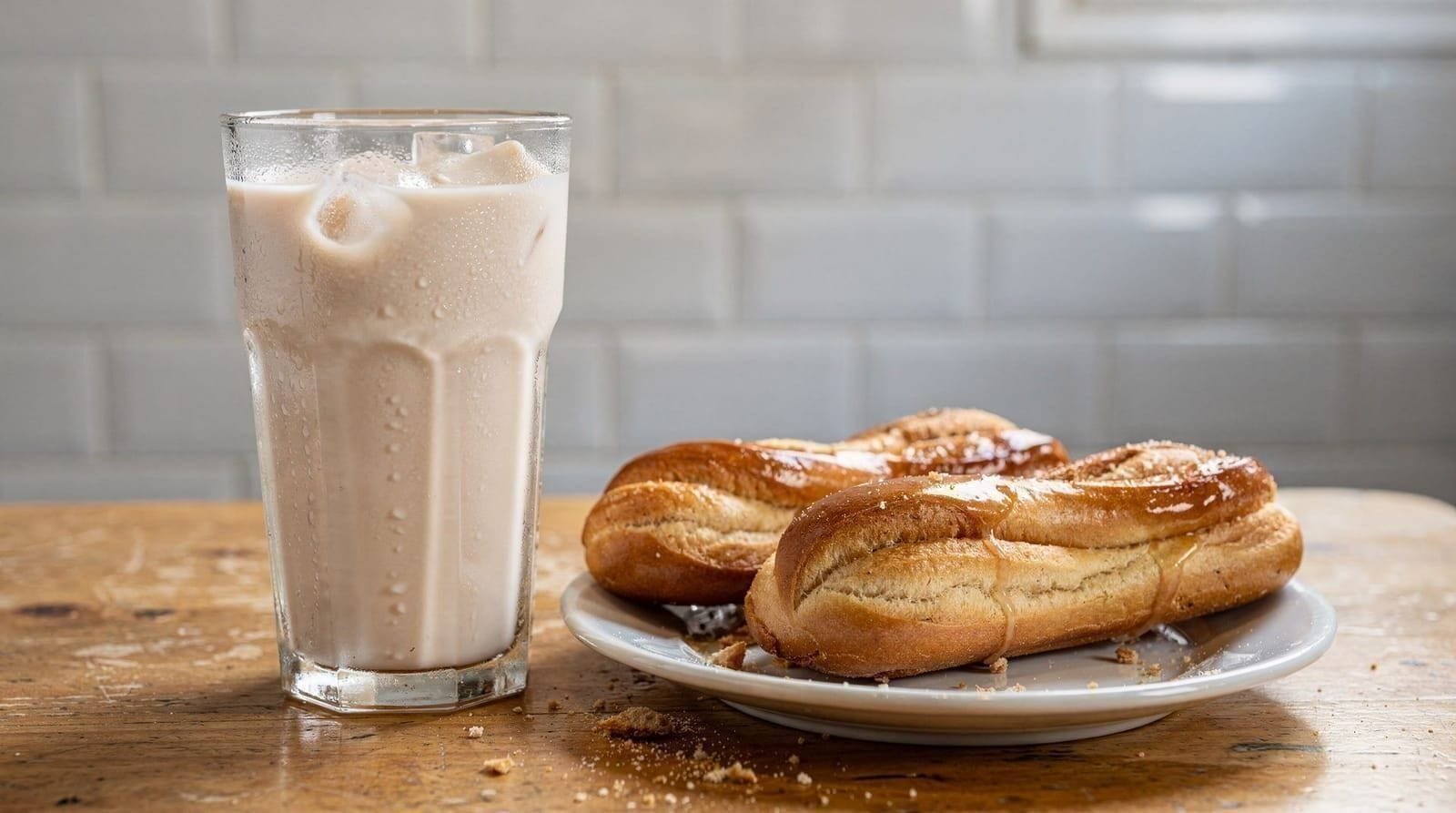
Horchatería Santa Catalina is a three-minute walk from the market on Plaza de Santa Catalina — the ideal post-market stop for horchata and fartons (see horchata guide).
El Mercadito de Ruzafa is the other main market worth visiting — a 15-minute walk south in the Ruzafa neighbourhood. Smaller, less formal, and more interesting for prepared food and street food vendors.
Lonja de la Seda (Silk Exchange) is directly opposite the Mercado Central — a UNESCO World Heritage Gothic building from the 15th century that you can enter for 2€. A natural combination with the market visit.
Turning a market visit into a full food day
The market works best as the first stop of a food-focused day rather than the whole plan. A sensible shape is breakfast or a bocadillo at the market, a slow walk through the old centre, and then a proper lunch elsewhere. Lunch is where Valencia shines, and the traps cluster around the same tourist streets that surround the big monuments, so it pays to read the tourist traps guide and the notes on paella traps before you sit down anywhere.
A good-value way to eat a full midday meal is the set lunch. The menú del día guide explains how it works and how to spot the honest versions. If you would rather build the whole day around eating, the Valencia for foodies itinerary strings together markets, tastings, and meals in a sensible order.
If a drink is part of the plan, remember that the market itself is a place for shopping and light bites, not for a long seated session. Save the sit-down drinks for a bar or for one of the nearby horchata spots, and read up on Agua de Valencia before ordering it, since it is a frequent tourist trap.
What to take home
The best edible souvenirs from the Mercado Central:
- Dried chufas (chufa de Valencia DOP) — to make horchata at home
- Saffron (azafrán, genuine Spanish saffron in vials)
- Albufera short-grain rice (ask for Senia or Bomba)
- Llonganissa (Valencian cured sausage, vacuum-packed for travel)
- Mantecados (shortbread biscuits from the pastry stalls)
- Local olive oil (ask for aceite de oliva virgen extra from Castellón or Valencia province)
See the Valencia food markets guide for a broader overview of all of Valencia’s markets, including the Mercado de Colón and the neighbourhood street markets.
Frequently asked questions about Valencia's Mercado Central
What are the opening hours of the Mercado Central?
The Mercado Central is open Monday to Saturday, 07:30 to 15:00. It is closed on Sundays and public holidays. The best time to visit is between 08:30 and 12:00 — after 12:00, vendors start packing up and the best produce is gone.Is the Mercado Central worth visiting as a tourist?
Yes, unconditionally. The building itself — a 1928 Art Nouveau structure with a stained glass dome, iron columns, and 8,000 square metres of market floor — is one of the most impressive covered markets in Europe. The produce quality is high, prices are fair if you know which stalls to avoid, and Central Bar provides a genuinely good eating option.What should I avoid at the Mercado Central?
The smoothie stalls are the most obvious trap — charging 8-12€ for a blended fruit drink using the same fruit you can buy for 2€ from the produce stalls. Also avoid the tourist souvenir paella seasoning kits (overpriced) and any stall specifically positioned at the main entrance with English signage at tourist-inflated prices.Where is Central Bar at the Mercado Central?
Central Bar is located inside the market, in the central area. It was created by Michelin-starred chef Ricard Camarena as a high-quality breakfast and lunch counter within the market. It offers some of the best bocadillos and breakfast options in the city at market-appropriate prices. Arrive before 11:00 to avoid a queue.Can I buy paella ingredients at the Mercado Central?
Yes. Several stalls sell Albufera short-grain rice (look for Senia or Bomba varieties), fresh saffron, bajoqueta (flat green beans), garrofó (large butter beans), and other paella ingredients. Buying here and taking a cooking class is the most complete way to understand the dish. Some cooking classes include a Mercado Central shopping trip.Is the Mercado Central crowded, and when should I avoid it?
It gets busy with both tourists and local shoppers between 10:00 and 12:00 on Saturdays, the market's busiest day. Weekday mornings before 09:30 are noticeably calmer, with the best produce still on display and stallholders less rushed. If you want photos of the dome and architecture without crowds in every frame, arrive right at opening.Can I visit the Mercado Central with children?
Yes, it is a genuinely good stop with kids — the building itself is visually striking, the fish and produce stalls are an easy way to talk about where food comes from, and Central Bar's bocadillos are an easy, quick meal. It gets busy and loud around midday, so an earlier visit suits families better.Can I eat a full meal at the Mercado Central?
Central Bar is the main eating option for a proper meal — it offers excellent bocadillos and small plates. Several stalls sell churros, pastries, and prepared snacks. For a sit-down lunch with paella, you need to go to a restaurant nearby — the market itself is more of a breakfast and shopping destination.Is the Mercado Central better than the Mercado de Colón?
They are different experiences. The Mercado Central is a working food market — more than 300 stalls, fresh produce, professional buyers, serious food. The Mercado de Colón is a converted 1914 modernist building that now functions as an upscale food hall with restaurants, wine bars, and specialty food shops. Both are worth visiting for different reasons.Is there a farmers' market at the Mercado Central?
The Mercado Central is itself a daily farmers' market by nature. Additionally, Valencia has several weekly street markets — see the food markets guide for dates and locations.How much cash should I bring?
For a shopping visit without a big purchase, 20-30€ in cash covers olives, produce, dried goods, and a coffee. If you are buying paella ingredients for a class, budget 15-25€ for the produce. Add a little more if you plan to eat breakfast at Central Bar.
Top experiences
Bookable activities with verified prices and instant confirmation on GetYourGuide.