Horchata and fartons — Valencia's iconic afternoon drink
Valencia: daytime tapas tasting tour with Central Market visit
Duration: 3 hours
What is horchata and where should I drink it in Valencia?
Horchata de chufa is a naturally sweet, milky-white beverage made from tiger nuts (chufas) grown in Alboraia, just north of Valencia. It is served cold, often with fartons (long, sweet buns for dipping). The best horchaterías are Horchatería Santa Catalina in the old city and Horchatería Daniel in Alboraia. A glass with fartons costs 3-4€.
Horchata de chufa is one of those things that sounds unusual and tastes completely different from what you might expect. Made from a small, wrinkled tuber called a chufa (tiger nut or earth almond), it is cold, sweet, slightly grainy in texture, and entirely plant-based. It has been the drink of Valencia’s summers for centuries.
| What | Cold tiger-nut (chufa) drink, served with fartons for dipping |
| Cost | Around 3-4€ per glass at a proper horchatería |
| Where | Santa Catalina (old city) or Daniel (Alboraia) |
| Best season | Late April to October, peak in July-August |
| Watch for | Powdered or bottled imitations at tourist cafés |
What is horchata de chufa?
Chufa is a small, dark tuber — technically a sedge grass root — that grows in the sandy soil of Alboraia, a small municipality about 8 km north of Valencia. The Alboraia chufa has a Protected Designation of Origin (Chufa de Valencia DOP), meaning the real product can only come from this specific area.
To make fresh horchata, the chufas are soaked overnight, ground with water, and the milky liquid is extracted and sweetened. The result is white, thick, and rich — vaguely reminiscent of almond milk but with a distinct, slightly earthy, caramel undertone. It is served very cold, almost at the point of freezing.
What it is not: horchata de chufa has nothing to do with Mexican horchata, which is a rice-based drink. The Valencian version predates the Mexican one and uses a completely different ingredient.
Fartons: the essential accompaniment
Fartons are soft, elongated sweet rolls — light, slightly chewy, glazed with a thin layer of icing sugar syrup. They are designed for dipping into horchata. The texture soaks up the liquid without dissolving immediately, and the slight sweetness of the bread complements the natural sweetness of the chufa drink.
The classic ritual: you dip the end of the fartó (singular) into the glass of horchata, take a bite, then sip. It is an afternoon-snack format, not a dessert and not a meal. Most people eat 1-2 fartons with a medium glass of horchata.
A glass of horchata with two fartons at a good horchatería costs 3-4€. At tourist-facing venues near the cathedral, the same thing may cost 5-7€.
Where to drink the best horchata in Valencia
Horchatería Santa Catalina (city centre)
Located on Plaza de Santa Catalina, just off the main pedestrian artery in the historic centre, this is the oldest horchatería in Valencia — operating since 1836. The interior has original tiles and wooden fittings that have been there for generations. The horchata is made fresh daily from local chufa.
This is the most convenient location for visitors staying in the old city. It is also genuinely good — not a tourist trap despite the location. Prices are fair (3-4€ for a glass with fartons). The queue moves quickly.
Opening hours are typically 08:00-21:00 in summer, shorter in winter. Closed Monday.
Horchatería Daniel (Alboraia)
Considered by many Valencians to be the best horchata in the region, Horchatería Daniel is in Alboraia — the village where chufa is grown. Being this close to the source makes a practical difference: the chufa does not travel, and the freshness shows in the flavour.
Getting to Alboraia takes about 20-25 minutes from Valencia city centre: tram line 4 from near the Torres Serranos, or bus 73 from the old city. The trip is worth making if you want to understand the drink in its proper context — Alboraia has several horchaterías along its main street, competing for the same local clientele.
Prices at Horchatería Daniel: approximately 2.50-3.50€ for a glass with fartons — cheaper than the city and the product is notably better.
Other reputable options
Horchatería El Siglo (Plaza Santa Catalina) is next door to Santa Catalina and of comparable quality — useful when Santa Catalina has a queue.
Horchatería Deseado (Carrer de l’Arquebisbe Mayoral) is a family-run horchatería popular with locals, away from the main tourist circuit.
The powder trap and tourist versions
Here is the honest assessment: many cafes and bars in tourist areas of Valencia serve horchata from a powder or concentrate, not from freshly prepared chufa. The result looks similar but has a completely different flavour — sweeter, more artificial, thinner. It is recognisable by a uniform texture without the slight grainy quality of fresh horchata.
If a café near the cathedral is selling horchata from a plastic bottle or a carton, that is not the real thing. If the glass arrives suspiciously quickly (under 30 seconds), it came from a machine, not from fresh chufa.
A simple test: ask “¿es horchata de chufa fresca?” (is it fresh chufa horchata?). At a proper horchatería, yes. At most generic cafes and tourist bars, the answer will reveal the truth.
Seasonal availability
Horchata is primarily a summer drink. The traditional season runs from approximately late April through October, with peak consumption in July and August. During the high season, good horchaterías serve granissat de chufa — a slushie-like frozen version of horchata that is even more refreshing in the heat.
Outside the summer season, horchata availability drops significantly. Horchatería Santa Catalina and a few others remain open year-round, but some smaller horchaterías close from November to March.
Other uses of chufa and horchata
Some Valencia restaurants use horchata as an ingredient in cooking — sauces for fish, ice cream bases, and desserts. Casa Montaña in El Cabanyal, the old fishing neighbourhood, occasionally features horchata in their dessert menu. The natural sweetness and distinctive flavour work well in small quantities.
How horchata fits into a day of sightseeing
Horchata is a mid-afternoon ritual, not a breakfast or dinner item, which makes it easy to slot into a walking day. A natural pattern for first-time visitors: start the morning at the Mercado Central, spend late morning exploring Ciutat Vella or the Cathedral and Miguelete tower, then break for horchata and fartons around 17:00-18:00 when the day’s heat is at its worst and the shaded terraces of Plaza de Santa Catalina fill up with locals doing exactly the same thing. If your itinerary includes the Turia Gardens or a stretch of the Turia by bike, horchata is also a good post-cycling reward — cold, quick, and genuinely restorative in summer heat.
Making the trip to Alboraia worthwhile
A visit to Alboraia for horchata is easy to combine with a short walk through the chufa fields on the village’s edges during growing season (spring through early autumn), when you can see the low green plants that eventually become the tubers. It’s not a formal attraction — there’s no visitor centre — but locals are generally happy to point newcomers toward Horchatería Daniel and the handful of competing horchaterías along the main street. Combine the trip with the beach at La Malvarrosa, which is a short tram ride away, to make a half-day out of what would otherwise be a 45-minute round trip just for a drink.
The Mercado Central connection
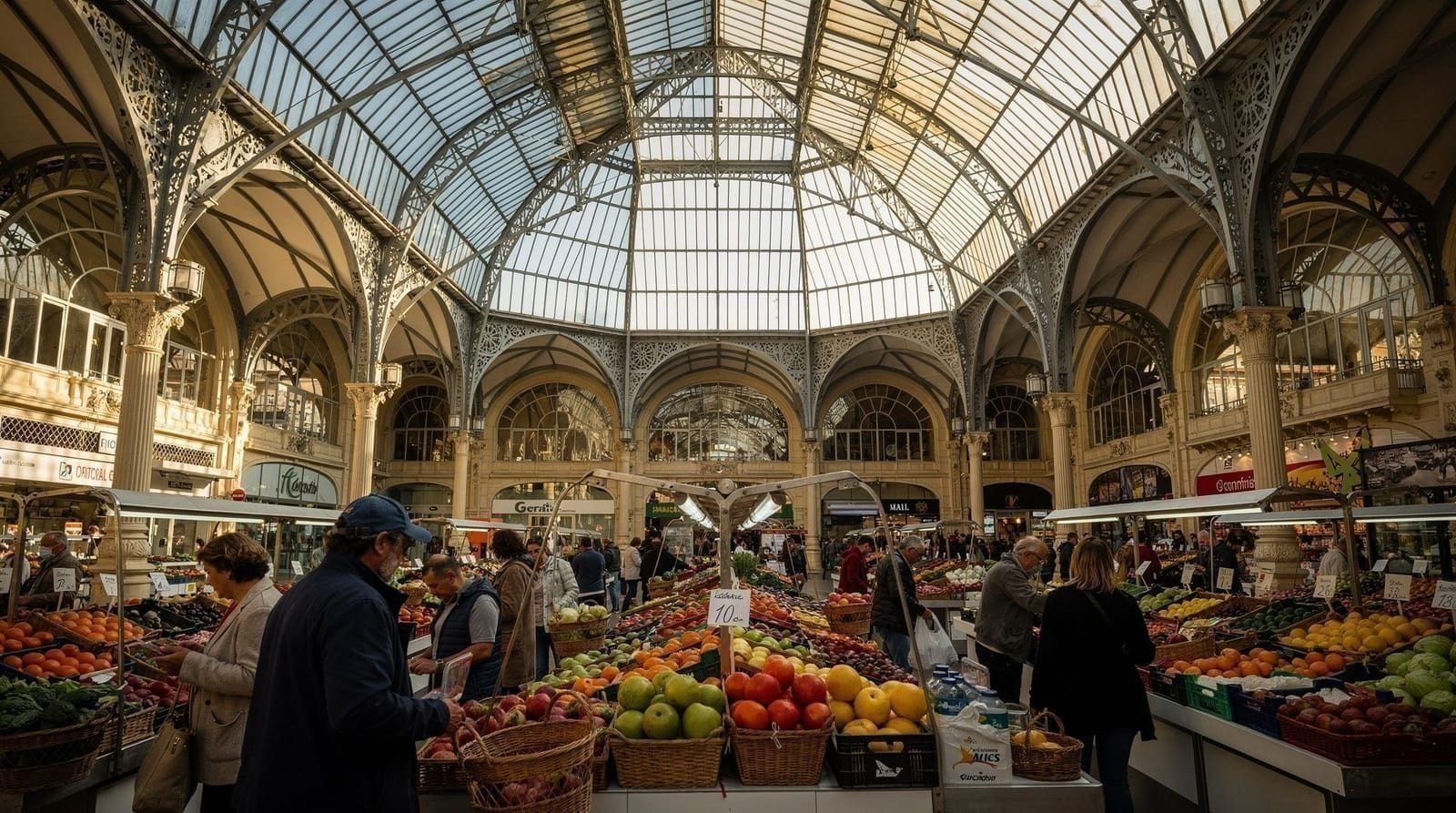
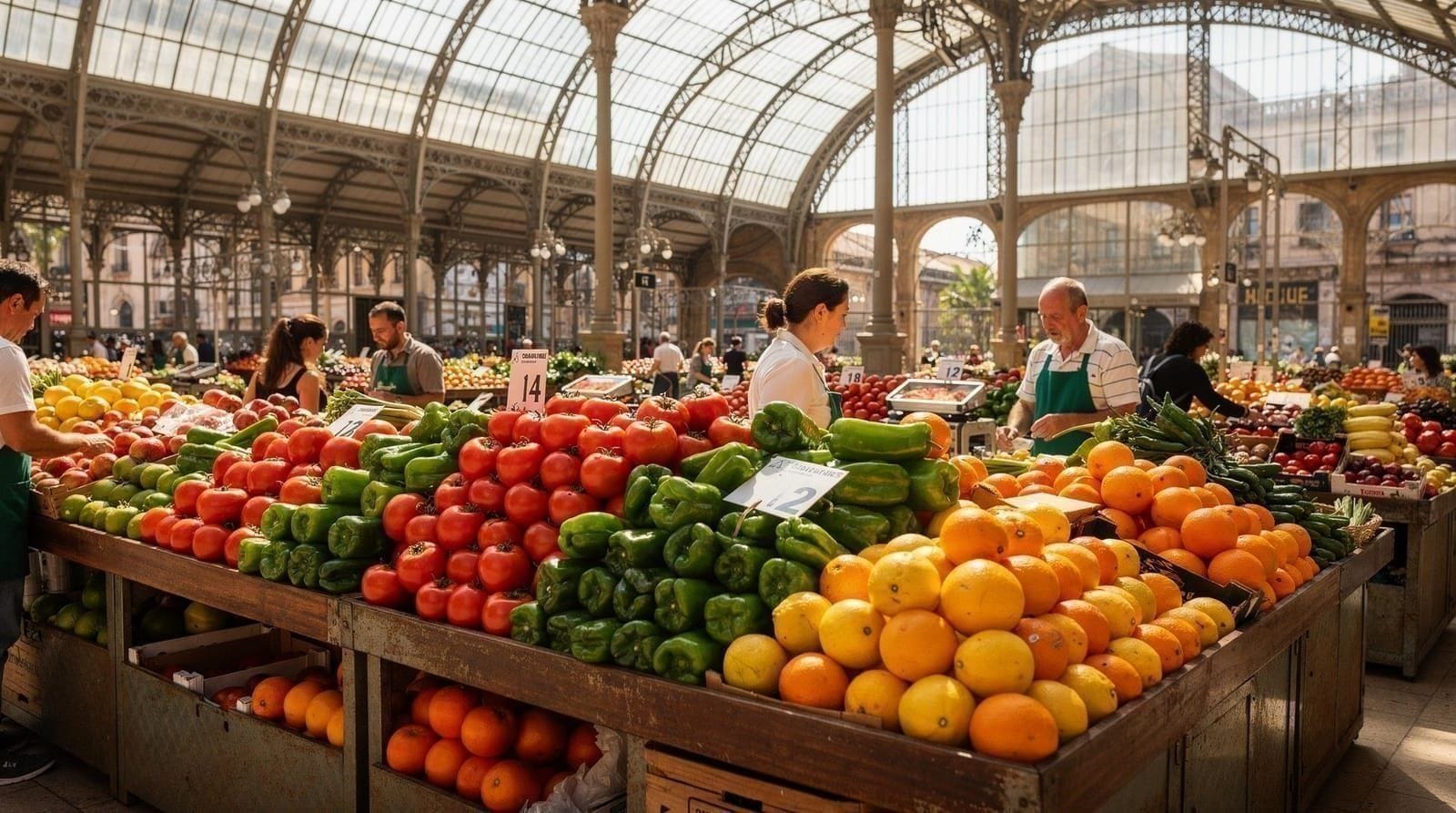
You can buy dried chufas and ready-made horchata at the Mercado Central, but the experience is better at a dedicated horchatería. The market is better used for buying dried chufas to take home and make horchata yourself — the DOP chufas from Alboraia are sold by several stalls.
Valencia: daytime tapas tasting tour with Central Market visitA food tour that includes the Mercado Central often stops at a traditional horchata bar nearby as part of the experience.
Tasting horchata as part of a wider food day
Horchata makes more sense when you meet it among the other flavours of the city rather than as a stand-alone stop. If you would rather have someone guide you through the stalls and counters, a small-group outing such as a guided walk with ten tastings of local specialities gives you the context for why Valencian food is built around the market, the rice fields and the orchards. For a second-night option, once the heat has dropped and horchata is behind you, an evening tapas and drinks tour is a good way to see the savoury counterpart to the sweet afternoon ritual.
If you prefer to plan it all yourself, the Valencia for foodies itinerary strings together markets, rice dishes and sweet stops, and the food-markets guide helps you decide where to browse. For a proper rice lunch before your horchata break, read where to eat authentic paella and how to order paella — a midday paella followed by a late-afternoon horchata is the classic Valencian rhythm.
How to order and what to expect at the counter
Most traditional horchaterías work on a simple system. You sit at a table or stand at the bar, say how many glasses you want, and say whether you want fartons with it. A “vaso” is a glass; “con fartons” gets you the buns alongside. If you ask for a “granizado” or “granissat” in season, you will get the frozen version. Staff are used to visitors who do not speak Spanish, and pointing at what the neighbouring table has is perfectly acceptable.
Take your time. Locals treat the horchatería as a place to linger, talk and cool down, not as a grab-and-go counter. The glass is usually served very cold, so sip rather than gulp, and use the fartó as a spoon of sorts: dip, let it soak briefly, bite. If the horchata feels very sweet to you, you can ask for it with less sugar at some places, though the traditional recipe is already balanced toward sweetness.
Reading a horchatería before you sit down
A few quick signals separate a genuine horchatería from a café that merely lists horchata on its menu:
- A dedicated counter or tap system for horchata, often with a large container or machine that keeps it moving and cold, rather than a bottle pulled from a fridge.
- Fartons displayed or baked in-house, not packaged pastries from a wholesale supplier.
- A clientele of locals, especially families and older residents, who know exactly what they are ordering.
- Horchata as the main business, with the tiles, marble counters and long menus of sweet drinks that tell you this is a specialist, not a sideline.
If you see all of these, you are almost certainly in the right place. If you see none, keep walking — and if you are choosing between the old city and the village, remember that Alboraia is where the whole tradition starts.
Combining horchata with nearby sights
The central horchaterías sit in an area that is easy to explore on foot. After your glass, you can wander to the Lonja de la Seda, step into the Mercado Colón for a different kind of market atmosphere, or head into El Carmen for its lanes and street art. Families travelling with children often find that a cold drink and a sweet bun is exactly the reset needed halfway through the day; the Valencia with kids guide has more ideas for pacing a day like that.
If you are visiting in summer, pair this stop with the advice in the summer guide and plan your outdoor sightseeing for the morning, using horchata as the reward that marks the start of the quieter, shaded part of the day.
Horchata vs other Valencian drinks
For comparison:
- Horchata de chufa: made from tiger nuts, cold, sweet, approximately 3-4€ per glass — a traditional Valencian drink
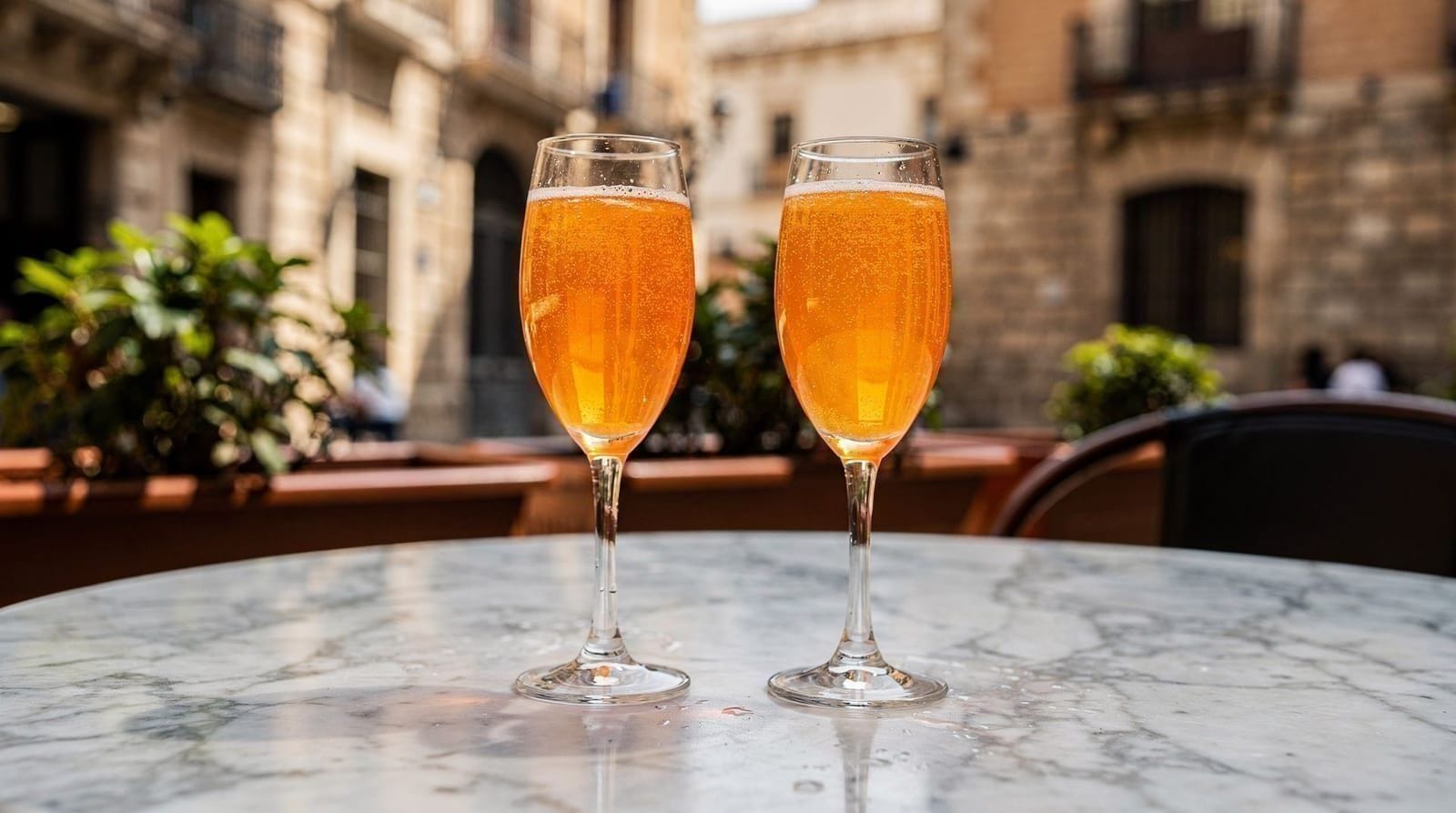
- Agua de Valencia: orange juice, cava, vodka, and gin — a cocktail, approximately 8-12€ — a tourist-era invention (see Agua de Valencia guide)
- Café con leche: standard Spanish coffee with milk — widely available everywhere, 1.50-2.50€
If you want to understand Valencia’s food culture, horchata is one of the more interesting entry points. It is unfamiliar to most international visitors, genuinely local in origin, and inexpensive to try.
What to pair with horchata
Beyond fartons, horchata pairs well with:
- Bunyols de carabassa (pumpkin fritters with sugar) — a traditional morning snack in autumn
- Rosquilletas (thin, savoury breadsticks) — contrasts with the sweetness
- Melindros (long, dry biscuits used as an alternative to fartons for dipping)
Avoid pairing horchata with heavy savoury food. It is a sweet, cold drink designed for mid-afternoon, not a meal accompaniment.
Budget and practical notes
- Standard glass of fresh horchata with 2 fartons: 3-4€ at a dedicated horchatería
- Granissat de chufa (frozen version): same price range
- Dried chufas to take home (200g): 4-6€ at the Mercado Central
- Getting to Alboraia from Valencia centre: under 2€ by tram or bus
For broader context on Valencia’s eating and drinking culture, see the esmorzaret guide — the traditional mid-morning breakfast that is another distinctly Valencian food ritual.
Frequently asked questions about horchata and fartons
Is horchata alcoholic?
No. Horchata de chufa is entirely non-alcoholic. The base is just chufa, water, and sugar. It is suitable for all ages including children.
Can people with nut allergies drink horchata?
Chufa is technically a tuber, not a nut, despite sometimes being called “earth almond” or “tiger nut.” However, people with nut allergies should consult a medical professional before trying it, as cross-reactivity varies by individual.
Is horchata available outside Valencia?
Bottled and powdered versions are sold across Spain and online internationally. Fresh, properly made horchata from freshly ground Alboraia chufa is essentially unique to the Valencia region. The bottled versions are acceptable but noticeably different.
What are fartons made from?
Fartons are made from a light, sweet yeast dough — similar to brioche but less rich. They contain flour, eggs, sugar, oil, and yeast. The glaze is a simple icing sugar and water mixture. They are best eaten fresh on the day they are made.
Can I visit a chufa farm near Alboraia?
There’s no formal tourist farm visit, but the fields on the edges of Alboraia are visible on foot during the growing season, and several horchaterías in the village are happy to explain the process informally. It works best as an add-on to a horchata trip rather than a destination in itself.
Top experiences
Bookable activities with verified prices and instant confirmation on GetYourGuide.