Morella day trip from Valencia: the complete guide to this hill fortress town
Valencia: excursion to Morella and Peñíscola with tickets
Duration: 11 hours
Is Morella worth the long trip from Valencia?
Yes, if you want something genuinely off the tourist circuit. Morella is a medieval walled city at 1,004 m altitude, 175 km from Valencia (2.5 hours by car). There is no direct train — you need a car or organised tour. The effort filters out day-trippers and the city retains an authentic atmosphere unlike coastal resorts.
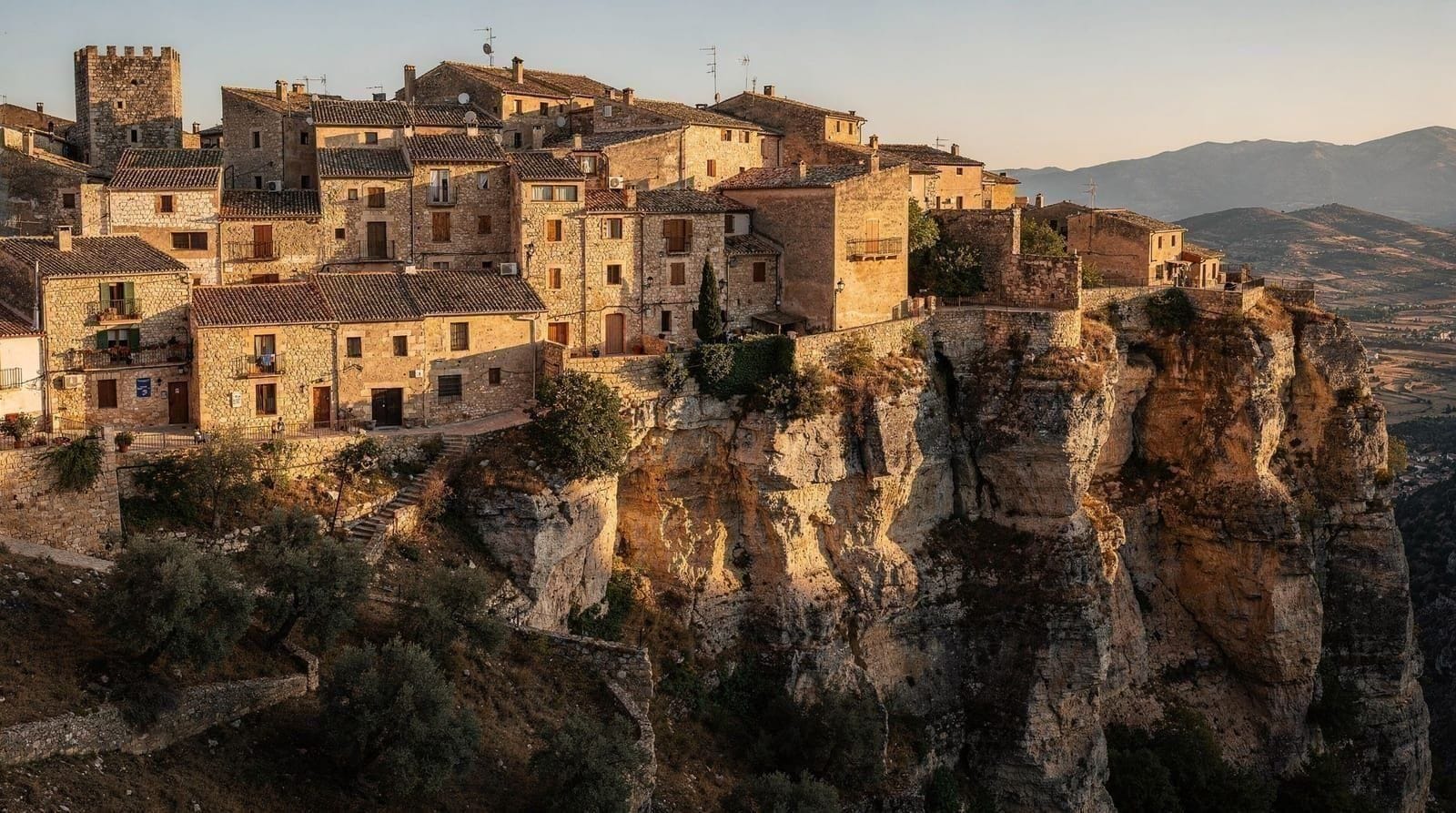
Morella is the day trip from Valencia that most visitors never make — which is exactly why it is worth making. At 175 km north and 1,004 m altitude in the Maestrazgo mountains, it requires a car or organised tour, 2.5 hours each way, and a full day. In return it delivers a genuinely intact medieval walled city that has changed less in the past 700 years than almost any other inhabited settlement in Spain.
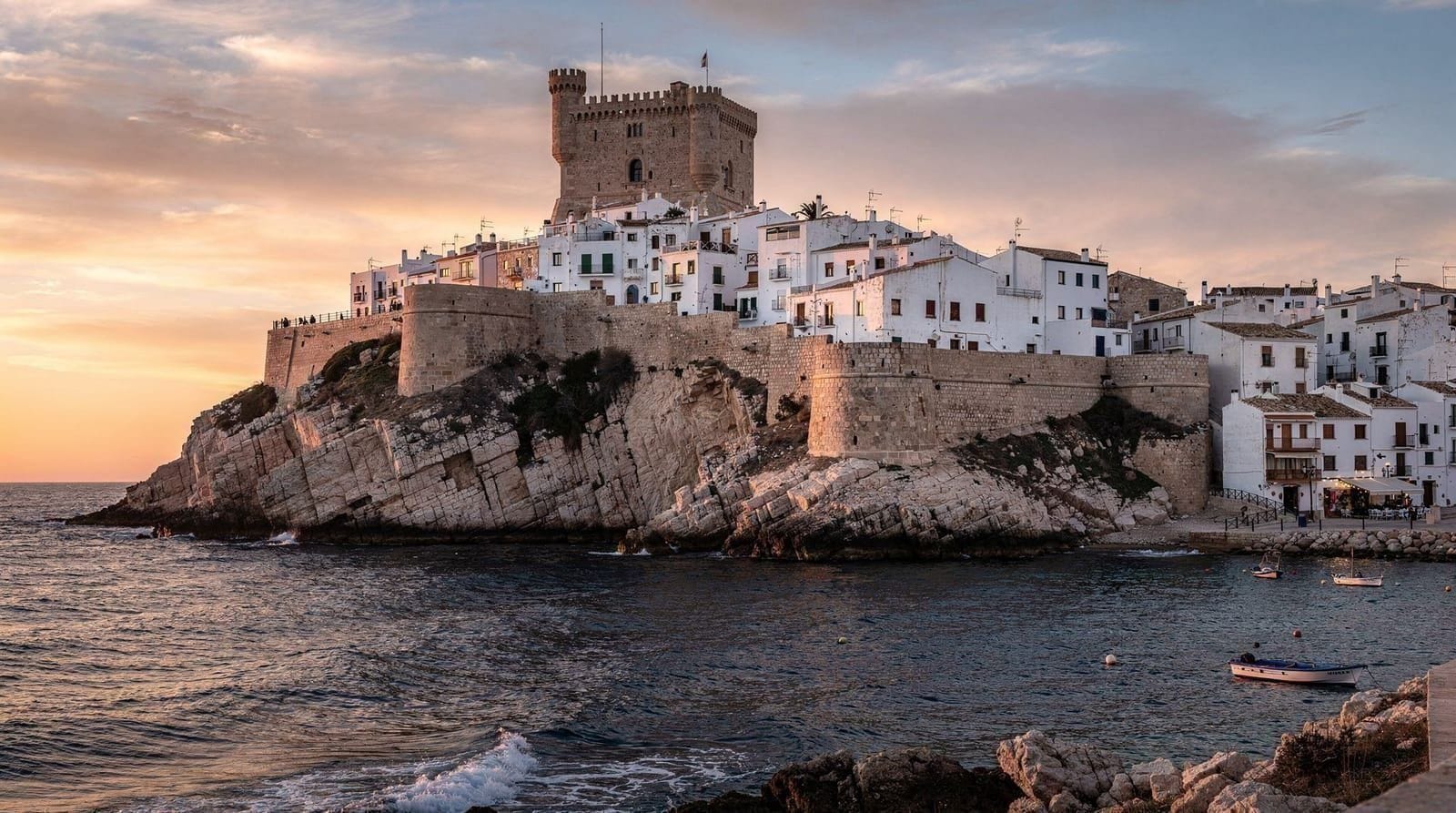
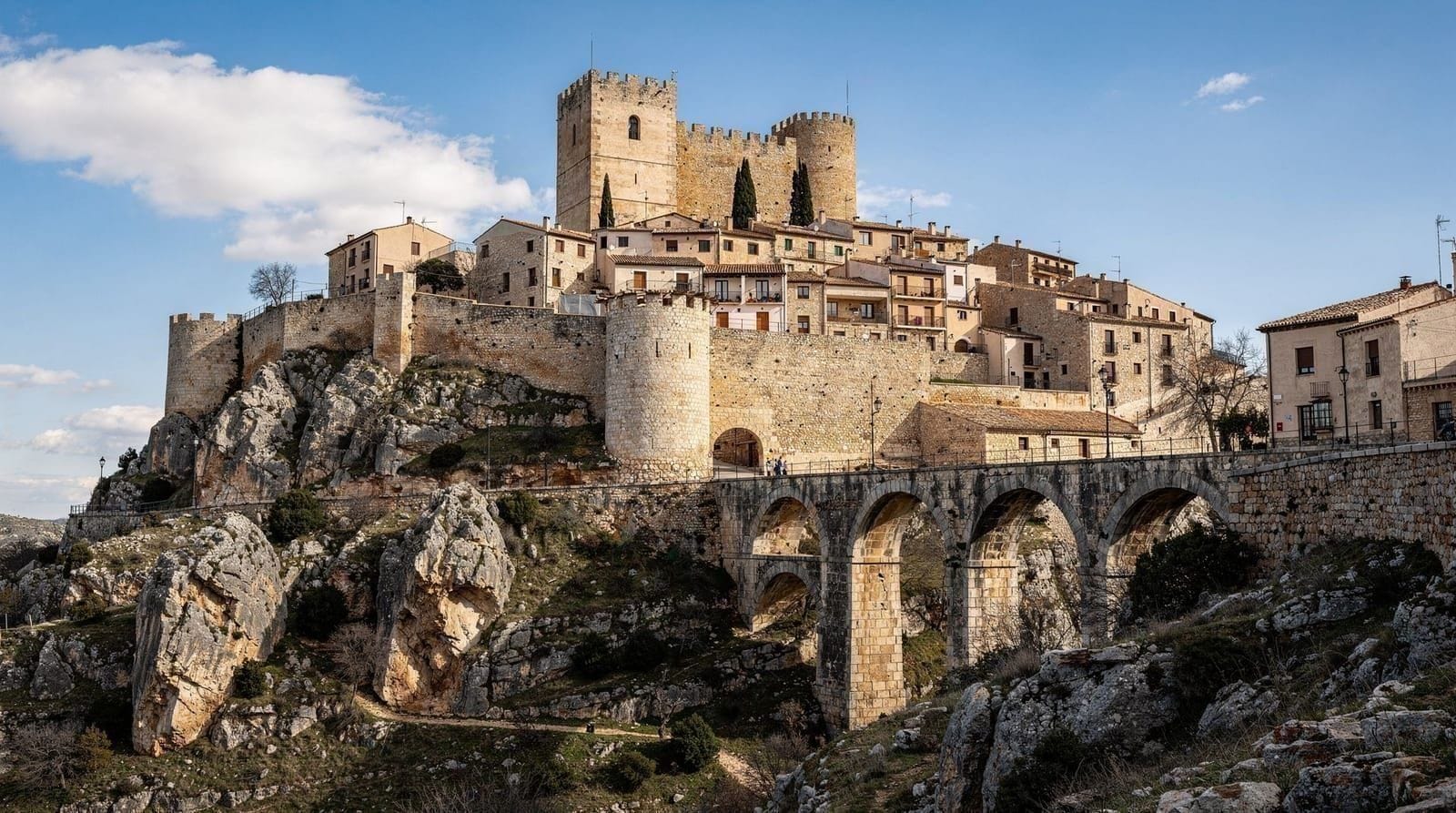
The entire population of Morella (around 2,500 people) lives within or just outside a 2.5 km circuit of medieval walls accessed through six Gothic gates, beneath a castle that has been occupied since at least Roman times. There are no coach tours from the cruise port. The lanes are narrow and steep and the shops sell local olive oil and cured meats, not ceramic bulls.
| Where | Morella, Maestrazgo mountains — 175 km north of Valencia |
| Cost | Castle and basilica tickets vary by season (check the official Morella tourism website); walls and streets free |
| Time needed | Full day (minimum 3 hours in Morella itself) |
| Getting there | Car (~2h20), ALSA bus (~2.5–3h), or organised tour |
| Best time | May–June, September–October, or November for truffle season |
Getting to Morella from Valencia
By car
The standard route: A-7 motorway north from Valencia toward Castellón and then Vinaròs, then N-232 west through Vinaròs up into the Maestrazgo mountains. Total distance approximately 175 km, journey time 2 hours 15–30 minutes depending on traffic. The N-232 from Vinaròs is winding and single-carriageway from around Canet lo Roig — allow extra time if driving at night or in wet weather.
An alternative inland route via Segorbe and the A-23 motorway is slightly longer but avoids the mountain section.
Parking in Morella is outside the walls — large car parks near the Puerta de San Miguel and Puerta del Forcall. The streets inside the walled town are too narrow for normal vehicles.
By bus
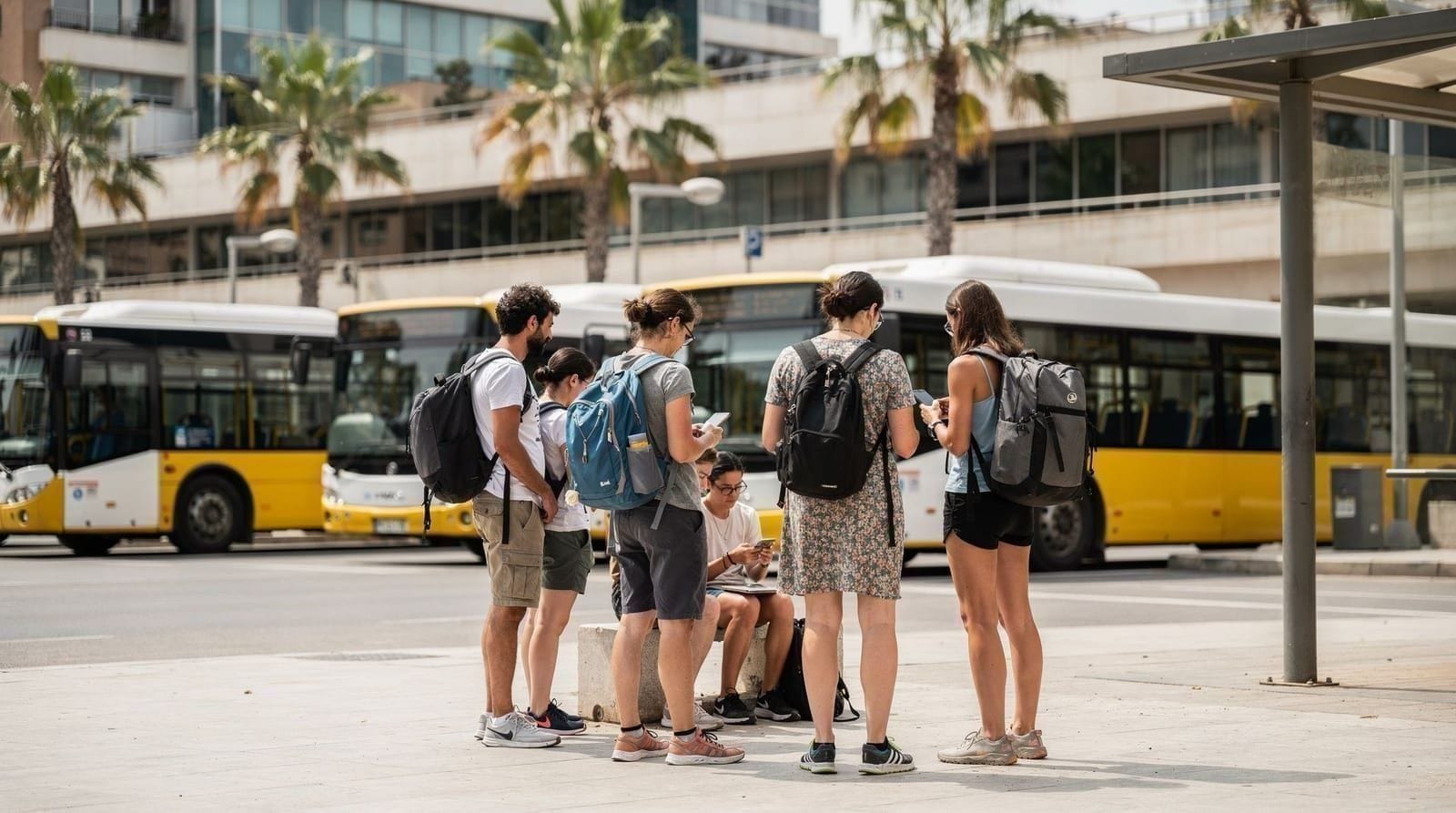
ALSA operates coach services from Valencia’s Estació d’Autobusos to Morella, usually 1–2 times daily with more services on weekdays. Journey time approximately 2.5–3 hours. Fare around €15–20 each way. Check current schedules on the ALSA website as frequency varies by season. This option works for the village but gives you limited time — factor in a long wait or an overnight if services do not coincide well.
By organised tour
The most practical option if you do not have a car. Tours from Valencia typically combine Morella with Peñíscola, departing at 07:30–08:00 and returning around 20:00–21:00. They include transport in an air-conditioned coach, a guided walk of Morella, and time in Peñíscola. Prices typically €40–65 per person including entry tickets.
 excursion to Morella and Peñíscola with ticketsCheck availability
What to see in Morella
The city walls and gates
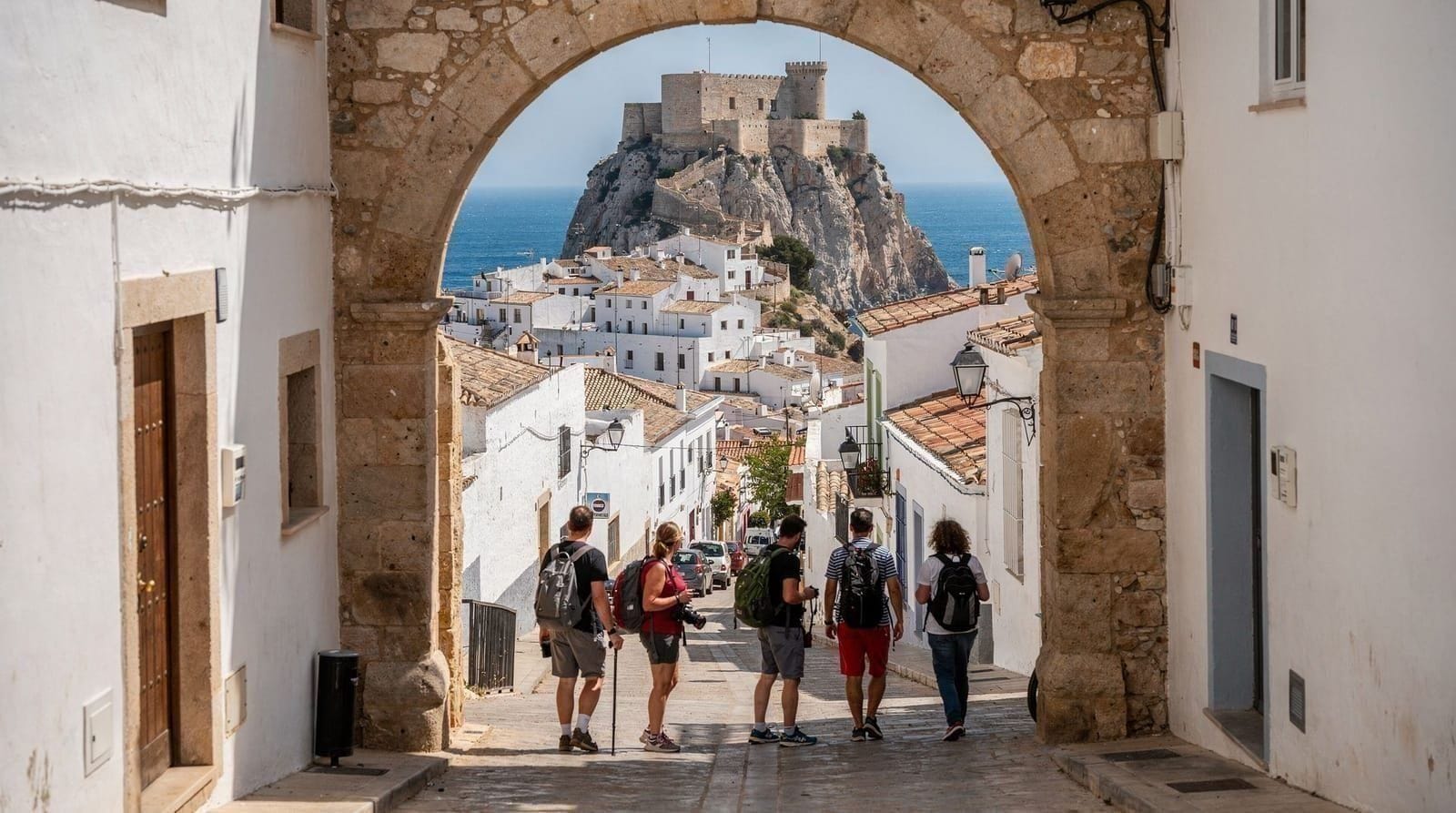
The mediaeval walls are the first thing that stops you on arrival. Built primarily in the 13th–14th centuries on earlier Moorish foundations, they run 2.5 km around the rock, incorporating six gates (portals) each with a different character. The Puerta de San Miguel is the main entrance from the car parks and the most impressive — a double-arched Gothic gateway with a pointed vault and carved decorations. The walls are partially walkable; some sections have been restored.
Time: 20–30 minutes just for the gates and initial wall circuit.
The castle
The castle crowns the summit of the rock, above the walled town and reachable by a path that climbs through the walled precinct. It occupies the top 100 m of vertical height and has been used for every purpose from Iberian hill fort to Moorish citadel to Christian royal residence to 19th-century Carlist artillery position. The outer enclosures date to the 13th century; the inner towers are partly earlier.
From the castle summit, the 360° views over the Maestrazgo plateau are extensive — on clear days you can see the mountains of Teruel and Aragón to the northwest, the coastal plain toward the sea to the east.
Open daily; castle hours and ticket prices vary by season, so check the official Morella tourism website. Allow 45–60 minutes including the climb.
Basílica de Santa María la Mayor
The basilica is the architectural centrepiece of the walled town, a 14th–15th century Gothic church with a notable carved portal on the south façade. Inside: a double helix spiral staircase of extraordinary craft leading to the elevated choir, 15th-century Gothic altarpieces, and a chapter room with Gothic vaulting. Entry prices vary by season; check the official Morella tourism website.
The carved portal represents scenes from the Old and New Testaments and is considered one of the best examples of Valencian Gothic sculpture. Spend 30 minutes inside minimum.
The old town streets
Morella’s main commercial street (Carrer Blasco de Alagón, named for the 13th-century conqueror of the town) runs from the main gate along a ridge, with shops, restaurants, and old palaces on either side. Side streets descend steeply to both flanks of the rock. The upper streets near the castle approach have the most intact medieval fabric.
Look for: the 14th-century Gothic aqueduct that crosses a gully on the western approach to the town (visible from the N-232 as you arrive), the old market square (Plaza del Ayuntamiento) with its arcaded town hall, and the Palau dels Osset — a Gothic-Renaissance palace now used as a cultural centre.
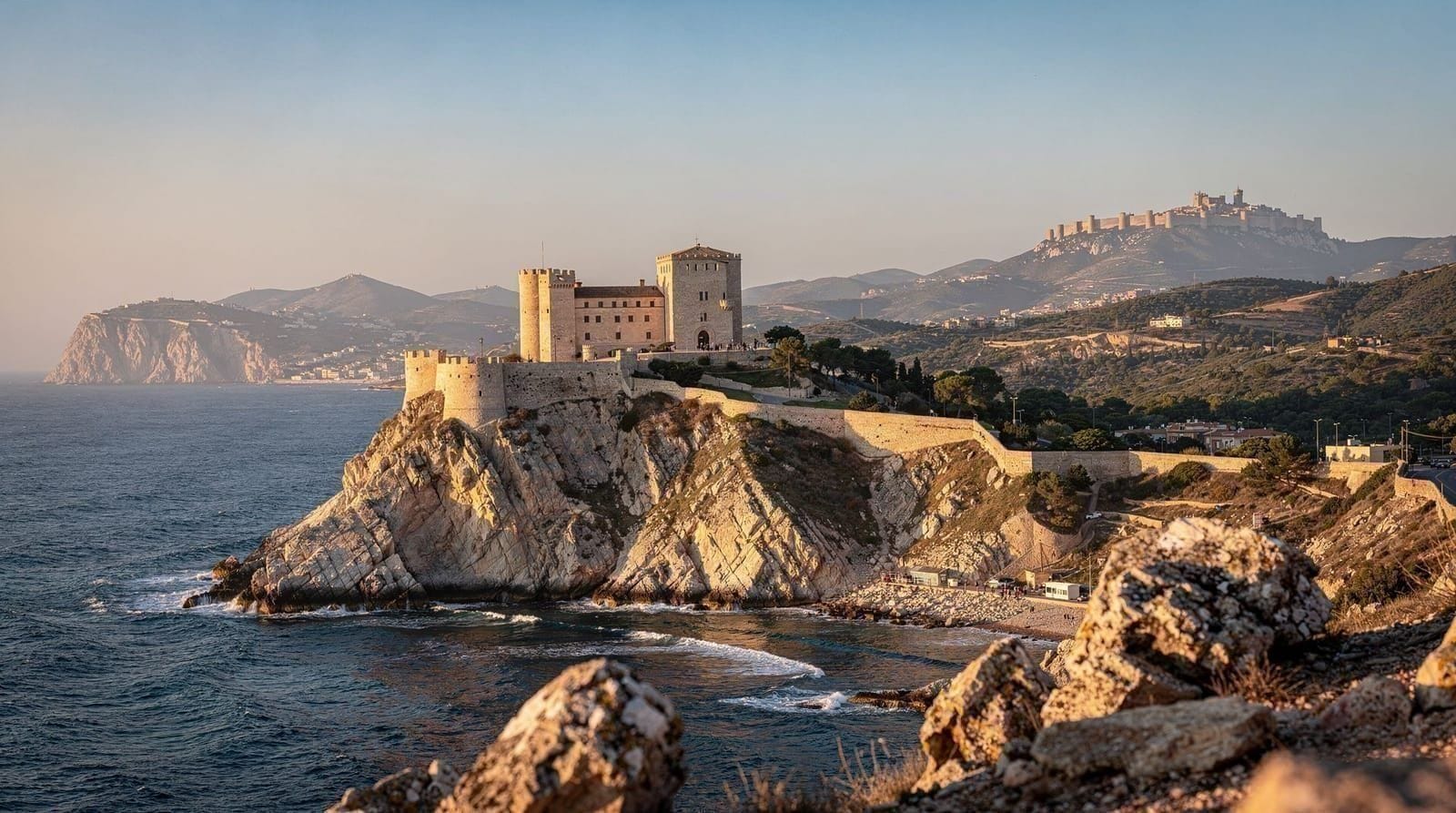 private Morella and Peñíscola full-day tripCheck availability
How to pace your visit
The town is built on a slope, so the natural order is to start at the walls and gates, walk up the main street, and save the castle for the moment when your legs are still fresh. The basilica makes a good pause in the middle of the day, and the streets near the castle are best left for the end, when you can wander without a plan. Wear shoes with real grip: the old paving is polished smooth and steep in places, and it is slippery after rain.
If you are travelling with children or with anyone who finds hills tiring, you do not need to do everything. The walls, the main street and the basilica already give a full picture of the town. Our family trip planning guide has more on judging how much a long day out asks of younger travellers.
Where to eat in Morella
Morella punches above its weight gastronomically relative to its size. Mountain cuisine here means slow-cooked lamb, game, cured meats, black truffle (November–February), and robust soups.
Mesón del Pastor (Carrer Colomer 8) is the most consistently recommended restaurant for traditional Maestrazgo cooking — lamb chops, rabbit with mountain herbs, local longaniza sausage. Menú del día around €14–16. Cash preferred.
Casa Roque (Cuesta de San Juan 1) is the smarter option in the walled town, with a more composed regional menu. Around €20–28 for a main meal.
For pastries and local products: The small shops along Carrer Blasco de Alagón sell black truffle products, local honey, cured meats from the Maestrazgo, and Morella’s famous blue-and-white painted ceramics (not just for tourists — a genuine local craft tradition).
Warning: In July–August, the better restaurants require booking. In November (truffle season) they also fill up fast with Spanish visitors making pilgrimages for trufa negra.
Eating well without overspending
Lunch is the meal to plan around. Like elsewhere in Spain, the main meal of the day is at midday, and a fixed-price lunch is usually the best value; our menú del día guide explains how the format works and what to expect on the plate. If you want to understand the rhythm of Spanish meals before you go, how to eat like a local covers the habits that carry over from Valencia to the mountains.
Because the drive is long, many visitors have a small bite before leaving the city. The esmorzaret guide describes the traditional Valencian second breakfast, which is a good way to start a day of walking. Save your appetite for the lamb and the cured meats once you arrive, and leave room to buy a few local products to take home.
Morella’s festivals
Morella is known for the Sexenni, a major religious festival held every six years. The next one is due in 2031. The town also holds a medieval music festival in August, which draws performers and visitors from across Europe and briefly transforms the empty streets into something much more animated.
Morella versus other Valencia day trips
Morella is the most demanding day trip covered on this site in terms of distance, and it helps to see where it sits against the alternatives before committing a full day to it.
| Day trip | Distance / time from Valencia | Character | Car needed? |
|---|---|---|---|
| Morella | 175 km / ~2h20 | Intact medieval walled hill town, mountain cool | Strongly recommended |
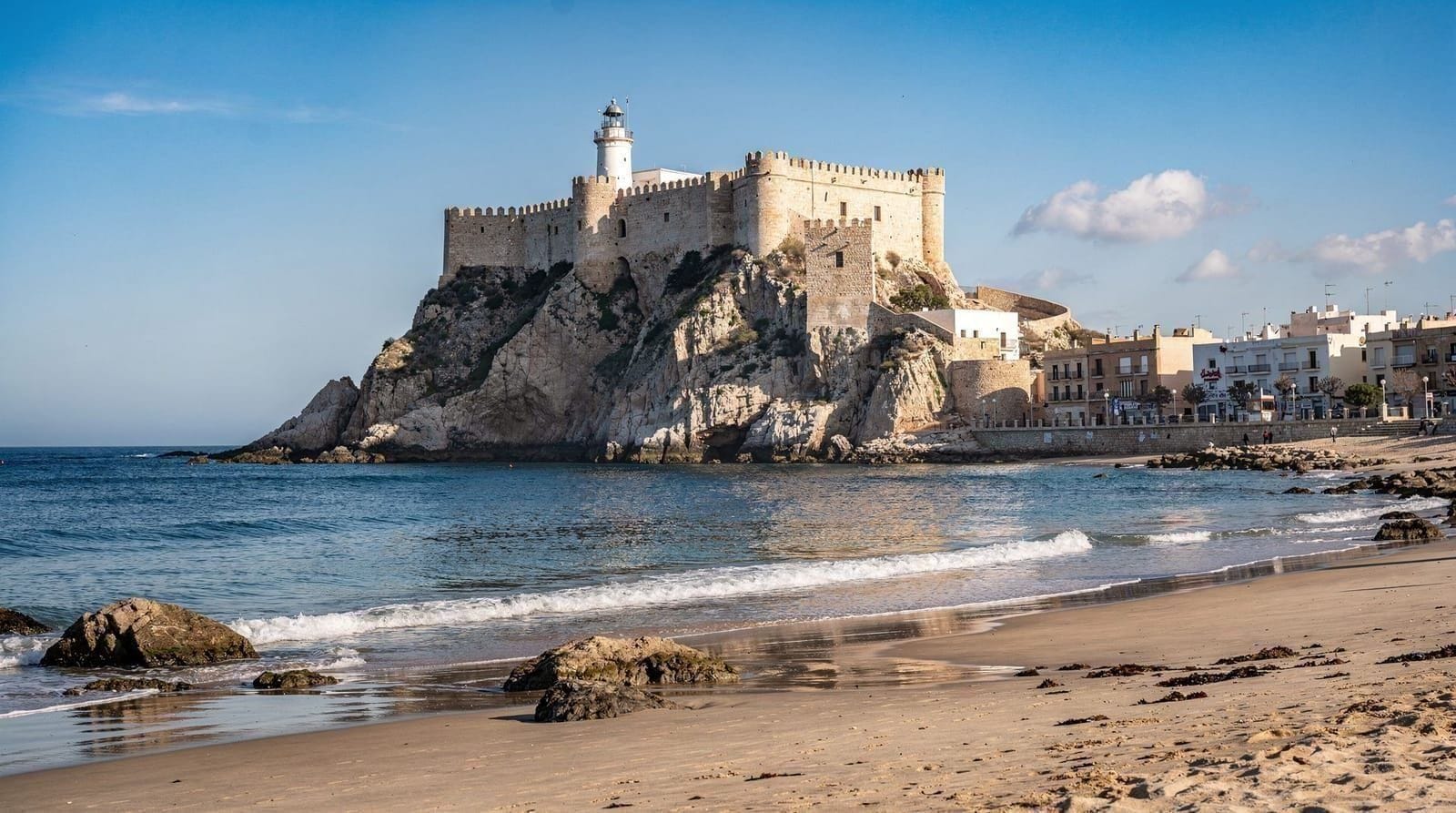
| Peñíscola | ~140 km / ~1h45 | Coastal castle town, beach, more touristed | No — train/bus work well |
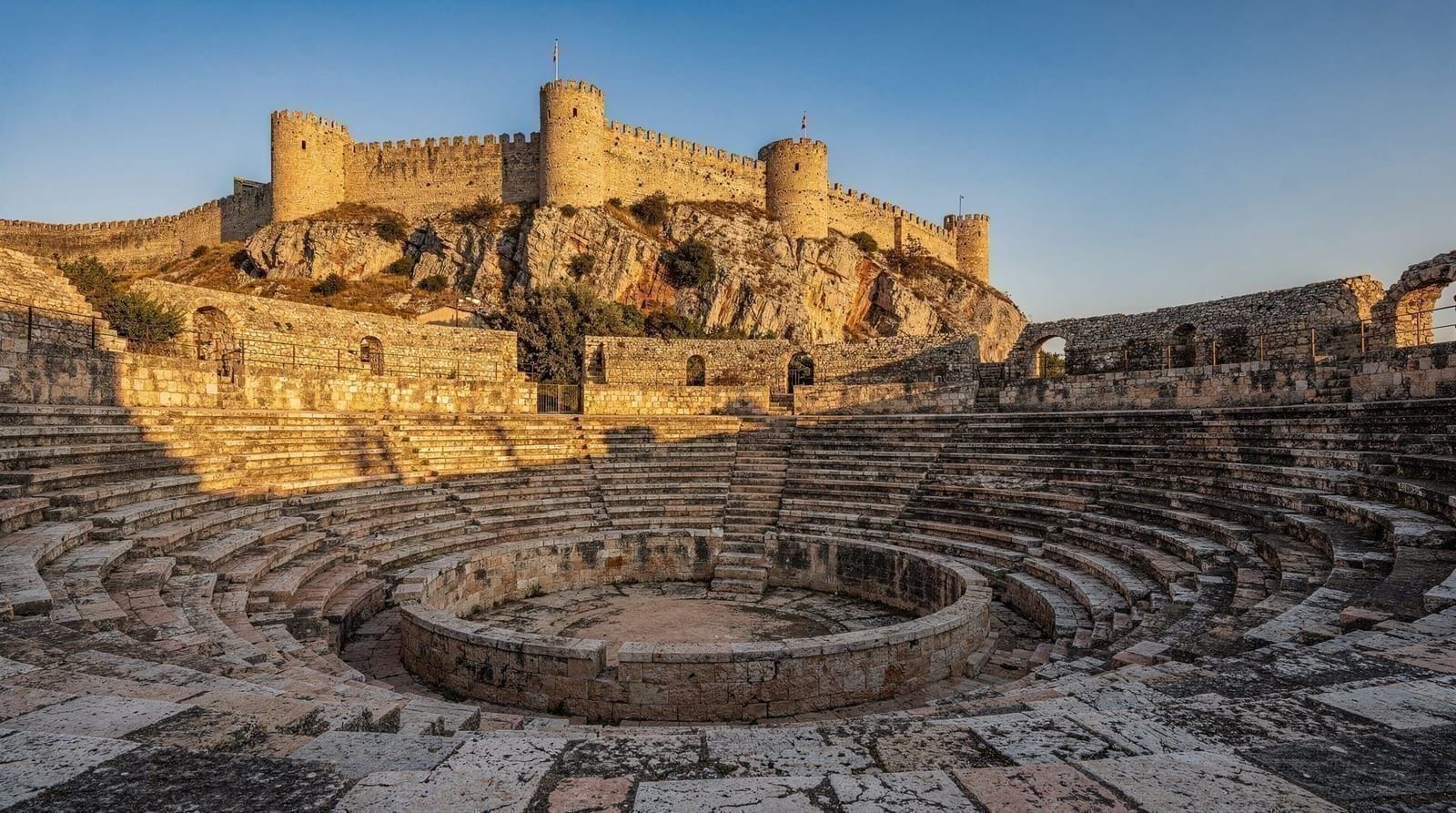
| Sagunto | 25 km / ~30 min | Roman theatre and castle, easy half-day | No — Cercanías train |
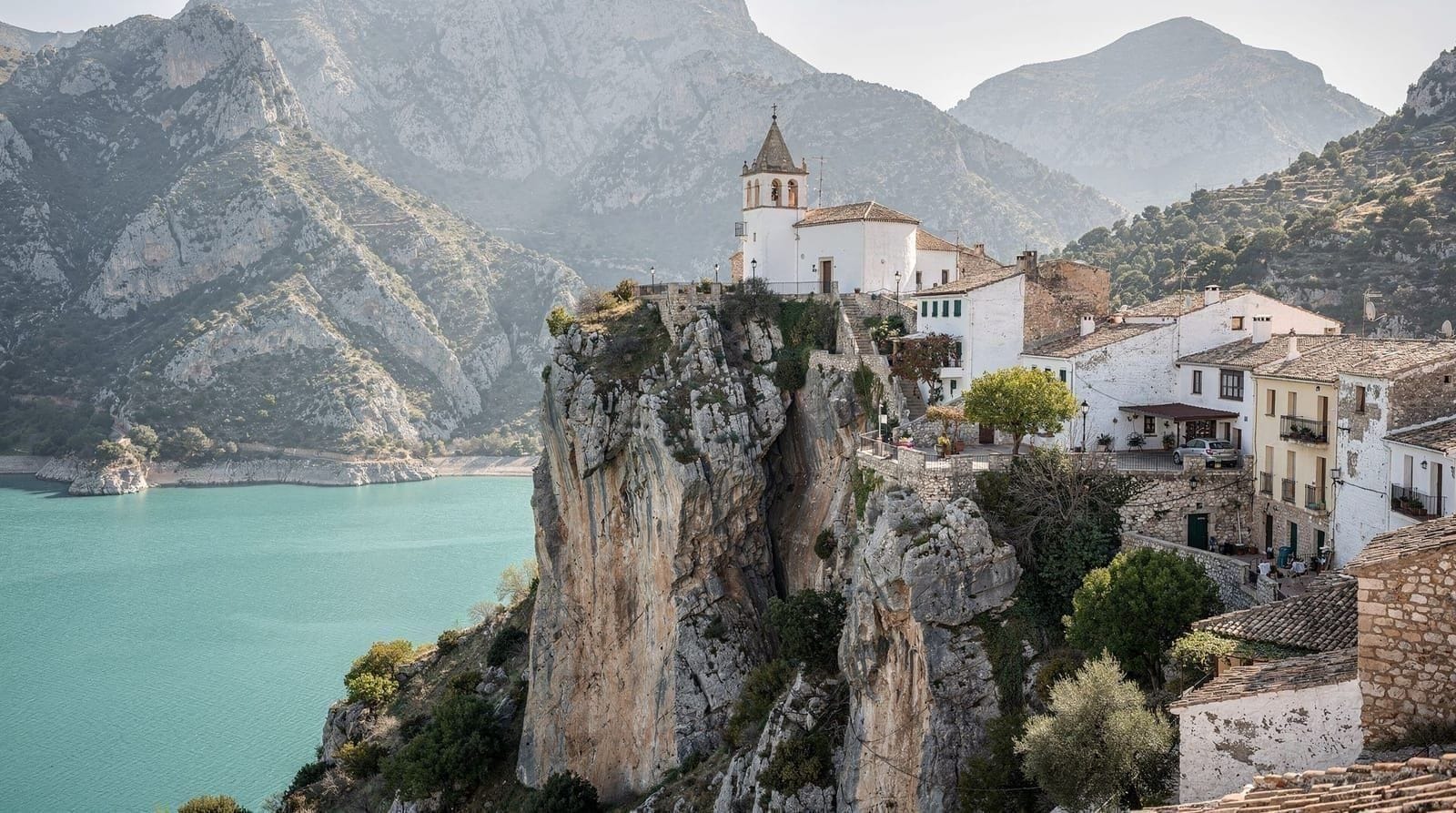
| Bocairent | ~90 km / ~1h20 | Cliffside old town, cave theatre | Recommended |
If a full day and a car (or tour) feel like too much commitment, Sagunto delivers a castle-and-history day trip in a fraction of the time. Morella rewards the extra effort with a level of authenticity none of the closer options match. Visitors without a car who still want the Morella experience should read the day trips without a car guide for how the ALSA bus and tour options compare in practice.
The Morella destination page has more on the town’s layout and where to base yourself if you decide to stay overnight rather than do it as a day trip.
Choosing between a car, a bus and a tour
The right option depends on how you like to travel more than on cost. A car gives you freedom over timing, which matters here: you can arrive before the crowds, stop at a viewpoint on the way up, and leave when you are ready. Our car rental for day trips guide explains how to arrange this from Valencia, and the guided versus self-guided comparison helps you decide whether a guide is worth having in a town like this.
Without a car, the choice is between the bus and a tour. The bus is the cheapest way to go but leaves little room for error. A tour removes the stress of timetables and the mountain driving, at the price of a fixed schedule. For a wider look at what is possible on public transport, see day trips by train, and bear in mind that Morella is not one of the destinations a train reaches.
Building Morella into a longer trip
Morella works best as one stop in a wider journey rather than as an isolated outing. The Peñíscola and Morella itinerary shows how to link the mountains and the coast, and the Peñíscola destination page gives a sense of what awaits at the other end. If you prefer to spread out your excursions, Xàtiva castle and Guadalest and Algar offer other hilltop and inland experiences from Valencia, and the Bocairent destination page covers a smaller mountain town closer to the city. For another nature-focused day, Montanejos is worth a look.
Timing also matters when you plan. Check the best time to visit Valencia and the festivals calendar so that your day trip does not clash with a busy week in the city, and so that you can choose a season when the mountain roads and the town are at their best.
Practical information
Drive difficulty: The N-232 mountain section requires comfortable driving on a winding road. Not dangerous, but not motorway-grade either. If you are unconfident with mountain roads, an organised tour is the better choice.
Temperature: At 1,004 m, Morella is noticeably cooler than Valencia year-round — 8–10°C lower in summer. In winter it frequently has snow. Bring a jacket even in July.
Duration: A minimum 3 hours in Morella is needed to see castle, basilica, and walk the town. A relaxed full day (arriving around 10:30, leaving at 17:00) is ideal. If combining with Peñíscola, leave Morella by 14:00 to have meaningful time at the coast.
Best season: May–June and September–October for pleasant temperatures. November for truffle season. Avoid mid-August when the medieval music festival draws crowds and hotels fill.
Staying overnight instead of a day trip: Given the distance, some visitors choose to stay one night in Morella rather than do the round trip in a single day. A handful of small hotels and guesthouses operate inside or just outside the walls, and an overnight stay lets you see the town at dusk and early morning without the crowds of a day-tripper’s midday visit — the walled streets are almost silent by 21:00 once the last coach parties have left. If your itinerary allows it, this is the single best upgrade to the standard day-trip experience.
Frequently asked questions about Morella day trip from Valencia
How do I get from Valencia to Morella?
By car: 175 km, about 2 hours 20 minutes via the A-7 north to Vinaròs then the N-232 west through the mountains. Winding but manageable. By bus: ALSA operates one or two services daily from Valencia bus station to Morella, journey time about 2.5–3 hours, fare around €15–20 each way. By organised tour from Valencia: typically combined with Peñíscola, 11-hour day, €40–65.What is special about Morella?
Morella is a fully intact medieval walled city built on a 1,004 m rocky outcrop in the Maestrazgo mountains. The entire old town sits within the 2.5 km circuit of medieval walls, accessed through six Gothic gates. The castle at the summit has been occupied since Roman times. Unlike Peñíscola or the coastal towns, it draws almost no international tourists — the visitor base is mostly Spanish.What are the opening hours for Morella castle?
The castle is open daily. Castle hours and ticket prices vary by season, so check the official Morella tourism website before you go. The basilica of Santa María La Mayor is open for visits most mornings and afternoons; its entry price also varies, so check the same website. The Gothic aqueduct below the walls and the town walls themselves are free.Where do I park in Morella?
Parking is available outside the walls near the main gates — Puerta de San Miguel and Puerta del Forcall. The streets inside the walled town are extremely narrow and mostly pedestrianised. In summer weekends the car parks fill by 11:00 — arrive early. Parking is free or token cost (€2–3) at the main lots.What is the food like in Morella?
Morella is known for trufa negra (black truffle, in season November–February), embutidos (cured meats — especially morcilla and longaniza), and lamb dishes. The local bread is notable. Several restaurants serve Maestrazgo mountain cuisine that you won't find in Valencia city. The weekly market (Thursday) is the best time to find local produce.Can I combine Morella and Peñíscola in one day?
Yes, by car, but it is a long day. Morella to Peñíscola is 65 km (about 1 hour) on winding mountain roads through the Maestrazgo. The typical tour itinerary does Morella first (morning), then descends to Peñíscola for afternoon and evening. By public transport this combination is not practical.Is Morella worth the long journey from Valencia?
If you value authentic mediaeval atmosphere over convenience, yes. Morella takes 2.5 hours from Valencia and requires a full day. But what you find — an intact walled city at altitude with almost no international tourist presence — is rare in Spain. If you only have time for one inland day trip, Bocairent is closer. But Morella is the more dramatic destination.Can I visit Morella without a car?
Yes, by bus, but with constraints. ALSA's daily service arrives around midday and the return afternoon service leaves around 16:00–17:00, giving you 4–5 hours. This is feasible for a castle and basilica visit but rushed. An organised tour from Valencia solves the logistics more cleanly for car-free visitors.What is the difference between Morella and Peñíscola as day trips?
Peñíscola is coastal, warmer, has beaches, and sees far more tourists (including international ones). Morella is mountain, cooler, has no beach, and is visited primarily by Spanish tourists. Both have a castle on a rock. Peñíscola is the easier day trip; Morella is the more distinctive experience.
Top experiences
Bookable activities with verified prices and instant confirmation on GetYourGuide.