Sorolla in Valencia: the painter's city and his masterworks
Valencia: historical city tour
Where can I see Sorolla's paintings in Valencia?
The Museo de Bellas Artes de Valencia (Fine Arts Museum) holds one of the best Sorolla collections outside Madrid, with major early works and portraits. The Museo Sorolla in Madrid (Sorolla's former home and studio) holds the largest single collection. In Valencia, you can also visit La Malva-rosa beach and other sites that were his primary subjects and inspiration.
Joaquín Sorolla is Valencia’s most celebrated artist and one of the great painters of light in European art history. His connection to Valencia is not incidental — the specific quality of Mediterranean light at La Malva-rosa beach, the colour of the water, and the traditional culture of Valencia’s fishing community were his primary subjects and inspiration throughout his career. Understanding Sorolla requires understanding the places he painted; visiting Valencia with Sorolla’s canvases in mind fundamentally changes what you see.
| Where | Museo de Bellas Artes (Valencia); La Malva-rosa and El Cabanyal for locations |
| Cost | Free entry to the Fine Arts Museum |
| Time needed | 45–60 minutes for a Sorolla-focused museum visit |
| Getting there | Museum near Jardines del Real; beach via tram lines 4/6 |
| Best time | Clear summer mornings before 10:00 for the beach locations |
Who Sorolla was
Joaquín Sorolla i Bastida was born in Valencia on 27 February 1863. Orphaned at two when his parents died of cholera, he was raised by his maternal uncle, a locksmith. He showed early aptitude for drawing and studied at the Valencia School of Fine Arts before winning a scholarship to Rome (1885–1889). After Rome, he spent time in Paris before returning to Spain.
He achieved international fame relatively early — his 1900 Paris exhibition was a major success, and subsequent exhibitions in London, Berlin, and New York established him as one of the most commercially successful painters of his era. The 1909 exhibition at the Hispanic Society of New York attracted over 160,000 visitors in a single month. He died in Madrid in 1923.
His career divides roughly into three phases: an early realistic period influenced by his academic training (dark palette, social themes — the painting La Vuelta de la Pesca, depicting drowned fishermen, is from this period); the mature Impressionist luminism of his beach and garden paintings (1896–1919); and the great mural cycle Visión de España (1911–1919).
The painting of light
What distinguishes Sorolla’s mature work is his treatment of sunlight — specifically the effect of strong Mediterranean light on white fabric, on water, and on skin. His method involved rapid, confident brushwork applied in thick impasto layers that captured the immediacy of light before it shifted. He worked outdoors on large canvases, often in direct sun at midday or late afternoon.
The beach paintings are the most accessible entry point. Works like Niños en la playa (1910), Paseo por la orilla (Children on the Beach, 1909), and La vuelta de la pesca (1894) depict the same stretch of shore — the area around La Malva-rosa and El Cabanyal — that exists today, largely unchanged in its fundamental character.
The white fabric in his paintings — shirts, dresses, sails — is particularly characteristic. Sorolla painted white not as a single tone but as a complex surface registering dozens of different light colours simultaneously: blue in the shadow, orange in the warm light, yellow in the direct sun. This chromatic sensitivity to the colour of white in Mediterranean light is his most technically distinctive quality.
Where to see Sorolla’s work
Museo de Bellas Artes de Valencia (in Valencia)
The Fine Arts Museum (Museu de Belles Arts de València) on Calle San Pío V, adjacent to the Jardines del Real (Royal Gardens), holds one of the most significant Sorolla collections in Spain outside Madrid. The collection includes:
- Early works including portraits and academic pieces from his Rome period
- Major examples of his luminous beach and coastal painting
- Portraits from his Madrid period
Practical: Free entry. Tuesday–Sunday 10:00–20:00. The Sorolla rooms are on the upper floor of the main building. Allow 2–3 hours for the full museum; 45–60 minutes for a Sorolla-focused visit.
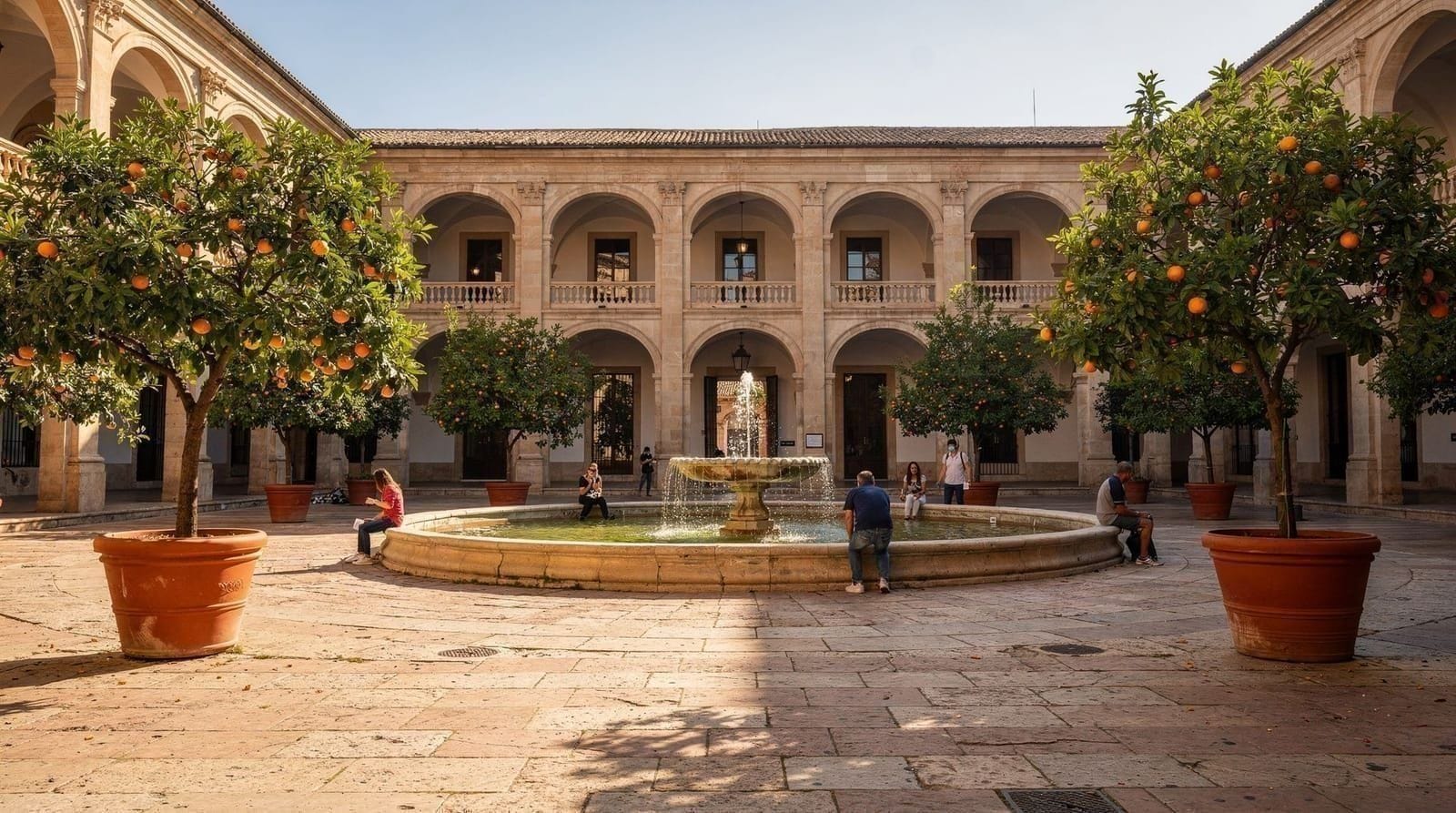
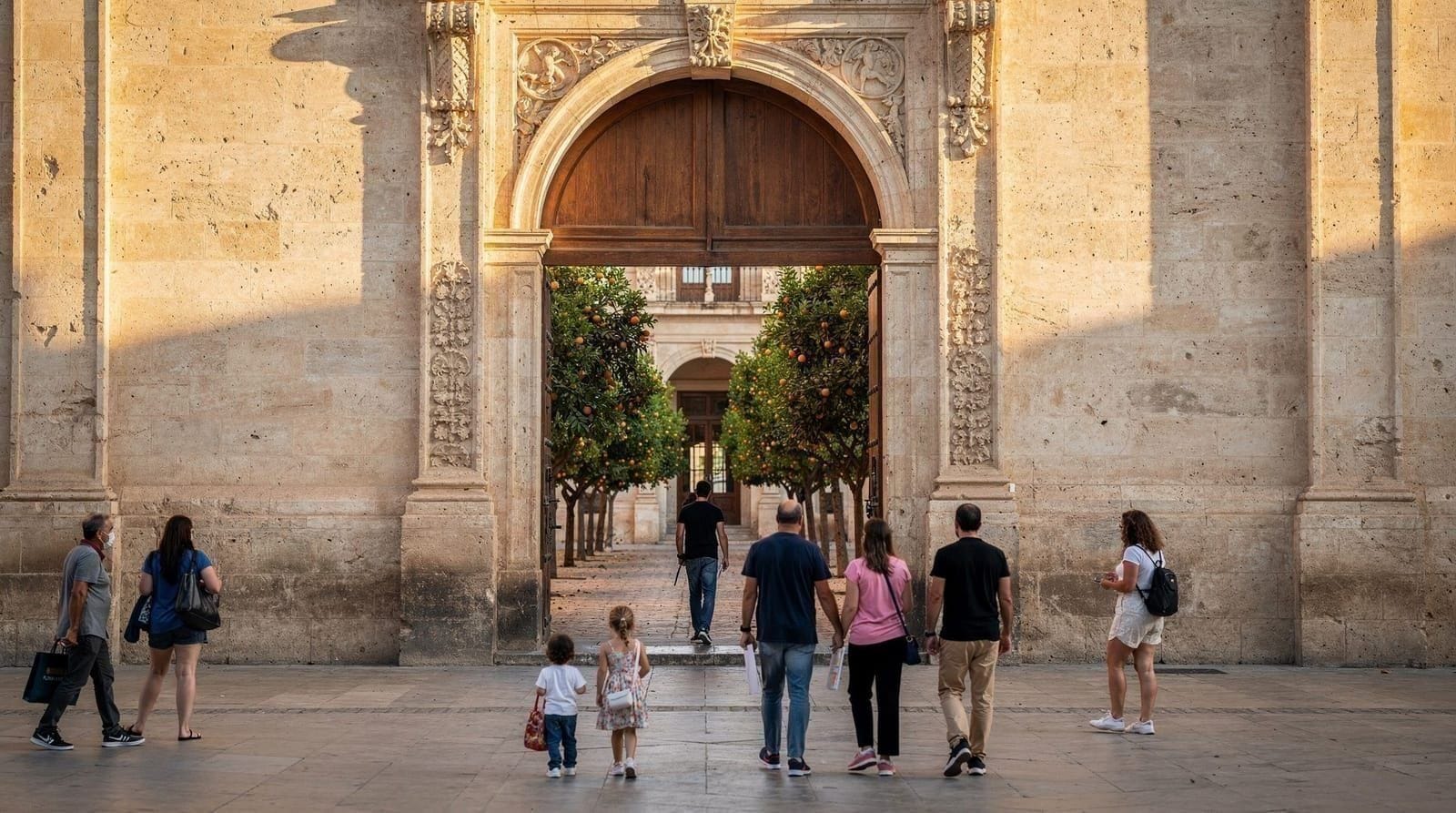
The museum is in a converted 17th-century college (Colegio del Corpus Christi seminary) that is architecturally interesting in its own right — the cloister gardens are particularly pleasant.
See the full Fine Arts Museum guide for the complete collection.
Museo Sorolla (Madrid)
The primary Sorolla museum is in Madrid — the painter’s private home and studio on Paseo del General Martínez Campos, donated by the Sorolla family to the Spanish state after his death. The house was designed with Sorolla’s input; the Moorish-inspired garden was his project. The studio where he worked is preserved more or less as he left it.
The collection here (over 1,500 works) includes the largest concentration of his most ambitious paintings, many of which have never traveled abroad. This is the definitive Sorolla destination. If you are traveling by train from Valencia to Madrid (1h55 on the AVE), the Museo Sorolla is worth planning around.
Practical: Calle General Martínez Campos, 37, Madrid. Tuesday–Saturday 09:30–20:00, Sunday and public holidays 10:00–15:00, closed Monday. Admission is free (tickets at the museum desk only). The historic house is temporarily closed for renovation, with only the annex building open, so check the official museum website before going.
Hispanic Society of America (New York)
The Visión de España cycle — 14 large-format panels commissioned by Archer M. Huntington for the Hispanic Society of America — is Sorolla’s most ambitious work. The panels depict regional life across Spain in a format that was intended to convey Spain’s cultural diversity to American audiences. The Valencia panel is among the most luminous.
The Hispanic Society’s Audubon Terrace building in New York has been undergoing renovation; check current exhibition status before planning a visit.
Walking in Sorolla’s Valencia
The most direct way to connect with Sorolla is to stand in the places he painted. Two locations are particularly effective:
La Malva-rosa beach
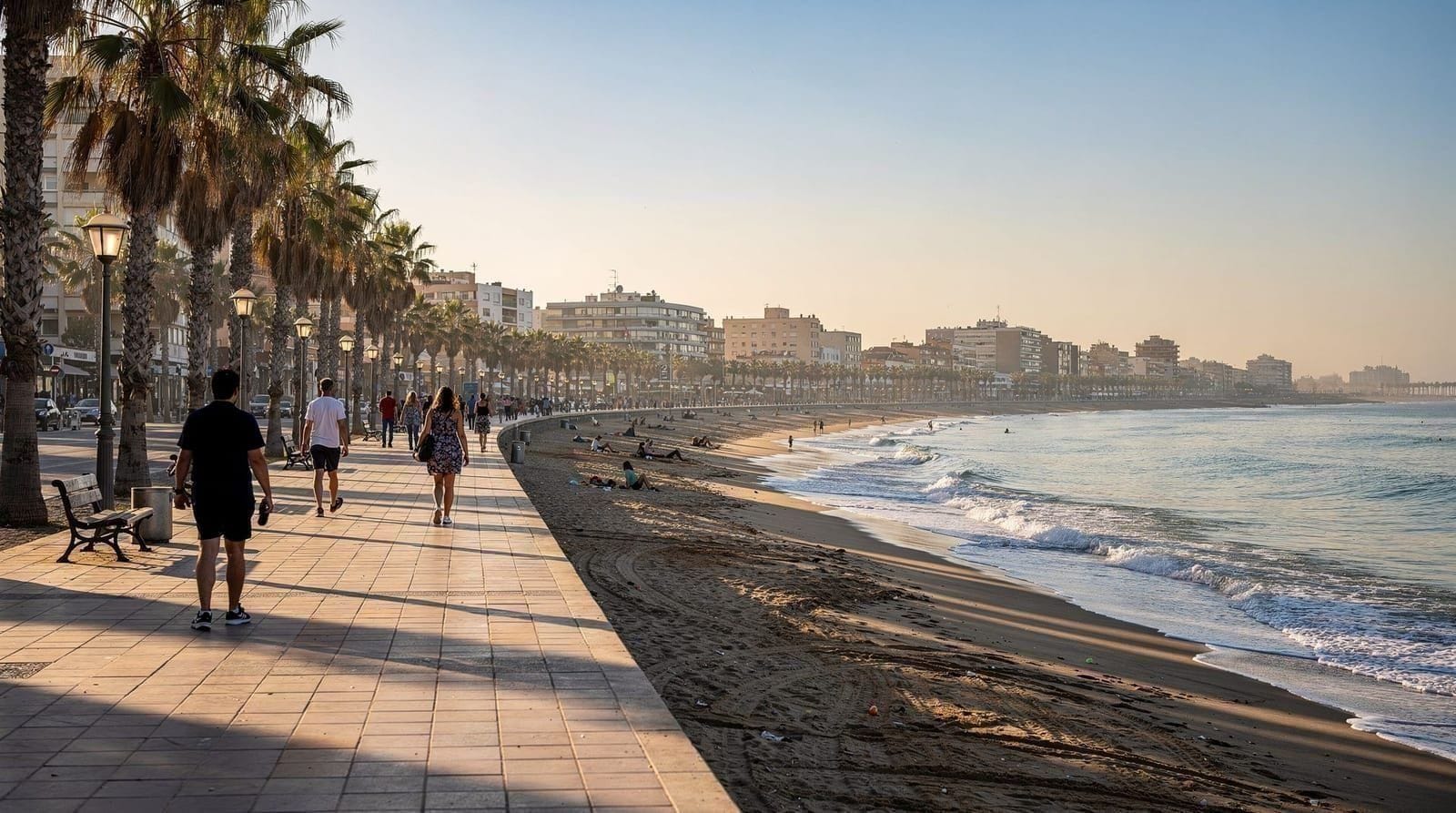
The beach at La Malva-rosa — accessible by tram (lines 4/6 from Pont de Fusta) or bus (lines 19, 31, 32) — is the primary location of Sorolla’s most famous beach paintings. The stretch between the Passeig Marítim and the water is essentially the same geography as the paintings: wide flat sand, a long shallow shelf, and the particular quality of morning light on the Mediterranean.
On a clear summer morning before 10:00, standing at the water’s edge looking north toward El Cabanyal, the connection to the paintings is immediate — the light colour on the water, the blue-white reflections, the flatness of the beach. The tourism infrastructure (chiringuitos, beach bars, umbrellas for rent) makes it less visually pristine than the paintings, but the light is unchanged.
See the La Malva-rosa beach guide for full practical information.
El Cabanyal neighbourhood
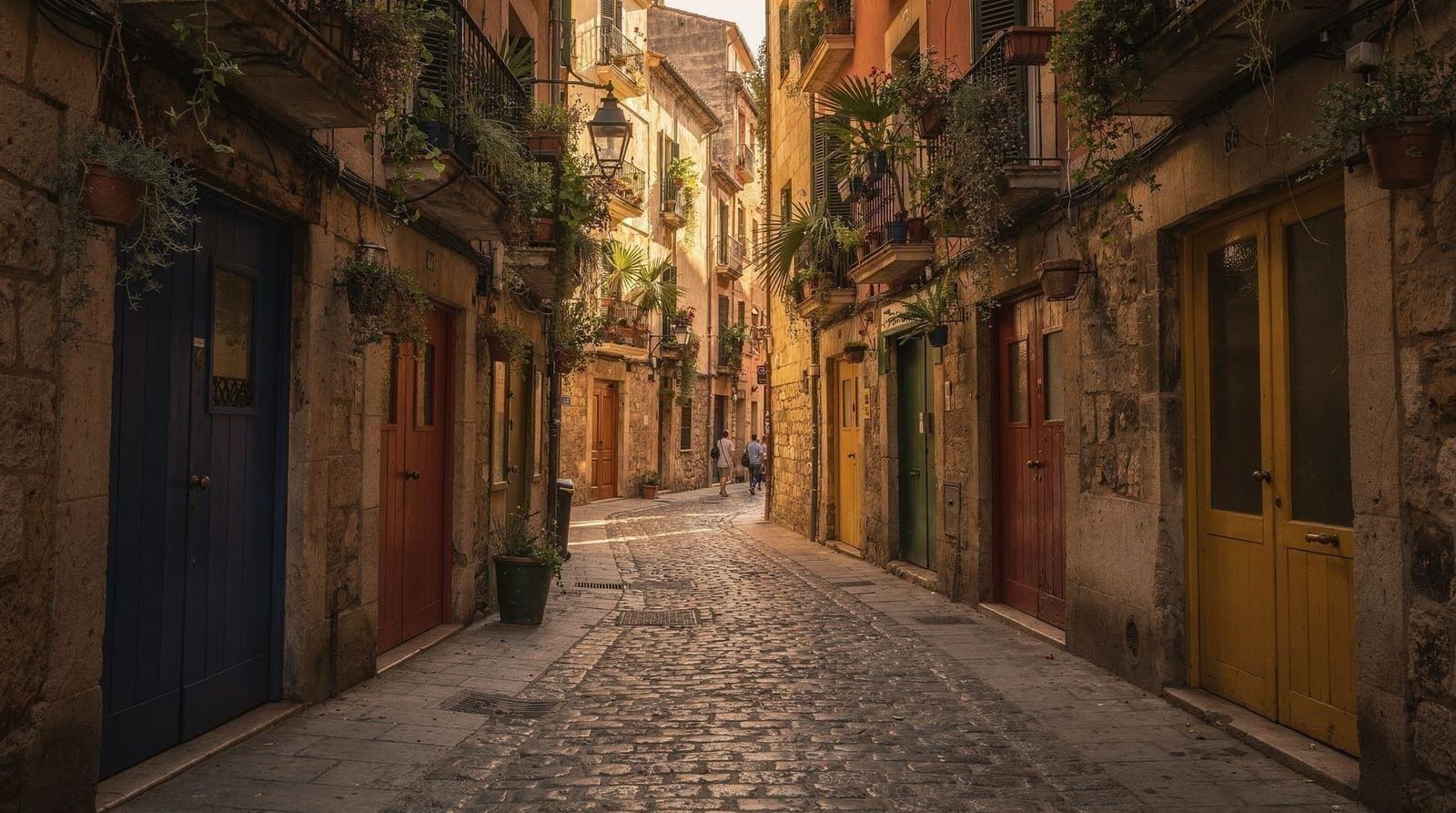
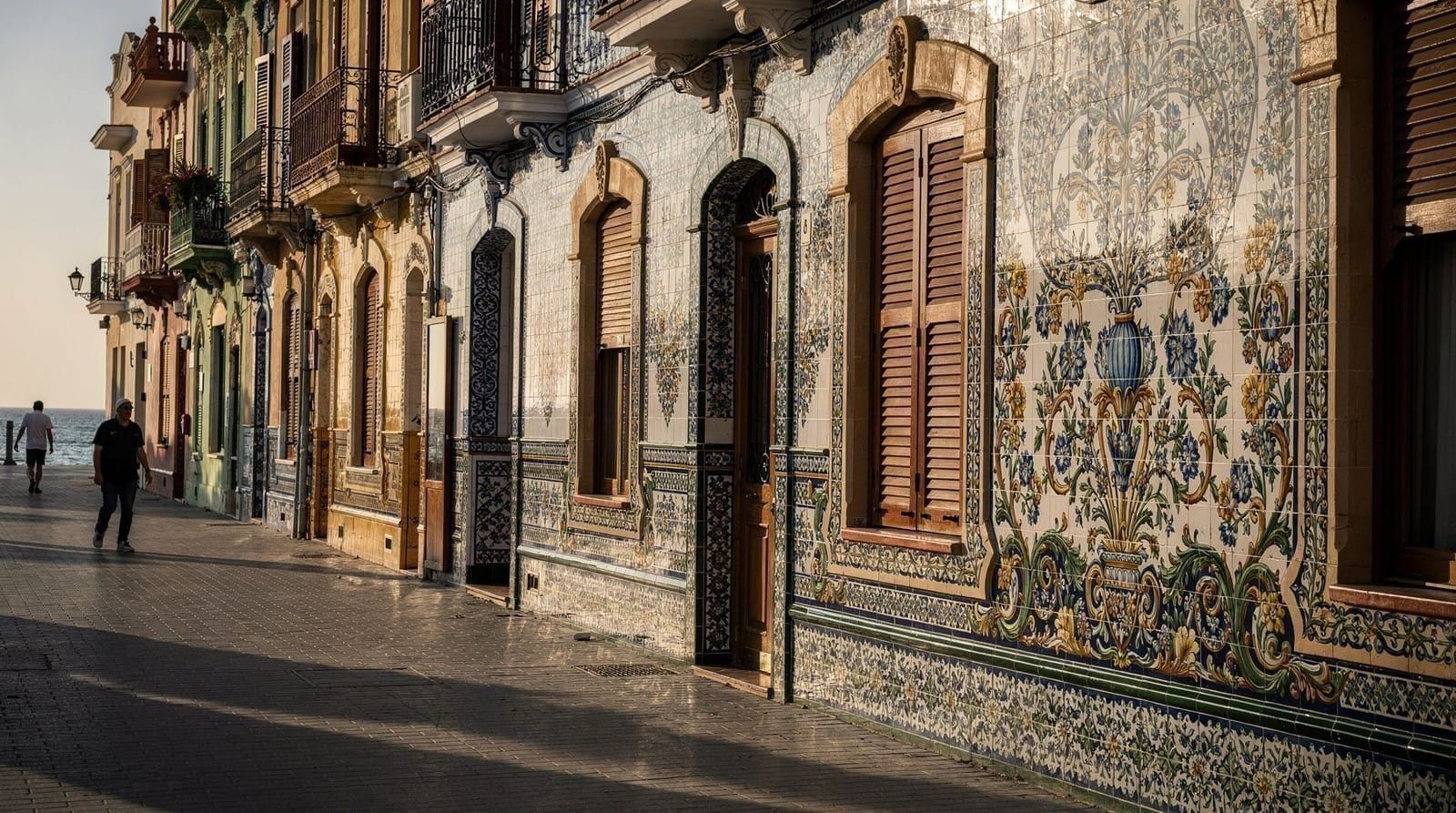
The former fishing quarter that Sorolla depicted in his most important social-realist works — the fishing families, the boats, the working culture — is El Cabanyal. The characteristic modernista tile façades and narrow streets of the neighbourhood remain largely intact despite 20th-century development pressure. Walking through El Cabanyal and looking at the architecture Sorolla would have known puts the early paintings in context.
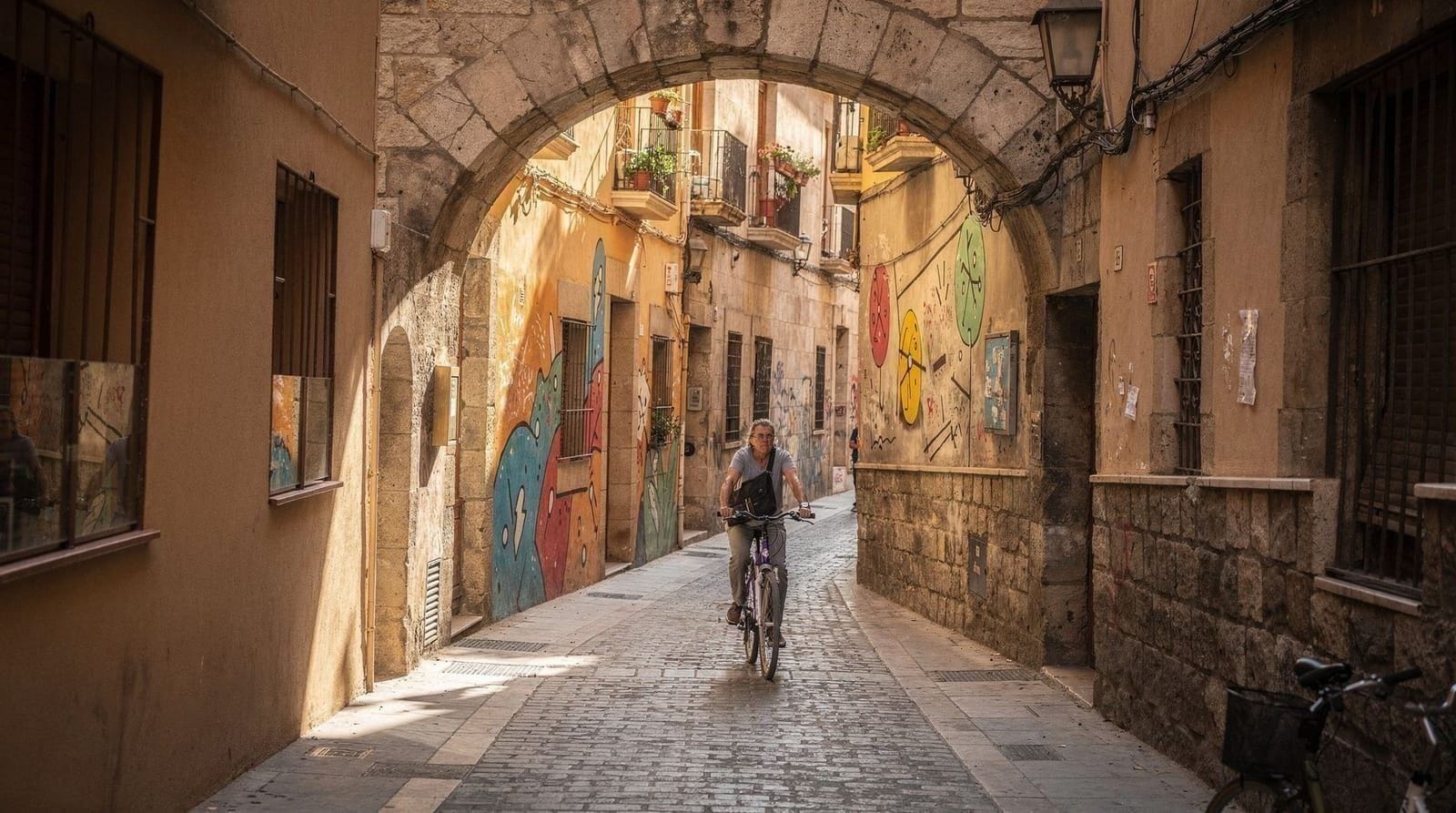
Valencia old town walking tour — combine with a Fine Arts Museum visit for a full Sorolla-context day Private photography walking tour of Valencia — covers the key Sorolla locations and light conditions for contemporary photographers following in his footstepsSorolla’s Valencia connections: specific sites
Birthplace: Sorolla was born at Calle de las Mallorquinas (now part of the El Carmen area). A plaque marks the location.
Training: The Escuela de Bellas Artes de San Carlos (now part of the Universitat Politècnica de València, Fine Arts Faculty) on Calle Sant Carles was where he studied. The building retains some of its 19th-century character.
Statue: A statue of Sorolla stands on Passeig de l’Albereda near the former course of the Turia — the promenade he would have known as a young artist walking from the city to the beach.
Sorolla and Valencia’s traditional culture
Many of Sorolla’s paintings depict elements of traditional Valencian life that have disappeared or been transformed: the fishing boats (barcas de pesca) on the beach, the women in traditional Valencian dress (vestit de valenciana), the horchata sellers, and the agricultural workers of the huerta. This documentary dimension of his work has made the paintings a primary visual record of Valencia’s traditional culture in the late 19th and early 20th centuries.
The traditional Valencian dress depicted in his paintings — worn by falleras during Las Fallas and by participants in the Ofrenda de Flores — connects the paintings directly to living festival culture. See the Las Fallas complete guide for context.
A short Sorolla-themed half-day in Valencia
For visitors who want to build a half-day specifically around Sorolla, a workable sequence is: start at the Fine Arts Museum when it opens (10:00), spend 45–60 minutes in the Sorolla rooms, then take the tram to La Malva-rosa to see the beach that inspired the paintings while the light is still close to morning quality. Finish with a walk through El Cabanyal for the architecture and, if timing allows, lunch at one of the neighbourhood’s seafood restaurants. The whole sequence takes 3.5–4 hours and works well as a lower-key alternative to a full day in the old town.
Why the light matters so much
It is worth understanding what specifically Sorolla was chasing, because it explains why the beach visit works as a companion to the museum rather than a substitute for it. Mediterranean coastal light at low latitude produces unusually strong contrast between direct sun and shade, and unusually saturated colour in reflected light off pale sand and shallow water. Sorolla’s technique — thick, confident brushwork applied quickly outdoors — was a direct response to how fast that light changes across a few hours of a summer morning. Painters working in northern Europe simply did not have this quality of light available to them, which is part of why Sorolla’s Valencia beach paintings read as distinctly different from contemporaneous French Impressionism, even where the working methods overlap.
This is also the practical reason the beach visit rewards a specific time of day rather than any convenient moment. Arrive at midday and the flat overhead sun produces little of the raking, coloured light Sorolla painted; arrive in the two hours after sunrise and the effect he was chasing is genuinely visible on the water and sand in front of you, not just in the museum a few kilometres away.
Late afternoon, roughly two hours before sunset, offers a comparable if slightly warmer-toned version of the same light quality and is a practical alternative for visitors who cannot manage an early start.
How to look at a Sorolla painting
A few habits make the museum visit far more rewarding. Stand back first and let the canvas resolve as a whole, then step close and look at how the paint sits on the surface: the white shirts and sails are built from separate strokes of blue, orange and yellow that only merge at a distance. Look next at where the shadows fall, because Sorolla often lets shadow carry as much colour as the sunlit areas. Finally, notice what the figures are doing. Children wading, women carrying baskets and boats being hauled up the sand are caught mid-gesture, which is why the pictures feel like a moment rather than a pose.
It also helps to visit the museum first and the beach second. Seeing the paintings with fresh eyes means that when you reach the water’s edge you already know what to look for: the way the shallows turn pale green, the violet tint in shadows under a parasol, the glare on wet sand. Reversing the order works too, but the museum then feels like a confirmation rather than a discovery.
Pairing Sorolla with the rest of your trip
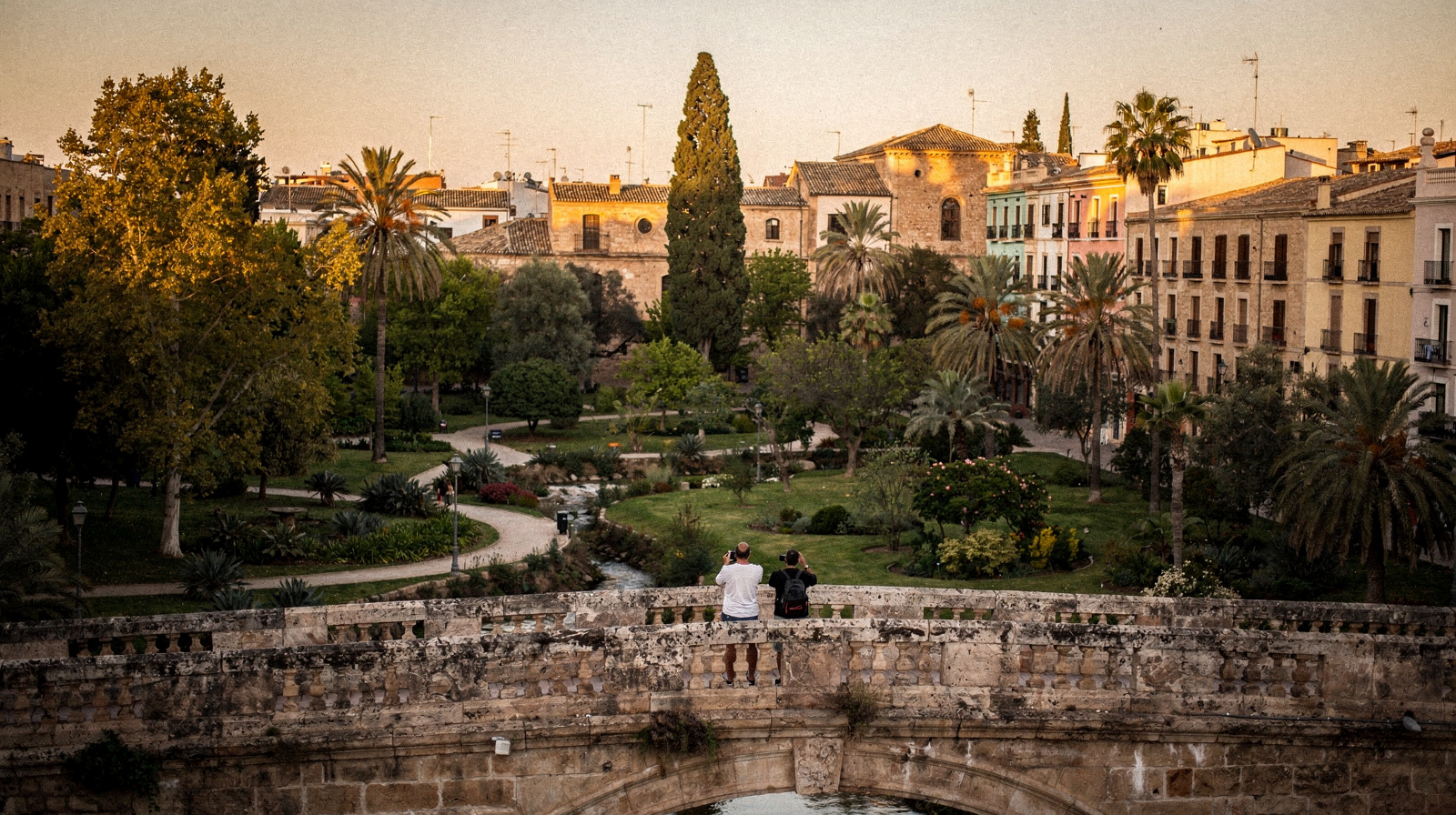
Sorolla fits neatly into a wider plan because the places connected with him are spread across the city rather than clustered in one spot. The museum sits close to the Turia gardens, so a stroll along the old riverbed makes a natural prelude. The beach end of the day combines easily with a seafood lunch, and anyone interested in the architecture of the former fishing quarter will find more in the Cabanyal guide and the wider Malva-rosa beach guide.
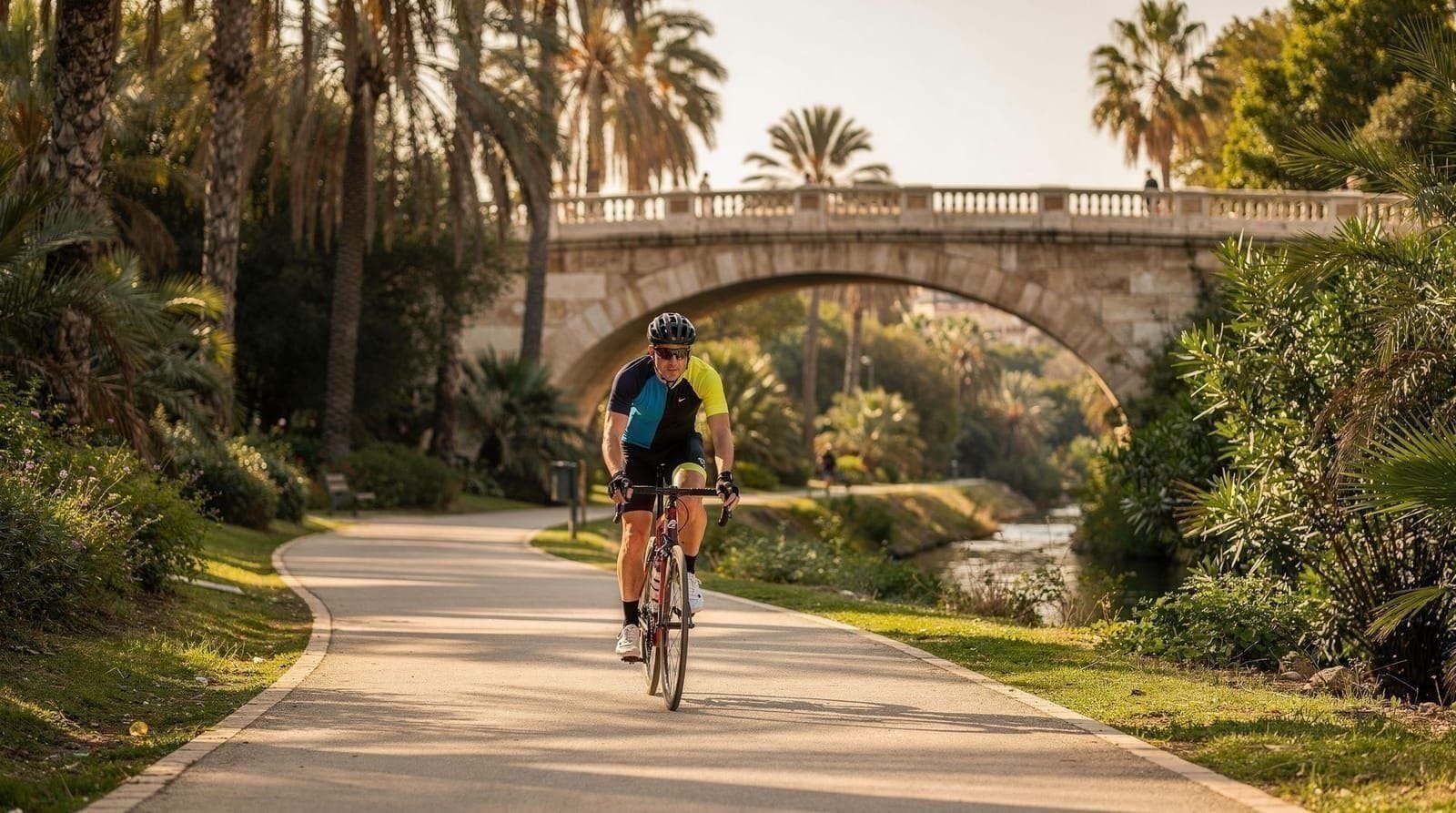
If you are building a longer stay around culture, the Valencia in one day itinerary shows how to slot a museum morning into a busier schedule, while the three-day itinerary leaves room for a slower, Sorolla-focused afternoon on the coast. Visitors who like context from a local voice can join a historical walk through the old centre that explains the city Sorolla grew up in before heading out to the sea. For anyone who prefers to cover the distance between museum and beach on two wheels, the Valencia by bike guide explains how, and the photography tours overview is useful if you want to capture the same light yourself.
Budget-minded travellers will appreciate that the core of a Sorolla day costs little: the museum is free and the beach is open to everyone. The museums free Sunday guide lists other places worth adding if you want a fuller art-focused day, and the Valencia on a budget guide covers how to keep the rest of the day inexpensive.
Frequently asked questions about Sorolla in Valencia
Who was Joaquín Sorolla?
Joaquín Sorolla i Bastida (1863–1923) was a Valencian painter, widely considered Spain's greatest Impressionist and one of the most important European painters of his generation. He was born in Valencia and spent his formative years in the city before achieving international fame in Madrid, Paris, and New York. His most celebrated works depict the beaches, light, and people of Valencia with extraordinary luminosity — children in the sea, women in traditional dress, fishing boats on the beach. He is often called 'the master of light.'What is Sorolla most famous for painting?
His most famous works are his Valencia beach scenes — particularly the series of children playing in the sea at La Malva-rosa and El Cabañal (Paseos del borde del mar, Niños en la playa, and related works). He also painted portraits (commissioned by aristocrats and international figures, including President William H. Taft), Mediterranean women in white dresses in garden light, and a monumental series of 14 large panels depicting regional Spanish life commissioned by the Hispanic Society of America (Visión de España, 1911–1919).Why did Sorolla paint in Valencia so much?
Sorolla's primary subjects — beach light, Mediterranean sea colour, figures in bright sunlight, Valencia's traditional fishing culture — required Valencia specifically. The quality of the Mediterranean light at La Malva-rosa beach, the colour of the Valencian sea in summer, and the presence of the horchata sellers, fisher women, and traditional costume were irreplaceable. He maintained a studio in Madrid for portraits and formal commissions but returned to Valencia repeatedly for his most characteristic work.Can I visit the actual beaches Sorolla painted?
Yes — La Malva-rosa and the adjacent El Cabanyal beach (formerly El Cabañal) are essentially unchanged in their geography, though the fishing culture depicted in Sorolla's canvases has largely disappeared. The light quality and sea colour are the same. On a clear summer morning, the connection between the actual landscape and the paintings is immediate. See the La Malva-rosa beach guide for full details.Is there a Sorolla museum in Valencia itself?
There is no dedicated Sorolla museum in Valencia, but the Museo de Bellas Artes (Fine Arts Museum, free entry) holds a significant collection of his work. There is also a Sorolla statue and commemorative elements at the beach near El Cabanyal. The primary Sorolla museum is in Madrid.Is Sorolla more famous in Spain or internationally?
Both — Sorolla achieved international fame during his lifetime with major exhibitions in Paris, London, and New York. His reputation subsequently declined (the Impressionist tradition he worked in went out of fashion) but was fully rehabilitated from the 1980s onward. He is now recognised as one of the great European painters of his era.What is the difference between Sorolla and the Impressionists?
Sorolla was influenced by French Impressionism but developed independently. He is sometimes called a "Luminista" (Luminist) rather than an Impressionist — his primary concern was light quality rather than colour dissolution. His brushwork is thicker and more confident than Monet's; his compositions are more structured; his palette in Mediterranean light is more saturated. The comparison to Sargent (another contemporary working in a similar mode) is often made.Are there other significant Valencian painters?
Yes — Juan de Juanes (16th century), considered the finest Valencian Renaissance painter, has major works in the Fine Arts Museum and the Cathedral. The IVAM (Institut Valencià d'Art Modern) focuses on 20th-century and contemporary Valencian and international art. See the museums free Sunday guide for a full overview of Valencia's museums.
Top experiences
Bookable activities with verified prices and instant confirmation on GetYourGuide.