Valencia Museum of Fine Arts: visitor guide
Valencia: historical city tour
Is the Valencia Museum of Fine Arts free?
Yes, entry is completely free on every day it is open (closed Mondays). The museum houses one of Spain's finest collections of Valencian painting from the 14th to 20th centuries, including major works by Sorolla, Ribera, and Ribalta. Allow 1.5 to 2 hours for a selective visit.
The Museo de Bellas Artes de Valencia (Museum of Fine Arts) occupies a 17th-century former seminary on the north bank of the Turia Gardens, 10 minutes’ walk from the Torres de Serranos. Entry is free, and the museum is open Tuesday to Sunday. It holds the second-most-important collection of Old Masters in Spain after the Prado, with particular strength in Valencian painting of the 14th–18th centuries, and a room of Joaquín Sorolla canvases that alone makes the visit worthwhile.
| Where | Calle de San Pío V, north bank of the Turia Gardens |
| Cost | Free |
| Time needed | 1.5-2 hours for a selective visit |
| Getting there | 15-min walk from El Carmen, or Metro Alameda + 10-15-min walk |
| Best time | Weekday mornings, right at 10:00 opening |
The collection
The museum’s 2,100 works are spread across two floors of the former seminary building, which has one of the finest Baroque cloisters in Valencia — included in the visit and often more peaceful than the galleries above it.
Valencian Gothic painting (14th–16th century)
The ground floor contains an extensive collection of altarpieces and devotional paintings from the Valencian Gothic school — the tradition that emerged in the late 14th century under Flemish influence and produced some of the finest panel painting in medieval Spain. The names are less familiar internationally than Flemish masters of the same period, but the quality is comparable: Marçal de Sax, Andreu Marçal de Sax, the workshop of Jaume Huguet.
These rooms are often entirely empty of other visitors — a remarkable experience with extraordinary works.
Ribera, Ribalta, and Murillo
The 17th-century galleries include substantial holdings of José de Ribera (lo Spagnoletto), the Valencian-born artist who worked primarily in Naples and produced some of the most psychologically intense paintings of the Spanish Baroque. The collection includes several major canvases — the Self-Portrait from 1630, the Saint Andrew with Cross, and several martyrdom scenes.
Francisco Ribalta, who worked in Valencia itself and was a formative influence on the local Baroque tradition, is represented by a group of large altarpieces that demonstrate his synthesis of Valencian, Roman, and Flemish styles.
The Sorolla room
Joaquín Sorolla (1863–1923) is Valencia’s most celebrated painter internationally — known primarily for his depictions of Mediterranean light, the Valencia coastline, and Valencian working life. The museum holds a significant group of works including several early canvases from his Valencian period before his move to Madrid.
The museum does not hold the major Sorolla masterpieces — those are at the dedicated Sorolla Museum in Madrid — but the Valencian context of these works, painted in and about the city and coast you are visiting, gives them a resonance that the Madrid works, however superior individually, do not have.
For broader context on Sorolla and Valencia, see the Sorolla in Valencia guide.
18th and 19th-century Valencian painting
The upper floor covers the neoclassical, Romantic, and Realist periods in Valencian painting. The 19th-century room contains works by painters who were influential regionally but less known internationally — Bernardo Ferrándiz, Antonio Muñoz Degraín (Sorolla’s teacher), and Emilio Sala.
How it compares to Valencia’s other museums
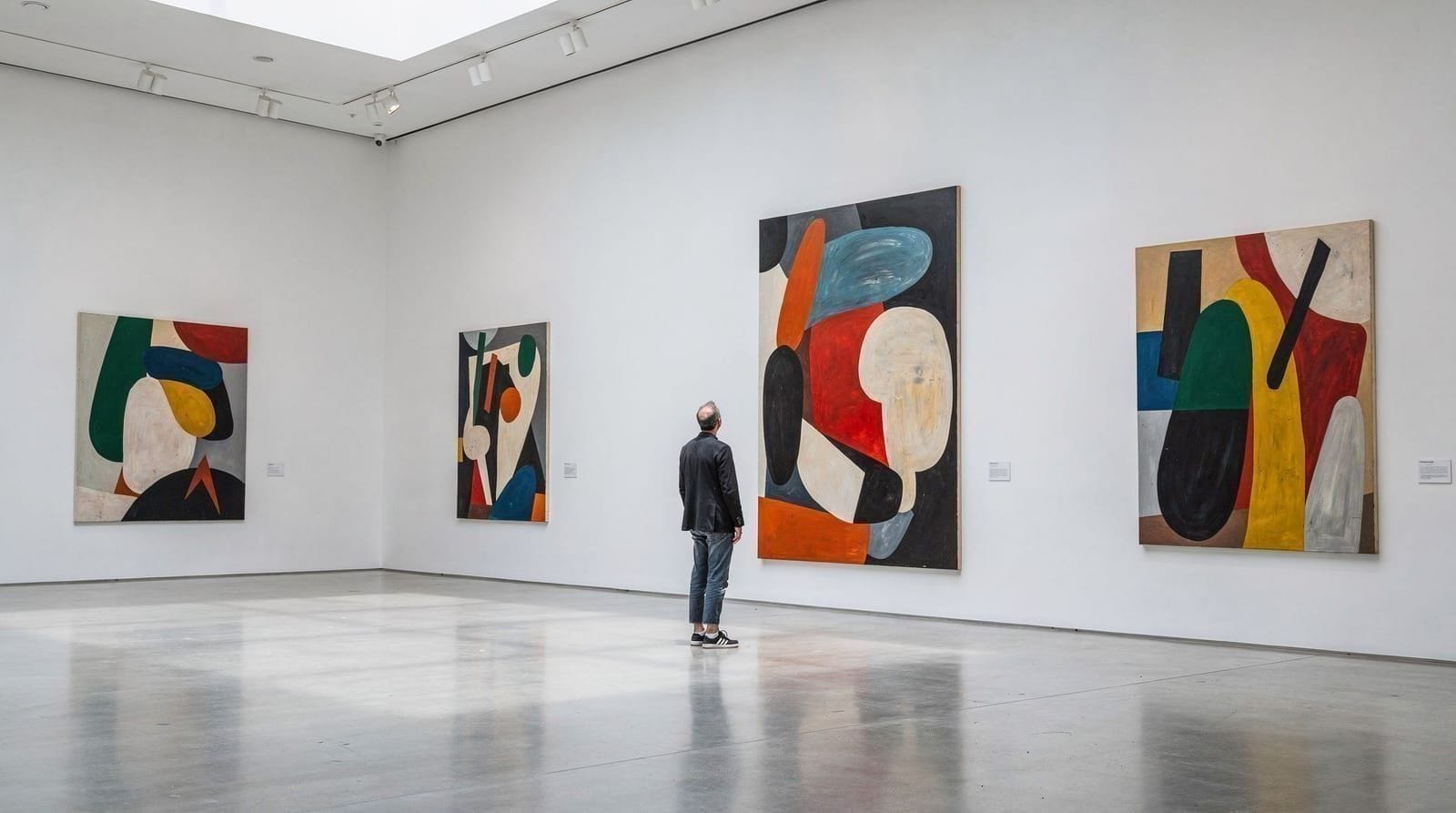
The Fine Arts Museum is deliberately traditional — Old Masters, altarpieces, and 19th-century painting. For a contrasting modern and contemporary programme, the IVAM a short walk away covers 20th-century and contemporary art, including a substantial Julio González collection. Visitors trying to decide how to split a museum day between the two often do the Fine Arts Museum in the morning, when the Gothic rooms are quietest, and IVAM in the afternoon.
Reading the collection as a story
It helps to treat the museum as a single story of Valencian painting rather than a list of famous names. The Gothic altarpieces on the ground floor show a devotional tradition shaped by trade links and foreign influence, the Baroque rooms show painters turning that tradition toward drama and realism, and the 19th-century rooms show the city’s artists turning outward again, toward light, the sea and everyday life. Walked in order, the galleries explain why Sorolla’s work looks the way it does, and why the coast you can reach on the beaches and city itinerary feels so present in his canvases.
If you only have energy for a few rooms, pick one from each period and spend real time in front of two or three works rather than skimming everything. The museum rewards slow looking far more than completeness, and because entry is free there is no pressure to see it all in a single sitting.
Who will enjoy it most
Art lovers will find far more depth here than the modest crowds suggest. Travellers who normally avoid museums often enjoy the cloister and the quiet Gothic rooms, because nothing about the visit feels like an obligation. Families with older children can turn it into a short, low-stress stop, especially when paired with a playground or a picnic nearby; the Valencia with kids guide and the rainy day ideas for kids list other easy indoor options for the same trip. Younger children tend to last longer if you give them one task, such as finding the saint holding the strangest object or the painting with the most animals.
The building
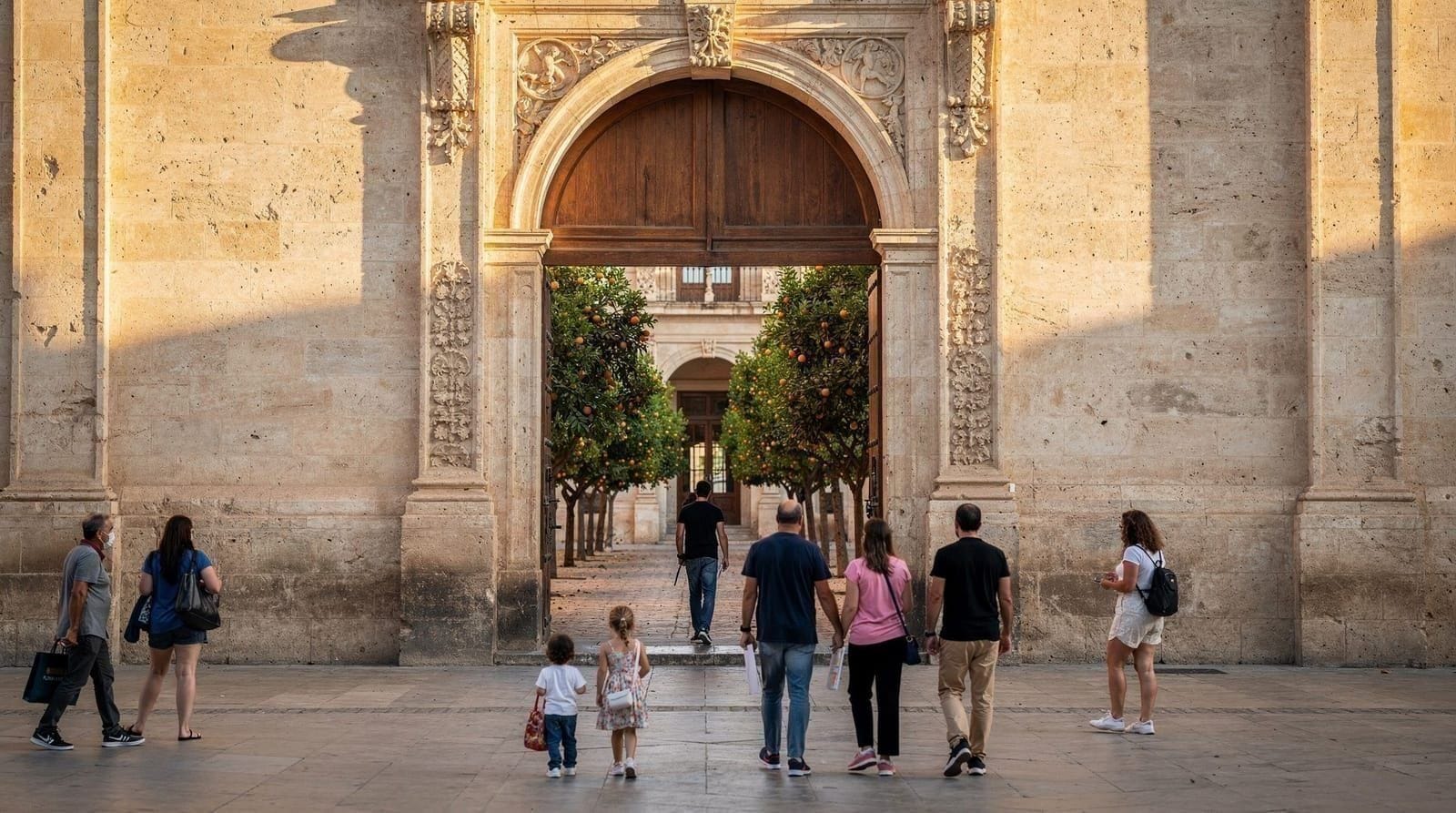
The Convento del Carmen seminary, begun in 1683 and built over the remains of an earlier Augustinian convent, is itself a monument. The main Baroque cloister has two levels of arcaded galleries and a garden of orange trees. This cloister is frequently used for temporary exhibitions and small concerts. The upper cloister arcade is one of the quietest, most atmospheric spaces in Valencia.
The building connects to the Jardines del Real (Viveros), a formal garden immediately north of the museum that was once the royal palace garden of the Kingdom of Valencia. The gardens are free to enter and provide a pleasant extension of the museum visit.
Practical information
Opening hours (2026):
- Tuesday–Sunday: 10:00–20:00 (last entry 19:30)
- Closed Mondays, 1 January and 25 December; 24 and 31 December 10:00–14:00
Admission: Free
Getting there:
- By foot from El Carmen: 15 minutes north from the Cathedral through the Barrio del Carmen and across the Puente de la Trinidad.
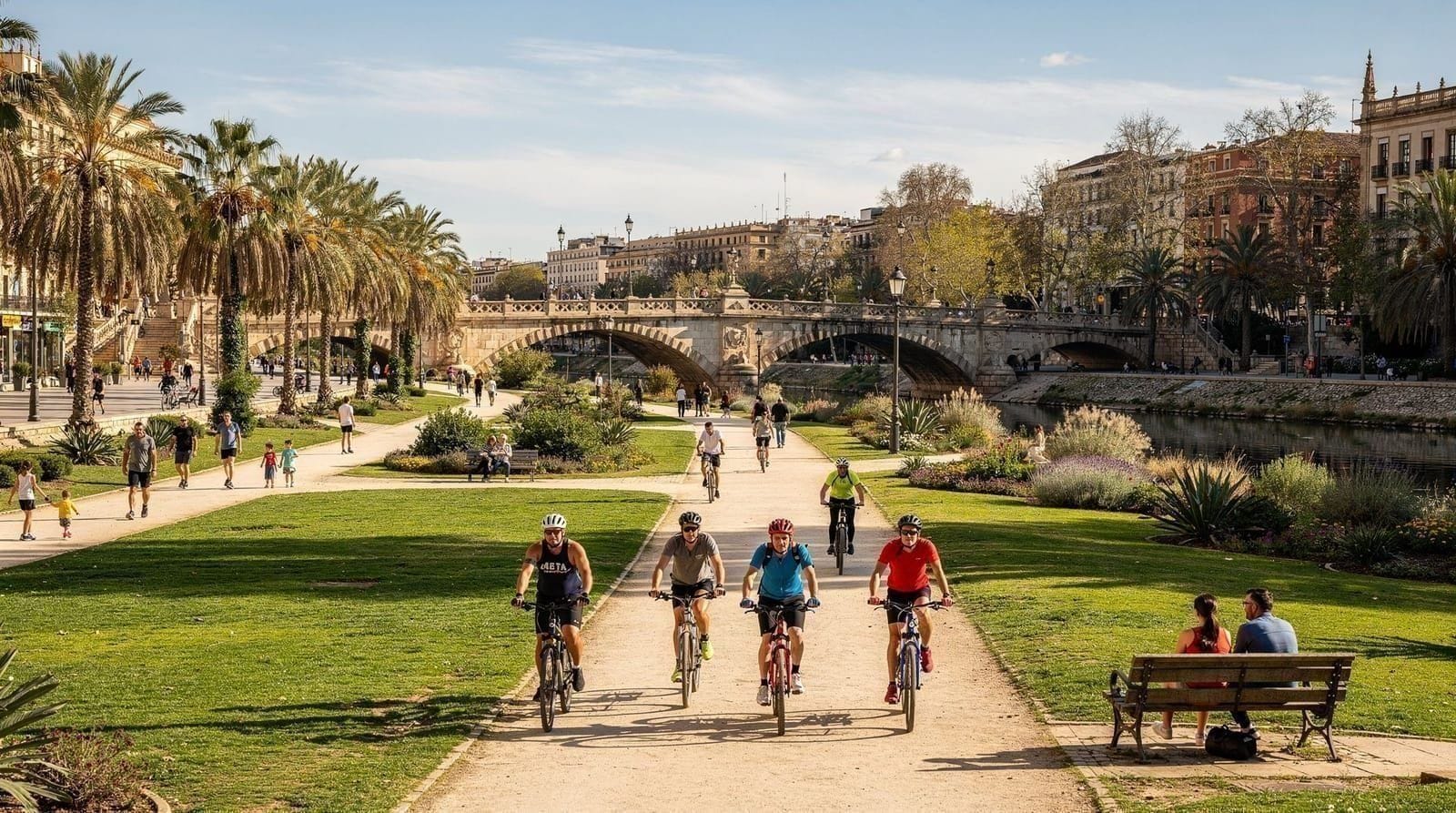
- By bike via Turia Gardens: The most pleasant approach — cycle or walk east along the Turia Garden path from the city centre, cross at the Puente Nou or the Puente de Serranos, and the museum entrance is on Calle de San Pío V.
- Bus: Several city bus lines stop nearby; check current routes on the official EMT site.
- Metro: Alameda, then a 10-15-minute walk.
Planning the visit around the weather and the season
Because the museum is indoors and free, it works as a flexible piece of an itinerary. On a hot afternoon it offers a cool refuge; on a wet day it is one of the more rewarding ways to fill a few hours without spending anything. If you are still deciding when to travel, the best time to visit Valencia guide explains how the seasons shape a trip, and the pages on Valencia in summer and Valencia in winter show how a museum stop fits into very different days.
During busy festival periods the city centre fills up, but the museum usually stays calmer than the headline sights. If you are visiting around Las Fallas, a quiet hour among the altarpieces can be a welcome break from the noise outside, though it is wise to check opening arrangements before you go.
A sample half-day
A comfortable way to use the museum is as the anchor of a slow morning. Start with the cloister, move through the Gothic rooms while they are quiet, then go upstairs for the Baroque and 19th-century galleries and finish with the Sorolla canvases. Afterwards, step out into the gardens, sit for a while, and let the paintings settle before moving on.
From there you have several easy continuations:
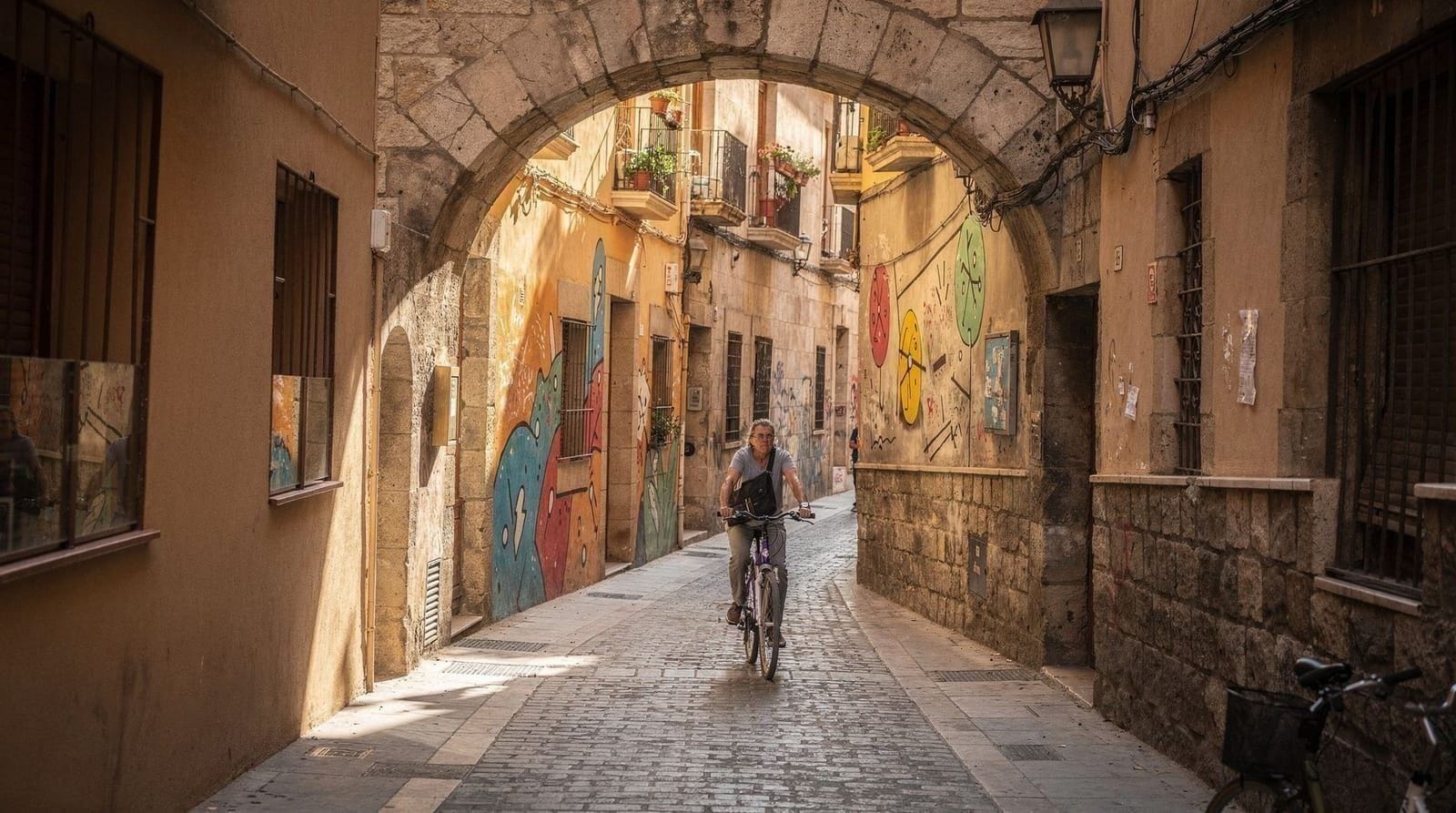
- Walk back toward El Carmen for lunch and a wander past the street art of the Carmen quarter.
- Climb the Torres de Serranos and Quart towers for a view back over the rooftops.
- Follow the riverbed garden toward the Turia Gardens green corridor and onward to the modern architecture of the city.
- Spend the afternoon on the city’s other cultural sights, such as the Cathedral and Miguelete or the Lonja de la Seda.
If you prefer structure, a guided stroll through the old town can supply the historical background that makes the museum’s religious and civic art easier to read. A historical walk through the old town, such as the one described in the free walking tours guide, is a reasonable way to set the scene before you step inside, as long as you leave the museum itself for your own pace. The Valencia on foot and by bike page covers the two-wheeled alternative.
For a wider view of what else the city offers in the same spirit, the Sorolla guide, the Modernisme walk and the UNESCO sites overview are natural next reads.
Fitting it into a wider trip
The museum suits almost any length of stay. On a first visit it slots naturally into the three-day Valencia itinerary or the first weekend plan, and on a tighter budget it is one of the best fixtures of the budget itinerary. If you are still working out how long to stay, the guide on how many days to spend in Valencia will help, and the Valencia on a budget page shows how free sights like this one stretch a trip.
Tips for visiting
The cloister first: Start in the Baroque cloister before ascending to the galleries. The transition from the morning street sounds to the enclosed garden is one of the better moments you can arrange for yourself in Valencia at zero cost.
Allow time for the Gothic rooms: These are the least-visited rooms and often the most extraordinary. The altarpieces are large and the condition is generally excellent — better preserved than comparable works in underfunded regional museums elsewhere.
Combine with Turia Gardens: The museum’s south entrance faces the Turia riverbed garden. A morning at the museum followed by a walk or cycle through the gardens to the City of Arts and Sciences is a logical full-day programme.
Photography: Personal photography without flash is permitted throughout the permanent collection.
 private family tour with churros, parks and museumCheck availability
Connection to nearby attractions
The Fine Arts Museum sits at the intersection of three natural Valencia itineraries:
- Old city cultural circuit: Cathedral → Lonja de la Seda → IVAM → Torres de Serranos → Fine Arts Museum (full day)
- Turia Gardens circuit: Fine Arts Museum → Turia Gardens walk → City of Arts and Sciences (half day each end)
- Free museums Sunday: The Fine Arts Museum, IVAM, and Valencian Museum (Museu Valencià) are all free, concentrated in the historic city, and can be covered in a single day — see the free museums guide
 bike tourCheck availability
For the full context of Valencia’s museum landscape, see the museums and attractions hub.
Nearby neighbourhood
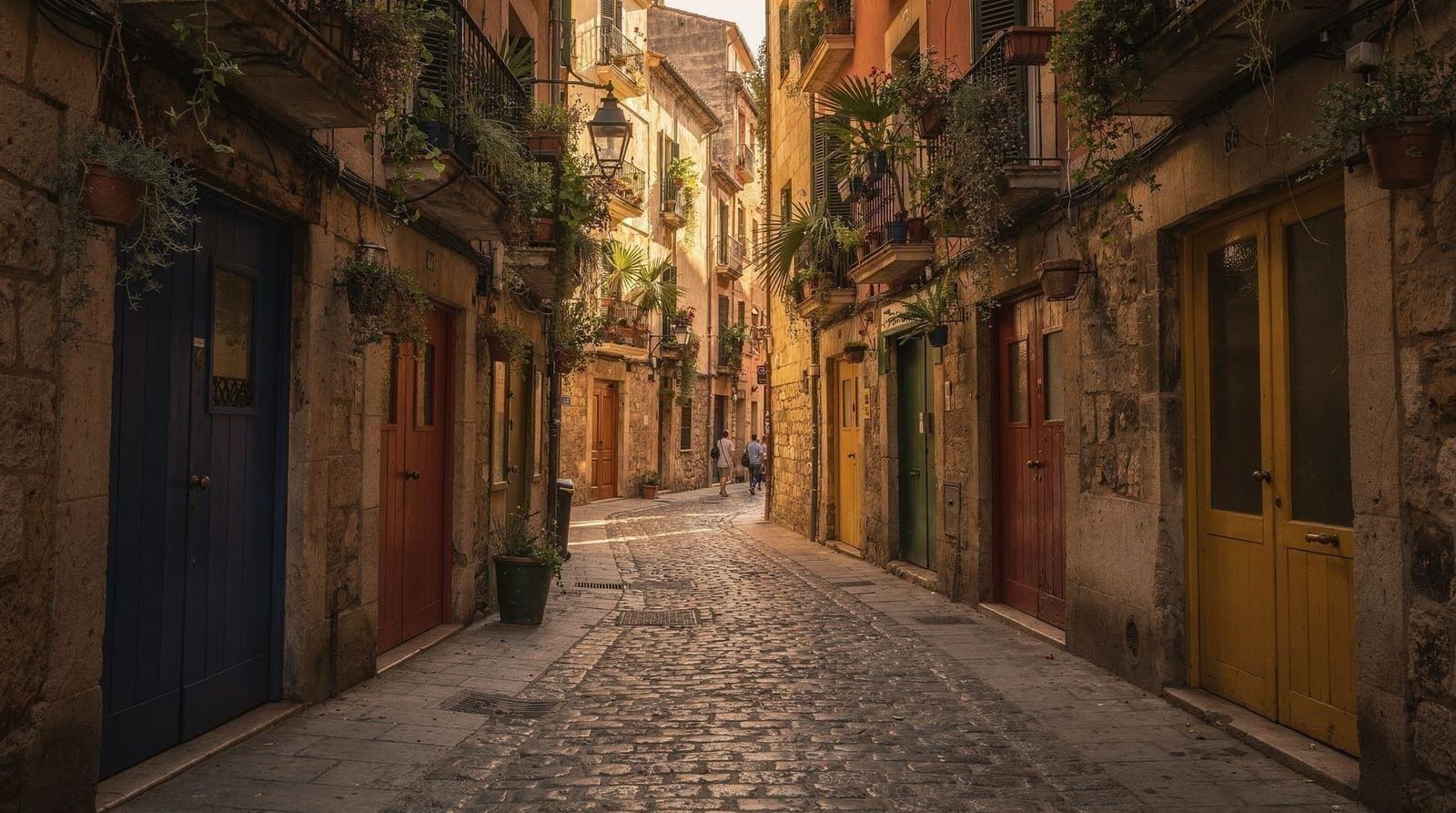
The museum sits at the edge of El Carmen, Valencia’s oldest quarter, which makes it easy to combine a museum visit with a wander through the neighbourhood’s narrow streets, street art, and small squares either before or after. Given the museum closes at 20:00, a late-afternoon visit followed by dinner in El Carmen is a comfortable, unhurried pairing that avoids the midday heat in summer.
Top experiences
Bookable activities with verified prices and instant confirmation on GetYourGuide.