Requena wine tour from Valencia: what a day in the vines actually looks like
A day trip to Requena is one of the more rewarding excursions from Valencia if you like wine, old stone streets, and getting away from the coastal crowds for a few hours. Here’s what actually happens on the ground, from train times to what a tasting costs, plus a realistic plan for doing it well in a single day.
| Where | Requena, Utiel-Requena DO, about 65 km west of Valencia |
| Cost | around €40-70/person on an organised tour; €25-40 self-guided incl. lunch |
| Time needed | Full day, roughly 8-9 hours round trip |
| Getting there | Train around 45 min from Estació del Nord, or the A-3 by car in under an hour |
| Best time | September-October for the grape harvest (vendimia); spring for milder weather |
Why Requena gets overlooked
Most wine tourism in Spain concentrates in Rioja, Ribera del Duero and, increasingly, Priorat. The Utiel-Requena Denominación de Origen — inland from Valencia, about 65 km west on the A-3 motorway — barely registers in international wine coverage despite producing wines from one of Spain’s most distinctive indigenous grapes.
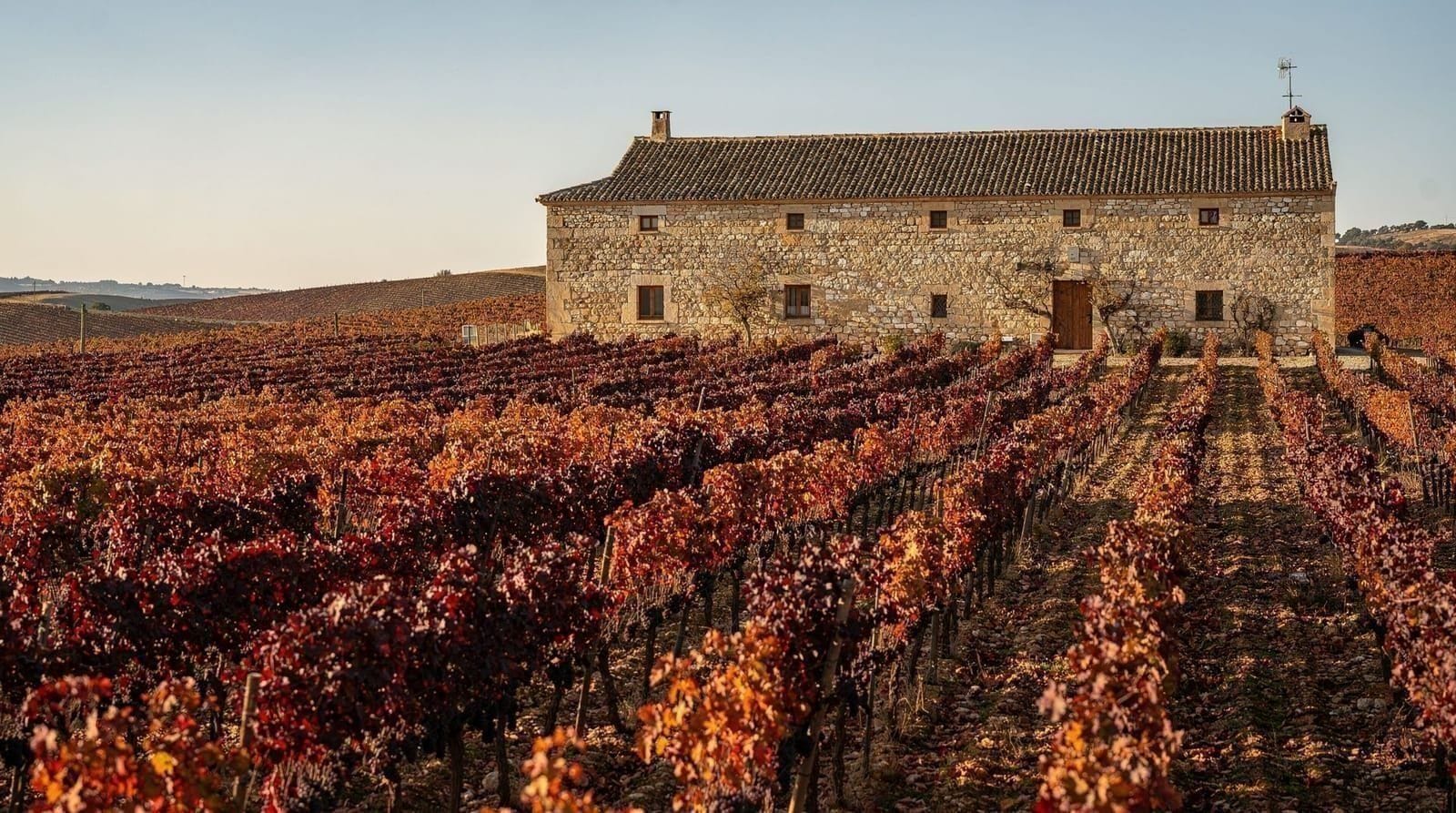
Bobal is the grape. It produces deep, tannic reds with dark fruit and earth notes that hold up well to the local food — lamb, cured meats, aged manchego-style cheeses. For decades it was blended away or sold in bulk to be labelled as something else. The last twenty years have seen a shift: smaller bodegas have started bottling it as a single varietal, and the results at the mid-range have been quietly impressive. Our Requena wine and Bobal guide goes deeper into the grape itself and how it compares to other Spanish reds.
The region also produces some decent whites and rosés, and cave-aged sparkling wine in the Cava method — the cave networks beneath Requena’s old town are used by several producers for natural temperature regulation.
Getting to Requena
By train: The fastest option. Renfe Cercanías or regional services from Valencia Estació del Nord reach Requena-Utiel station in about 45 minutes. The station is about 2 km from Requena’s old town — a walkable distance or a short taxi. Check current schedules on Renfe’s website; services run roughly every 1-2 hours. If you’d rather compare all the train-based day trips from the city first, see the day trips by train guide.
By car: The A-3 (toll-free) takes you there in under an hour from the city centre. Driving makes sense if you want to visit multiple wineries at your own pace, but bear in mind you’ll need a designated non-drinker. The car rental for day trips guide covers what to expect if you’ve not rented a car in Spain before.
Organised tour: Removes the logistics entirely and typically includes transport, winery visits, tastings and lunch. The tradeoff is a fixed schedule and the slightly package-holiday feeling of following a flag around.
 Utiel-Requena wine tour and traditional lunchCheck availability
When to go: the vendimia and beyond
Requena has a real growing season, and it shows in what a visit feels like depending on the month.
| Season | What it’s like | Good for |
|---|---|---|
| September-October | Grape harvest (vendimia); some bodegas open the process to visitors | Seeing actual winemaking, not just a tasting room |
| November-March | Quiet, cool, cellars and cave tours still open | Off-season calm, fewer coach parties |
| April-June | Mild weather, vines greening up, comfortable walking | Combining the old town walk with the wineries |
| July-August | Hot, some bodegas run reduced hours | Early morning visits only; avoid midday |
If your dates are flexible, September and October give you the most interesting version of the visit — several bodegas run harvest-adjacent activities that aren’t available the rest of the year. For general trip timing beyond just Requena, the best time to visit Valencia guide covers the wider picture.
What the organised tours look like
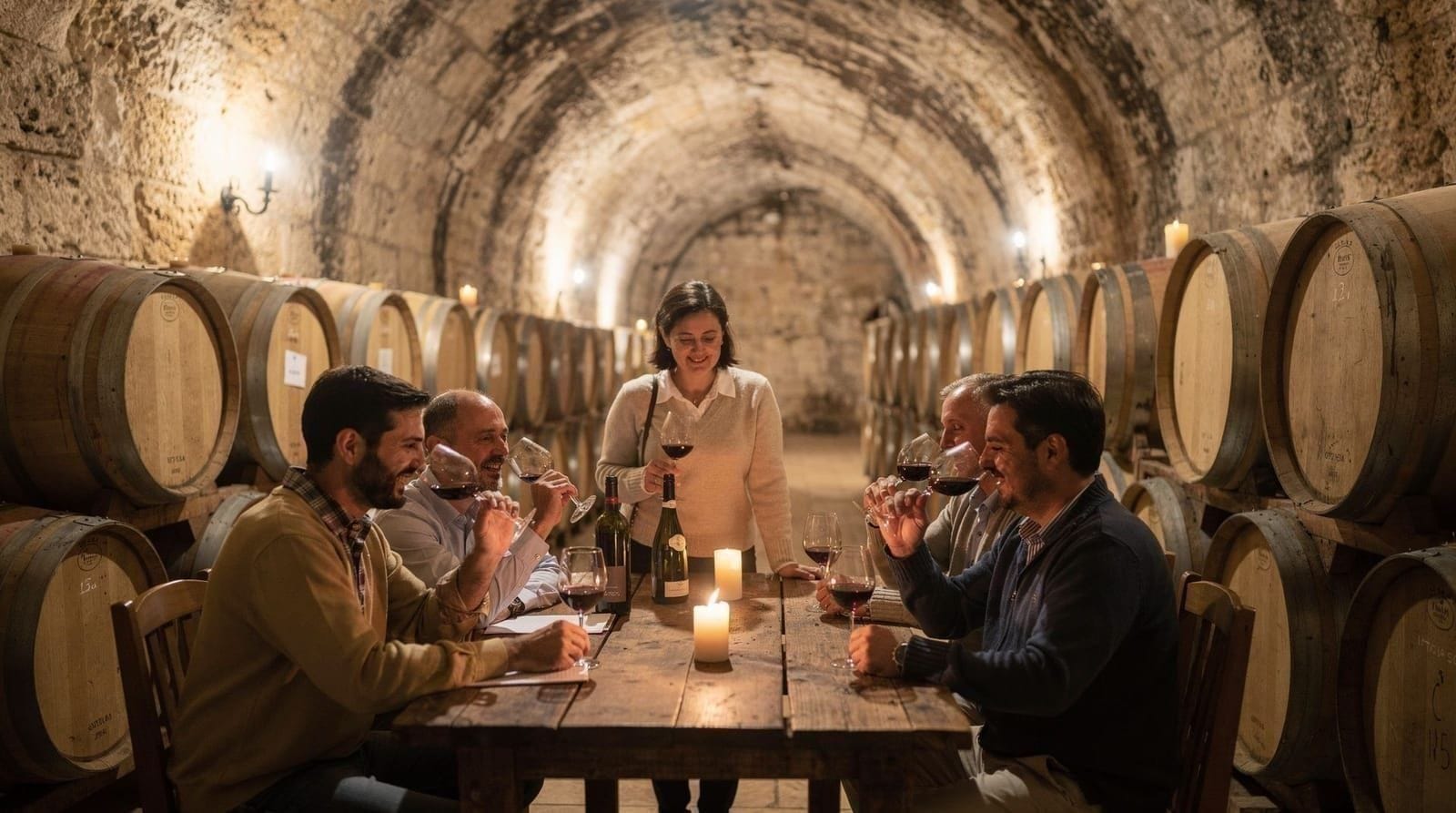
Most Valencia-based Requena wine tours run as full-day trips: pick-up around 9-10am, return late afternoon. They typically include two winery visits with tastings, a traditional lunch (usually rice and grilled meat, sometimes at the winery itself), and a walk through Requena’s old town — the medieval quarter known as La Villa, which has a Moorish tower and some genuinely old streets.
The tastings are structured: three to five wines per bodega, sometimes with a brief explanation of production methods. The guides range from enthusiastic to knowledgeable; it helps to ask questions.
What the tours don’t always mention: the wine you’re tasting is often the premium range they’re trying to sell. The everyday wine — the stuff Requena locals drink at their own lunch tables — costs around 5-8 € a bottle in the local supermercado and is excellent value.
 tour and tasting at 2 Utiel-Requena wineriesCheck availability
If you’d rather see the destination in more depth before choosing, the Requena destination page and the longer Requena wine tour guide lay out the same trip from a planning angle, with the practical details in one place.
Going independently: the wineries worth visiting
If you prefer self-guided, several bodegas accept visitors with advance booking:
Bodegas Murviedro is one of the largest producers in the region, with a professional visitor centre near Requena. Their Cuentaviñas range is the entry-level label; the Cueva del Perdón reserve is more interesting. Tours run on a fixed schedule and cost around 10-15 € including tasting.
Bodegas Coviñas is a cooperative that represents many of the smaller Bobal growers. They offer tastings and cellar tours and give a good picture of how the regional economy of wine actually works — which is primarily through collective production rather than the artisan-small-producer narrative that wine tourism tends to favour.
Dominio de la Vega makes sparkling wine from the cave network under the town. The cave tour is genuinely atmospheric — cool stone, bottles stacked in riddling racks, explanations of the riddling and disgorgement process. Worth doing even if sparkling wine isn’t your primary interest.
Requena’s old town
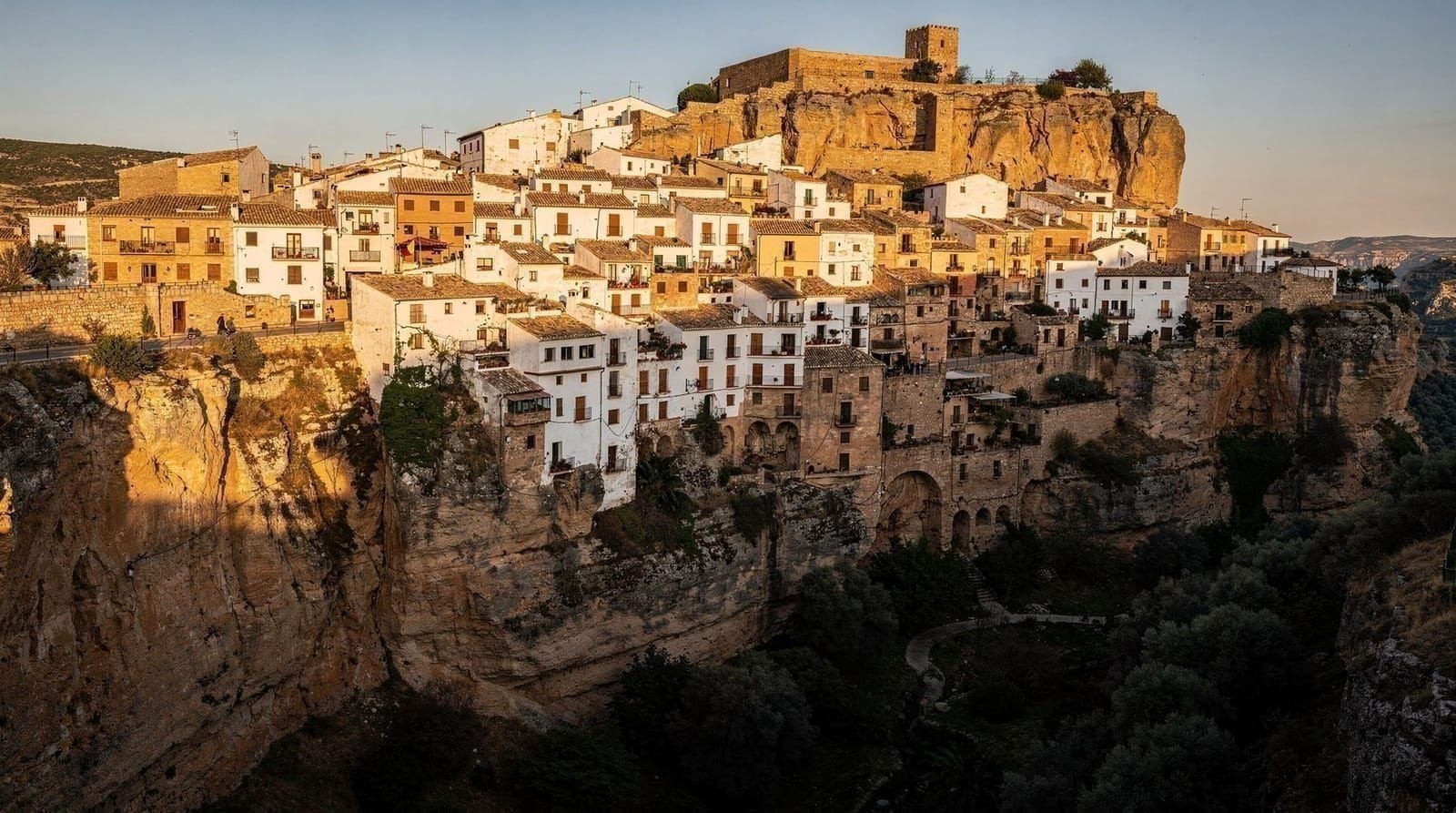
The medieval quarter sits on a promontory above the plain. The main entrance is through an old gate; the streets inside are narrow and mostly pedestrianised. There is a 14th-century castle keep (partially accessible), the Iglesia del Salvador, and the Cave Museum — an interesting small museum built into the network of cellars and caves beneath the town, some of which are Bronze Age in origin.
The old town is not overly touristed. You’ll share it on weekend afternoons with Valencian day-trippers and the occasional coach party, but the scale is small enough that this doesn’t become oppressive.
What to eat in Requena
The Utiel-Requena region has its own food identity, slightly distinct from the coastal Valencian tradition. Lamb appears in ways it doesn’t on the coast. The locally cured meats — sobrasada, longaniza, chorizo — are sold in dedicated charcuteries in the old town and make good souvenirs if you’re flying home within a day or two.
The menú del día at restaurants in the old town costs 12-16 € and typically involves a first course of soup or salad, a main of grilled or braised meat (the lamb chops are usually very good), and a glass of local wine included — see the menú del día guide for how this format works across the wider Valencia region. This is the practical argument for going independently rather than on a tour that includes its own lunch: the local restaurants give you more choice and a more authentic experience of how people actually eat here.
Pair a Requena lunch with the wider regional table and the trip gets richer. If the food is what draws you, the eat like a local guide and the Valencia for foodies itinerary show how the inland flavours fit alongside the city’s markets and rice dishes. Back in town, the authentic paella guide is a good way to round off the wine theme with a proper midday meal on another day.
What I’d do with one day
Train from Valencia at 9am. Walk from the station to the old town — the 2 km takes you past vineyards right at the edge of the town, which sets the scene well. Visit the Cave Museum first (opens 10am, costs about 3 €). Walk the medieval quarter. Lunch at a restaurant in La Villa. Afternoon visit to one bodega — Dominio de la Vega if you want the cave tour experience, Murviedro if you prefer a bigger, more polished operation. Train back to Valencia around 5-6pm.
If you want to buy wine: the bodega shop is usually fair pricing on their own labels. The town’s general wine shops have the broadest selection and will pack bottles safely for you.
Is it worth the day?
For wine drinkers: unambiguously yes. The Bobal wines offer genuine interest at a price point that makes Rioja look overpriced. For non-wine-drinkers accompanying wine-drinkers: the town is charming enough on its own terms to justify the trip. For families with children: the cave tour and castle are genuinely engaging, but a full day may be long.
The region tends to come up in conversation among people who’ve been coming to Valencia for years. They’ve done the city, they’ve done the coast, and they find Requena every time they want something that feels off the main circuit. If you fit that description, you’ll like it here.
Requena is not the only inland escape worth considering. If you like the idea of leaving the coast behind, the Bocairent medieval village post and the Valencia to Xàtiva castle day trip offer different flavours of the same idea, and the day trip without a car guide helps you compare how easy each one is to reach. For the days you spend in the city itself, the Valencia city destination page is a handy starting point.
For more context on planning time in and around Valencia, the three-day itinerary covers how day trips like this fit into a broader city visit, and if wine is a running theme of your trip rather than a one-off, the Valencia for wine lovers itinerary builds a fuller trip around it.
Frequently asked questions about Requena wine tour from Valencia
Do I need to book winery visits in advance? Yes, for the independent-bodega route — Murviedro, Coviñas and Dominio de la Vega all run on fixed visitor schedules and generally require booking ahead, especially on weekends. Organised tours handle this for you as part of the package.
Is Requena walkable without a car once you arrive? The old town itself is compact and entirely walkable, but the individual bodegas sit outside town and are not within walking distance of each other or of the station — you’ll need a taxi, a tour bus, or your own car to reach them.