Bocairent: the medieval village most visitors never reach
A village that Google Maps treats as optional
Finding Bocairent on a map of Spain takes a moment. It sits in the comarca of El Comtat, inland from the Costa Blanca, roughly halfway between Valencia and Alicante. The motorway bypasses it entirely. There is no train station. The bus from Valencia runs once or twice a day — if it runs at all. None of this is accidental. Bocairent has remained off the mass-tourism circuit precisely because reaching it requires a decision, not just a booking.
| Distance | 96 km from Valencia, about 1h15 by car |
| Cost | Free to wander; menú del día 12–14 € |
| Time needed | Half a day, more during the August festival |
| Getting there | Car recommended; infrequent ALSA bus or guided tour |
| Best time | September for quiet; August for Moros i Cristians |
I went in September, which turned out to be good timing. The village was quiet but not deserted; the summer crowds had moved on and the olive harvest had not yet begun. The air smelled of rock and dry grass, the way inland Spain smells when the coast is far enough away.
What Bocairent actually looks like
The village climbs a sandstone cliff above the Vinalopó river. That geological detail matters more than any travel guide makes clear, because the cliff is where the most distinctive thing about Bocairent sits: the Coves de Calfustrell, a set of around 53 artificial caves carved directly into the rock face, used historically for storage and, according to local legend, as a bulwark against Moorish raids.
The caves are small, dark, and smell of old stone. You reach them by a narrow path that winds along the cliff. There is no interpretation centre, no audioguide, no gift shop. You simply walk up and look. This is either exactly what you want from a historical site or a mild disappointment, depending on what you came for.
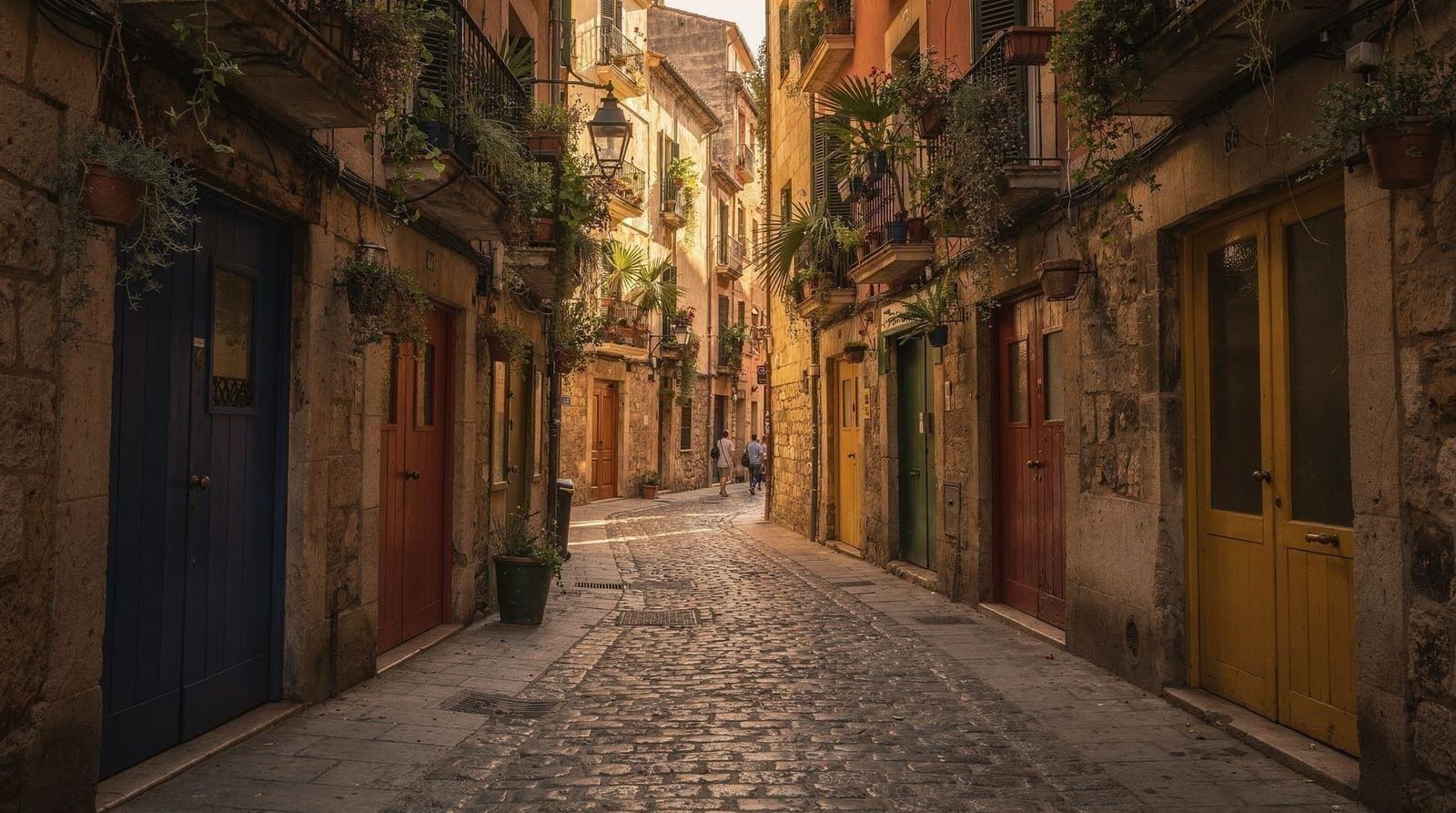
The old town itself is a tangle of whitewashed alleys on the hilltop. The houses press close together. Balconies overflow with geraniums in late summer. The Plaza Mayor is ringed by stone arcades, and the parish church of Sant Pere occupies the highest point. It is not a grand church — the interior is modest — but the view from the esplanade in front of it takes in the whole valley and the mountains beyond, which in the early morning light is genuinely arresting.
The bullring, La Plaça de Bous, is also worth noting. It is one of the smallest in Spain and sits carved into the rock, creating an amphitheatre effect that feels theatrical beyond what the small scale should allow. The town uses it every August for the Moros i Cristians festival, a tradition that predates most things tourists think of as “authentic.” Outside festival season, you can usually walk in for free.
Getting there without a car
This is where I have to be honest: Bocairent is genuinely difficult to visit without your own transport.
The ALSA bus from Valencia’s Estació del Nord takes around two hours, with a change in Ontinyent. The schedule is infrequent — typically one morning departure, one return in the afternoon — which means you have either a very long day or a very short one with almost no flexibility in between. The bus stop in Bocairent deposits you at the edge of town, and the walk uphill to the old quarter takes about 15 minutes.
If you have a car, the AP-7 south to Xàtiva and then the CV-81 through Ontinyent is straightforward. The road climbs into the mountains in a way that serves as an effective preview of the landscape you’re heading toward.
A third option is an organised day trip from Valencia. These tend to bundle Bocairent with nearby natural sites — waterfalls, thermal springs — which makes logistical sense and solves the transport problem, but does compress the time you spend in the village itself.
 waterfalls and thermal springs tour with swimmingCheck availability
If you would rather drive yourself, our guide to car rental for day trips covers how to plan the logistics, and the dedicated Bocairent village guide goes deeper on the practicalities of the village itself. Travellers who prefer to avoid driving altogether should read the overview of day trips by train first, then decide whether Bocairent is realistic for them or whether a better-connected town makes more sense.
The nature-focused excursions that tours pair with Bocairent usually point toward Montanejos, and if swimming in a river is part of the appeal, a guided option such as a day out to waterfalls and thermal springs with time for a swim takes the driving off your hands. You can read more in the Montanejos thermal springs guide.
When to go and what to bring
Summer weekends in July and August bring some domestic tourism — mostly Valencians and visitors from Alicante who know the area. The village gets warm but the altitude (around 640m) keeps it noticeably cooler than the coast.
The Moros i Cristians festival in late August is the main annual event, a week of parades, costumes, mock battles and gunpowder that dates to the reconquest. If you go during festival week, book accommodation well in advance — there is not much of it and the village fills quickly. The Casa de l’Ermita is the main rural guesthouse option. Several smaller casas rurales exist in the surrounding valley.
Outside festival season, the village can feel almost empty on weekdays. This is not a flaw. Bocairent without crowds is quieter and more legible than most medieval villages that have been packaged for tourism. You can eat lunch at one of the half-dozen bars on the main square, order arrós al forn (oven-baked rice, the local variant of the rice tradition you find across the region), and watch very little happen for an hour.
Eating in the village
There is no Michelin guide presence and no restaurant district. What there is: a handful of traditional bars serving menú del día for around 12-14 €, and a few places that do homemade embutidos (cured meats) and local cheese. Bar La Cova is reliably open and positioned near the cave access path, which makes it convenient. Restaurante El Molí, slightly further out on the road toward Ontinyent, does better food in a converted mill.
Bring water if you are walking the valley paths. The terrain is dry and the paths are not always shaded.
If the lunch format is new to you, our notes on the menú del día explain how the set menu works and what to expect at the table. For a lighter start to the day before you set off, the tradition of the mid-morning esmorzaret is a good way to eat the way locals do, and the wider eat like a local guide will help you order with more confidence in small inland bars.
How this compares to better-known day trips
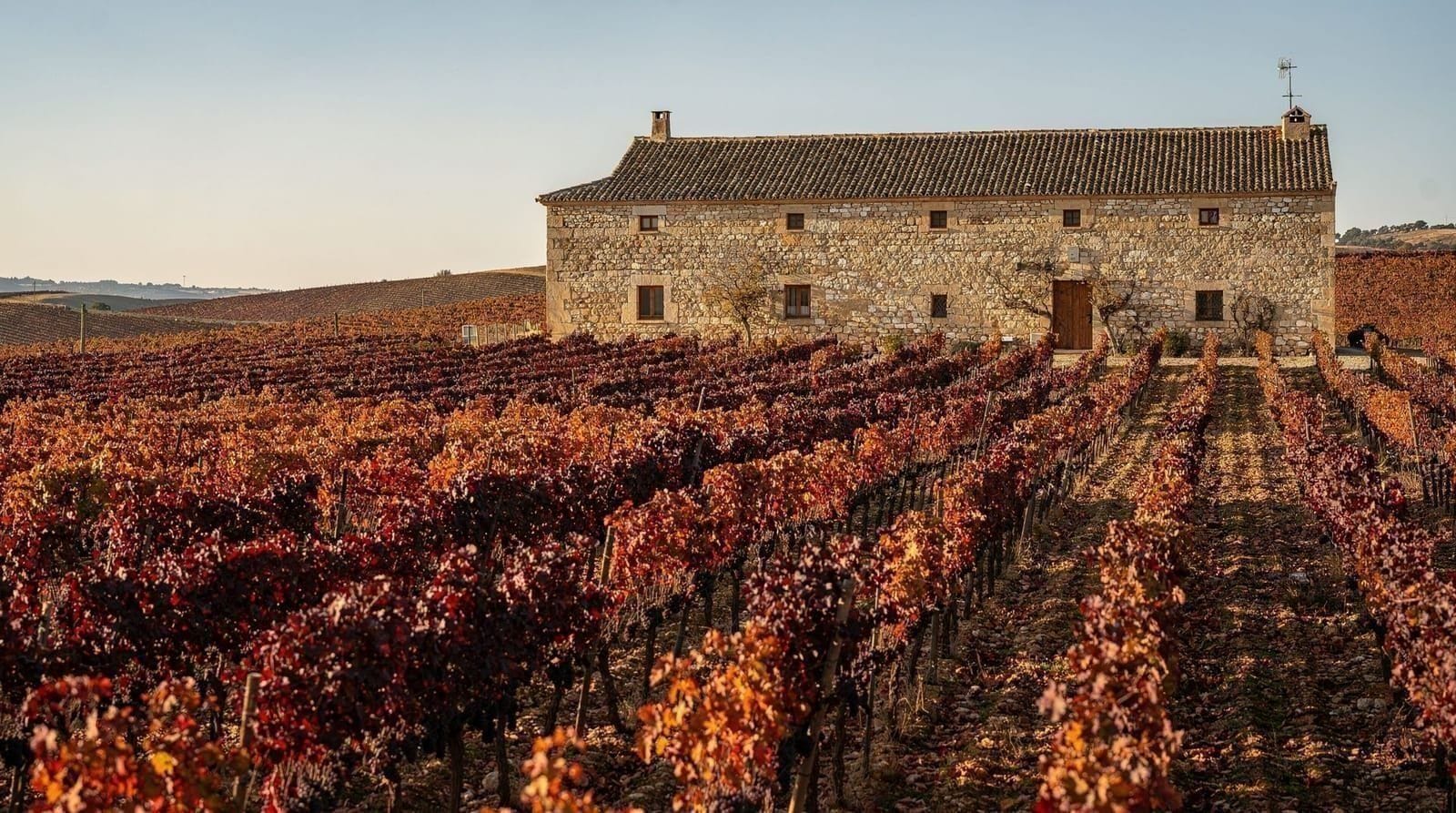
If you’re choosing between Bocairent and Xàtiva, Xàtiva has more to see, better transport and a more robust tourist infrastructure. If you’re choosing between Bocairent and Requena, Requena is more practical for a wine-focused trip. Bocairent’s appeal is specifically its difficulty and its smallness. It rewards visitors who want to feel like they’ve found something rather than followed a route.
That said, I would not make it the centrepiece of a short trip to Valencia. Three days in the city, then a day at the Albufera, and then perhaps Bocairent if you have a fourth day and a car — that sequence makes more sense than treating it as a must-see. The village will not disappoint you, but it will also not perform for you. It simply exists, quietly, on a cliff above a dry river valley, and that is either enough or it isn’t.
If a second inland stop appeals, the story of the Xàtiva castle day trip and the itinerary combining the Albufera and Montanejos show how other nature-and-heritage days fit together. And since timing shapes the whole experience here, the best time to visit Valencia guide is worth a look before you pick your date.
A few practical notes
- Entry: The caves and the old town are free to wander. The church requests a small donation.
- Parking: There is a car park at the bottom of the old town. Do not attempt to drive into the medieval quarter itself.
- Accommodation: Limited but genuinely good rural options. Book ahead on summer weekends.
- Connections: If you’re building a day trip without a car, Bocairent is one of the more challenging targets. Consider it a car-trip destination.
- Distance: 96 km from Valencia. About 1h15 by car on a clear run.
The drive back toward Valencia at dusk, with the mountains turning purple and the motorway still thirty minutes away, is one of those moments that makes the detour feel justified. Whether it’s worth building a full day around depends on what you’re after. For a certain kind of traveller — the one who prefers empty plazas to queued entrances — Bocairent is one of the better-kept secrets in the Valencia region.
How Bocairent compares to other inland day trips
| Destination | Distance | Transport | Character |
|---|---|---|---|
| Bocairent | 96 km | Car strongly recommended | Smallest, quietest, hardest to reach |
| Xàtiva | 55 km | Train, easy | Bigger castle, better infrastructure |
| Requena | 65 km | Bus, limited train | Wine-focused, practical for tastings |
| Montanejos | 75 km | Car | Thermal river, nature-focused |