Best time to visit Valencia by month: an honest seasonal breakdown
The short answer
The best months for most visitors are May, June, September and October. The sea is warm enough to swim from June through September. The crowds are most manageable in May and October. The weather is worst in January-February but still mild by northern European standards. August is the most complicated month — hot, crowded at the coast, and oddly quiet in the city as locals leave.
Las Fallas in March is a special case: the most extraordinary event on the Valencia calendar, but logistically demanding and significantly expensive.
| Best overall | May, June, September, October |
| Best for value | January–February, November |
| Best for the beach | June through September |
| Avoid unless prepared | March 15–19 (Fallas crowds, tripled prices) |
| Book far ahead for | Las Fallas accommodation, La Tomatina tickets |
Here’s the month-by-month picture.
January and February
Weather: Average highs 15-17°C, nights around 7-9°C. Rain is more likely than summer but Valencia gets an average of about 450mm of rain per year, which is modest. Clear days are common and the light in winter is excellent.
Crowds: The lowest of the year. Hotels are cheapest. Museums have no queues.
What works: City exploration — the Mercado Central, the Lonja de la Seda, the IVAM modern art museum, the old town. Indoor cultural life is at its most accessible and affordable.
What doesn’t: The beach. Water temperatures are around 14-16°C, which means swimming is for the genuinely committed.
Honest note: January-February Valencia is underrated for city breaks. The crowds are gone, the prices are the lowest of the year, the food scene operates without modification (the menú del día functions on its normal clock, without the tourist-season adaptations), and the winter light is photogenic. If you don’t need to swim, this is a serious option.
March
Weather: Warming — average highs 18-20°C by late March. Some rain early in the month.
Crowds: Low for most of March, then extraordinary for the Fallas weeks.
The defining factor: Las Fallas (1-19 March). Everything about a March visit to Valencia is structured around whether you’re going for Fallas or not.
Going for Fallas: Book accommodation six months in advance minimum. Prices triple in the city centre. Expect crowds measured in the hundreds of thousands for the major Fallas nights (Nit del Foc, 18-19 March; Cremà, 19 March). The experience is genuinely like nothing else in Spain — ninety tonnes of paper sculptures set alight over three weeks, culminating in the entire city smelling of smoke and orange blossom for 24 hours. The Las Fallas complete guide covers it properly.
Not going for Fallas: If you’re arriving in early or mid-March before the crowds, Valencia is genuinely pleasant, cheaper, and less frenetic. Arriving after the 19th gives you Valencia quietly recovering from its annual detonation, which has its own appeal.
April
Weather: 20-23°C highs, comfortable. Some spring rain possible.
Crowds: Post-Fallas relief. Easter week (Semana Santa) brings domestic tourism and some hotel price spikes, but manageable.
What works: A well-rounded visit. Sea temperatures around 17-18°C — cold but swimmable for the hardy. City attractions at comfortable crowd levels. The Albufera in spring is exceptional: rice planting season begins, the bird life is at its most active, and the light over the lagoon has a quality that summer light doesn’t match.
May
The first genuinely recommended month.
Weather: 22-26°C highs. Consistent sunshine. Some brief rain possible.
Crowds: Rising but not peak. You’ll share main attractions with other visitors but rarely queue.
What works: Everything. The sea reaches around 20°C by late May — cold but swimmable. The outdoor terrace culture is in full operation. The bike paths along the Turia are pleasant. The Bioparc and Oceanogràfic are accessible without summer queues.
If the Oceanogràfic is on your list, May is a comfortable time to book a ticket for the aquarium at the City of Arts and Sciences ahead of your visit. Our Oceanogràfic worth-it verdict and the City of Arts and Sciences guide help you decide how much time to give it, and the Bioparc guide covers the zoo side of a family trip.
Why it’s better than June: Cheaper flights and accommodation. Less crowded beaches. Temperature is slightly gentler for extended walking.
June
Weather: 27-30°C highs. Sea reaches 22-24°C — proper swimming temperature.
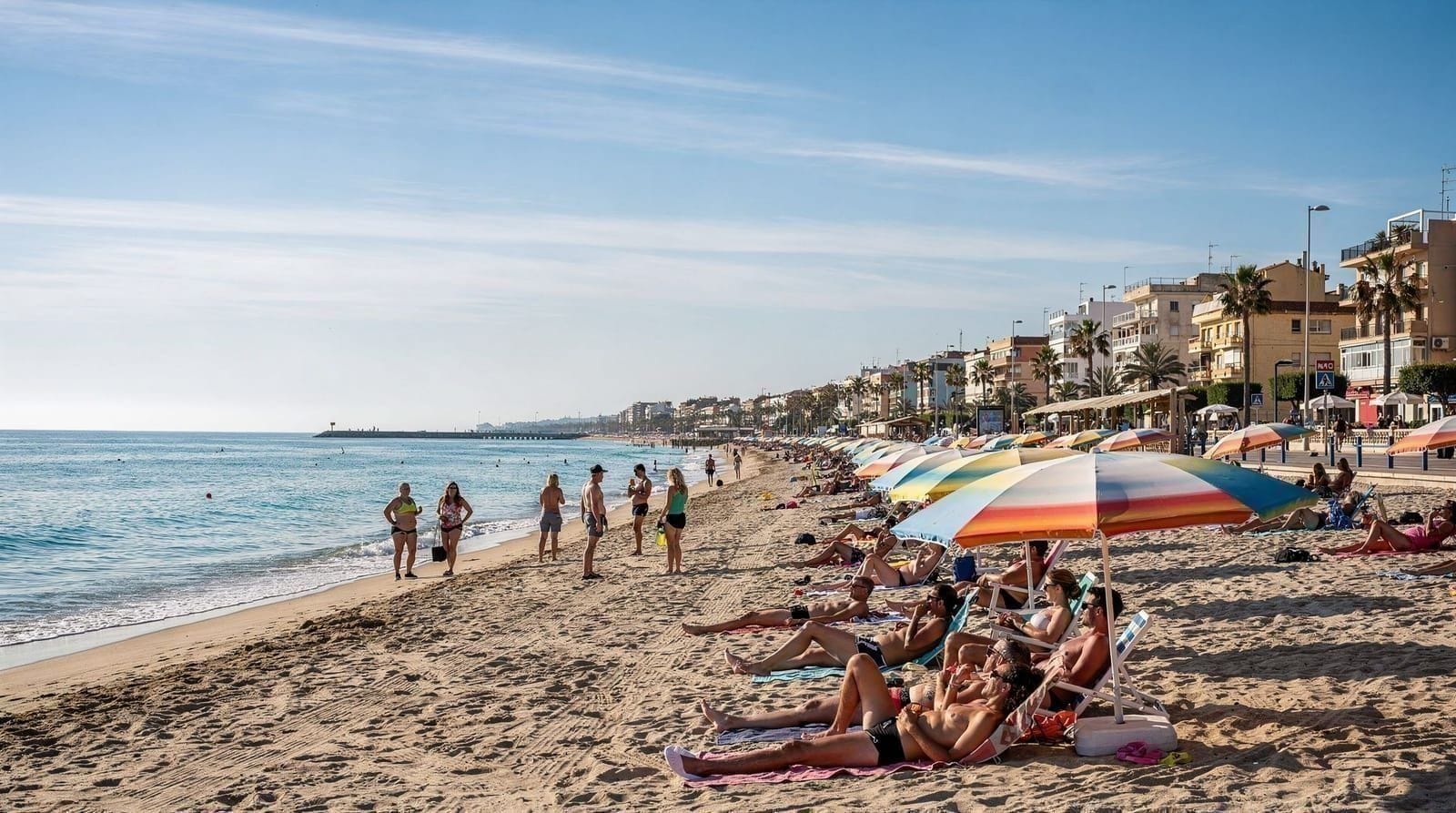
Crowds: Rising. The beach season begins fully in June. Weekends at Malvarrosa and El Saler fill up.
What works: The full Valencia experience — city in the morning, beach in the afternoon, late dinner on a terrace. The Gran Fira de València runs in late June/early July.
Honest note: June is one of the best months for the combination of city culture and beach access. The crowds are significant but not overwhelming. Hotel prices are elevated but not at August peaks.
July
Weather: 31-33°C highs. Humid near the coast. Sea is warm.
Crowds: High. Families with school-age children arrive in force.
What works: The beach is at its best. Evening life is the most vibrant of the year. The FIB Benicàssim festival runs in July if music festivals are your thing.
What doesn’t: Midday anywhere outdoors is uncomfortable. Museums and the Oceanogràfic are very crowded. Accommodation is expensive.
August
The complicated month.
Weather: 32-35°C highs, sometimes higher. Sea is warm (26°C+).
Crowds: Contradictory. The beaches south of Valencia are extremely busy (Gandia and Cullera fill with Spanish domestic tourists). The city centre of Valencia is actually quieter in mid-August than other summer months — many locals leave.
La Tomatina: The last Wednesday of August, La Tomatina in Buñol (40km west) is one of the most famous events in Spain. A ticketed tomato-throwing festival — buy tickets months in advance.
Book La Tomatina 2026 tickets and transport from Valencia — official tickets sell out months ahead
Honest note: August in the city is manageable but challenging. The heat between noon and 4pm is serious. If you come in August, spend mornings in museums or the old town, afternoons near the sea, and structure days around the heat. The summer guide covers tactics.
September
The second best month, possibly the best for adults.
Weather: 27-30°C highs, cooling noticeably by late month. Sea still at 24-25°C.
Crowds: Dropping sharply after the first week. By mid-September, the city is significantly quieter than August.
What works: Everything at once — warm sea, manageable crowds, pleasant evening temperatures, restaurant terraces still operating, hotel prices falling. The beaches clear. The Albufera in late September has a particular quality of light and quiet.
The practical case for September: Lower prices than peak summer, warm enough for everything summer offers, and a city that feels like it belongs to its inhabitants again rather than its visitors.
October
Weather: 22-25°C highs. Some rain possible, particularly in the second half. Sea still swimmable at 21-22°C.
Crowds: Low and falling.
What works: City culture — museums, food, neighbourhood exploration. The Día de la Comunitat Valenciana (9 October) is a public holiday with parades and official events.
Honest note: Mid-October brings the first genuine rain risks of the season. The DANA (cold drop) weather phenomenon can produce short but very heavy rainfall in autumn Valencia. These events typically last 1-2 days and are followed by clear weather, but they can affect outdoor plans. The beach season effectively ends.
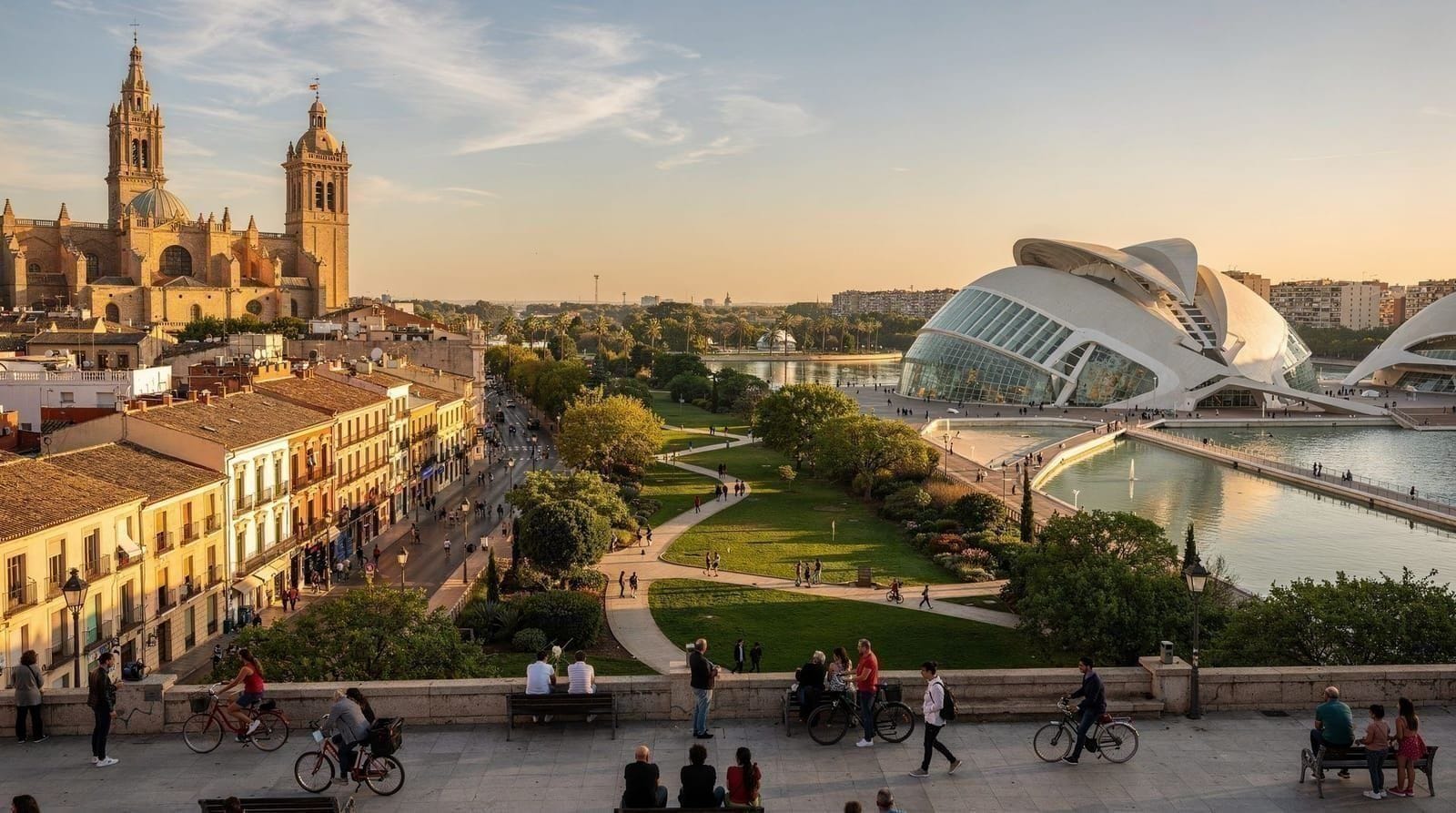
A wet-day plan: Keep an indoor option in your pocket. The Ciudad de las Artes y las Ciencias holds several attractions under cover, and a combined visit to the planetarium-style Hemisfèric and the science museum fills a rainy afternoon well. The Hemisfèric guide, the science museum guide and the rainy-day ideas for kids give more detail, and the autumn guide covers the season as a whole.
November and December
Weather: 17-19°C highs in November, 15-17°C in December. Rain more likely than earlier months.
Crowds: Very low.
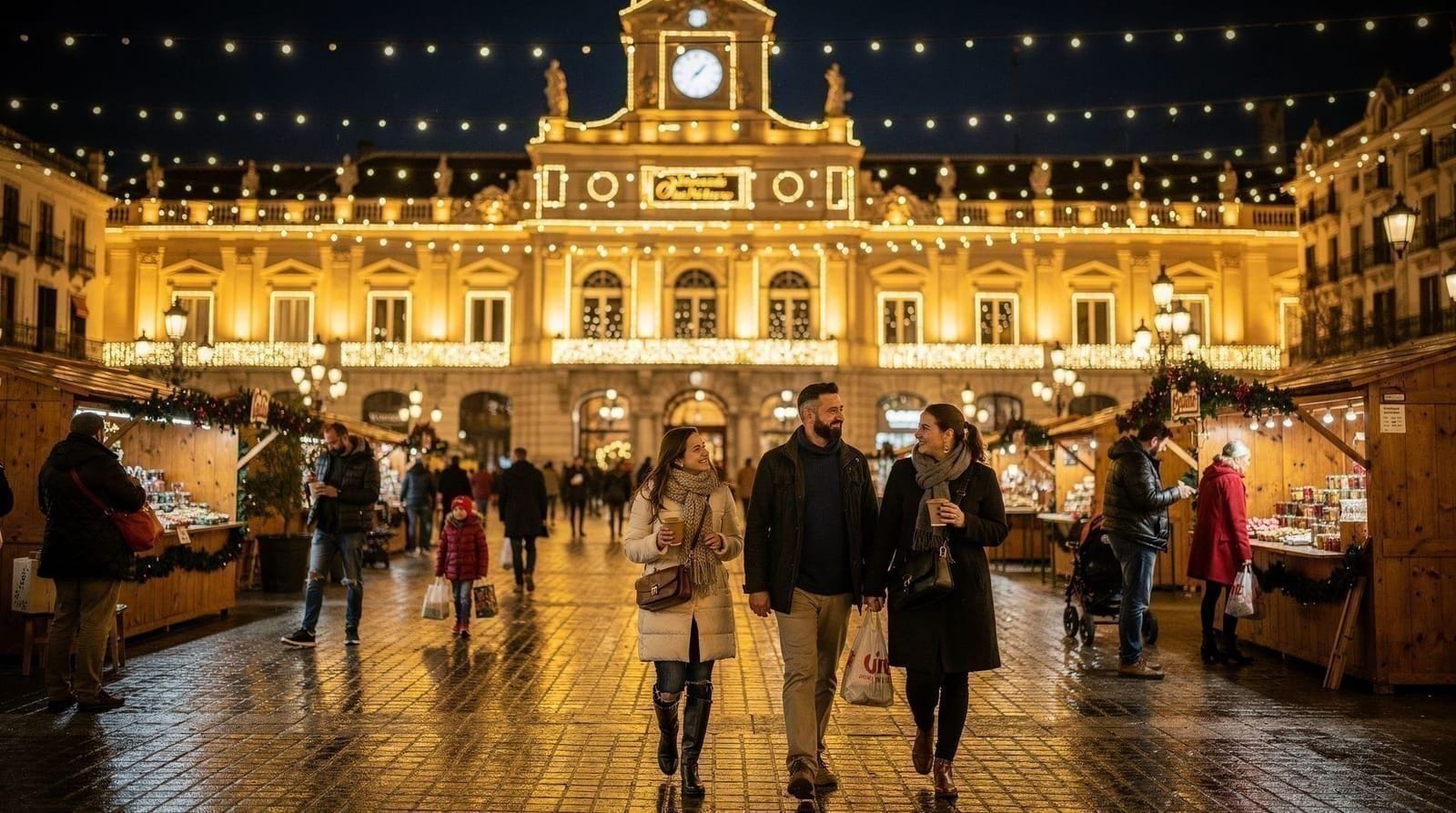
Christmas: Valencia has a genuine Christmas culture — the Christmas in Valencia guide covers the markets, the belén nativity scene tradition, and the ice rink at the City of Arts and Sciences complex.
What works: Budget city trips. Cultural visits. Quiet evenings in warm bars.
Winter is also the season to lean on the museums, the Fine Arts Museum and the covered food halls such as the central market. The winter guide and the budget guide show how far a low-season trip stretches, and the spring guide is the natural next read if you are weighing March against April.
Summary table
| Month | Beach? | Crowds | Price | Event anchor |
|---|---|---|---|---|
| Jan–Feb | No | Very low | Lowest | — |
| March | No | Low→extreme | Low→high | Las Fallas |
| April | Cold | Low | Low | Easter |
| May | Cold-ish | Medium | Medium | — |
| June | Yes | Medium-high | High | Gran Fira |
| July | Yes | High | High | FIB |
| August | Yes | High coast | High | La Tomatina |
| September | Yes | Medium→low | Medium→lower | — |
| October | Cool | Low | Low | Comunitat |
| Nov–Dec | No | Very low | Lowest | Christmas |
Which month fits your trip style
Beach-first travellers should target June through September, accepting that July and August bring both the warmest sea and the biggest crowds south of the Albufera. September is the sweet spot — still swimmable, noticeably calmer.
City-and-culture travellers who don’t need to swim do best in the shoulder and winter months. January, February and November combine the lowest prices with a fully functioning restaurant and museum scene, and the best neighbourhoods guide is worth reading before booking a winter stay, since some areas are livelier than others when the terraces empty out.
Festival travellers have two hard dates to plan around: Las Fallas (1–19 March, peaking 15–19) and La Tomatina (last Wednesday of August). Both require booking accommodation and, for Tomatina, tickets, months in advance — see the Fallas first-timer guide if that’s the trip you’re planning. Neither is a spontaneous, walk-up experience.
Value-focused travellers get the best combination of low prices and decent weather in late April, May, or late September into October — after the spring rain settles and before or after the summer price spike.