Port of Valencia and Marina Real Juan Carlos I
Guide to Valencia's port and marina — catamaran departures, the America's Cup area, kayak rentals, and what to actually do at the waterfront.
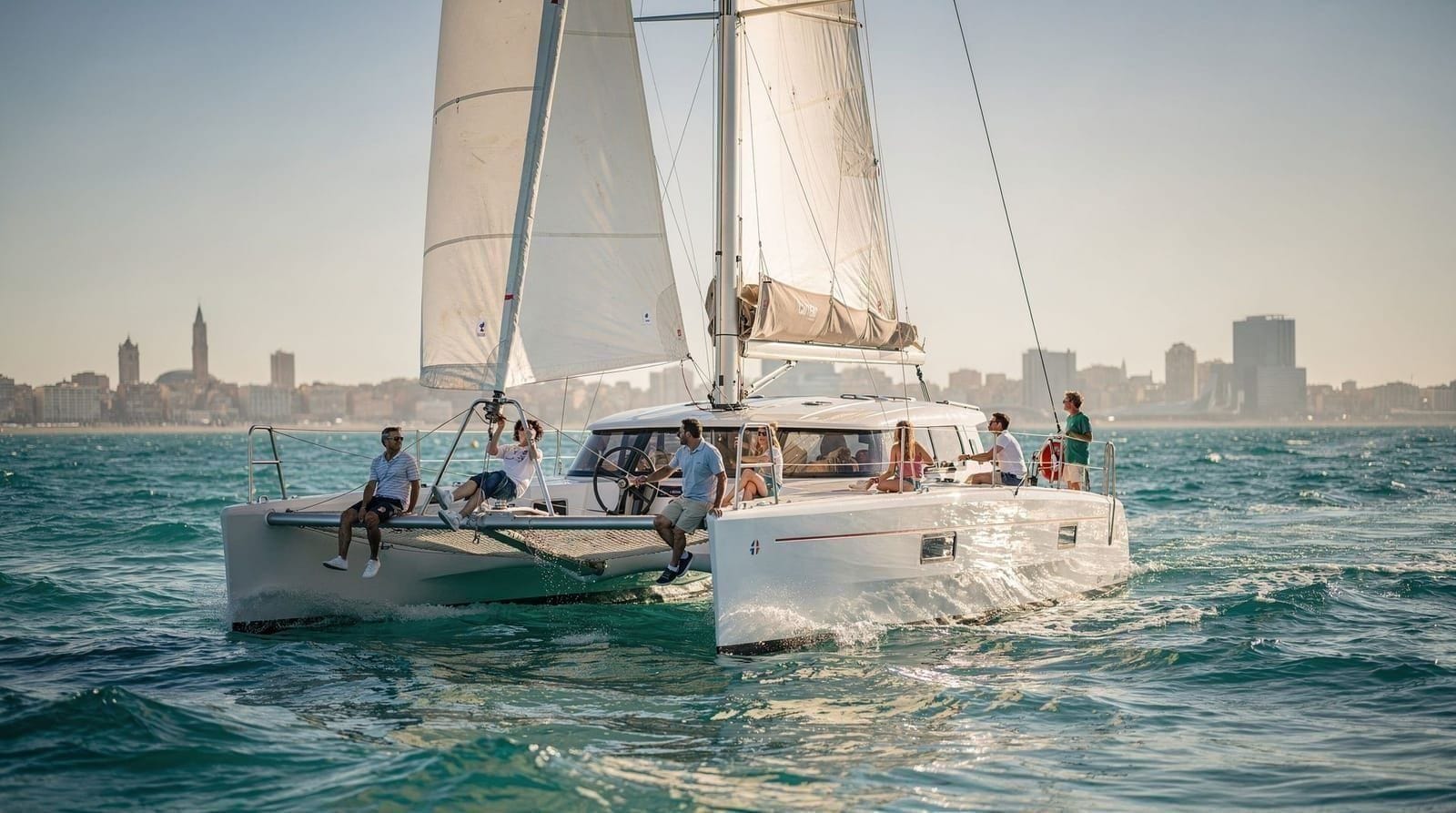
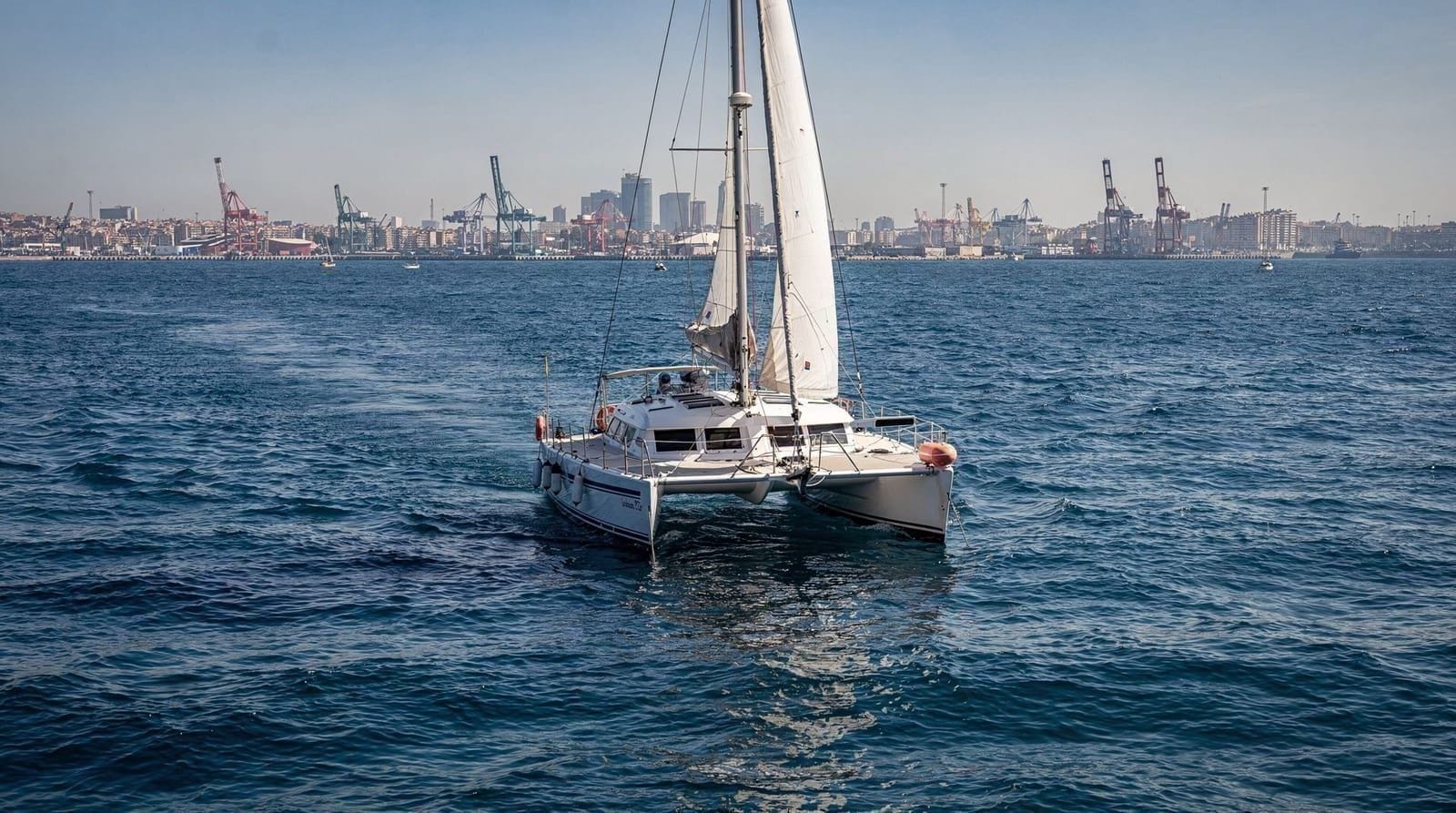
Valencia: sailing catamaran cruise with sunset option and DJ
Duration: 1-1.5 hours
Quick facts
- Best for
- Sailing, catamaran trips, waterfront walking
- Time needed
- 2–3 hours, or a sailing departure
- Getting there
- Tram L8 to Marina, or bus 4/95 from city
- Don't miss
- Sunset catamaran from the marina; the America's Cup venue architecture
Valencia’s port and marina district is the area that was transformed for the 2007 America’s Cup. The Port de Valencia itself is one of the largest commercial ports in the Mediterranean — industrial and not particularly attractive. But the Marina Real Juan Carlos I, built specifically for the America’s Cup sailing teams, is a different zone: clean modern maritime architecture, yacht berths, and the departure point for most of Valencia’s catamaran and sailing tours.
| Where | Southern end of the beachfront, between Malvarrosa and El Saler |
| Cost to visit | Free to walk; boat tours from around €10–40/person |
| Time needed | 2–3 hours, or half a day with a sailing departure |
| Getting there | Tram L8 to Marina, or bus 4/95 from the city |
| Best time | Late afternoon for sunset departures; summer for swim-stop tours |
The marina area
The Marina Real is a purpose-built complex of team buildings (now converted to offices, restaurants, and event spaces), yacht berths, and a public promenade. The architecture is clean but corporate — white and steel, functional rather than charming. The value is practical: the marina is where the catamaran tours depart, where kayaks are rented, and where you can watch sailing activity if it happens to be scheduled.
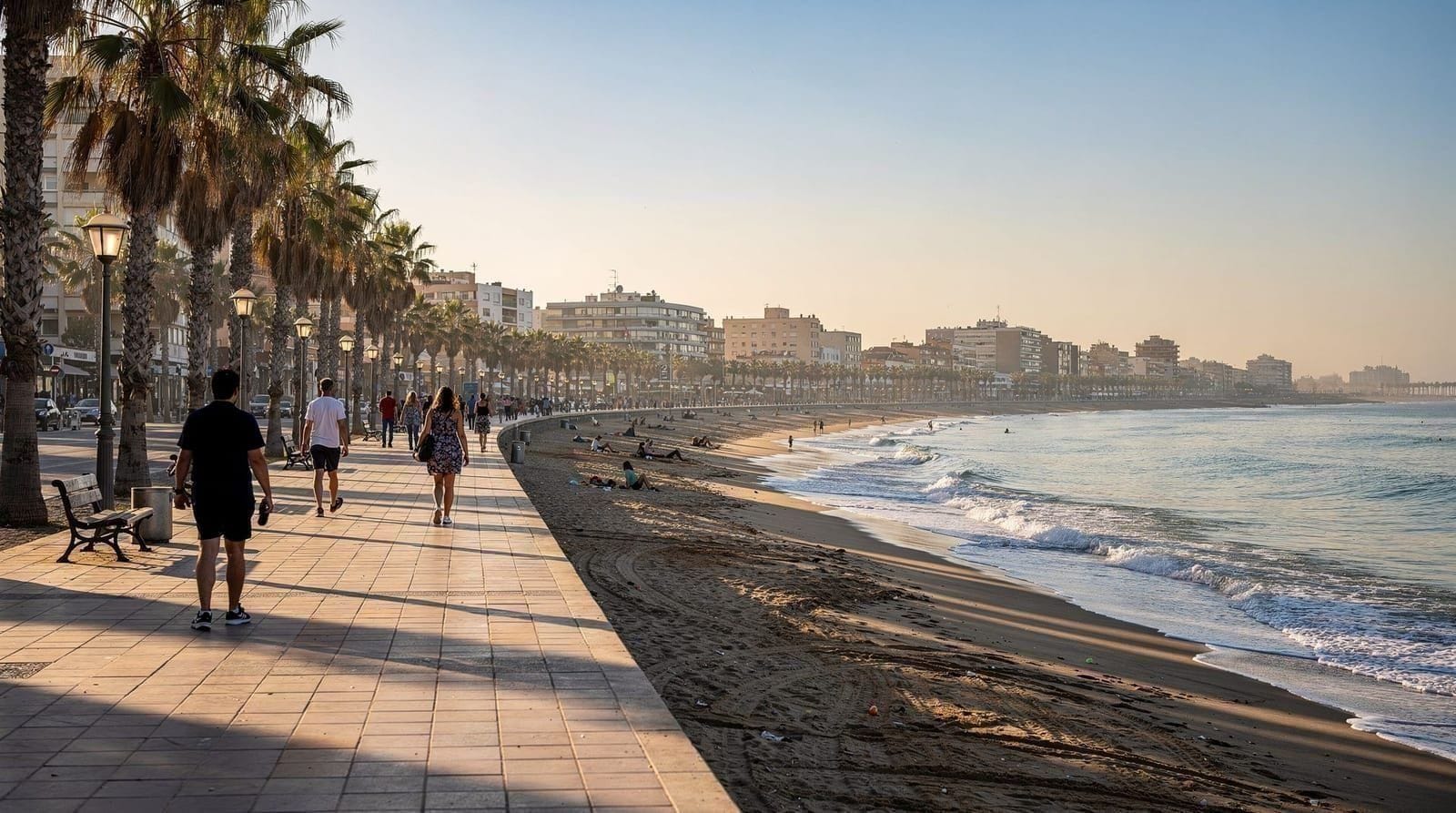
The promenade south of the marina connects to the southern end of the Malvarrosa beachfront and continues toward El Saler. Walking or cycling this stretch at dusk, with the marina lights reflecting on the water, is one of the more pleasant underrated activities from Valencia’s seafront.
Catamaran and sailing tours
Catamaran and sailing tours departing from Valencia’s marina are among the most popular water activities in the city. Options range from 50-minute sunset cruises to full-day sailing excursions.
Sunset catamaran (50 min–1.5 hours): the most popular option. Typically includes drinks (beer, soft drinks, sometimes sangria); some operators add DJ music. Pricing: €25–40 per person depending on operator and duration. Departs late afternoon.
Catamaran with swim stop: similar duration, includes a stop offshore for swimming. Good option in June–September when water is warm (24–27 °C).
Motor catamaran: faster and more stable in choppy conditions; slightly less atmospheric but practical for anyone prone to seasickness.
Sailing catamaran cruise with sunset option and DJ — Valencia’s most popular boat tour.
Kayak and watersports
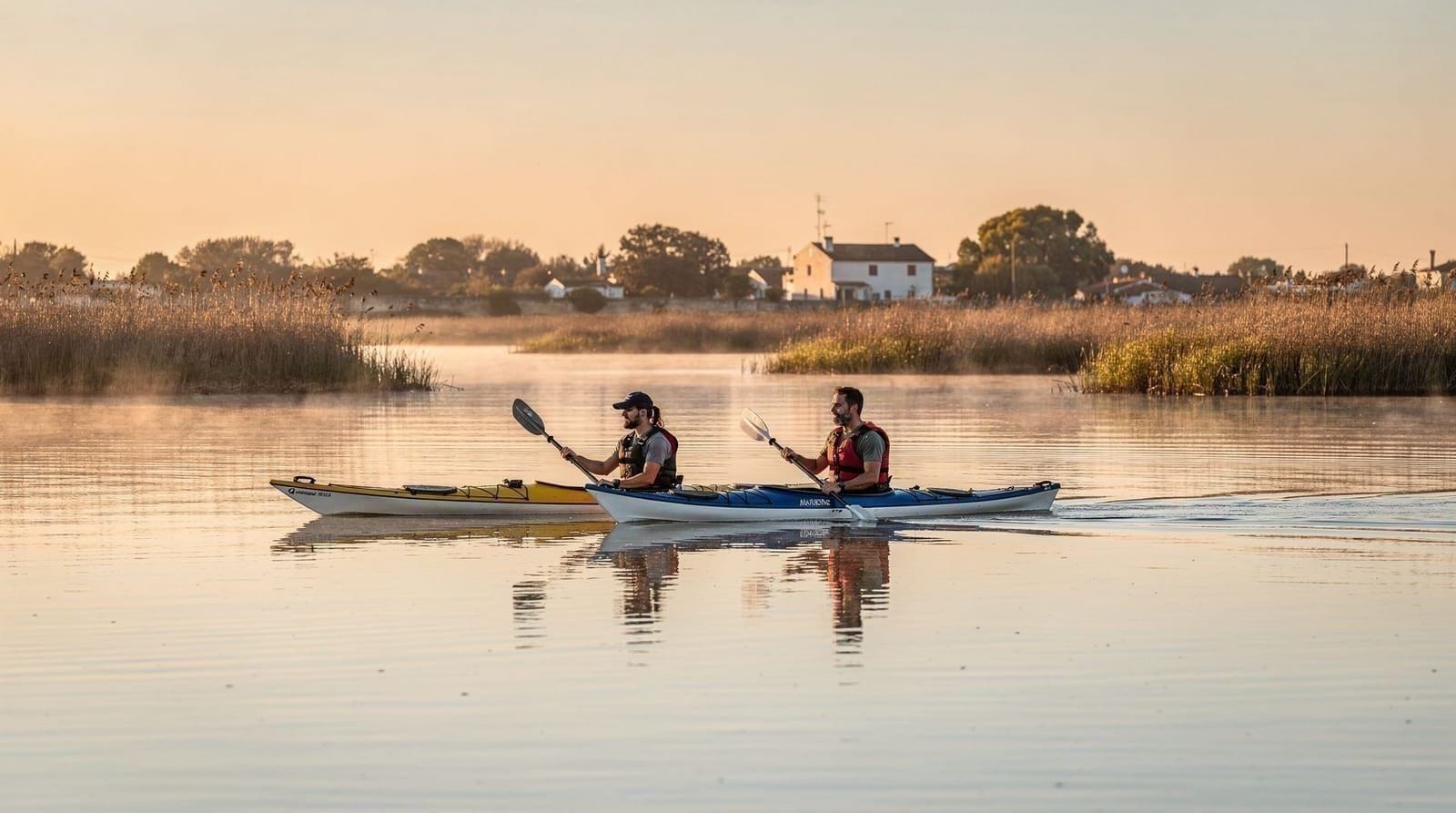
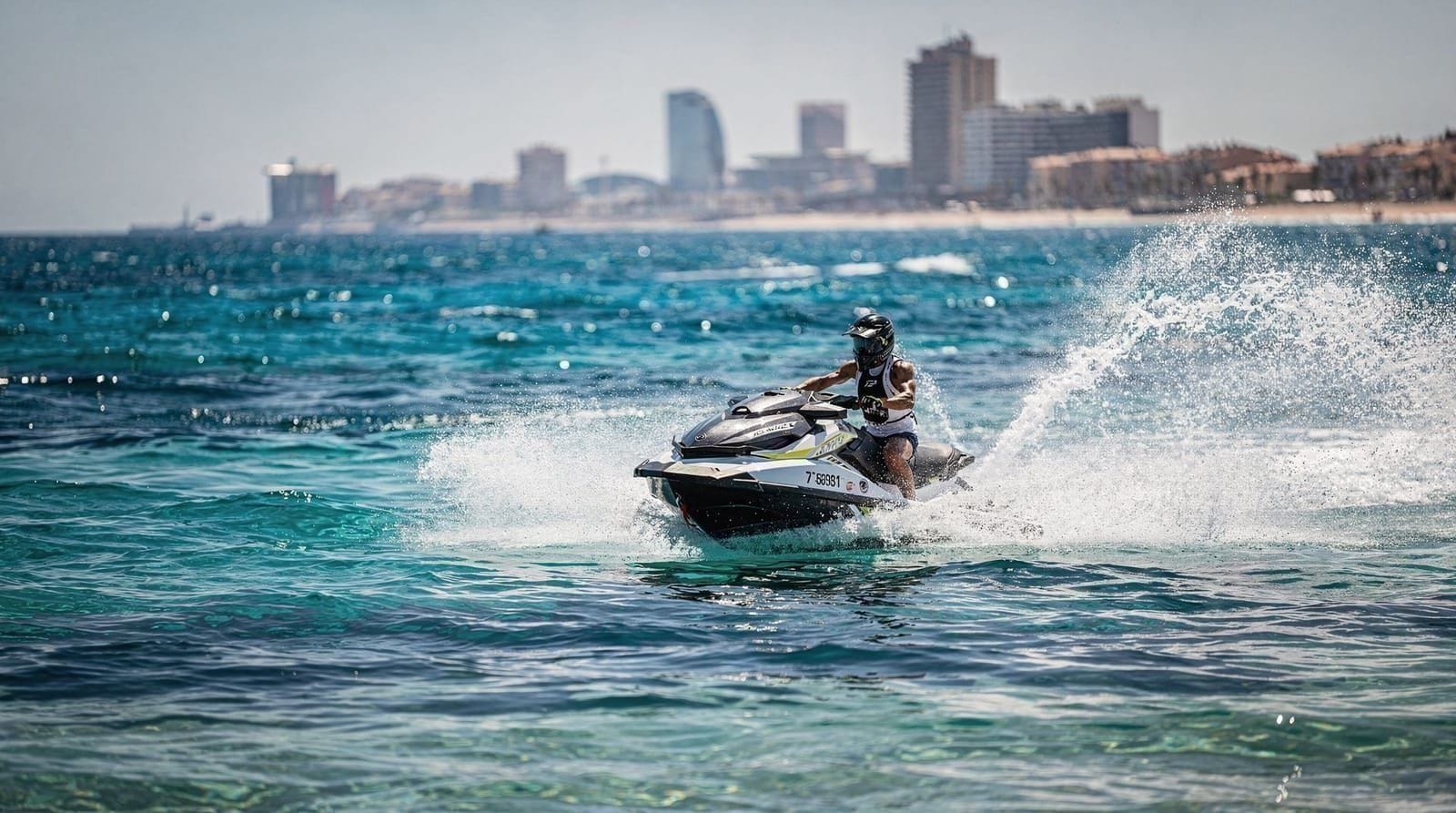
Several operators in the marina offer kayak rentals by the hour (€10–15), paddleboard rentals, and guided kayak tours of the coast south toward El Saler. The protected marina water is good for beginners. Jet ski excursions depart from the marina for 30–60 minute sessions (€50–80 per excursion), usually with a short safety briefing and a licensed guide leading the group in a loose flotilla along the coast — no boating licence is required for these guided sessions.
Kayak rental at Valencia marina — single and double kayaks, no experience needed.
Guided jet ski excursion from Valencia marina — no licence required, safety briefing included.
Choosing between the boat options
The marina offers several distinct ways to get on the water, and they suit different travellers. This is a rough comparison to help decide before booking:
| Activity | Duration | Typical price | Best for |
|---|---|---|---|
| Sunset catamaran | 50 min–1.5 hrs | €25–40 | Couples, relaxed groups, photos |
| Catamaran with swim stop | ~1.5 hrs | €30–45 | Summer visitors wanting to swim offshore |
| Kayak rental | 1 hour+ | €10–15 | Independent paddlers, budget option |
| Jet ski excursion | 30–60 min | €50–80 | Adrenaline seekers, small groups |
| Motor catamaran | ~1 hour | €25–35 | Anyone prone to seasickness |
None of these require prior experience, and all depart from within a few minutes’ walk of each other inside the marina.
Eating in the port area
The marina restaurants are generally more expensive and less interesting than those in Malvarrosa or Russafa. La Marina (inside the America’s Cup building complex) has a good terrace but prices are 20–30% higher than the city average. For a pre-sailing drink and a tapa, it is fine; for a full meal, return to the city or head north to La Pepica on the Malvarrosa promenade.
Getting there
Tram L8: the Marina stop is between the Eugènia Viñes (Malvarrosa) and the southern tram terminus. From Pont de Fusta: 15 minutes.
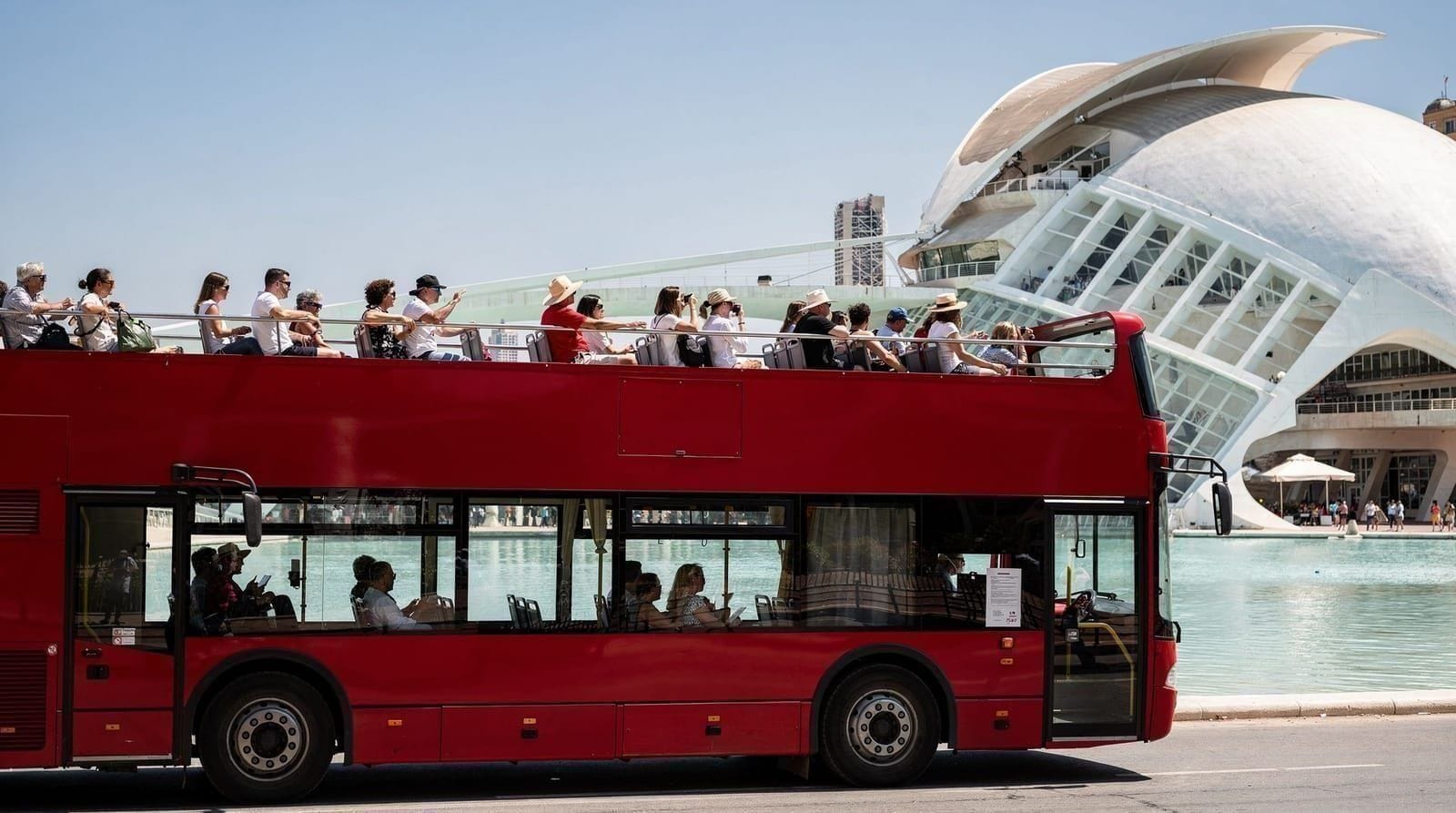
Hop-on hop-off bus: the maritime route of the tourist bus stops at the marina — a practical way to combine a city tour with seeing the port area. See the hop-on hop-off guide.
Bike: the beachfront cycling path connects the marina to Malvarrosa in 5 minutes and to the old town in 20 minutes.
The America’s Cup legacy
The 2007 America’s Cup was the catalyst for the entire marina development. Valencia was awarded the hosting rights in 2003, and the subsequent investment in port infrastructure, the marina buildings, and the surrounding area transformed a working port perimeter into a recreational waterfront.
The team buildings — long, white, numbered structures along the dock — were used as bases by the competing syndicates (Alinghi, Team New Zealand, BMW Oracle, Luna Rossa, etc.). Today they function as offices, creative industry spaces, restaurants, and event venues. The architecture is functional modernism with marine design references — not particularly beautiful but of historical interest for sailing enthusiasts.
The Real Club Náutico de Valencia (the yacht club at the southern end of the marina) predates the America’s Cup and is the traditional centre of Valencia’s sailing community. Membership is required for most of its facilities, but the adjacent waterfront is public.
Port of Valencia (commercial port)
The commercial port, immediately south of the marina, is one of the five largest container ports in the Mediterranean. It is not accessible to visitors, but the scale is impressive from the perimeter road — massive container cranes, roll-on/roll-off car transport vessels, and the constant low-frequency vibration of a major industrial operation.
The contrast between the pleasure-boat marina and the industrial port 500 m away is a Valencia specific. The city’s relationship with the sea is simultaneously commercial (the port has operated continuously since the Roman period), recreational (the beaches, the sailing), and historical (the port’s role in the Silk Road trade, commemorated at the Llotja de la Seda in the old town). See the silk route guide for the historical context.
Evening at the marina
In summer (June–September), the marina area has a different texture in the evening: tour boats return, sailing crews debrief on their boats’ decks, the waterfront restaurants fill from 21:00. The combination of the late sunset (21:30–22:00 in midsummer), the water reflecting the dock lights, and the relative quiet of this area compared to the old town makes it a worthwhile evening destination.
From the marina, the walking route south along the jetty gives views of the sea from a position rarely accessible on foot in Valencia — a pier that extends 200 m offshore from the usual beachfront. This is free and requires nothing more than a walk through the port entrance.
See the marina guide and the full sailing and boat tours overview. For a complete picture of Valencia’s waterfront, including the Malvarrosa promenade, see the La Malvarrosa guide.
Practical tips for visiting the marina
Parking: the marina area has good on-street and structured parking options, making this the one area of central Valencia where arriving by car is reasonable if you are joining a boat tour. The structured car park on Calle Marina del Mar operates 24h.
Hop-on hop-off access: the tourist bus maritime route stops at the marina. If you are already using a hop-on hop-off ticket, the marina stop is a convenient way to begin an afternoon boat tour and then return to the old town in the evening. See the Valencia hop-on hop-off review.
Combining with a beach day: the marina is immediately adjacent to the Port Saplaya boat launch area and the beach cycling path. A morning at the marina (coffee, walk, catamaran booking) combined with an afternoon at Malvarrosa (5 minutes’ tram or bike ride) is a natural full-day combination.
Tour booking advice: catamaran tours sell out on summer weekends. Book 2–3 days in advance for Friday or Saturday departure slots. Weekday tours rarely sell out and often have smaller groups — a better experience at the same price.
For context on all water activities from Valencia, including the Albufera boat tours that depart from a different part of the region, see the boat tours overview.
Planning a day around the water
The marina works best as one block in a longer day rather than as a destination on its own. Most visitors fold it into a seafront itinerary: a late breakfast near the beach, a walk or ride along the waterfront, then a boat departure in the afternoon. The ready-made beaches and city itinerary follows that logic, and the Valencia in one day plan shows how little time you can give the seafront while still seeing the old town.
If you are choosing between activities, read the dedicated guides before booking. The kayak and paddle guide explains what to expect on the water, the jet ski guide covers the guided format in more detail, and the sailing catamaran guide compares the departures. For a wider view, the boat tours overview places the marina next to the Albufera options.
Season changes the experience more than most visitors expect. In the warm months the swim-stop tours and the late sunsets make the marina lively; outside them it is calmer, the light is softer, and the boats that do run are often quieter. The Valencia in summer guide and the best time to visit page help you decide when the waterfront suits your plans, and the beach season guide covers the sand side of the same trip.
Getting around the waterfront
You do not need a car to make the most of this stretch. The metro, tram and bus guide explains how the public network reaches the seafront, and the Valenbisi guide is useful if you prefer to cycle down from the centre. The Turia by bike route is a pleasant way to reach the coast from the old town, and the broader cycling guide covers the rest of the city.
Photographers will find the marina rewarding at the end of the day, when the white team buildings and the masts pick up the low light. The photography tours guide is worth a look if you want a structured session, and the night tours guide suggests ways to stay out after dark. Travellers heading further south afterwards can continue to El Saler and La Devesa, while the Valencia city page gives the overall picture of how the waterfront connects to everything else.
Is the marina worth a special trip?
On its own, the marina is a modest attraction — a pleasant but corporate waterfront that most visitors would not cross the city for. Its real value is functional: it is where you go to actually get on the water, and Valencia’s beach-facing city rarely gives you a reason to do that otherwise. If sailing, kayaking or a sunset catamaran interests you, the marina earns its place on the itinerary; if not, a walk-through on the way between Malvarrosa and the City of Arts and Sciences is enough.
Compared with a day at La Malvarrosa, where the appeal is the beach itself, the marina is about the activity, not the setting. Pair the two: a morning swim at Malvarrosa, then an afternoon or evening boat departure from the marina five minutes away.
Frequently asked questions about Valencia’s port and marina
Do I need to book a catamaran tour in advance?
For weekday departures, walk-up booking or booking the same morning usually works. For Friday and Saturday evening sunset slots in June–September, book 2–3 days ahead — these sell out, especially the DJ sunset option.
Is the marina area safe to walk at night?
Yes. It is well lit, patrolled, and busy with restaurant traffic until late in summer. The walk back toward Malvarrosa along the beachfront path is also safe and pleasant after dark.
Can I combine the marina with a Malvarrosa beach day?
Easily — the two are 5 minutes apart by tram or bike. A common pattern is beach in the morning, lunch, then a late-afternoon or sunset boat tour from the marina.
Top experiences
Bookable activities with verified prices and instant confirmation on GetYourGuide.