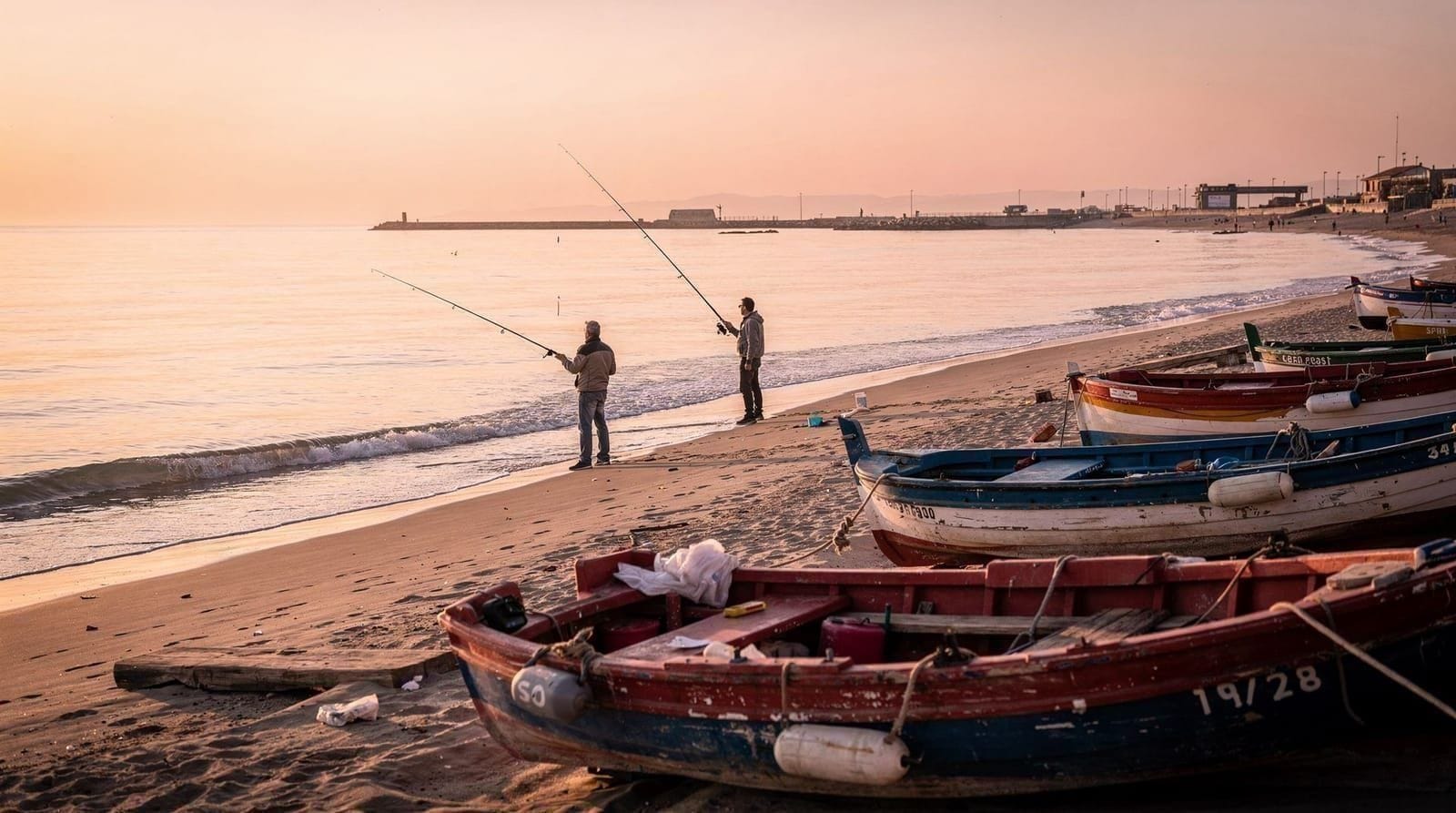
Marina Valencia and the America's Cup: what remains and what to do
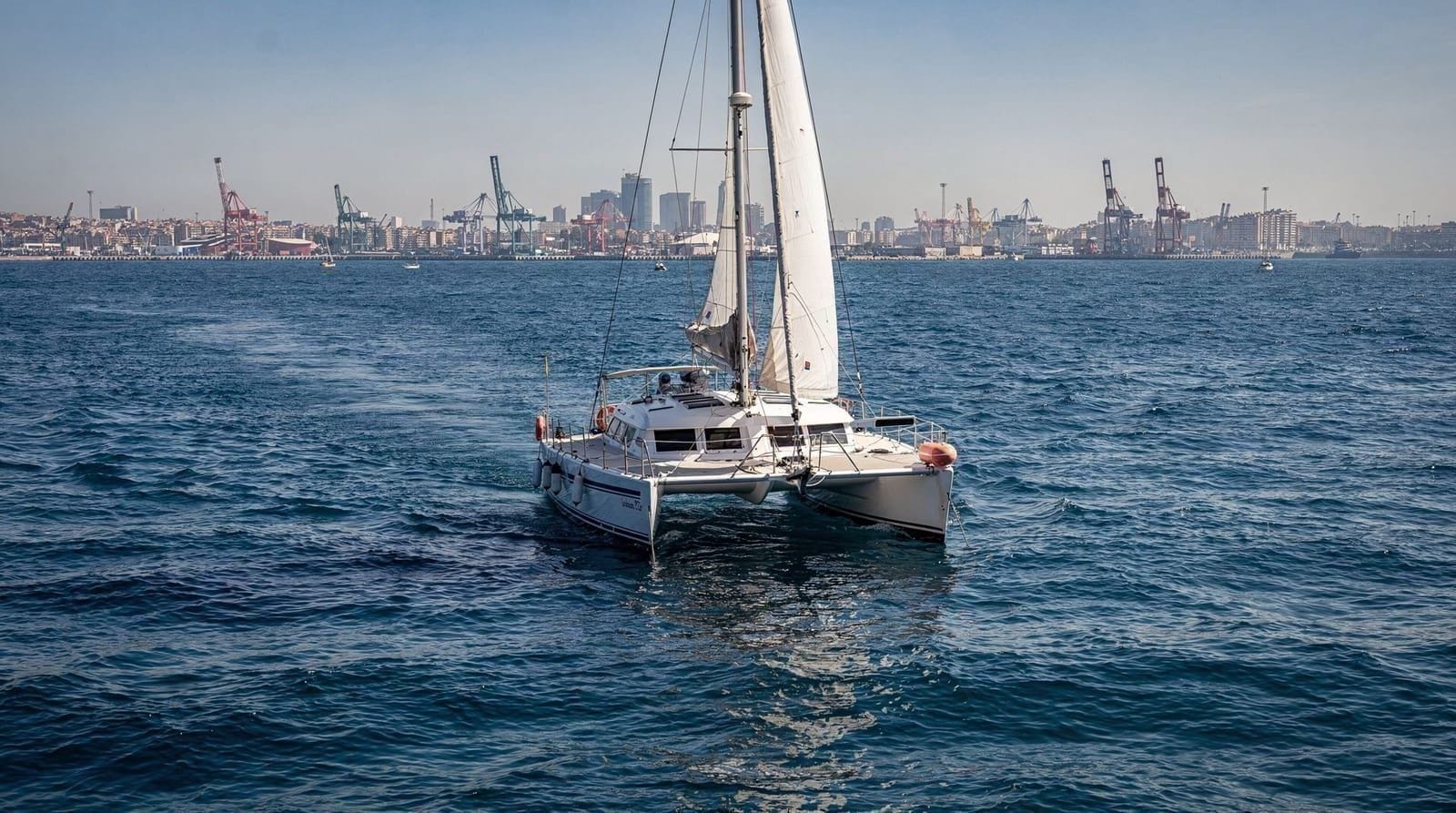
Valencia: sailing catamaran cruise with sunset option and DJ
Duration: 1-1.5 hours
What is the America's Cup marina in Valencia?
The Marina de Valencia was built for the 32nd and 33rd America's Cup (2007 and 2010). The infrastructure remains fully operational as a marina, event space, and water sports hub. The landmark Veles e Vents building by David Chipperfield is the most visible legacy. Today the marina is the departure point for catamaran tours, kayak rentals, and jet ski excursions.
The America’s Cup came to Valencia twice — 2007 and 2010 — in circumstances that transformed a working port into one of Spain’s most architecturally significant marina complexes. The sailing event itself is now a memory, but the infrastructure it created continues to shape how Valencia relates to its waterfront. Today the marina is home to several hundred boats, a concentration of water sports operators, and a handful of genuinely interesting buildings surrounded by a larger number of underused ones.
| Where | Port/Marina district, ~3 km south of the historic centre |
| Cost | Free to walk; catamaran/kayak/jet ski tours from around €25–60 |
| Time needed | 45–60 min walking circuit, or a full day combined with the beach |
| Getting there | Tram T4 to Marina, or metro 4/6 to Neptú + 20 min walk |
| Best time | Late afternoon into sunset, for Veles e Vents light and catamaran departures |
The America’s Cup in Valencia: a brief history
The 32nd America’s Cup was awarded to Valencia in 2003 when Alinghi (Switzerland) won the previous edition and chose Valencia as the venue — unusual because Alinghi’s host country is landlocked. The choice reflected the quality of Valencia’s sailing conditions and the Spanish government’s investment package.
The preparations involved significant transformation of Valencia’s southern port: new marina infrastructure, the demolition of industrial port areas, and the commissioning of major architectural projects. The most significant architectural addition was the Veles e Vents complex designed by David Chipperfield and Fermín Vázquez, built as the official America’s Cup building and press centre.
Valencia hosted:
- 32nd America’s Cup (2007): Alinghi vs Emirates Team New Zealand. Alinghi retained the cup.
- 33rd America’s Cup (2010): In unusual legal circumstances (a deed of gift match rather than a full regatta), BMW Oracle Racing defeated Alinghi. The cup left Valencia.
The post-Cup period was difficult. The €2 billion in infrastructure investment was not matched by sustained economic return. Several purpose-built buildings sat underused for years. The wider port area took a decade to find coherent redevelopment purpose.
By 2026, the marina has stabilised as a functioning mixed-use area: working marina, water sports hub, restaurant and event space, and one of the few places in Valencia where you can watch large sailing vessels in their element.
Veles e Vents
Veles e Vents (Sails and Winds) is the definitive building of the Americas Cup legacy — a four-storey structure of interlocking terraces and sail-inspired horizontal planes designed by David Chipperfield Architects and Fermín Vázquez Estudio. The building sits at the marina breakwater and is visible from the sea as you approach by boat.
The structure is one of Spain’s most discussed works of contemporary architecture. The horizontal stacking of terraces, each cantilevered over the one below, creates a form that acknowledges sailing without pastiche. The building is genuinely worth looking at.
Practical visitor access: The building has functioned variously as event space, restaurant, and office. Current use varies — check before visiting if you want interior access, as tenant configuration changes. The exterior is always accessible; the roof terrace offers the best elevated views over the marina.
Getting to the Marina de Valencia
The marina is in the Port/Marina district, approximately 3 km south of the historic city centre.
By metro/tram: Tram line T4 to Marina stop is the most direct connection. This tram leaves from Palau de la Música on the Turia Gardens/seafront boundary and follows the coast south. Alternatively, metro lines 4 or 6 to Neptú, then walk south 20–25 minutes along the promenade.
By bike: The seafront cycle path from Malvarrosa south to the marina is flat and direct. From Eugenia Viñes metro area: approximately 20 minutes cycling.
By car: Paid parking is available at the Port of Valencia. Access from Avenida del Puerto. Note that the port area is large and specific pier numbers matter for water sports tours — confirm your departure point at booking.
On foot from El Cabanyal: The marina is 20–25 minutes south of El Cabanyal along the promenade. This walk passes La Marina beach and gives good views of the breakwater approach.
Water sports from the marina
The marina is the departure point for most Valencia-based sea excursions:
Catamaran sailing tours: The most popular marina activity. Sunset and daytime cruises depart from various piers. See the sailing catamaran guide for operator comparison.
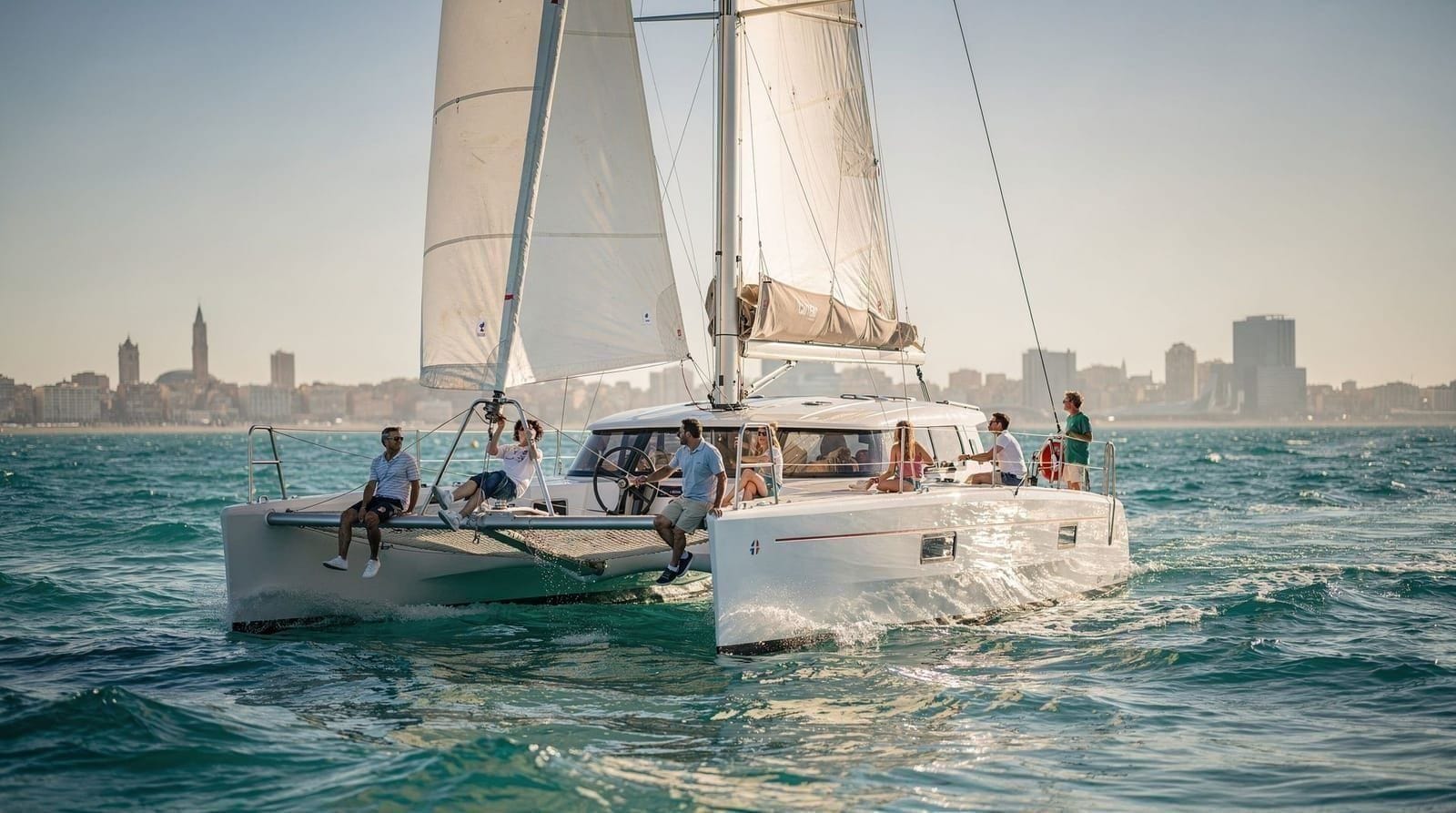 sailing catamaran cruise with sunset option and DJCheck availability
Kayak rental: Self-guided kayaks available for coastal exploration. The marina provides wind and swell shelter for the departure, making the initial paddle calm before you round the breakwater.
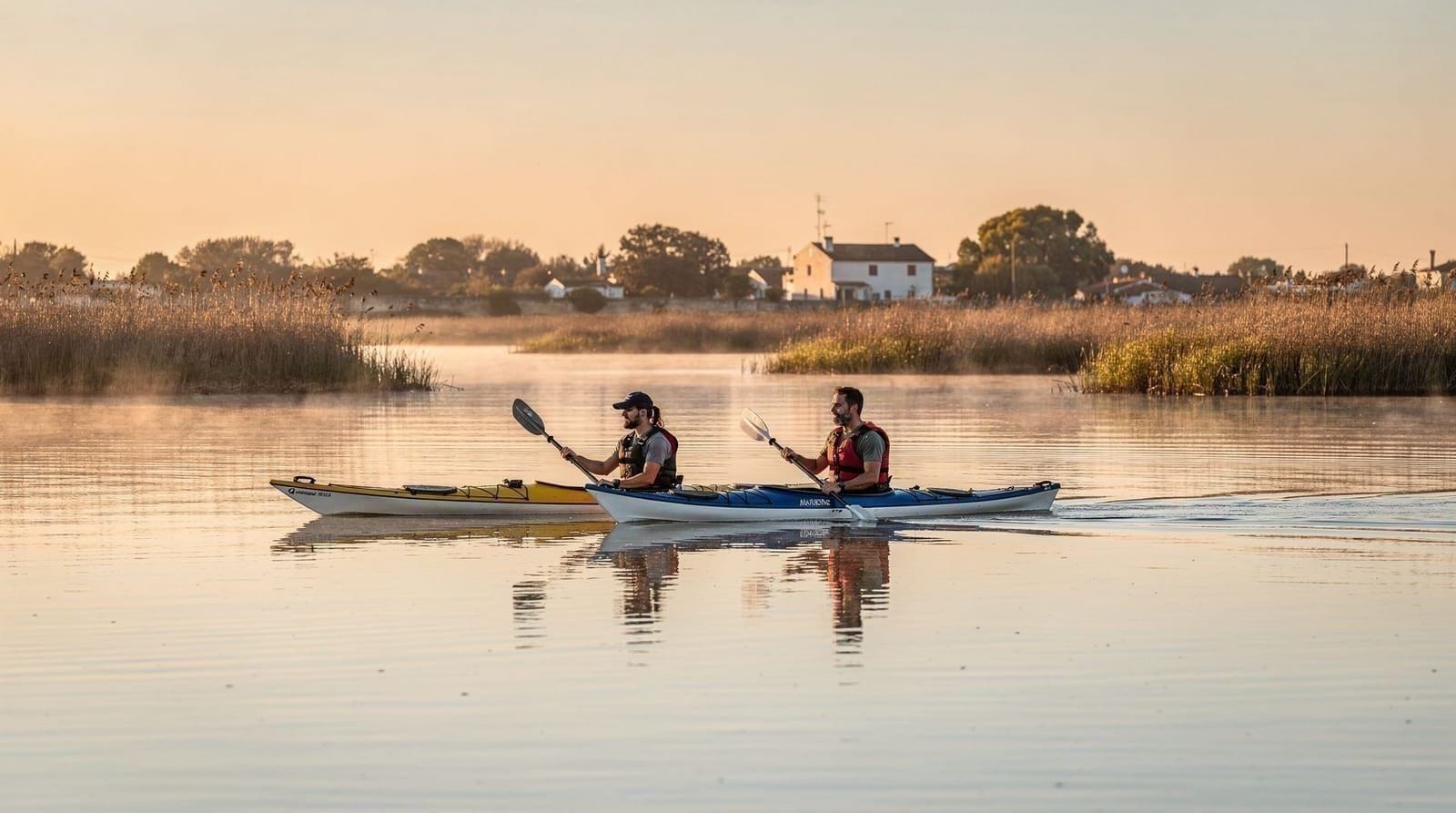 kayak rental at the marinaCheck availability
Jet ski excursions: Multiple operators run guided jet ski tours from the marina. See the jet ski guide for current options.
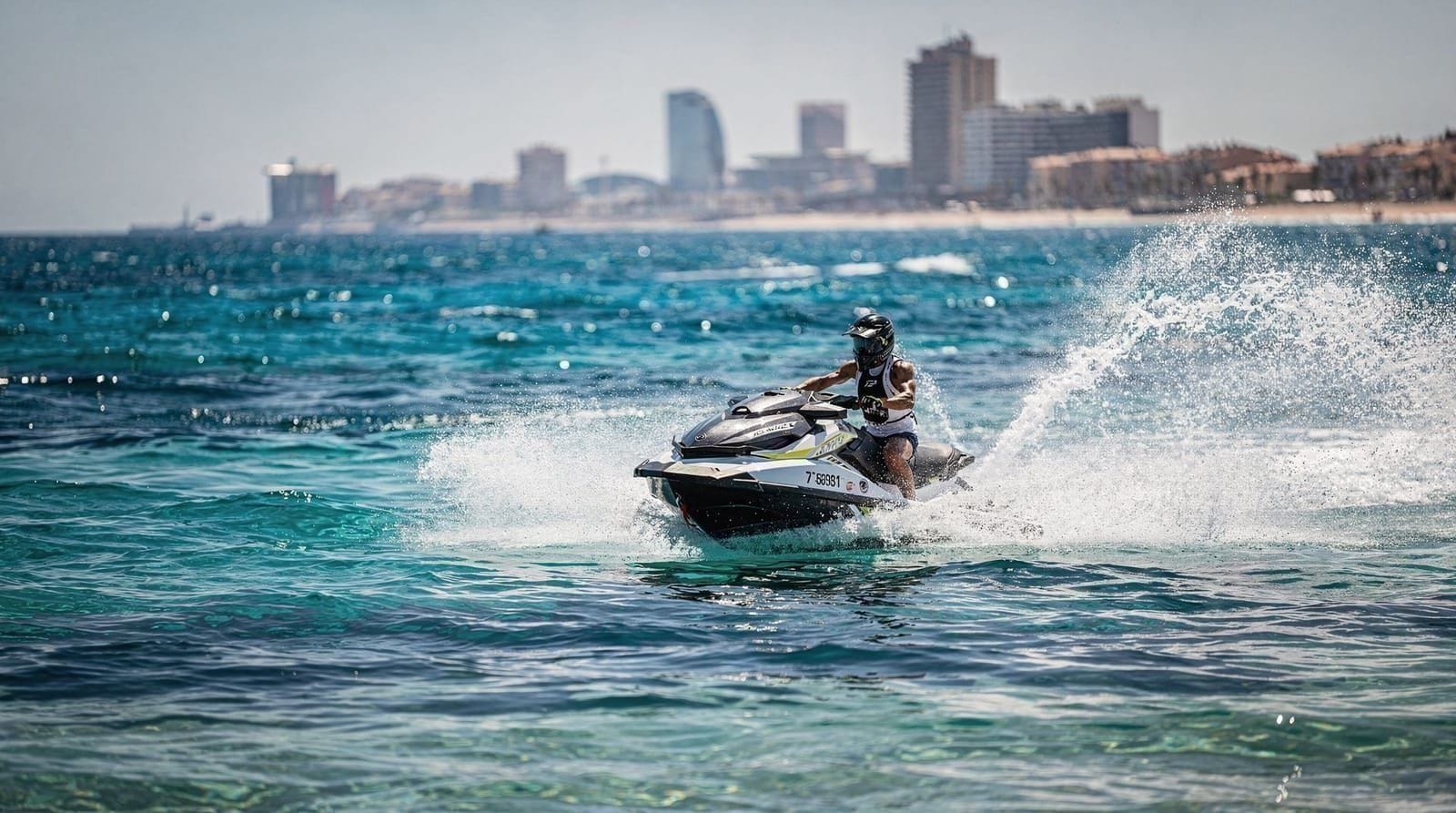 jet ski — best water experienceCheck availability
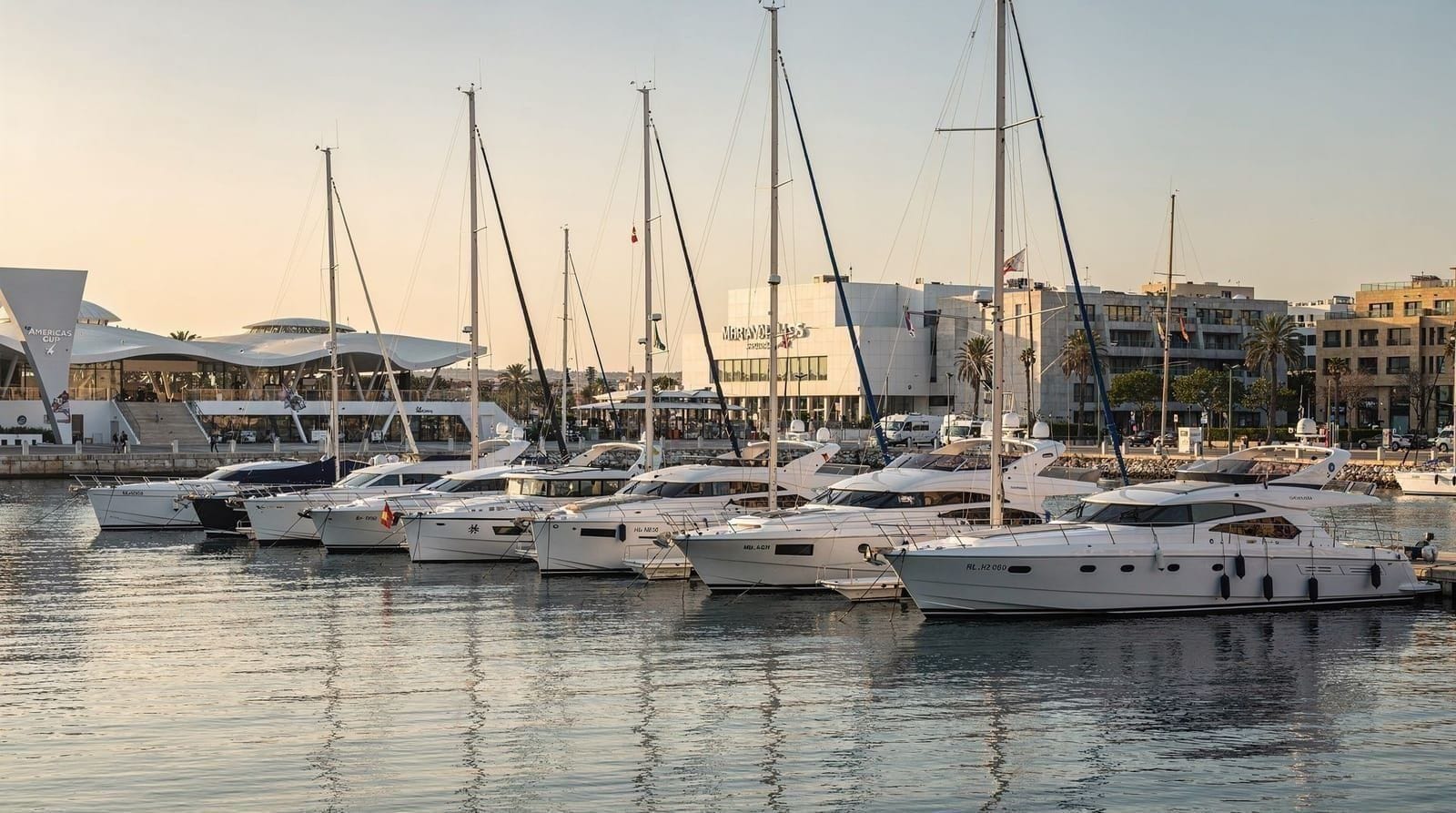 private shore excursion (4 hours)Check availability
Motor catamaran sunset: For those preferring a motorised vessel over a sailing catamaran — same sunset route and timing.
sunset cruise on a motor catamaranCheck availability
Walking the marina area
A circuit of the marina on foot takes approximately 45–60 minutes and covers the most significant elements:
Dàrsena interior: The main marina basin holds working and leisure vessels. The scale is significant — it was designed for America’s Cup support fleets. Current use is dominated by private and charter sailing vessels.
Veles e Vents: Walk around the building exterior. Approach from the waterside for the full architectural effect of the cantilevered terraces. The surrounding public space has been improved since the original Cup installation.
Espigó Nord (North Breakwater): The northern breakwater arm offers views back toward the city skyline and Malvarrosa from the seaward direction. This is the view you see from catamarans departing the marina.
El Tinglado: A converted warehouse area within the marina complex that hosts restaurants and bars. The conversion has been partial and some sections remain underused. The restaurants open onto the marina basin and are best as an early evening option before a sunset catamaran departure.
Restaurants at the marina
The marina area has several restaurants, quality ranging from good to mediocre:
Marina-facing options: The restaurants along the marina basin docks are reliable for a pre-excursion meal or post-tour drink. Prices are marina-adjacent (a premium over the neighbourhood norm). Seafood and rice dishes are the standard offering.
Honest note: The marina restaurant scene has not reached the quality of equivalent marina-front areas in Barcelona or Palma. Several options feel transient or underinvested. For a reliable dinner before an evening catamaran, order from the fixed menu options rather than a la carte; the cooking is more consistent.
Better dining nearby: The genuine Valencian restaurant scene is not in the marina. For food that reflects the region, go to El Cabanyal neighbourhood restaurants (20 minutes north on foot) or the Russafa neighbourhood (20 minutes north and west by bike).
The Horta experience: from port to natural park
One of the more interesting contrasts available to Valencia visitors: the marina is 4–5 km from La Malvarrosa, which is itself a few kilometres from El Saler and the Albufera Natural Park. By sea, a catamaran travels from the industrial-turned-leisure marina past urban beach past natural dunes in 30–45 minutes. The transition from America’s Cup infrastructure to UNESCO-adjacent wetland is faster than most visitors expect.
Practical information
Getting there: Tram T4 to Marina, or metro 4/6 to Neptú + 20 min walk south.
Opening hours: The marina is publicly accessible 24 hours. Individual business hours vary.
Water sports bookings: Via GYG for most tour operators. Confirm meeting pier at booking — the marina has multiple numbered piers.
Architecture highlight: Veles e Vents (David Chipperfield). Best exterior view from the seaward side.
Frequently asked questions about Valencia’s marina
Can visitors enter the marina basin without a boat?
Yes. The public areas around the marina basin are freely accessible on foot. The actual dock sections may have limited access depending on security level that day, but the full exterior circuit and Veles e Vents area are public.
Is the America’s Cup legacy visible beyond the buildings?
Mostly no. The racing infrastructure was temporary. The permanent legacy is the marina basin scale, Veles e Vents, and the waterfront promenade development. If you are specifically interested in the Cup history, the Museu de la Ciència Príncipe Felipe has had temporary exhibitions on the topic.
Is the marina area safe at night?
Yes. The marina area is active until late in summer, particularly around the restaurant and bar strip. Standard urban precautions apply; the marina itself is well-lit and patrolled.
Where exactly do the catamaran tours depart?
Different operators use different piers within the marina. This information is provided in your booking confirmation. Most are in the northern or central marina basin. Allow extra time to locate the correct pier on your first visit.
The Valencia marina in numbers
Some context on the scale of the infrastructure:
- Marina basin capacity: Approximately 650 berths
- Total investment for America’s Cup preparation: Estimated €2–2.5 billion (public and private combined, 2003–2010 period)
- Veles e Vents building floor area: 8,000 m²
- Marina breakwater length: Approximately 900 metres
- Port of Valencia ranking: Second-largest commercial port in Spain (after Barcelona) by container throughput
The marina’s scale, built for an event that required support fleets, safety vessels, press infrastructure, and corporate hospitality for the world’s highest-budget sailing race, is why the facilities remain exceptional more than 15 years after the cup left.
Veles e Vents: the architecture in detail
The Veles e Vents building warrants more attention than a passing mention. David Chipperfield Architects, the London-based practice led by David Chipperfield (knighted 2004, awarded the Pritzker Prize 2023), designed the building with local architect Fermín Vázquez. It is one of Chipperfield’s most formally inventive works.
The building consists of four horizontal slabs of concrete, each slightly offset from the one below, creating a stepped profile when viewed from the side. The cantilevers extend significantly beyond the support columns, creating deep shade on the terrace levels below. From the seaward side, the building reads as a series of floating planes.
What makes it interesting architecturally: The building refuses the lazy maritime metaphor — it does not look like a sail or a wave or a boat. Instead it uses horizontal emphasis and weight to counterpoint the vertical masts of the marina. The whiteness reads differently from different distances and in different light conditions.
Chipperfield’s subsequent work: Following Veles e Vents, Chipperfield’s practice went on to the restoration of the Neues Museum in Berlin (completed 2009), the Turner Contemporary gallery in Margate (2011), and numerous other significant commissions. The Pritzker Prize in 2023 effectively validated the body of work of which Veles e Vents is a significant part.
The post-Cup economic reckoning
The America’s Cup investment story has been studied extensively by urban economists as a cautionary tale about major events infrastructure. The event generated significant short-term economic activity and genuinely transformed the waterfront. The problems:
Demand did not sustain: The restaurants, hotels, and retail spaces built adjacent to the marina assumed continued high-value yacht tourism and related spending. This did not materialise at projected levels.
Maintenance costs: The scale of the infrastructure required ongoing public maintenance contributions. Several buildings sat vacant for years, which created negative visual feedback.
Long-term value: By the mid-2020s, the narrative had improved. The marina established itself as a functioning facility, the waterfront promenade became a genuine public amenity, and Veles e Vents found tenant use. The overall verdict is more nuanced than either the triumphalist account during construction or the failure narrative of the mid-2010s.
The Port of Valencia relationship
The Marina de Valencia sits within the broader Port of Valencia — one of the largest commercial ports in the Mediterranean. The commercial port handles container traffic, car carriers, and passengers in a separate zone to the marina’s north and west. From the marina, the container cranes are visible on the horizon; from certain catamaran positions, the scale of the commercial operation is striking.
The Port Authority (Autoridad Portuaria de Valencia) manages the overall port complex, with the marina operated under separate concession arrangements. The relationship between the commercial port and the leisure marina is one of the more unusual juxtapositions in European waterfront development — a working industrial port immediately adjacent to a sailing event showcase.
Cultural venues in the marina area
The Museu d’Història de Valencia is not in the marina but is nearby (10-minute walk northwest) and has temporary exhibitions covering aspects of Valencia’s maritime history. Worth checking current exhibitions before visiting.
MACMA (Museo de las Artes y las Ciencias de la Medicina) is in the Cabanyal area rather than the marina directly, but the broader port district has several cultural facilities undergoing development as of 2026.
Exhibition spaces in Veles e Vents: The building has hosted temporary exhibitions from its terrace and event spaces. Programming is irregular — check the Veles e Vents website (when operational) for current exhibitions.
Night at the marina
The marina area at night in summer is pleasant. The restaurants along the basin operate until 23:00. Veles e Vents has hosted evening events including film screenings and music performances on the terrace. The promenade along the breakwater is lit and used by joggers and cyclists until late.
The marina’s proximity to the Cabanyal neighbourhood (20 min walk north) and the Russafa nightlife district (25 min by taxi) means the marina itself does not need to be the destination for an evening — it functions as a water-adjacent starting or ending point for a larger Valencia evening.
Combining the marina with a full day
A practical sequence that uses the marina as the day’s axis:
- 09:00–11:00: Kayak rental from the marina, paddle north to Malvarrosa and back.
- 11:30–13:30: Cabanyal beach — swim and relax.
- 14:00–15:30: Lunch in El Cabanyal neighbourhood.
- 16:00–17:30: Walk south along the promenade back to the marina. Visit Veles e Vents exterior.
- 18:30–20:00: Sunset catamaran tour.
This circuit combines active water time, beach time, neighbourhood culture, architecture, and the catamaran sunset in a single day reachable entirely without a car.
Top experiences
Bookable activities with verified prices and instant confirmation on GetYourGuide.