Car rental in Valencia for day trips: when it's worth it
Valencia: Xàtiva, Ontinyent and Anna day trip
Do I need a car to explore Valencia and its region?
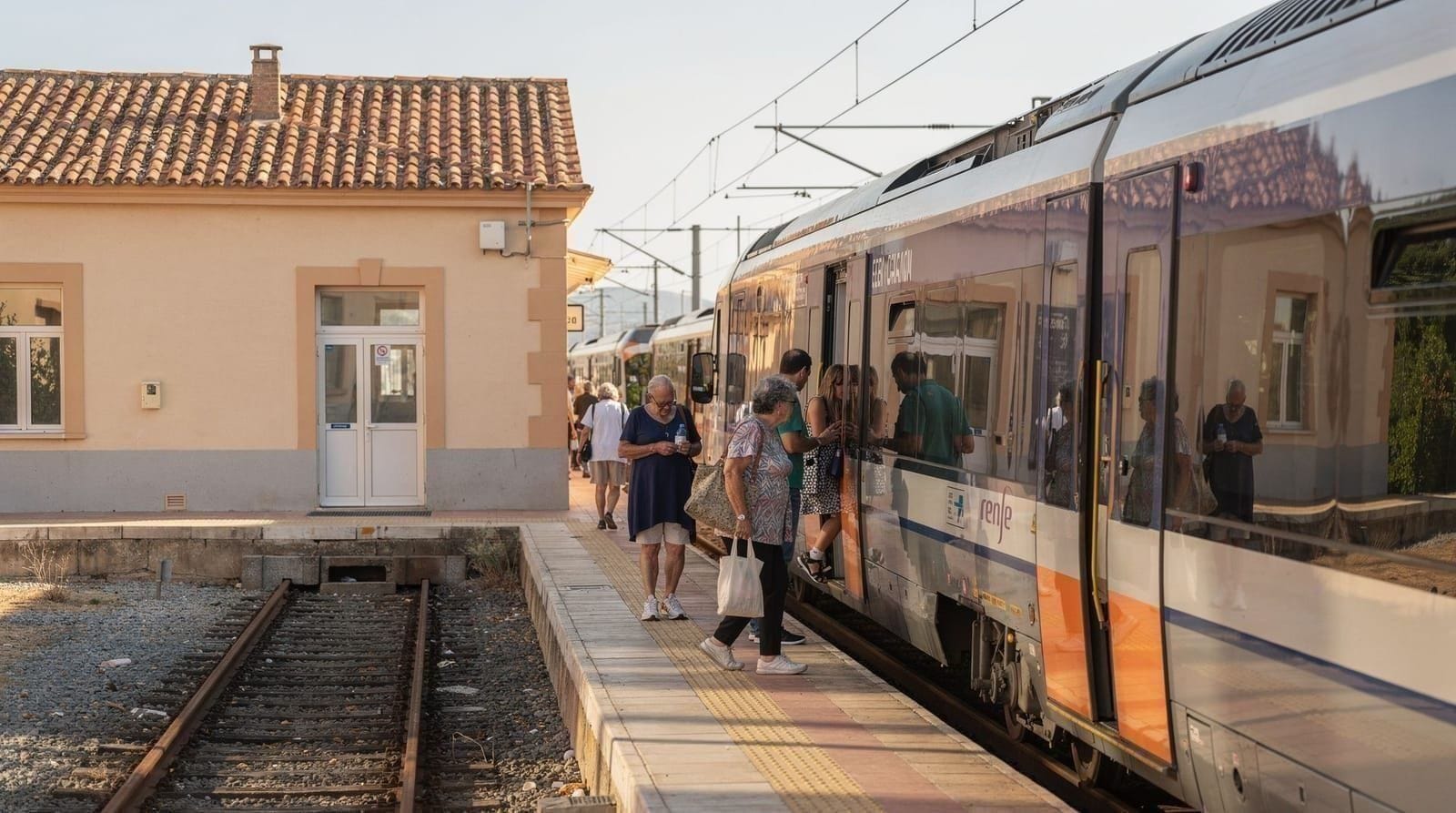
Not for the city or most popular day trips — metro and trains cover Xàtiva, Sagunto, Cullera, and Gandia. A car adds real value for Bocairent, Montanejos, Morella, and Guadalest, which have no practical public transport from Valencia. Renting for 1–2 specific days rather than your whole stay is the smart approach.
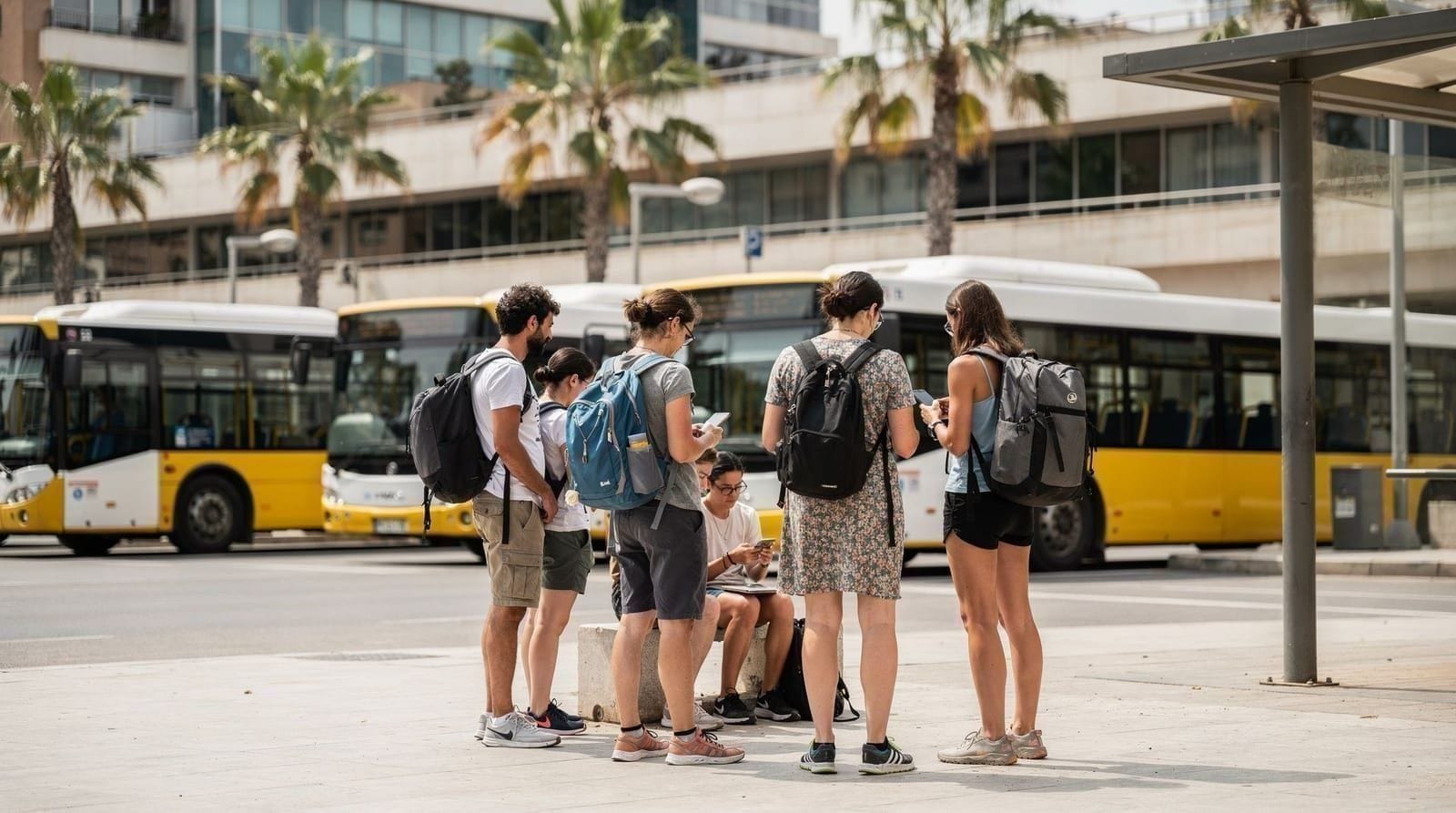
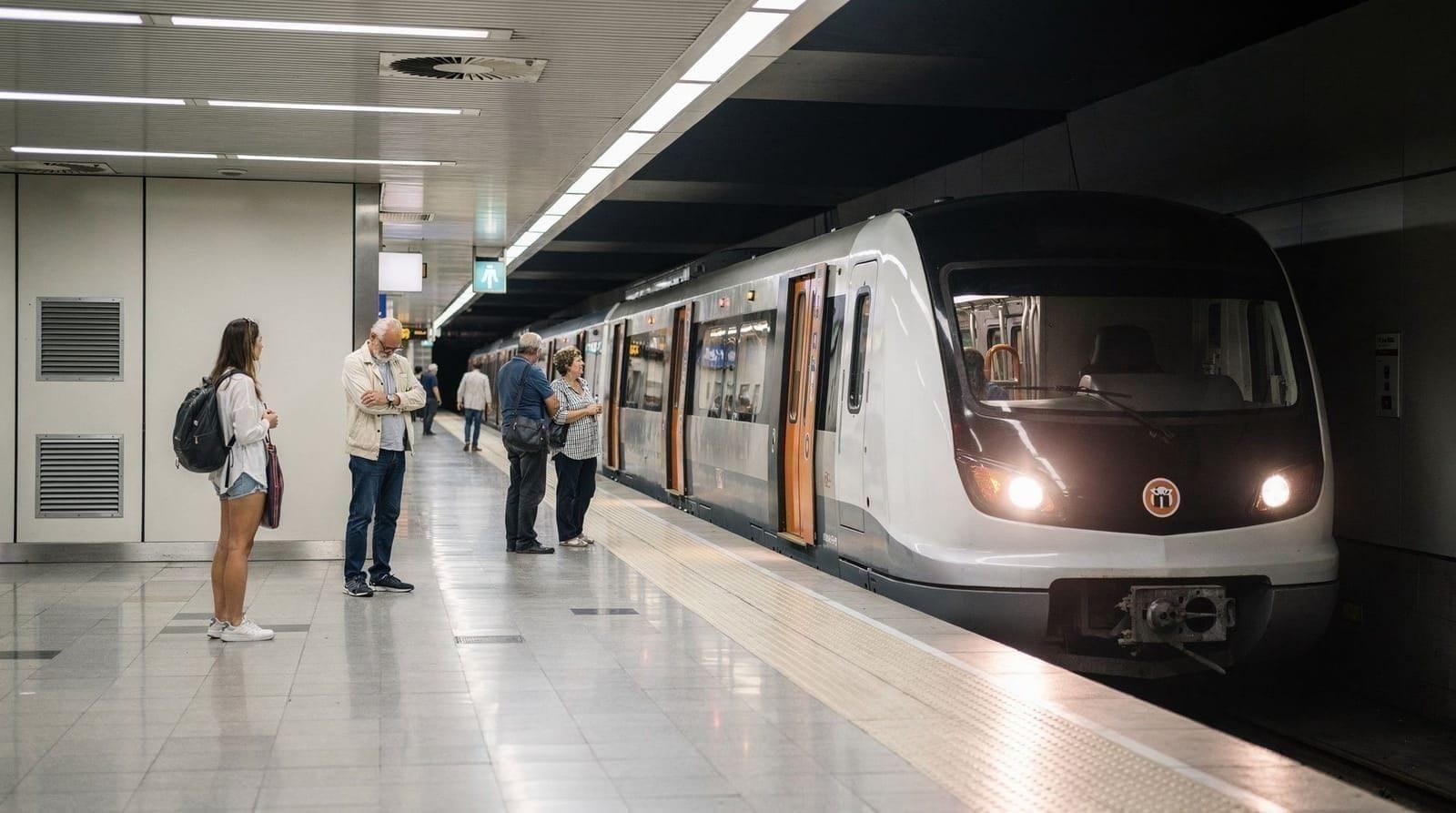
Valencia itself does not need a car. The metro, buses, and bike network handle everything within the city, and suburban trains cover most popular day trips efficiently. But step beyond the rail network and several genuinely compelling destinations become very difficult without your own transport. This guide draws the line honestly.
| Where a car helps | Bocairent, Montanejos, Morella, Guadalest |
| Cost | Around €20–60/day depending on season, plus fuel |
| Time needed | Rent for the specific day-trip day(s), not the whole stay |
| Getting a car | Airport desks or central Valencia depots near Estació del Nord |
| Best time to book | 2+ weeks ahead for competitive rates |
The city itself: leave the car at the rental depot
Driving and parking in central Valencia is a poor use of time and money. The historic centre has extensive restricted zones (ZBE, zona de bajas emisiones), most streets near the Mercado Central and El Carmen are one-way or pedestrianised, and parking in central areas costs €2–3 per hour with limited availability.
If you arrive by car, the most practical approach is to drop luggage at your hotel and immediately return the car to the airport depot (or use a peripheral parking area such as Joaquín Sorolla station’s car parks) for the urban portion of your visit.
Verdict: No car needed in the city. Pick it up specifically for the day-trip days you need it.
Since the car is only useful on the days you leave Valencia, book it for those days alone and check the pick-up and return hours against your plans, so you are not paying for idle nights in the city. Look at the fuel policy and the excess before paying, and you can compare rental cars on DiscoverCars for a Valencia pick-up.
Day trips that genuinely need a car
Bocairent (1h15 from Valencia)
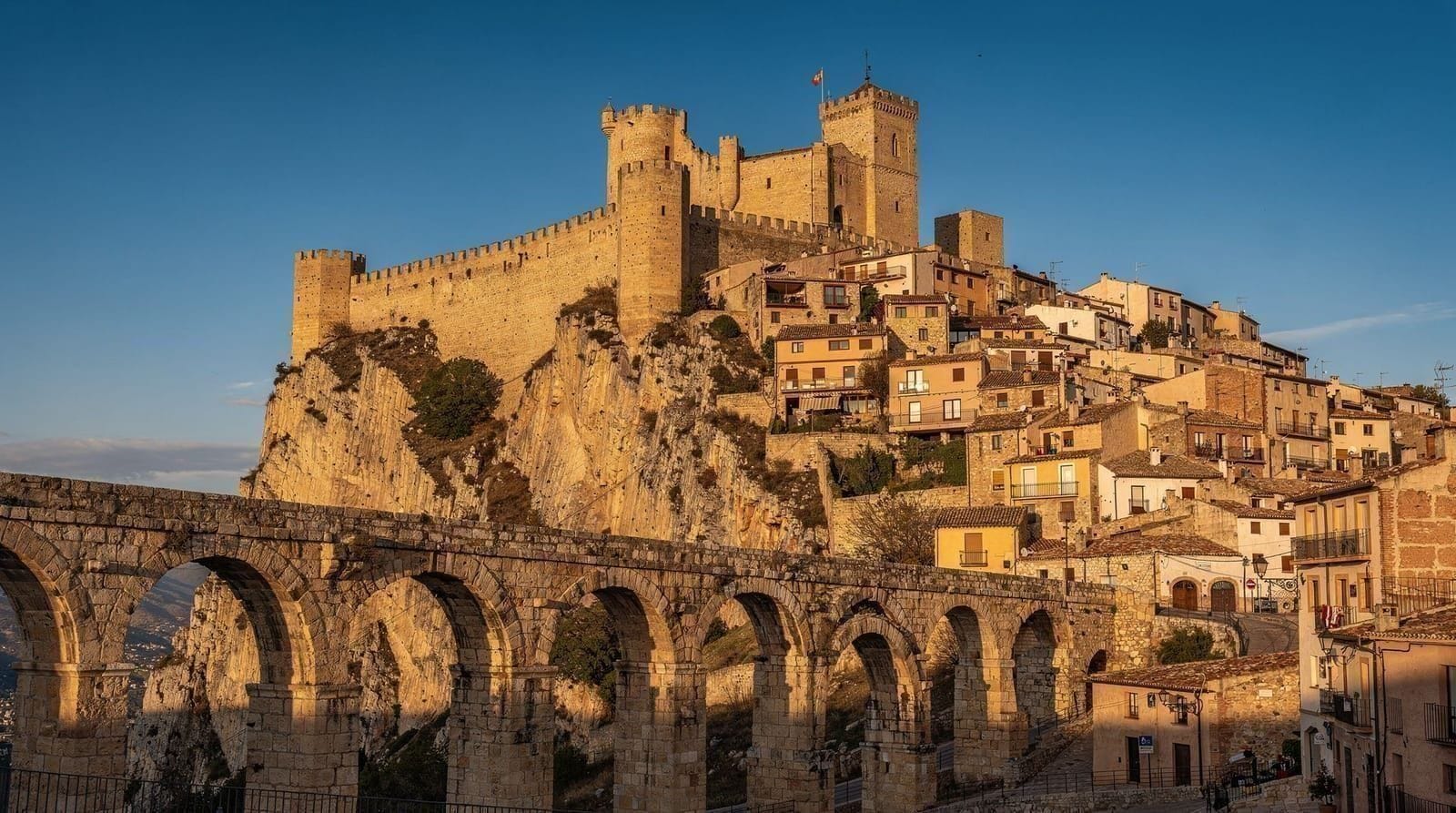
The route from Valencia to Bocairent is one of Spain’s most satisfying rural drives — the A-7 motorway south, then the CV-81 climbing into the Serra Mariola mountains. There is no practical public transport: one ALSA bus per day with a connection at Ontinyent makes same-day return very difficult.
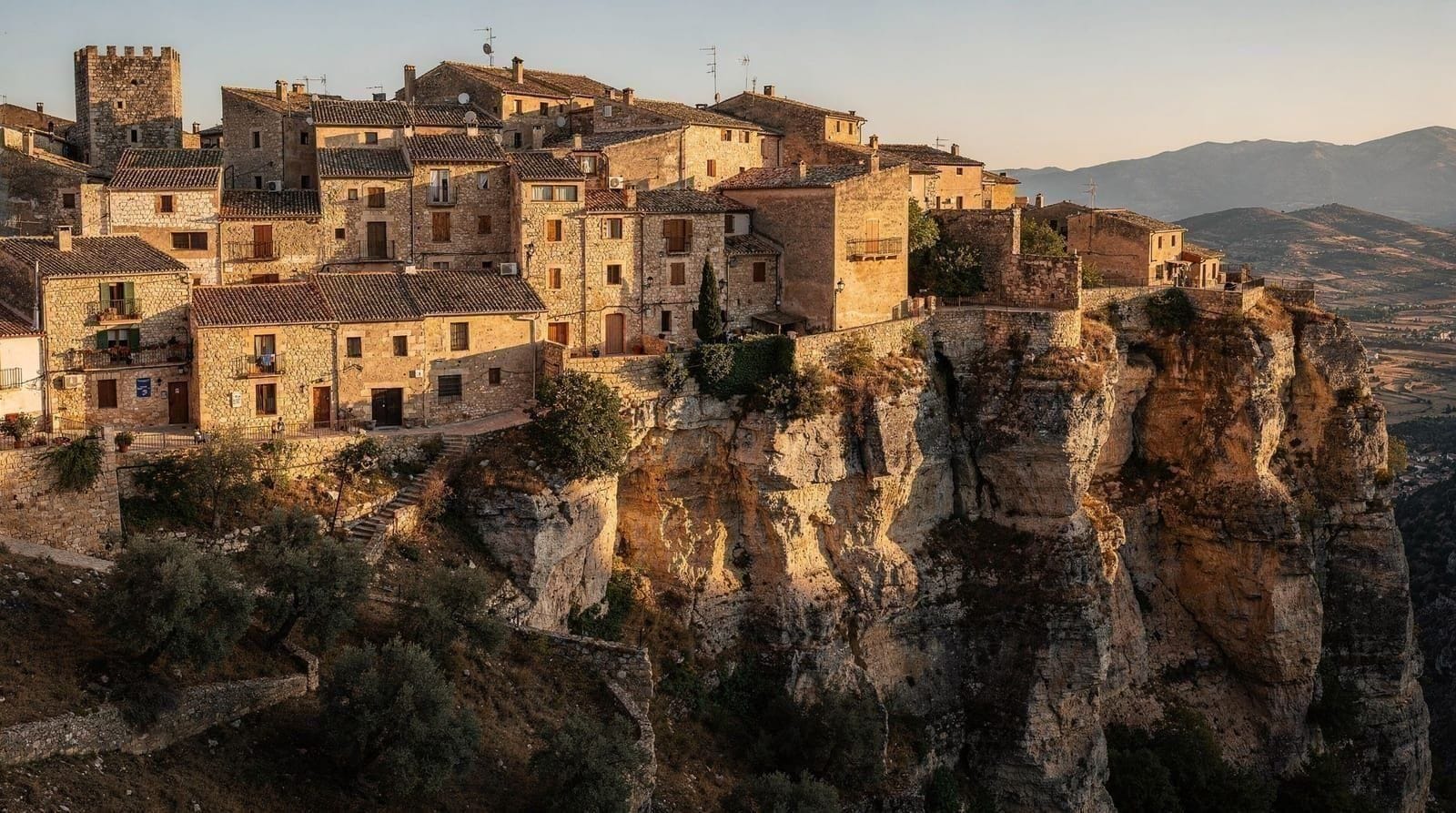
Bocairent itself has the Coves dels Coloms rock-cut Moorish chambers, a beautifully preserved medieval village centre, and the cave-restaurant setting in the rocky escarpment. The drive through Sierra Mariola adds to the experience.
Driving time from Valencia: 1h10–1h20 Road: A-7 south to Ontinyent exit, then CV-81 west. Good asphalt all the way. Parking: Free parking below the village entrance.
See the Bocairent village guide for what to do there.
Montanejos (1h30 from Valencia)
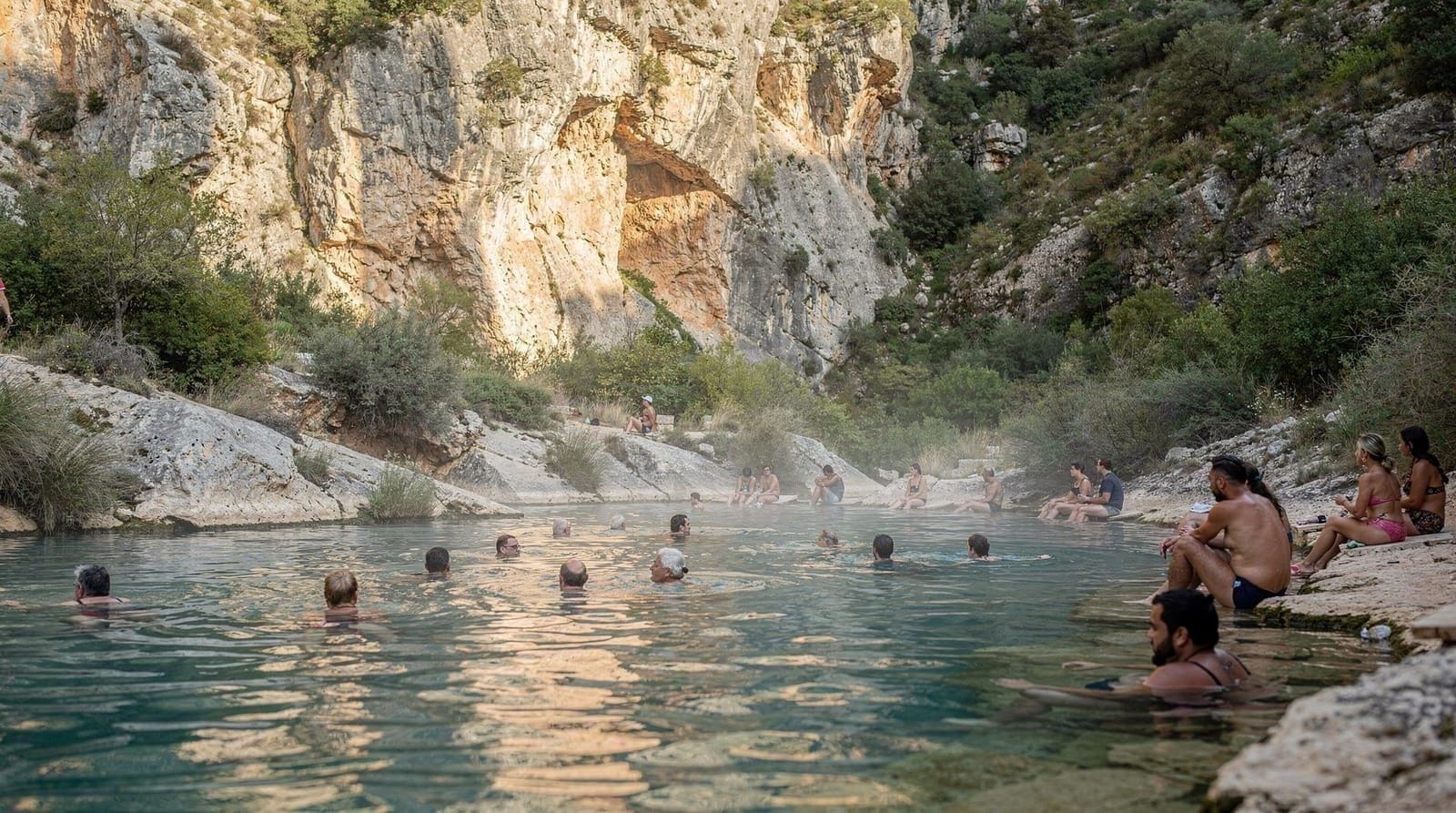
The Fuente de Baños thermal spring and the Mijares river gorge swimming holes in Montanejos are worth the 90-minute drive — and almost inaccessible without one. ALSA buses serve Montanejos from Valencia but run only a few times daily and make the logistics tight for a summer swimming trip.
Driving time from Valencia: 1h20–1h35 Road: A-23 north (Sagunto-Mudéjar direction), then the CV-20 through the Palancia valley. Winding mountain road from Jérica onwards. Parking: Paid parking below the village in summer (€5–8/day at Fuente de Baños).
Morella (2h from Valencia)
Morella is a medieval walled hilltop city 175 km north of Valencia. ALSA runs one direct coach from Valencia, but the service is limited and does not allow a comfortable same-day return for a full visit. Driving gives complete flexibility.
Driving time from Valencia: 1h55–2h10 Road: A-7 north towards Castellón, then CV-10 north to Morella. Good dual carriageway to Castellón, then mountain roads. Parking: Below the city walls (€3–5/day). The steep old town is pedestrian-only.
Guadalest and Algar Waterfalls (1h45 from Valencia)
Located in the Costa Blanca interior near Benidorm, this combination — a hilltop castle village above a turquoise reservoir, then the Algar falls swimming area — is one of Valencia’s best half-day excursions. There is no direct public transport from Valencia to Guadalest.
Driving time from Valencia: 1h40–2h (via A-7 south, then the N-332 and CV-70 inland) Note: Guadalest is popular and parking is paid; the access road is narrow in places. Arrive before 10:00 in summer to find parking.
If you prefer not to drive this route, a guided day trip is available. See the Guadalest and Algar day trip guide.
Anna Lakes and waterfalls
The Gorgos de Anna canyoning area and the small reservoir lakes near Anna are 60 km south-west of Valencia, in the comarca of La Costera. The C2 Cercanías stops at Xàtiva but the lakes are a further 20 km by road from the station. A car (or arranged taxi from Xàtiva) is needed.
For visitors without a car who still want to see this area, a guided day trip covering Xàtiva and Anna together removes the need for the final unconnected stretch:
Xàtiva and Anna day trip from ValenciaWhich day trips actually need a car: quick comparison
| Destination | Public transport | Car adds |
|---|---|---|
| Bocairent | Impractical — 1 bus/day | Essential — only realistic option |
| Montanejos | A few ALSA buses/day | Essential for a comfortable summer trip |
| Morella | 1 limited ALSA coach | Essential for a comfortable same-day return |
| Guadalest & Algar | None direct | Essential, or use a guided tour |
| Anna Lakes | Train to Xàtiva, then 20 km more | Needed for the final stretch |
| Xàtiva | Excellent (50 min train) | Adds nothing for the town itself |
| Requena | Good (55–65 min train) | Only for visiting wineries outside town |
If you prefer not to drive the harder inland routes, guided day trips exist for Guadalest specifically:
Guadalest, Altea and Algar Waterfalls day trip from ValenciaDay trips where a car helps but is not essential
Peñíscola: You can reach the old castle town by ALSA bus (2h) or an organised tour. A car cuts the return journey to 1h40 and gives flexibility. If you want to combine Peñíscola with Morella (see below), a car is necessary.
Requena: Cercanías C3 reaches Requena in 55–65 minutes and the old town is walkable. A car adds value only if you want to visit wineries outside the town, which are on rural roads not served by any bus.
Xàtiva: Excellent by train (50 minutes). A car adds no value unless you want to continue west to the mountains or combine with Anna Lakes.
Renting a car in Valencia
Where to pick up: Valencia Airport has all major rental desks in the arrivals hall (Europcar, Hertz, Avis, Sixt, Goldcar). This is convenient if you want a car from arrival, though pricing tends to be higher than in-city locations. Downtown Valencia has rental offices near Estació del Nord (Avis, Enterprise) and scattered through the centre.
Prices: Small hatchback (Seat Ibiza class) from €20–35/day in low season, €35–60/day in summer. Prices rise significantly for July–August and Las Fallas. Book 2+ weeks ahead for competitive rates — Goldcar and Centauro (Spanish budget operators) are often cheapest for local pickup; the large international brands offer better customer service if something goes wrong.
Important conditions to check:
- Excess/deductible: Budget operators often have high excesses (€800–1200) unless you pay extra for Collision Damage Waiver. Check whether your travel insurance or credit card already covers rental car excess before paying for additional cover.
- Driver age: Under-25 surcharges apply at most operators (typically €5–15/day extra). Under-21 may be prohibited by some operators.
- ZBE sticker: The Valencia clean air zone (Zona de Bajas Emisiones) applies to the city centre but not to roads beyond. If your rental car does not have the environmental sticker, you may be fined for driving in the ZBE. Most rental cars post-2020 are Euro 6 and are compliant — check with the rental company.
- Toll roads: The motorways around Valencia (AP-7, A-7, A-3, A-23) are toll-free.
Fuel: Petrol stations are abundant outside the city. Fill up before returning the car — airport fuel service charges are expensive.
Driving in Spain — key rules:
- Speed limits: 50 km/h urban, 90 km/h on conventional roads, 100 km/h on secondary roads, 120 km/h on motorways
- Minimum driving age: 18 with a valid licence
- Blood alcohol limit: 0.05% (lower than the UK’s 0.08%)
- Mobile phones: prohibited without hands-free; fines of €200+
- Priority: At roundabouts in Spain, vehicles already on the roundabout have priority unless marked otherwise
What if you don’t want to drive?
For Bocairent, Montanejos, and Morella, organised day tours from Valencia are available and eliminate the driving entirely. These are particularly worthwhile for solo travellers, those uncomfortable with unfamiliar mountain roads, or visitors who prefer to absorb the scenery from a bus window.
For the best Albufera experience, a tour including a sunset boat ride covers the lake well without any driving. See Albufera day trip guide for guided options.
For all destinations served by rail, see the complete day trips by train guide.
Frequently asked questions about car rental in Valencia
Can I pick up a rental car in the city centre and avoid driving to the airport?
Yes. Avis, Enterprise, and Goldcar (among others) have central Valencia depots, often near Estació del Nord. These avoid the airport surcharge but may have a smaller vehicle selection. Book in advance — central depots have fewer cars.
Do I need an international driving permit?
EU, EEA, UK, and US licences are accepted in Spain without an International Driving Permit (IDP). Most English-speaking countries’ licences are valid. However, if your licence is in non-Latin script (Chinese, Arabic, etc.), you do need an IDP alongside your national licence.
Is parking free in Valencia’s day-trip towns?
Bocairent, Morella, Xàtiva, and most smaller inland towns have free parking areas near the old town. Coastal towns (Cullera, Gandia, Peñíscola) switch to paid parking in summer peak season (June–September). Budget €3–8/day for summer coastal parking.
Is it worth having a car for the whole stay in Valencia?
Only if your trip is structured primarily around rural and coastal day trips, and you plan to use it every day. For a city-focused stay with 1–2 specific excursions, pick up a car for those days only and save the cost and parking hassle for the rest of the trip.
Is it cheaper to drive or join a guided tour for places like Bocairent and Guadalest?
For solo travellers or couples, a guided tour (typically €50–90 per person) is often competitive with rental car costs once fuel and parking are added. For families of three or four, self-driving is usually clearly cheaper, since the car cost is shared across more people while the tour price is per person.
Driving routes from Valencia: road quality and conditions
Spain’s motorway and dual-carriageway network around Valencia is excellent. The A-7 (Mediterranean motorway) and AP-7 run north–south, with fast connections to both the coast and inland.
North to Peñíscola and beyond (A-7/AP-7 north): The A-7 motorway (AP-7 designation on some sections) runs from Valencia to Castellón (80 km, 50 min) and continues to Benicàssim, Peñíscola, and Tarragona. The N-340 alternative is slower and passes through multiple towns. For Peñíscola specifically, the AP-7 saves 30+ minutes each way.
South to Alicante/Benidorm (A-7/AP-7 south): Access to Guadalest and Algar Waterfalls requires taking the AP-7 south to Benidorm exit (approximately 1h40 from Valencia), then the CV-70 inland to Guadalest. The inland roads from Benidorm to Guadalest and Callosa d’en Sarrià (for Algar) are narrow two-lane mountain roads — entirely safe but require reasonable driver attention.
West to Requena (A-3): The A-3 motorway (free) runs west through the Huerta and onto the Meseta plateau, reaching Requena (68 km) in 55–65 minutes. The landscape transitions from irrigated plain to dry Mediterranean scrub to higher-altitude wine country — the topography of the journey itself is interesting.
South-west to Bocairent (A-7 south, then CV-81): The A-7 south cuts journey time to Bocairent significantly versus using the N-340 through towns. From Ontinyent, the CV-81 climbs through the Serra Mariola on a winding but well-surfaced road. Budget 1h20–1h30 total.
Parking in Valencia’s day-trip towns
Xàtiva: Free car parks at Plaça del Mercat (town centre, 5 min walk to castle) and below the castle access road. Not needed by train, but if you drive: free and ample.
Requena: Free parking in the new town area; paid parking (€0.80/hr) in the central zones near the church and underground caves. Budget €3–5 for the day.
Bocairent: Free car park at the entrance to the village (the road inside is pedestrian-only). Easy and free.
Morella: Paid car parks below the town walls (€3–5/day). The old town interior is pedestrian-only and the car parks are clearly signed on approach from the CV-10.
Peñíscola: Seasonal paid parking (June–September, €3–5/day) at the official car parks outside the castle town. Free parking available outside season. Do not attempt to drive into the old town — the streets are extremely narrow and effectively inaccessible to normal vehicles.
Montanejos: Paid parking at the Fuente de Baños thermal area in summer (€5–8/day). A car park further out has a free zone (walk 10 minutes to the swimming area). In July–August, arrive before 09:30 or parking fills.
Driving in the Valencia region: what to watch for
Orange groves and agricultural vehicles: The Horta (the irrigated plain around Valencia) is intensively farmed. Country roads pass through orange and lemon orchards, and slow-moving tractors are common, particularly in harvest season (November–January). Overtaking on single-lane rural roads requires patience.
Summer tourist traffic: The CV-500 coast road south of Valencia (toward El Saler and the Albufera) becomes severely congested on summer Saturday and Sunday afternoons. Returning from El Saler beach after 17:00 on a summer weekend can add 30–45 minutes to the drive. Leave earlier.
Mountain roads to inland destinations: The CV-81 (Bocairent), CV-20 (Montanejos), and the roads around Guadalest are mountain roads with hairpin bends and narrow sections. They are not dangerous for competent drivers but require more concentration than motorway cruising. Automatic transmission makes these routes more comfortable.
VTC/rideshare for airport pickup: If you want to avoid driving to the airport altogether, Uber, Bolt, and pre-booked taxis work well. Valencia Airport is a modest 15–20-minute drive from the centre — keeping the car for day trips and using rideshare for airport transfers is a reasonable hybrid approach.
Breakdown cover and what to do if something goes wrong
Spanish rental agreements typically include basic roadside assistance, but it’s worth confirming the phone number and what’s covered before you drive off, especially if you’re heading into the mountain roads around Bocairent, Montanejos, or Guadalest where phone signal can be patchy in the deepest valleys. Keep the rental agreement and the emergency contact number in the glovebox rather than only on your phone.
If you have an accident, Spanish practice is to fill out the standard European accident report (constancia amistosa) if the rental company provides one, take photos, and contact the rental agency’s assistance line before arranging any repairs yourself. Minor scrapes on narrow village streets (Morella and Bocairent both have tight turns near the old town gates) are common enough that agencies are generally used to handling them — document everything and call promptly rather than waiting until drop-off.
Organised day trips versus self-driving
For destinations like Guadalest, Morella, and Bocairent, organised day trips from Valencia (coach or minibus, usually including a guide) eliminate the driving entirely and provide context through commentary. The trade-off is a fixed schedule rather than self-paced exploration.
Tours for these destinations typically run €50–90 per person including transport and guide, sometimes including entry fees or lunch. Compare this with car rental + fuel + parking (typically €35–55 for a day including all costs for one car carrying 1–4 people). For solo or couple travellers, the organised tour is often competitive on price; for families of 3–4, self-driving is clearly cheaper.
For destinations like Guadalest and Algar Waterfalls where a guide genuinely adds context to the historical and geological features, the tour option has real intellectual value beyond pure convenience.
See the day trips without a car guide for the complete picture of alternatives.