Getting around Valencia: metro, EMT bus, and tram guide
Valencia: Oceanogràfic + Hemisfèric combo
What is the best way to get around Valencia as a tourist?
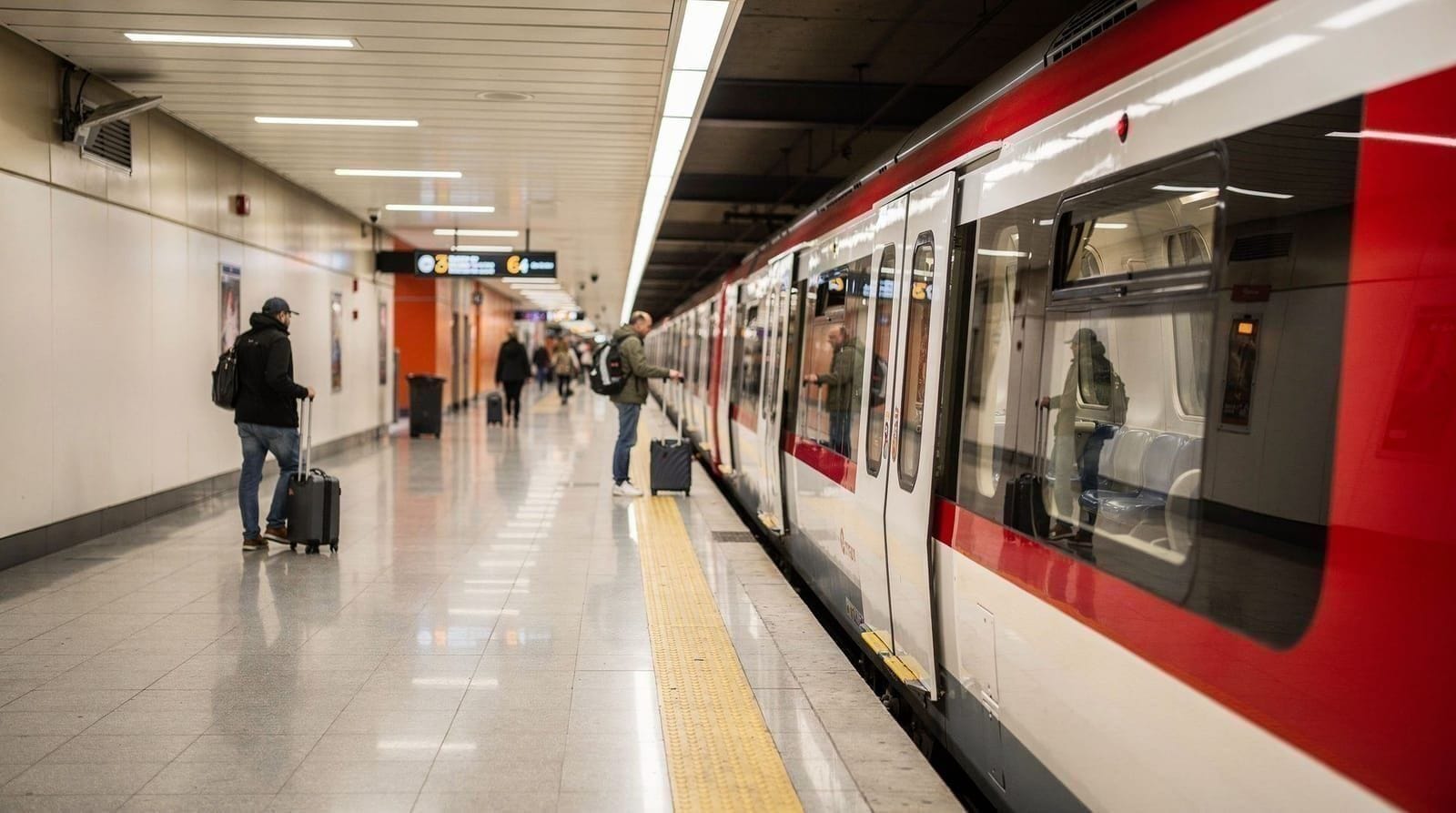
The city centre is walkable for most attractions. For longer journeys, the metro (Metrovalencia) is fast and reliable: 9 lines, fares from €1.50 (zone A single). EMT buses cover routes the metro misses, including key beach and Albufera connections. The Mobilis card combines both on a single rechargeable card.
Valencia’s public transport network is one of the better-designed in Spain: the metro covers most of the places visitors actually want to go, buses fill the gaps, and the coastal tram is genuinely pleasant for beach travel. Once you understand how the fare system works, getting around the city is cheap and straightforward.
| Network | Metro (9 lines), EMT bus (~60 routes), L4 tram |
| Zone A single fare | around €1.50 |
| Best value for 3+ days | SUMA 10 (Bono 10; around €5.40 in 2026, zone A) |
| Hours | roughly 05:00–midnight, later Fri/Sat |
| Airport link | metro L3/L5, around 25 minutes |
The metro (Metrovalencia)
Metrovalencia operates nine lines across the city and extends into the wider metropolitan area. For visitors staying in the centre, five lines are particularly useful:
| Line | Colour | Key stops |
|---|---|---|
| L1 | Orange | Alameda, Colón, Benimaclet, Airport (partial) |
| L3 | Red | Aeropuerto, Colón, Xàtiva, Àngel Guimerà |
| L4 | Green (tram) | Pont de Fusta, Cabanyal, Malvarrosa beach, Neptú |
| L5 | Blue | Aeropuerto, Marítim-Serreria, Colón, Bailèn |
| L10 | Purple | Quatre Carreres, Natzaret, Marítim |
Central hubs: Colón and Xàtiva are the most useful interchanges for visitors. Colón (lines L3, L5, and the future extension) sits beneath the Modernista Colón market building in the heart of the shopping district. Xàtiva is directly below the Estació del Nord mainline train station, connecting metro to national rail.
Getting to key destinations by metro:
- Airport: L3 or L5 from Colón, ~25 minutes
- Malvarrosa beach: L4 tram to Neptú or Dr Lluch, from Pont de Fusta
- Ciudad de las Artes y las Ciencias: Walk from Marítim-Serreria (L5), or bus from centre
- El Cabanyal: L4 tram (Cabanyal stop) or L5 (Marítim-Serreria, then walk)
- Bioparc / Turia park west end: L5 to Nou d’Octubre, then walk
Metro fares and tickets
Metrovalencia uses a zone-based fare system. The city centre and most tourist attractions fall in zone A; the airport is in zone B, hence the higher fare.
| Ticket type | Zone A | Zone A+B |
|---|---|---|
| Single (senzill) | €1.50 | €2.80 |
| SUMA 10 (ex-Bono 10), 2026 price | €5.40 | €7.50 |
| 24-hour pass (SUMA T1) | €4.50 | €4.50 (airport included) |
SUMA 10 (the old Bono 10) is the standard value option for most visitors staying 3+ days. In 2026 each trip costs €0.54 in zone A versus €1.50 for singles (full price €9.00, with a 40% discount valid until 31 December 2026; check metrovalencia.es for 2027). The 10-trip card can be shared between multiple people on the same journey (each person validates separately), which is useful for couples or families.
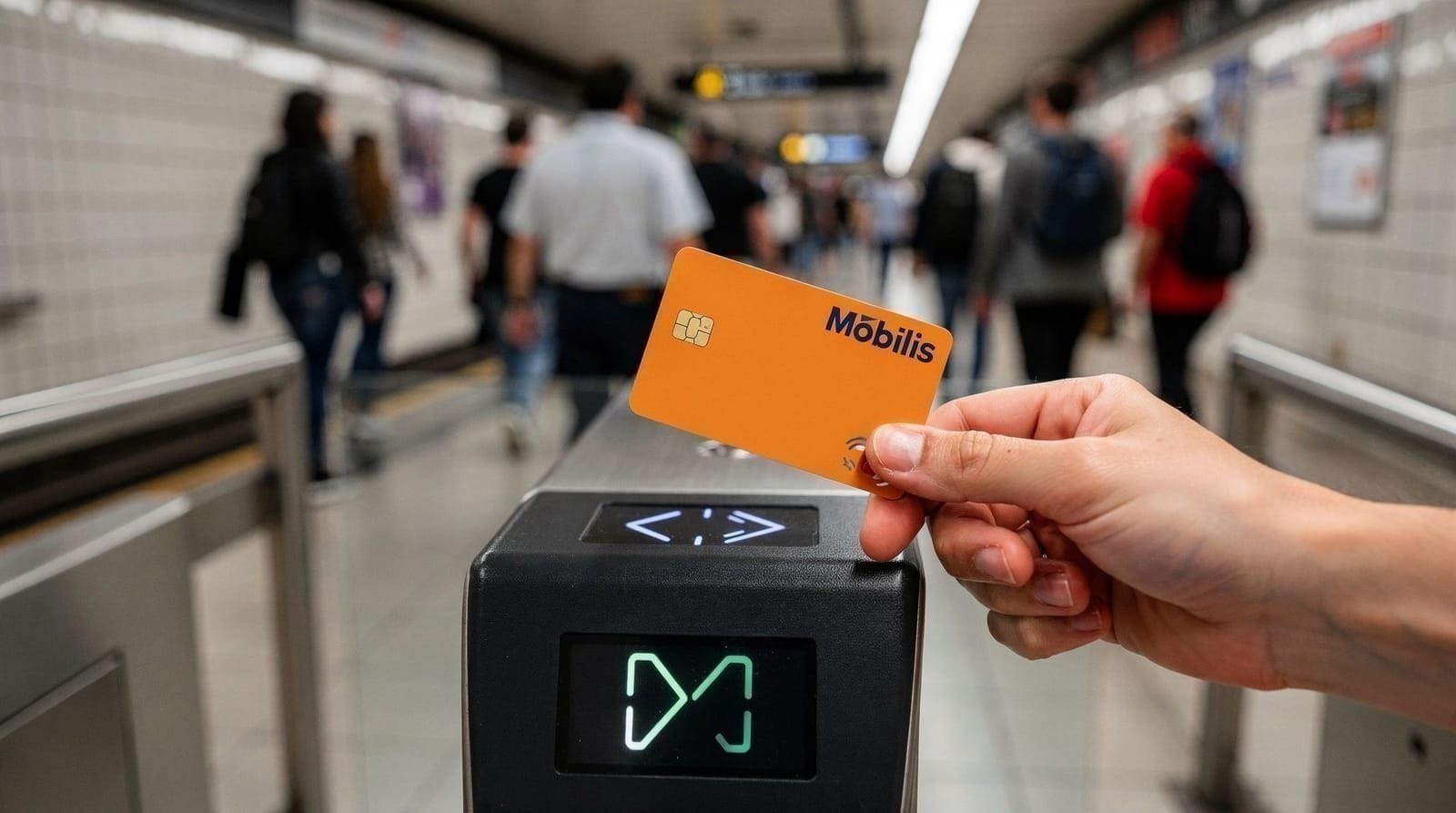
Mobilis card: A rechargeable smart card that stores credit and works on metro, tram, EMT buses, and most other metropolitan transport. Worth getting if you plan to use public transport extensively. See the Mobilis card guide for full details including how to purchase and top up.
Valencia Tourist Card: Includes unlimited metro and EMT travel for 24, 48, or 72 hours, plus discounts at attractions. Mathematically useful if you plan 4+ transit journeys per day and are visiting multiple paid attractions. See the tourist card guide for honest value assessment.
Which pass should you actually buy?
The right ticket depends on how many trips you will realistically make, not on the theoretical best value option:
| Option | Cost | Best for |
|---|---|---|
| Single ticket | €1.50/trip (zone A) | 1–2 trips total, e.g. arriving then leaving |
| SUMA 10 (Bono 10) | around €5.40 in 2026 (€0.54/trip) | Most visitors staying 3+ days |
| Mobilis card | pay-as-you-go, rechargeable | Longer stays, mixing metro/tram/bus |
| Valencia Tourist Card | 24/48/72h unlimited + attraction discounts | 4+ transit trips per day, multiple paid sights |
For a typical long weekend making 6–10 total trips (airport in, a couple of beach runs, a day trip station transfer), the SUMA 10 usually beats the Tourist Card on pure transport cost — the Tourist Card only pulls ahead once you are also using its attraction discounts. See the Mobilis card guide for how to buy and top up either card.
EMT city buses
EMT (Empresa Municipal de Transportes de Valencia) operates around 60 bus routes across the urban area. For visitors, the most useful are:
Beach buses:
- Bus 1, 2: Colón to Malvarrosa beach (30 min)
- Bus 31: Circular route linking multiple beach stops
- Bus 95: Night bus serving the beach and port area
Albufera connections:
- Bus 24: Valencia centre to El Palmar (Albufera village) — departs from Suècia/Neptú stop, approximately 40–45 minutes, single fare €2.00
- Bus 25: Valencia centre to Silla via the Albufera perimeter road
Night buses (Búho): EMT operates night bus lines (N1–N10, N89, N90) running into the early hours, later on Fridays, Saturdays and holidays. Check the EMT app or emtvalencia.es for current times and frequencies. The same Mobilis card and SUMA 10 are valid on night buses.
Useful tips:
- EMT buses display the destination and final stop electronically on the front
- Routes can be searched on the EMT app (free, available in English) or Google Maps
- Validate your card or ticket in the machine beside the driver on entry
- Announcements inside the bus are in Valencian only — use the app’s real-time stop tracker
The L4 tram
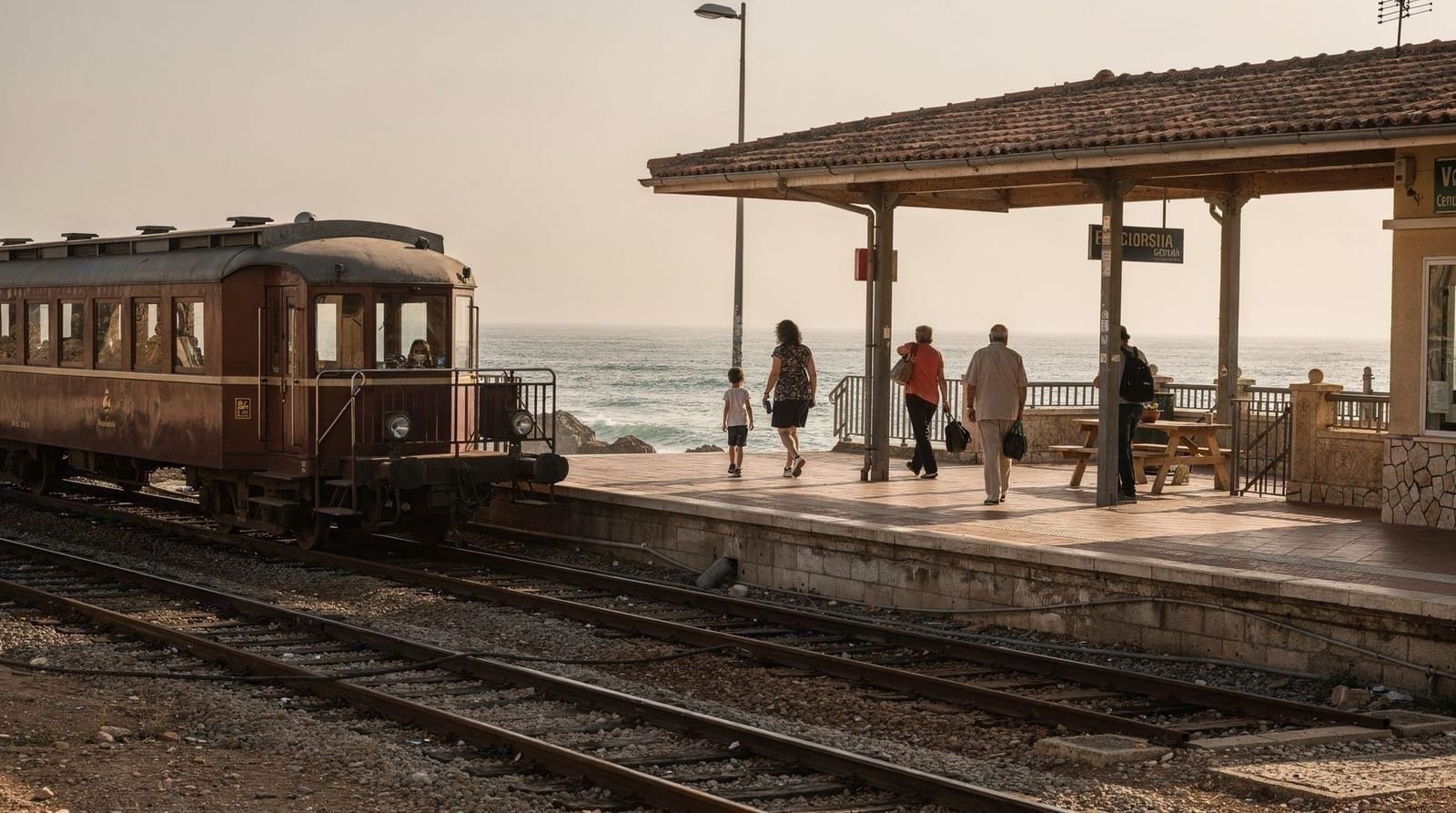
Line L4 is technically both a metro and a tram, running underground through the centre and as an at-grade tram through the Cabanyal district and along the coast. It is one of the most pleasant ways to reach the beach — the tram runs above ground through the Cabanyal neighbourhood, giving good views of the maritime district’s colourful azulejo-tiled facades.
Key stops: Pont de Fusta → Marítim-Serreria → Cabanyal → Neptú → Dr Lluch (terminus near Malvarrosa/Patacona)
Frequency: Every 10–12 minutes during the day, every 20–25 minutes in the evening. The tram becomes very crowded on summer weekend afternoons — expect standing room only on the return from the beach between 17:00 and 19:00 in July and August.
The free Navette shuttle (Joaquín Sorolla ↔ Nord stations)
A practical detail often missed: Valencia has two central train stations — Estació del Nord (serving Barcelona/regional trains) and Joaquín Sorolla (serving Madrid AVE). They are 1 km apart. Renfe operates a free navette shuttle bus between them; check Renfe for current times. If you arrive at one station and need to continue from the other, use this rather than paying for a taxi.
Navigation apps
Google Maps works well for Valencia’s metro and EMT, including real-time arrival times for most routes. Metrovalencia’s own app is better for exact metro timetables and disruption notices. EMT’s app (EMT Valencia) provides real-time bus tracking, which is useful when waiting at an unmarked stop.
Data SIM or reliable Spanish Wi-Fi coverage makes navigation significantly easier. If you haven’t arranged connectivity, the city’s public Wi-Fi (Valencia WiFi) is available in many squares and parks.
Getting around without public transport
Walking: The historic centre (El Carmen, cathedral, Mercado Central) and Russafa are walkable from most central hotels. The Turia Gardens riverbed park forms a 9 km green corridor that is pleasant to walk along, connecting the old town to Ciudad de las Artes y las Ciencias in about 45 minutes at a comfortable pace.
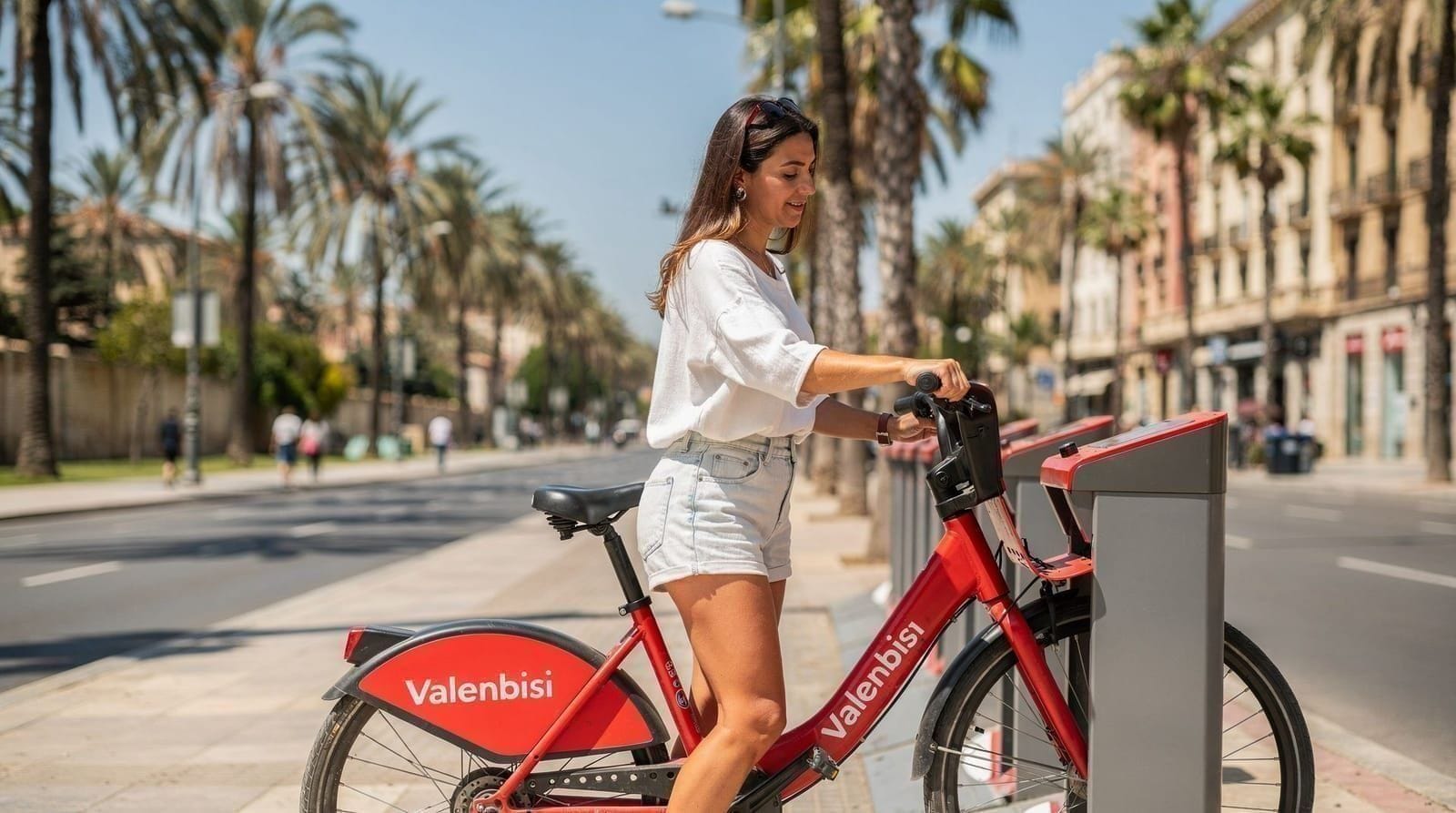
Cycling: Valencia has one of Spain’s most developed urban cycling networks, with dedicated lanes along most major avenues. Valenbisi (bike share) covers the urban core, and the first 30 minutes of each journey are free. Check valenbisi.es for current subscription prices. See the Valenbisi guide for full details.
Taxis and rideshare: Taxis are metered and abundant in the city centre. Starting fare is €1.60, plus €1.00–1.20 per km. Uber, Bolt, and Cabify operate alongside traditional taxis. No need to pre-book for daytime journeys within the centre; rideshare apps are faster for late-night returns from outer neighbourhoods.
The metro during Las Fallas
March 1–19 brings the most intense period for Metrovalencia in the year. The network runs extended late-night services around the Nit del Foc (March 18) and La Cremà (March 19); check metrovalencia.es for the exact hours. Renfe also runs extra Cercanías services to accommodate the influx.
Practical warnings for Fallas metro travel:
- Extreme crowding: The metro on Fallas evenings is at densities rarely seen outside major disasters. If you are claustrophobic or have mobility limitations, budget for taxi or rideshare on peak evenings
- Increased pickpocket activity: Las Fallas brings the highest pickpocket incidence of the year on the Valencia metro. Keep phones in inside pockets and wallets in front pockets
- Some route diversions: Street closures for processions and falla viewings can cause EMT bus diversions — check the EMT app the day of travel for any amendments
Outside Fallas, the metro is quiet, reliable, and one of the cleaner urban metro systems in Spain.
Night-time transport in Valencia
Late-night options after 00:00:
The metro and most EMT bus routes stop around midnight (on Fridays, Saturdays and the eve of holidays the metro runs until about 03:00). After midnight:
- Night buses (Búho network): EMT operates night bus lines (N1–N10, N89, N90); check emtvalencia.es for current times and frequencies. Covers most main zones including Ruzafa, El Carmen, beach areas, and outer districts. Same Mobilis card/SUMA 10 accepted.
- Taxis: Available throughout the city, 24 hours. Rank at Plaza del Ayuntamiento, outside major hotels, and at the main leisure areas (port zone, marina). App booking via mytaxi/FreeNow or the FreeNow platform works well.
- Rideshare (Uber, Bolt, Cabify): Available 24 hours. Surge pricing applies on Friday and Saturday nights after 01:00 and during major events. Pre-book if you have a fixed departure time.
Integrated journey planning: a practical example
Example: hotel in Russafa → Oceanogràfic → Malvarrosa beach → dinner in El Carmen
-
Russafa to Oceanogràfic: Walk or Valenbisi to Xàtiva station (10 min), metro L5 to Marítim-Serreria (4 stops, 8 min), walk to Oceanogràfic (15 min). Total: ~35 min. Cost: 1 SUMA 10 trip.
-
Oceanogràfic to Malvarrosa beach: Walk along the Turia channel to the beach promenade (25 min), or take bus 14 from Marítim-Serreria to Neptú (10 min). Cost: 1 SUMA 10 trip (bus option).
-
Malvarrosa to El Carmen: L4 tram from Neptú to Marítim-Serreria (10 min), metro L5 to Colón (8 min), walk west to El Carmen (12 min). Total: ~30 min. Cost: 1 SUMA 10 trip (metro/tram transfer within 90 min).
Total transport cost: 2–3 SUMA 10 trips (about €1.10–1.60 in 2026), versus €50+ for three taxi rides on the same route. The metro trip planning takes 5 minutes on Google Maps.
Using the metro to reach day-trip starting points
The metro connects to Valencia’s two main-line railway stations, which are your departure points for Cercanías day trips:
Estació del Nord (Barcelona trains, Cercanías to Xàtiva/Sagunto/Cullera/Gandia): Metro lines L3 and L5 to Xàtiva stop. Exit the metro and you are below the station. Follow signs upstairs to Cercanías platforms.
Joaquín Sorolla (Madrid AVE trains): No direct metro connection. Walk 15 minutes from Xàtiva, or take the free navette bus from Estació del Nord. Or: taxi from any metro station (€8–12).
For complete day-trip options by train, see the day trips from Valencia by train guide.
Transport tips for specific sightseeing routes
City of Arts and Sciences from the old town: Walk 45 minutes through the Turia park (no transport needed, and the most scenic option), or take the EMT bus 35 from near the Mercado Central to the Ciudad de las Artes area (25 min). There is no direct metro to Ciudad de las Artes — the nearest stop (Marítim-Serreria on L5) is a 15-minute walk from the Oceanogràfic’s entrance.
Bioparc from the city centre: The Bioparc sits at the western end of the Turia park. Take metro L5 to Nou d’Octubre station (2 stops from Xàtiva), then walk 15 minutes east through the park, or exit and take a short taxi. Alternatively, Valenbisi bikes to the park are a pleasant 25-minute ride from El Carmen.
El Carmen neighbourhood within the old town: El Carmen is the most effectively explored on foot — the alleyways are too narrow and the cobbles too uneven for comfortable cycling. From the main bus and metro network, Colón (L3/L5) gives the best eastern approach; Àngel Guimerà (L1/L3/L5) gives western access. The walk from Colón to the heart of El Carmen (Torres de Serranos) takes 10–12 minutes.
Russafa from the old town: A 15–20-minute walk south through the Eixample (Gran Via), or one metro stop from Xàtiva to Bailèn or Colom on L5. Russafa is compact enough that a taxi is rarely needed once you’re in the neighbourhood. See the Russafa guide for orientation within the neighbourhood.
Alboraia and Albufera (northern beaches / horchata): The tram L4 runs north from the beach zone to Alboraia — Alboraia Peris Aragó is the stop for the horchata village. Bus 92 from the centre covers the same route. The village orxaterias (Horchatería Daniel, Horchatería la Sirena) are worth the 20-minute tram extension from Malvarrosa.
If the City of Arts and Sciences is on your list, plan the transport around the visit rather than the other way round: the complex is spread out, and you will walk between buildings. Many visitors book the Oceanogràfic together with the neighbouring sights, for example a combined Oceanogràfic and Hemisfèric ticket, so one arrival by bus or on foot covers the whole day. If you would rather have someone lead the way, a guided visit of the City of Arts and Sciences removes the need to work out the layout yourself. The City of Arts and Sciences guide, the Hemisfèric guide and the Science Museum guide explain what each building offers.
Two more guides help you tie transport to your base: where to stay in Valencia shows which neighbourhoods sit close to the metro lines above, and the Valencia in one day itinerary shows how a short visit can be linked together on foot and by public transport.
For the full picture of getting to the coast by train and cycling options, see the related transport guides.
Getting in from the airport, step by step
Valencia airport (VLC) sits about 8 km west of the centre and is the most common first contact visitors have with the transport network. From the arrivals area, follow signs down to the metro station (it is inside the airport building, no outdoor walk required). Buy a zone A+B ticket (€2.80) from the machine — a zone A ticket will not let you exit at a zone B station. Take L3 or L5 toward the centre; both reach Xàtiva/Colón in about 25 minutes with frequent departures. A taxi from the airport rank costs a flat rate of around €20–25 to the centre and takes 15–20 minutes outside rush hour. See the airport to city centre guide for the full comparison including rideshare.
Frequently asked questions about Getting around Valencia
How much does the Valencia metro cost?
A single metro ticket (zone A) costs €1.50. Zone A+B (needed for the airport) costs €2.80. The 10-trip SUMA 10 (formerly Bono 10) costs €5.40 for zone A in 2026 (€9.00 full price; a 40% discount applies until 31 December 2026 — check metrovalencia.es for 2027), significantly reducing the per-trip cost. The Valencia Tourist Card includes unlimited metro travel — worthwhile if you plan 4+ trips per day.Does the Valencia metro go to the beach?
Yes. Line L4 (tram) runs along the eastern coast from Pont de Fusta to Rafelbunyol and serves the Malvarrosa and Patacona beach areas (stops: Neptú, Dr Lluch). Line L5 (metro) reaches Marítim-Serreria, a 15-minute walk from Malvarrosa. The tram is the better option for beach visits.What is the EMT bus in Valencia?
EMT is Valencia's city bus network, operated by Empresa Municipal de Transportes. It covers routes not served by the metro, including the city centre streets (where no metro runs underground), beach lines, and suburban areas. Bus 24 and 25 serve Albufera from central Valencia. EMT tickets are interchangeable with metro using the Mobilis card.What are the metro opening hours in Valencia?
Metrovalencia runs from approximately 05:00 to midnight Monday to Thursday and Sunday. On Friday and Saturday nights, extended services run until 02:00 or 03:00 on some lines. Check the Metrovalencia app for your specific line and direction — not all lines have late-night frequency.Is the Valencia metro safe at night?
Yes. The metro is generally safe at all hours, including late Friday and Saturday nights. The main precaution is the same as any urban metro: keep an eye on your phone and wallet, particularly during Las Fallas (March) when the network carries very large crowds. Avoid empty carriages late at night as a precaution.How do I validate my metro ticket in Valencia?
Swipe your paper ticket or tap your Mobilis card at the gate as you enter. You must also validate (swipe) as you exit on some lines. If in doubt, swipe on both entry and exit. Travelling without a valid ticket can result in a €100 fine from metro inspectors who check periodically.What is the Valenbisi bike share and how does it relate to public transport?
Valenbisi is Valencia's public bike-sharing scheme, separate from the metro and EMT but complementary. It covers the urban core well. For transport between the metro stations and your final destination, Valenbisi often saves 15–20 minutes versus walking. See the dedicated Valenbisi guide, and valenbisi.es for current prices.Can I buy metro tickets on my phone in Valencia?
You can top up a Mobilis card via the Metrovalencia app (Android/iOS), but the app does not replace the physical card — you still need the card to tap at turnstiles. Paper single tickets must be purchased at machines. There is no NFC/contactless-bank-card integration at turnstiles as of 2026.Is the SUMA 10 (Bono 10) or the Valencia Tourist Card better value?
For transport alone, the SUMA 10 is usually cheaper unless you are making 4 or more trips per day. The Tourist Card pulls ahead once you factor in its attraction discounts, so the right choice depends on how many paid sights you plan to visit alongside your transport use.Does the metro connect directly to the airport terminal?
Yes. The Metrovalencia station is inside the airport building, reached by a short walk and escalators from arrivals — no outdoor walk or shuttle bus is needed. Buy a zone A+B ticket before boarding, since a zone A ticket will not open the gates at the airport station.Is Valencia easy to navigate without a car?
Extremely easy for city-based tourism. The centre is compact, the metro covers the airport and major districts, and the tram serves the beach. A car is only necessary if you plan day trips to Bocairent, Montanejos, Morella, or other inland destinations not served by train. See day trips without a car for train and bus alternatives.Do buses and the metro run during Las Fallas?
Yes, with extended hours and extra services during Las Fallas (March 1–19). The metro runs extended night hours on major Fallas nights (the Nit del Foc is on March 18) — check the Metrovalencia app for the exact timetable. Some street closures redirect bus routes — check the EMT app for temporary route changes during the festival.How do I transfer between metro and bus?
Between metro and tram, a transfer is allowed within 90 minutes (single zone) or 150 minutes (other zone combinations) on the same ticket. The SUMA 10 also allows one transfer to an EMT bus between minute 3 and 50. For anything else, check the official Metrovalencia and EMT fare pages.Are buses accessible for wheelchair users?
Most EMT buses are low-floor accessible. Metro stations vary — many central stations have lifts, but some older stations are stairs-only. The Metrovalencia website lists accessibility status for each station. Travelling with a pram or mobility aid is generally manageable on the metro during off-peak hours.Is it worth renting a car just for getting around the city?
No, for the city itself. Parking is limited and metered in most central zones, traffic in the old town is restricted to residents and deliveries, and the metro/tram/bus combination covers everything a typical visit needs at a fraction of the cost and stress of driving. A car only earns its keep for inland day trips not served by Cercanías trains, or if you are covering several out-of-town destinations in one trip.