Alboraia — origin of Valencia's horchata
Guide to Alboraia, the village north of Valencia where authentic horchata is made: horchateries, chufa fields and the coastal path from Patacona.
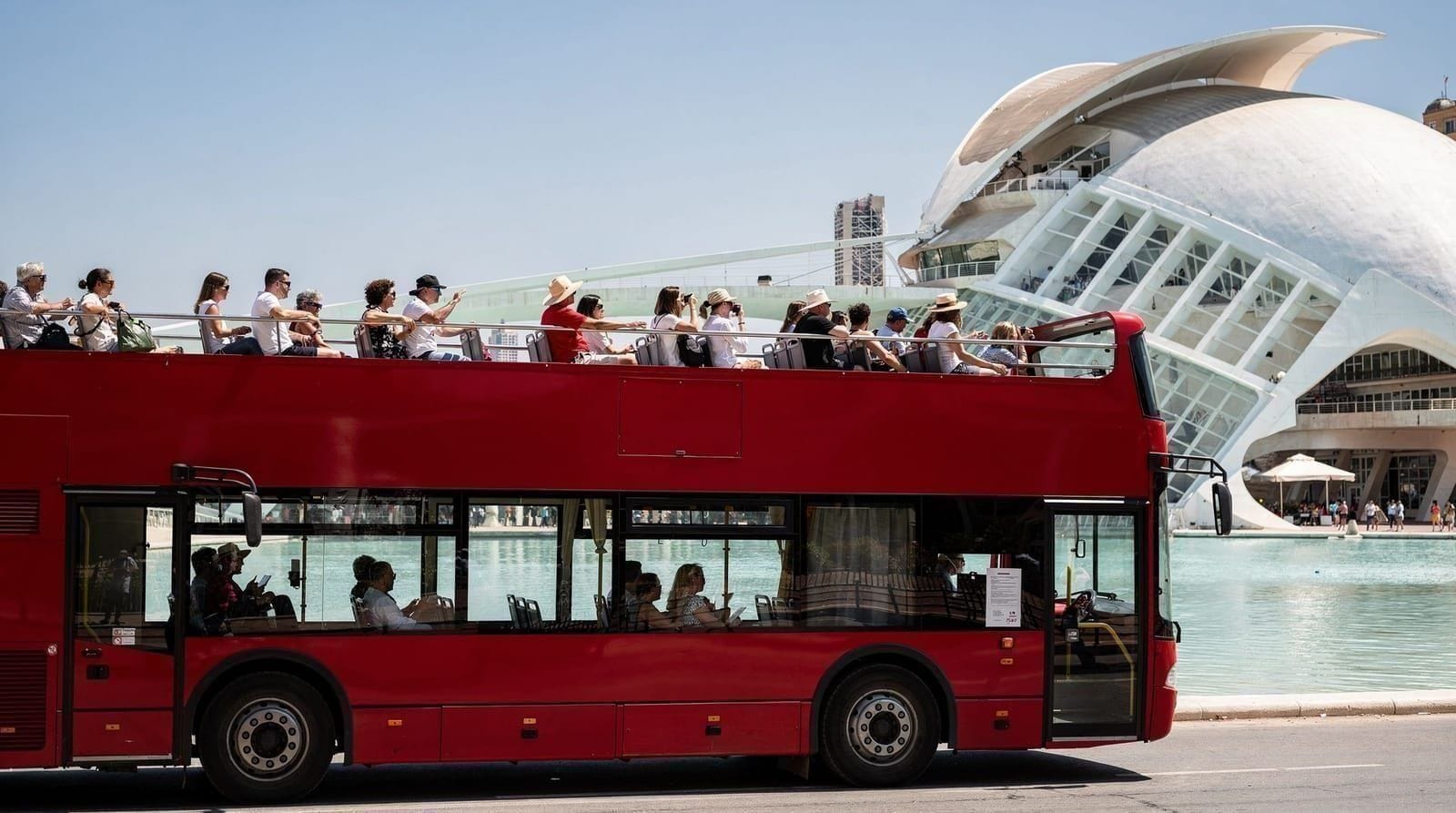
Valencia: hop-on hop-off bus tourist and maritime route
Quick facts
- Best for
- Horchata, quiet beach, cycling from Valencia
- Time needed
- 2–3 hours
- Getting there
- Tram L8 to Patacona, then 10-min walk/cycle north
- Don't miss
- Fresh horchata with fartons at a local horchaterıa
Alboraia is a small coastal municipality immediately north of Valencia city, within the greater metropolitan area. It is the source of Valencia’s horchata tradition — the chufa (tiger nut) fields that supply the city’s horchateries are cultivated here in the Huerta Norte, the intensive vegetable-growing zone north of the city. The coastal path from Patacona beach connects directly to Alboraia in a 10-minute walk or 5-minute cycle.
| Where | 4 km north of Valencia city centre, adjoining Patacona beach |
| Cost | Free to visit; horchata around €2–3 a glass |
| Time needed | 2–3 hours; half a day with cycling |
| Getting there | Tram L8 to Patacona, then a 10-minute walk or 5-minute cycle north |
| Best time | Year-round for horchata; October for the chufa harvest; June–September for the beach |
Why Alboraia matters for food visitors
Horchata de chufa is made from the tubers of the chufa plant (Cyperus esculentus), a sedge cultivated since at least the 13th century in the Alboraia area. The EU has granted the Chufa de Valencia a Protected Designation of Origin — the chufa grown here is legally distinct from similar products grown elsewhere.
Fresh horchata from an Alboraia horchaterıa is a different drink from the bottled horchata sold in supermarkets or even from the semi-industrial version served at most Valencia city bars. It is thicker, more intensely flavoured, and slightly grainy in a pleasant way. Served over ice, it should cost €2–3 per glass, with fartons (elongated sweet pastry for dipping) sold alongside.
Horchatería Daniel (Avinguda de la Horchata, Alboraia) is consistently cited as the benchmark for authentic Alboraia horchata. The village has several competing horchateries within a few hundred metres of each other on the main avenue — try more than one and compare.
Getting to Alboraia
Tram L8 to Patacona then walk or cycle north 1.5 km along the coastal path. Total from central Valencia: about 25 minutes.
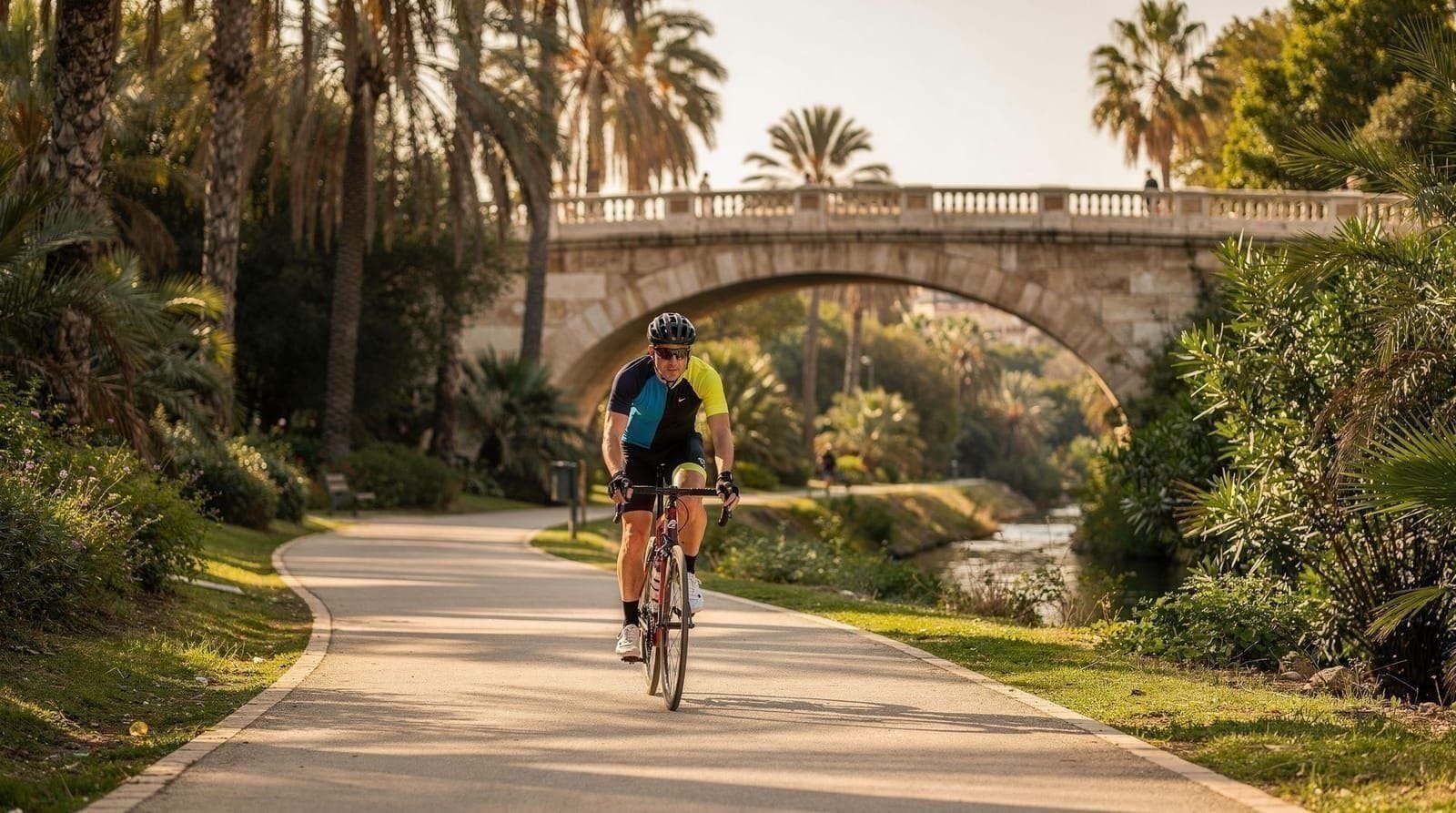
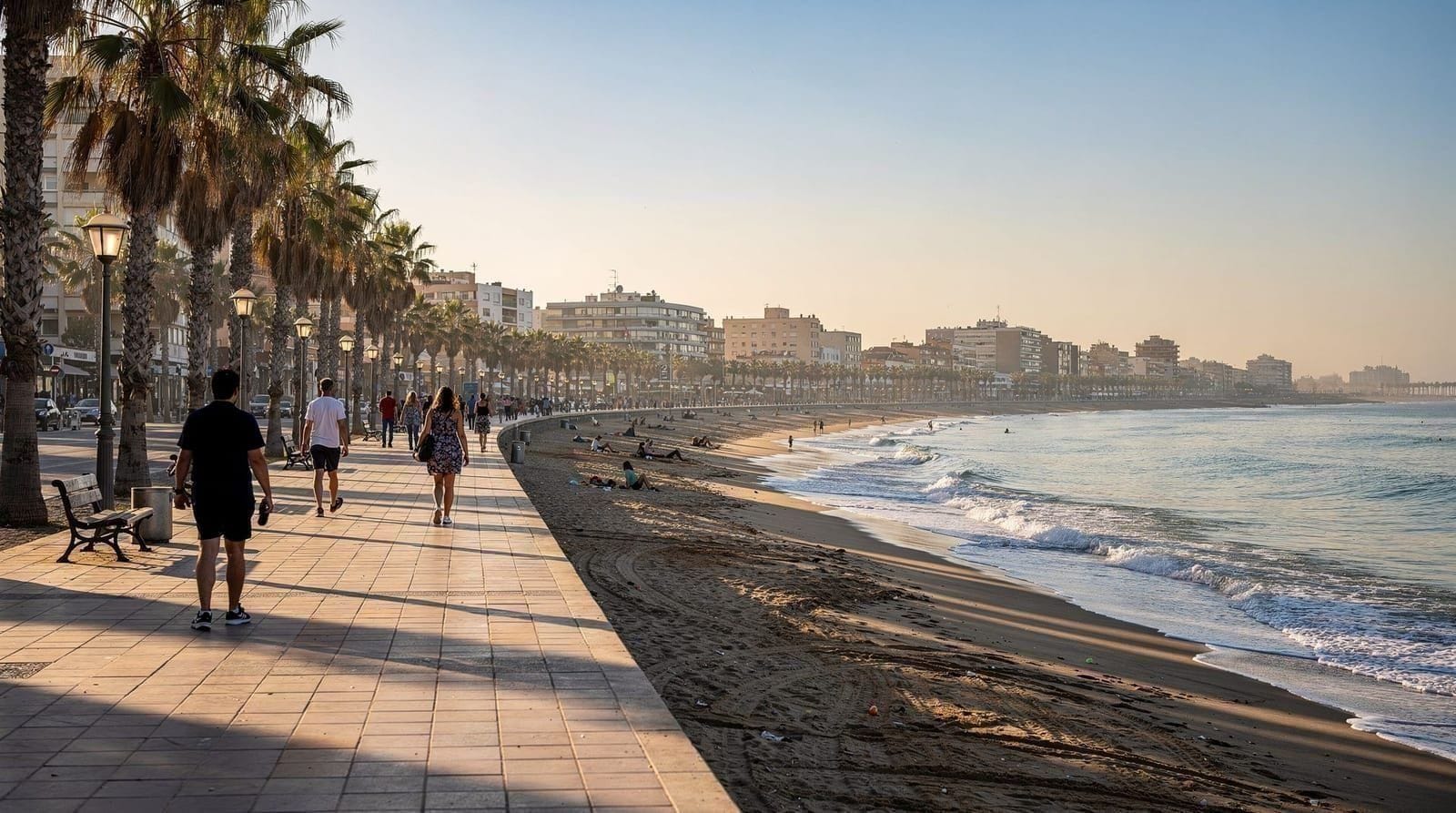
Cycling: the beach cycling path from Valencia’s old town (via the Turia park) passes directly through the Malvarrosa and Patacona promenade and continues to Alboraia. A round trip from the city centre is about 18 km and entirely flat.
The chufa fields
Between the coastal strip and the main village, the Huerta Norte landscape of small-plot agriculture includes active chufa fields, recognisable in summer by the low grass-like growth of the plants. The harvest is October. Walking or cycling through this landscape at harvest time — the fields being turned, the smell of earth and chufa tubers — is one of those genuinely agricultural experiences that require only a bike and a bit of curiosity.
The beach at Alboraia
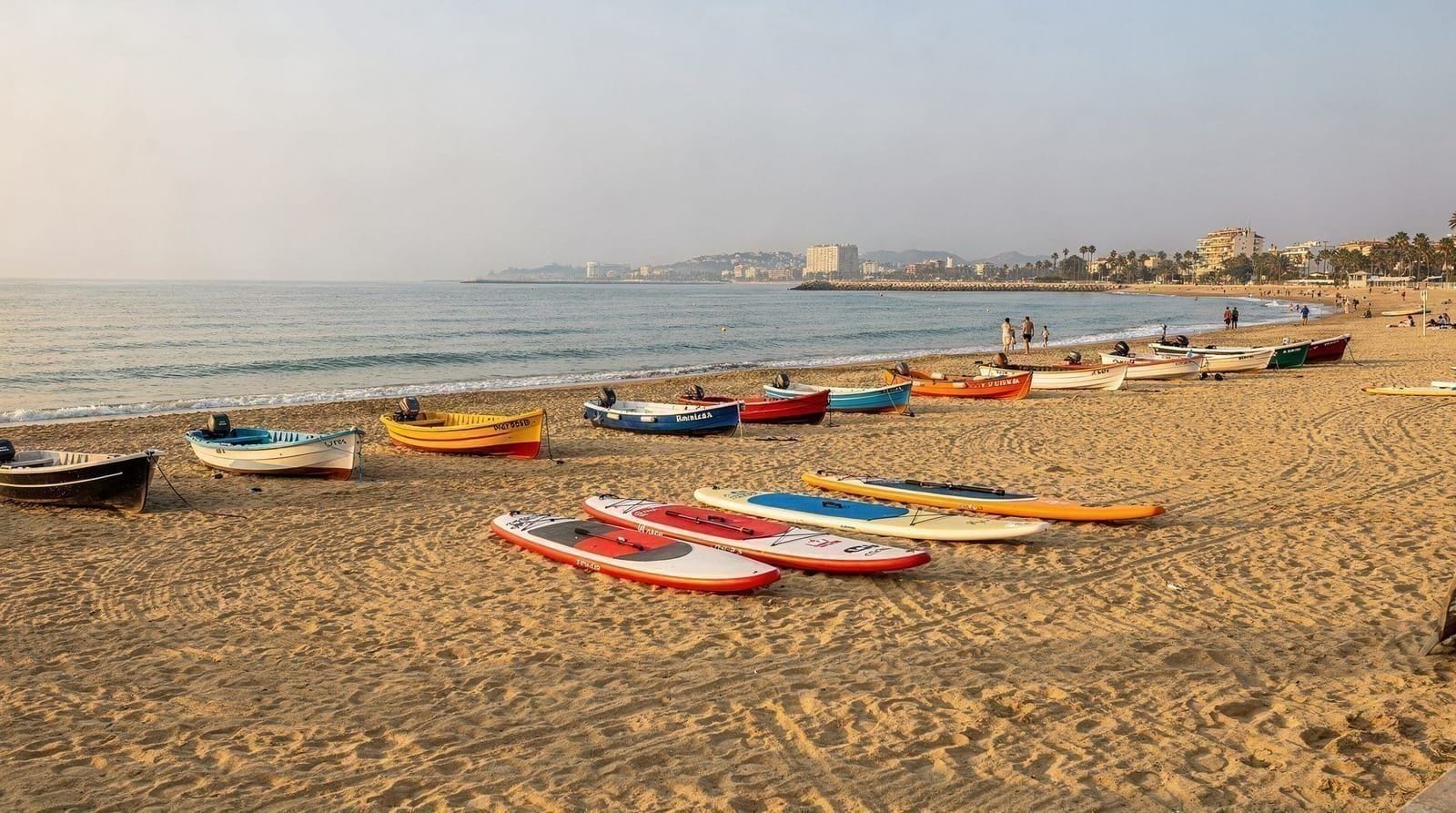
The beach at Alboraia continues directly from Patacona — same sand quality, similarly uncrowded relative to Malvarrosa. One small beachfront restaurant and a beach bar, simple facilities. Good for a swim in combination with horchata at the village horchateria.
What chufa actually is
Chufa (Cyperus esculentus var. sativus) is a sedge — a grass-like plant grown for its small underground tubers, which are the size and shape of a chickpea, wrinkled, brown-skinned, and cream-coloured inside. They taste mildly sweet and nutty. The plant grows in loose, sandy-loam soils like the Huerta Norte around Alboraia: the sediment deposited by the Turia river over millennia provides exactly the right conditions.
To make horchata, the chufa tubers are soaked for 24–48 hours, then ground with water and filtered repeatedly until the liquid is smooth, white, and slightly sweet. Sugar is added to taste. The result is dairy-free, gluten-free, and has a natural sweetness that means very little added sugar is needed for a pleasant drink.
The Chufa de Valencia PDO (Protected Designation of Origin) means that horchata labelled as such must use chufa grown within the designated zone of 17 municipalities around Valencia. This distinguishes it from similar tiger-nut drinks made elsewhere from different varieties or growing conditions.
The horchata experience
A glass of authentic Alboraia horchata is thick and cold — almost milkshake consistency, served with ice or sometimes a light layer of cinnamon. It should be opaque white, not translucent. The fartons for dipping are elongated sweet rolls, slightly chewy with a sugar glaze, made specifically for dunking into horchata to soften before eating.
At Horchatería Daniel (Avinguda de la Horchata, Alboraia) you can see the grinding and filtering process through the production window on weekday mornings. The tasting difference between fresh (that day’s production) and yesterday’s horchata is noticeable. Fresh has a brighter, cleaner flavour; older horchata can taste slightly fermented.
Price comparison: at an Alboraia horchaterıa, a glass costs €2–3. At a city centre bar in Valencia, the same drink costs €2.50–3.50. At a tourist café near the Cathedral, €4–5. The quality gradient follows the price inversely.
Cycling from Valencia to Alboraia
The flat coastal cycling route from central Valencia (starting at the Pont de Fusta end of the Turia park) to Alboraia is approximately 9 km each way and takes 30–40 minutes at a comfortable pace. The route passes through the Turia park, along the Malvarrosa beach promenade, through Patacona, and arrives at Alboraia’s beachfront. Valenbisi bikes work for the first part; a private rental is more practical for a full day of cycling.
Renting a bike for the day (€8–15 from rental shops near the Cathedral or the marina) and cycling the full circuit — old town, Turia park, beach promenade, Alboraia for horchata, return — is one of the best single-day self-guided itineraries from Valencia. The entire route is flat and largely traffic-free.
Read the full Valenbisi and bike rental guide and the Turia park cycling guide. See the Patacona beach guide and the horchata and fartons guide for context on how and where to drink horchata across Valencia.
The Huerta Norte beyond horchata
Alboraia sits within the broader Huerta Norte — the intensive market-garden zone that has produced vegetables for Valencia since the Roman period. The flat fields stretching from the city’s northern edge to the coast produce artichokes, tomatoes, courgettes, green beans, and the specific varieties used in Valencian rice dishes: bajoqueta (a flat green bean), garrofó (a large butter bean), and the locally-developed varieties of the sweet pepper used in paella.
This agricultural system is under pressure from urban sprawl and developer interest in the coastal plots. Some Huerta fields have been reclassified as building land; others are protected under the Parque Natural de la Albufera extension northward. Walking or cycling through the remaining active plots — small, intensively cultivated, divided by irrigation channels — gives context to why the Valencian table is what it is: densely productive land within cycling distance of a city of 800,000.
The Valencian regional government has created a Huerta Conservation Zone that includes Alboraia’s agricultural perimeter. Guided agricultural visits are available seasonally through the Valencia tourism office and some farm-to-table operators.
Getting around Alboraia
The village centre is 1.5 km inland from the coast. Most visitors come for the horchata and the beach, missing the village itself. The inland route (Avinguda de la Horchata, the main road through the chufa fields) passes actual chufa cultivation plots on both sides in summer and autumn. Cycling this road at dusk in October — harvest season, long raking shadows across the fields — is one of the more specifically Valencian experiences accessible from the city.
The village square (Plaça de l’Ajuntament) has a bar and a café, both operated for residents rather than tourists. The church, Sant Pere Apòstol, has an 18th-century baroque façade worth a pause.
For the broader context of Valencia’s northern coastline and what to do beyond Alboraia, see the quiet beaches guide.
Planning a relaxed day around Alboraia
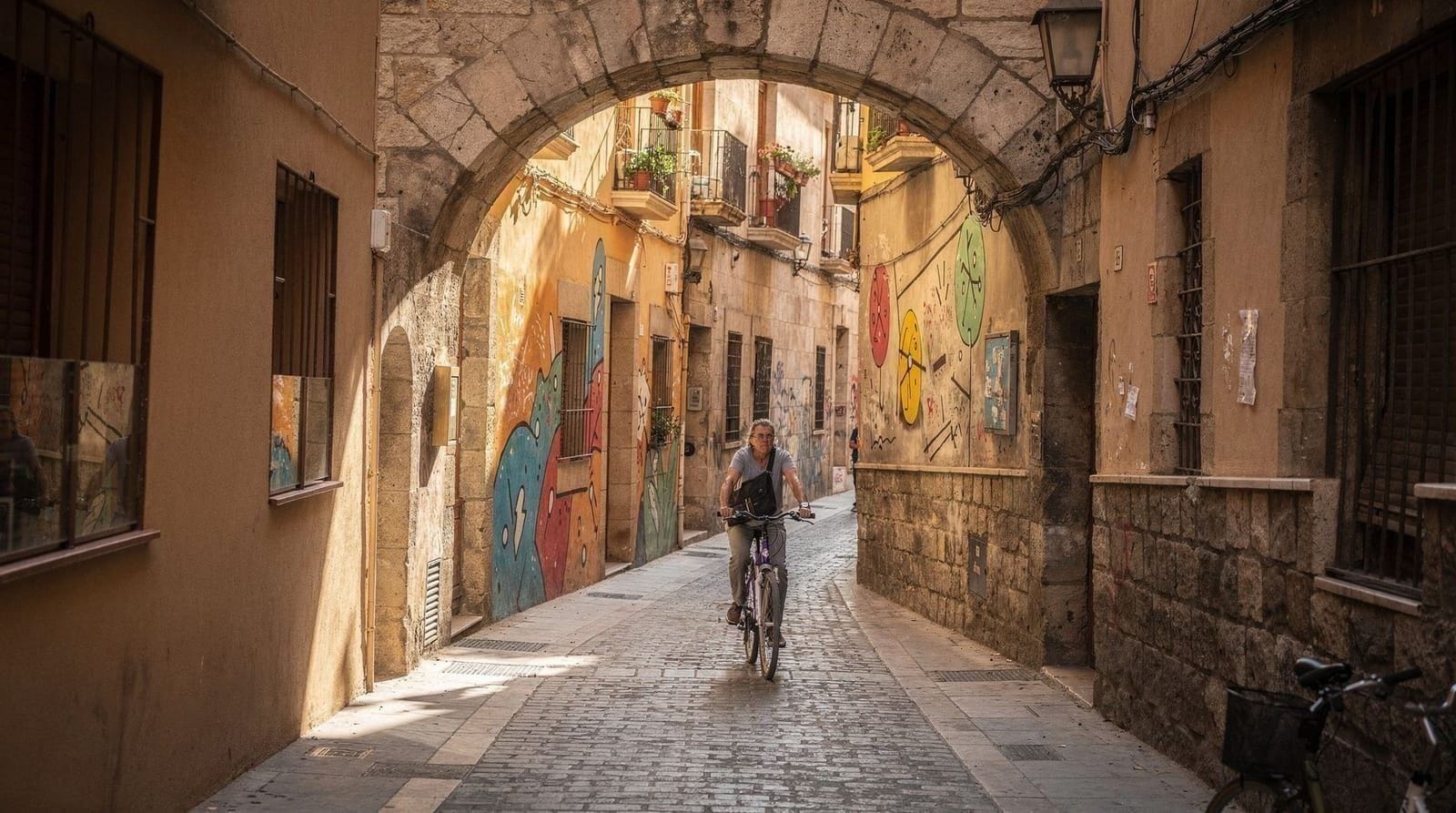
The simplest way to use Alboraia is as the turning point of a slow loop out of the city. Start in the old town with a coffee, drop down into the Turia gardens, follow the river bed towards the sea and let the promenade carry you north. By the time you reach the village you will have earned the horchata, and the return leg feels easy because nothing on the route is steep. If you would rather not navigate on your own, a guided cycling tour of the city gives you the same flat terrain with someone else handling the route and the stops, and it is a good way to get your bearings before you try the northern coast by yourself.
Leave the village for the end of the afternoon rather than the middle. The light over the fields is softer, the horchateries are lively with local families, and you can sit for a while without feeling rushed. A glass of horchata and a farton is a snack, not a meal, so plan lunch separately: either before you set out, or at one of the resident-oriented bars near the church.
If the weather turns
Alboraia is an outdoor destination, and a grey or windy day takes much of the charm out of the fields and the beach. Horchata itself is a year-round pleasure, so a wet afternoon is still a reasonable excuse for a short tram ride and a long sit-down indoors. If the sky is properly closed in, keep the cycling for another day and spend the time in the city instead: the rainy day guide for families and the museums free on Sunday guide both offer ideas that work equally well for adults.
Pairing Alboraia with the rest of your stay
Because the trip is short, it combines easily with other plans. A morning in the Cabanyal streets, a stroll along the Malvarrosa promenade and horchata in Alboraia make a coherent half-day on the coast, and the beaches and city itinerary strings that kind of day together. For a longer stay, the Valencia in one day itinerary shows where a coastal detour fits around the main sights. If this is your first visit and you are still choosing where to base yourself, the best area for first-timers will help you decide how far from the beach you want to sleep.
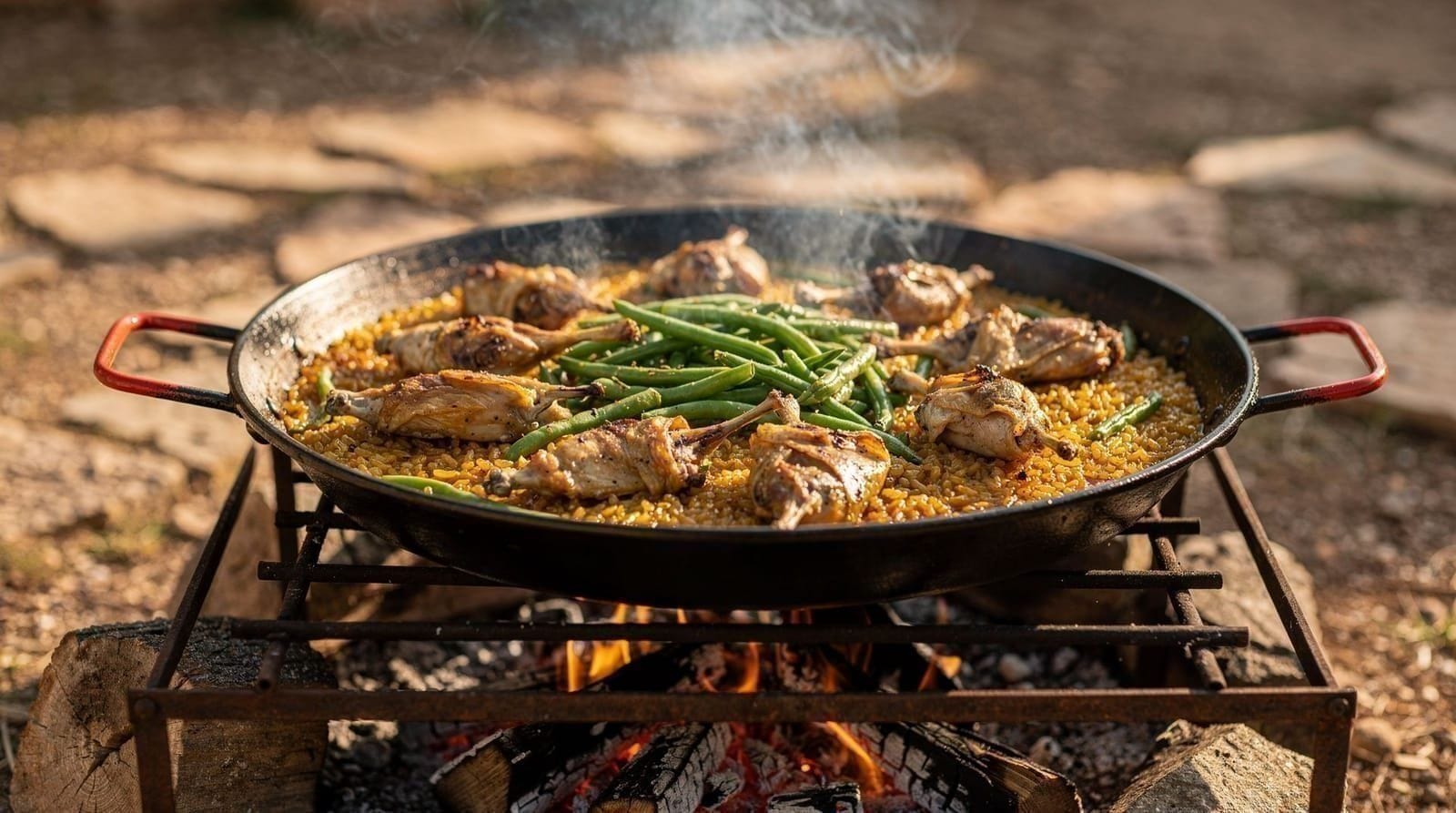
For visitors who like to understand a place before they eat their way through it, a walking tour through the historic centre is a useful warm-up. It explains the city that the Huerta fed for centuries, and the link between the old market streets and the farmland to the north becomes much clearer once you have seen both. Likewise, if the produce of the Huerta Norte makes you curious about cooking with it, a hands-on traditional paella cooking class is the natural next step: the beans, peppers and rice that grow around Alboraia are exactly what ends up in the pan, and cooking them yourself ties the landscape to the plate.
Etiquette and small habits worth knowing
Horchateries are ordinary neighbourhood businesses, not attractions, so behave as you would in any local café. Order at the counter or from the waiter, sit where there is space, and do not expect table service to be rushed. Ask for horchata natural, mention that you would like fartons with it, and pay when you are ready to leave. If you are curious about the production process, ask politely rather than walking behind the counter. Staff are usually happy to talk about their product when it is quiet, less so at the busiest moments of a warm weekend afternoon.
Bring a little patience in the fields too. The plots are working farmland, so stay on the paths and tracks, leave irrigation channels as you find them and do not pick or dig anything. Photographs of the landscape are welcome; walking through crops is not.
Eating beyond horchata
Alboraia’s village square and the streets around the church have a handful of local bar-restaurants aimed at residents rather than visitors — the kind of place with a chalkboard menú del día for €11–13 and no English menu. It’s a reasonable lunch stop if you’re spending a full afternoon cycling rather than just passing through for a quick horchata. For a wider comparison of where locals actually eat around Valencia, including how to spot a menu built for tourists, see the eat like a local guide and the food markets guide.
Alboraia compared with the nearby beach towns
| Destination | Distance from centre | Best for | Crowds |
|---|---|---|---|
| Alboraia | 4 km north | Horchata, chufa fields, cycling | Low |
| Patacona | 3.5 km north | Beach clubs, quieter sand than Malvarrosa | Moderate |
| La Malvarrosa | 3 km north | Main city beach, promenade dining | High in summer |
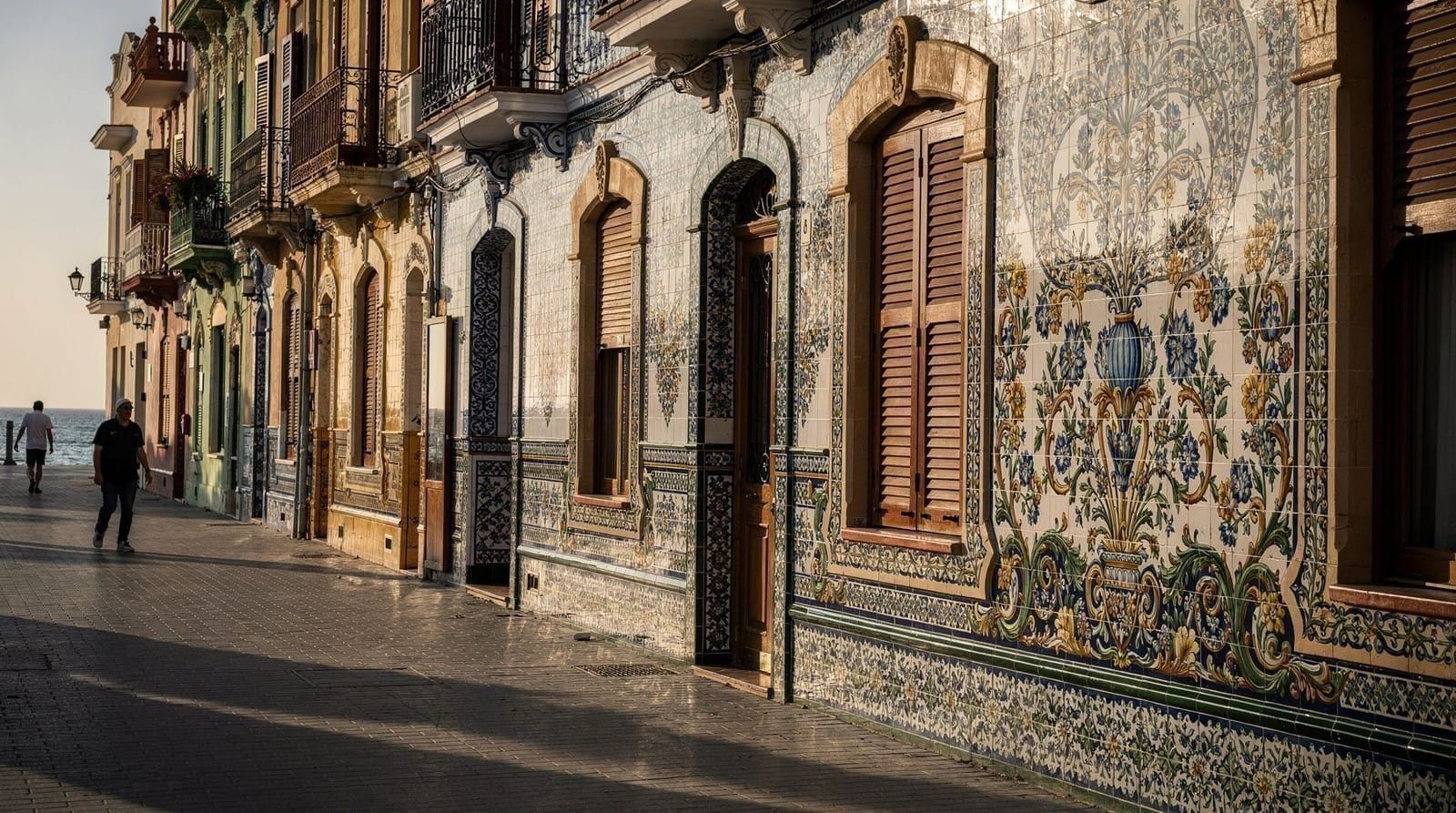
| El Cabanyal | 2.5 km north | Fishermen’s-quarter architecture, tiled façades | Low–moderate |
Alboraia is the least crowded of the four and the only one built around a single food tradition rather than the beach itself — worth the extra 10 minutes if horchata or cycling is the point of the trip. See the Patacona beach guide, the La Malvarrosa guide and the El Cabanyal guide for the other three.
Frequently asked questions about Alboraia
Is Alboraia worth a special trip from Valencia?
If you care about trying genuinely fresh horchata or want a flat, scenic cycling route out of the city, yes. As a beach-only destination it doesn’t beat Patacona or Malvarrosa, both closer to the centre. Combine it with a cycle along the coastal path rather than treating it as a standalone trip.
How is Alboraia’s horchata different from what’s served in the city centre?
Fresh horchata made in Alboraia’s horchaterías is thicker, colder and more intensely flavoured than the semi-industrial version poured at most city-centre bars, and noticeably different from bottled supermarket horchata. Ask specifically for horchata natural rather than the pre-mixed version if you want the genuine article anywhere in Valencia.
Top experiences
Bookable activities with verified prices and instant confirmation on GetYourGuide.