Quiet beaches near Valencia: escape the August crowds
Valencia: catamaran cruise with snack and swim at El Saler
Where do locals go when Malvarrosa is too crowded?
Local Valencians who know the coast head to La Devesa (15–20 km south, car essential), Platja de Tavernes de la Valldigna (60 km south), or the northern sections of Gandia beach beyond the main resort strip. All three are accessible within 90 minutes and significantly less visited than Malvarrosa on summer weekends.
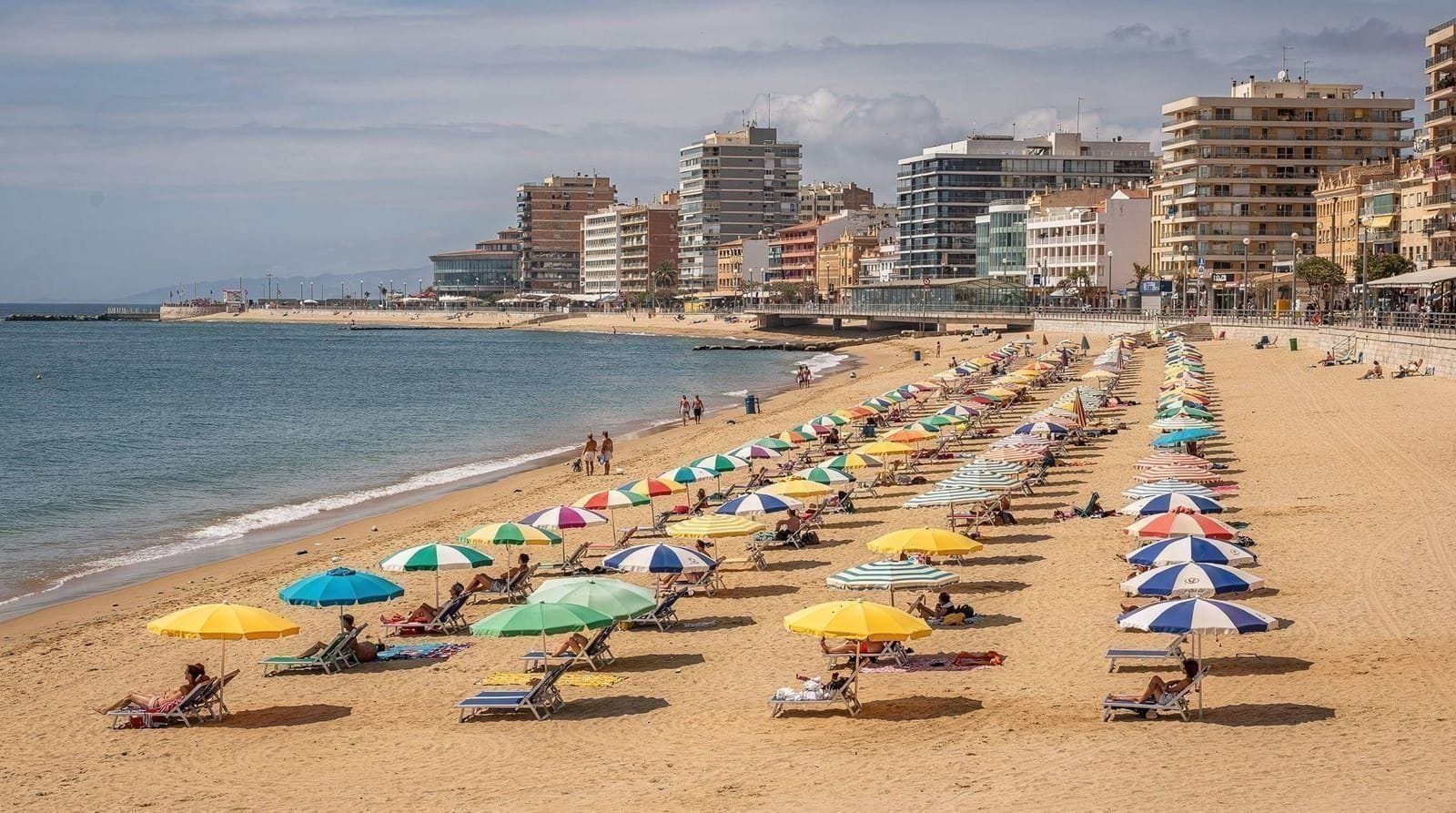
The honest truth about Valencia’s main beaches in July and August: Malvarrosa and Patacona hold tens of thousands of people on summer weekends. If you arrived expecting a relaxed Mediterranean experience and found yourself navigating towels two centimetres apart, you are not alone. This guide covers where to go instead — both for visitors with cars and those relying on public transport.
| Closest quiet option | Port Saplaya, 8 km north, reachable by bike |
| Best without a car | El Saler, bus 25 from Alfahuir (35 min) |
| Best overall trade-off | La Devesa, car needed, near-total quiet |
| Cost | Free — all beaches in this guide are free to access |
| Best time | Early morning, or September for lower crowds citywide |
Why Valencia beaches fill the way they do
Valencia is Spain’s third-largest city. Its metropolitan area holds approximately 1.8 million people. In summer, all of them need to swim somewhere. The urban beaches at Malvarrosa and Patacona absorb the bulk of city residents plus domestic and international tourists, on a beach that runs 1.8 km. The capacity math is straightforward: on the hottest August weekend, there is no way to be comfortable at Malvarrosa if you arrive after 10:00.
The beaches covered in this guide are either:
- In the Albufera Natural Park (limited development keeps crowds below capacity)
- Further south than day-trippers typically commit to
- Structurally less accessible (no direct public transport)
- Simply less promoted in English-language tourism content
La Devesa — the best quiet beach closest to Valencia
Distance: 18–22 km south. Transport: Car required for La Devesa access points; bus 25 reaches El Saler village (shorter walk to northernmost section).
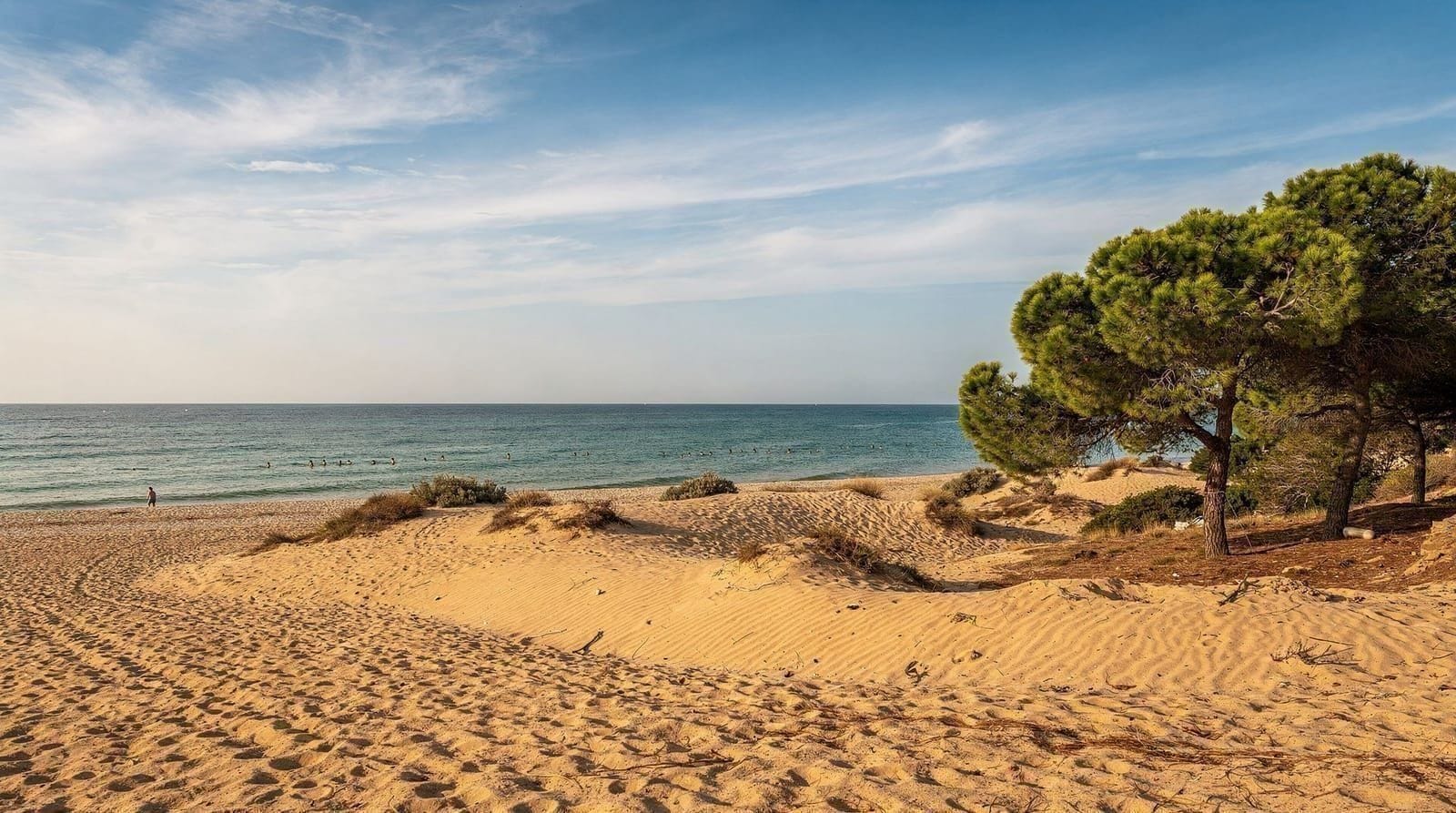
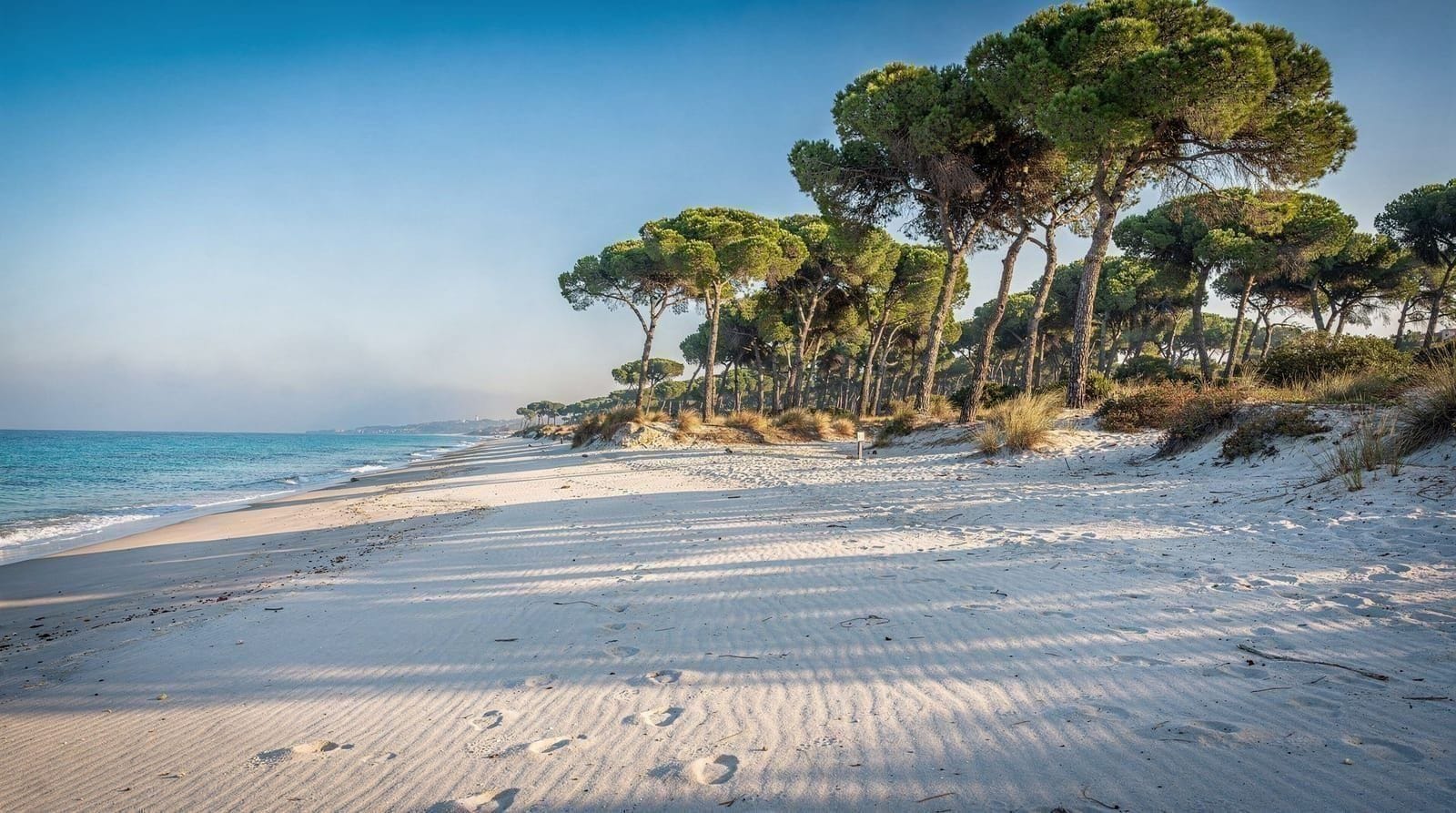
La Devesa is the protected dune and pine forest strip south of El Saler within the Albufera Natural Park. Multiple access points along the CV-500 allow you to drive in, park at a small forest lot, and walk 10–15 minutes through pine trees to an undeveloped beach. No promenade. No sunbed concessions. No restaurants on the sand.
This is the beach that local Valencians who care about nature genuinely use on summer weekends. The car parks at La Garrofera and El Dosser have maybe 30–40 spaces each; they fill by 09:30 on summer weekends. Arrive early or accept the 20-minute walk from the CV-500 roadside.
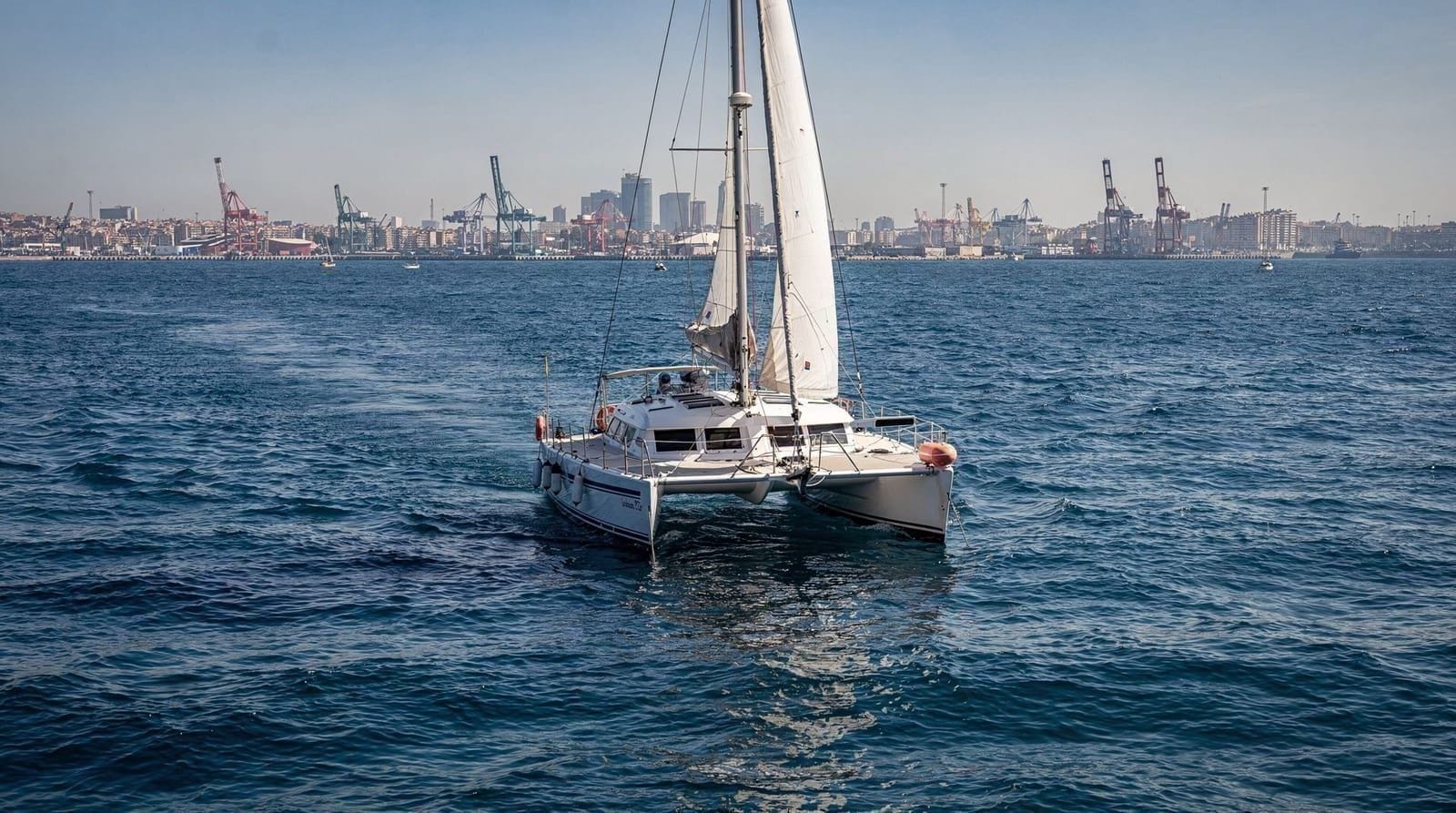 catamaran cruise with snack and swim at El SalerCheck availability
The catamaran approach is an alternative — the boat anchors offshore La Devesa for a swim in less crowded water without the parking problem.
El Saler beach — quieter than urban beaches, accessible by bus
Distance: 15 km south. Transport: Bus 25 from Alfahuir (35 min).
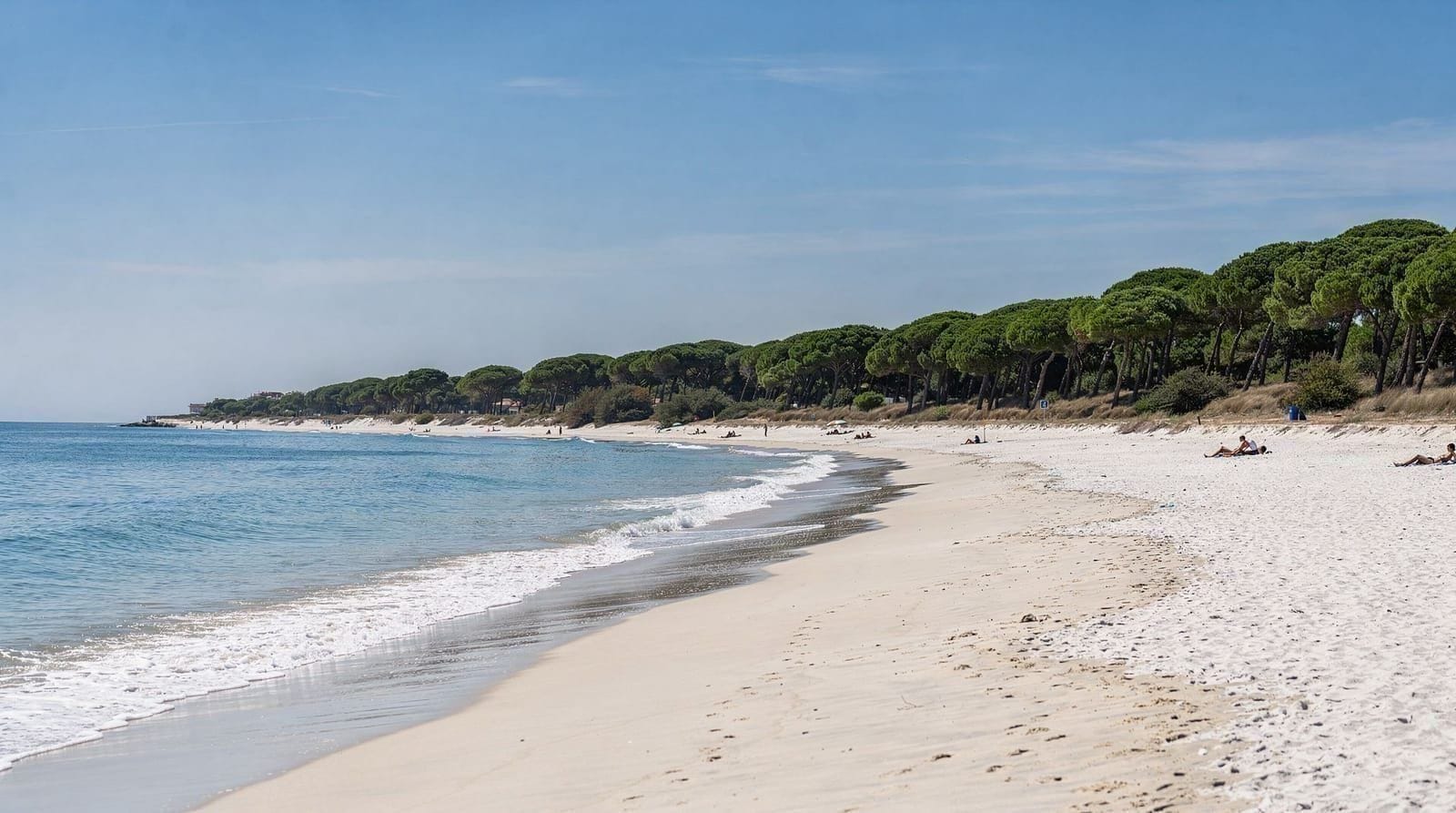
El Saler beach is the northern edge of La Devesa, with slightly more facilities (summer lifeguards, showers, one chiringuito) while still being within the natural park. It never reaches Malvarrosa-level crowding because the car park is finite and the bus frequency limits flow. On August weekends it gets busy, but “busy” means a few hundred rather than tens of thousands.
The combination of pine shade, natural setting, and manageable facilities makes El Saler the go-to recommendation for day-trippers without cars who want more nature than the urban beaches offer.
Platja de Tavernes de la Valldigna — the local’s alternative
Distance: 60 km south. Transport: Car (55 min via AP-7), or train to Cullera then taxi (adds 30 min).
Tavernes de la Valldigna has a beach that consistently outperforms its reputation: 3 km of fine sand, clear water, fewer Northern European package tourists than Gandia, and a town behind it that functions as a real Valencian community rather than a resort. English-language tourism infrastructure is minimal, which is precisely why it attracts Valencians who want an honest beach day rather than a tourist product.
The beach faces southeast and gets good morning sun. The town has a market (Tuesday mornings), a castle ruin on the hill behind, and several non-tourist-facing fish restaurants near the small port.
Access challenge: No direct train connection. The AP-7 to Gandia then the N-332 north is the most straightforward car route. For non-car visitors, Cullera train + taxi is possible but adds logistical overhead to what should be a simple beach day.
Northern Gandia — beyond the resort strip
Distance: 65 km south. Transport: Cercanías C2 from Estació del Nord (60 min) then bike or bus.
Gandia beach’s main resort section is busy. But the beach extends 6 km, and the further you walk from the main resort hub, the thinner the crowds. The northern section near the Grau de Gandia (port area) has significantly less concession infrastructure and fewer beach clubs, attracting more local families and fewer tourists.
Beyond this, cycling north along the coastal path from the Gandia beach access leads to smaller sections at the Grao and eventually toward the Marjal de la Safor wetland — a protected area that limits development and keeps the adjacent beach quiet.
Port Saplaya and the beaches north of Valencia
Distance: 8 km north of Valencia. Transport: Car or bike along the coast.
Port Saplaya is a small marina town immediately north of Patacona. It has a small beach that is calmer than Malvarrosa because it is less promoted and requires commitment to reach (the direct coastal route by bike is 30–35 minutes from the city centre; there is no direct public transport). On summer weekdays it is essentially quiet.
The beach itself is narrow but the marina setting is pleasant, and several small restaurants in the port area serve simple fish and tapas without tourist-menu pricing.
Playa de Canet d’En Berenguer (near Sagunto)
Distance: 28 km north. Transport: Cercanías C6 to Sagunto (30 min), then 3 km to the beach.
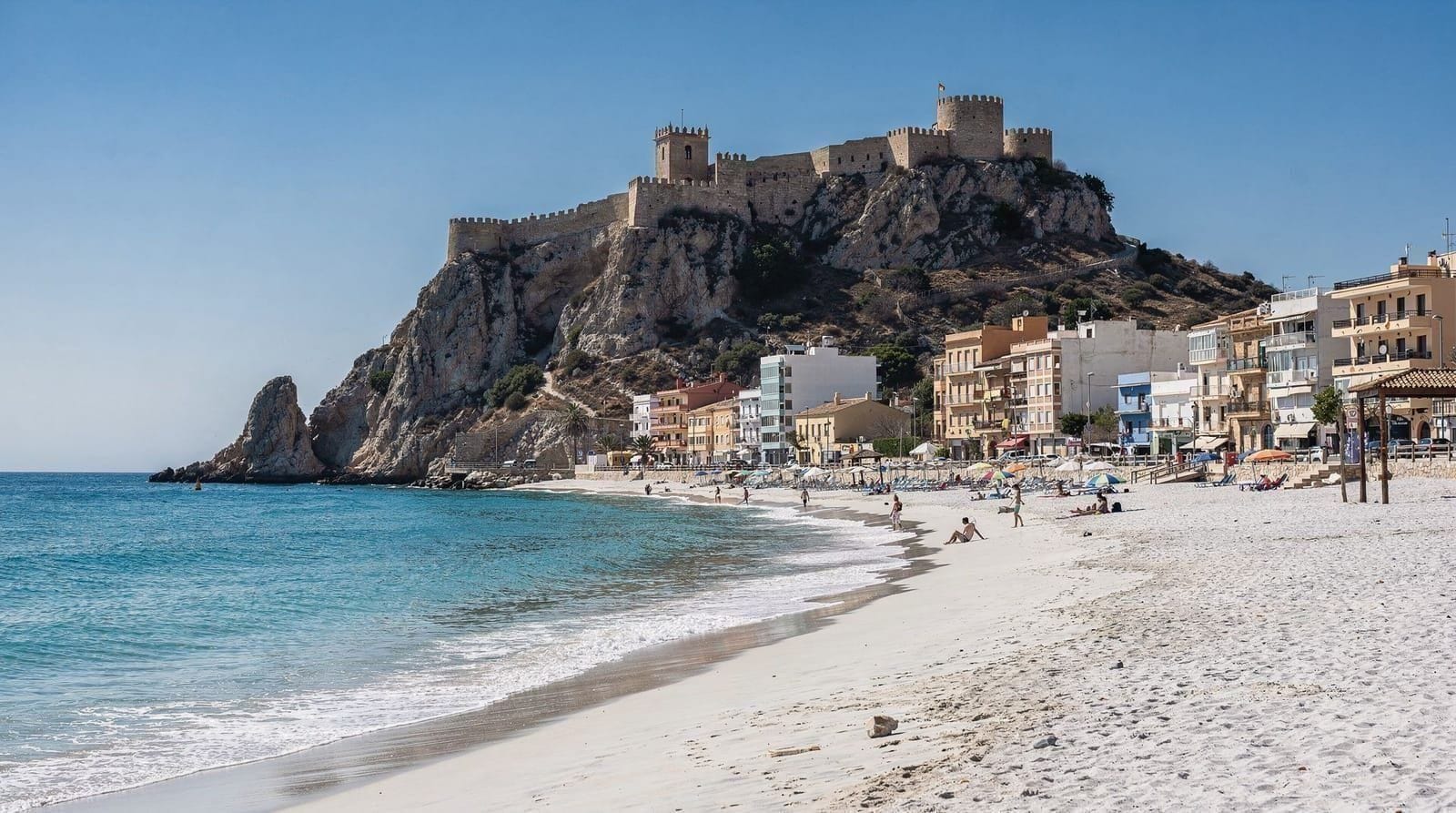
Sagunto’s beach sits at the base of the town’s headland, 3 km from the historic centre. The beach is narrow but the setting — Roman theatre and medieval castle on the cliff above — is unique on the Valencian coast. It receives tourism but not at the scale of the southern beaches.
The combination of beach and Sagunto’s extensive Roman ruins and medieval castle makes this a genuinely full day trip with two different experiences. The beach itself is the weakest element — it is not large or particularly quiet — but the overall package is worth considering.
Practical comparison
| Beach | Km from Valencia | Car needed? | Crowd level (August) | What you give up |
|---|---|---|---|---|
| La Devesa | 18–22 km | Yes | Low | All facilities |
| El Saler | 15 km | Ideal (bus possible) | Medium | Promenade/restaurants |
| Tavernes | 60 km | Yes (strongly) | Low | Tourist infrastructure |
| N. Gandia | 65 km | No (train + walk) | Medium | Convenience |
| Port Saplaya | 8 km | No (bike) | Very low | Length of beach |
What to bring — most of these beaches have no facilities
Unlike Malvarrosa, several of the beaches on this list have no shops, no showers, and no lifeguards outside the main summer window. Plan accordingly: bring your own water and food (there is nothing to buy at La Devesa’s forest access points), a sun umbrella or shade if you’re staying more than an hour (the pine forest at El Saler and La Devesa offers natural shade, but the open sand does not), and cash for the rare chiringuito that does exist rather than assuming card payment. Lifeguard coverage at La Devesa and the quieter Sagunto-area beaches is thinner than at the urban beaches — swim within your ability and check conditions before entering the water, particularly if there’s any wind.
Are these beaches good for families?
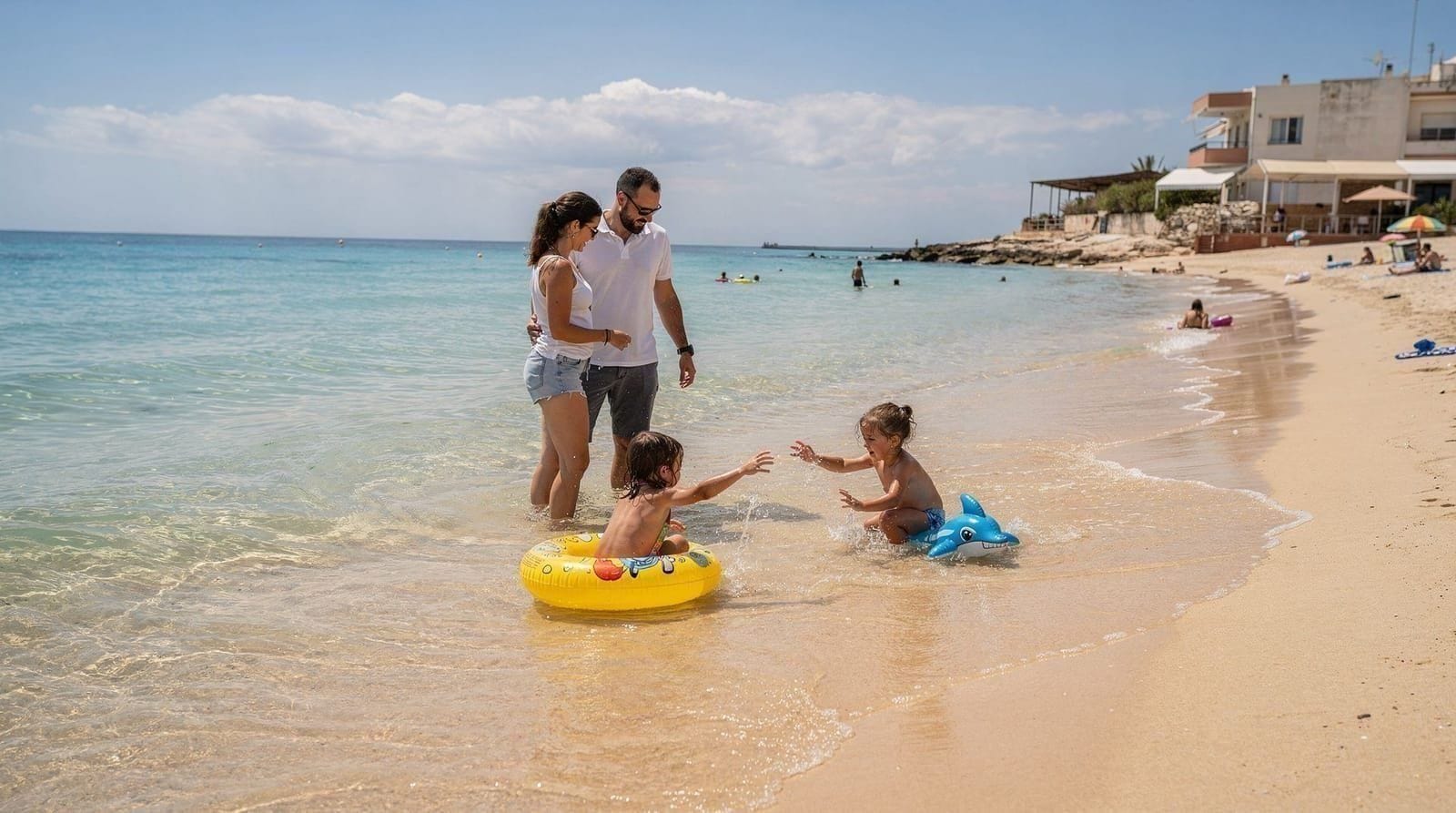
It depends which one. El Saler has enough facilities (showers, one chiringuito, summer lifeguards) to work reasonably well for families with young children, and the shallow, calm water is comparable to the urban beaches. La Devesa is better suited to families who prioritise nature and don’t mind carrying everything in — the walk from the car park with young children and beach gear is a real consideration. Port Saplaya’s small beach and calm marina-adjacent water suit families wanting something low-key and close to the city. For a broader comparison of which Valencia-area beaches work best specifically for children, see the family beaches guide and the general best beaches near Valencia guide for the full spread including the busier options this guide deliberately avoids.
When to go regardless of beach choice
The simplest answer to avoiding crowds on any Valencia beach: early mornings and late afternoons. The 08:30–10:30 window and the 17:30–19:30 window on any beach are significantly more comfortable than midday. On Malvarrosa specifically, these two windows transform the experience.
September is the highest-value beach month in Valencia. Water temperature remains 23–25 °C, crowds drop substantially after the first week, restaurant service improves as the pressure of August eases, and the afternoon light is excellent.
The Albufera combination
The Albufera natural park offers a beach-plus-nature package that no urban beach can match. The formula — morning at La Devesa or El Saler, afternoon at El Palmar for all-i-pebre and a lagoon boat ride — is the best single-day coastal experience within 25 km of Valencia:
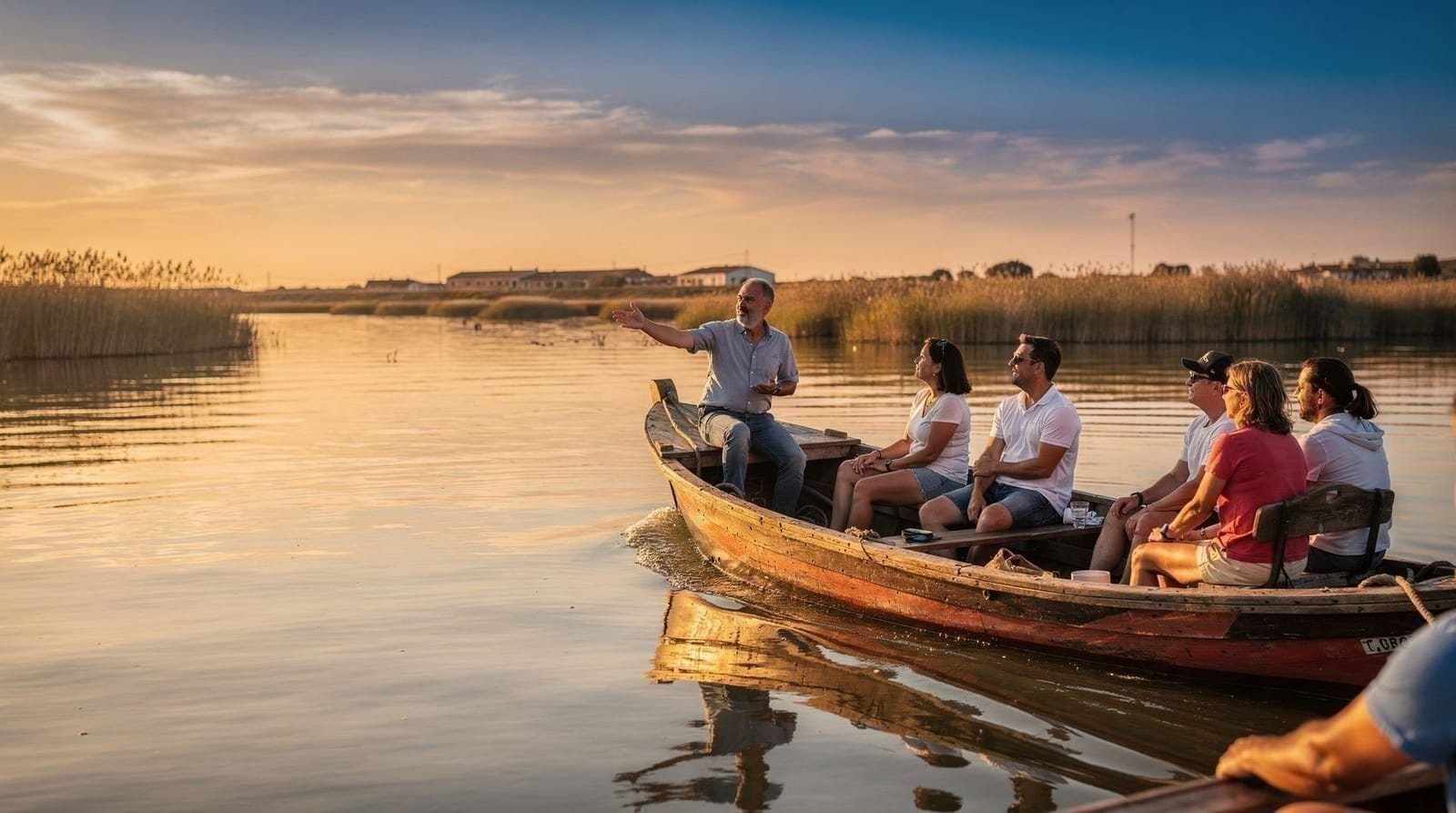 Albufera Natural Park bike and boat tourCheck availability
This guided format covers the forest, lagoon, and boat in a single structured day, removing the navigation uncertainty.
Frequently asked questions about quiet beaches near Valencia
Where is the absolutely quietest beach near Valencia?
La Devesa at the La Garrofera or El Dosser access points on a weekday morning. The combination of natural park designation, limited parking, and no facilities keeps it quiet even in August if you arrive early.
Can I reach a quiet beach from Valencia without a car?
The best option without a car is El Saler via bus 25 (from Alfahuir, 35 min). This is meaningful but quieter than the urban beaches and has a natural setting. For La Devesa or Tavernes, a car is practically necessary.
Is there a quiet beach north of Valencia?
Port Saplaya (8 km north) is accessible by bike. The coast north of Valencia has some sections near Sagunto and Canet d’En Berenguer. However, the Albufera and La Devesa to the south are generally better for quiet natural beach experiences.
Why don’t more tourists go to La Devesa?
Several reasons: no public transport to the beach access points, minimal facilities, and English-language travel content tends to concentrate on urban beach options. The Albufera Natural Park is primarily promoted for the lagoon boat rides rather than for beach access, leaving La Devesa underexposed in international travel media.
Are any of these quiet beaches suitable for a half-day without a car?
El Saler and Port Saplaya are the two realistic options. El Saler is reachable by bus 25 in about 35 minutes; Port Saplaya is a comfortable 30–35 minute bike ride from the city centre along the coastal cycle path. Both give you 3–4 hours of genuinely quieter beach time without needing a rental car.
Do I need to rent a car just for one quiet beach day?
Not necessarily. If your main goal is escaping the crowds rather than reaching the absolute quietest spot, El Saler by bus or Port Saplaya by bike already delivers most of the benefit for no extra cost. A car becomes worthwhile mainly if you want La Devesa specifically, or if you’re combining the beach with a wider day trip such as Sagunto or Cullera.
Cycling routes to quiet beaches
For visitors with or willing to rent road bikes, the Valencian coastal cycle network provides access to several undervisited beaches without a car:
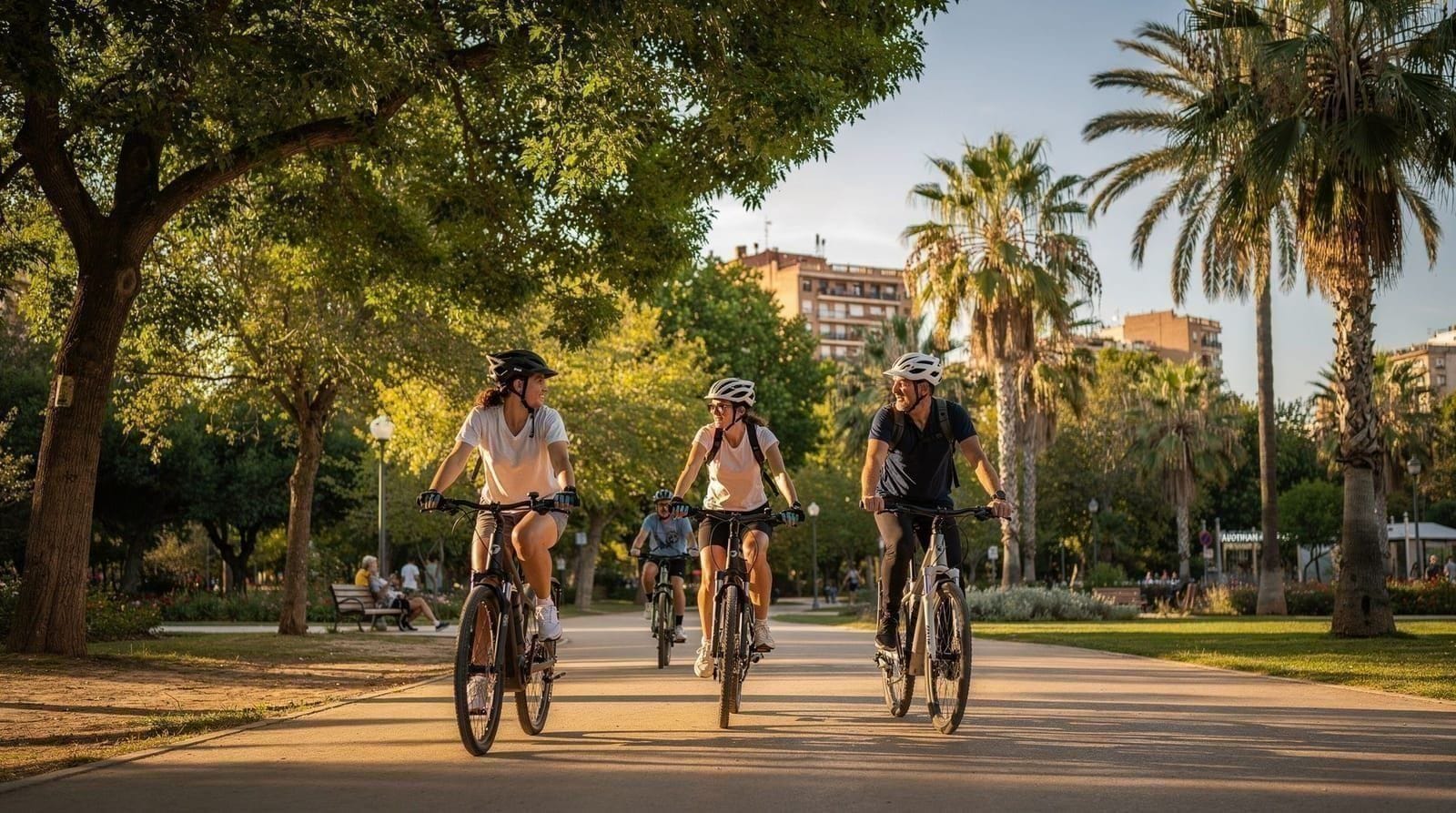
Turia Gardens → Malvarrosa → Patacona → Port Saplaya: The classic urban coast route. Port Saplaya (8 km from the city’s Turia Gardens) is genuinely quiet because the 30+ km total round trip by bike filters out casual visitors. This is an intermediate-length ride suitable for regular cyclists.
Turia Gardens → Malvarrosa → El Saler (coastal route): The longer southward route. From the city’s seafront, the coast road continues south past the port and eventually reaches El Saler, approximately 18 km from the historic centre. Parts of this route use the coast road rather than a dedicated cycle lane; reasonable cycling confidence required.
La Devesa forest track (Camí de la Devesa): Once you are at El Saler village (by car or bus 25), the forest track runs through La Devesa for 12 km. Flat, shaded, car-free. This is the quietest cycling in the Valencia coastal area.
The lesser-known north: Canet d’En Berenguer and surroundings
While most “quiet beach” recommendations point south toward the Albufera, there are options north of Valencia that receive less attention:
Playa de Canet d’En Berenguer: 28 km north, accessible by Cercanías train C6 (30 min from Estació del Nord) to Sagunto then 3 km east. The beach is narrow but the combination with Sagunto’s Roman ruins and medieval castle makes it the most historically rich beach-plus-culture combination within 30 km of Valencia. Beach crowding is minimal because the tourist flow to Sagunto is for the ruins, not the beach.
Playa de Nules: 50 km north, accessible by car or bus. Industrial context (the Castellón industrial corridor) limits appeal, but the beach itself is clean and uncrowded. Not the most inspiring setting.
Playa de Moncófa: 55 km north. A small resort with a significant expat British presence. Beach is quiet by mid-summer standards; atmosphere is less authentically Valencian than the southern options.
The timing factor: redefining “quiet”
“Quiet beach” does not only mean a specific location — it also means a specific time of day or week at any beach:
Early morning at Malvarrosa (08:00–10:00): The beach before the crowds arrive is genuinely pleasant. Joggers, dog walkers, and early-morning swimmers share the space. The chiringuitos are closed; the restaurant noise is absent. This version of Malvarrosa does not require a car or a bus journey.
Late afternoon at El Saler (17:00–20:00): The car park empties after 16:00 as families with young children leave. The late afternoon light in the pine forest and on the dunes is beautiful. Arriving at 17:00 gives 3 hours of good beach conditions in a significantly less crowded environment than the morning peak.
Tuesday–Thursday at Cullera or Gandia: Both towns are markedly less crowded midweek. The restaurants are more available, the beach has space, and the castle at Cullera has shorter entry queues. If your schedule permits weekday visits, both beaches are excellent during the week throughout July–August.
Natural park quiet: Albufera in the off-season
September and October at the Albufera Natural Park offer one of the best quiet natural experiences available from Valencia. The beach season is ending (or ended), but the lagoon is at its most interesting:
Rice harvest (October): The rice paddies surrounding the lagoon are harvested in October. Combine-harvesters work from dawn; the landscape changes daily as the golden crop is cut. The rice straw fires that some farmers still use for stubble management fill the Albufera with a distinctive smoke haze.
Incoming birds: October–November brings the wintering waterfowl arrivals: tens of thousands of coots, pintail, teal, and garganey arrive from northern Europe to overwinter on the lagoon. Flamingo numbers peak in autumn. The Albufera eco boat tour in October is the most rewarding month for bird life.
Empty beach: La Devesa beach in October, with the harvest in the paddies and birds filling the lagoon, and the Mediterranean still warm enough for a brief swim, is about as far from August Malvarrosa as Valencia gets.
Albufera Natural Park bike and boat tourCheck availability
Honesty about “hidden” beaches
Travel content has a tendency to describe accessible beaches as “hidden” or “secret” when they are nothing of the sort. La Devesa is known to every Valencia resident who cares about nature. Platja de Tavernes is listed in all Spanish road atlases. Port Saplaya has its own Wikipedia entry.
What these beaches are is under-promoted in English-language tourism content — which is functionally equivalent to hidden for international visitors who rely on that content. This guide is attempting to correct that gap, not to claim exclusive discovery. When you visit La Devesa and find other people there (and you will, even if only a few), you are not in the wrong place.
The genuine insight is this: the beaches that Valencians use on their own local days off — La Devesa, Tavernes, Port Saplaya on weekday mornings — are accessible to international visitors with exactly the same transport options. They require slightly more planning than taking the metro to Eugenia Viñes, but the planning overhead is a few minutes and a car or bike rather than a radically different journey.
Top experiences
Bookable activities with verified prices and instant confirmation on GetYourGuide.