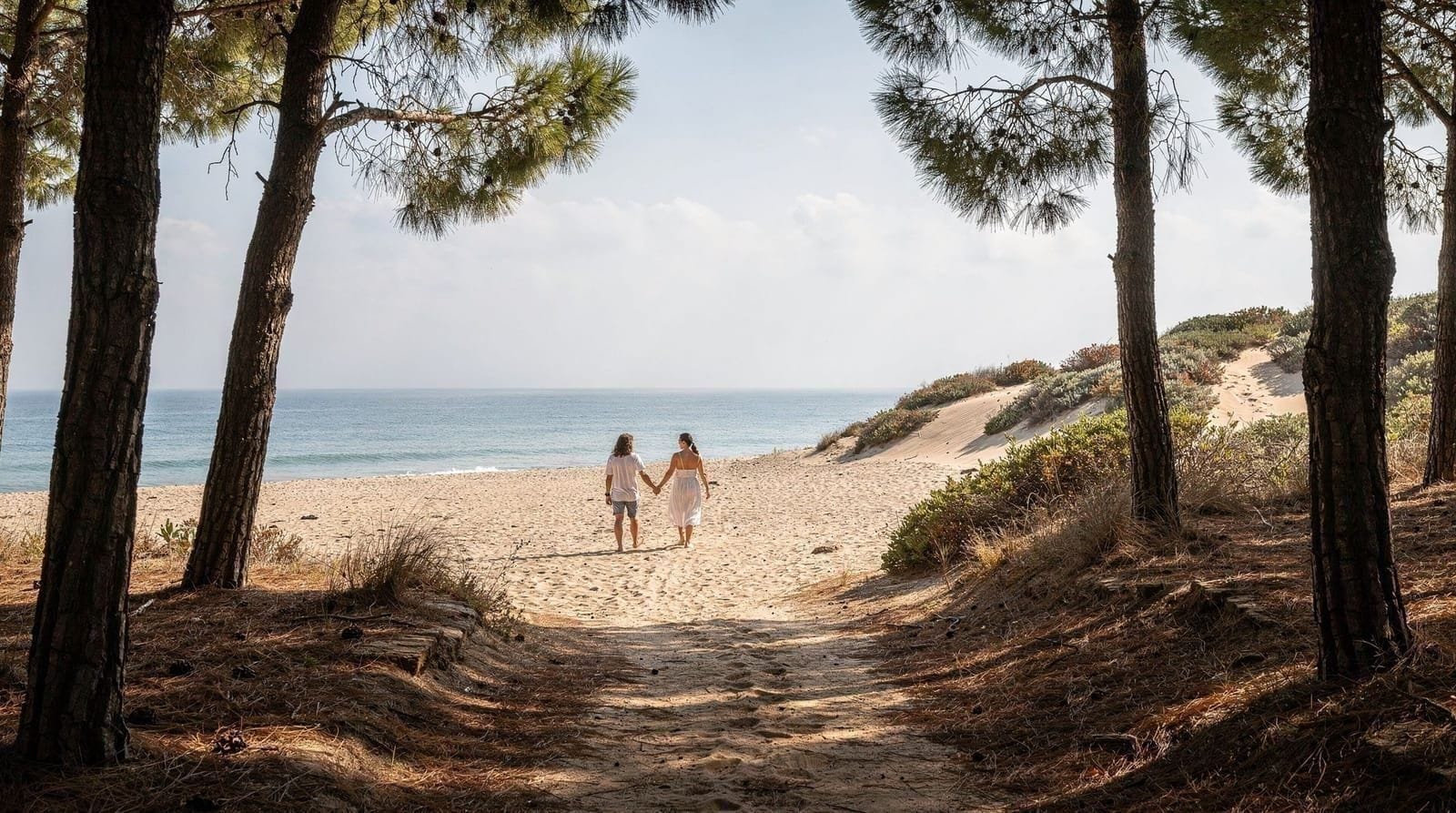
Patacona beach — quieter alternative north of Malvarrosa
Honest guide to Patacona beach, the calmer continuation of Malvarrosa north of Valencia — less crowded, good for families, SUP, and the Alboraia seafront.
Valencia: paddle surf lesson
Quick facts
- Best for
- Families, watersports, quieter sunbathing
- Time needed
- Half day to full day
- Getting there
- Tram L8 to Patacona stop or bus 95
- Don't miss
- SUP and kayak rentals; evening walk along the promenade
| Where | Immediately north of La Malvarrosa, in Alboraia municipality |
| Time needed | Half day to full day |
| Getting there | Tram L8 to Patacona stop, ~20 min |
| Cost | Free beach; SUP lesson around €25–35 |
| Best time | June–September; May and October for fewer crowds |
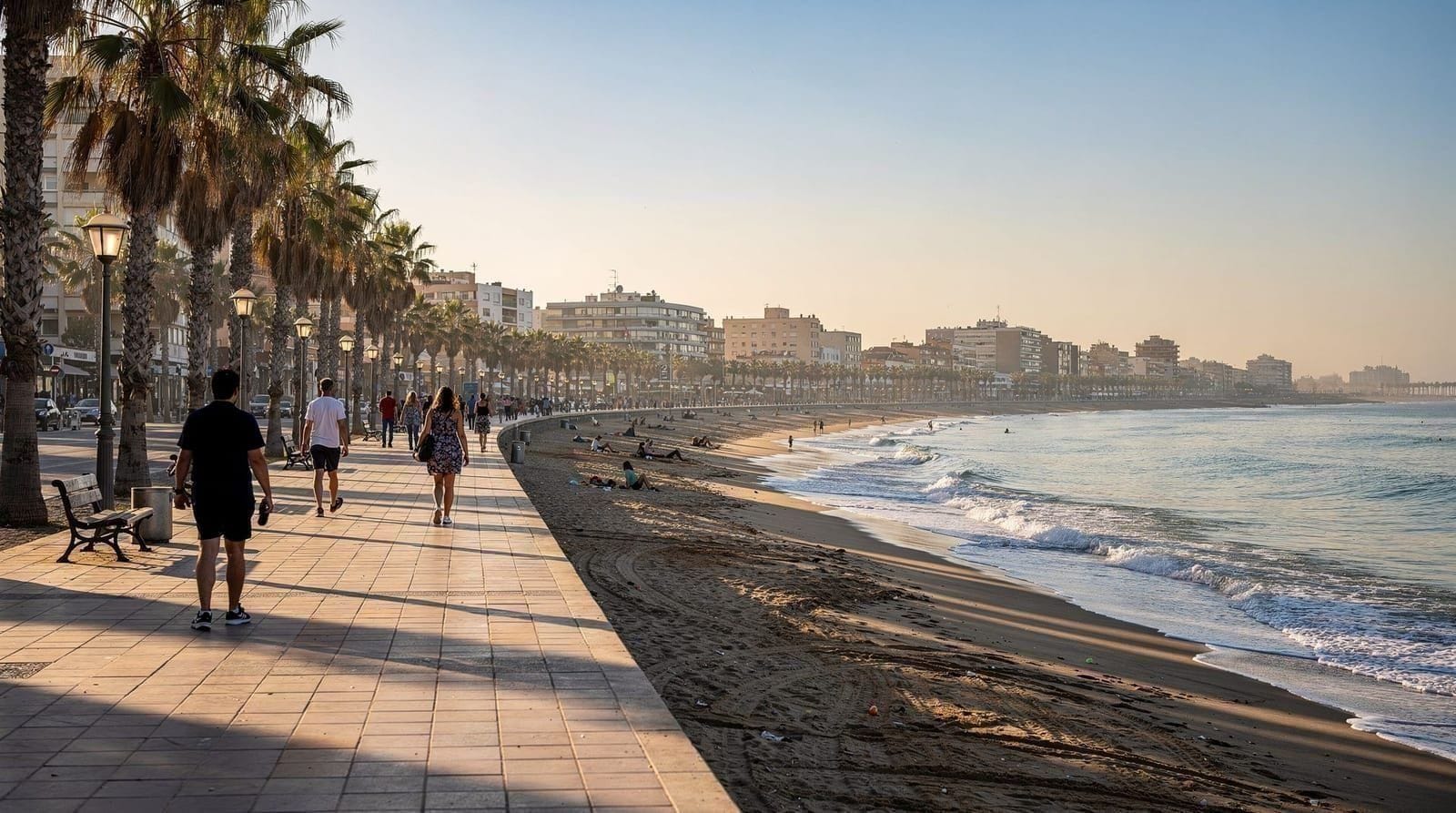
Patacona is the beach that begins immediately north of La Malvarrosa, technically within the municipality of Alboraia rather than Valencia city. The two beaches are physically continuous — the same sand, the same sea — but Patacona consistently has fewer visitors, fewer bars, and more space between sunbathers. For families with young children, for paddle boarders who want uncrowded water, or for anyone who wants the same beach quality as Malvarrosa without the peak-summer density, Patacona is the practical choice.
Getting to Patacona
Tram L8: board at Pont de Fusta and ride to Patacona stop, the one north of Eugènia Viñes. Journey time: 20 minutes.
Bus 95: from Colón or the Malvarrosa area, continues north along the coast road to Patacona.
On foot from Malvarrosa: walk north along the promenade from the central Malvarrosa beach — Patacona begins approximately 600 m north of the main Malvarrosa tram stop. Five minutes’ walk.
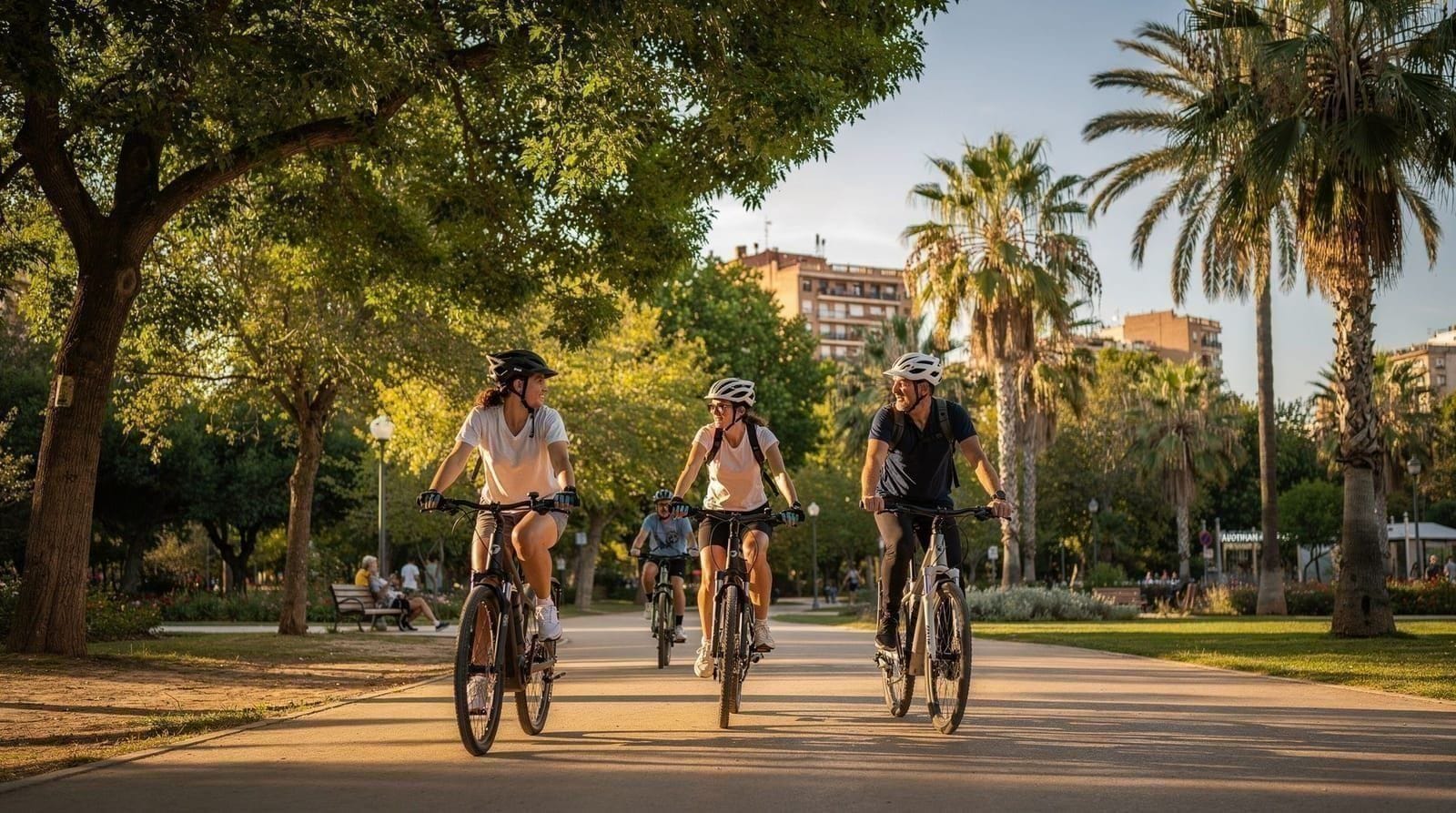
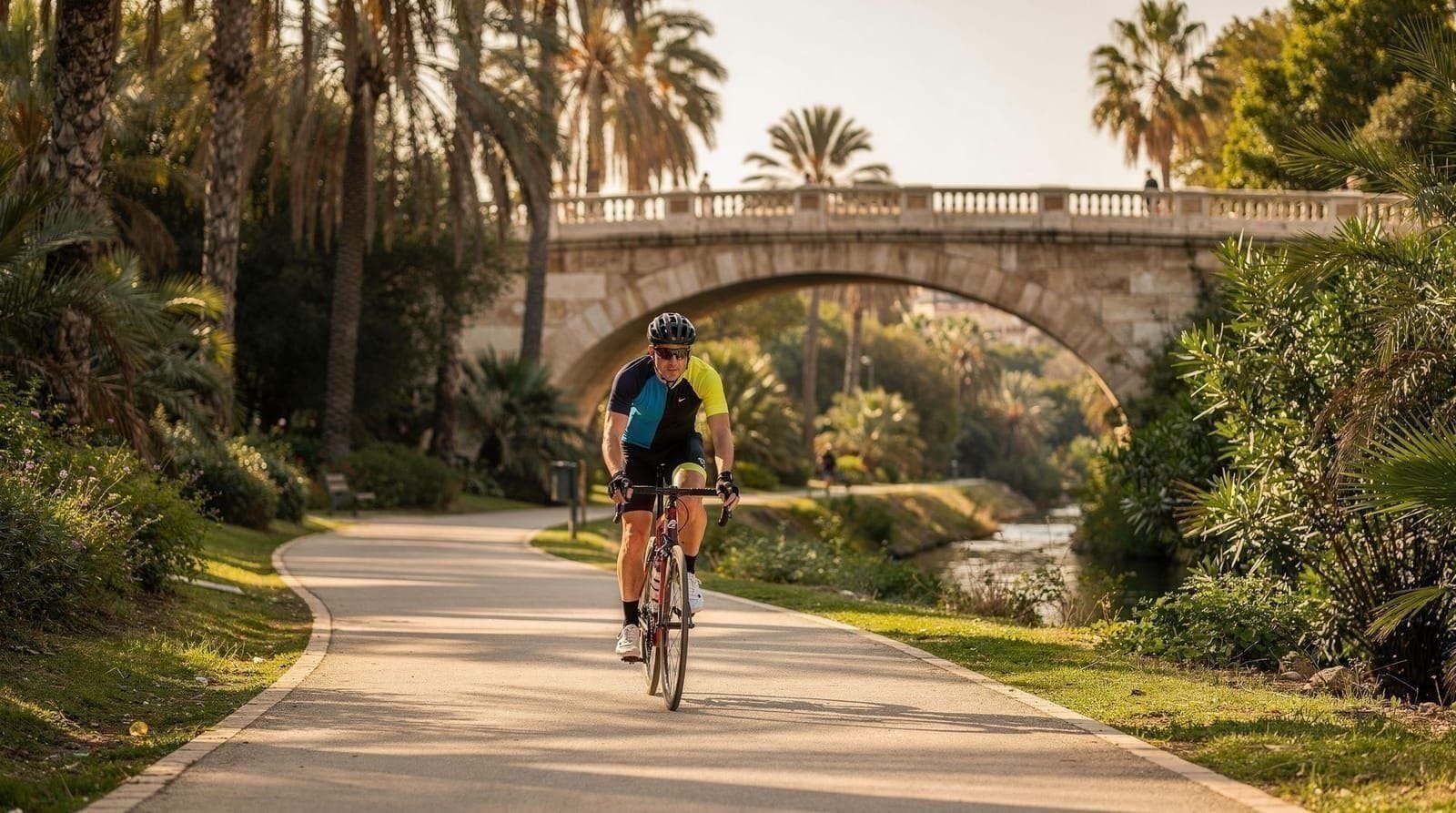
Bike: the beachfront cycling lane runs continuously from central Valencia to Patacona and beyond to Alboraia.
The beach
Patacona has slightly finer sand than central Malvarrosa and marginally better water clarity. The promenade along its length is less built-up — fewer beach bars, more open space. A partial breakwater at the northern end creates slightly calmer water for children.
There are public showers, one or two small beach bars, and a Valenbisi station at the tram stop. Sunloungers available but in smaller quantity than Malvarrosa — arrive before 10:00 in August.
Watersports
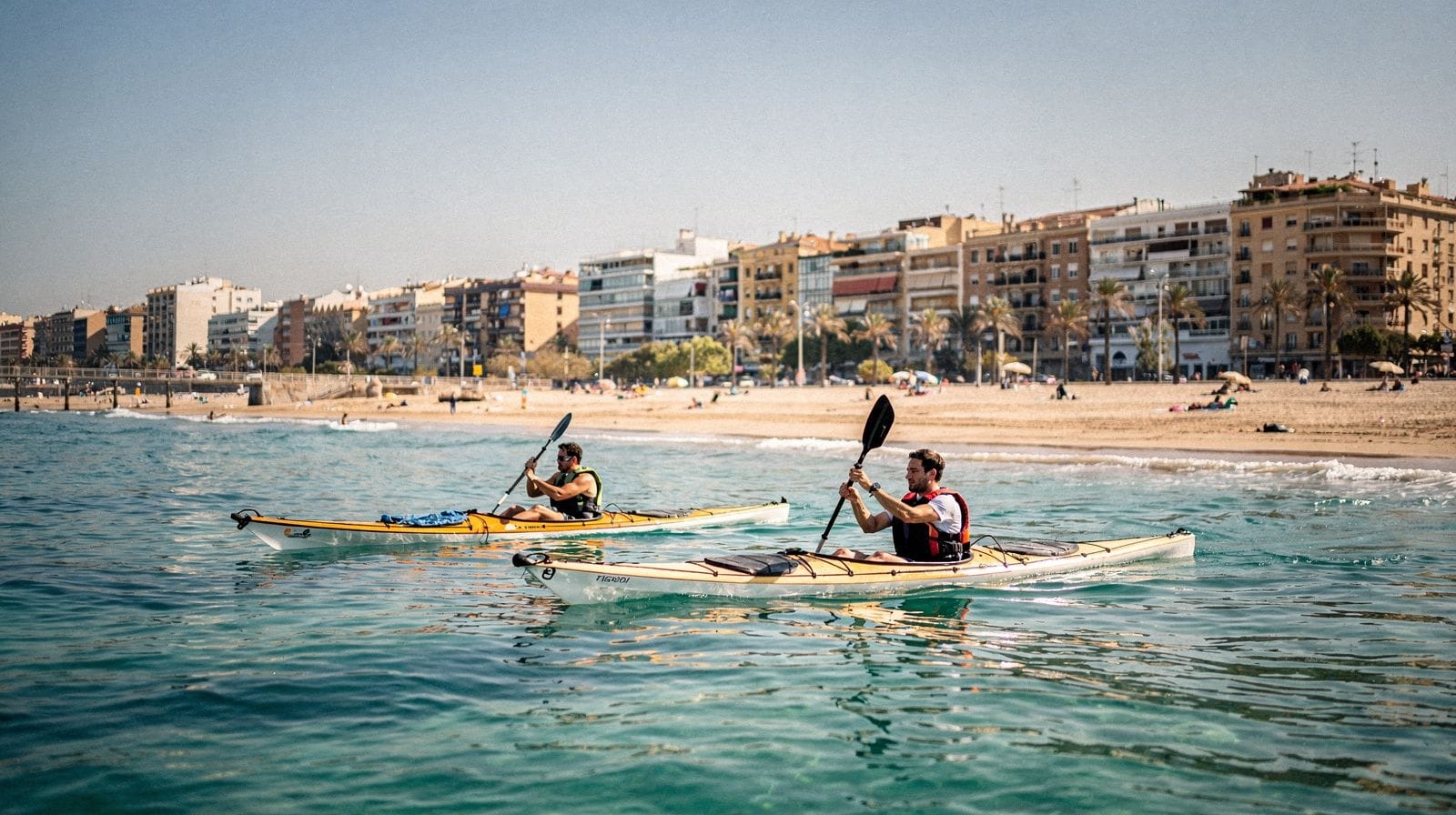
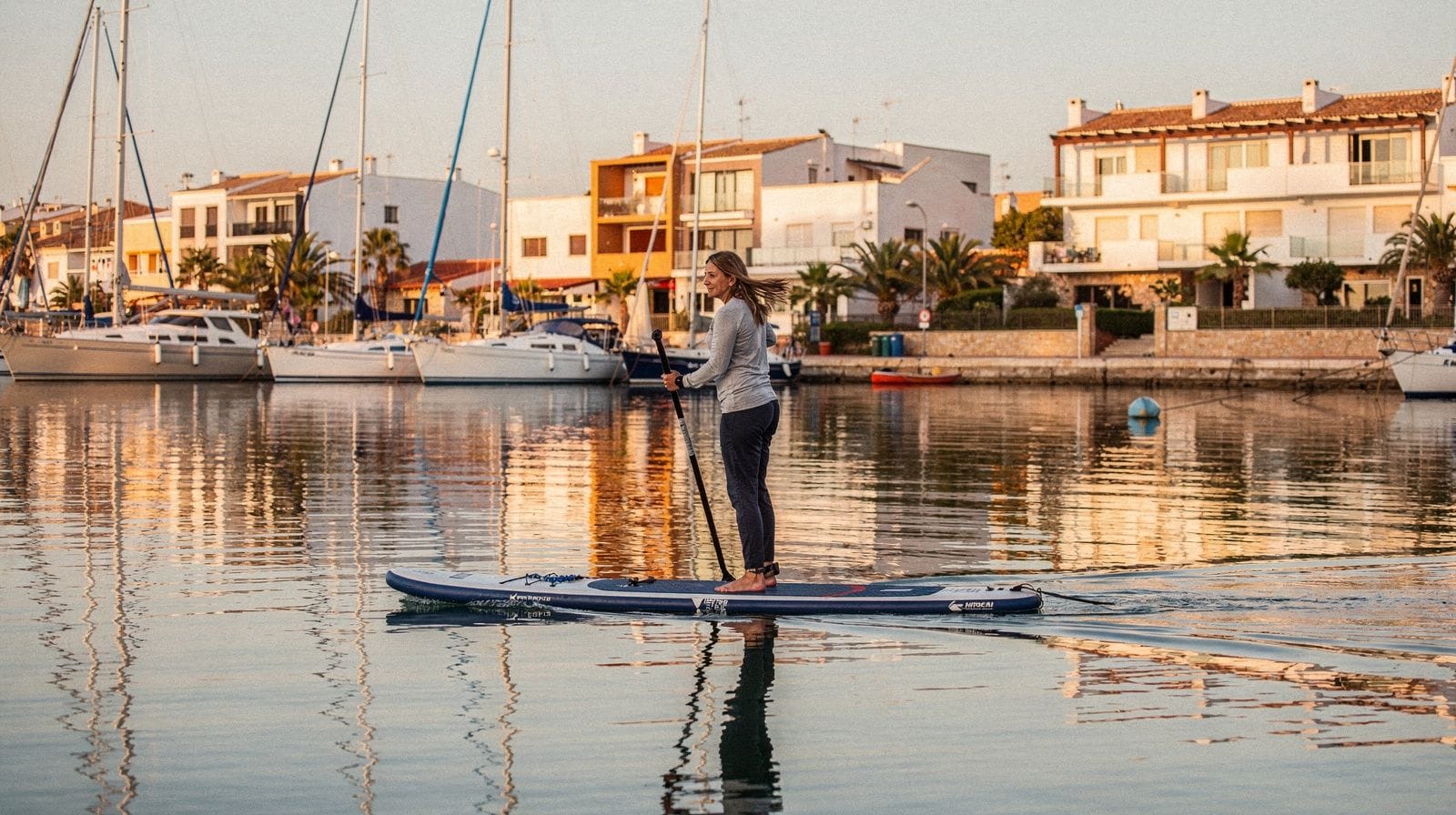
The Patacona–Alboraia stretch is where most of Valencia’s stand-up paddleboard and kayak operators concentrate. The water is marginally calmer than the more exposed Malvarrosa sections. SUP lessons are standard (€25–35 per 90 minutes); board rental for independent paddlers runs €10–15 per hour.
Paddle surf lesson at Valencia beach — all equipment, suitable for beginners, departs near Patacona.
Paddle surf board rental — hourly or half-day, no lesson required.
Eating near Patacona
The Patacona promenade has fewer restaurants than Malvarrosa, and the ones present are more locally oriented. El Mentidero (Passeig Marítim de la Patacona) is a reliable seafood restaurant with rice dishes and grilled fish at prices of €14–18 per main course. Several chiringuitos (beach bars) serve cold drinks and simple tapas.
For a full paella lunch, either walk back to La Malvarrosa’s La Pepica or La Marcelina, or continue north to Alboraia, where the horchata plantations are. See the Alboraia destination guide and the La Malvarrosa guide for context.
What to expect at Patacona
The promenade at Patacona is lower-key than Malvarrosa’s Passeig Neptú. The restaurants are simpler; the music from beach bars does not carry as far. On a busy July Saturday when Malvarrosa’s central section is wall-to-wall sunbathers, Patacona will have noticeable gaps in the crowd. On a quiet Tuesday in June, it can feel almost deserted by midday.
The sea floor is sandy throughout, with no rock or seaweed obstacles at normal summer water levels. Current is gentle and consistent — this stretch of the Valencia coast has no significant rip currents or unusual tidal behaviour under normal conditions.
For photographers: the Patacona beach at dawn is one of the more photogenic spots accessible from Valencia — flat light, empty sand, and the silhouettes of fishing vessels moored at the nearby dock.
Beach clubs and facilities
A handful of informal beach clubs operate seasonal bars on the Patacona sand, with plastic chairs and tables, grilled food, and cold drinks. These are not the pool-and-daybed style beach clubs found on the Costa Brava — they are simple summer chiringuitos serving local families. Food is basic: tortilla española, bocadillos, grilled fish. Budget €6–10 for a meal.
There is no large hotel development directly fronting Patacona (the few apartment buildings set back). The promenade is landscaped but not heavily commercialised. This is a structural advantage that makes Patacona feel more spacious and less developed than comparable city beaches in Barcelona or Alicante.
Combining with Alboraia
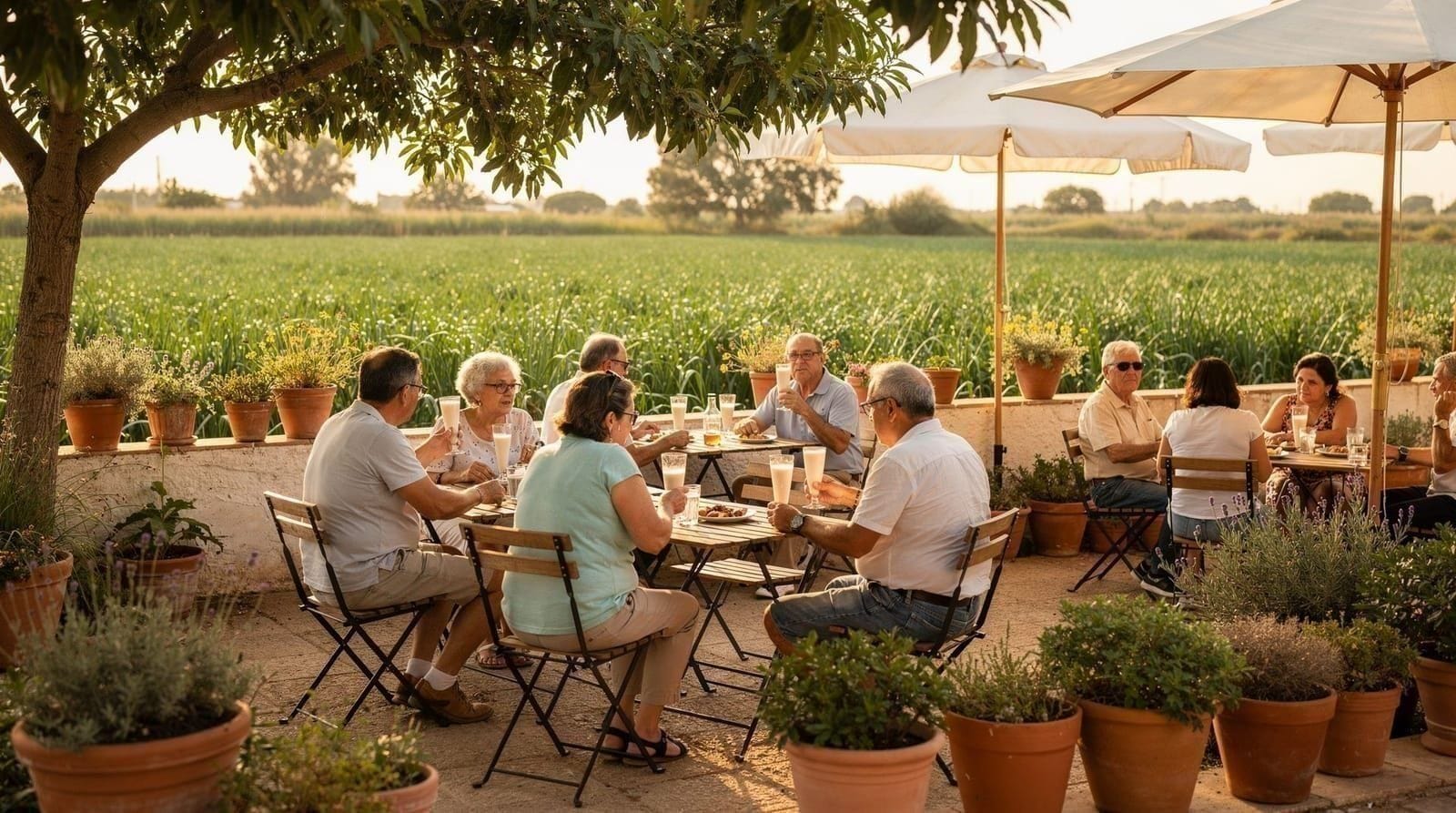
Patacona is the beach directly adjacent to Alboraia, the village north of Valencia famous for being the origin of authentic horchata. A half-day route: take the tram to Patacona, spend two hours at the beach, walk or cycle 10 minutes north along the coastal path to Alboraia, and stop at one of the village’s horchateries for a glass of fresh horchata with fartons. See the Alboraia guide.
For the full beach comparison, see the guide to the best beaches near Valencia. If you are spending several days at Valencia’s beaches, the logical sequence is: Malvarrosa for atmosphere and restaurants, Patacona for space and watersports, El Saler for nature and peace. See also the family beaches guide.
Practical notes for Patacona
Getting there from Malvarrosa: if you are already at Malvarrosa’s central tram stop, simply walk north along the promenade for 10–15 minutes. Patacona begins when the restaurant density drops and the promenade widens.
Water sports timing: SUP and kayak operators are typically set up by 09:30 and operate until 18:00. High summer demand can mean wait times for lessons; arriving at opening is the most reliable approach.
Sunlounger scarcity: there are fewer sunlounger rental setups at Patacona than at central Malvarrosa — which means less commercial noise, but also less infrastructure. If you prefer not to sit on sand, bring a towel or folding mat.
Food at Patacona: the options are limited — one or two beach bars serving drinks and simple snacks, and El Mentidero restaurant for a sit-down meal. For a wider restaurant choice, return 10 minutes south to the Malvarrosa promenade or take the tram back to Russafa for a proper menú del día.
Cycling from Patacona to Alboraia: the coastal path north of the Patacona tram stop is flat, shaded in places, and takes about 10 minutes by bike (or 25 minutes on foot). This section is under-used and pleasant at any time of day outside peak summer heat.
See the Valencia watersports guide and the sailing and catamaran overview for context on all the water-based activities available from the Valencia coast.
Who Patacona suits best
Patacona rewards visitors who like to arrive without a plan and let the day take shape. Families with small children appreciate the gentle water and the space to spread out, and the beaches with kids guide explains what else to weigh up when you are choosing a beach with young ones. Couples and solo travellers who want a book, a swim and a quiet afternoon find that the sparser bars leave the stretch feeling unhurried. Active travellers use it as a base for paddling, cycling and walking, all within a short distance of one another.
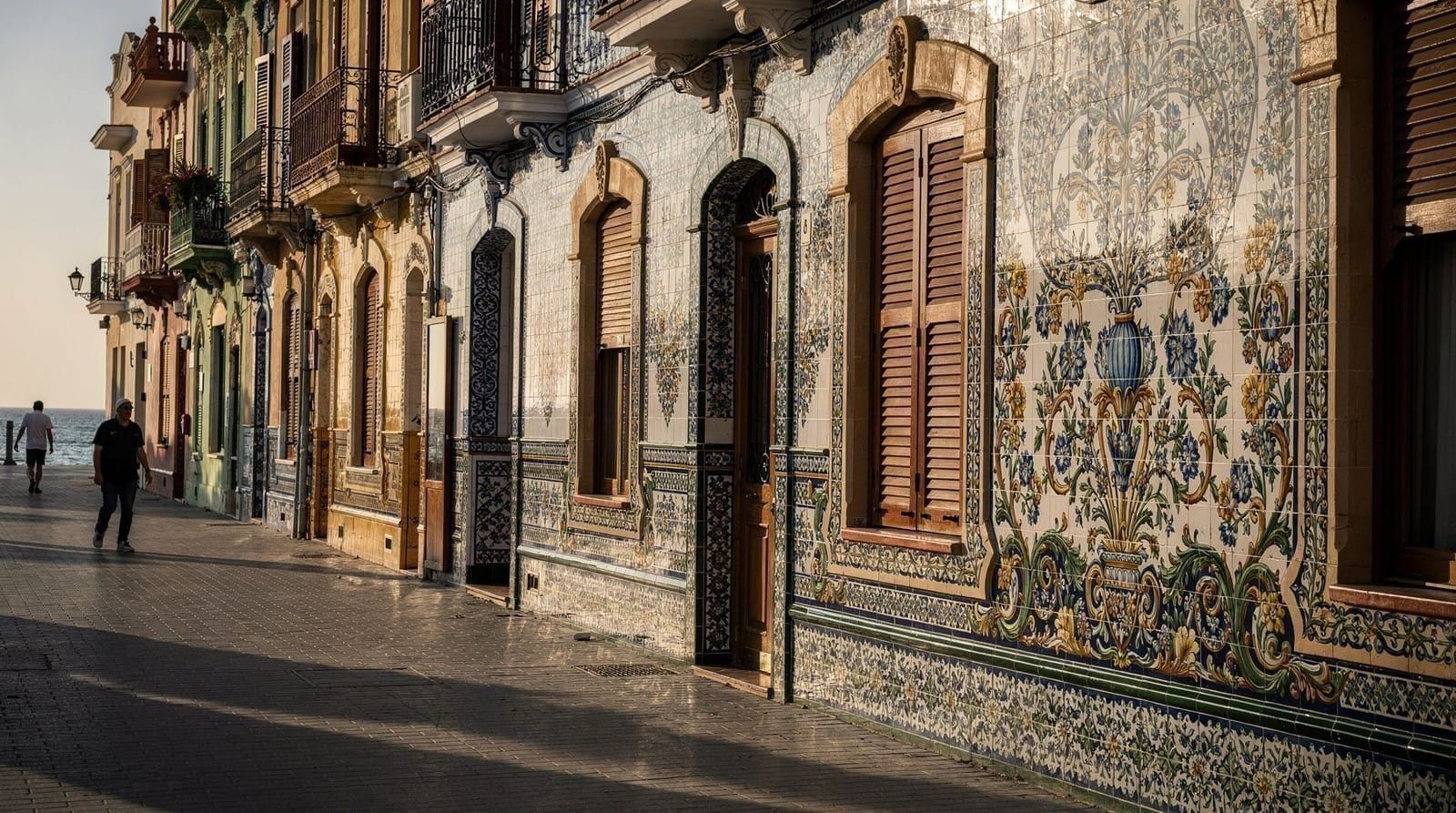
It is less suited to anyone who wants nightlife, a long menu of restaurants or a busy social scene. If that is you, the La Malvarrosa beach guide describes a livelier option just to the south, and the Cabanyal beach guide covers the seafront district beyond it, with its fishermen’s streets and tiled houses.
Choosing the right season
Patacona changes character through the year. In high summer it is warm, bright and busy by Valencia standards, though it still has more room than the central beaches. Late spring and early autumn are the sweet spot for many visitors: the sea is pleasant, the promenade is calm and the operators are still running. In winter the beach turns into a place for long walks rather than swimming, and the cycling path becomes the main attraction. For wider planning, the best time to visit Valencia and the Valencia beach season guide set out what to expect month by month, while Valencia in summer and Valencia in spring cover the wider city mood in those seasons. A more narrative take is in the blog’s beach season story.
Getting around without a car
You do not need a car anywhere on this stretch of coast. The tram and the buses link the beach to the city, and the cycle lane makes a bike the most flexible option. The metro and EMT guide explains how the public transport network fits together, and the Valencia to the coast by train guide is useful if you plan to link several seaside stops in one trip. If you prefer two wheels, the Valenbisi guide and the bike rental overview show how to pick up a bike in the city and ride toward the sea, and the Valencia by bike guide suggests wider routes.
If you would rather have someone else handle the route and the pace, a guided bike tour of the city is an easy way to cover the ground between the old town and the seafront.
Slowing down on the sand
The best way to enjoy Patacona is to resist the urge to schedule it. Bring water, shade and something to read, swim when the sea invites you, and let the afternoon stretch. Early morning is calm and cool, with soft light and only a few walkers and runners on the promenade. Late afternoon brings families back from the water and a gentler, golden light. Evenings are quiet; this is a place to stroll rather than to go out, so plan dinner either at one of the simple restaurants nearby or back toward the livelier Malvarrosa promenade.
Keep an eye on the usual beach basics: sun protection, a hat and plenty of drinking water make a real difference, especially for children. Wind and sea conditions can change how pleasant the sand and the water feel, so a glance at the sky and the waves before you commit to a lesson or a long swim is sensible.
Making a family day of it
With children, the rhythm of the day matters more than the itinerary. Arrive early enough to claim a good patch of sand, set up shade first, and let the youngest ones paddle in the calmer water near the northern end. Pack simple snacks and plenty to drink, since the choice on the sand is limited, and plan a proper sit-down meal for when everyone is tired and hungry. A walk along the promenade after lunch gives small legs a break from the sun, and the flat cycle path suits older children who are comfortable on a bike. When energy runs out, the tram back toward the city is straightforward and spares you any parking worries. For more ideas on keeping a family busy beyond the beach, see the Valencia with kids guide and the family itinerary.
Patacona as part of a longer stay
Many visitors fold Patacona into a wider trip rather than treating it as a destination in itself. The beaches and city itinerary shows how to balance sights with sea time, and the Valencia with family itinerary suits parents who want a rhythm of morning activity and afternoon rest. For a deeper look at the beach itself, the separate Patacona beach guide goes into practical detail, while the Valencia city guide puts the coast in context. If your interest is food, the horchata and fartons guide explains the local drink and pastry you will meet in Alboraia, and the quiet beaches guide lists more places to find space when the main sands fill up.
Patacona compared to Valencia’s other beaches
| Beach | Crowd level (Aug) | Best for |
|---|---|---|
| Patacona | Moderate — noticeably calmer | Families, SUP/kayak, quieter sunbathing |
| La Malvarrosa | Heavy in the central section | Restaurants, easy transport, atmosphere |
| El Saler / La Devesa | Light — natural park setting | Nature, cycling, the quietest water |
Patacona sits in the middle of that spread: calmer than Malvarrosa without the extra bus journey that El Saler requires. For a first-time visitor choosing a single Valencia beach, that middle position is often the practical answer.
A half-day Patacona and Alboraia route
Morning: tram to Patacona, two to three hours on the beach, with an SUP or kayak session if the water is calm.
Midday: walk or cycle 10 minutes north along the coastal path to Alboraia village.
Lunch: a horchata and fartons at one of Alboraia’s horchaterías, followed by a simple lunch in the village or back at Patacona’s El Mentidero.
Afternoon: return south along the promenade toward Malvarrosa if you want restaurant options and more energy, or stay at Patacona for a quieter finish to the day.
This works well as a lower-key alternative to a full Malvarrosa day, particularly for families who want beach time without fighting for space on sunloungers.
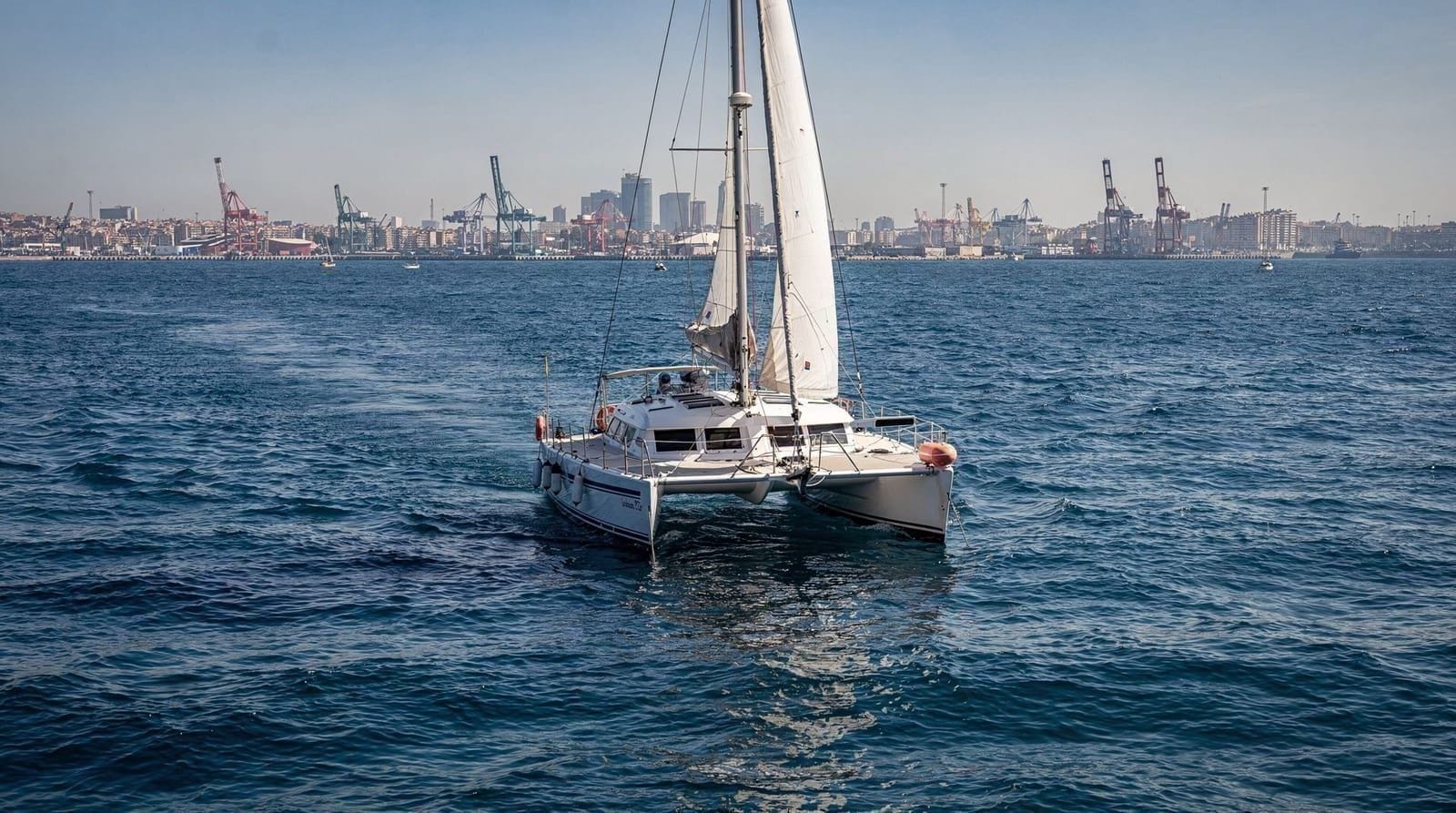
Valencia sailing catamaran with a swim stop — departs from the port, a good add-on to a Patacona beach day.
Frequently asked questions about Patacona beach
Is Patacona quieter than Malvarrosa in summer?
Yes, consistently. The sand and water quality are the same — the beaches are physically continuous — but Patacona draws fewer visitors, has fewer beach bars, and rarely reaches the wall-to-wall density that central Malvarrosa sees on August weekends.
Can I walk between Patacona and La Malvarrosa?
Yes, easily. The promenade is continuous, and it’s about a 10–15 minute walk from Patacona’s centre to Malvarrosa’s main tram stop. Many visitors treat them as one long beach and simply walk to whichever section suits the moment — quieter sand at Patacona, more restaurants at Malvarrosa.
Top experiences
Bookable activities with verified prices and instant confirmation on GetYourGuide.