Family beaches near Valencia: calm water, shade, and honest tips
Valencia: paella and beach tour by e-bike
Which is the best family beach near Valencia?
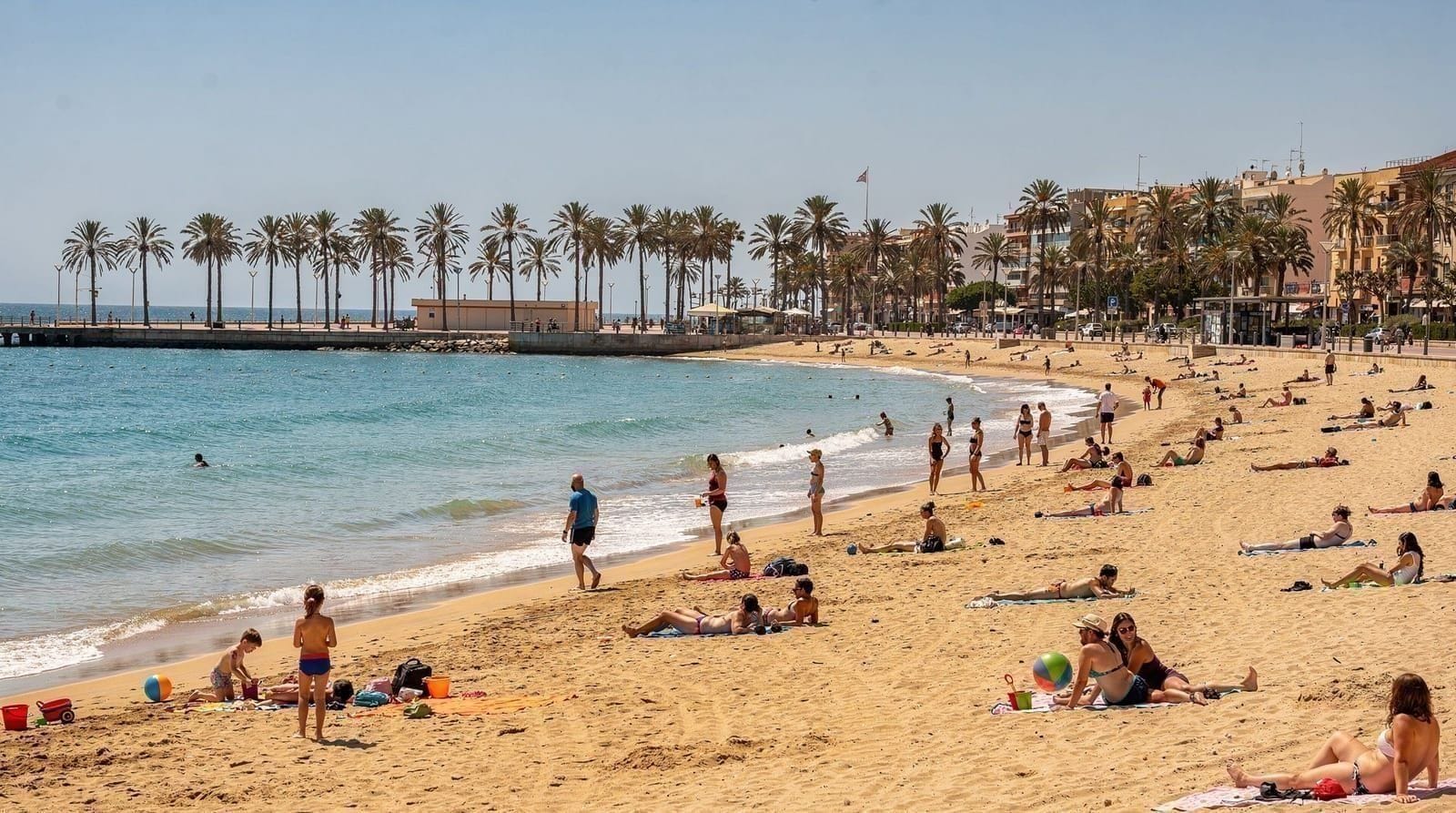
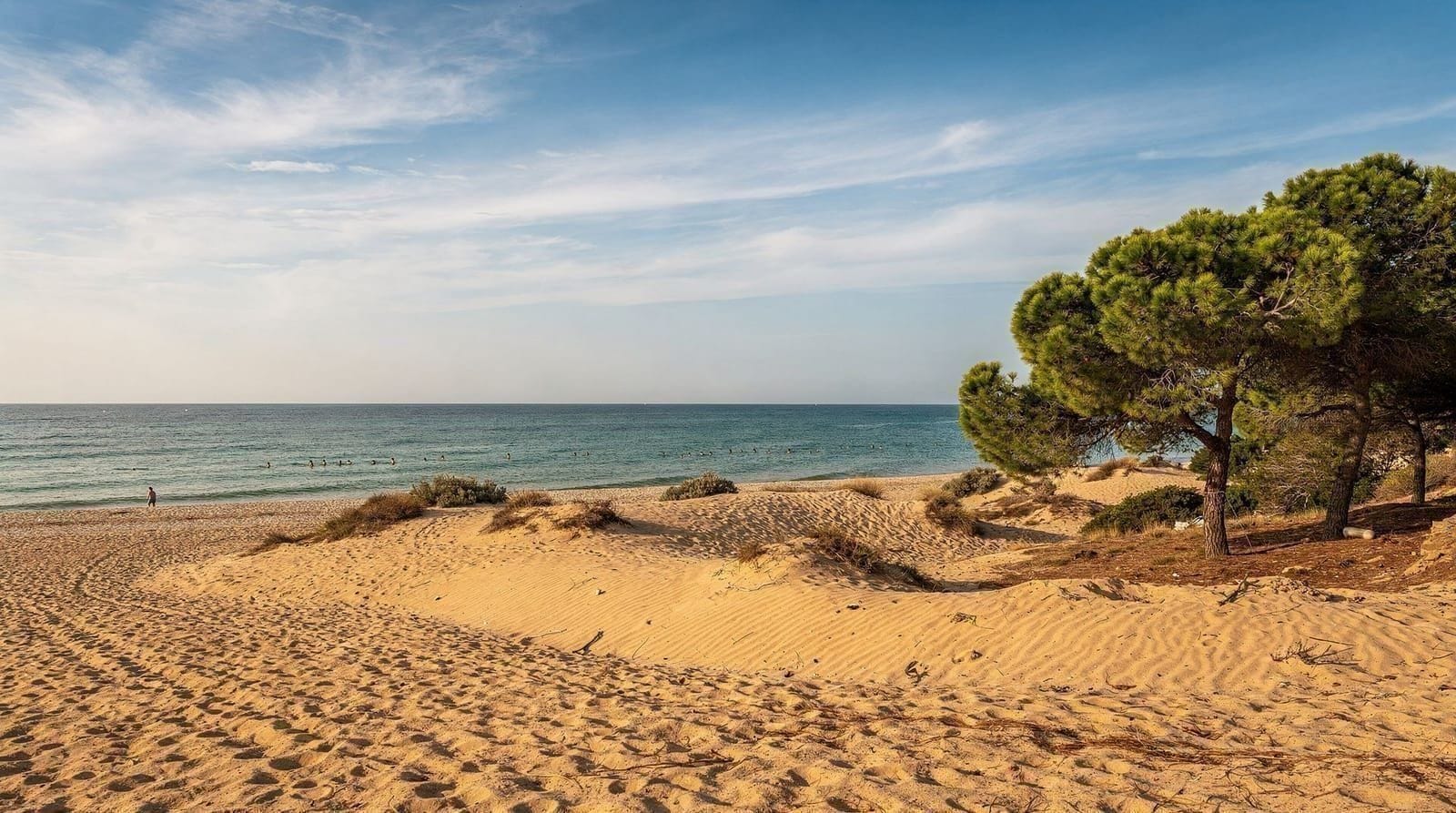
El Saler beach is the best combination: calm water, pine shade behind the dunes, clean sand, and enough space. Patacona is the easiest to reach by metro with young children. For the Estany de Cullera (shallow lagoon ideal for toddlers) you need the Cercanías train south (50 min). Malvarrosa works but needs early arrival in July–August.
Taking young children to a Mediterranean beach requires a different set of priorities than an adult beach day. The key factors — calm and shallow water, available shade, accessible toilets, short travel time from accommodation — cut across the standard “best beaches” rankings. This guide addresses those factors specifically for Valencia’s beach options, with honest notes on what works at different ages.
| Best for toddlers | Estany de Cullera lagoon (shallow, no waves) |
| Best for shade | El Saler (pine forest behind the beach) |
| Easiest metro access | Patacona (Metro lines 4/6, flat 15-min walk) |
| Time needed | Half-day minimum; full day for Cullera or El Saler |
| Best time | Morning before 10:00 or after 17:30 in July-August |
What makes a beach good for families
Shallow entry gradient: Young children need to walk into the water without sudden depth changes. All the beaches covered here have gentle gradients, but the Estany de Cullera lagoon and the northern Malvarrosa section are particularly reliable.
Calm water: Swell and chop make beach time harder with young children. Valencia’s eastern-facing beaches are generally calm June–August. The natural park beaches (El Saler, La Devesa) are slightly more exposed and can have gentle swell on windy days.
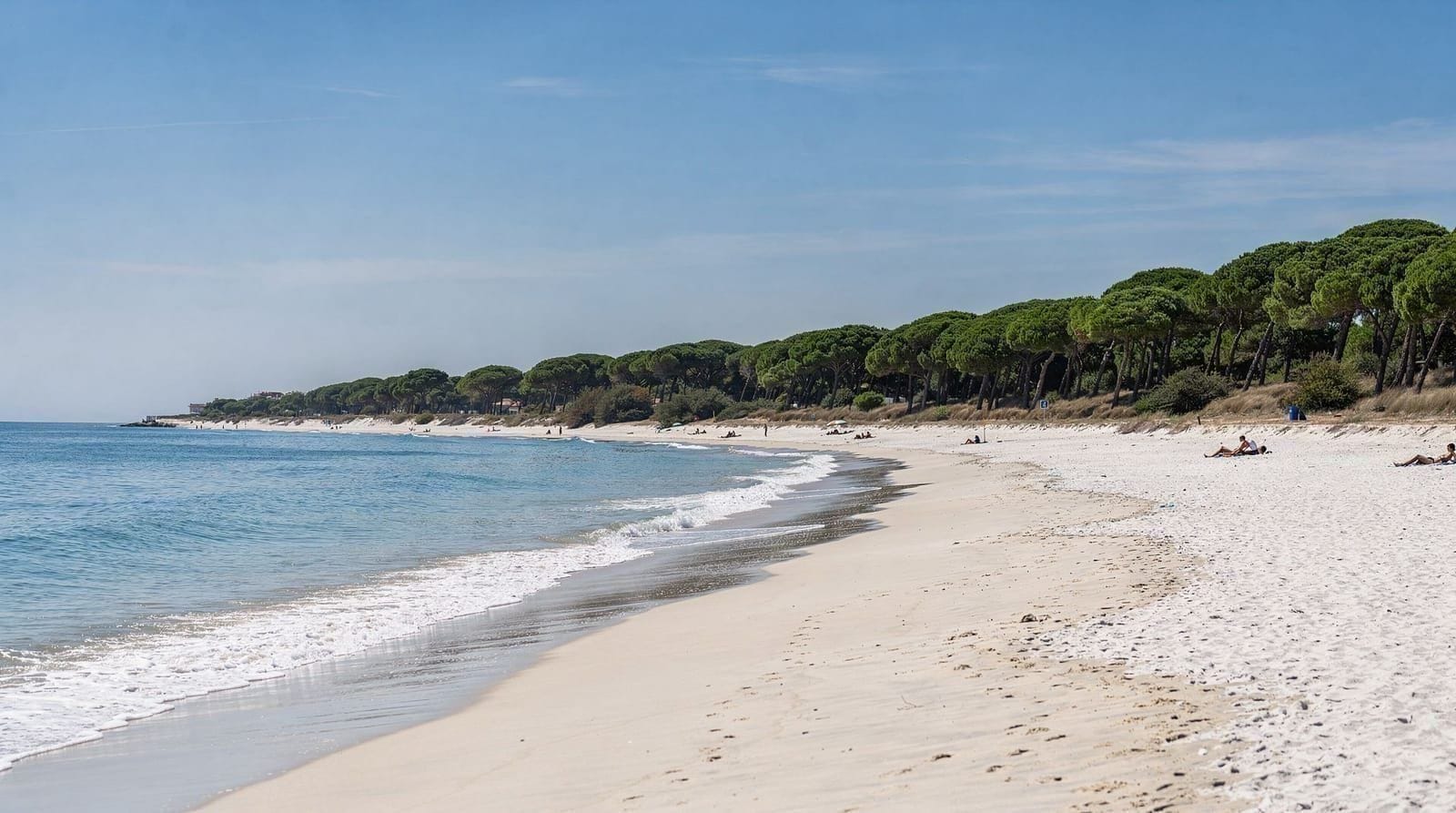
Shade access: Sand heats to 50–60 °C in Valencia’s July–August sun. Sunbed and parasol rental exists on the urban beaches. El Saler and La Devesa have pine forest behind the beach, providing real shade between 09:00–11:00 and from 16:00 onward. The urban promenade beaches have palm-tree shade along the promenade only.
Toilet access: Most beaches on this list have toilet facilities, though quality varies. El Saler has limited facilities; the Estany de Cullera has basic provision.
Travel time with gear: The practical upper limit for most families with young children is 30–45 minutes of travel time, particularly in heat. This makes the metro-accessible urban beaches the default, with car travel extending the realistic range to El Saler (20 min) and Cullera (50 min by train).
Beaches ranked for families
1. Patacona beach — easiest metro access, good for 3+
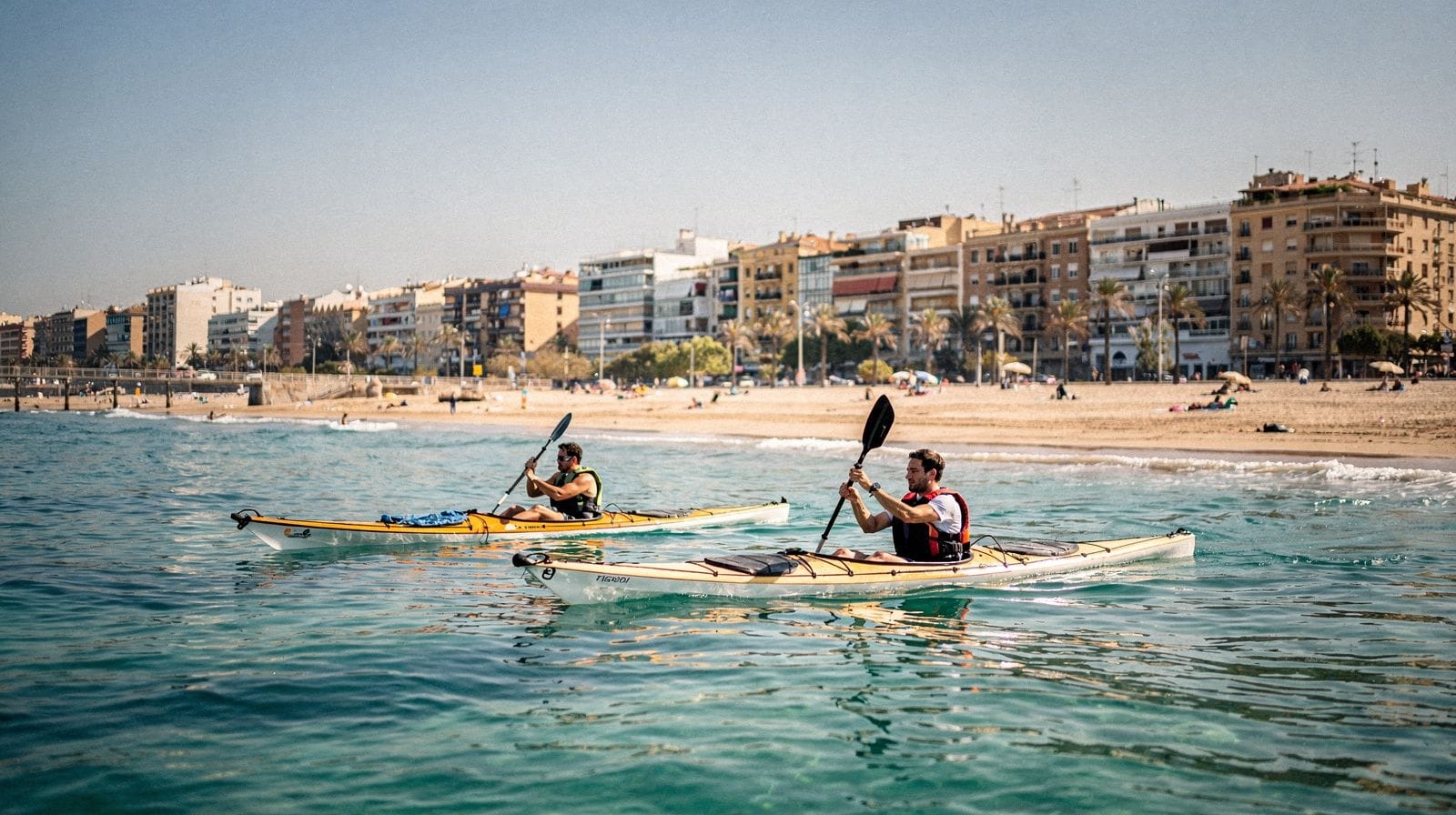
Patacona is the most practical family beach for visitors staying in Valencia city. Metro lines 4 or 6 to Eugenia Viñes, then a 15-minute flat walk north — no car needed, manageable with a pram and beach gear. The beach has slightly more space than Malvarrosa’s peak sections, gentle water, and volleyball courts that entertain older children.
SUP lessons for children 8+ are available from the operators near the northern end:
 paddle surf lessonCheck availability
The Patacona restaurant cluster provides a proper sit-down lunch option after the beach — better quality and slightly less expensive than the Malvarrosa seafront. For a fuller comparison of Patacona against the city’s other options, see the Patacona beach guide and the general best beaches near Valencia overview.
2. El Saler beach — best for 5+, pine shade a real advantage
El Saler is the recommended choice once transport is not a constraint. The 5 km beach within the Albufera Natural Park has real pine forest behind it, providing the one thing urban beaches cannot offer: genuine shade that does not require a parasol. Children can play in the forest at the edge of the sand during the midday heat without direct sun exposure.
The water at El Saler is slightly more textured than the protected Malvarrosa — gentle swell of 20–40 cm on most summer days, which most children enjoy. Entry gradient is gentle.
Getting there with young children: Car is the practical option (20 min via CV-500). Bus 25 from Alfahuir is viable but requires changing in the city and has 45-minute frequency — manageable but not effortless with gear and young children.
Facilities: Basic. Showers and toilets at the El Saler access point. One chiringuito (beach bar). No extensive beach concessions. Bring snacks and a parasol for midday if you are not near the forest edge. For the wider natural park context, see the El Saler beach guide.
3. Estany de Cullera — best for toddlers (under 5)
The Estany de Cullera lagoon is the standout family option for very young children. The water is shallow — 60–90 cm in most sections — and remains at 28–30 °C by August. The enclosed lagoon means no wave action and minimal current. A toddler can stand confidently 10 metres from the bank.
The practical barrier is distance: 50 minutes by Cercanías train C1 from Estació del Nord. With young children, this is manageable but requires the full day commitment — it is worth planning as a proper destination day rather than a casual morning trip. See the Cullera beaches guide for how the lagoon compares to Cullera’s main resort beach below.
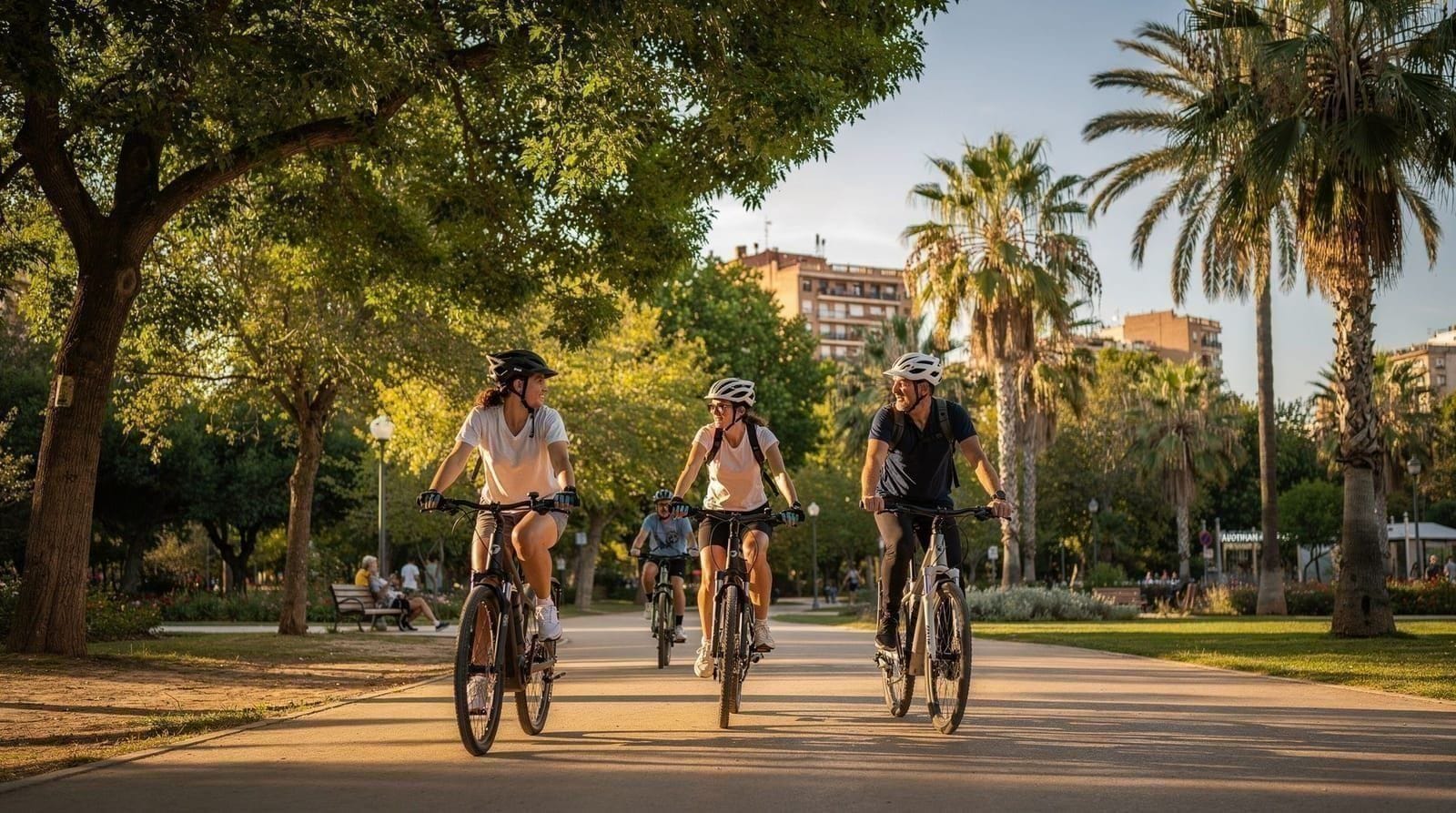 paella and beach tour by e-bikeCheck availability
4. Malvarrosa beach — most convenient but plan timing carefully
Malvarrosa works for families but requires timing management in July–August. The beach fills by 11:00 on summer weekends; with young children, morning arrival before 10:00 is necessary to get space near the water without fighting through other beach-goers. The promenade facilities (toilets, showers, restaurant access) are the best of any Valencia beach.
For families with children under 3: Malvarrosa’s crowding in peak summer is genuine — the combination of noise, density, and heat from 11:00 onward is stressful with toddlers. El Saler or early-morning Malvarrosa is a better choice.
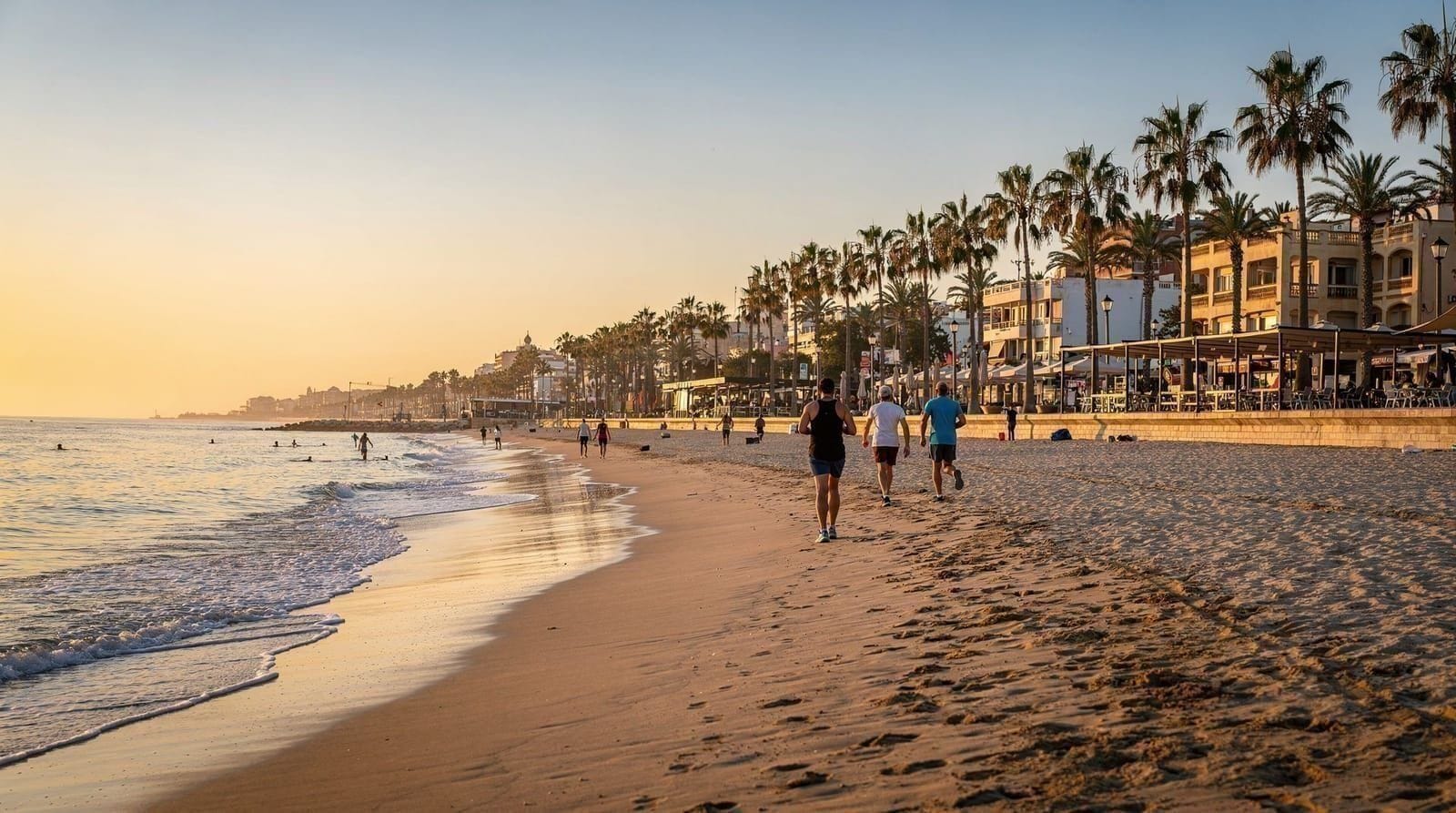
For children 6–12: Malvarrosa in the afternoon (from 17:00 when it starts to cool) is excellent. The beach thinning out after 17:00 combined with cooler temperatures makes for easy beach time.
5. Cullera main beach — good all-round resort option
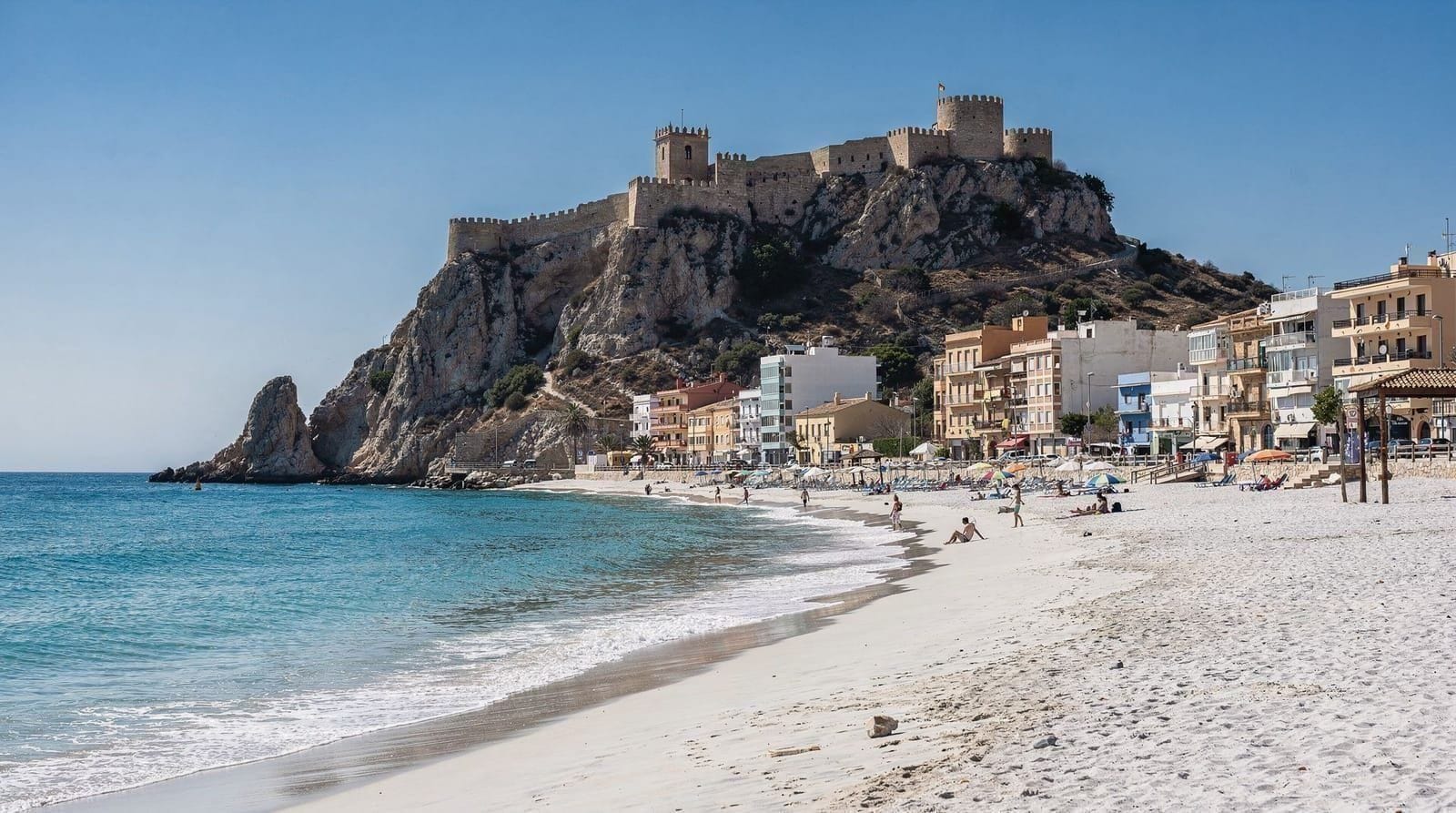
The main Platja de Cullera has full resort infrastructure, is large enough for families to find space, and the castle provides a natural half-day activity. The combination of beach and castle (in whatever order) makes for a genuinely full family day trip.
For the castle visit with children: the views are the payoff, and children 8+ generally enjoy the elevated perspective. Children under 6 may find the walk up the hill tiring.
Practical family beach tips for Valencia
Timing by age
- Under 3: Arrive at 09:00–09:30, leave by 12:00 before peak heat. Afternoon session from 17:30–19:30 if the energy holds.
- 3–7: Mornings work well. Build in shade access — either pine forest (El Saler) or restaurant/café break.
- 8–12: Full day viable with normal beach management. Afternoon sun is strongest 13:00–16:00; plan a restaurant lunch break rather than pushing through.
Sun protection notes
Valencia summer sun is intense. UV index regularly reaches 9–10 (extreme) in July–August. Factor 50 sunscreen on children, reapply after every swim. Rash vests and UV sun hats are practical rather than excessive.
Red flags matter
All beaches have a flag system. Red flag means no swimming (conditions unsafe). This is enforced and applies to children especially. Never send children into the water under a red flag regardless of what others appear to be doing.
What to bring
Universal for all Valencia beaches: sunscreen (SPF 50+), fresh water (beach prices are high), snacks for children, reusable bag for wet gear, flip-flops (hot sand), sun hat. Optional but useful: beach shade tent if young children need guaranteed shade (El Saler and La Devesa have forest; urban beaches do not).
Organised family activities near the beach
For families who want more structure than independent beach time:
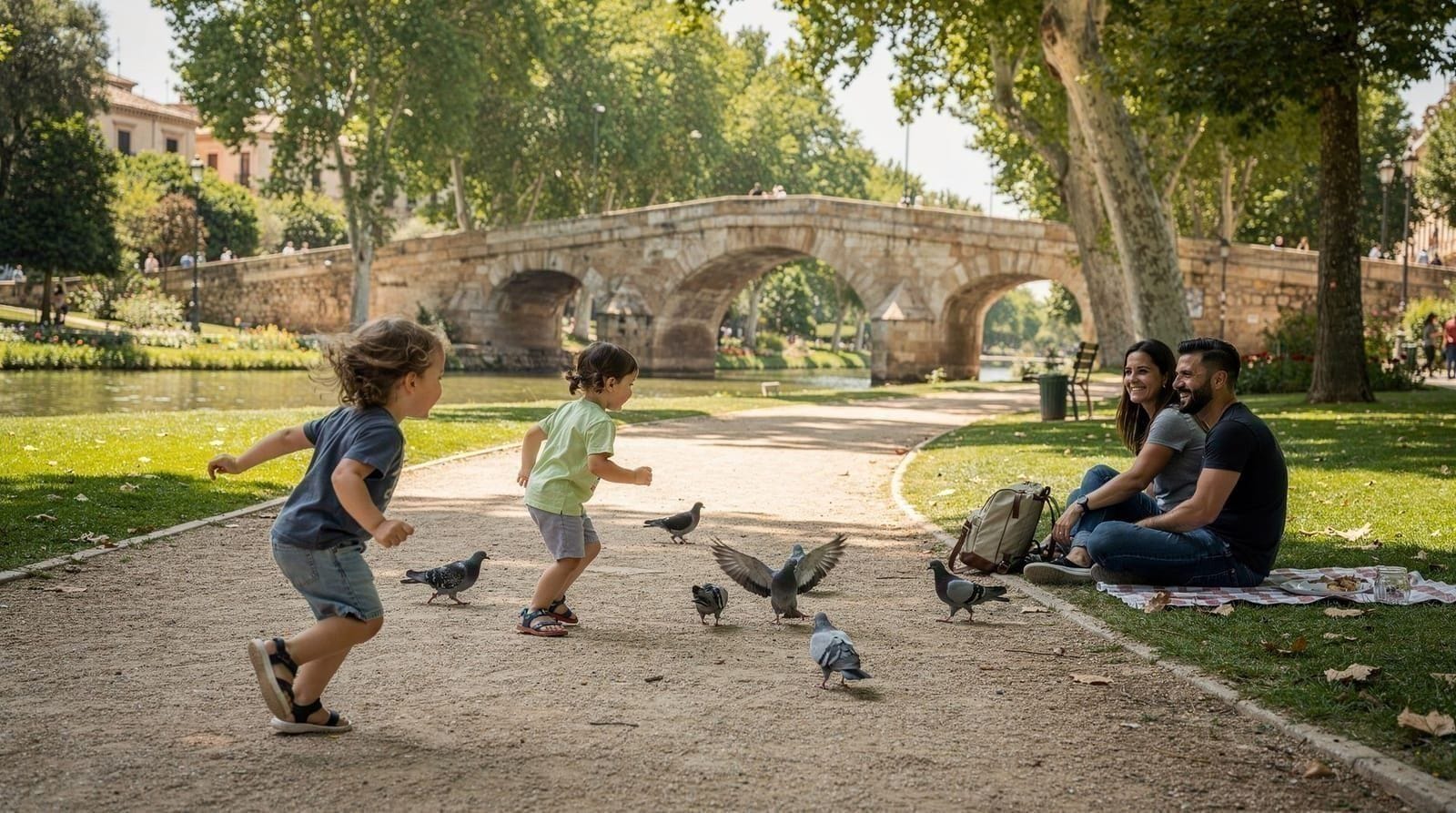 private family tour with churros, parks and museumCheck availability
The private family tour includes churros, park visits, and museum visits in a 3-hour format designed for children and parents together. It does not include beach, but works well as a morning activity before an afternoon on Malvarrosa.
 guided family walking tourCheck availability
Combining beach and city in one family trip
Most families visiting Valencia aren’t doing a pure beach holiday — the beach is one piece of a wider city trip. If you’re mapping out how the beach days fit around City of Arts and Sciences, the old town, and rest time, the family itinerary for Valencia sketches a realistic day-by-day structure that avoids overscheduling young children between sightseeing and sand. A common mistake is trying to do a full museum morning and a full beach afternoon on the same day — with children under 8, one major activity per day, with the other half kept loose, holds up far better in practice.
Water safety summary for Valencia beaches
Dangerous: Jellyfish (occasional, late August/September — check alerts). Rip currents (rare but possible at El Saler and La Devesa in strong offshore wind conditions). Always supervise children.
Generally safe: The monitored urban beaches in summer with lifeguards. Water quality passes EU tests most years.
Check before visiting: Medusa Alert Valencia (jellyfish warning service). Daily flag status visible at the beach or on Valencia city beach information apps.
Frequently asked questions about family beaches in Valencia
What age is appropriate for children at Valencia beaches?
Any age with appropriate supervision. The Estany de Cullera lagoon is the safest option for very young children (under 3). El Saler is excellent from around 4–5. Malvarrosa and Patacona work from any age with appropriate adult supervision of the water entry.
Is the metro manageable with a pram to Malvarrosa?
Yes. Metro lines 4 and 6 have wide doors and accessible carriages. Eugenia Viñes station has a lift. The promenade from the station to the beach is paved and flat. It is one of the more practical urban beach journeys in Spain with a pram.
Can children do paddle surfing?
Most operators offer lessons for children 8+. Younger children (5–8) can try in supervised calm conditions with adult support on the board. Check with the specific operator about their minimum age policy.
Is there a splash park or water park near Valencia?
Aquarama water park is located approximately 15 km north of Valencia in Benicàssim direction (accessible by car). It is worth considering as a beach alternative for children who prefer slides over waves. The beach, however, has the advantage of free entry and is generally the better value for a day with young children.
Which beach has the shortest walk from parking to sand?
Malvarrosa and Patacona both have beachfront parking (paid, and full by mid-morning in summer) within a very short walk of the sand — useful with a lot of gear or a sleeping toddler in a car seat. El Saler’s car park requires a slightly longer walk through the pine forest, which is an advantage for shade but a disadvantage if you’re carrying everything in one trip; a pram or beach trolley helps.
Do any of these beaches have lifeguards specifically trained for children?
All the monitored urban beaches (Malvarrosa, Patacona, Cullera’s main beach) have standard lifeguard coverage in summer, which includes watching for children in distress as part of general supervision — there isn’t a separate “children’s lifeguard” service. The Estany de Cullera lagoon has less formal lifeguard presence given its shallow, enclosed nature, so parental supervision matters even more there.
Detailed guide: family day at El Saler
El Saler is the recommendation for families with children aged 5–12. Here is a practical breakdown for a family day:
Getting there (with children):
- By car: CV-500 south from Valencia, approximately 20 minutes. Aim to leave Valencia by 08:30 to arrive before the car park fills.
- By bus: Bus 25 from Alfahuir. Allow 40 minutes. The bus is manageable with children and gear but requires a transfer in the city.
At the beach:
- The pine forest immediately behind the beach provides shade from 09:00–11:00 (morning shade) and again from 16:00 onward.
- The beach entry is gently sloped — children can walk in gradually. No sudden drop-offs.
- Bring a beach shade tent if you need guaranteed midday shade. The forest is excellent but the beach itself has no umbrellas to rent.
Eating:
- The El Saler village has a basic grocery/bakery for provisions.
- The village restaurants serve menú del día at €12–14. Simple, honest Valencian food.
- For a full Albufera experience: drive 8 km south to El Palmar for all-i-pebre (the traditional eel dish — children often enjoy it despite the unusual ingredient) and Valencian rice.
The forest for children:
- The short 2–3 km forest circuit from the beach car park through the pines is appropriate for children from about 5 onwards.
- Look for pine cones, chameleons (rare but possible), and hoopoes (common in spring/summer).
- The interpretive panels are in Spanish, Valencian, and English.
Afternoon option: Sunset boat ride on the Albufera (~35 min from El Saler). The flat-bottomed barques are stable for children. The lagoon is calm and interesting — herons, egrets, and the rice paddy landscape. Book in advance for the guided tours; walk-up for local barqueros in El Palmar.
Alternative days: If the pine forest walk and boat ride feel like too much for one day with young children, split them — beach and forest one day, Albufera boat trip as a separate half-day the next. Trying to compress both into a single afternoon with toddlers usually means someone gets overtired before the boat ride even starts.
How to handle the August beach problem with children
August in Valencia is the most challenging month for family beach visits. Practical strategies:
Strategy 1: Early start. Arrive at the beach before 09:30. Young children are often more manageable in the cooler morning anyway. Leave by 12:30 before the peak heat and crowds build simultaneously.
Strategy 2: Evening beach. From 17:30 onward, the temperature drops, crowds thin, and the light is excellent. For children old enough to manage the altered routine, an evening beach session (17:30–20:00) is genuinely comfortable.
Strategy 3: Go further south. Cullera’s Estany lagoon and El Saler are less affected by August crowd peaks than Malvarrosa. The trip is longer but the experience is qualitatively better.
Strategy 4: Avoid the beach on weekends. Midweek in August is noticeably less crowded than Saturday and Sunday. If your schedule allows, Tuesday–Thursday visits to Malvarrosa are more comfortable than weekend visits throughout July–August.
Beach activities for different age groups
Under 3:
- Paddling at the very shore edge (ankle-deep).
- Sand play with bucket and spade.
- Shade and rest under an umbrella or at the pine forest edge (El Saler).
- Duration: 2 hours maximum before the heat/stimulation combination becomes too much.
3–7:
- Swimming with adult holding hands.
- Building sand structures.
- Watching the volleyball at Patacona.
- SUP: some operators take children from 5 with a parent on the board.
- Duration: 3–4 hours, with a food break.
8–12:
- Full swimming independently (within supervised zones).
- SUP lessons from most operators (minimum age 8).
- Snorkelling at rocky sections (Cullera headland).
- Kayak with adult (double kayak).
- Duration: full day manageable.
13–16:
- All adult activities with licence/age restrictions noted.
- Jet ski: passengers from 10–12 depending on operator; drivers require 16+.
- Independent SUP and kayak after basic instruction.
Beach safety briefing for parents
Sun hours: UV index in Valencia is 9–10 (extreme) in July–August from 11:00–17:00. Children’s skin is more vulnerable than adults’. Factor 50+ sunscreen, reapply every 2 hours and after every swim. Lip balm with SPF.
Hydration: Children dehydrate faster than adults in heat. Minimum 500 ml water per child per beach hour in peak summer. If a child becomes unusually tired or stops sweating, get them to shade and cool water immediately.
Flag system: Every lifeguarded beach uses the same flag colours. Teach children what red means (no swimming, full stop). Never send children into the sea under a red flag.
Jellyfish: Check the Medusa Alert Valencia service before visiting in August–September. If jellyfish are present, keep young children out of the water. Treatment for stings: rinse with seawater (not fresh water), remove tentacles carefully, seek medical attention for stings on the face or for allergic reactions.
If the beach isn’t working for your family that day
Not every family trip lines up with beach weather or beach-tolerant toddlers. The broader Valencia with kids guide and beaches with kids overview both cover indoor and low-sun alternatives — City of Arts and Sciences, Bioparc, and playgrounds — that work as a plan B without losing the day.
Top experiences
Bookable activities with verified prices and instant confirmation on GetYourGuide.