Valencia beach season: when to swim, where to go, and what it costs
Valencia: sailing catamaran cruise with sunset option and DJ
Duration: 1-1.5 hours
When is beach season in Valencia?
The city's lifeguard service on the main beaches runs June 1 through September 15 (2026 season; check valencia.es for other years). Water temperature is swimmable from mid-June (22°C) through October (20°C). The best beach conditions — warm water, manageable crowds — are in late June, September and early October. August is peak quality water (27°C) but maximum crowd.
Valencia’s beach access is one of its defining advantages as a city destination — 4 km of urban beach (Malvarrosa and Patacona) within reach of the city centre by tram, plus the quieter protected beaches south of the Albufera natural park. The season runs roughly from June through October, with the quality peak in the shoulder months rather than the August maximum.
| Where | Malvarrosa/Patacona (tram L4/L6, 30 min) or El Saler/La Devesa (bus or car, 40 min) |
| Cost | Free sand; loungers €6–8/pair/day; water sports €12–80 |
| Time needed | Half day minimum; full day with a chiringuito lunch |
| Getting there | Tram L4/L6, or EMT bus 1/2/32/31/25 |
| Best time | Late June, September, early October for warm water and low crowds |
The beach calendar: when to swim
The sea around Valencia is cold in winter (13–15°C) and builds through spring. The practical swimming window for most visitors:
| Month | Sea temp | Conditions | Crowds |
|---|---|---|---|
| May | 18–20°C | Cool for most, swimmable for some | Near empty |
| June | 21–23°C | Good swimming from mid-June | Building from end of month |
| July | 24–26°C | Excellent | High |
| August | 26–28°C | Peak temperature | Maximum |
| September | 24–26°C | Excellent, best crowds | Rapidly thinning after 10 Sept |
| October | 20–22°C | Cool but swimmable | Low |
| November | 16–18°C | Cold for most without wetsuit | Minimal |
The insider window: Late June through early July, and the entire month of September. All the temperature benefit of summer with dramatically reduced crowds.
Malvarrosa: the city beach
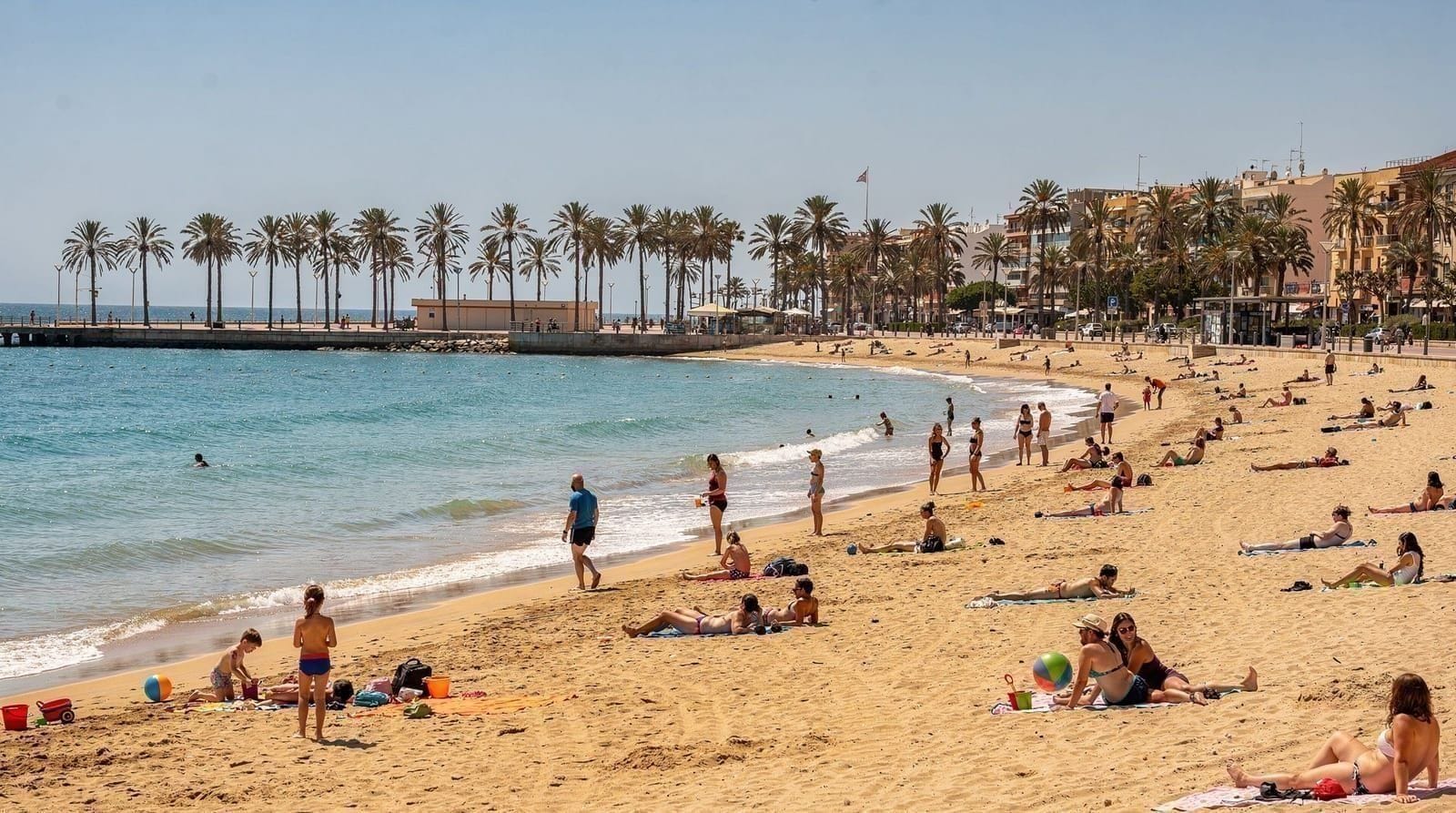
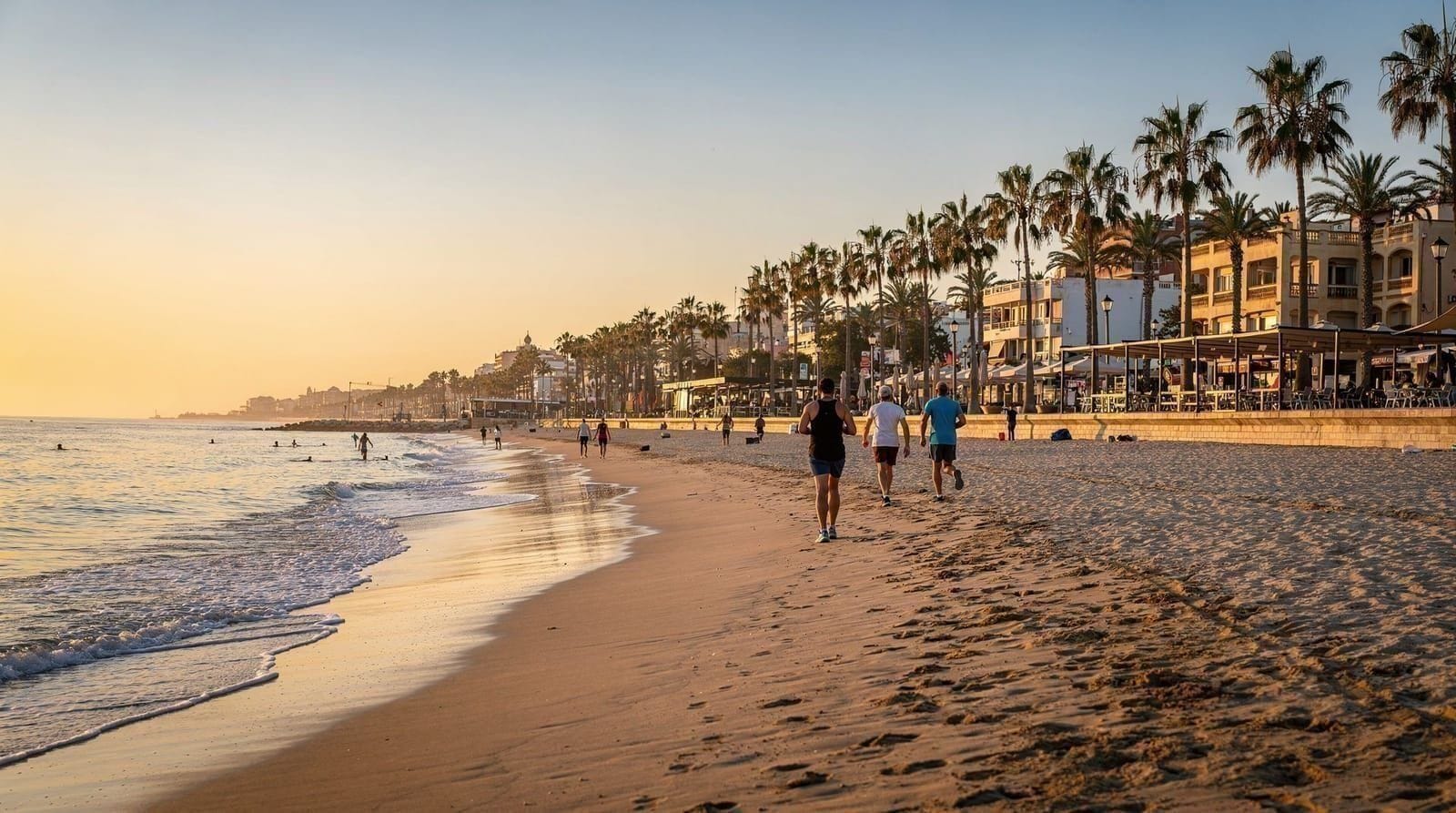
Playa de la Malvarrosa is Valencia’s main urban beach — 4 km of fine sand running north from the port entrance, flanked by the Paseo Neptuno promenade. It is accessible by tram (L4 or L6), by EMT bus (lines 1, 2, 32), or by Valenbisi bike from the city centre (about 40 minutes cycling from El Carmen).
Character: Wide, flat, well-serviced urban beach. Not particularly scenic — the backdrop is a row of modernish apartment buildings and beach restaurants. But the sand is clean, the water quality is consistently Blue Flag, and the facilities are good.
Services during season:
- Lifeguards (10:00–20:00, June 1 to September 15 in 2026)
- Red Cross first aid post at the midpoint
- Sun lounger and umbrella hire: €6–8/pair/day from 3 operators at approximately 500m intervals
- Accessible beach access for wheelchair users (hardened walkway, adapted loungers available at some sections)
- Outdoor showers at 500m intervals
- Dog beach: a small designated section at the southern end (near the port) allows dogs in season
Paseo Neptuno restaurants: The beachfront restaurants operate on a mix of quality levels. The ones targeting tourists (large photo menus in 8 languages, aggressive hosts standing outside) serve mediocre rice and overpriced seafood. The ones catering to locals — slightly quieter, menus in Spanish only, no photo boards — are worth seeking out for simple grilled fish (seabream, sea bass) at honest prices. Rule of thumb: if the host approaches you on the pavement, keep walking.
For the detailed Malvarrosa guide, including restaurant recommendations and seasonal schedule, see Malvarrosa beach.
Patacona: quieter and better for families
Playa de la Patacona is the 2 km extension of Malvarrosa northward into the municipality of Alboraia. It has the same water quality but somewhat less busy and slightly more village character — the promenade backing it has fewer restaurants and more residential buildings. Families with young children often prefer Patacona for the lower crowd density and slightly calmer water (the breakwater structures reduce wave action marginally).
Getting there: L4 tram to Dr Lluch stop, then walk north along the beach. Or bus 31 (EMT).
For more detail, see the Patacona beach guide.
El Saler: the quality alternative
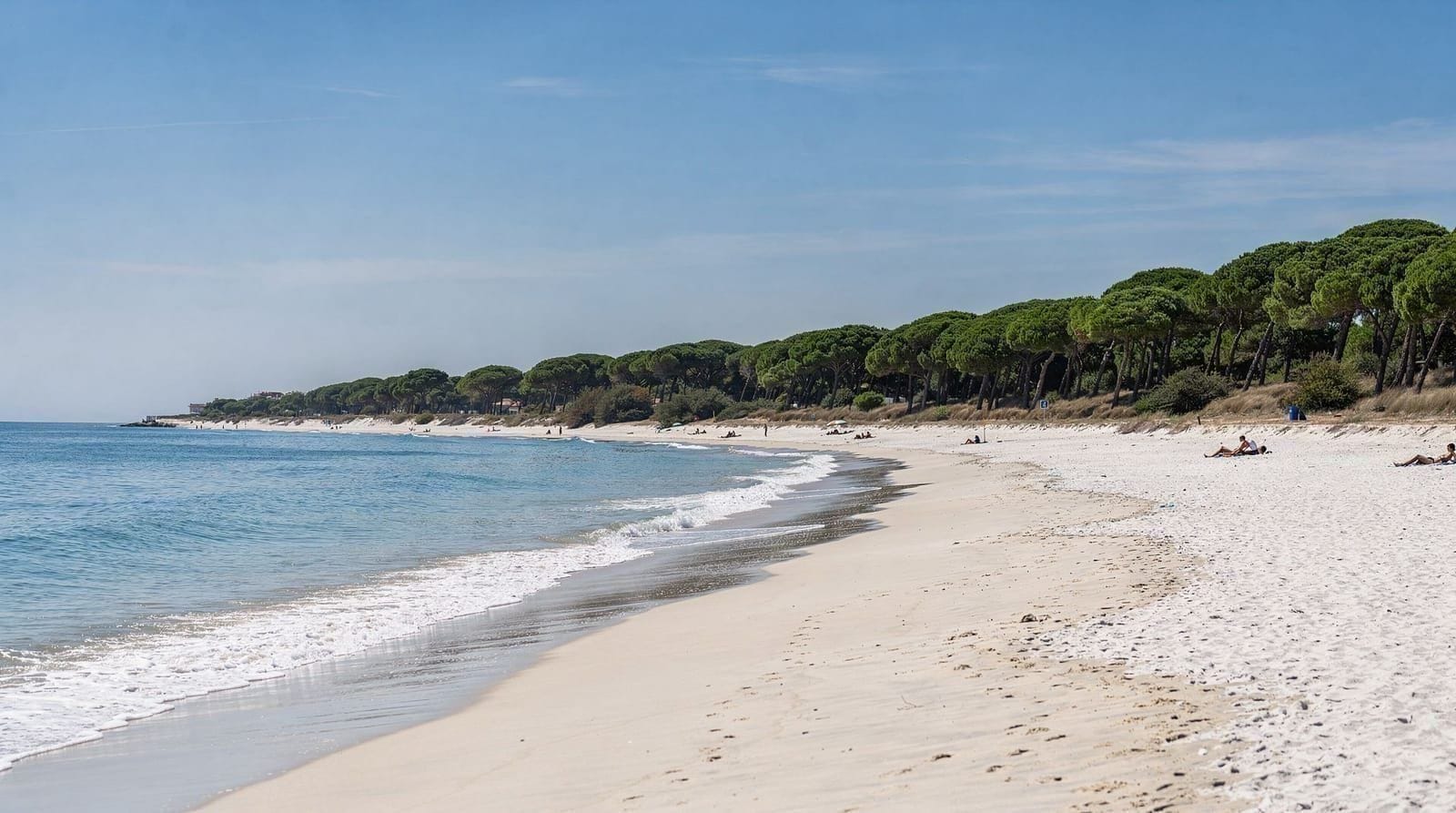
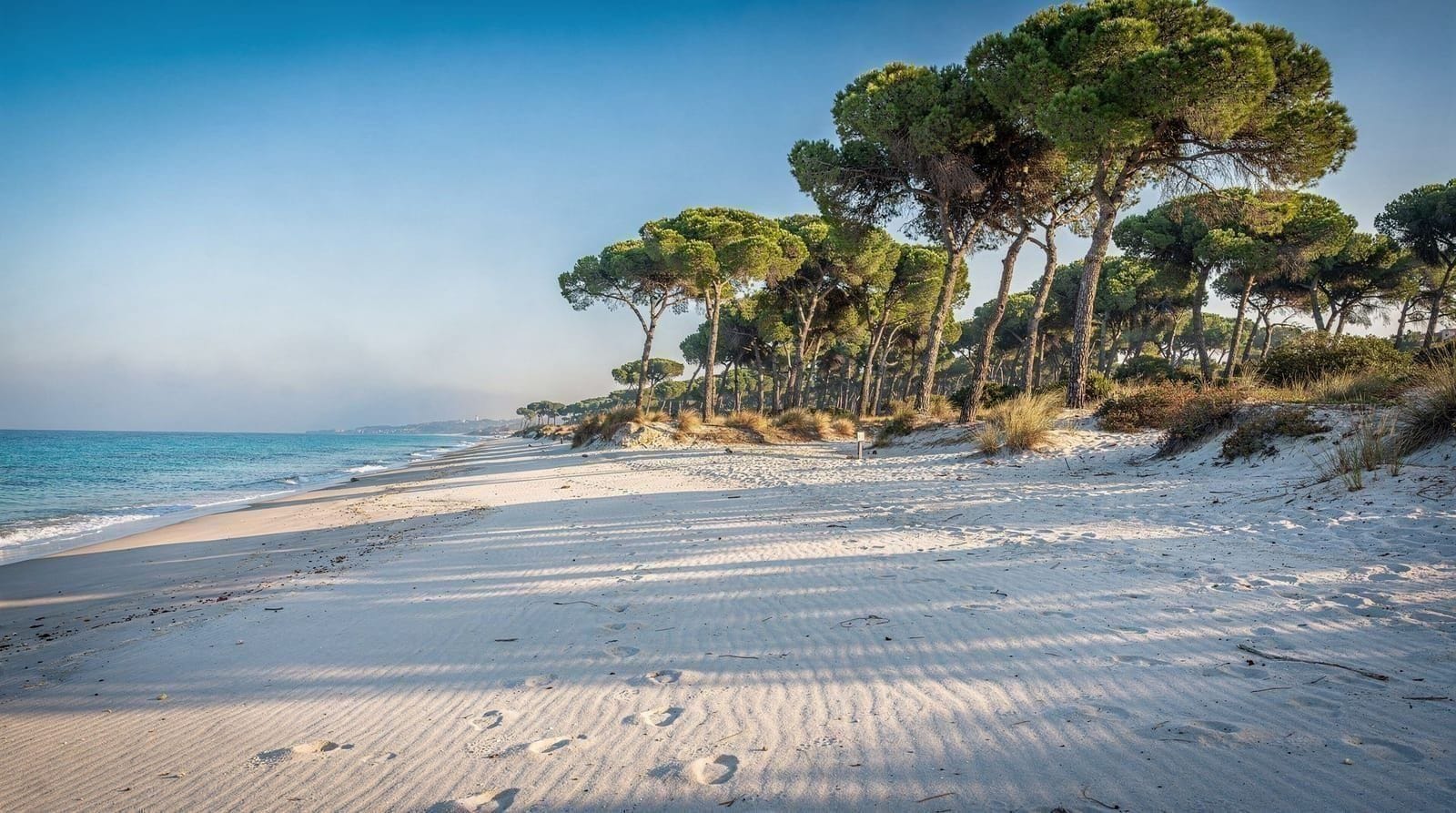
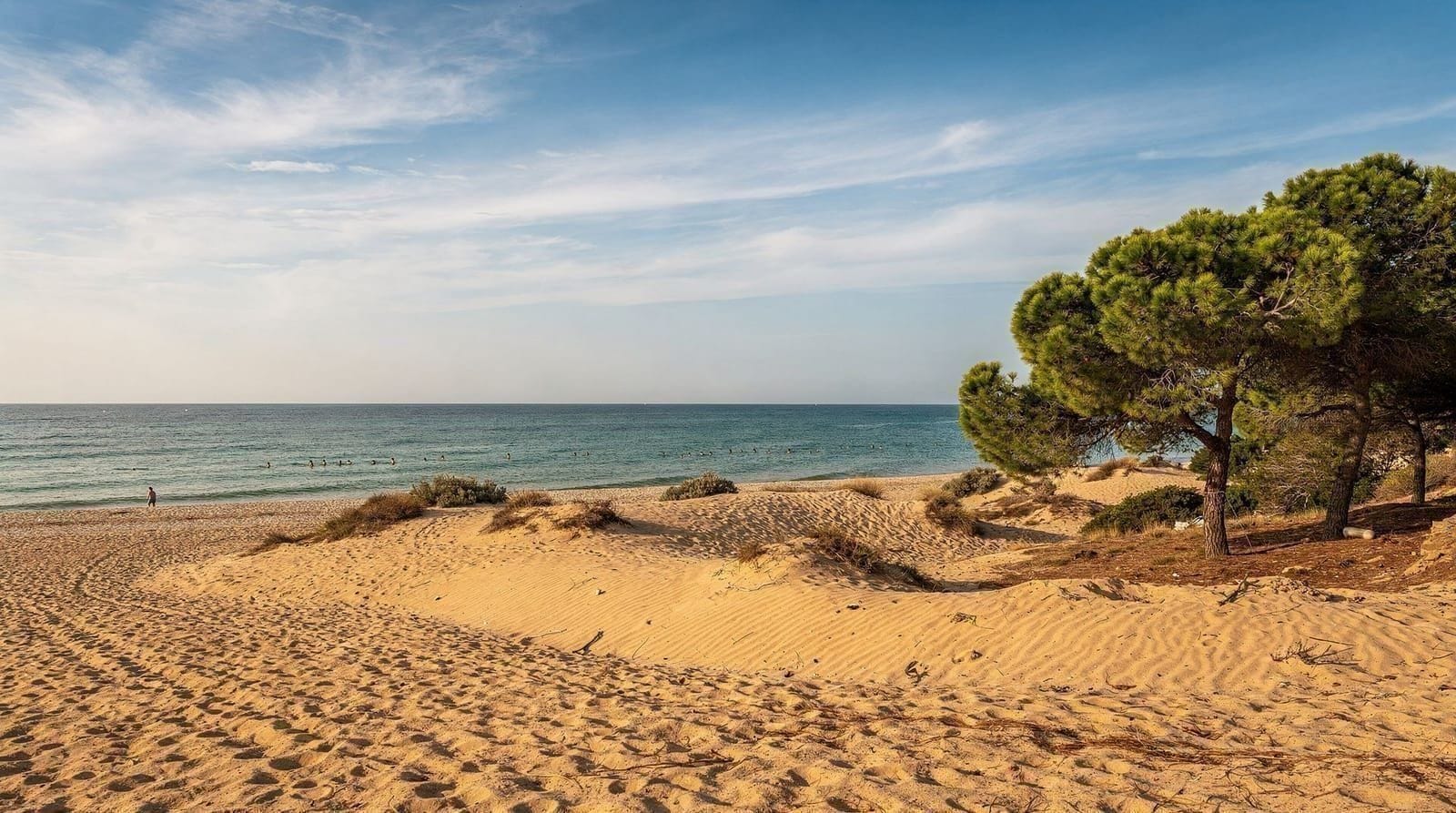
Playa de El Saler, 15 km south of Valencia within the Albufera Natural Park, is among the best-quality beaches near a major Spanish city. It is backed by the pine woods of La Devesa forest rather than apartment buildings, has no permanent chiringuitos (a seasonal mobile bar operates in summer), and the water quality in the protected Albufera zone consistently exceeds even the already-good Malvarrosa standard.
Crowds: Minimal compared to Malvarrosa, even in August. Locals who know Valencia’s beaches almost universally prefer El Saler.
Getting there: EMT bus 25 from Porta de la Mar (40–45 minutes), or car (15 minutes from the city centre via the CV-500 coastal road). No Valenbisi access — too far from the network.
Facilities: During July and August, a seasonal bar provides cold drinks and basic food. There are shower facilities and portable toilets. No lounger hire — bring your own setup.
For detail on El Saler and the adjacent La Devesa beach, see El Saler beach and La Devesa beach.
Water sports: what’s available and from where
 sailing catamaran cruise with sunset option and DJCheck availability
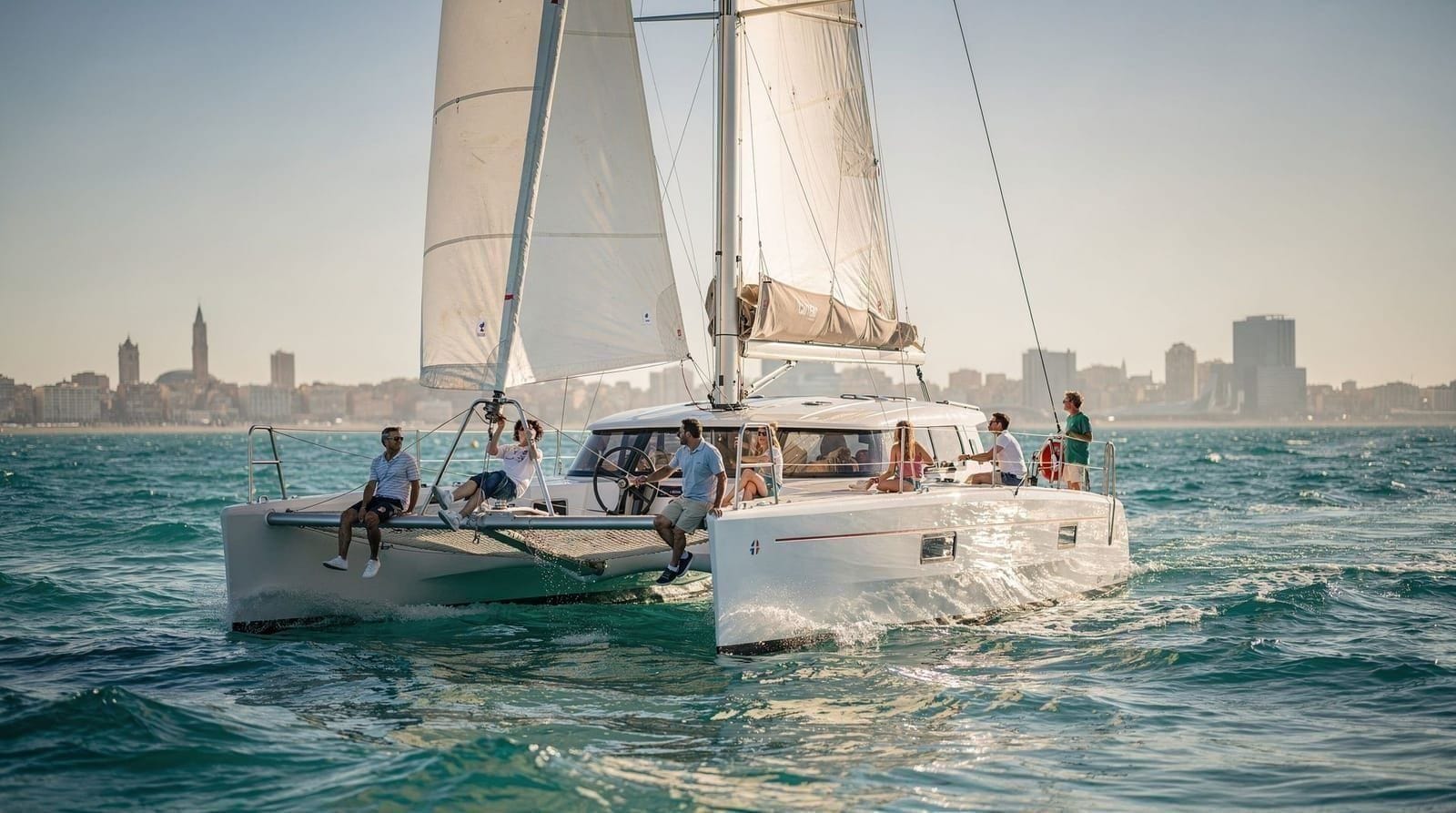
Catamaran sailing: Several operators based in the Real Club Náutico de Valencia (RCNV) marina, at the southern end of Malvarrosa near the port, offer sailing trips ranging from 1-hour sunset cruises to half-day excursions. The sailing conditions off Valencia are generally mild — ideal for beginners and families. See the sailing catamaran guide.
Paddle surf (SUP): Rental and lessons available at the beach from June through September, primarily at operators near the centre of Malvarrosa. A 1-hour lesson with equipment costs €25–30; board rental alone runs €12–15/hour.
 paddle surf lessonCheck availability
Jet ski: Excursion operators at the port end of the beach offer 30-minute to 1-hour guided jet ski rides (€40–80 depending on duration and whether solo or tandem). A valid driving licence is required for solo operation. See the jet ski guide.
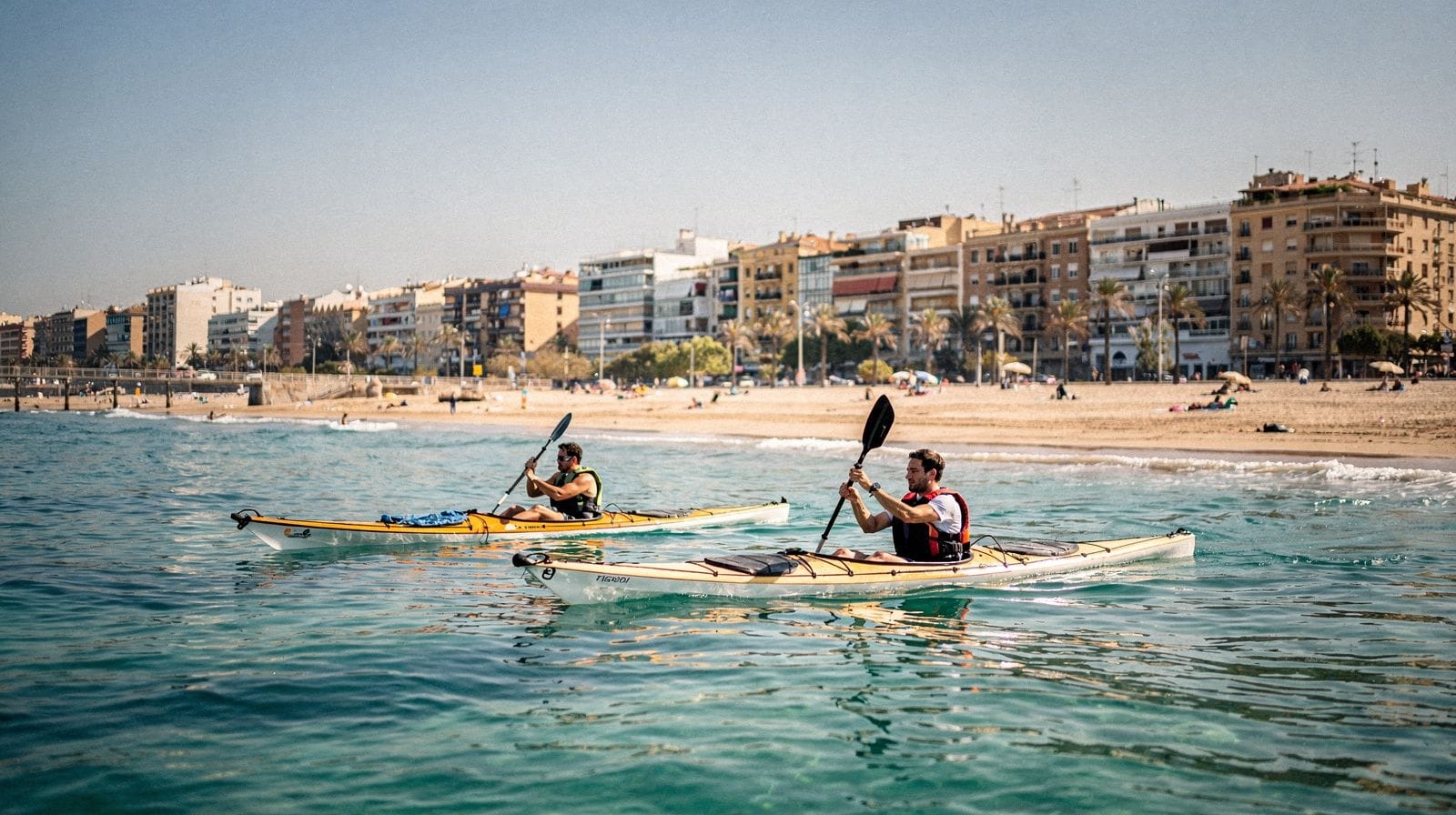
Kayak: Rental from the marina area and some beach operators. The coast immediately south of Valencia, past the port, has calmer water suitable for kayak day trips toward El Saler. See the kayak guide.
E-bike beach tour: One of the most popular summer activities combines cycling the coastal route with a beach visit and paella lunch.
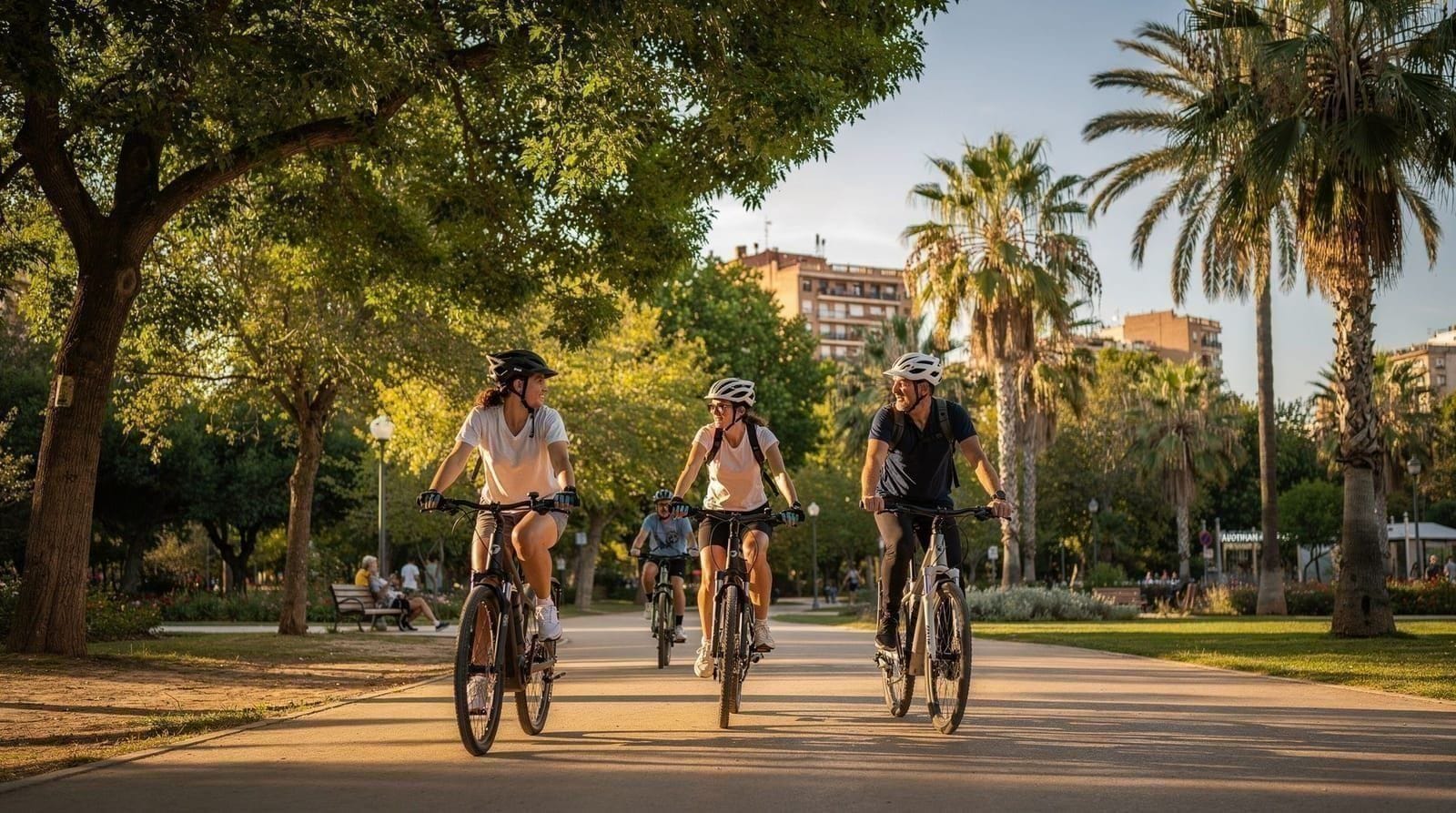 paella and beach tour by e-bikeCheck availability
The Albufera beaches (south of the city)
The beaches within the Albufera natural park — El Saler continuing south to La Devesa — have a distinct character. They are long, undeveloped, backed by forest, and entirely different from the urban Malvarrosa. The Devesa forest (a pine and juniper woodland on the sandbar separating the Albufera lake from the sea) creates a genuinely wild-feeling beach experience that is surprisingly rare this close to a city of 800,000.
Best for: Solitude seekers, nature lovers, photography, dog owners (no seasonal restrictions in the natural park zone). Not ideal for: Families needing facilities (minimal), visitors without a car.
Wind and current conditions
Valencia’s beaches sit in a relatively sheltered stretch of the Gulf of Valencia, but wind direction still shapes the day. The llevant (easterly wind) brings choppier water and stirred-up sediment, sometimes closing water sports for a few hours and turning the flag from green to yellow. The poniente (westerly, offshore wind) flattens the sea and is generally the best condition for swimming and paddle sports, though it can push loose items on the sand around. Summer afternoons often bring a gentle onshore sea breeze from around 15:00, which cools the beach but adds light chop — fine for swimming, less ideal for beginner SUP lessons, which is why most operators run morning sessions. Check the flag at the nearest lifeguard tower rather than judging conditions from the promenade; the sea can look calmer or rougher than it actually is depending on the angle.
Beach tourist traps to avoid
Malvarrosa restaurant touts: Addressed above — restaurants with physical hosts soliciting customers on the pavement are typically tourist traps. Walk past.
“Paella” on the beachfront: Malvarrosa beachfront paella is almost universally made with a gas burner rather than orange wood, uses commercial stock rather than homemade, and costs €18–22 for a portion that a proper inland restaurant would charge €14–16. For the real thing, see the authentic paella guide.
Sun lounger scams (occasional): Rare but reported — unofficial vendors (not the licensed operators with printed tariff boards) approach sunbathers and offer sun loungers, then demand payment for sitting on public sand. The licensed operators have official stands with printed price cards in Spanish and English. Only rent from these.
Pickpockets on the beach: July and August at Malvarrosa see occasional pickpocket activity targeting unattended bags and phones on towels. Don’t leave valuables unattended; use the lifeguard posts to leave bags when swimming.
Family beach tips for Valencia
Valencia’s beaches are generally family-friendly, with a few caveats:
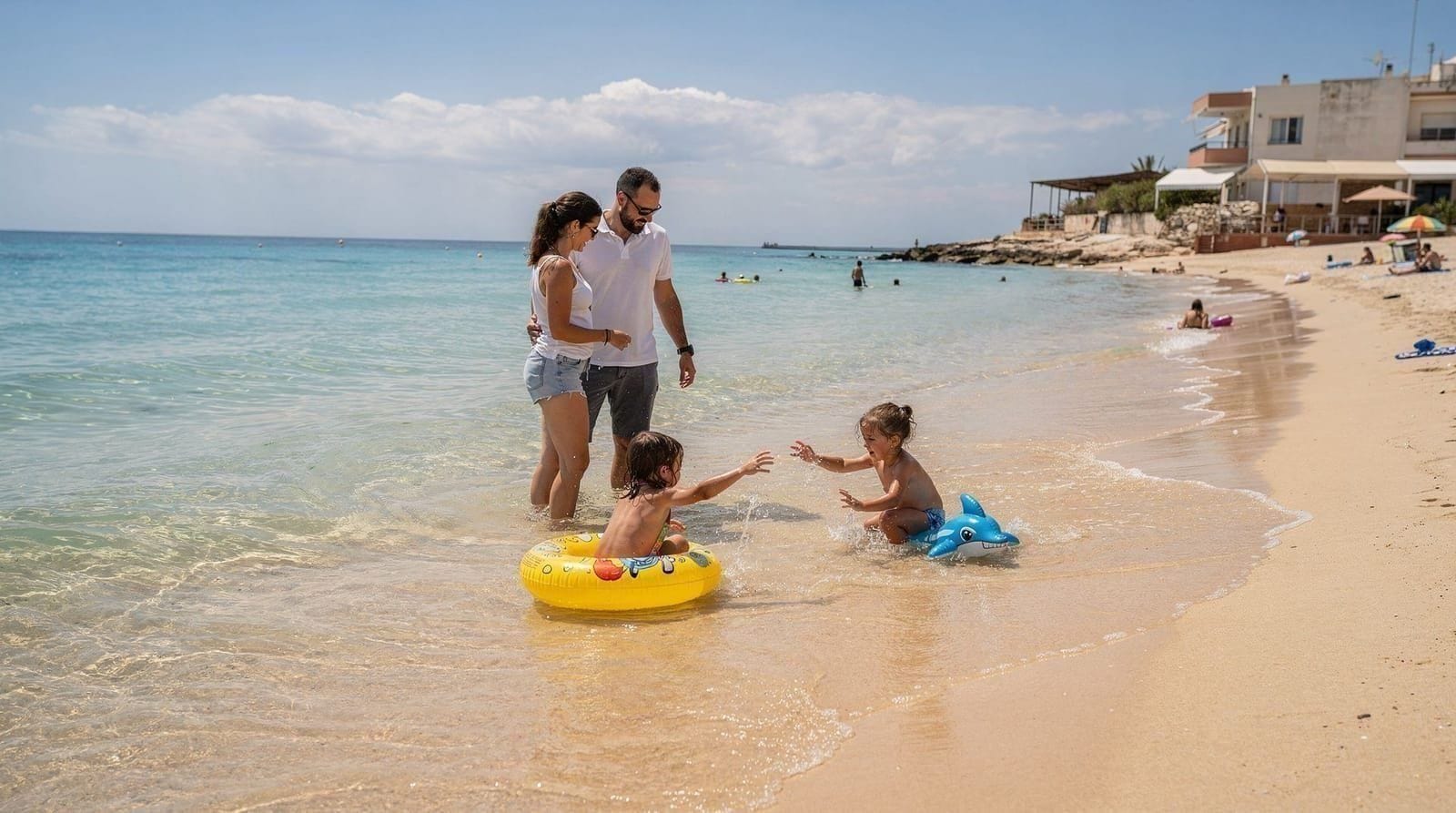
Malvarrosa for families: The gradual slope and generally calm conditions make Malvarrosa suitable for families with children of most ages. The accessible sections (with hardened walkway and adapted sun loungers) are available — ask the lifeguard station to confirm which sections are equipped.
Patacona for small children: Marginally calmer water and lower crowd density than Malvarrosa. The long flat beach gives children plenty of space. No ball games or football in the designated family areas (enforced by beach wardens in season).
El Saler for older children and teenagers: The pine forest backing gives shade and adventure (the forest edge has walks and picnic areas). Older children who are strong swimmers may prefer the wilder feel of El Saler. The lack of facilities (no regular lifeguards outside peak hours) requires parental supervision.
For the complete family beach guide including specific facilities and child-friendly services, see the family beaches guide.
Evening beach culture
Valencia’s beach promenade does not shut down at sunset. From June through September, the Paseo Neptuno and the adjacent streets come alive from about 20:00:
Evening chiringuitos: Several beach bars along Malvarrosa switch from daytime sunbather service to evening social venues — draught beer, cocktails, and ambient music (within the city’s noise ordinances). Agua de Valencia (cava, orange juice, vodka, and gin — tourist-facing but pleasant) is the signature cocktail, served in pitchers at many beachfront bars.
Sunset timing: Valencia’s sunsets are over the sea in autumn (September–October) when the sun sets southwest. In summer (June–August), the sun sets over the city — sunrises are the spectacle on the beach. The optimal time for beach photography is 30 minutes before sunrise in summer, or the final 30 minutes before sunset in autumn.
Outdoor dining: The Paseo Neptuno beachfront restaurants are a tourist trap for lunch; they are better value in the evening when the locals from Cabanyal join the mix and menu options broaden. The beach restaurants are generally good for simple grilled fish and cold beer after a swim. The overpriced paella and seafood rice dishes are to be avoided — see the authentic paella guide for where to eat the real thing.
Sustainability and beach access
Valencia city has progressively improved beach access sustainability since the 2010s. The main measures that affect visitors:
No-drive beach access zones: A vehicle-free zone extends along the Paseo Neptuno length. Parking is in paid car parks set back from the beach — these fill in summer, particularly on weekend afternoons. Public transport (tram L4/L6, buses 1/2/32) is the practical alternative.
Sand cleaning: City contract cleaners work the beach between 05:00 and 08:00, ensuring the sand is clean for the morning arrivals. Post-weekend Mondays are when the sand is cleanest (mechanically cleaned overnight).
Blue Flag certification: Both Malvarrosa and Patacona achieve Blue Flag status annually, which requires maintained water quality, beach management standards, and public information. The flag poles at the lifeguard stations display the current daily flag status (water quality and safety).
Beyond the city: day beaches within driving distance
If you have a car for a day or are joining an organised trip, several beaches within 1–2 hours of Valencia are notably less crowded:
Cullera (55 km, 45 min by Cercanías): Rocky headland beaches with a castle backdrop. See the Cullera beaches guide.
Gandia (75 km, 65 min by Cercanías): Long Blue Flag beach resort. See the Gandia beach guide.
Oliva (85 km by car, no direct train): Wide beach, kite-surfing conditions, less developed than Gandia. Car-only access without going via Gandia train+bus.
Denia (120 km by car): Natural setting, rocky coves and sand beach mix, backed by the Montgó mountain. A full day trip.
Javea/Xàbia (130 km by car): Considered one of the finest small beach towns on the Costa Blanca. Rocky coves of astonishing clarity. Too far for a casual day trip but excellent for a 2-night extension to a Valencia visit.
Frequently asked questions about Valencia beach season
What are the best beaches near Valencia city?
Malvarrosa (urban, 4 km from the centre, tram access) is the main city beach. Patacona (adjoining Malvarrosa to the north, slightly quieter) is better for families with small children. El Saler (15 km south, within the Albufera natural park, pine-backed, no development) is the best beach for tranquility. La Devesa (further south, similar character to El Saler) is the quietest of the four.How do you get to the beach from Valencia city centre?
Malvarrosa and Patacona: tram L4 (to Doctor Lluch) or L6 (to Marina Reial Joan Carles I, formerly Neptú), about 30 min, or EMT buses 1, 2, 32 (31 for Patacona) from the centre (25–35 min). El Saler: EMT bus 25 from Porta de la Mar (40 min), or car (15 min). La Devesa: car or bicycle only (no direct public transport). Valenbisi bikes work for the coastal tram route but cannot reach El Saler.Is Valencia's beach water clean?
Yes. Malvarrosa and Patacona consistently earn Blue Flag status for water quality. Clarity is 3–4 m in calm conditions. After strong easterly winds (llevant), the sea can stir up sediment for 24–48 hours. The beaches inside the Albufera natural park (El Saler, La Devesa) have some of the cleanest water on Spain's Mediterranean coast due to the protected natural area status.What water sports are available at Valencia's beaches?
Malvarrosa offers paddle surfing (SUP) rental and lessons, kayak hire, and jet ski excursions from operators at the port end of the beach. Catamaran sailing trips depart from the Royal Yacht Club of Valencia (RCNV) marina area. Kiteboarding conditions exist at El Saler in easterly winds. Most water sports operate mid-June through September.Are there beach bars (chiringuitos) on Valencia beaches?
Yes. Malvarrosa has multiple chiringuitos spaced along its 4 km length, open from approximately June through September (sometimes October weekends). Most serve beer (€2.50–3.50), wine, Agua de Valencia, and basic food (bocadillos, chips, salads). Prices are reasonable — comparable to the city, not inflated. The chiringuitos south of the Malvarrosa roundabout are better quality and less crowded than the central ones.How crowded does Malvarrosa beach get in August?
Very crowded. In August, particularly on Saturday and Sunday afternoons, Malvarrosa sees 30,000–50,000 visitors. Finding unoccupied sand without a sun lounger is possible but requires arriving before 10:00. The loungers (€6–8/pair/day from beach concession operators) sell out by 11:00 on peak August weekends. El Saler is the escape valve — a 15 km drive south with dramatically fewer visitors.Can I eat paella on the beach in Valencia?
The beach restaurants along the Paseo Neptuno (parallel to Malvarrosa beach) serve rice dishes. However, this is one of Valencia's most prominent tourist-trap corridors — portions are tourist-size, prices are elevated, and genuine wood-fire paella is rarely what you receive. The honest recommendation is to eat paella at a restaurant away from the beachfront (see the paella guide), and use the beachfront restaurants for simple grilled fish, which they do competently.Is it safe to swim at Valencia beaches?
Generally yes. In 2026 lifeguards were on duty from June 1 to September 15 (10:00–20:00 at Malvarrosa and Cabanyal; 10:30–19:00 at El Saler; La Devesa July 1 to August 31, 10:30–18:30). Check valencia.es for current dates. Flag system applies: green (safe), yellow (caution, currents or waves), red (no swimming). The beaches are relatively sheltered from swell by the Baleares islands — conditions are usually calm compared to Atlantic coasts. After strong storms, check for jellyfish (medusas) — occasional arrivals in July–August, reported via the Medusas app.Do I need to pay to use Valencia's beaches?
No. The beaches are free, public spaces. Sun lounger and umbrella hire from the licensed concession operators is optional (€6–8/pair/day). No operator can charge for access to the sand.Are there nude beaches near Valencia?
Playa de La Devesa has an informal naturist section at its southern end, used without formal designation. It is tolerated rather than officially designated. Playa de El Saler is clothing-optional at the more remote northern section.What time do lifeguards start and finish?
During the 2026 season (June 1 – September 15), lifeguards were on duty 10:00–20:00 at Malvarrosa and Cabanyal and 10:30–19:00 at El Saler (La Devesa: July 1 – August 31, 10:30–18:30); see valencia.es for current dates. Outside these hours, and outside the official season, swimming is at your own risk without supervision.Are there jellyfish problems in Valencia?
Occasional jellyfish (medusas) arrive with summer southerly winds, typically in late July and August. The Medusas app (free, iOS and Android) reports sightings in real time at specific beaches. Most jellyfish near Valencia are Pelagia noctiluca (mauve stinger) — a sting is painful but not dangerous for healthy adults. Lifeguards report visible jellyfish on red flag displays.
Top experiences
Bookable activities with verified prices and instant confirmation on GetYourGuide.