All i pebre — Valencia's other iconic dish from the Albufera
Valencia: Albufera boat ride with food and paella included
What is all i pebre?
All i pebre (meaning "garlic and pepper" in Valencian) is a traditional stew made with eel from the Albufera lagoon, cooked with garlic, sweet and smoked paprika, olive oil, and ground almonds. It is the traditional dish of El Palmar village. Eel is increasingly scarce, but authentic versions remain available in El Palmar restaurants.
Valencia has two iconic lagoon dishes. Paella gets all the international attention. All i pebre is the one that Valencians who grew up around the Albufera actually talk about.
| What it is | Eel stew with garlic, paprika, ground almonds |
| Where | El Palmar village, Albufera lagoon |
| Cost | Around 10–18€ per portion |
| When served | Mainly lunch, weekends most reliable |
| Ask first | Confirm availability when booking — not on every menu daily |
What is all i pebre?
All i pebre (pronounced roughly “all ee PEH-breh”) means “garlic and pepper” in Valencian — a simple name for a dish of genuine complexity. It is a stew made primarily from European eel (anguila in Spanish, anguila or angula depending on size), cooked in an earthenware pot with:
- Garlic (generous amounts, coarsely pounded)
- Sweet and smoked paprika (pimentón)
- Ground almonds or hazelnuts (which thicken the broth)
- Olive oil
- Water or light fish stock
- Cayenne pepper or dried hot peppers
The result is a dense, richly flavoured stew with a sauce that sits somewhere between a bisque and a ragù. The garlic and paprika are dominant; the almonds give the sauce body; the eel contributes its particular fatty, freshwater richness.
It is eaten with bread for dipping. No rice. No other accompaniments.
The Albufera connection
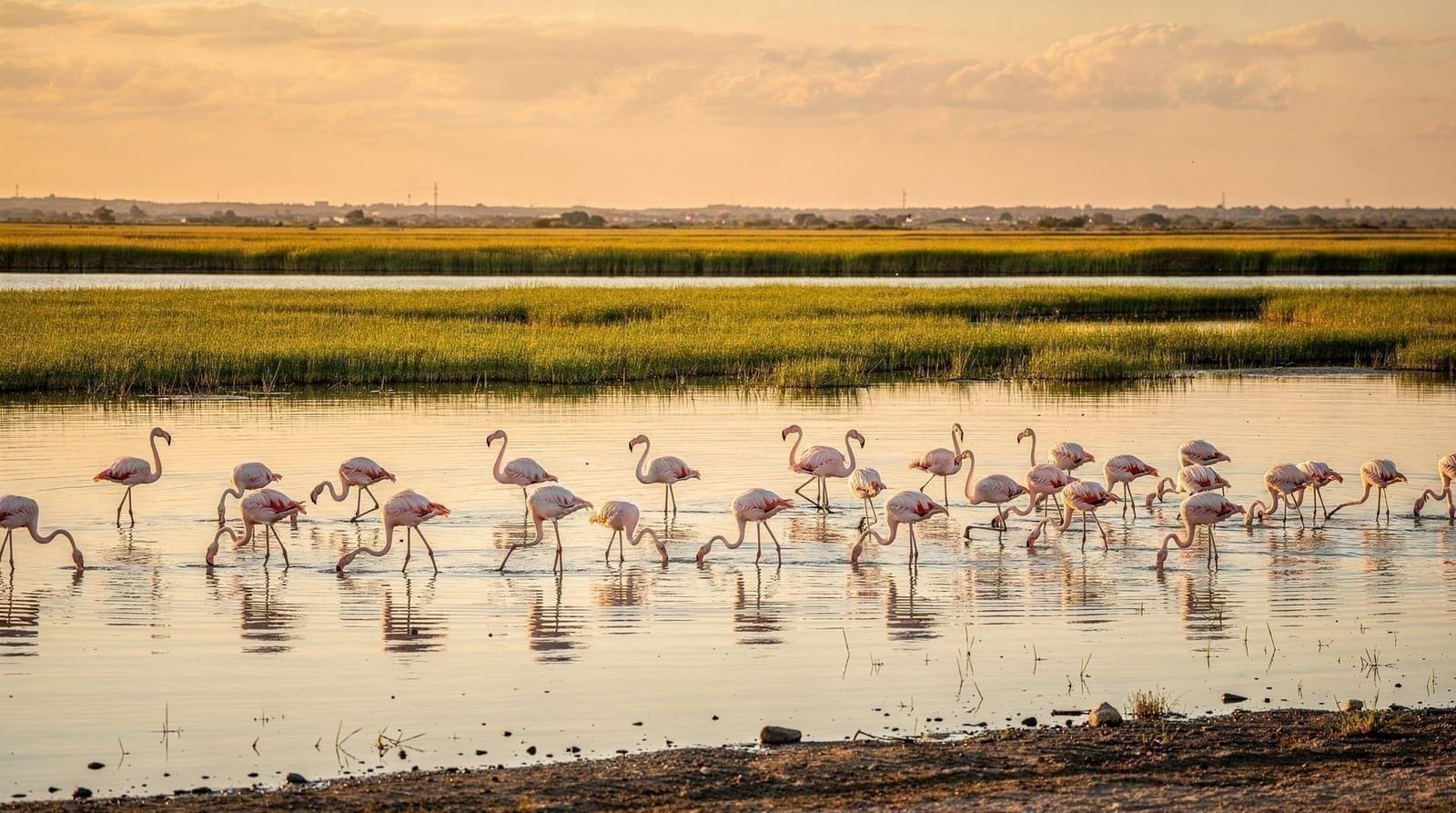
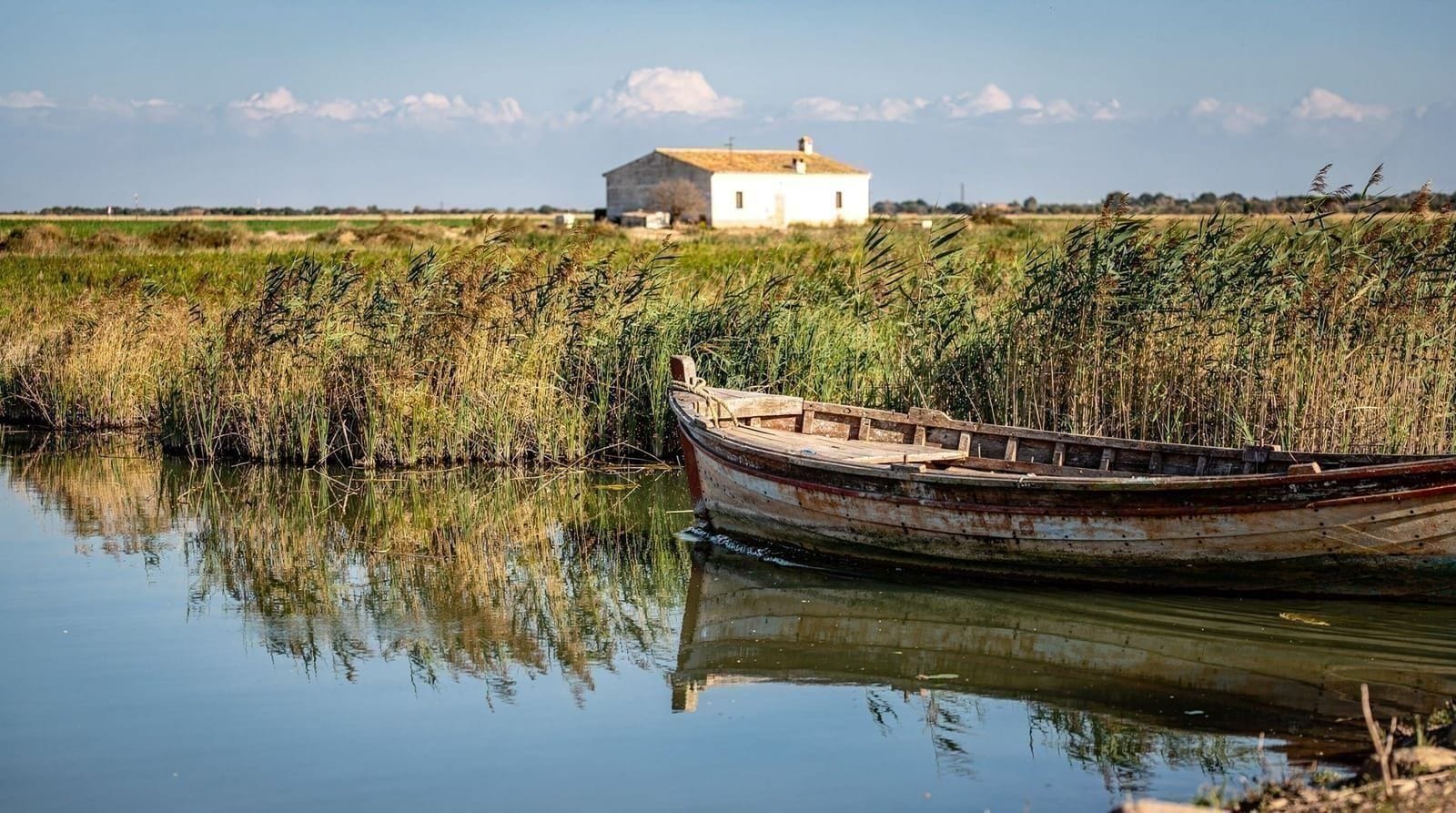
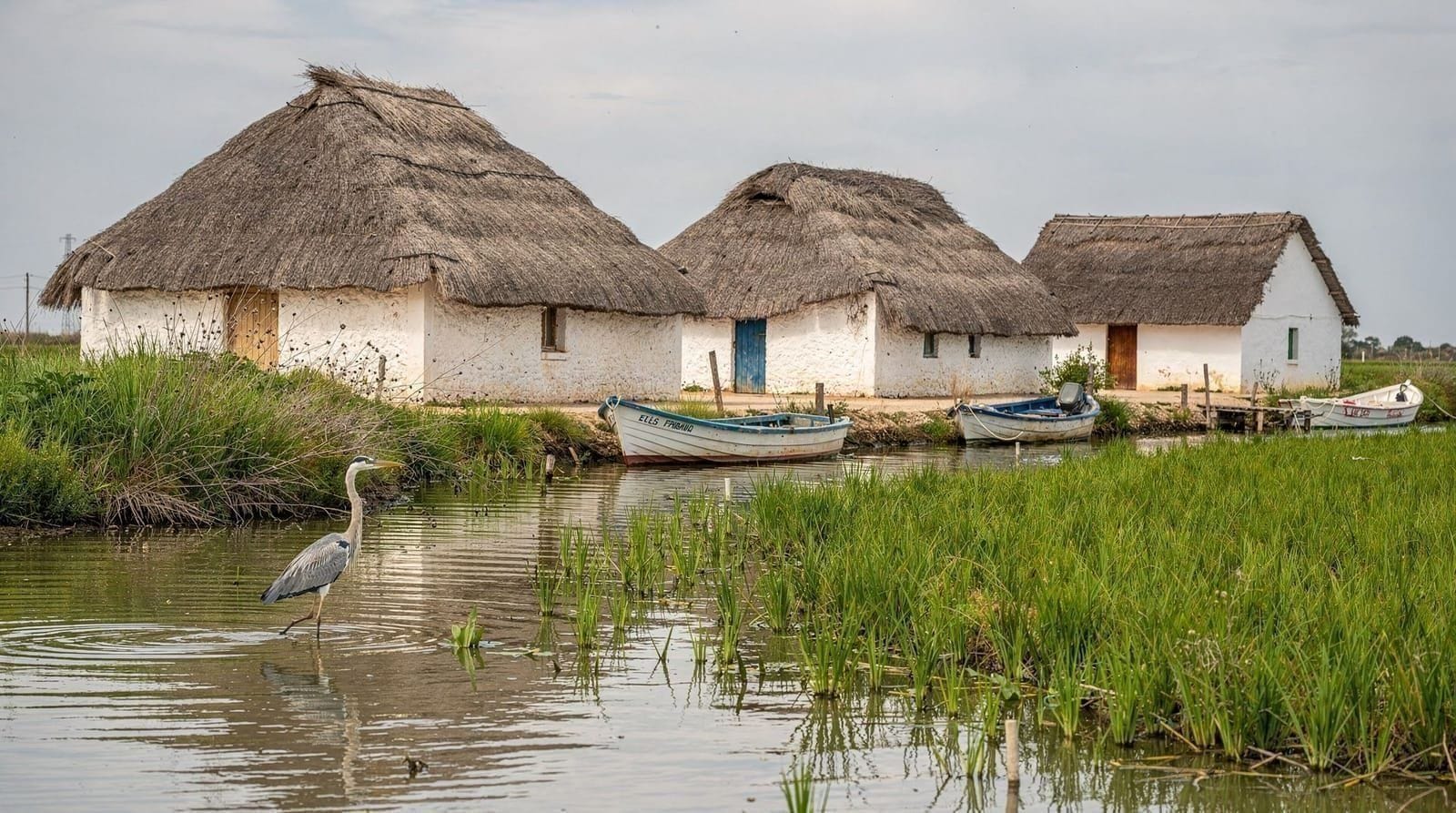
The Albufera natural park is a freshwater lagoon of about 21,000 hectares, separated from the Mediterranean by a narrow strip of land. For centuries, the fishing villages around the lagoon — particularly El Palmar — sustained themselves on what the water provided: eel, carp, perch, and migratory birds.
Eel was the most abundant and most commercially valuable species in the Albufera for most of its history. The lagoon’s combination of fresh and slightly brackish water created ideal eel habitat. The fishing families of El Palmar developed all i pebre as a way to cook the catch — a dish that requires no expensive ingredients beyond the eel itself and the basic pantry.
The dish is ancient. References to similar preparations appear in Valencian cooking records from the 16th century, though the specific recipe with paprika postdates the Columbian exchange (paprika arrived in Europe from the Americas in the 16th-17th centuries).
The eel problem
European eel (Anguilla anguilla) is now classified as critically endangered by the IUCN. Populations have collapsed by more than 90% across Europe since the 1980s, due to a combination of overfishing, habitat loss, pollution, and barriers to migration. The Albufera is no exception.
This means authentic all i pebre made with Albufera eel is genuinely scarce. Several El Palmar restaurants have adapted:
- Some now source eel from aquaculture (farmed eel from Northern Europe, typically)
- Some offer all i pebre made with other fish (less traditional but honest)
- A few restaurants that have protected fishing rights in the lagoon still serve wild Albufera eel, but quantities are limited and the dish must be ordered in advance
When ordering, it is worth asking “¿de dónde viene la anguila?” (where does the eel come from?). A restaurant using genuine Albufera eel will tell you so as a selling point. If the answer is vague, you are probably getting farmed eel — still good, but different.
Farmed vs. wild eel: does it matter?
For most visitors, the honest answer is that the difference is noticeable but not dramatic. Farmed eel (typically raised in Northern European aquaculture) has a slightly milder, less mineral flavour than wild Albufera eel, but the cooking technique — the garlic, paprika, and almond sauce — is the dominant flavour regardless of the eel’s origin. If your priority is trying the dish rather than chasing conservation-grade authenticity, a restaurant honestly using farmed eel is a perfectly legitimate way to experience all i pebre without contributing further pressure on a critically endangered wild population. If you do want wild-caught Albufera eel specifically, expect to pay at the top of the price range and to order well in advance — some restaurants only prepare it against a pre-order to avoid wasting a limited catch.
Where to eat all i pebre
El Palmar village is where this dish should be eaten. The fishing families who have cooked it for generations are here. Specific restaurants in El Palmar to ask for all i pebre include Restaurante Nou Racó, Casa Montoliu, and La Matandeta — though menus change seasonally and availability depends on the catch.
Always ask when you book whether all i pebre is available. It is not universally on the menu every day. Weekend lunches are when El Palmar is busiest and all i pebre most likely to be served.
In Valencia city: Casa Montaña in El Cabanyal occasionally serves all i pebre as a seasonal special. A few traditional restaurants in the old city offer it, though the authenticity and quality vary significantly away from El Palmar.
How to eat it
All i pebre is served hot in the earthenware pot it was cooked in. The eel pieces are bone-in — there are fine bones in the flesh that you work around while eating. This is normal; it is not a sign of poor preparation. The correct technique is to use a spoon and fork together, working the flesh off the bones.
The sauce is meant to be sopped up with bread — not with paella rice, not mixed into a rice dish. All i pebre is a standalone dish, not a component.
A portion costs approximately 10-18€ depending on the restaurant and the eel source. Wild Albufera eel, when available, is at the top of that range.
Portions are generous enough that sharing one between two people as a starter before a paella main is a practical way to try both dishes in one sitting without over-ordering. If you’re planning to eat both all i pebre and paella at the same lunch, ask the restaurant about a shared or smaller starter portion when you order — not every kitchen offers this by default, but many will accommodate the request.
The Albufera combination
Valencia: Albufera boat ride with food and paella includedThe most natural way to eat all i pebre is as part of an Albufera day trip: a morning boat ride through the lagoon’s reed channels, followed by lunch at an El Palmar restaurant. Many visitors go for the paella — and the paella is excellent — but all i pebre alongside it gives a fuller picture of the lagoon food tradition.
Valencia: Albufera Natural Park eco boat tour at sunsetIf you are doing an afternoon boat tour, you can combine it with an early dinner at El Palmar — though note that all i pebre and paella are both primarily lunch dishes in their El Palmar context.
Planning a lagoon lunch around it
Because all i pebre is a lunch dish and not always on the menu, the day works best when you build it backwards from the table. Book the restaurant first, ask about the stew when you do, and only then fit the rest of the day around that reservation. If you want a boat ride on the same day, the Albufera boat sunset guide explains how the timing of a lagoon cruise sits against a midday meal, and the Albufera natural park page gives the wider picture of the reserve you are crossing.
Getting to El Palmar is part of the pleasure. The Albufera destination page covers the lagoon as a whole, and the El Palmar village page describes the village itself, with its canals and fishing-family houses. Arrive hungry and unhurried: this is not a meal to rush before a train.
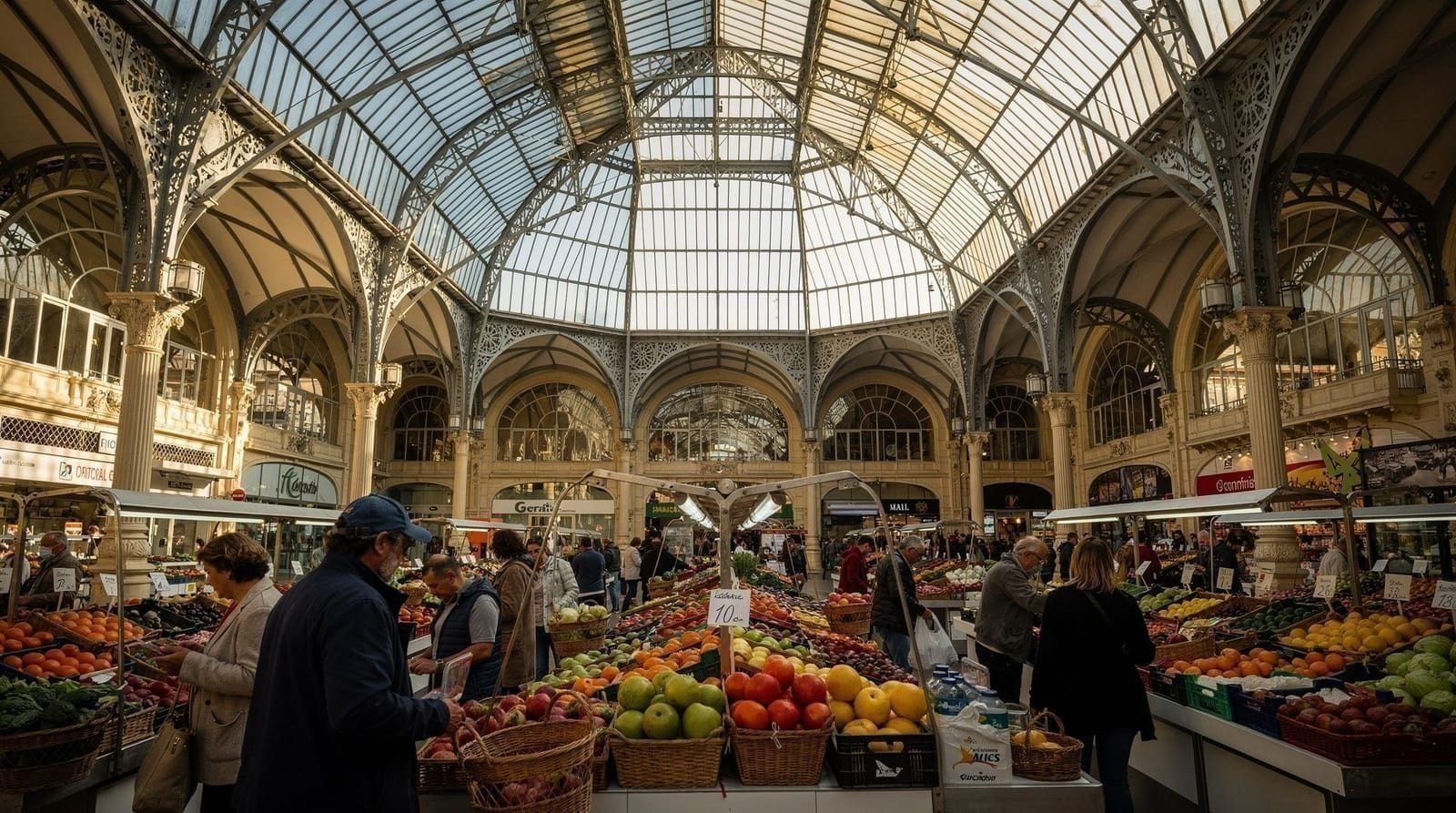
If you are building a longer food-focused stay, the Valencia for foodies itinerary shows where a lagoon lunch fits among markets, tapas and rice dishes, and the city and Albufera itinerary pairs the old town with a lagoon day. A guided tasting is another way into the local table, and the Central Market food guide is a good warm-up before you commit to a heavier stew at lunch.
Matching all i pebre with the rest of the meal
The stew is rich, garlicky and fatty, so the rest of the table should be light. Start with something fresh and simple, order plenty of bread, and keep the drinks uncomplicated. Water and a chilled local white or rosé suit the sauce better than anything heavy. Avoid ordering a second heavy dish alongside it unless you are sharing generously with the table.
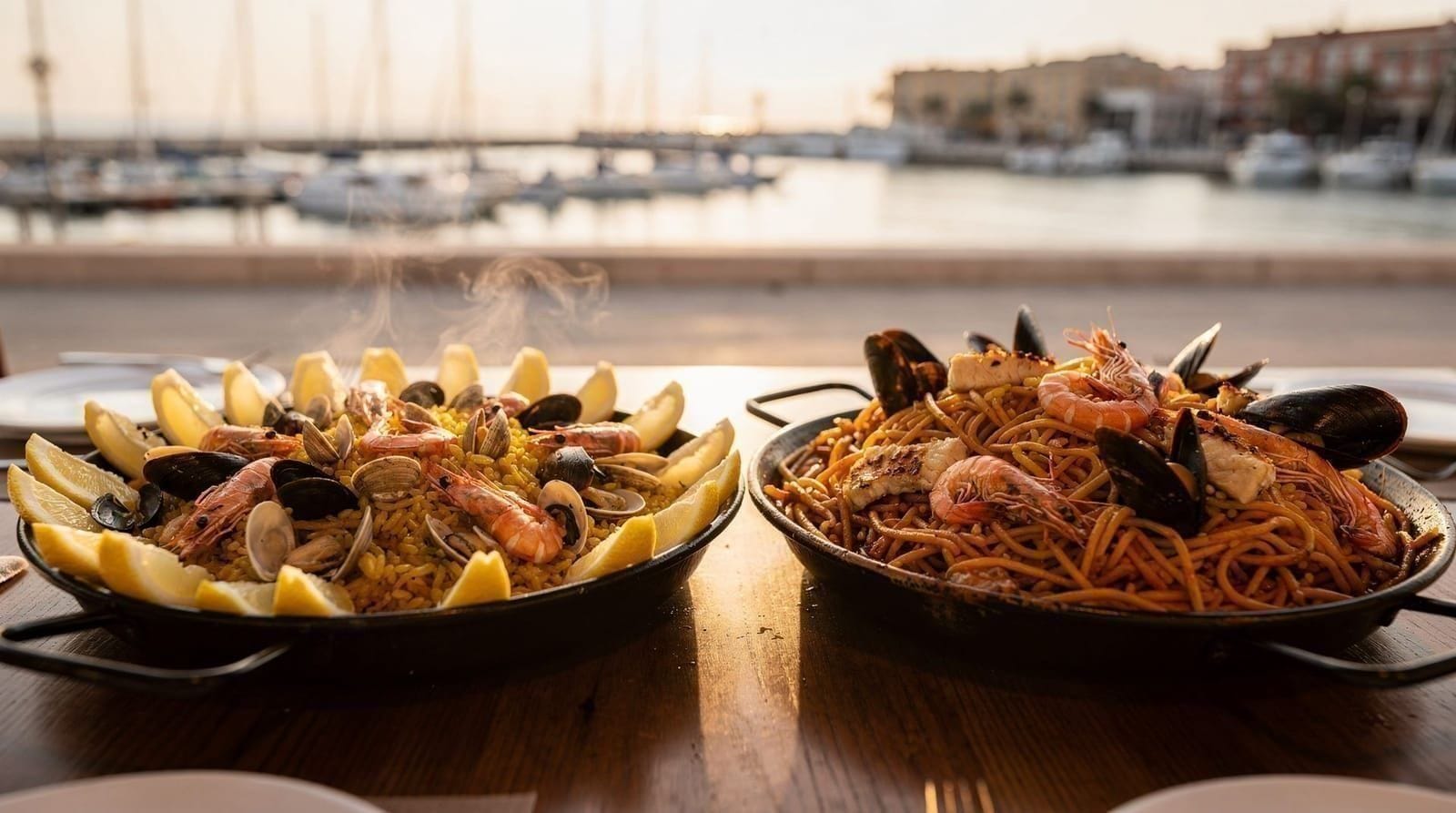
If you are weighing it against the region’s most famous rice dish, read paella vs fideuà for how the two rice-based plates differ, and how to order paella so you know what to expect when the rice arrives after the stew. For choosing between lagoon restaurants, authentic paella: where to eat it lists the same kind of village addresses worth considering.
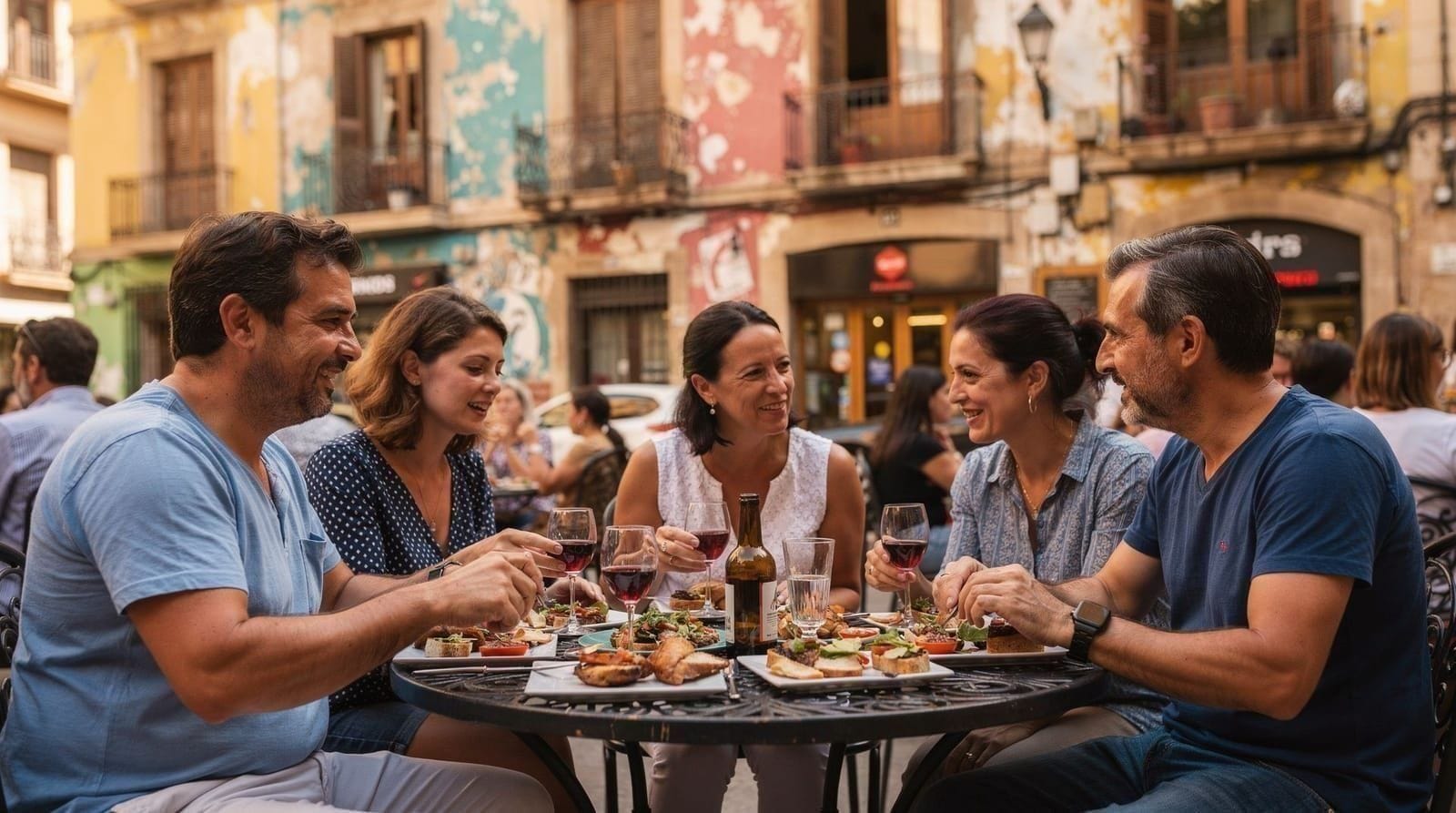
A word on pacing: all i pebre arrives in its earthenware pot at the table’s centre, and everyone dips in. Treat it as a shared, unhurried course. Conversation, bread and a second look at the sauce are all part of how it is eaten here. Nobody expects you to finish the pot, and nobody minds if you linger over it.
Cooking it at home
Travellers who fall for the dish often ask whether they can recreate it. The method is simple in outline: soften plenty of garlic in olive oil, stir in the paprika away from fierce heat so it does not turn bitter, add the eel with water or light stock, thicken with ground nuts, and let it simmer gently until the sauce clings. The difficulty is not the technique but the eel. Sourcing good eel outside the region is hard, and given the species’ conservation status, many cooks at home choose to use another firm fish instead. That is a reasonable compromise, as long as you call the result a variation and not the traditional recipe.
Other traditional lagoon dishes
All i pebre and paella are the two most famous Albufera dishes, but the lagoon food tradition extends further:
Carp roasted with garlic and tomatoes: less well-known than eel, but another traditional El Palmar preparation. The Albufera carp has distinctive flavour from its diet in the lagoon’s vegetation.
Angulas de Albufera (baby eels): tiny, thread-like young eels, served simply with olive oil and garlic. Extremely scarce now due to the eel’s endangered status — when you find them genuine, they are very expensive (60-100€ per 100g for the real thing). Many versions use angula de cultivo (farmed substitute) or the soy-based imitation product, which is not the same.
Muixama (tuna carpaccio preserved in oil): not lagoon fish, but a traditional Valencian coast cured fish product that appears in El Palmar and nearby.
The broader Valencian food context
All i pebre sits in a tradition of Spanish dishes that use ñora peppers, smoked paprika, garlic, and nuts as a sauce base — the same combination appears in Catalan romesco sauce and in the base for several Murcian rice dishes. This reflects shared culinary geography around the western Mediterranean.
To keep tourist-menu mistakes out of the picture, the paella traps guide and the eat like a local guide are useful companions, and the Valencia food markets guide shows where to find the raw ingredients behind these dishes.
For a wider view of traditional Valencian food, see best restaurants in Valencia and the menu del día guide — the lunch menu format where traditional dishes like all i pebre often appear at their most affordable.
Frequently asked questions about all i pebre
Is all i pebre spicy?
It is mildly spicy — the heat comes from dried cayenne or similar peppers and is present but not dominant. The sweet paprika is more prominent than the hot. It is spicier than most traditional Spanish cooking but nowhere near a chilli-heavy dish.
Can vegetarians eat all i pebre?
No. The dish is entirely based on eel. There is no meaningful vegetarian version of all i pebre — the eel is not an optional element.
Is all i pebre on every menu in El Palmar?
No. Check in advance when you book. Many El Palmar restaurants offer it on weekends as a scheduled preparation, but not necessarily every day of the week.
Why is all i pebre less famous than paella internationally?
Partly because eel is unfamiliar to most international food cultures (especially Anglo-Saxon countries where it was historically avoided). Partly because paella can be adapted for export in ways that all i pebre cannot. And partly because the eel conservation issue has reduced its presence and visibility over the past two decades.
Top experiences
Bookable activities with verified prices and instant confirmation on GetYourGuide.