Paella vs fideuà — what's the difference and which should you order?
Valencia: daytime tapas tasting tour with Central Market visit
Duration: 3 hours
What is the difference between paella and fideuà?
Paella uses short-grain rice; fideuà uses short, thin pasta noodles. Both are cooked in the same wide, flat pan over high heat with similar seafood-based stock. Paella valenciana contains chicken and rabbit; fideuà is typically a seafood dish. Fideuà originated in Gandia, not Valencia city.
Two dishes, one pan, entirely different results. The paella versus fideuà debate in Valencia is not really a debate — both are excellent, and they suit different moods and appetites. What matters is knowing what each dish actually is, where to eat it properly, and how to avoid the tourist versions of both.
| Paella | Rice, chicken & rabbit, inland/Albufera tradition, lunch only |
| Fideuà | Short noodles, seafood, Gandia coastal tradition |
| Cost | Around €14–25 per person, 2-person minimum for both |
| When | Lunch, 13:30–16:00 — fideuà has slightly more dinner flexibility |
| Where | El Palmar (paella), Gandia or Malvarrosa (fideuà) |
The basic distinction
Paella uses bomba or Senia short-grain rice. Fideuà uses fideos — short, thin noodles, typically 2-4 cm long and slightly curved. Both are cooked in the same wide, shallow pan (the paellera), over high heat, using a stock that must be reduced into the grain or noodle to create the final dish. Both develop socarrat — the caramelised base layer that signals proper technique.
That is where the technical similarities largely end. Paella valenciana is a land dish: chicken, rabbit, vegetables. Fideuà is a sea dish: prawns, cuttlefish, mussels, clams, cooked in a dense shellfish stock. The flavour profiles are completely different.
How to tell a good pan from a bad one
Whichever dish you choose, the same few signs separate a kitchen that cares from one that is feeding a queue. Look at the pan on arrival: the surface should be even, the grains or noodles should be separate rather than gluey, and there should be no pool of liquid at the edges. A good rice or noodle dish is dry on top and toasted underneath, and you can hear it when the spoon scrapes the base.
Smell matters too. Paella should smell of toasted rice and wood smoke, fideuà of roasted shellfish. If the first thing you notice is a sweet, tomato-heavy sauce or a heap of frozen peas, the kitchen is not following either tradition. The tourist traps guide lists the most common red flags, and the Valencia tourist traps overview puts them in the wider context of eating out in the city.
Menu design is another clue. A restaurant that photographs its rice dishes on a laminated board, or offers ten varieties alongside pizza and burgers, is rarely cooking either one with care. Places that list one or two rice dishes, explain that they need time, and ask you to commit before the pan goes on are usually a safer bet.
Paella: the inland, wood-fire tradition
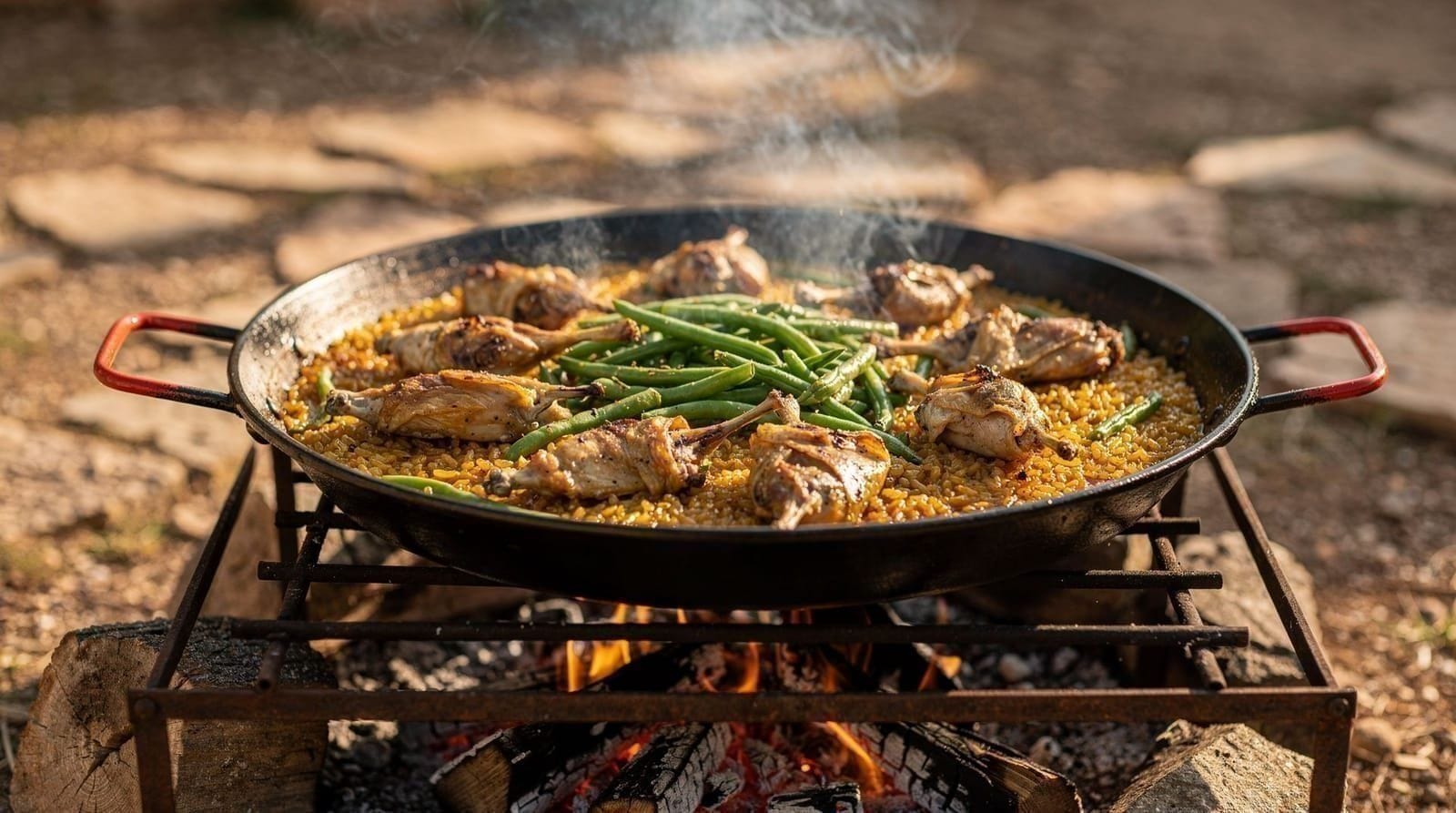
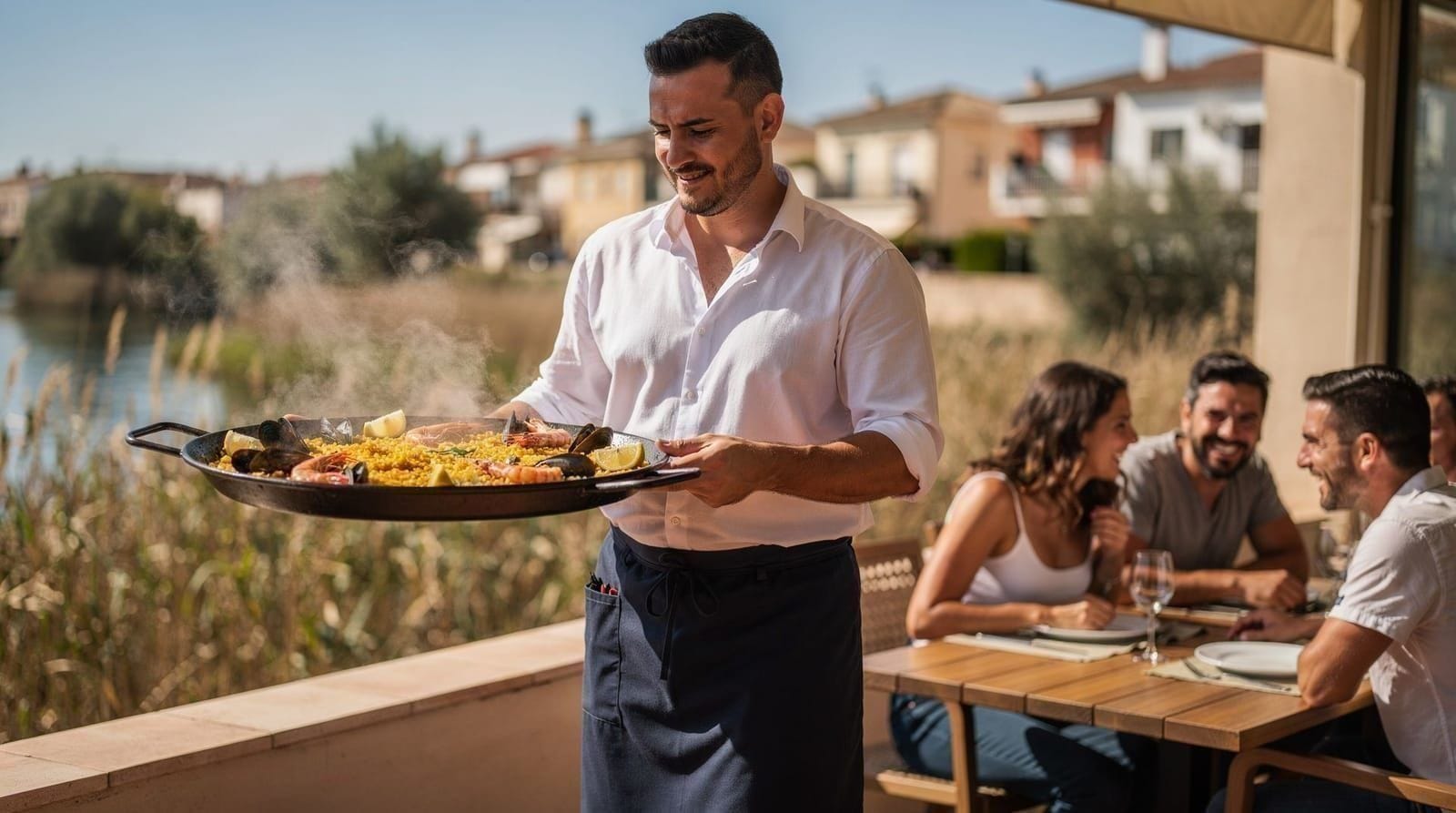
Traditional paella valenciana was developed in the farmland and marshes around the Albufera lagoon south of Valencia. It was a practical meal for agricultural workers — a wide pan cooked over an open fire using whatever was available locally: chicken, rabbit, snails, seasonal vegetables, and the short-grain rice grown in the lagoon fields.
The key ingredients are chicken, rabbit, bajoqueta (flat green beans), garrofó (large white butter beans), tomato, olive oil, water, and saffron. It is cooked over orange or pine wood — the aromatic smoke contributes to the final flavour. The rice goes in dry and absorbs all the stock. By the time it is ready, there should be no liquid remaining, and the bottom layer should be caramelised.
For where to eat it, see authentic paella in Valencia. The short answer: El Palmar, Malvarrosa (La Pepica, Las Arenas), or Casa Carmela in the city.
Fideuà: the Gandia coastal tradition
Fideuà has a specific origin story. In the 1930s, a cook on a fishing boat out of Gandia — some accounts say his name was Gabriel Rodríguez Pastor — ran out of rice and substituted short pasta. The resulting dish became popular in the port restaurants of Gandia, then spread along the Valencian coast.
The pasta used is fideos tipo número dos: a short, thin noodle about 3-4 cm long, slightly curved because it is cut at an angle. The stock is made from shellfish — heads and shells of prawns and crayfish, simmered with tomato, olive oil, and paprika to create a deeply flavoured bisque. Squid, cuttlefish, and prawns are the typical toppings.
The cooking technique requires getting the noodles to stand up slightly as they cook — a visual sign of proper heat management. The base develops a toasted crust equivalent to socarrat in paella.
Allioli (garlic mayonnaise) is served with fideuà and is its proper accompaniment — a much stronger pairing than the lemon wedge that goes with paella. A good allioli is made without egg, purely emulsified from garlic and olive oil, and its pungency is meant to cut through the richness of the shellfish stock.
Where to eat fideuà in Valencia
La Pepica on Malvarrosa beach (where La Pepica is most famous for paella) also does an excellent fideuà at lunch. Restaurante Navarro in the old city has fideuà on its lunch menu. Casa Montaña in the El Cabanyal neighbourhood (Carrer de Josep Benlliure 69) is one of the city’s best all-round traditional restaurants and their fideuà is excellent.
If you are willing to travel, the best fideuà in the region is in Gandia, where the dish originated. The port restaurants there — Casa Cesáreo, Gamba — have been making it for decades. Gandia is about 65 km south of Valencia and reachable by regional train (around 1 hour).
Which regions do each dish best
Geography matters more than most visitors realise. Paella valenciana is genuinely at its best inland and around the Albufera — El Palmar sits inside the rice-growing fields themselves, and the short-grain rice used there is often literally grown within sight of the restaurant. Fideuà, by contrast, is a coastal dish through and through: it was born in a Gandia fishing port and still tastes best close to where the shellfish stock is made fresh that morning. If you’re staying in the city centre and want the more “authentic” version of either dish without travelling, paella has more strong options within Valencia itself (Malvarrosa, El Cabanyal), while a genuinely excellent fideuà is more often worth the short trip to Gandia or a coastal arrosseria.
Building a food-focused stay around both dishes
If rice and noodles are a big reason you came, plan the trip around lunch. Treat the midday meal as the main event of the day and keep the morning light and the evening for tapas. The Valencia for foodies itinerary is built on exactly that rhythm, and the eat like a local guide explains how the day’s meals normally unfold.
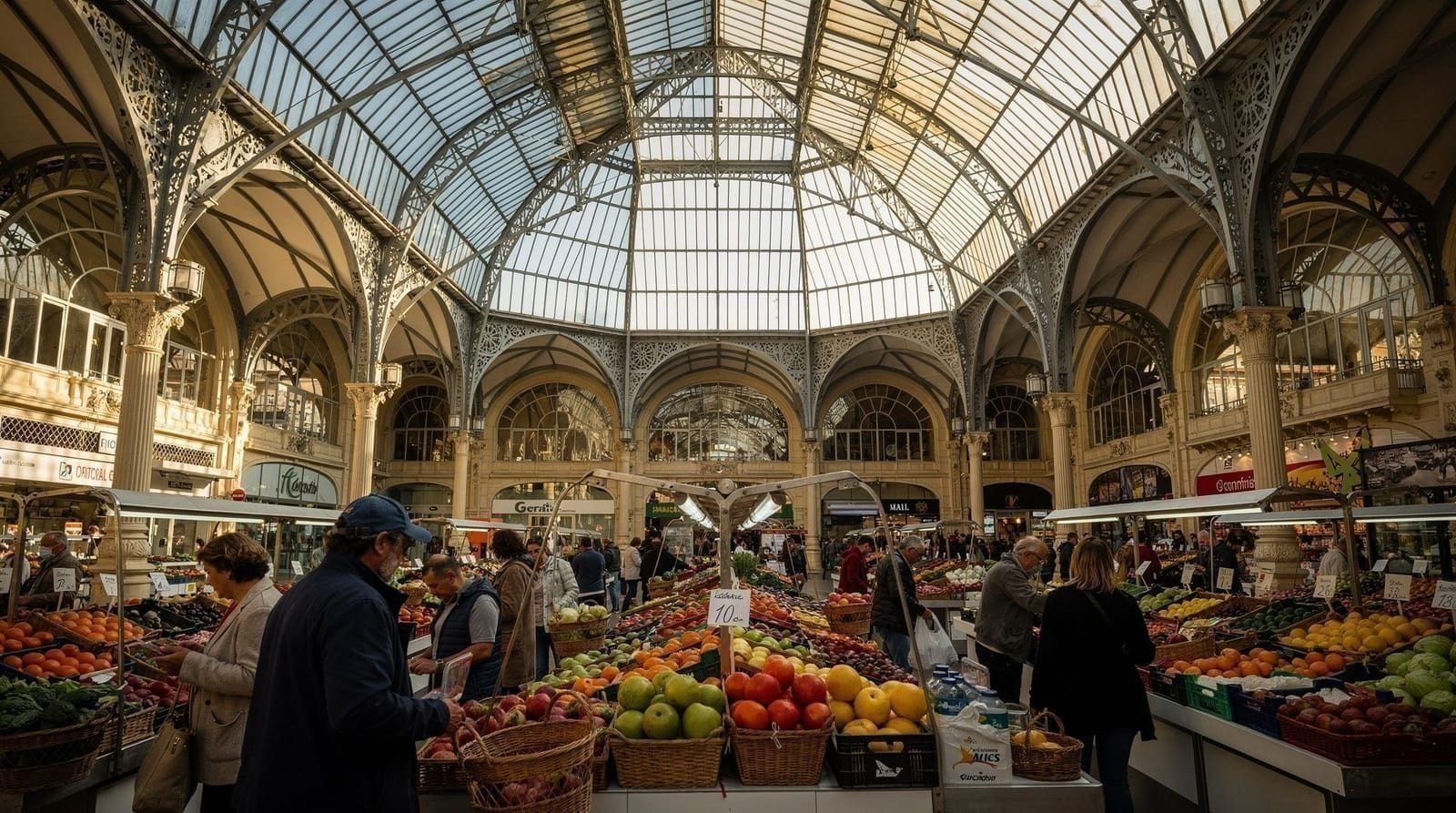
A useful pattern is to start with the market. A morning at the Central Market shows you the ingredients behind both dishes: the beans, the shellfish, the saffron, the oils. The Valencia food markets guide covers the alternatives if you want a quieter neighbourhood market instead. Once you have seen the stalls, the dishes make more sense when they reach the table.
Then add the regional context. A day on the Albufera puts you in the landscape where paella took shape, and the Albufera day trip guide explains how to combine the lagoon with a rice lunch. For the other half of the story, the Gandia day trip and the Gandia beach guide show how to turn a fideuà lunch into a full coastal day out.
Pairing the meal with the rest of the table
Both dishes are social and filling, so the rest of the order should stay modest. A simple salad or a plate of local starters is usually enough, and it is wise to leave room rather than fill up on bread. Many visitors over-order and then cannot finish the pan, which is the part of the meal you most want to enjoy.
For drinks, a carafe of house wine or a cold beer is the normal local choice. Be careful with the tourist-oriented cocktail often pushed alongside rice dishes: our guide to whether Agua de Valencia is worth ordering explains why. If you want something distinctly local after the meal, horchata and fartons make a classic sweet finish.
Pace yourself, too. A proper rice lunch is a long, unhurried affair, and the afternoon is better spent walking it off than racing to a timed attraction. The Turia Gardens are an easy, flat place for that after-lunch stroll.
Practical differences for ordering
Both dishes require advance planning: they need 20-30 minutes minimum cooking time and are typically made for two or more people minimum. You cannot usually order a single portion of paella or fideuà — restaurants need a minimum order to justify the pan.
Paella valenciana is a lunchtime dish only (see how to order paella for the full explanation). Fideuà has slightly more flexibility — some restaurants offer it at dinner — but the best versions are still at lunch when the kitchen is in full flow.
Both dishes should arrive in the pan they were cooked in. They should not be plated into individual bowls before reaching your table. If a restaurant serves pre-portioned paella or fideuà from a shared pot, something has gone wrong.
Prices and what to expect
At a serious restaurant:
- Paella valenciana: 15-25€ per person (minimum two people)
- Fideuà: 14-22€ per person (minimum two people)
- Allioli (served with fideuà): usually included or 2-3€ extra
- House wine carafe: 6-10€
Both dishes at tourist-trap restaurants near the cathedral will be cheaper (8-12€) and significantly worse. Treat a suspiciously low price as a warning sign rather than a bargain — at that price point, the rice or noodles were almost certainly cooked in bulk earlier in the day.
Which one should you order?
The honest answer: if you are in Valencia for the first time, order paella valenciana at lunch. It is the dish the city is known for, and eating it properly at a good restaurant is one of the genuinely irreplaceable food experiences of Spanish cuisine.
If you are visiting for several days and want to explore further, fideuà is worth a dedicated lunch — particularly if you are interested in seafood. It is less famous internationally but arguably more forgiving as a dish: the pasta carries flavour even when the technique is slightly less than perfect.
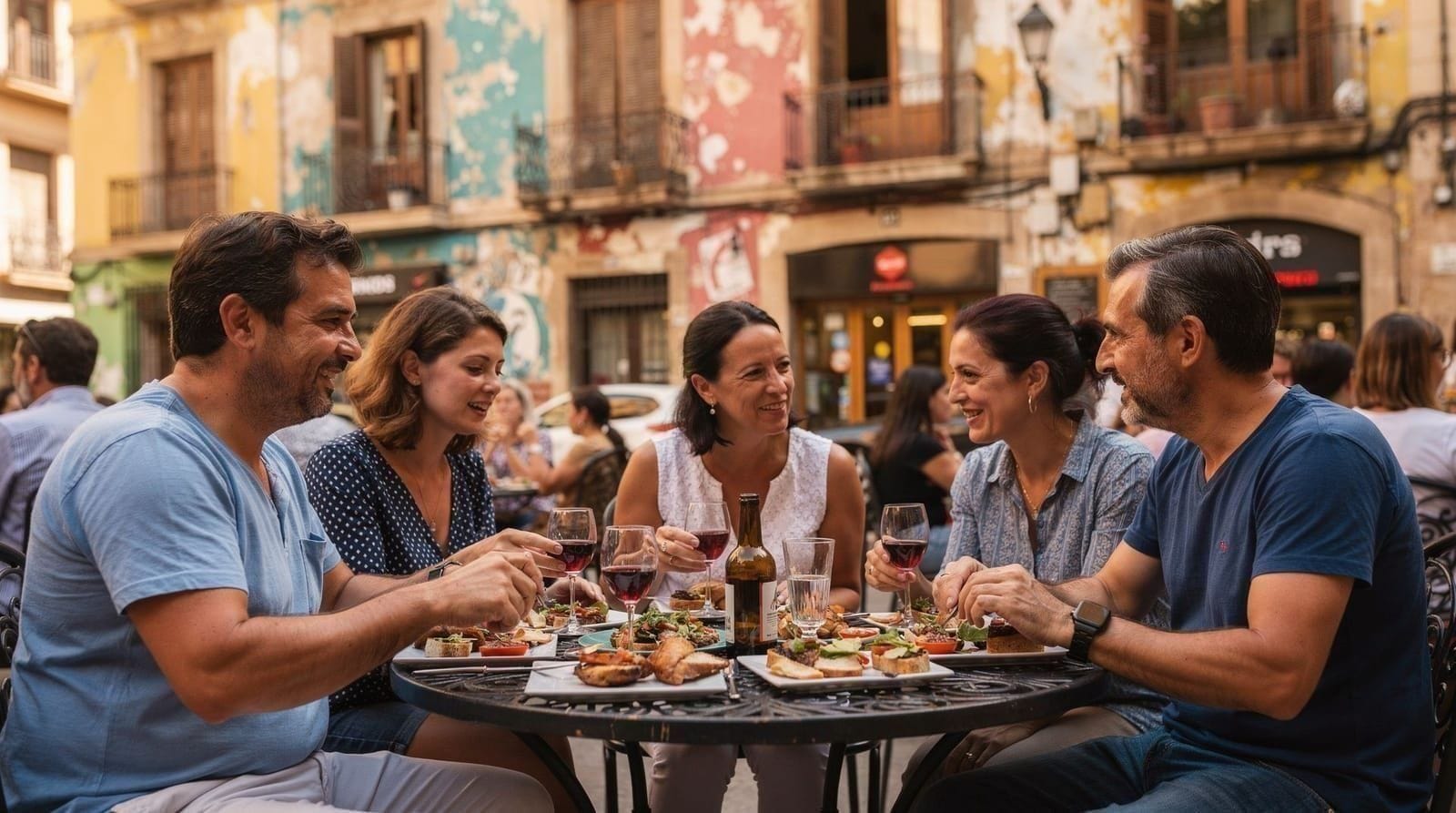
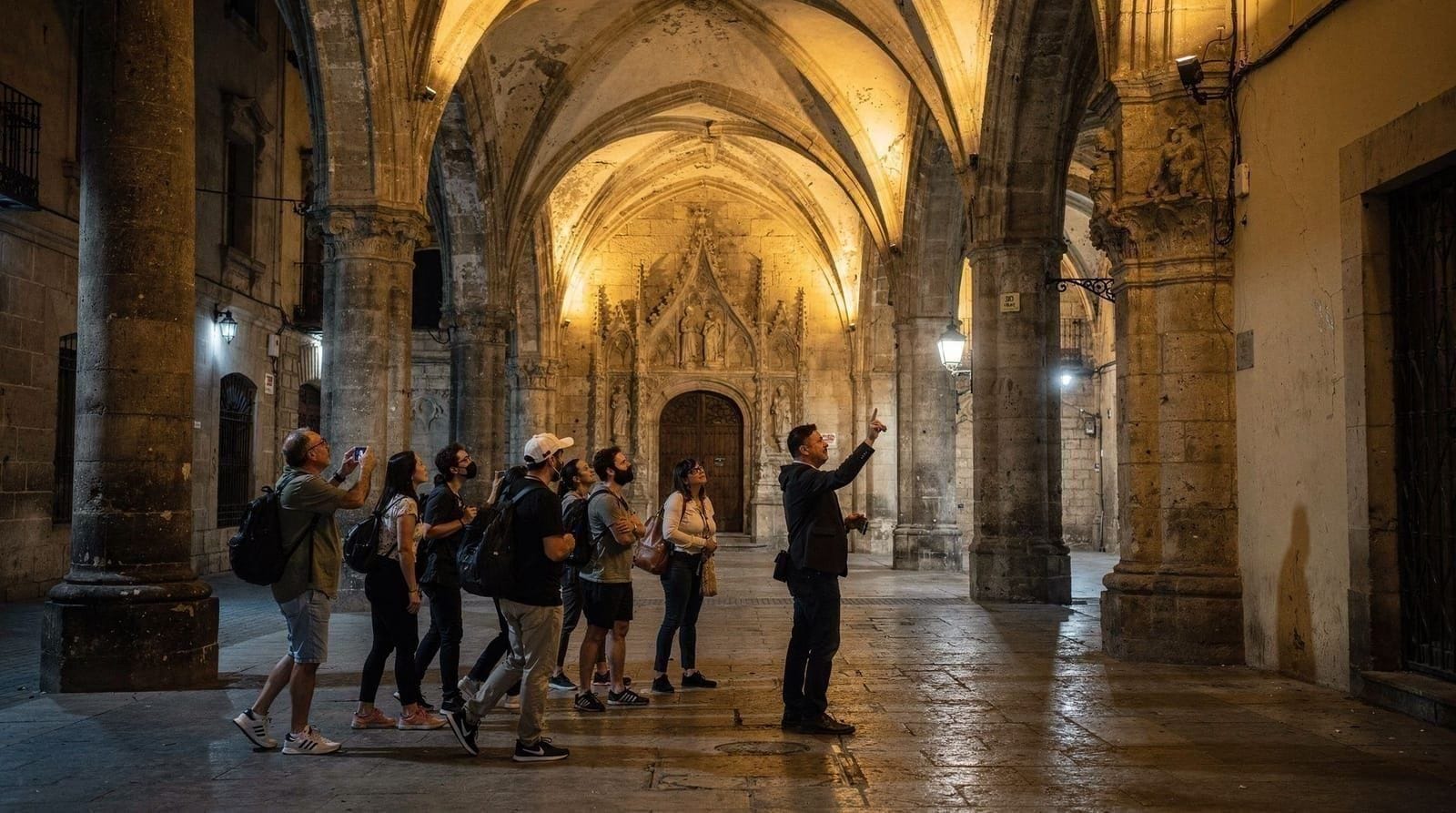
Valencia: daytime tapas tasting tour with Central Market visitA food tour that includes rice dishes can help you try both in context without committing to a full meal at a formal restaurant. If you prefer a longer tasting format with many small stops, a guided walk through the city with a series of local tastings gives you a broader sense of Valencian eating before you pick your rice lunch.
Tours and tastings are a good complement to a sit-down meal, not a replacement for it. Use them early in the trip to learn what to look for, then book your own lunch with that knowledge. The guided versus self-guided comparison can help you decide how much structure you want, and the honest planning guide to how many days to spend shows where a long lunch fits.
A paella-and-fideuà cooking class
If choosing between the two feels unnecessary, a cooking class that covers both dishes lets you taste and prepare each without committing to a full restaurant meal of either.
Traditional paella cooking class in Valencia — hands-on with a local cookCommon misunderstandings at the table
Many first-time visitors expect paella to be a seafood dish because that is how it is often sold abroad. In Valencia, the mixed seafood rice is a different dish with its own place on the menu, and the traditional version is the land-based one described above. If you want seafood in a pan, fideuà or a seafood rice is the honest choice, and a good waiter will point you to the right one without making you feel you have chosen wrongly.
Another common surprise is the socarrat. Some diners see the dark base and assume the dish has burned. It has not: the toasted layer is the point, and locals often fight over it. Learn to tell the difference between a deep golden crust and a bitter, black one, and do not be shy about scraping the pan.
Finally, do not rush the order. Rice dishes arrive after a wait, and that wait is a good sign. Use it for starters and conversation. If you are travelling with children or a mixed group, the Valencia with kids guide has ideas for keeping a long lunch relaxed, and the where to stay guide helps you choose a base within easy reach of the better restaurants.
The dishes you are not ordering
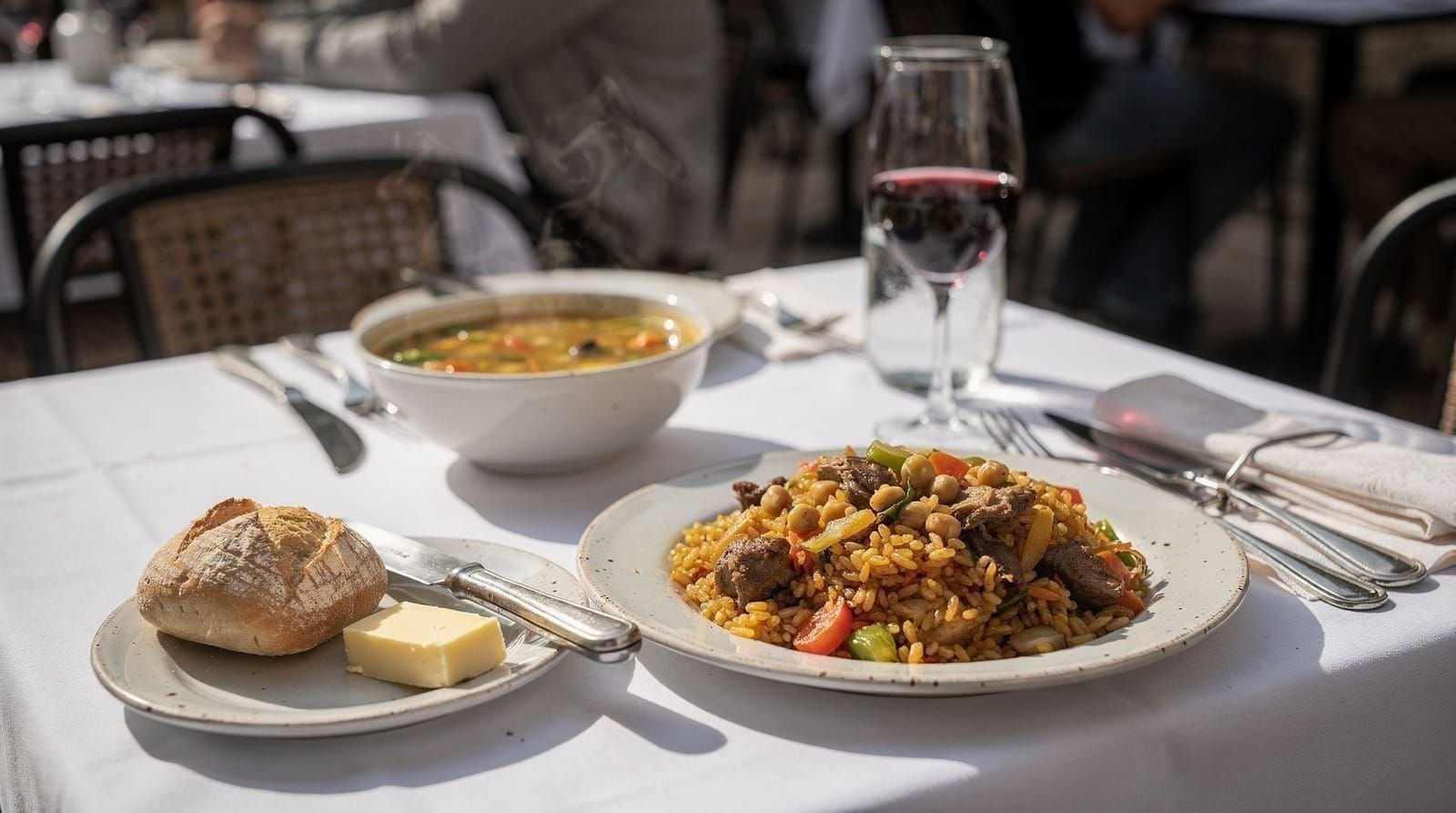
Arroz al forn (oven-baked rice): a cold-weather rice dish from El Carmen neighbourhood, made in a clay pot with chickpeas, pork ribs, blood sausage, and tomato. Not paella, but also traditional Valencian.
Arroz a banda: rice cooked in fish stock, with the fish served separately. Excellent and available at most rice-specialist restaurants.
Arroz negro (black rice with cuttlefish ink): a separate dish, also served in a paella pan, with an intense briny flavour. Usually a seafood-heavy option. Not traditional paella but worth trying.
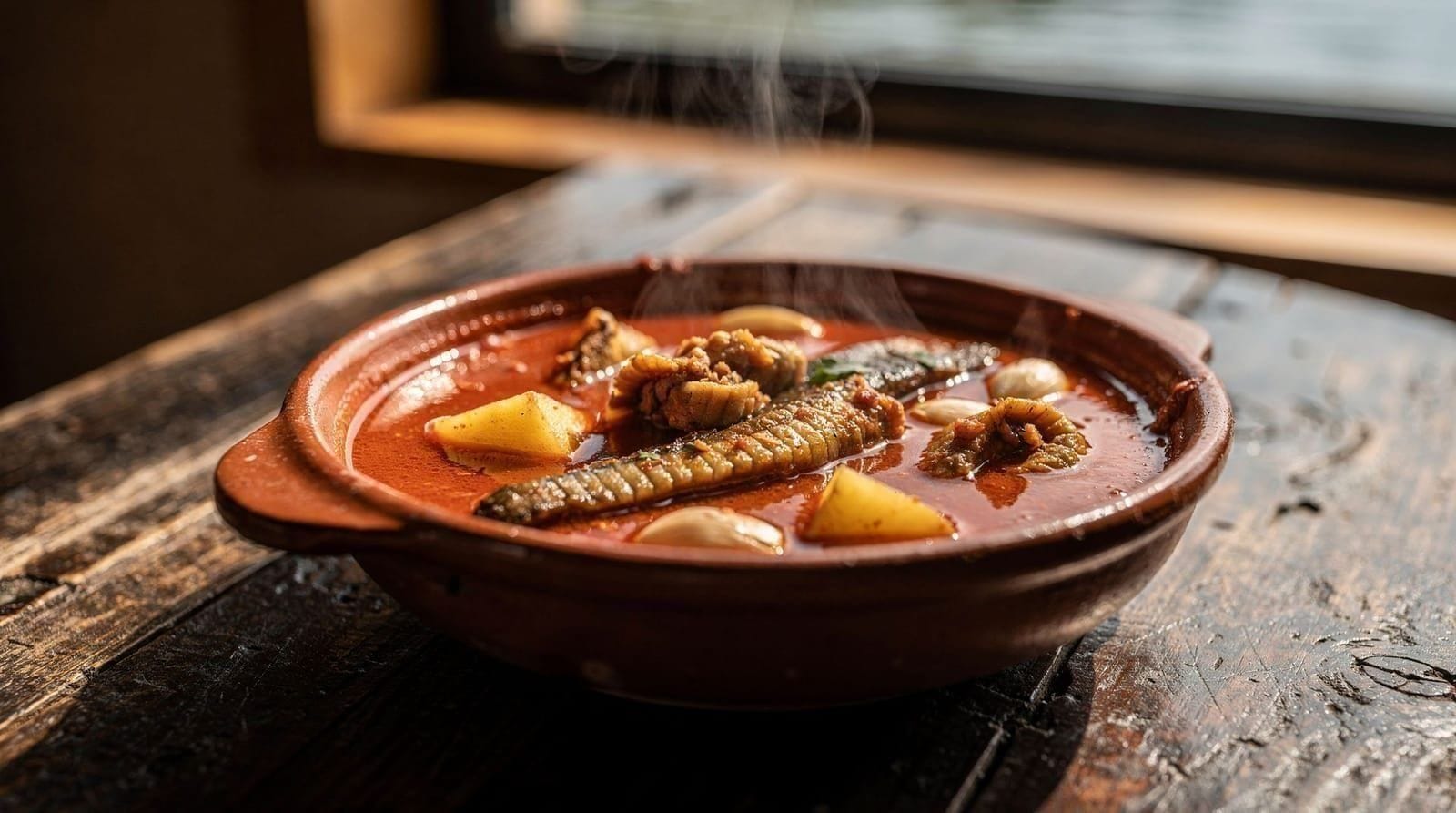
Another local favourite worth a mention is the stew-like all i pebre, an eel dish tied to the same Albufera landscape as paella. If you want to eat well on a tighter spend, the menú del día guide and Valencia on a budget explain how locals eat well at midday without paying for a full rice pan every time. Early risers will also enjoy the esmorzaret tradition, the hearty local mid-morning meal.
For a broader picture of Valencian cuisine beyond rice dishes, see best restaurants in Valencia and the Central Market food guide.
Frequently asked questions about Paella vs fideuà
Which dish should I order — paella or fideuà?
If you want the traditional Valencian dish, order paella valenciana at lunch at a reputable restaurant. If you prefer seafood, fideuà is excellent and slightly easier to find well-prepared in more places. Both require the same high-heat pan technique and the same respect for socarrat.Does fideuà have socarrat too?
Yes. Well-made fideuà develops a slightly toasted, caramelised layer of noodles at the bottom of the pan, equivalent to paella's socarrat. It has a slightly different texture — the noodles puff slightly and crisp at the edges — but the principle is the same. It is one of the markers of proper technique.Where was fideuà invented?
Fideuà was reportedly invented in Gandia (a coastal town 65 km south of Valencia) in the 1930s, when a ship's cook substituted pasta for rice after the rice ran short. The version from Gandia uses thin, slightly curved pasta noodles called fideos, cooked in a rich shellfish stock.Is fideuà available everywhere in Valencia?
It is less common than paella but available at most restaurants that take rice dishes seriously. The best versions tend to be in restaurants near the coast. Avoid fideuà at tourist-trap restaurants near the cathedral — the same caveats about quality apply as for paella.What does fideuà taste like compared to paella?
Fideuà has a more intense seafood flavour because the stock typically uses more shellfish. The noodles absorb stock differently from rice — they are denser and chewier when cooked well. The texture at the base is crunchier. Many people who find paella too starchy prefer fideuà.Can I eat both paella and fideuà on the same day?
Technically yes, but both are substantial midday meals. A more realistic approach: have paella valenciana at one lunch and fideuà at another lunch on a separate day.Is fideuà available as a cooking class?
Most paella cooking classes focus on paella valenciana. A few operators offer classes that cover rice dishes more broadly. Ask when booking whether fideuà is included if that is important to you.Which is better for vegetarians?
Neither dish has a traditional vegetarian version. Some restaurants offer arroz de verduras (vegetable rice) as an alternative. The flavour base of fideuà is entirely shellfish-dependent and cannot meaningfully be made without it.Do restaurants in El Palmar serve fideuà?
Some do, as a secondary offering to their main paella menu. But if you are making the trip to El Palmar, go for the paella — it is what the village does best.
Top experiences
Bookable activities with verified prices and instant confirmation on GetYourGuide.