Malvarrosa beach: the complete guide to Valencia's city beach
Valencia: paella and beach tour by e-bike
Is Malvarrosa beach worth visiting in Valencia?
Yes, if you accept what it is: an urban beach 4 km from the city centre, reached by Metrovalencia tram. The sand is wide and clean, the water is calm June–October, and the beachfront promenade has proper restaurants — not just tourist stalls. Go on weekday mornings; avoid August weekends.
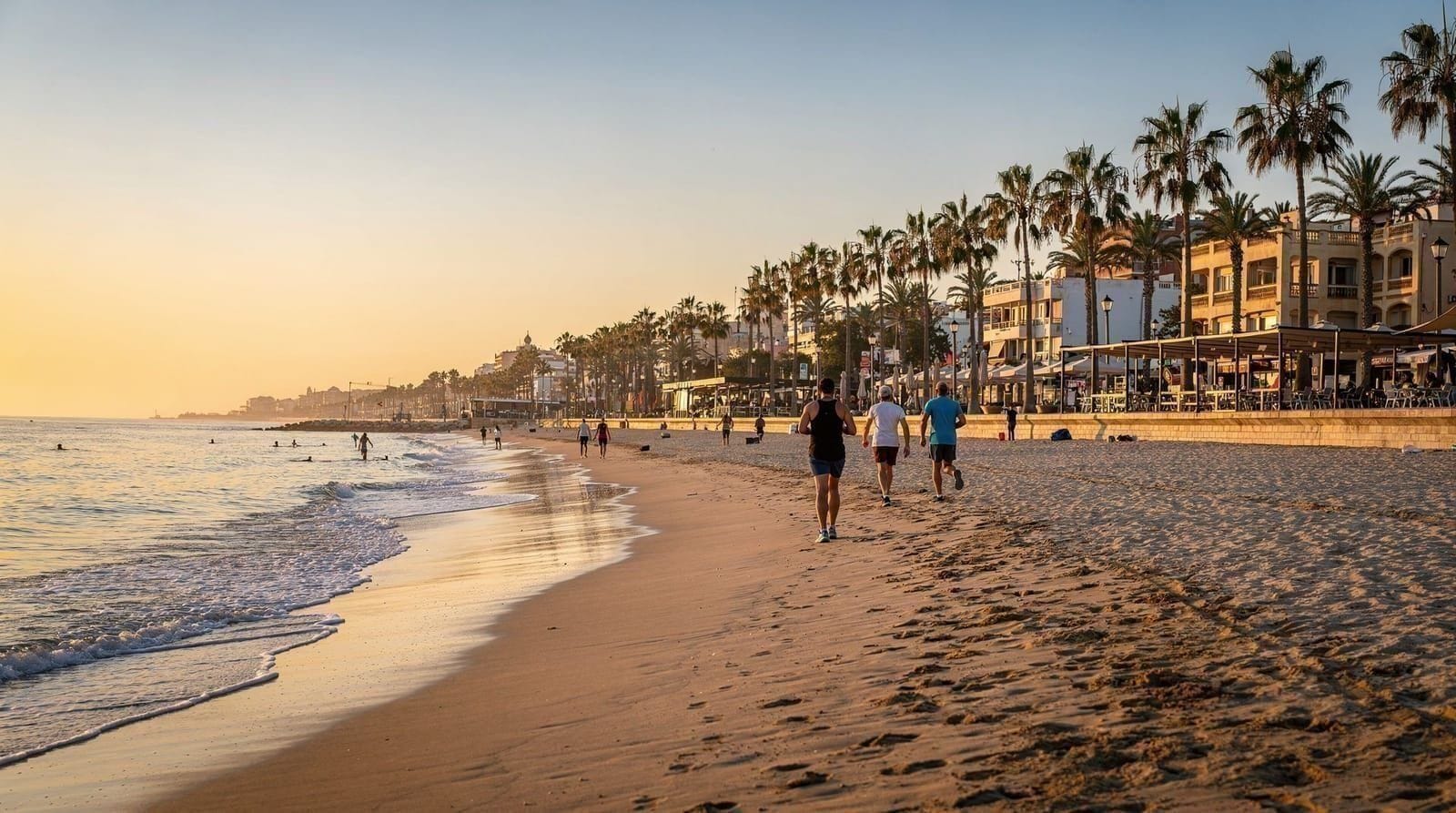
Malvarrosa is Valencia’s main city beach — urban, accessible, and better than its reputation among visitors who expect a resort. The beach sits 4 km east of the historic centre in El Cabanyal and La Malvarrosa neighbourhood, reachable by Metrovalencia tram. It is not pristine, it is not isolated, and it shares a long seafront promenade with restaurants that charge a premium for the view. What it offers is a wide, clean, Blue Flag beach with proper services, calm water from June to October, and a genuinely Valencian atmosphere once you step away from the promenade’s more tourist-facing row.
| Where | El Cabanyal / La Malvarrosa, 4 km east of the old town |
| Cost | Free to access; sunbed + parasol around €18–22 |
| Time needed | Half a day, or a full day in summer |
| Getting there | Metrovalencia line 6 to Eugenia Viñes |
| Best time | Weekday mornings, June or September–October |
Getting to Malvarrosa beach
The simplest route from the city centre is Metrovalencia line 6 to Eugenia Viñes station (check lines and journey times on metrovalencia.es). A single ticket within zone A costs €1.50. Exit the station and walk east; the promenade appears within 5 minutes.
Tram line 4 stops at Doctor Lluch, dropping you directly on Paseo de Neptuno. It is slower but scenic.
By bike the Turia Garden cycle path is the preferred route. Follow the riverbed east through the Turia Gardens all the way to the sea, then turn north along the bike lane on the beachfront road — about 25 minutes from the Palau de la Música, flat and car-free.
By car the approach is straightforward but parking is a frustration. The seafront fills before 10:00 in summer. Street parking in El Cabanyal is possible but takes time. Consider parking at a metro/tram station further inland and completing the last stretch by public transport.
EMT bus lines 18, 19, 31 and 32 (see emtvalencia.es) also connect the beach to central stops but take longer and get crowded in peak summer.
If you are new to the city’s transport, our guide to getting around by metro and EMT bus explains how tickets and zones work, and the Valenbisi bike-share guide covers how to pick up and drop off a bike for the ride out to the sea. Coming straight from the airport with luggage? Start with airport to city and drop your bags before heading to the sand.
The beach itself
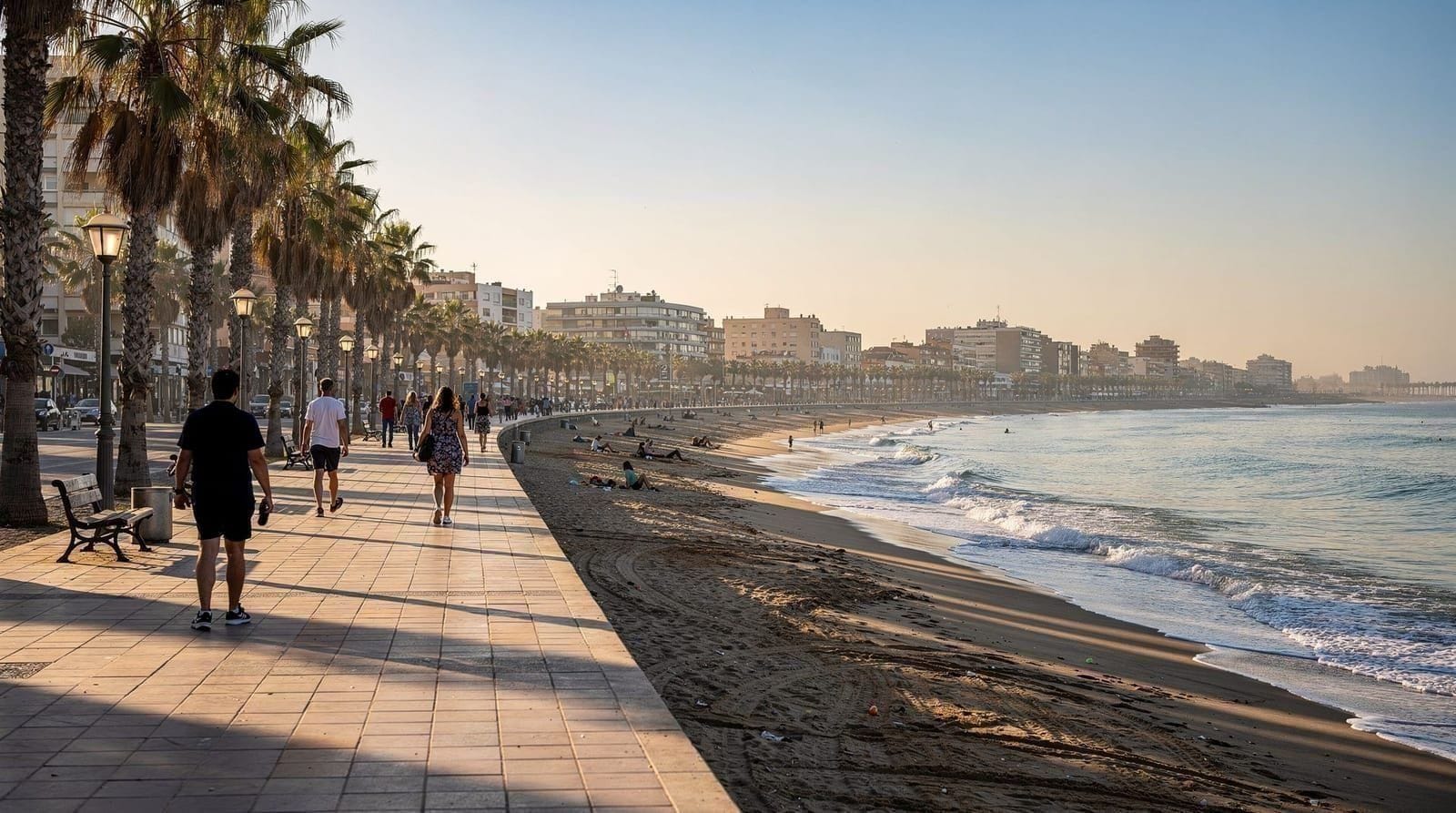
Malvarrosa runs roughly 1 km (per valencia.es) from the Patacona northern boundary to the junction with La Marina beach near the port. The beach is wide — about 135 metres on average according to valencia.es — and maintained well enough to earn Blue Flag status most years. The sand is pale grey rather than Caribbean white, which surprises some visitors. It is not coarse or dirty; it is simply Mediterranean sand from a coastline that has never had tourist-marketing funds invested in its description.
The northern section near Patacona is marginally quieter because it is slightly further from the tram and metro stops. The central stretch in front of Paseo de Neptuno fills earliest and is most crowded on summer weekends. The southern section near the marina access has fewer beach clubs and tends to attract locals rather than tourists.
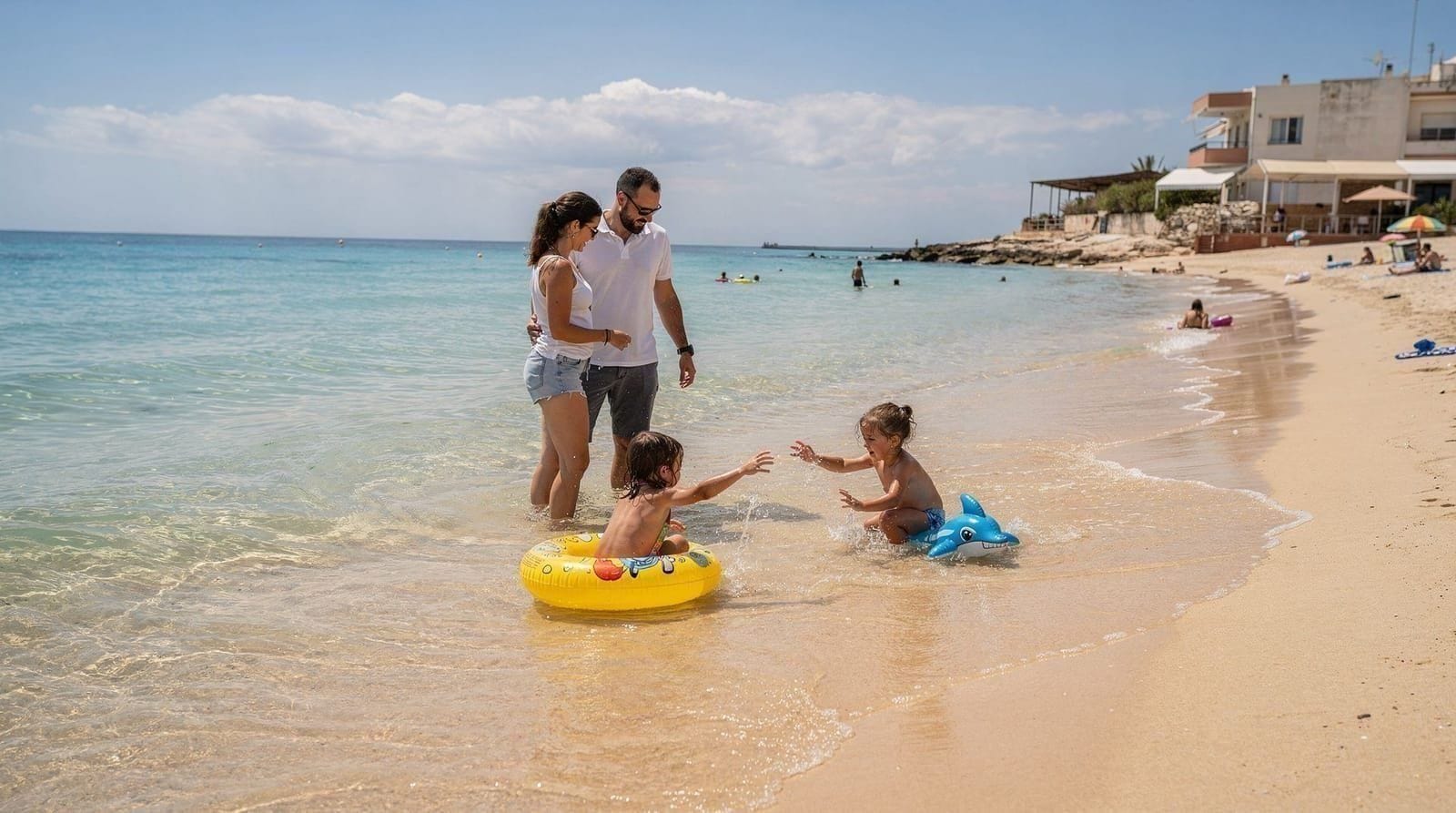
Water conditions are calm and welcoming. The seabed descends gently — children can walk 10–15 metres from shore and still stand. Wave height is usually under half a metre outside storm periods. The water temperature reaches 26–28 °C in August, sometimes 24 °C in June and October. Jellyfish arrivals happen in late August and September; check the city’s jellyfish alert service (Medusa Alert Valencia) before swimming if this concerns you.
Lifeguards are on duty from 7 June to 7 September, 10:00–19:30 (select dates in May and September, 11:00–19:00); dates are confirmed each year on valencia.es. Red flags mean no swimming; yellow means caution; green means safe. The flags are enforced.
Travelling with children? The gentle slope makes Malvarrosa one of the easier choices, and our family beaches guide and beaches with kids compare it with the other sandy options along the coast. If you are still deciding where to spend your beach day, the overview of the best beaches near Valencia lays out the alternatives side by side, and the Valencia beach season guide helps you pick the right month.
Services on the beach
Shower and foot-wash stations run the full length of the beach at regular intervals. Changing rooms and toilets are available near the main access points at Eugenia Viñes and Doctor Lluch. Accessible ramps and beach wheelchair rentals (free, from the lifeguard posts) make the beach usable for visitors with mobility difficulties.
Sunbed and parasol rentals operate June–September on the beach concessions. Budget €7–10 for a sunbed and €5–8 for a parasol; full sets of two sunbeds plus parasol typically run €18–22. The northern Patacona end sometimes has cheaper rates and less crowding — worth the 10-minute walk if you prefer more space.
Chiringuitos (beach bars serving beer, soft drinks, and simple food) operate along the beach in summer. Prices are modest — €2–3 for a beer, €8–12 for a basic fish plate. Quality varies. For a proper sit-down meal, the Paseo de Neptuno restaurants are a better choice.
Water sports
Malvarrosa and the adjacent stretch toward Patacona are Valencia’s most accessible coast for water sports:
Paddle surf (SUP) is the dominant activity. Multiple operators near Eugenia Viñes offer board rentals (€10–15 per hour) and group lessons (€25–35 for 90 minutes). Conditions are well-suited for beginners — the water is usually flat in the mornings.
 paddle surf lessonCheck availability
Kitesurfing takes place further north where the beach widens toward Patacona, away from swimmers. It is practised mainly by locals who know the conditions; rental and instruction for kitesurfing specifically is limited in this area.
Sailing catamarans depart from the marina just south of the beach. Several operators run day and sunset cruises along the coastline.
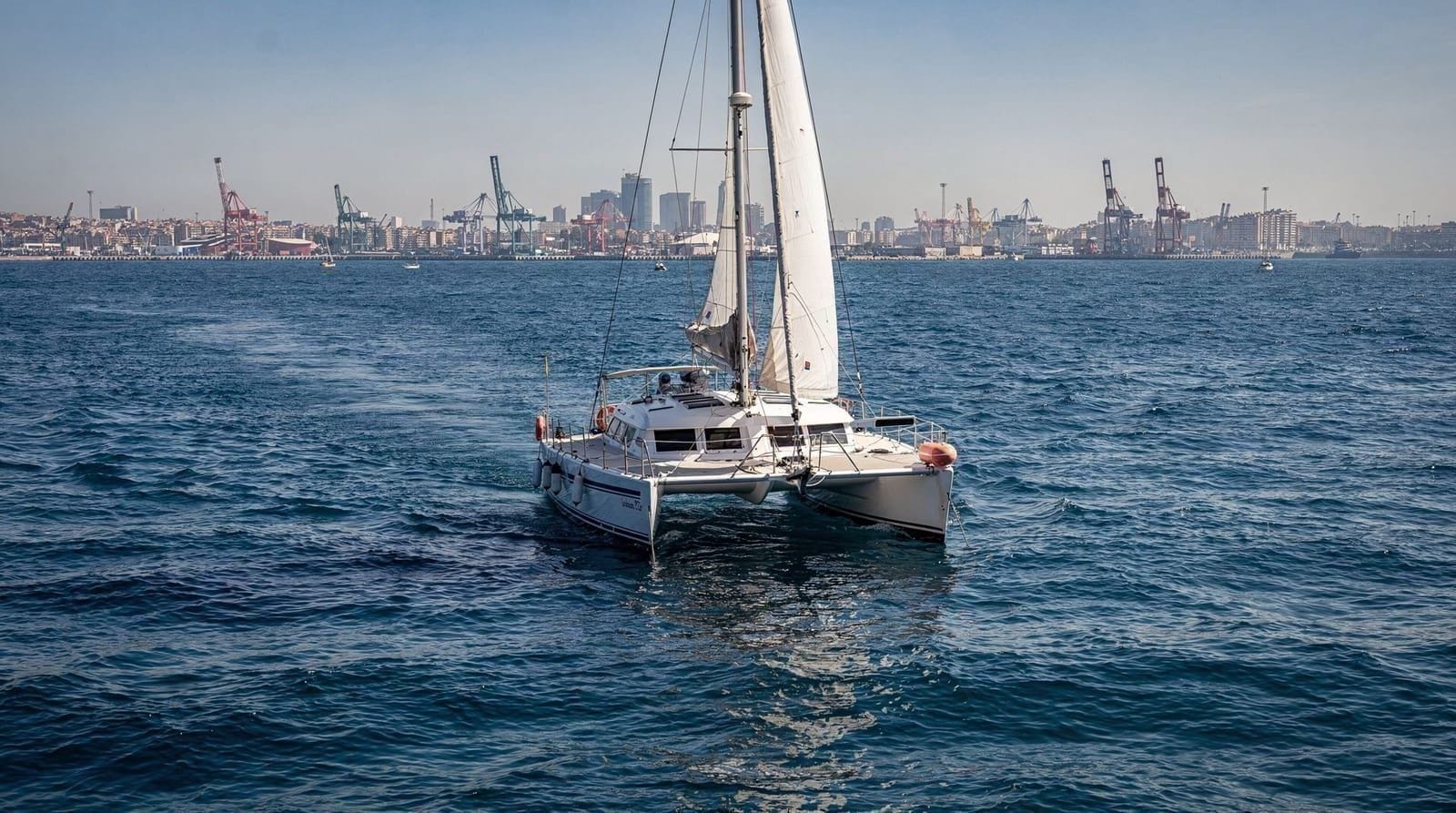 sailing catamaran cruise with swim stopCheck availability
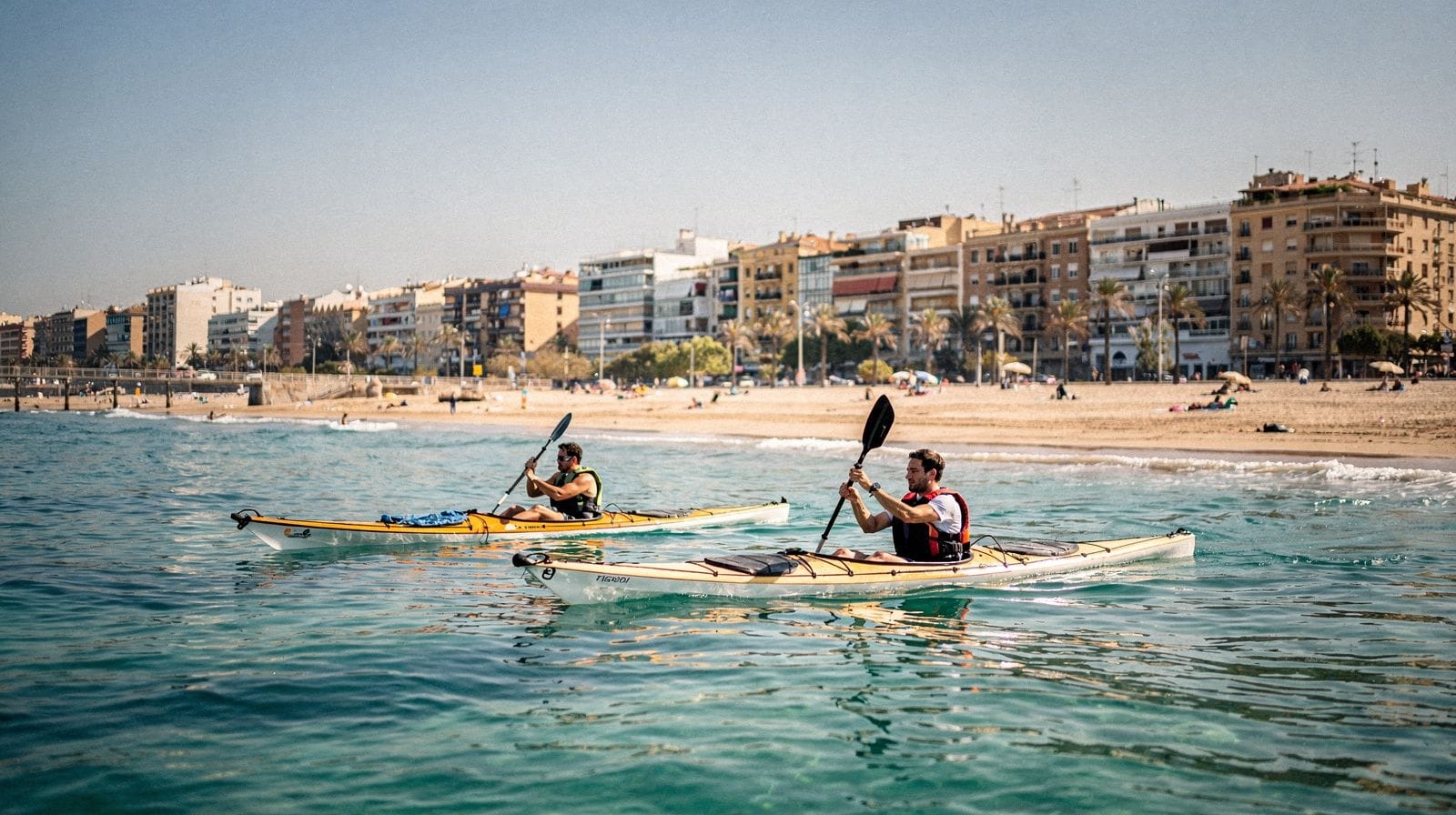
Kayak rentals are available at the marina (Kayak Rental Marina, roughly 15 minutes south on foot from Eugenia Viñes). You can paddle north along the coast to the Patacona rocks or south toward the port breakwaters. Morning rentals get calmer water. For more options on the water, see the kayak and paddle guide, the jet ski guide and the boat tours overview.
The beachfront promenade
Paseo de Neptuno and Paseo de la Malvarrosa form the seafront road and its parallel pedestrian and cycling promenade. This is where most tourists spend time. The positive: proper shade via palm trees, a solid cycling lane, and restaurants with views. The honest note: the seafront restaurants are uniformly more expensive than their inland equivalents, and several have leaned into tourist-menu formats — three-course meals for €15–20 that include a frozen dessert and a “paella” that arrived pre-cooked in the kitchen.
Honest restaurant picks near Malvarrosa:
- La Pepica (Paseo de Neptuno 6): a Valencia institution since 1898, once frequented by Hemingway and Blasco Ibáñez. The paella is competent; the prices reflect the history. Expect €25–35 per person without wine. Worth one visit, not necessarily a second.
- La Mar Salada (Paseo de Neptuno 5): reliable fish and rice dishes at honest prices. Locals actually eat here.
- El Cabanyal neighbourhood (2–3 blocks inland): the streets behind the beachfront have traditional Valencian restaurants serving identical food for 20–30% less. Carrer de la Barraca and Carrer de l’Escalante are worth exploring for lunch.
Note on paella: Every beachfront restaurant sells “paella.” Authentic Valencian paella valenciana is a lunch dish, cooked over wood fire. Any establishment serving paella at dinner is adapted for tourist expectations, not local practice. If authentic paella matters to you, the real article is found inland — see authentic paella: where to eat it in Valencia.
Combining the beach with El Cabanyal
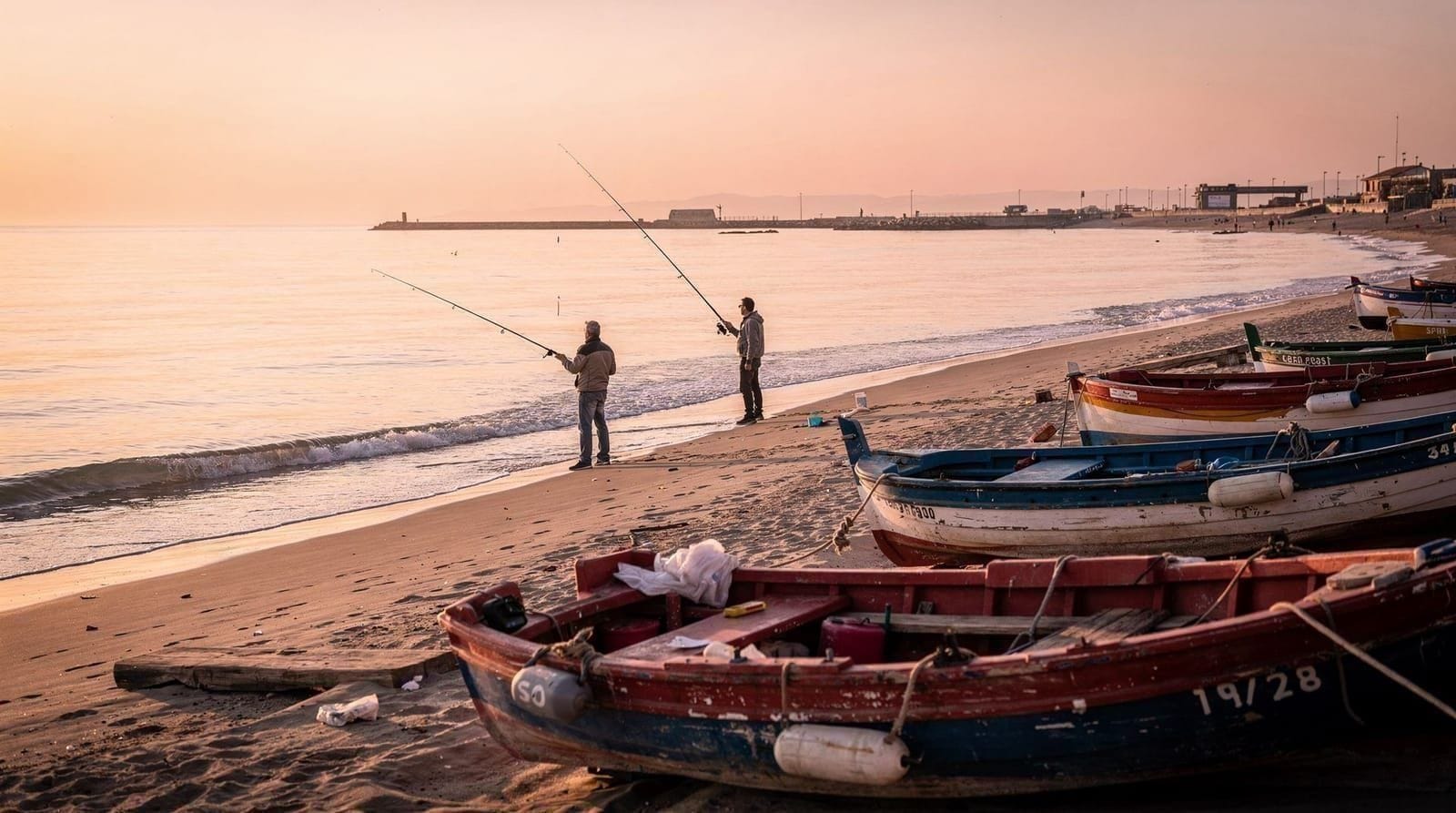
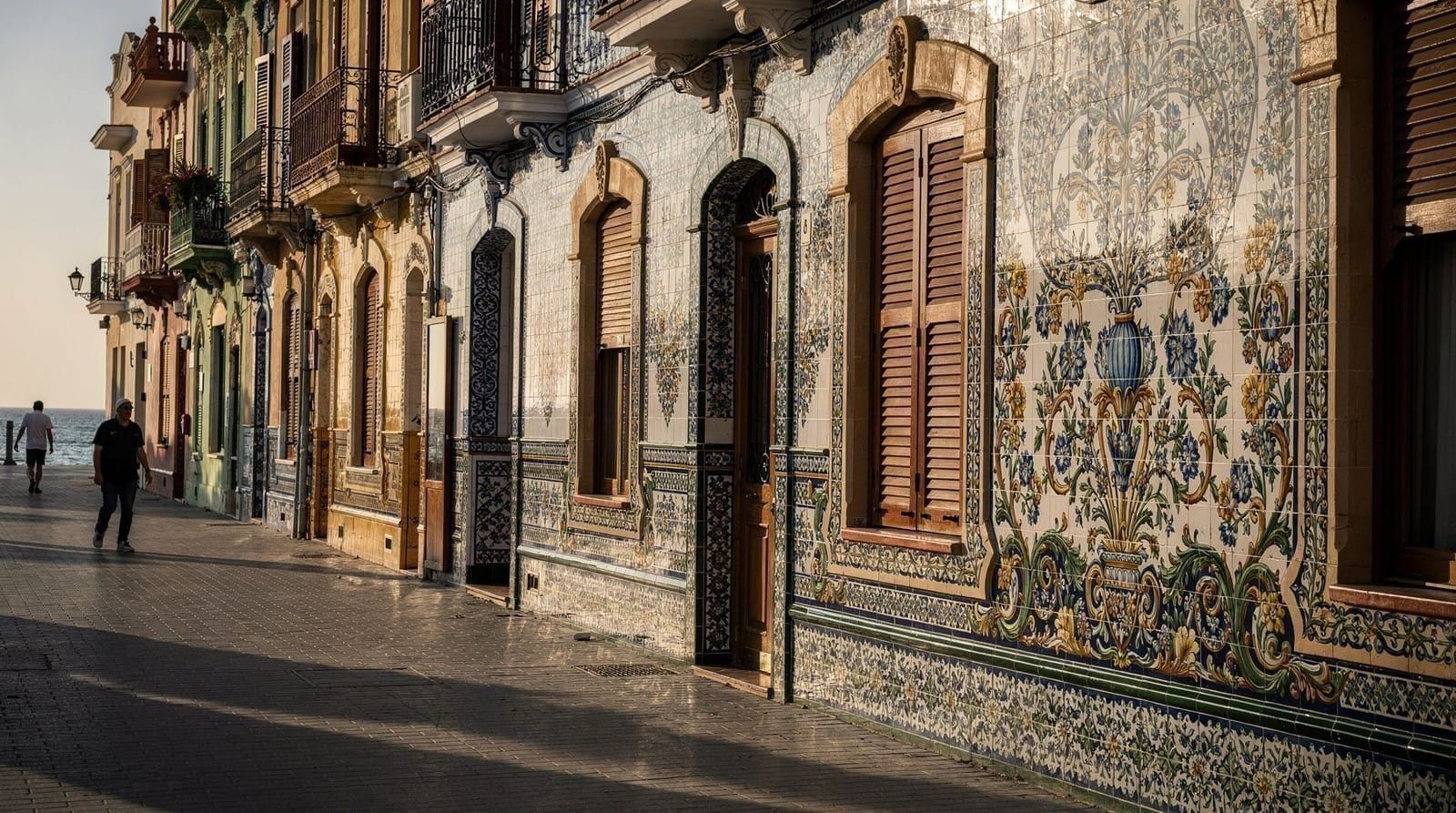
The El Cabanyal neighbourhood directly behind the beach is one of Valencia’s most interesting areas: a former fishing village absorbed into the city in the 19th century, now being carefully restored after decades of demolition threat. The colourful ceramic-tiled facades, the Semana Santa Marinera processions (Easter), and the concentrated street art make it a worthwhile 30–45 minute walk before or after the beach.
The Cabanyal Market at Carrer de l’Escalante serves fresh fish, shellfish, and vegetables — a better lunch option than most beachfront restaurants, and a direct connection to the neighbourhood’s fishing heritage.
For a fuller picture of the area, read the El Cabanyal neighbourhood guide, and if you would rather turn the day into a plan, the beaches and city itinerary pairs the sand with the main sights.
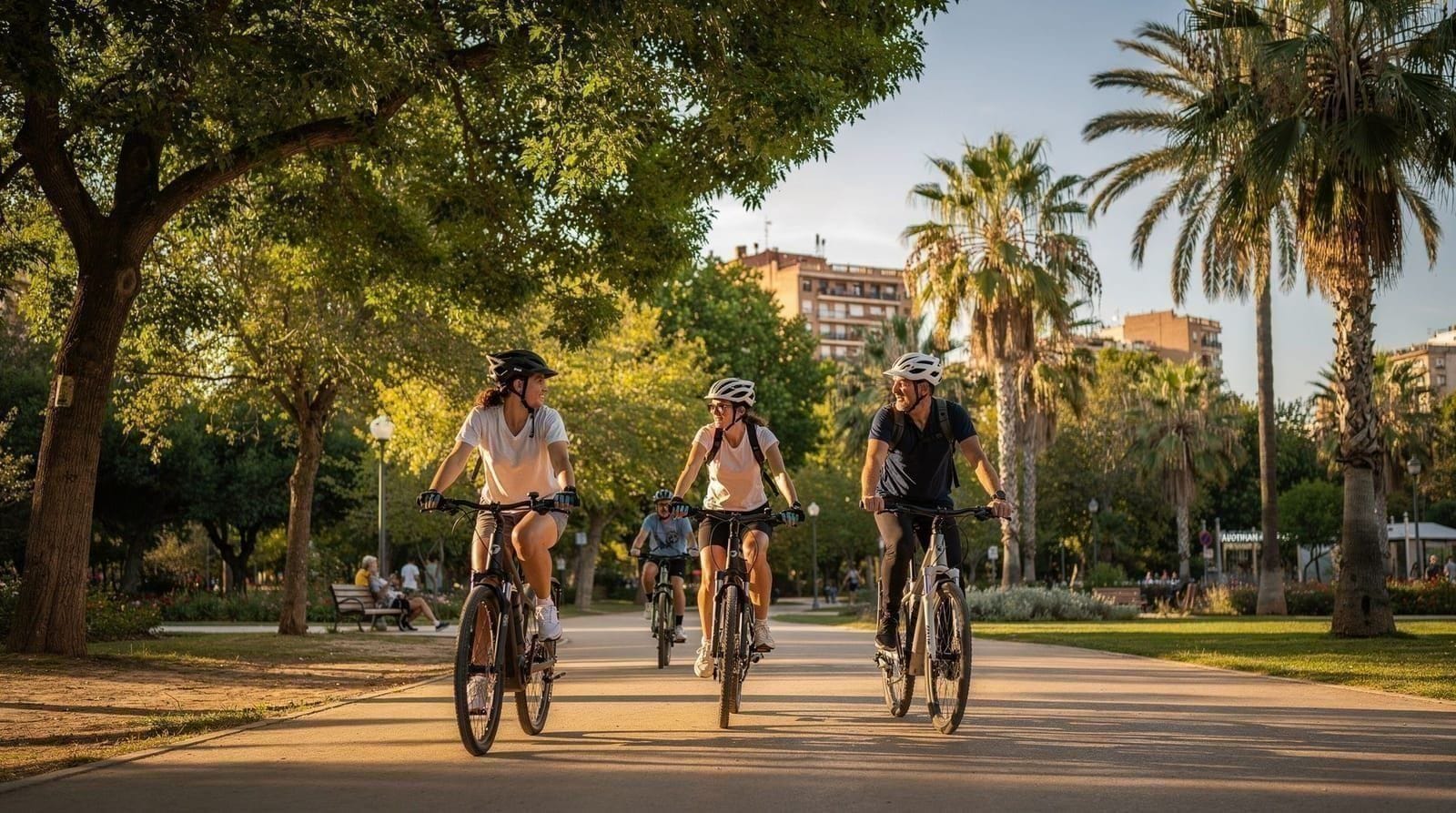 paella and beach tour by e-bikeCheck availability
Best times to visit Malvarrosa
June: Best combination of warmth and manageable crowds. Water reaches 22–24 °C by mid-month. Weekday mornings are quiet enough to feel genuinely relaxed.
July: High season starts. The beach fills on weekends by 10:00. Mornings before 10:00 and evenings after 18:00 are better. Water is comfortable.
August: Peak crowds. The beach can hold upward of 80,000 people on a summer Saturday. This is a real figure, not hyperbole. If you visit in August, arrive before 09:30 or plan an afternoon session starting after 17:00. The city’s own residents largely migrate to quieter beaches — see quiet beaches near Valencia.
September–October: The preferred month for most experienced visitors. Crowds drop after the first week of September, water temperatures remain high (24–26 °C), and the light is softer. An ideal combination.
November–May: The beach exists but most services close. Occasional mild days allow walking or cycling along the promenade. Swimming outside June–October is only for the determined.
| Month | Water temp | Crowds | Verdict |
|---|---|---|---|
| June | 22–24°C | Low–moderate | Best balance of warmth and space |
| July | 24–26°C | High on weekends | Go before 10:00 or after 18:00 |
| August | 26–28°C | Very high | Arrive before 09:30 or after 17:00 |
| September | 24–26°C | Moderate, dropping | Preferred month for repeat visitors |
| October | 22–24°C | Low | Warm water, thin crowds, softer light |
| November–May | Below 20°C | Minimal | Walking/cycling only; most services closed |
What the tourist blogs don’t tell you
The promenade road noise: Paseo de Neptuno is a working road. During busy periods, vehicle traffic is continuous and audible from the beach. The middle-of-beach area is quieter than the promenade itself.
The weekend food price spike: Several beachfront restaurants operate two menus — a modestly-priced weekday menú del día and a weekend a la carte that runs significantly more. Check menus before sitting; prices are required by law to be displayed at the entrance.
The north-of-Eugenia Viñes dead zone: Between the Eugenia Viñes tram stop and the start of Patacona, there is a 400-metre stretch without beach services or restaurants. It is quieter precisely because it is underserved. Bring your own drinks if you settle here.
Photography tours: The combination of Malvarrosa, El Cabanyal’s tiled facades, and the marina makes for strong photo content. Several professional photographers run beach and neighbourhood shoots.
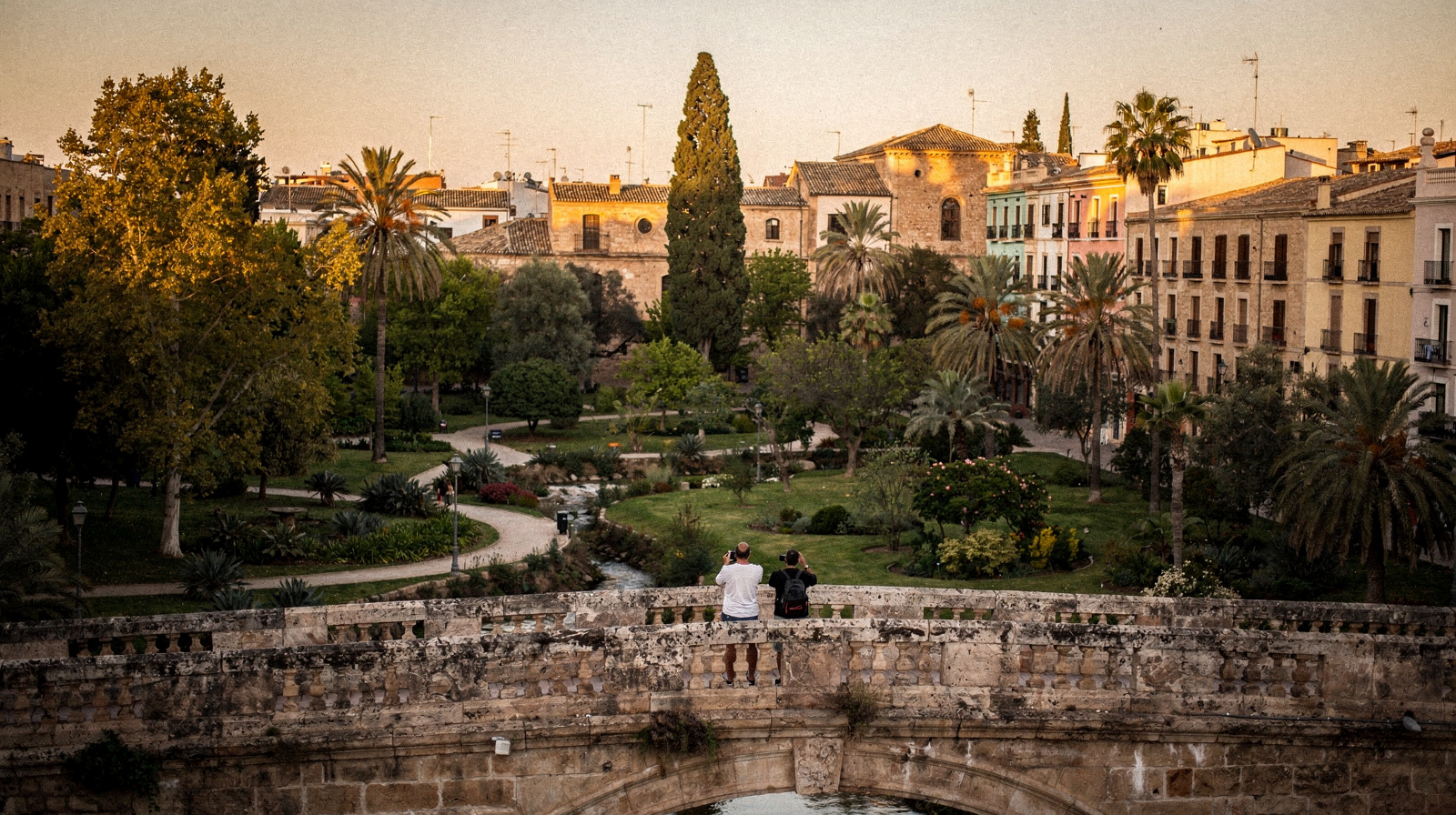 photo shoot at the beach with pro photographerCheck availability
Practical information
Getting there: Metrovalencia line 6 to Eugenia Viñes; line 4 to Doctor Lluch. EMT buses 18, 19, 31, 32. Bike via Turia Garden cycle path (~25 min from centre).
Facilities: Showers, toilets, changing rooms, accessible ramps, beach wheelchair loans. Lifeguards 7 June–7 September, 10:00–19:30.
Swimming season: June–October. Water temperature 22–28 °C. Blue Flag certified most years.
Sunbed/parasol rental: June–September, €7–10/sunbed, €18–22 full set.
Water sports: SUP boards and lessons available near Eugenia Viñes; catamarans and kayaks at the marina (15 min south).
Nearest beach to the north: Patacona beach — 15-minute walk or 5 minutes by bike. Quieter and popular with volleyball players.
Nearest beach to the south: La Marina beach, adjacent to the Port of Valencia. Industrial surroundings limit appeal.
Frequently asked questions about Malvarrosa beach
How do I get to Malvarrosa beach from Valencia city centre?
The easiest route is Metrovalencia line 6 to Eugenia Viñes station, a 5-minute walk from the sand. Line 4 stops at Doctor Lluch. Check journey times on metrovalencia.es. By bike, the Turia Garden cycle path leads directly to El Cabanyal, then a short cycle along the front.How long is Malvarrosa beach?
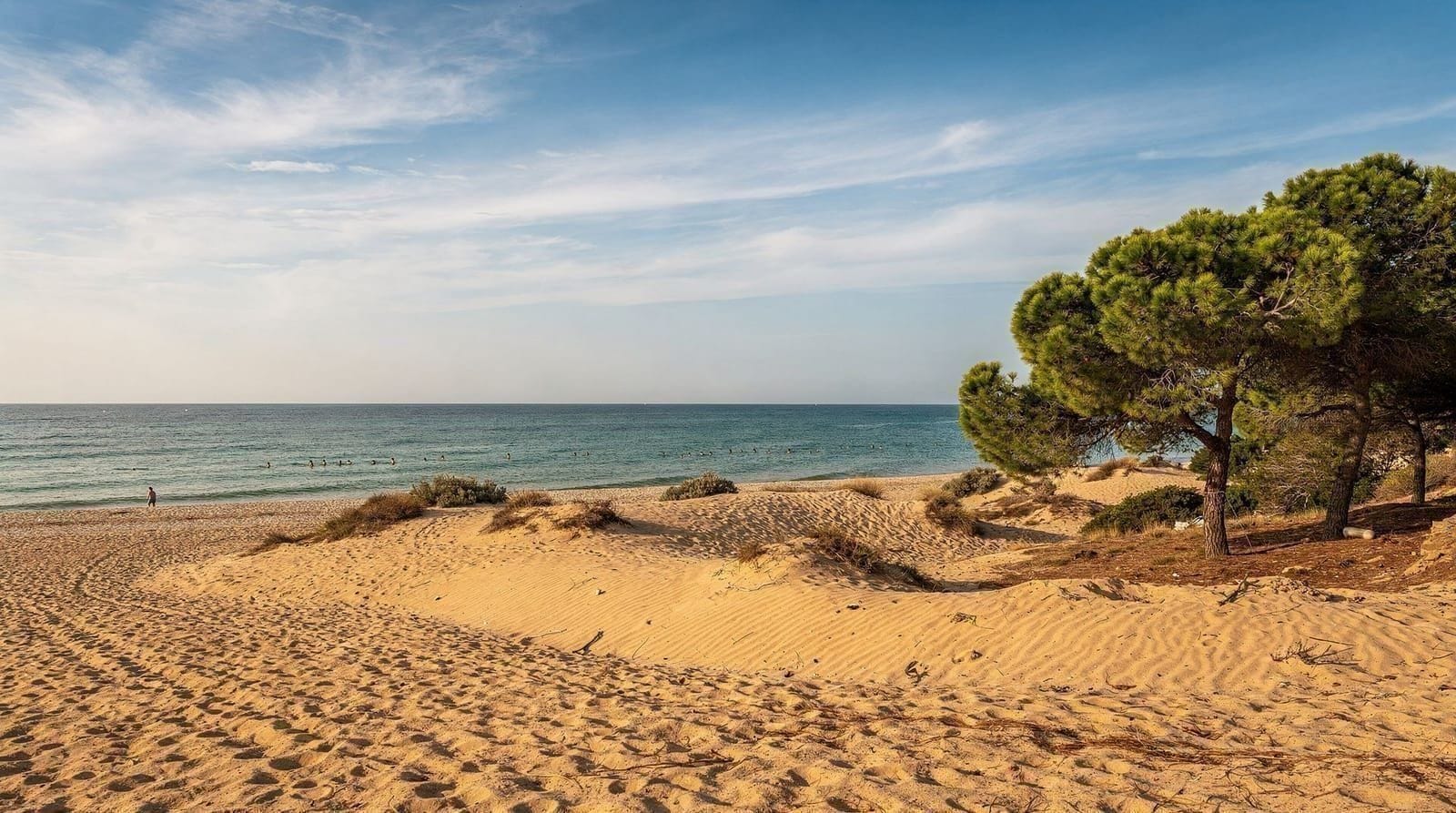
The beach stretches roughly 1 km (valencia.es) between the Patacona boundary to the north and Cabanyal beach to the south. The dunes at the northern end blur into Patacona; to the south it joins La Marina beach near the port.Is the water safe for swimming at Malvarrosa?
Generally yes, June through October. The beach usually earns a Blue Flag every year. Currents are mild and lifeguards are on duty in summer (see valencia.es for dates). Water temperature peaks at 26–28 °C in August. Jellyfish appear occasionally in late summer — check local reports.Are there sunbed and parasol rentals?
Yes, numerous concessions operate on the beach from June to September. Expect to pay 7–10 € per sunbed, 5–8 € for a parasol. The northern half of the beach near Patacona tends to be slightly less crowded and sometimes has lower rental prices.What are the best restaurants near Malvarrosa?
La Pepica (Paseo de Neptuno 6) has been serving paella since 1898 and was frequented by Hemingway — though today it is more tourist draw than local secret. More honest picks: Casa Boquiana further up the promenade, or the El Cabanyal neighbourhood restaurants one block inland. Prices on the beachfront are 10–20% higher than inland equivalents.Can I do water sports at Malvarrosa?
Yes. Paddle surf rentals and lessons are available near the Eugenia Viñes end. Kitesurfing happens further north toward Patacona. Sailing catamarans depart from the nearby marina. Several operators offer jet ski excursions. Kayak rental is available at the marina, roughly a 15-minute walk south.Is Malvarrosa beach suitable for families with young children?
Yes. The beach slopes gently, the water is calm, and there are children's play areas along the promenade. Showers, changing facilities, and accessible ramps are available. Crowding on August afternoons can be intense — arrive before 11:00 or after 17:00.Where should I park near Malvarrosa?
Parking on the seafront fills by 10:00 in summer. The car parks near the Palau de la Música (Jardins del Túria) have overflow spaces. Better option: park at a metro station with free parking and take line 4.Is Malvarrosa better than Patacona beach?
They are adjacent and the sand is continuous. Malvarrosa has more services, more restaurants, and more crowds. Patacona is quieter and more residential. Choose Malvarrosa if you want facilities and atmosphere; choose Patacona if you want more space.Can I cycle from the city centre to Malvarrosa?
Yes, it is one of the better cycling routes in Valencia. The Turia Gardens provide a flat, car-free cycle path from the old town to the sea. The entire journey takes 25–30 minutes. Valenbisi bikes (the city's public system) work for this route, though the final bike lane on the seafront sometimes fills on summer weekends.Is there free parking near the beach?
Free street parking exists in the El Cabanyal residential streets, but fills quickly in summer. The best strategy is to use a metro/tram station with free surface parking (Empalme or Marítim-Serreria) and ride the last stretch.Are there lockers or somewhere to leave bags?
Some beach concession areas offer paid locker storage (€3–5 per session) in peak season. There is no permanent public locker facility at the beach itself. Most visitors leave bags with whoever is not swimming, or pay for a sunbed rental that typically allows use of basic storage.What is the water quality like at Malvarrosa?
Water quality is monitored by the Generalitat Valenciana and published weekly in summer. The beach regularly passes EU Bathing Water Directive tests. After heavy rain events, avoid swimming for 24–48 hours as urban runoff can temporarily degrade quality near the southern end.How far is Malvarrosa from the historic centre?
Door-to-sand is about 4.5 km from the Cathedral, with a direct Metrovalencia connection or 25–30 minutes by bike. It is close enough for a half-day trip combined with a morning in El Carmen or El Cabanyal.
Top experiences
Bookable activities with verified prices and instant confirmation on GetYourGuide.