El Saler beach: the natural alternative south of Valencia
Valencia: catamaran cruise with snack and swim at El Saler
How do you get to El Saler beach from Valencia?
Bus 25 from Alfahuir (near the SAV terminal south of the city) runs roughly every 45–60 minutes in summer, taking about 35 minutes to El Saler village. By car it is 15 km south via the CV-500, taking 20–25 minutes without traffic. There is no metro or tram connection. The beach itself sits within the Albufera Natural Park, flanked by pine forest and dunes.
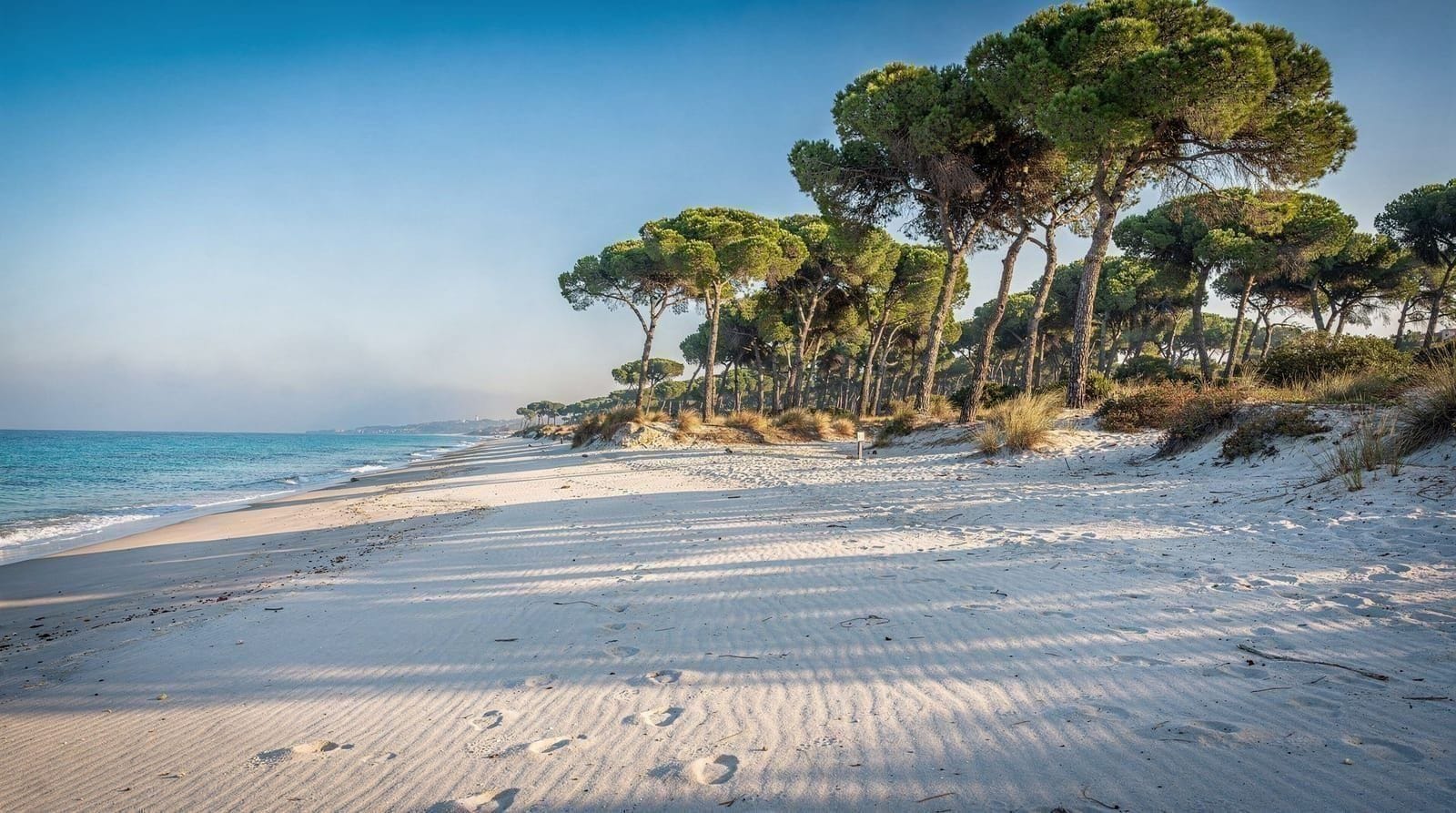
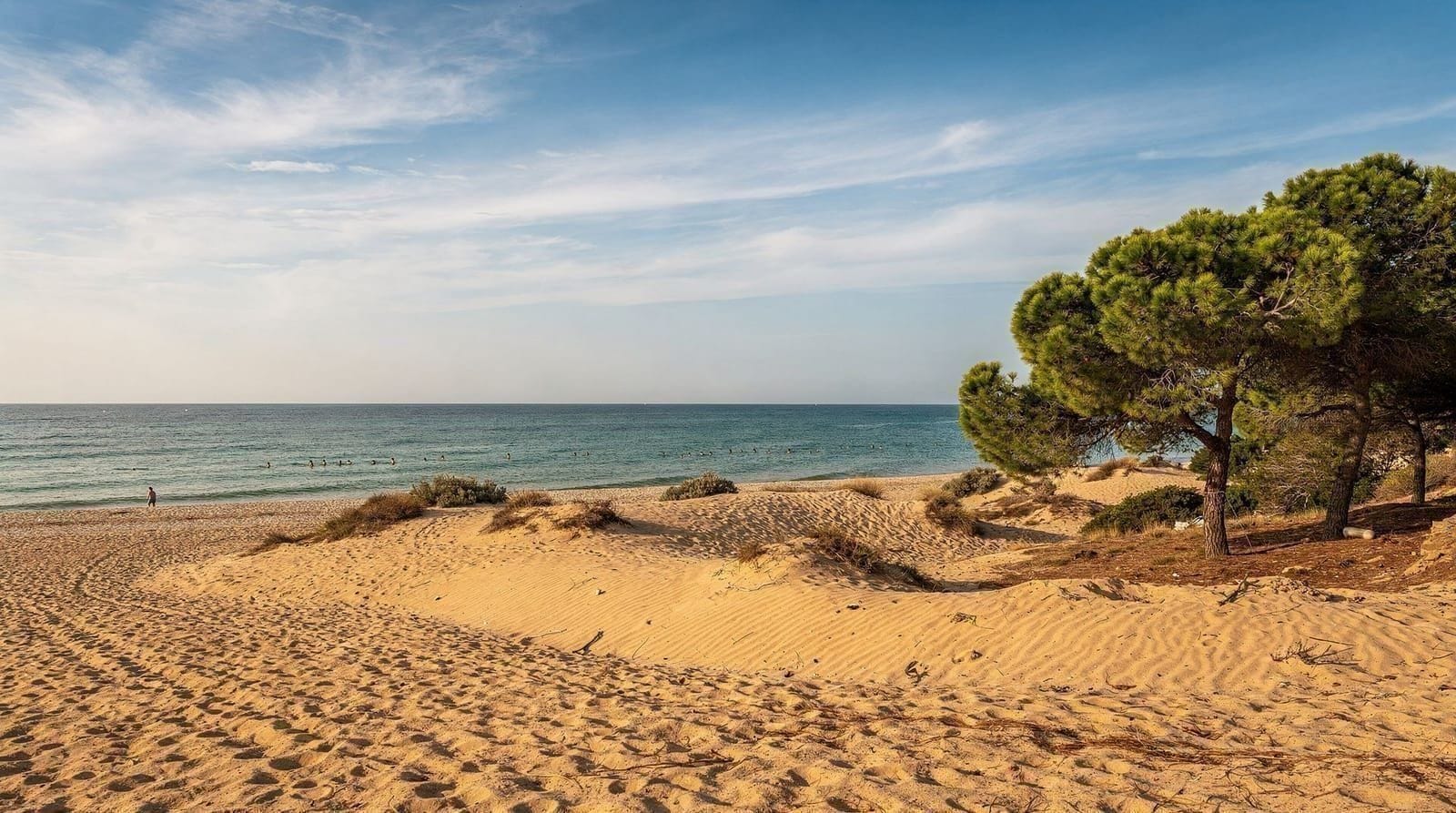
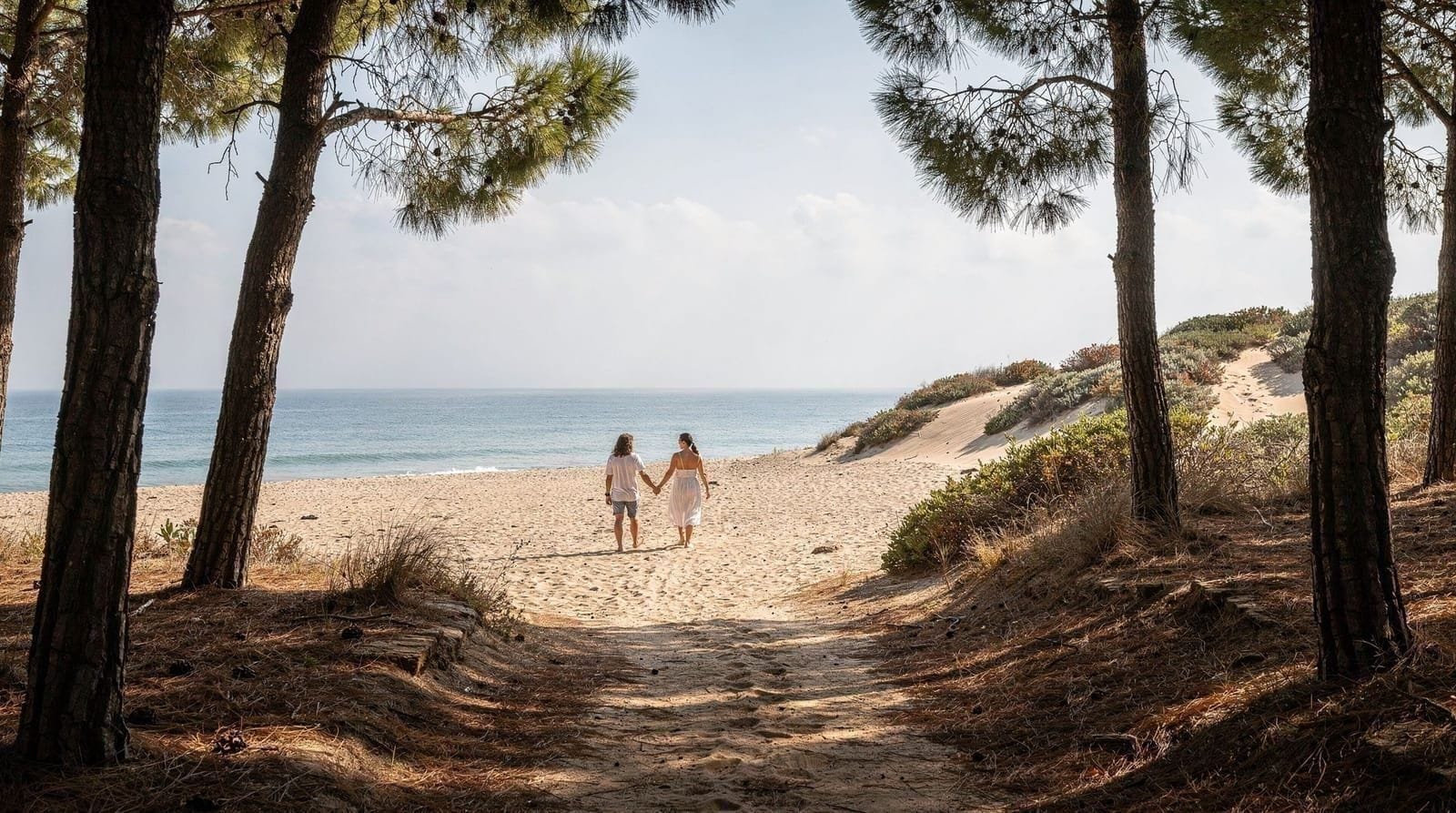
El Saler is the beach most Valencians mention when they want to escape the city without leaving the province. Located 15 km south of the city centre within the Albufera Natural Park, it sits behind a curtain of maritime pines and fixed dunes — a setting that bears no resemblance to the urban seafront at Malvarrosa. The beach is long, the water is clear, and the pine forest provides shade that no beach umbrella can replicate. It is also undeveloped by design: the Albufera Natural Park designation limits construction, which is exactly why it remains worth the journey.
The Albufera Natural Park context
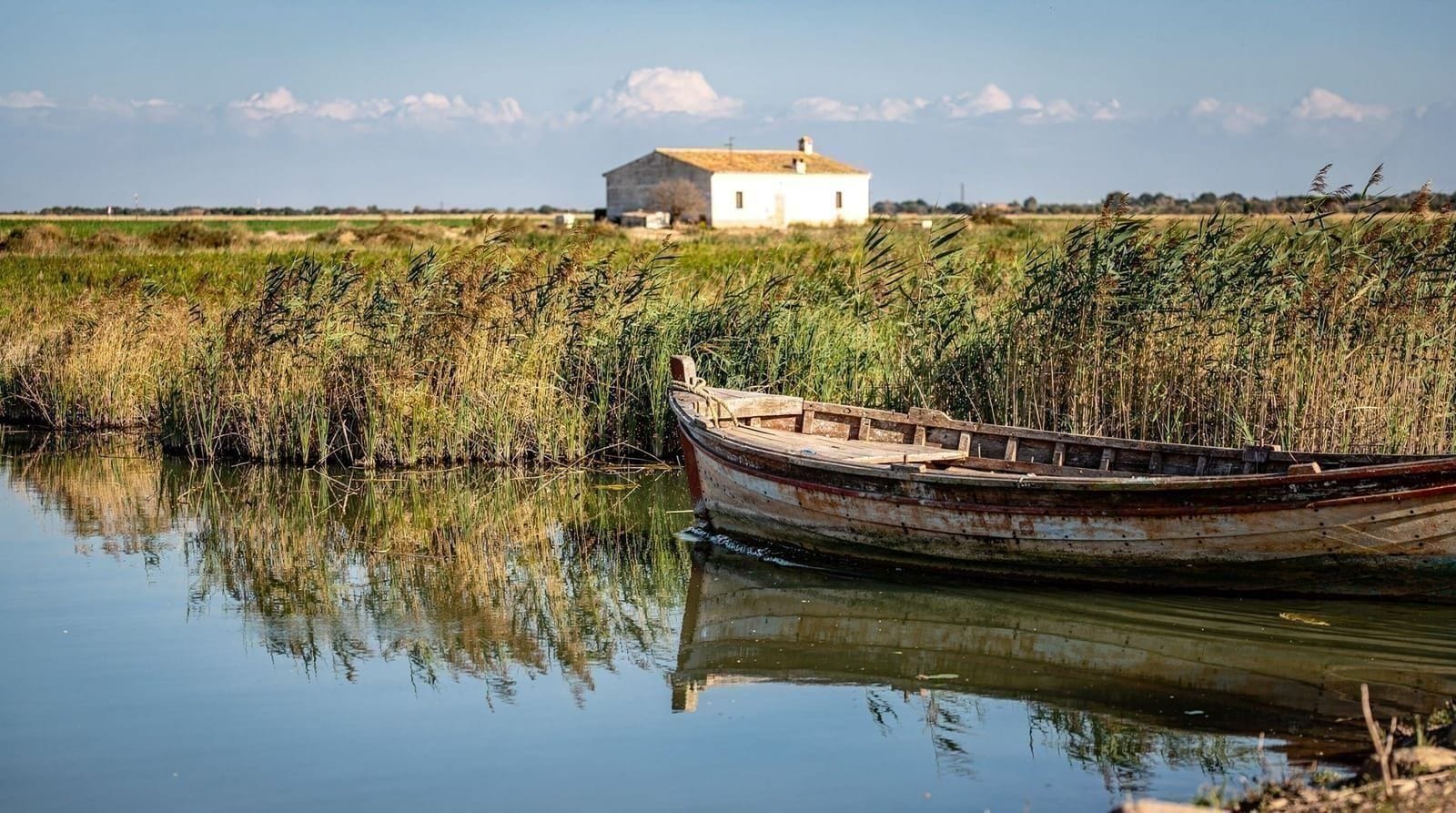
El Saler beach is the eastern edge of the Albufera Natural Park, a protected wetland and lagoon system covering more than 21,000 hectares. The park contains Europe’s largest freshwater lake in Valencia’s latitude — the Albufera lagoon — flanked by the La Devesa forest strip to the east, which is what you cross to reach the sea.
This matters practically: the trees and protected dune system are not decorative. They are a functioning ecosystem managed under EU habitat directives, which means you cannot clear vegetation for development, you cannot drive on the dune system, and fires are prohibited. The beach benefits from all of this.
Visiting El Saler means you are passing through the same natural area where all-i-pebre (the traditional Albufera eel dish) originated, where the rice paddies that produce authentic Valencian rice are still cultivated, and where traditional flat-bottomed barques have been navigating the lagoon for centuries. The beach is the ocean-facing edge of something much larger.
If the lagoon itself interests you more than the sand, the Albufera destination page and the El Saler and La Devesa overview explain how the villages, forest and water fit together, and El Palmar is the natural lunch stop on the same road.
Getting to El Saler beach
By public transport
Bus 25 (Alfahuir–El Saler) is the public transport option. Departure point in Valencia: the EMT stop at Alfahuir, south of the city via Avenida del Puerto. Frequency in summer is roughly every 45–60 minutes; confirm current schedules at the EMT Valencia website before travelling, as timetables adjust seasonally. Journey time to El Saler village: approximately 35 minutes.
From El Saler village, the beach is a 5–10 minute walk east through the La Devesa pine forest. The route is signed.
This is a slower and less convenient option than taking a car, particularly if you are travelling with children and beach equipment. The bus is viable for a day trip without heavy gear.
For the rest of your time in the city, the metro and EMT guide explains how to reach the bus stop, and the Valencia to the coast by train guide covers the other coastal links, none of which reach El Saler directly. If you plan several excursions, the car rental day trips guide helps you decide whether a car pays for itself.
By car
The CV-500 road runs south from Valencia along the lagoon’s eastern edge, passing through El Saler and continuing to El Palmar. From the city centre, allow 20–25 minutes in normal conditions. The route is straightforward and signed.
Parking at El Saler is a legitimate issue in July and August. The main beach car park fills by 09:30–10:00 on summer weekends. Options: arrive before 09:00, use the overflow parking along the access road (a 10–15 minute walk to the beach), or accept that peak-season El Saler requires planning. Outside July–August, parking is straightforward.
By bike
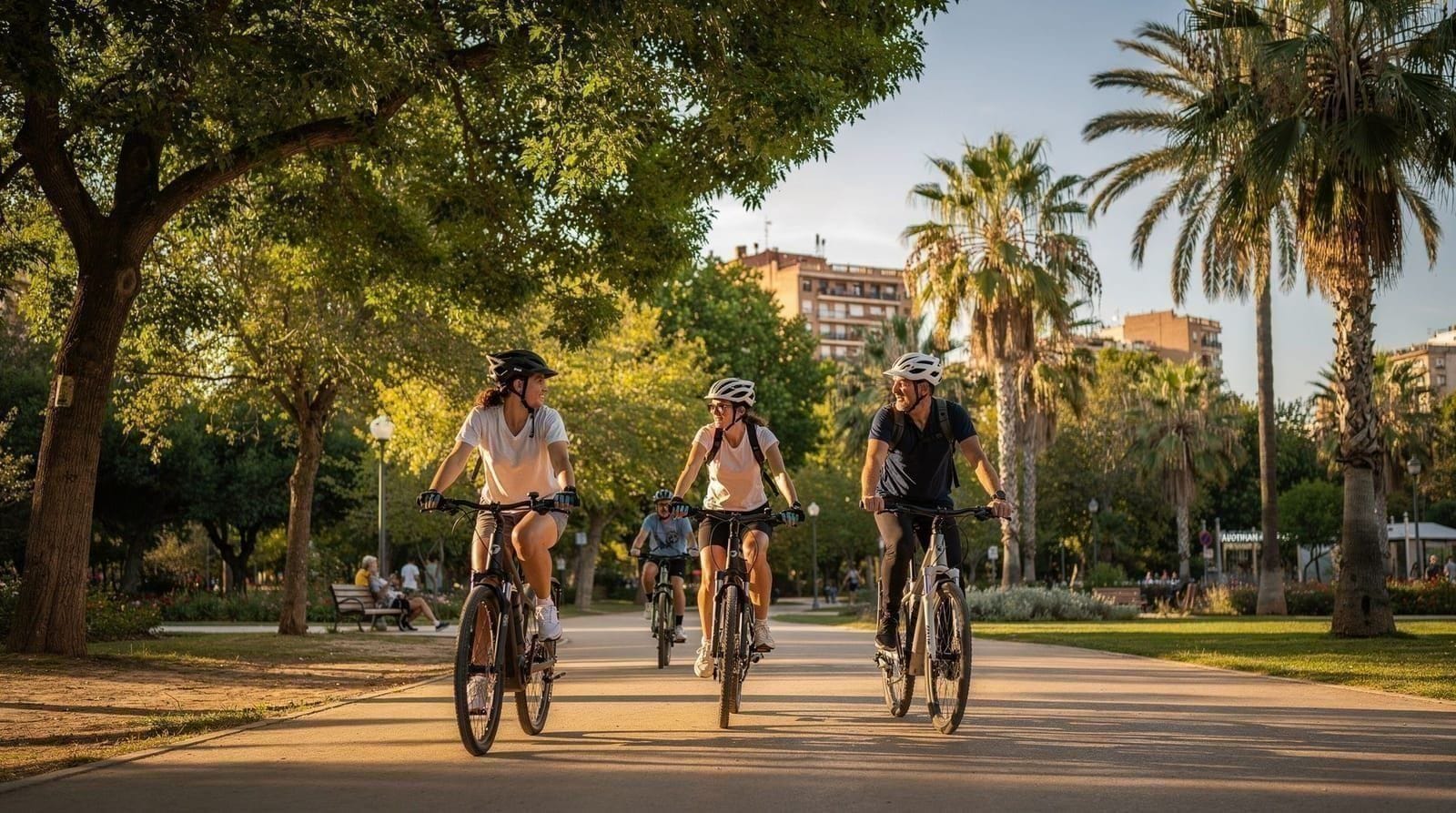
El Saler is accessible by bike but requires commitment. The route from Valencia follows the Turia Garden cycle path to the coast, then south along the seafront. The total distance is approximately 20 km from the city centre. This is a realistic ride for fit cyclists on a proper bike — not for a casual e-bike outing on a city rental. Several sports cyclists use this route.
A guided tour that combines the lagoon, pine forest, and boat ride is a more practical way to cover this ground without navigation. For the city end of the ride, see the Valencia by bike guide, the Turia by bike guide and the bike rental and Valenbisi guide, which explain what the city bikes are and are not suited for:
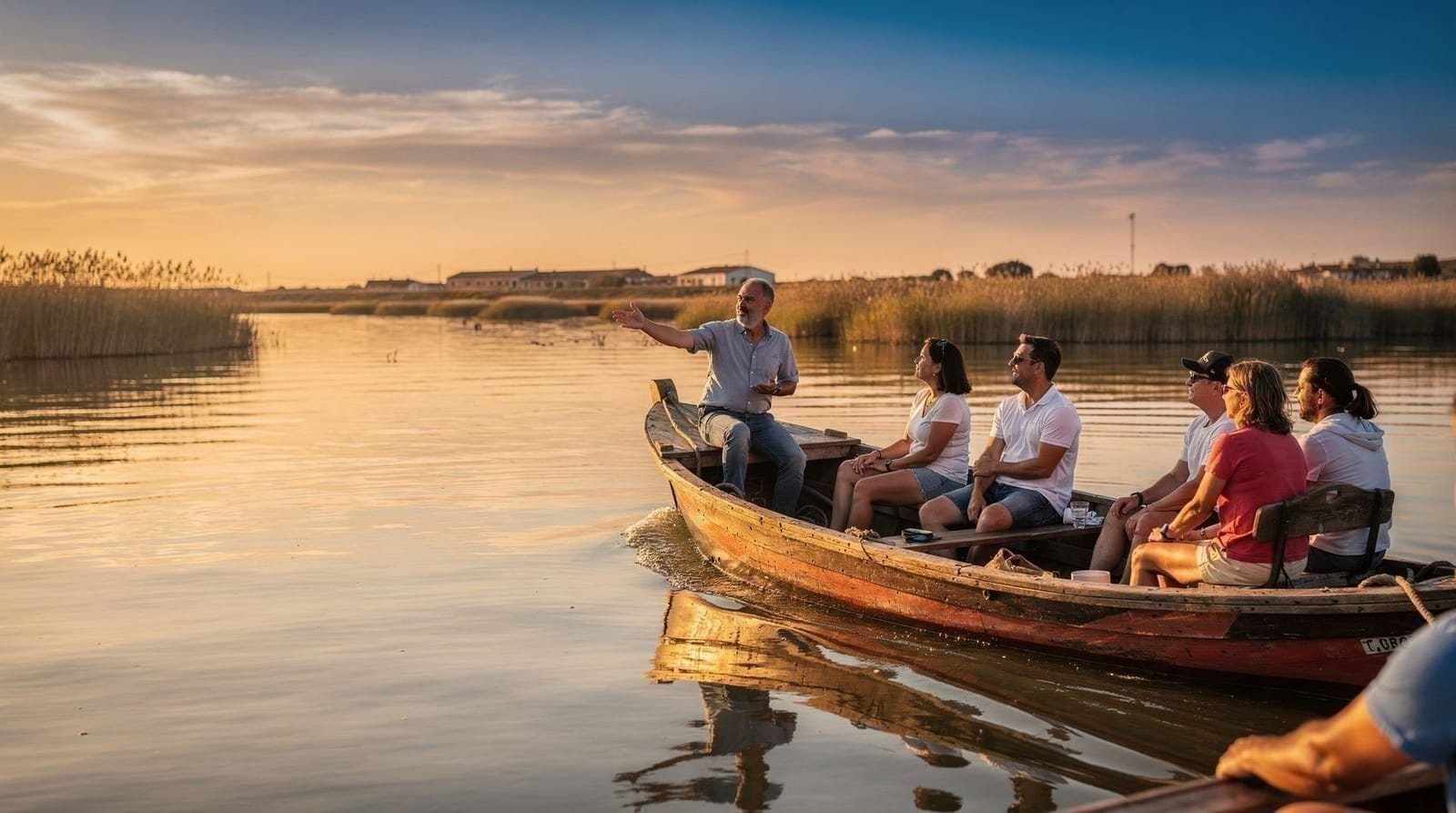 Albufera Natural Park bike and boat tourCheck availability
The beach
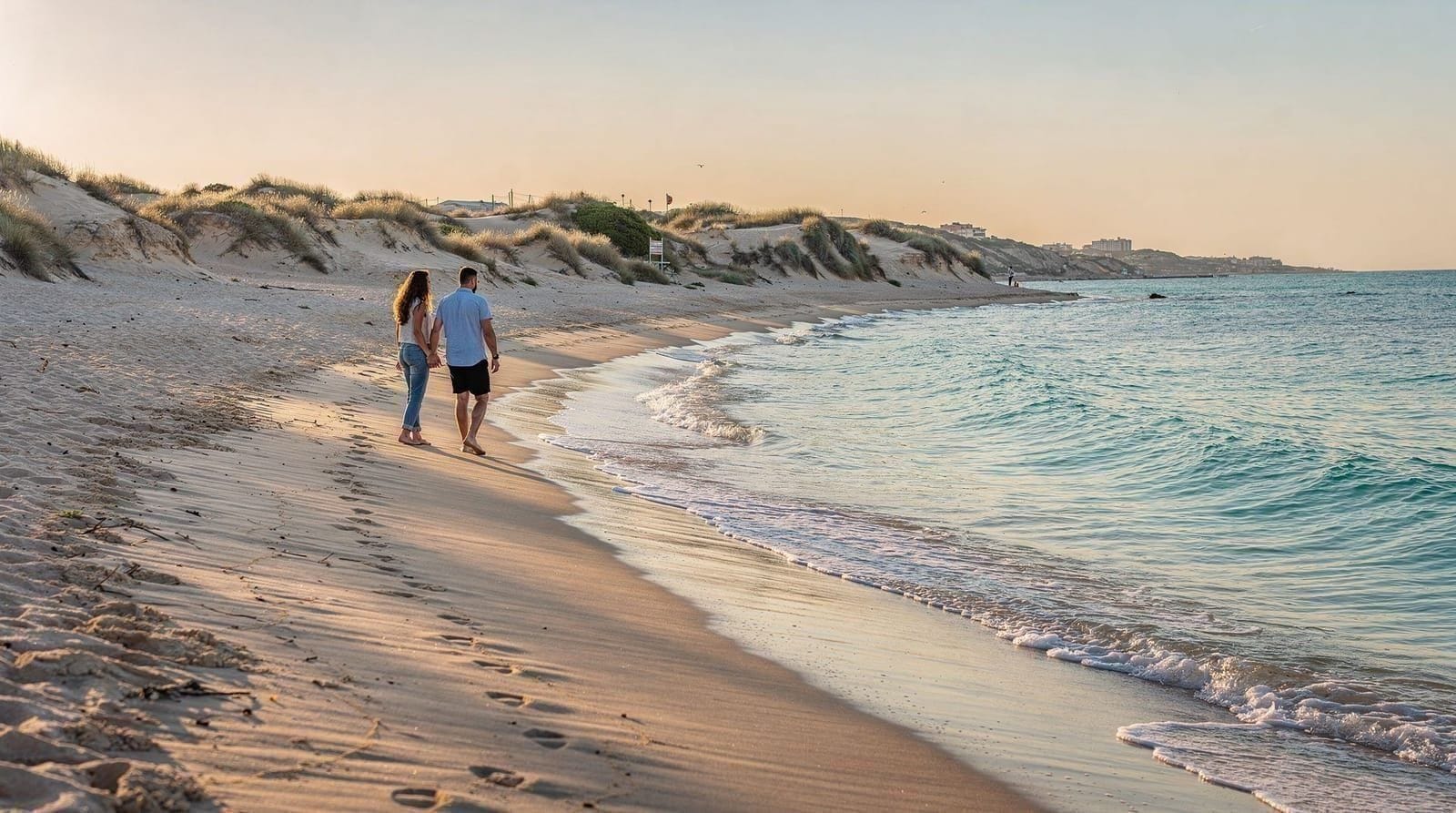
El Saler beach runs approximately 5 km from the northern end near the Puerto de Valencia’s breakwater influence to the village of El Palmar to the south. The entire stretch backs onto the La Devesa pine forest.
Sand quality is noticeably finer and paler than the urban beaches. The fine sand stays cooler underfoot in the morning than the coarser northern beaches. It also blows more in afternoon winds — normal for a dune-backed beach.
Water conditions: The sea here is exposed to slightly more swell than Malvarrosa because there is no marina breakwater to the south. On most summer days this means a gentle 30–50 cm swell rather than flat water, which is pleasant for swimming and preferred by surfers when conditions strengthen. Currents are mild. Lifeguards are present on the main section near the El Saler access point in summer.
Swimming season: June–October. Water temperature is comparable to the northern beaches — 22–28 °C in summer months. The beach stays swimmable into late October when the weather permits.
The pine forest: The La Devesa forest behind the beach provides genuine shade, which is rare on Mediterranean beaches. Walking or cycling through the forest to reach the beach is part of the experience. Stone pine (Pinus pinea) and maritime pine (Pinus pinaster) dominate. The understory has wild rosemary and thyme, and the smell is noticeable in dry summer heat.
Catamaran access to El Saler
One of the better ways to experience El Saler if you are coming from the Valencia marina is by catamaran, which delivers you to a beach anchorage without the car park problem:
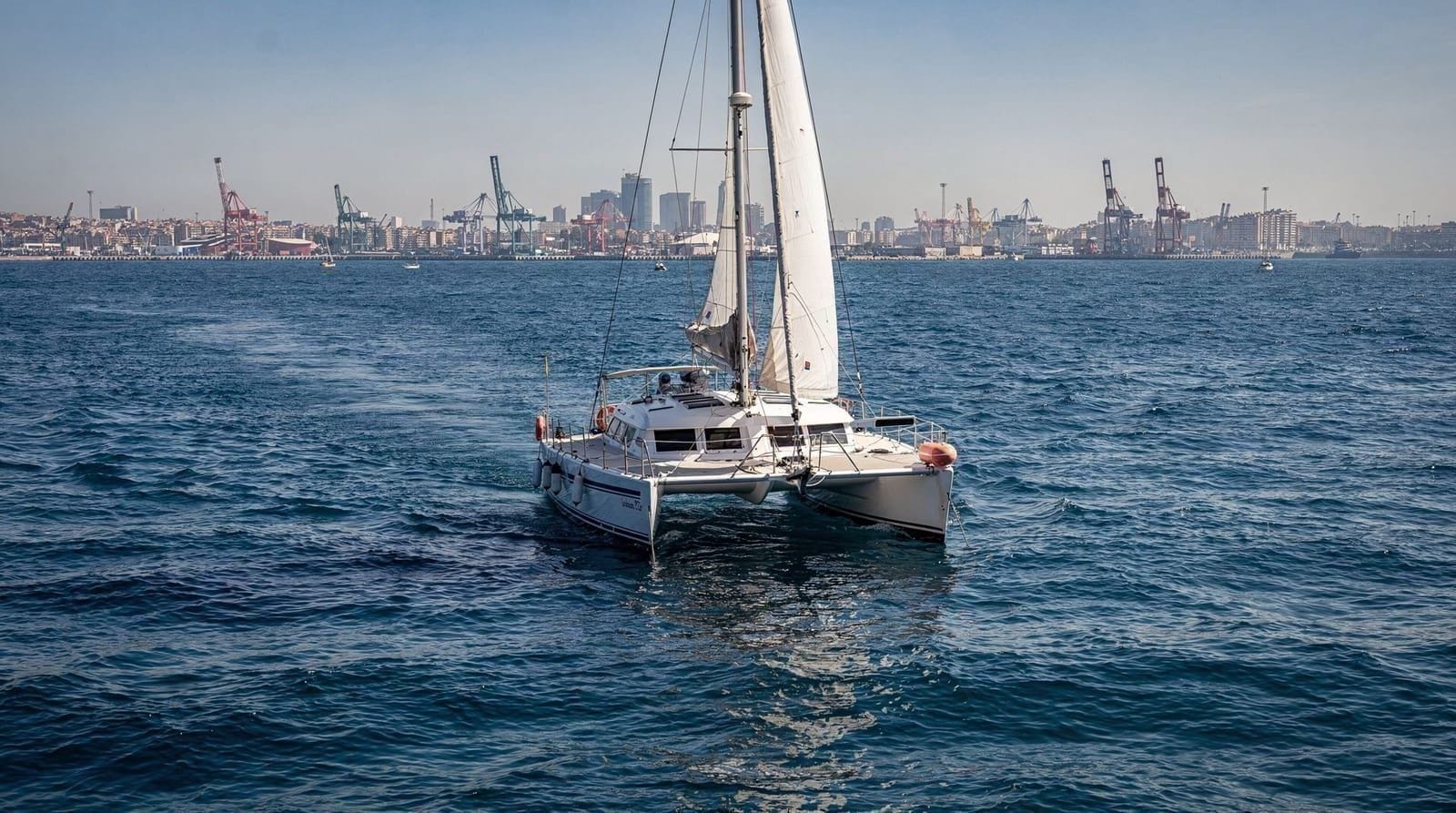 catamaran cruise with snack and swim at El SalerCheck availability
This tour leaves from the Port of Valencia marina, sails south along the coast, and anchors for a swim stop off El Saler beach. You get the beach experience and the approach by sea — a genuinely different perspective on the dune and pine forest landscape from the water. Return to the marina completes a half-day trip.
If El Saler does not suit your day, the best beaches near Valencia guide, the quiet beaches guide and the family beaches guide compare the alternatives, while the beaches with kids guide is the better starting point if little ones are coming along. The Valencia beach season guide helps with timing.
Facilities
El Saler’s facilities are intentionally limited by the natural park framework:
What is available: Showers and foot-wash points near the main access. Toilets at the car park. Lifeguard posts in season. A small beach bar (chiringuito) near the northern access in summer, serving drinks and sandwiches.
What is not available: Beach sunbed concessions as extensive as Malvarrosa. No large beach club or restaurant directly on the sand. No changing rooms beyond basic facilities.
The nearest proper restaurants are in El Saler village (5–10 minutes walk back through the forest) and in the village of El Palmar further south, which is the centre for all-i-pebre and Albufera rice dishes. For a full Albufera lunch experience, see the Albufera day trip guide.
El Saler golf course
Adjacent to the beach, the Real Club de Golf El Saler is one of Spain’s most respected courses, designed by Javier Arana and regularly ranked among Europe’s top 100. It has hosted the Spanish Open multiple times. This is not relevant to beach visitors but is notable for golfers planning a Valencia trip: the combination of a proper links-style course (it borders the Mediterranean directly) within the natural park is unusual. Advance booking is essential.
Combining El Saler with the Albufera
The practical combination is: El Saler beach in the morning, Albufera boat ride and El Palmar lunch in the afternoon. The CV-500 connects them directly — El Palmar is 8 km south of El Saler.
At El Palmar, the traditional restaurants serve authentic all-i-pebre (eel in garlic and paprika) and Valencian rice dishes. Casa Carmela and Nou Racó del Palmar are two historically-regarded establishments. Expect €20–30 per person for a full lunch.
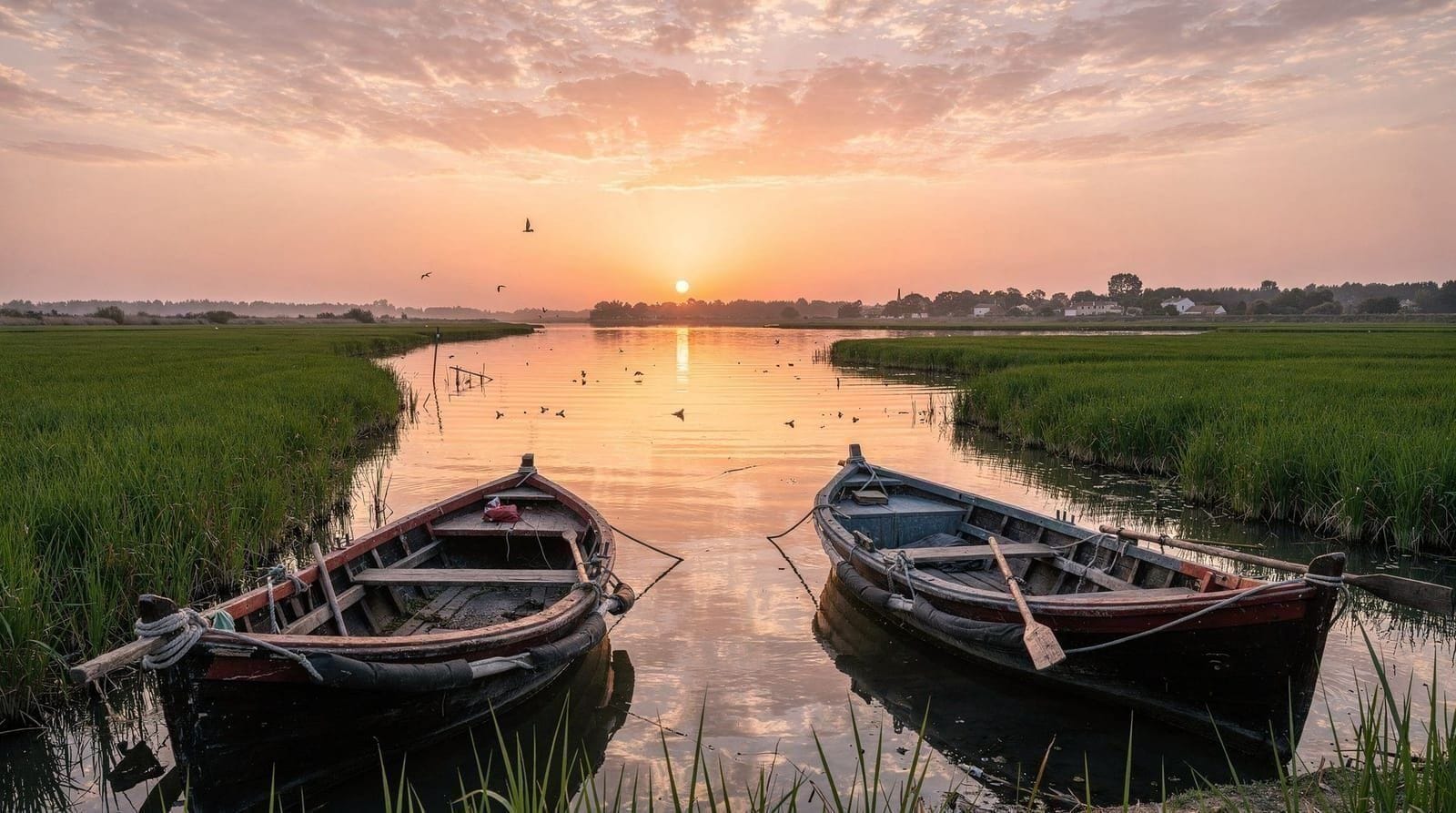
From El Palmar, sunset boat rides on the Albufera lagoon are the region’s signature experience:
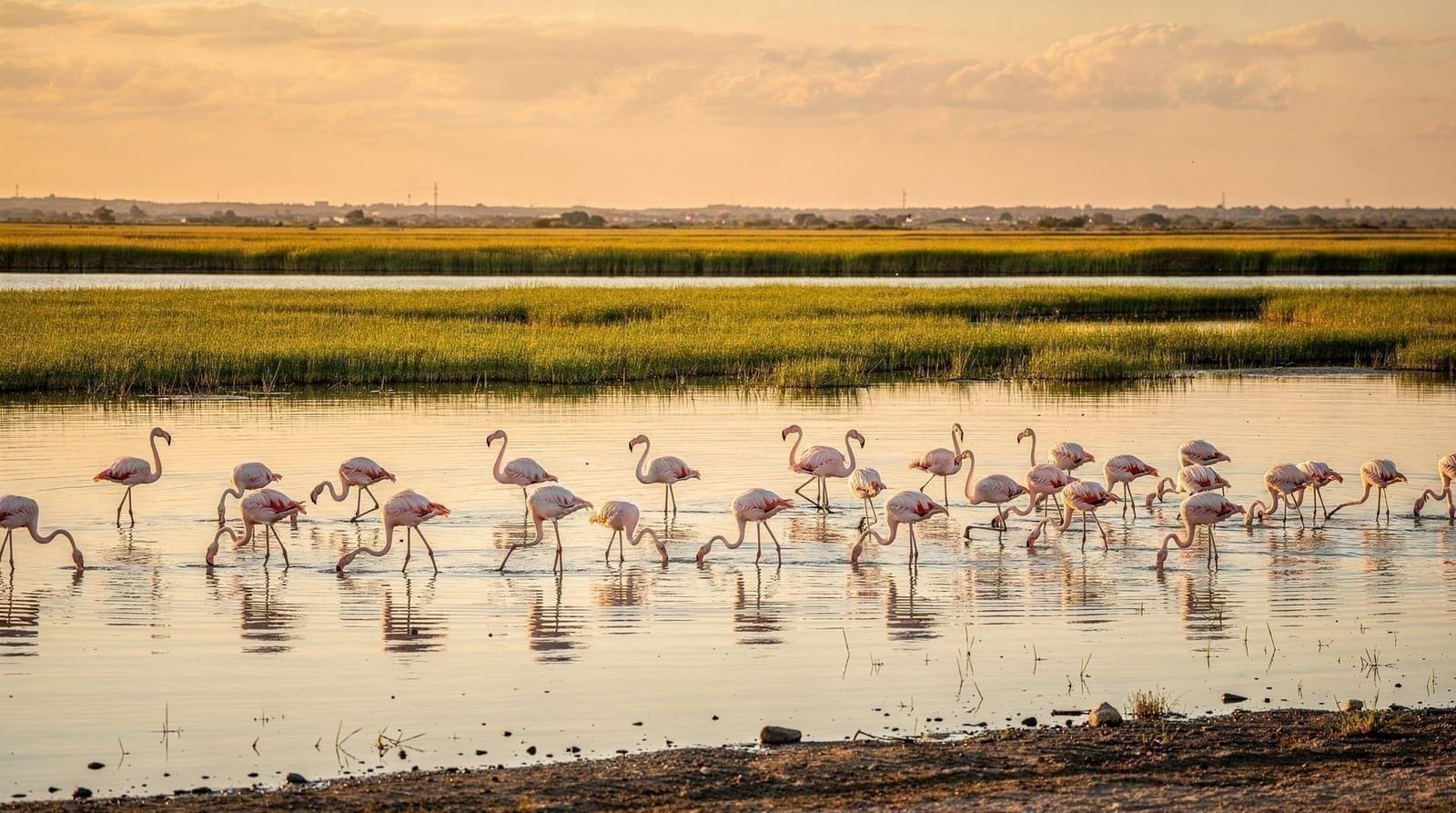 Albufera Natural Park eco boat tour at sunsetCheck availability
Local barquero operators in El Palmar also offer simple flat-bottomed boat rides without a guide for approximately €4–8 per person. These are genuine local services rather than packaged tours — you get a 30–45 minute tour of the lagoon channels. They are worth doing if you prefer self-directed travel.
To turn the day into a longer plan, the city and Albufera itinerary and the beaches and city itinerary show how to fit a natural-park beach around the main sights, and the Albufera boat at sunset guide goes deeper on the evening option.
Practical information
Distance from Valencia: 15 km south via CV-500.
By bus: Bus 25 from Alfahuir (~35 min). Frequency: every 45–60 min in summer.
By car: CV-500 south, 20–25 min. Parking fills by 09:30 in peak summer.
Beach length: ~5 km. Less developed than urban beaches by design (Albufera Natural Park).
Facilities: Basic — showers, toilets, lifeguards in season, one chiringuito.
Best for: Visitors who value natural setting over services. Families who want pine shade. Anyone combining the Albufera with a beach day.
Worst time: August weekends (parking chaos). Avoid if you need extensive beach facilities.
Frequently asked questions about El Saler beach
Can I walk between El Saler beach and Malvarrosa?
Technically yes — the coast is continuous. But the distance is approximately 14 km and there is no shade for most of the route. Cycling is a better option. The coastal bike path is mostly complete from Valencia’s port area southward. Allow 60–75 minutes by bike one way.
Are dogs allowed on El Saler beach?
The main El Saler beach section operates seasonal rules similar to other Valencia beaches — dogs are generally restricted from the main swimming area June–September. Check with the Alboraia or Valencia municipality for current year rules, as they are revised annually.
Is El Saler beach dangerous for swimming?
Not under normal conditions. The beach lacks the breakwater shelter of the northern urban beaches, so expect occasional light swell (0.5–1 m) rather than the flat water of Malvarrosa. Strong onshore winds can increase this. The beach has lifeguards in season and standard flag system (red/yellow/green).
What are the nearest accommodation options?
There is limited accommodation in El Saler village itself. Most visitors base themselves in Valencia city and day-trip. The Parador de El Saler (within the golf course complex) is the high-end option — a state-run hotel with direct access to the beach and forest. Rates are considerably higher than Valencia city options.
The forest behind El Saler beach
The maritime pine and stone pine forest of La Devesa begins immediately behind El Saler beach. Unlike the broad La Devesa section further south (covered in the La Devesa beach guide), the forest at El Saler village is more accessible — there are signed paths, picnic areas, and viewpoints.
Walking in the forest: The paths from the El Saler village car park into the forest are flat and shaded. A short circuit of 2–3 km covers the best of the pine woodland closest to the beach, taking approximately 45–60 minutes at an easy pace. The path passes through dune vegetation before opening onto the beach itself. Early morning in summer, the light through the pines is excellent for photographs.
Birdwatching: The forest-beach-lagoon interface at El Saler is productive for birds. Stone curlew, roller, and red-necked nightjar breed in the dune areas. Bee-eaters nest in sandy banks. Hoopoes are common in spring. The lagoon side (5–10 minutes walk west through the forest) adds herons, egrets, and in winter, significant duck numbers.
El Saler village
The village of El Saler sits on the CV-500 road, flanked by the golf course to the west and the pine forest to the east. It is small — a few hundred residents, a handful of restaurants and a bakery. The village functions primarily as a service stop for beach visitors.
Restaurants in El Saler: Several simple restaurants in the village serve seafood and rice dishes at prices reflecting the local rather than tourist economy. La Casa Rural El Saler and Bar Restaurante El Saler are the main options; both serve menú del día (€12–14) and a la carte. The food is straightforward, honest Valencian cooking — grilled fish, all-i-pebre variations, fresh salads — without the pretension or pricing of the beachfront Paseo de Neptuno.
The bakery and provisions: If you are spending a full day at La Devesa or El Saler, the village bakery provides the essentials: bread, empanadas, and packaged provisions. Stock up here if you are heading to the less-served La Devesa sections without facilities.
El Saler and the rice paddies
Between El Saler village and the Albufera lagoon lies one of Valencia’s most characteristic landscapes: active rice paddies that supply the rice varieties used in authentic paella valenciana. The Sénia and Bomba rice varieties cultivated here are grown in shallow flooded fields managed according to agricultural traditions that predate modern irrigation.
In summer (July–September), the paddies are a deep saturated green. In autumn (October), as harvest approaches, they turn gold. The harvest itself — mechanised today, though historically done by hand — happens in October and November, and the flooded, recently-cut paddies attract large flocks of migrant and wintering waterfowl.
Driving between El Saler and El Palmar on the CV-500, you pass directly through this landscape. It is the most direct visual connection between the beach you swim on and the ingredient at the heart of the region’s most famous dish.
Accessing El Saler from the Turia Garden cycle path
For cyclists, El Saler is accessible via an extended version of the Turia Garden route. The Turia cycle path connects Valencia’s old city to the sea at El Cabanyal; from there, the coastal cycle path continues south through the marina, Malvarrosa, and eventually past the port breakwater toward El Saler. The total one-way distance from the historic centre is approximately 18–20 km.
The last section from the port breakwater south to El Saler along the coast road has mixed cycling infrastructure — some sections have a dedicated cycle lane, others share the road with vehicles. Traffic is generally light south of the marina port area. The total journey from Valencia’s Palau de la Música to El Saler takes approximately 60–80 minutes by bike at a comfortable pace.
Return options: bus 25 from El Saler village back to Valencia (carrying a foldable bike may be possible depending on driver discretion), or the full return cycle.
Seasonal calendar for El Saler beach
May: Forest and dunes in peak spring condition. Water 18–20 °C — cool but swimmable for enthusiasts. Very few visitors. Best month for birdwatching.
June: Swimming conditions good from mid-month (water 21–23 °C). Crowds begin building on weekends but manageable. Lifeguards deployed from 15 June typically.
July–August: High season. The car park fills by 09:30 on weekends. Water warm (24–27 °C). Come early and stay late to avoid the midday peak.
September: The transition month. Crowds drop after the first week; water remains 23–25 °C. Arguably the best month for swimming combined with comfortable conditions on the beach.
October: Swimming season ending but still possible. The rice harvest begins in the paddies. The forest takes on an autumnal quality, though Mediterranean pines do not turn. Far fewer visitors.
November–April: No beach services. The forest is at its quietest and most bird-rich. Some sections of the beach erode in winter storms and the dune face can look different from summer views.
Top experiences
Bookable activities with verified prices and instant confirmation on GetYourGuide.