Patacona beach: Valencia's quieter northern beach
Valencia: paddle surf lesson
What makes Patacona beach different from Malvarrosa?
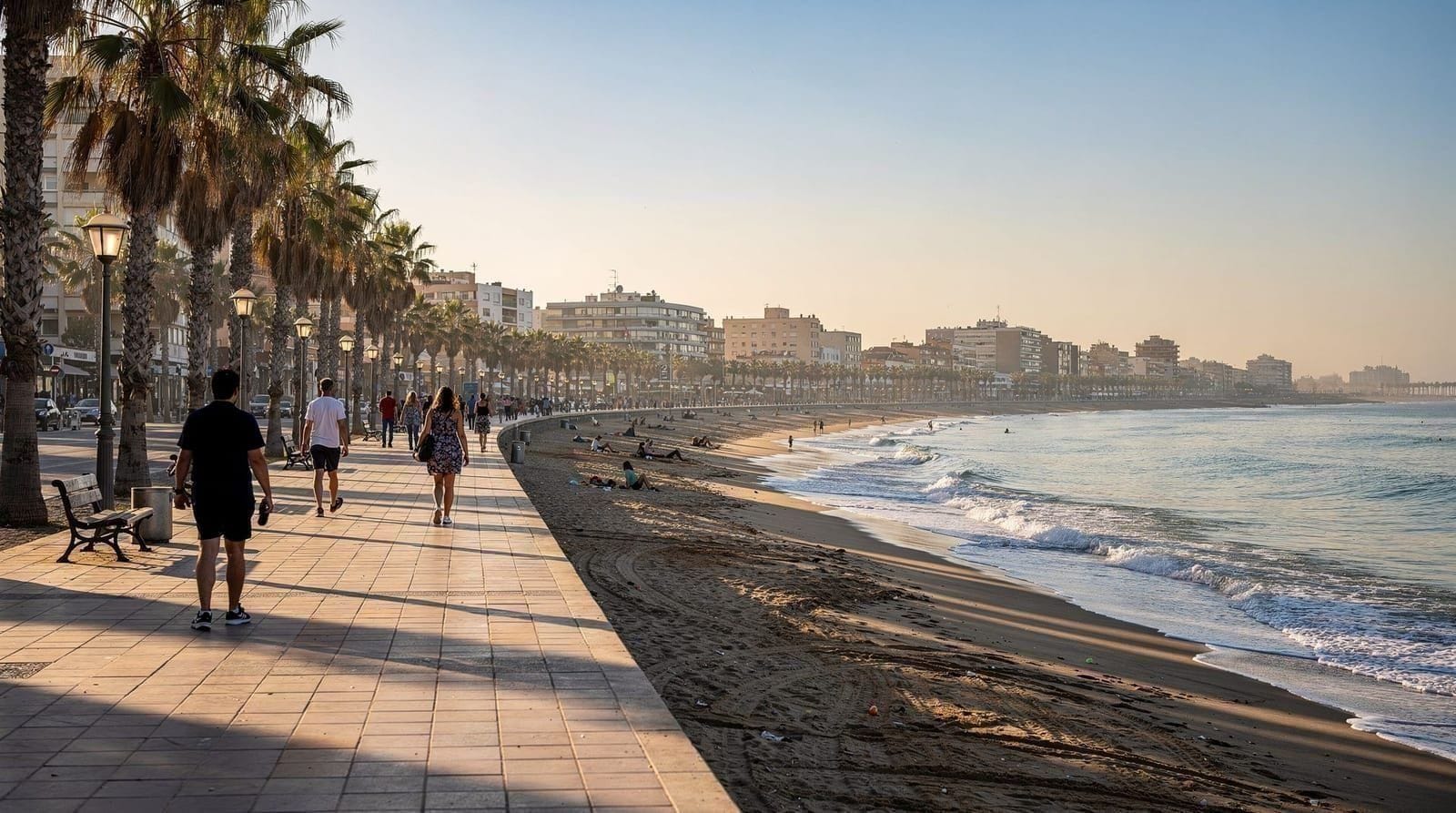
Patacona is immediately north of Malvarrosa in the municipality of Alboraia, a 15-minute walk along the promenade. It has fewer tourist facilities and a more local feel, drawing Valencia families and paddle-surf regulars. Volleyball nets, a longer calm stretch, and fewer beach-club concessions make it the practical choice when Malvarrosa fills in July and August.
Patacona sits where the urban sprawl of Valencia meets the municipality of Alboraia. Technically across the municipal boundary but a continuous beach with Malvarrosa, it offers the same Mediterranean sea with notably less pressure on a summer weekend. The beach is not hidden or difficult to find — it is simply one metro stop less convenient than Malvarrosa, which turns out to be enough to maintain a calmer atmosphere for most of the season.
| Where | Alboraia, immediately north of Malvarrosa |
| Getting there | Metro 4/6 to Eugenia Viñes + 15-min walk north |
| Cost | Free beach; SUP rental around €10–15/hour |
| Time needed | Half-day (3–5 hours) is realistic |
| Best time | Weekday mornings, June or September |
Location and access
Patacona beach is in Alboraia, roughly 2.3 km north of Eugenia Viñes metro station. The most direct options:
Metro line 4 or 6 to Eugenia Viñes, then walk north along the seafront promenade for 15–20 minutes. The promenade is flat and pleasant, passing through the northern Malvarrosa section before the boundary marker near the restaurant cluster at Patacona.
Tram T4 to Doctor Lluch — the same logic applies, then walk north. The tram is slightly slower than the metro but deposits you closer to the seafront.
By bike, the Turia Garden cycle path connects to the seafront at El Cabanyal, from which you can cycle north along the beachfront bike lane in around 10 minutes. The cycle lane continues along the Patacona promenade.
By car there is a small residential parking area along Avinguda de l’Alboraia, but it fills quickly in summer. Arriving before 09:30 avoids the worst of it. The same strategy as Malvarrosa applies: park further west and cycle or take the metro for the last stretch.
There is no direct bus service that terminates at Patacona itself; the bus lines serving Malvarrosa (1, 2, 31) stop short of the Patacona stretch. The walk from Eugenia Viñes is the standard approach.
By taxi or rideshare, the drive from the historic centre takes 15–20 minutes depending on traffic, and drops you directly at the restaurant cluster rather than at the metro. This is worth the cost if you are carrying SUP gear, travelling with small children, or arriving after dark when the promenade walk is less appealing. Expect a fare in the €12–18 range from Ciutat Vella, more from further out.
The beach
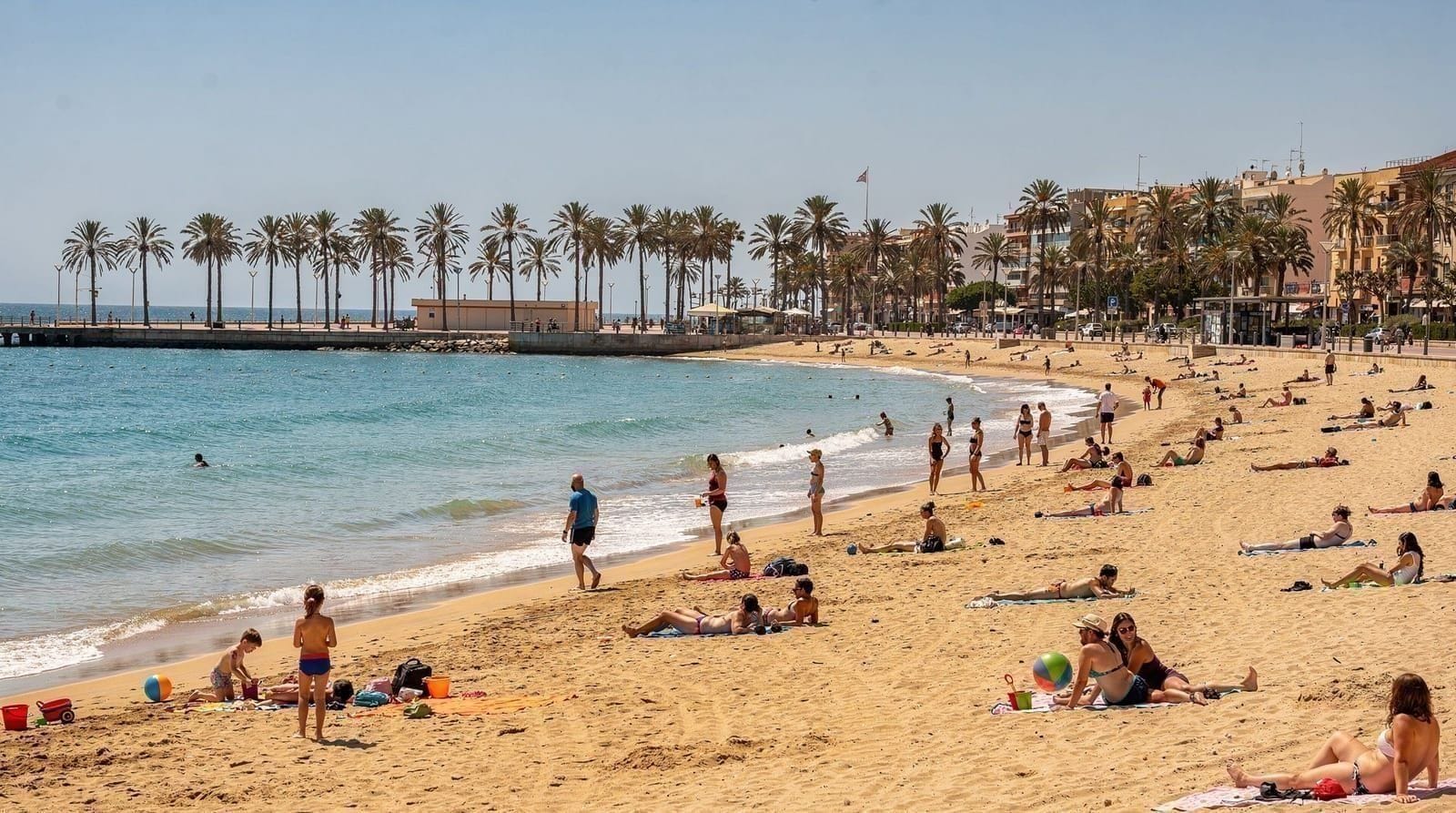
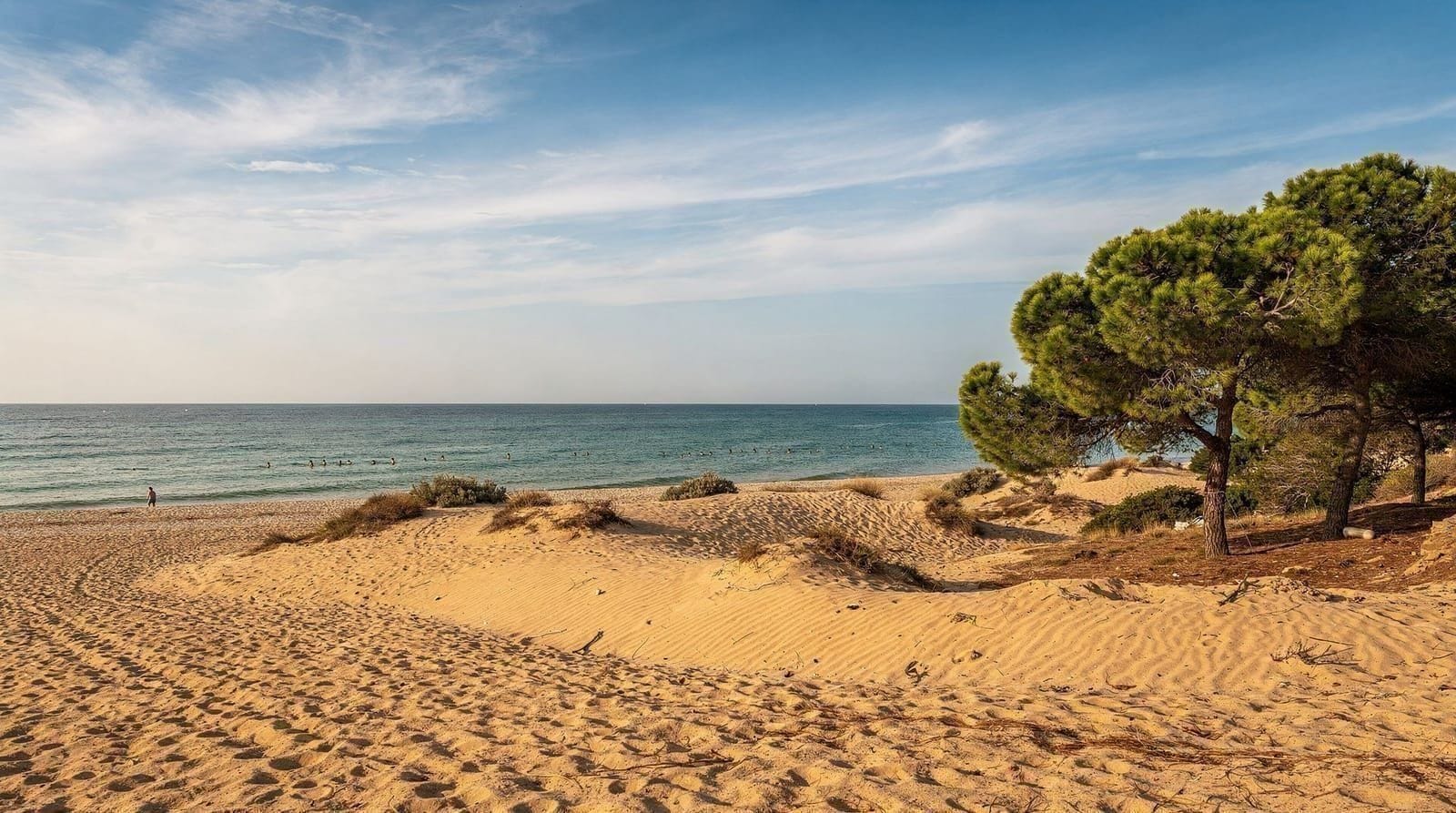
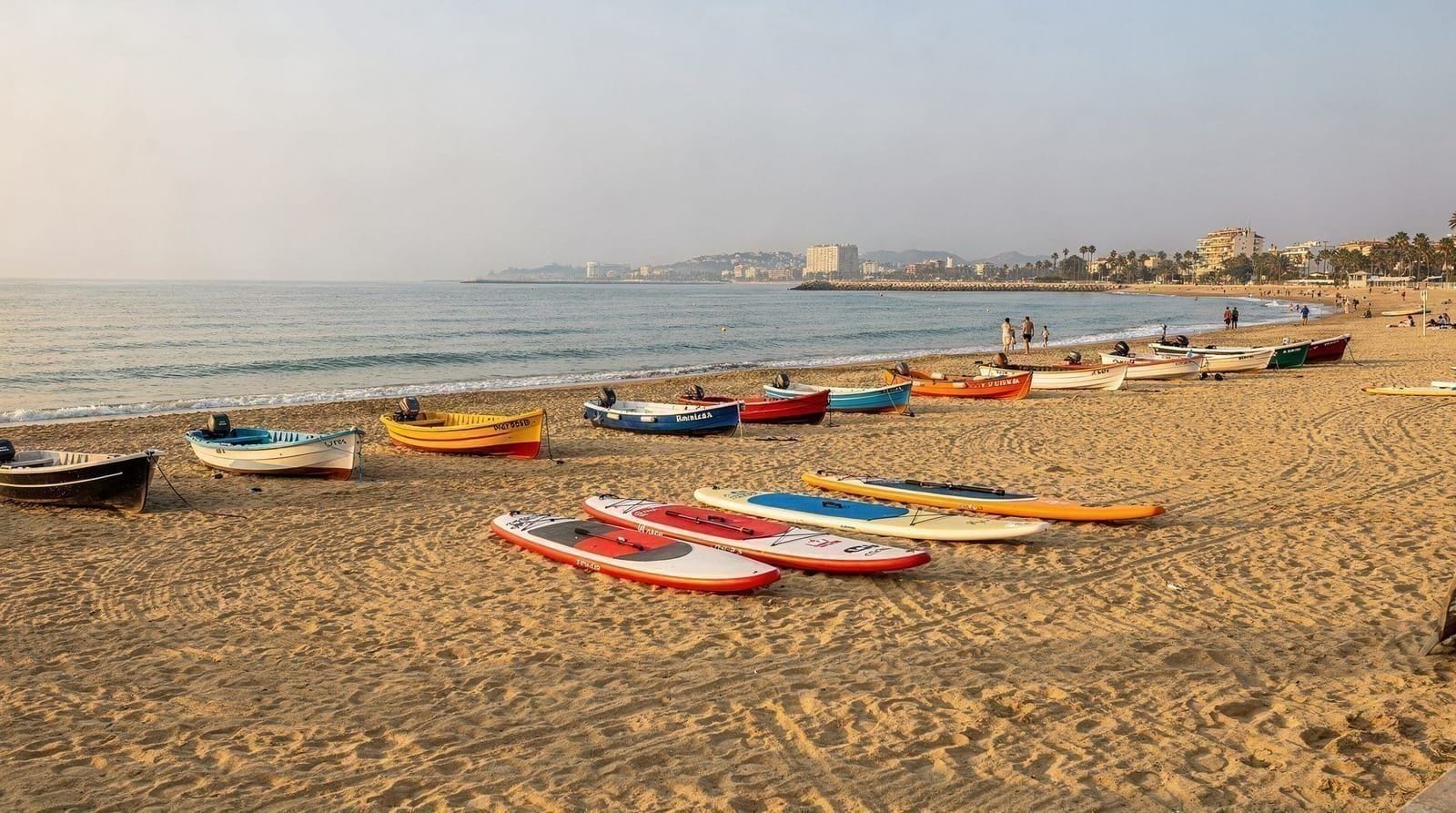
Patacona beach runs approximately 1 km from the northern end of Malvarrosa to the point where the beach begins narrowing near the Alboraia promenade. The sand is the same pale-grey Mediterranean sand as Malvarrosa. Width is similar — 50–70 metres at normal tide.
The northern end near the Alboraia restaurant row has most activity. Volleyball courts — typically four to six permanent nets — are the dominant social hub here and attract a mix of locals and regular visitors. Courts are free and usually occupied; arrive early on summer mornings if you want to play. The atmosphere is competitive but welcoming.
The central and southern stretches between the volleyball area and the Malvarrosa boundary are quieter and less served by concessions. This is where families with children and visitors seeking space tend to settle.
Water conditions mirror Malvarrosa — gentle slope, calm water, typical temperature 22–28 °C in season. Lifeguards are stationed here June–September. The beach earns Blue Flag status most years as part of the extended Alboraia coastal stretch.
Paddle surfing at Patacona
Patacona is the preferred spot for paddle surfing in the Valencia urban area. The combination of calm water, a less crowded entry/exit zone than central Malvarrosa, and a small but established local SUP community makes it a practical choice for both beginners and regular paddlers.
SUP board rentals are available from operators near the northern end of the beach, typically charging €10–15 per hour. Group lessons for beginners run €25–35 for 90 minutes and are well-suited for the flat conditions that typically prevail from June through August before afternoon winds pick up. The best conditions are early morning, 09:00–11:30.
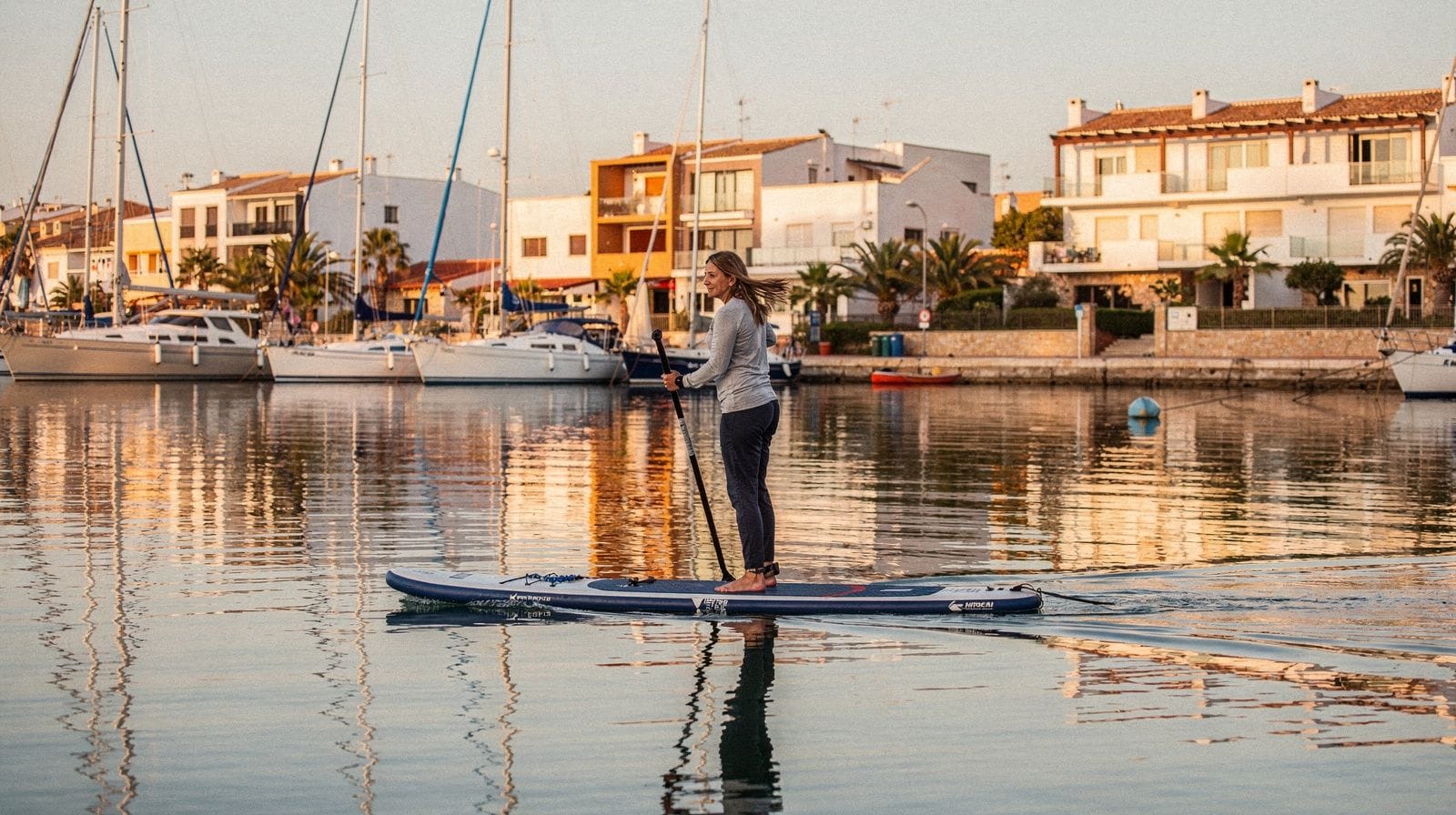 paddle surf board rental at the beachCheck availability
If you prefer instruction to self-guided rental:
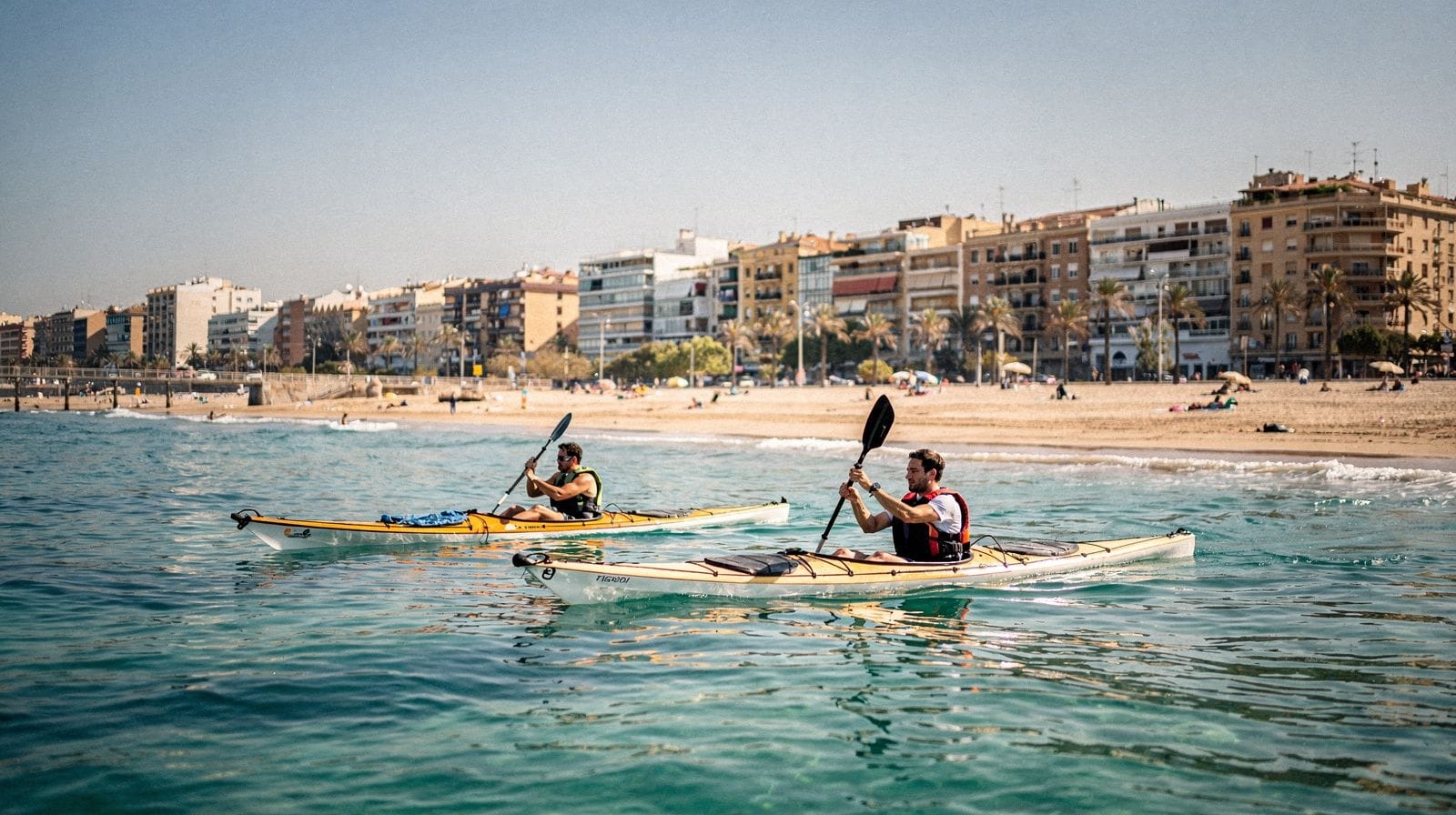 paddle surf lessonCheck availability
Intermediate paddlers sometimes go north from Patacona along the coast toward Port Saplaya, a 45-minute circuit that passes a small marina. This stretch has no significant hazards in fair conditions but check for boat traffic near the port approaches.
Restaurants and eating near Patacona
The Patacona restaurant cluster is concentrated along the northern end of the promenade and is a legitimate reason to make the walk past Malvarrosa. Several of the better-regarded seafood restaurants in the broader Malvarrosa area are actually located here:
La Devesa (Avinguda de l’Alboraia): reliable rice dishes and fresh fish, popular with Valencian families. A la carte lunch runs €20–30 per person. Worth booking for weekend lunch in July–August.
Bon Vent: terrace restaurant with views directly onto the beach. The seafood fideuà (noodle paella) is the signature dish. Prices are fair by beachfront standards — around €18–25 per person for a full lunch.
Several beach chiringuitos operate along the promenade during summer, serving beer, agua de limón, and standard beach snacks at €2–4 per item. Quality is consistent.
Tourist trap note: A few restaurants at the Patacona cluster have adopted the tourist-menu format of €15 fixed menus with frozen paella. They are identifiable by the laminated photo menus at the entrance. The genuine rice and seafood houses have printed menus and are noticeably busier with Spanish-speaking customers.
Combining Patacona with the day
A practical half-day itinerary from Valencia city centre:
- Metro line 4 or 6 to Eugenia Viñes (20 min).
- Walk north along the promenade through Malvarrosa to Patacona (15 min).
- Morning on the beach with SUP, volleyball, or swimming.
- Lunch at one of the Patacona restaurants (noon–14:30 is the local lunch window).
- Walk or cycle back through El Cabanyal for the ceramics and murals.
- Metro or tram back to centre.
This allows time on the beach, a proper Valencian lunch, and a neighbourhood walk in roughly five hours — a realistic half-day from the historic centre.
If you prefer a guided introduction combining the beach, El Cabanyal, and the Ciudad de las Artes y las Ciencias:
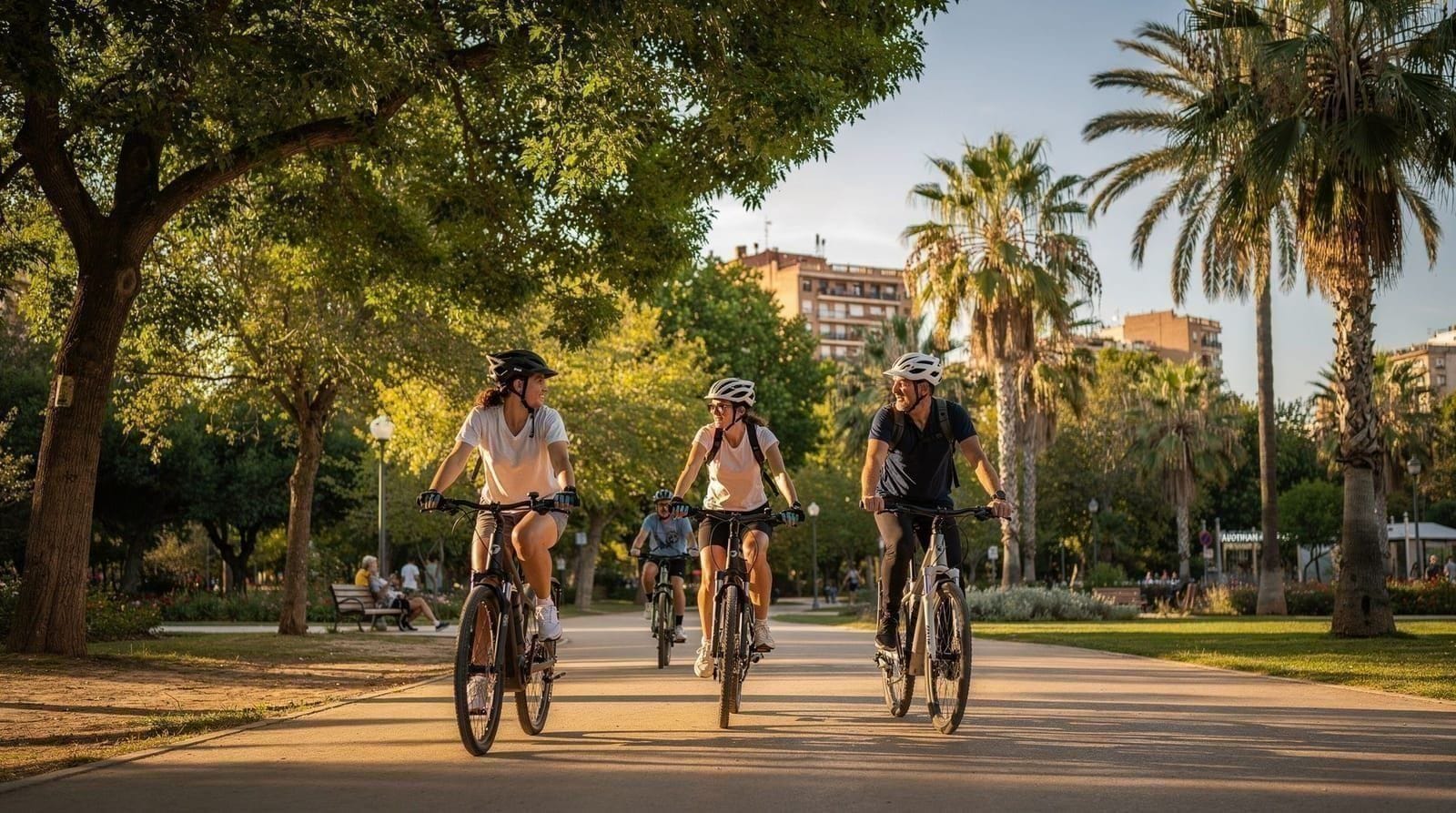 paella and beach tour by e-bikeCheck availability
What to know before you go
Facilities: Showers and foot-wash stations at regular intervals. Toilets at the northern restaurant cluster. Accessible access ramps. No permanent changing rooms away from the restaurant area.
Sunbed rentals: Fewer concessions than Malvarrosa, but available near the volleyball area. Pricing is similar — €7–10 per sunbed.
Peak crowds: Patacona gets noticeably busier on August weekends but still never reaches Malvarrosa-level density. August mornings before 10:00 are genuinely comfortable.
Best months: June and September. These months combine good water temperature with manageable numbers. September is particularly pleasant as the light is excellent and the sea remains warm from summer.
Connection to other beaches near Valencia: The seafront promenade continues north from Patacona toward Port Saplaya, a small marina town about 3 km further with its own beach and boat traffic. On foot this is a 40-minute walk; by bike, 15 minutes.
Patacona month by month
| Month | Sea temp | Crowds | Notes |
|---|---|---|---|
| May | 19–21 °C | Low | Cool for swimming, good for volleyball and walks |
| June | 21–23 °C | Moderate | Best balance of warm water and manageable numbers |
| July | 24–26 °C | High on weekends | Weekday mornings still comfortable |
| August | 25–27 °C | Highest | Arrive before 10:00 or skip weekends |
| September | 24–25 °C | Low–moderate | Warm sea, excellent light, fewer families (school term) |
| October | 20–21 °C | Low | Still swimmable on warm days, promenade walks are pleasant |
Alternatives if Patacona is not quite right
If you want even fewer people than Patacona and don’t mind a longer trip, the quiet beaches near Valencia guide covers stretches further from the city with essentially no facilities. If you actually want the buzz — beach bars, more concessions, easier transport — Malvarrosa or Cabanyal beach are the better fit. Families travelling with young children who want shade and playground access nearby should check the family beaches guide before committing to Patacona, since its facilities are more sport- and dining-oriented than child-oriented.
Frequently asked questions about Patacona
Is Patacona in Valencia or Alboraia?
Patacona beach is in the municipality of Alboraia, though it is functionally contiguous with Malvarrosa beach in Valencia. There is no visible boundary on the sand. The restaurant strip and the address “Patacona” refer to the Alboraia section north of the municipal line.
How crowded does Patacona get compared to Malvarrosa?
Patacona is consistently less crowded than Malvarrosa, particularly in July and August. The extra 15-minute walk from the metro is sufficient to deter a significant portion of beach visitors. On August weekends, when Malvarrosa fills to capacity by 10:30, Patacona remains comfortable until midday.
Are there sailing tours from Patacona?
Sailing and catamaran tours depart from the Valencia marina, south of Malvarrosa rather than from Patacona directly. The marina is a 30-minute walk south or a short tram/metro ride.
Is the water cleaner at Patacona than at Malvarrosa?
Both beaches are monitored under the same EU Bathing Water Directive regime and typically receive equivalent ratings. Patacona’s position slightly further from the port means marginally less industrial shipping traffic nearby, but the water quality difference is not significant under normal conditions.
What is Port Saplaya and is it worth visiting?
Port Saplaya is a small marina town approximately 3 km north of Patacona, often called the “Little Venice of Valencia” by local tourism materials — a comparison that overstates the resemblance but captures the water-facing character. The marina has narrow residential streets, small boats, and a handful of cafés. It is worth a 30-minute detour if you are cycling along the coast, but not a destination in itself.
Can I bring a dog to Patacona beach?
Dogs are generally restricted from the main beach section during summer months (typically June–September). Specific rules are set by the Alboraia municipality and may include a designated dog-friendly section or restricted hours. Check current-year rules before visiting.
Is Patacona a good base for cycling further along the coast?
Yes. The flat, continuous cycle lane running from El Cabanyal through Malvarrosa and Patacona to Port Saplaya makes Patacona a natural midpoint for a longer coastal ride. Renting a bike in the city and riding the full stretch to Port Saplaya and back is a comfortable half-day for anyone reasonably fit, with the option to stop for a swim partway.
Do I need to book SUP rental in advance?
Not usually outside peak weekends. Operators near the volleyball area rent boards on a walk-up basis most of the season, but on July and August weekend mornings, when conditions are calmest, boards can run out by mid-morning. Turning up by 09:30 avoids the wait.
The Alboraia horchata connection
Alboraia — the municipality that includes Patacona beach — is the principal producing area for horchata (orxata de xufa), Valencia’s traditional drink made from tiger nuts (chufas) grown in the Alboraia orchards. The connection between the beach and the drink is direct: you are standing on the beach of the town that invented the version of horchata that the world knows.
Several established horchateries operate in Alboraia town itself (2 km inland from the beach):
Daniel Fills (Carrer de la Sequiota, Alboraia): one of the most respected traditional horchateries, open for most of the year. A glass of fresh horchata costs €2–3. Combine with fartons (the long, sugary bread rolls traditional to the drink) for the full experience.
Horchatería El Tío Che (also in Alboraia): a family operation with decades of history. The horchata is made in-house from locally grown chufas.
The tourist version of horchata found in Valencia city centre is generally pasteurised and less fresh than the Alboraia original. If you visit Patacona, a 15-minute walk or short bus ride to an Alboraia horchata bar is one of the few genuinely local food experiences available near the Valencia beaches.
For the full context on horchata and where to drink it honestly, see the horchata and fartons guide.
Sailing from the Patacona coast
While the main marina for boat tours is south of Malvarrosa near the port, the calm sea off Patacona makes it a practical departure zone for catamaran tours that anchor offshore for swimming:
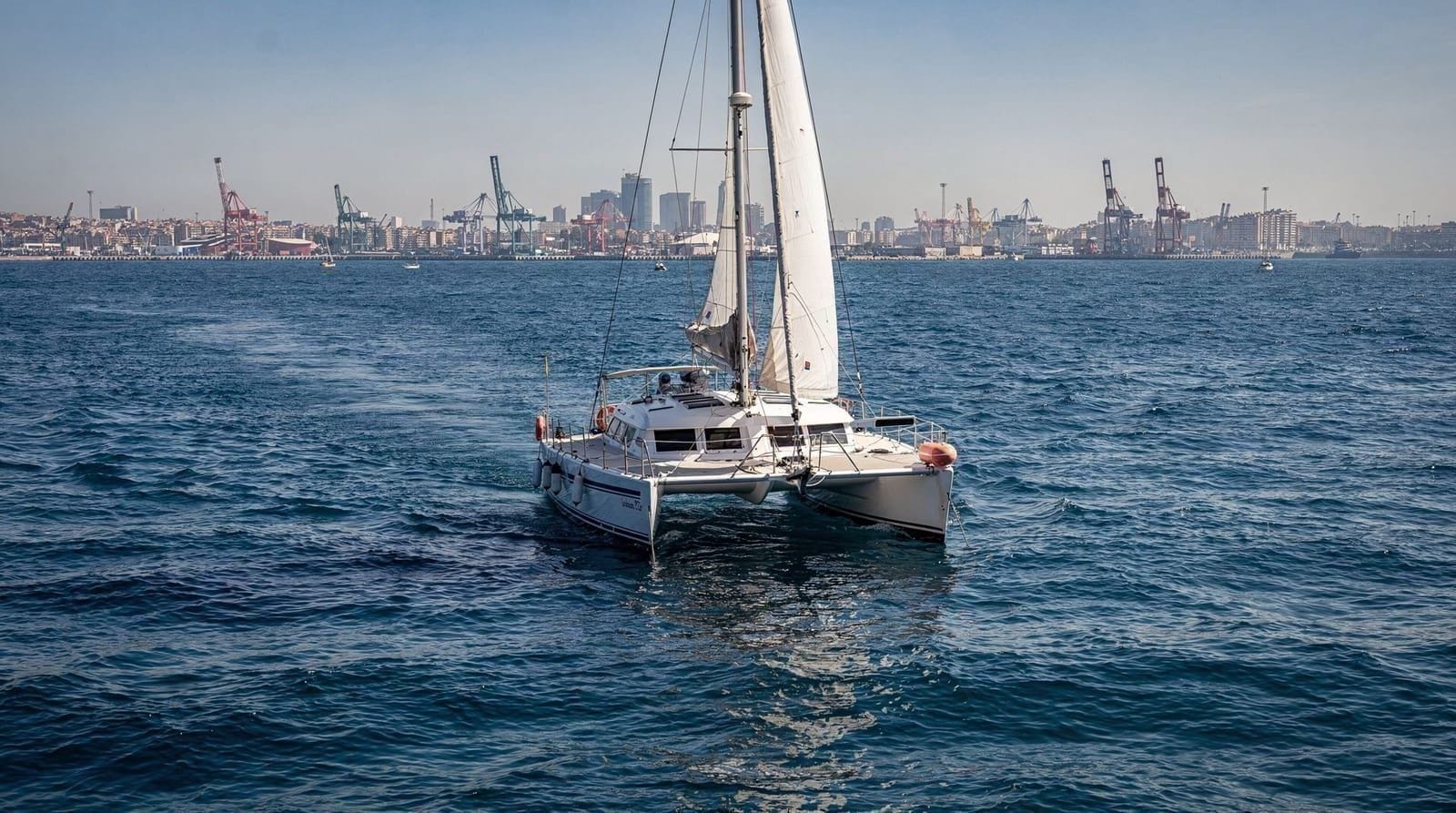 sailing catamaran cruise with swim stopCheck availability
This tour departs from the marina but anchors off the northern coast section — you swim in the same waters you would from the beach, but from the boat. For visitors who want the sea experience from a vessel rather than from the sand, this is the practical option accessible via the marina (metro + 20-minute walk south of Patacona, or a short tram ride).
Water quality and jellyfish at Patacona
Water quality at Patacona is monitored weekly in season by the Generalitat Valenciana under the EU Bathing Water Directive. Results are published online and at the beach information boards at the lifeguard posts. Both Patacona and Malvarrosa typically achieve “excellent” classification, the highest rating.
Jellyfish (medusas) appear occasionally at Patacona in late August and September. The arrival of mauve stinger jellyfish (Pelagia noctiluca) is the most common concern. Their stings are unpleasant but not dangerous for most adults. The Valencia City Council operates the Medusa Alert system — updates are posted on the official Valencia tourism website and available via the app — which provides real-time updates on jellyfish presence at specific beaches. Checking this the morning of your beach visit in August–September is worthwhile.
Night at Patacona
The beach area in the evening, once the day visitors have left, takes on a different character. The promenade between Malvarrosa and Patacona is well-lit and used by local residents for evening walks and cycling until late. Several restaurants along the strip do their best trade at dinner (20:00–22:30 Spanish dining hours).
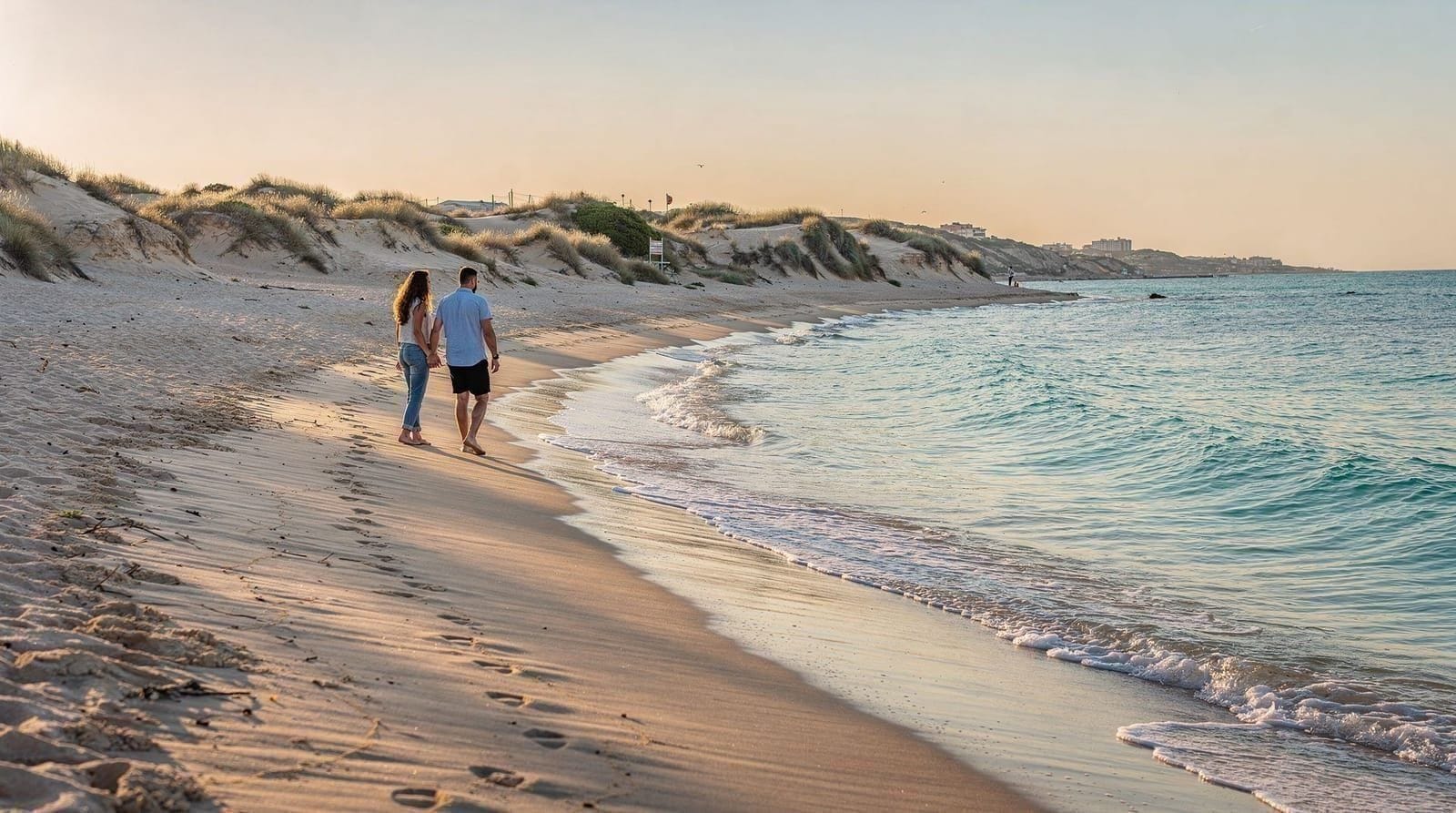
The beach itself at night is quiet. Valencia does not have the beach nightclub scene of Ibiza or Marbella; the city’s nightlife is concentrated in Russafa and the historic centre rather than the seafront. The calm promenade at Patacona in the evening is one of the genuinely pleasant, unhurried aspects of Valencia’s beach culture.
Practical summary
Getting there: Metro lines 4/6 to Eugenia Viñes, then 15-min walk north. Tram T4 to Doctor Lluch. Bike via Turia Gardens and beach promenade.
Best time to arrive: Before 10:00 in July–August for best beach space. June and September are good throughout the day.
Facilities: Showers, toilets (northern restaurant cluster), accessible ramps, lifeguards June–September, sunbed rental near volleyball area.
Water sports: SUP rental and lessons from northern beach operators. Sailing catamaran tours from marina (30 min south).
Eating: Northern restaurant cluster for proper seafood lunch. Alboraia town for genuine horchata.
Nearest beach south: Malvarrosa — 15-min walk. More services, more crowds.
Nearest beach north: Port Saplaya — 3 km, 15 min by bike. Smaller and quieter.
Top experiences
Bookable activities with verified prices and instant confirmation on GetYourGuide.