Mobilis card and Valencia transport passes: which to buy
Valencia: 24, 48 or 72-hour Valencia tourist card
Should I buy a Mobilis card in Valencia?
The Mobilis card (a rechargeable smart card valid on metro, EMT buses, and tram) is worth buying if you stay 4+ days and plan to use public transport daily. Load it with a SUMA 10 (formerly Bono 10: €5.40 for 10 trips in zone A in 2026) to reduce the per-trip cost from €1.50 to €0.54. Available at metro stations.
Valencia’s public transport network uses a single integrated smart card — the Mobilis — that works across the metro, EMT city buses, tram, and certain suburban buses. Understanding how it works, what you can load onto it, and whether it represents better value than single tickets is worth a few minutes before you arrive.
| Cost | €1.10 card + €5.40 per SUMA 10 (Zone A, 2026 price) |
| Where to buy | Metro station machines or staffed windows (Colón, Xàtiva, Àngel Guimerà, Airport) |
| Best for | Stays of 4+ days using metro/bus 2–4 times daily |
| Covers | Metro, tram, EMT buses — not Valenbisi or Cercanías trains |
| Compare with | Valencia Tourist Card for attraction-heavy stays |
What is the Mobilis card?
The Mobilis is a contactless smart card issued by Metrovalencia. Think of it as Valencia’s equivalent of London’s Oyster card or Paris’s Navigo — a reusable card that holds credit or passes and replaces paper tickets at turnstiles and bus validators.
The card itself costs €1.10 for the anonymous cardboard version (€2.20 for plastic, €4.40 personalised). You then load one of several fare products onto it.
Where to buy:
- Ticket machines at any Metrovalencia station (English interface available)
- Metrovalencia service windows at major stations (Colón, Xàtiva, Àngel Guimerà, Airport)
- Some EMT bus drivers (limited, ask on board)
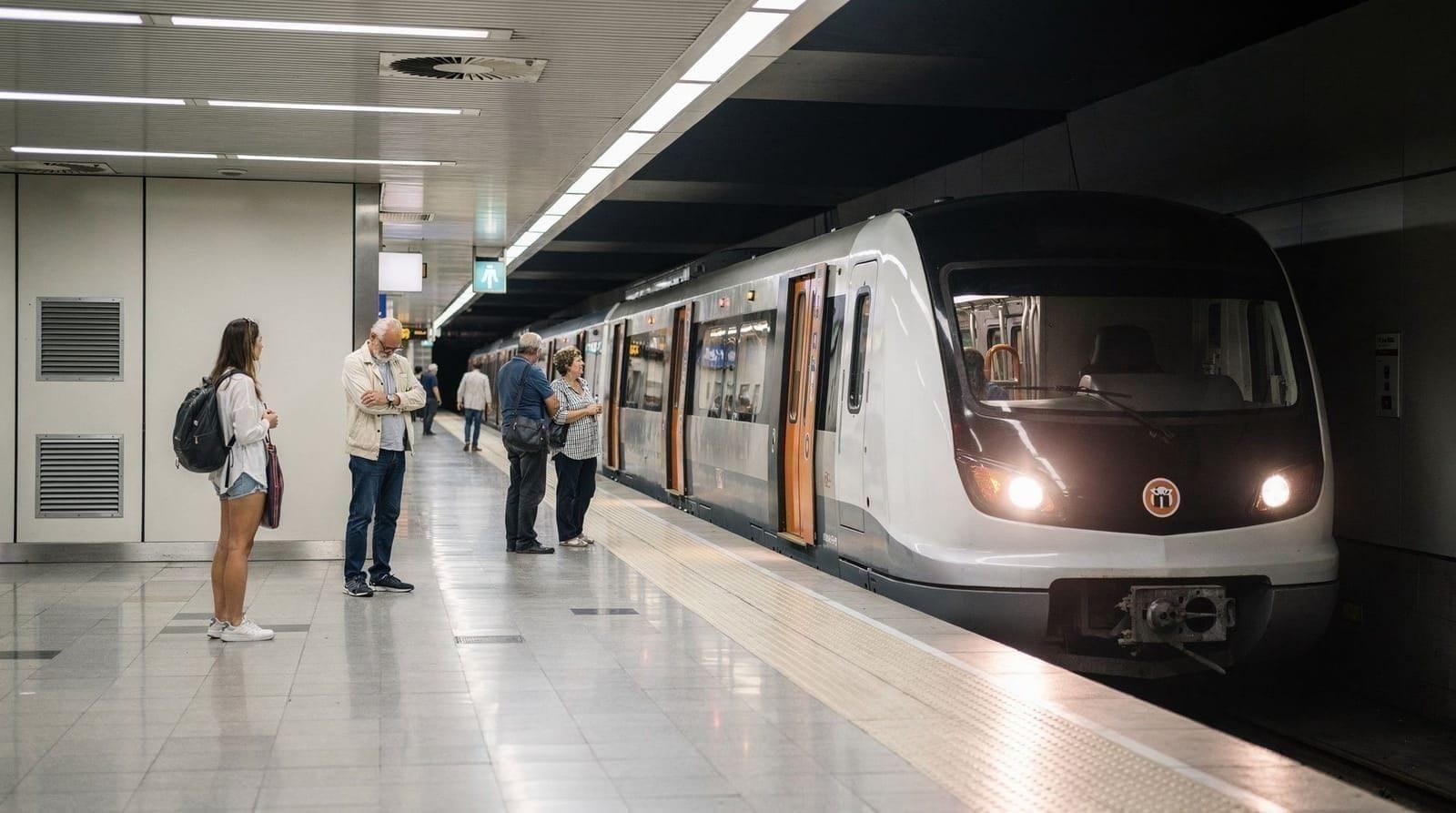
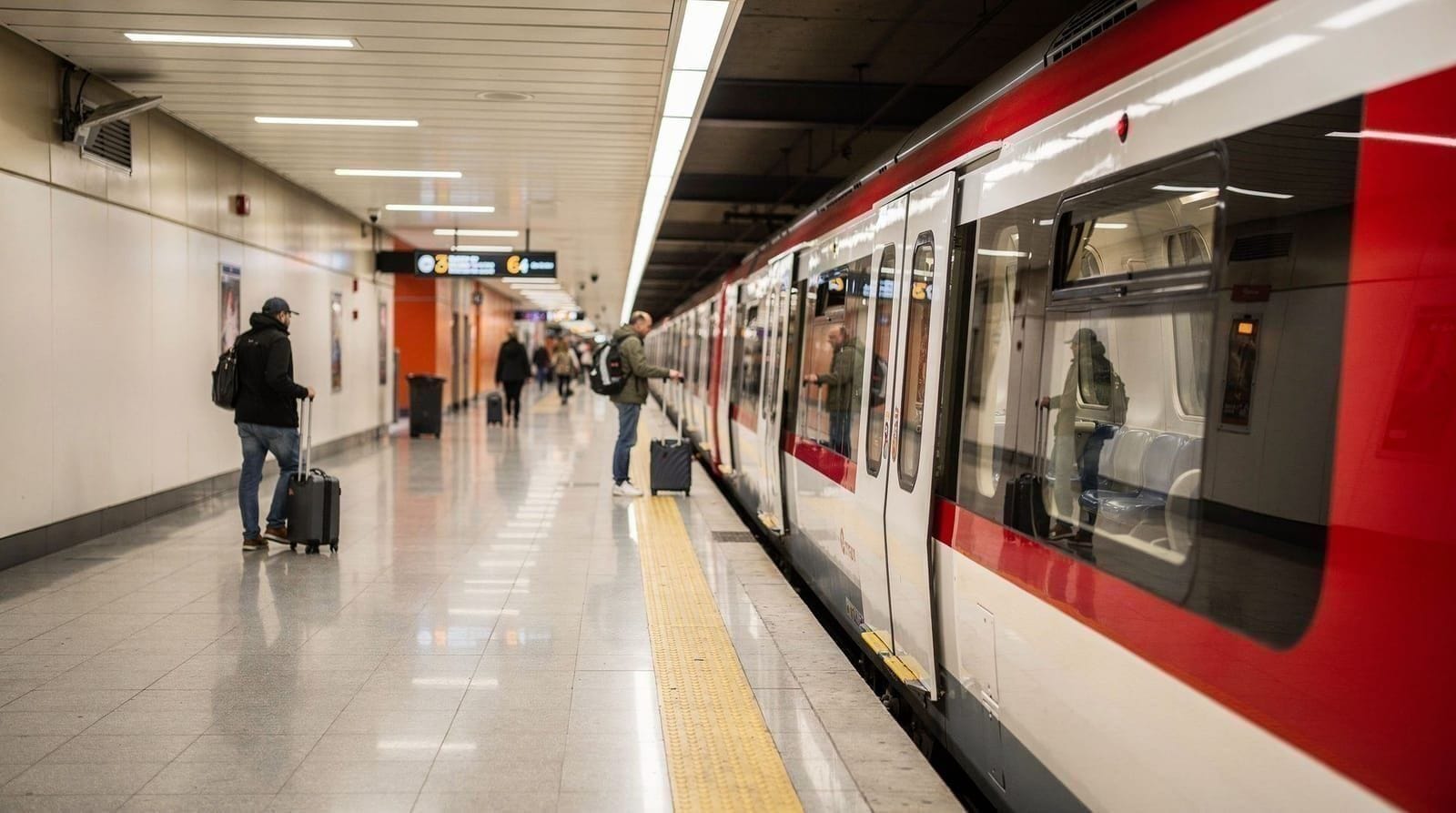
Where to use: All metro and tram lines (L1–L10), all EMT city buses, certain metropolitan buses (look for the Mobilis logo on the vehicle).
What to load onto the Mobilis card
SUMA 10 (10-trip ticket, formerly Bono 10)
The SUMA 10 is the best-value option for most visitors. You load 10 journeys onto the card, reducing the per-trip cost dramatically versus singles:
| Zone | Single ticket | SUMA 10 (per trip, 2026 price) | Saving per trip |
|---|---|---|---|
| Zone A (city centre) | €1.50 | €0.54 | €0.96 (64%) |
| Zone A+B (includes airport) | €2.80 | €0.75 | €2.05 (73%) |
Each SUMA 10 unit covers a journey, not a specific line or mode. The prices above are the 2026 prices (full price is €9.00 for zone A and €12.50 for A+B; the 40% reduction runs until 31 December 2026) — check metrovalencia.es for 2027 fares.
Loading: At any station machine, select “Cargar” (load), then choose SUMA 10, then select zone. Payment by card or cash.
Sharing: Multiple travellers can share a single SUMA 10 — each person validates the card separately at entry. This is convenient for couples; couples using one card will exhaust it in half the trips of a solo traveller.
SUMA T (24/48/72-hour passes)
The SUMA T1 is an unlimited pass for 24 hours from first validation (€4.50; SUMA T2 for 48 hours is €7.50 and T3 for 72 hours is €11.00), valid across zones A+B including the airport. Worth considering if you plan 9+ journeys in one day — a heavy sightseeing day involving multiple metro and bus trips could easily reach this threshold.
However, for most visitors with 1–2 trips per day in the city, the SUMA 10 provides better value over a stay of several days.
Zone coverage reminder
Most tourist activity in Valencia happens in Zone A: the historic centre, Russafa, Cabanyal, Ciudad de las Artes y las Ciencias, and the beach areas. The airport (VLC) is in Zone B — reaching it requires a Zone A+B ticket (€2.80 single or a loaded Zone A+B SUMA 10). If you have a Zone A-only SUMA 10 and try to pass through zone B, the card will prompt you to upgrade or purchase a separate airport ticket.
Valencia Tourist Card: an alternative worth considering
The Valencia Tourist Card (24h, 48h, or 72h) includes unlimited metro and EMT bus travel alongside discounts at attractions. It is worth the premium if you plan to visit several paid attractions (Oceanogràfic, Bioparc, Hemisfèric, museums) and use public transport 4+ times per day.
For a visitor who is primarily using the metro to get from A to B and visiting mainly free attractions (old town, Turia park, beaches, markets), the Mobilis with a SUMA 10 is almost certainly cheaper than the Tourist Card.
The Tourist Card is sold separately from the Mobilis — you use the Tourist Card directly at turnstiles without the Mobilis card.
Practical tips for using the Mobilis card
Tap in, tap out: On the metro, you validate both entering and exiting at turnstiles. On EMT buses, tap when boarding (there is no exit validation on buses). On the tram, validate at entry.
Check your balance: At any metro machine, insert or tap your card and select “Consulta de saldo” (balance check) to see remaining trips. The machines display your SUMA 10 units remaining.
Top up before you run out: There is no automatic reload. If your card runs empty mid-journey, you will need to purchase a single ticket or top up before passing the turnstile.
Keep the card safe: Unlike a London Oyster card, you cannot currently register a Mobilis card online for loss protection. If you lose it, the remaining balance is lost. Keep it somewhere secure.
Card validity: The Mobilis card itself does not expire quickly, but loaded fare products may have validity windows. SUMA 10 trips, once loaded, are valid indefinitely — you will not lose them if you return to Valencia a year later with trips remaining.
What the Mobilis card does not cover
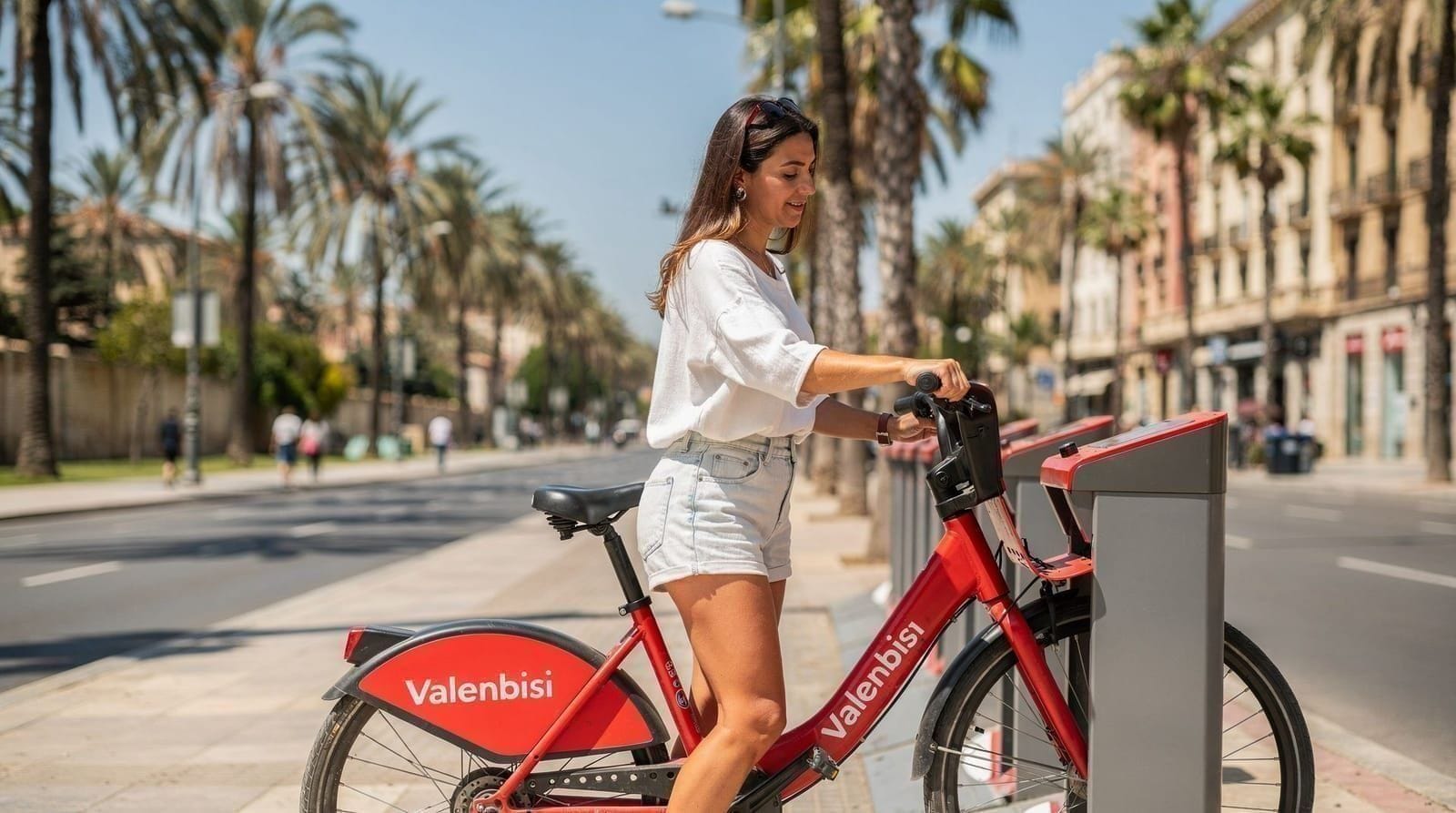
- Valenbisi bikes: Separate subscription; no integration with Mobilis (as of 2026) — see the Valenbisi guide for how the bike-share system works on its own.
- Cercanías trains (Renfe): These suburban trains to day-trip destinations (Xàtiva, Sagunto, Gandia, etc.) require separate Renfe tickets, purchased at Renfe machines. The Valencia Tourist Card does include Cercanías — one argument in its favour for day-trippers. See the day trips by train guide for routes and timing.
- Long-distance AVE trains: Entirely separate Renfe booking
- Taxi and rideshare: Pay in-app or by card directly. If you’d rather not deal with any of this and are visiting for a short trip, car rental for day trips is worth comparing against public transport for cost and convenience.
Comparing your options: summary
| Option | Best for | Cost | Notes |
|---|---|---|---|
| Single ticket | Occasional metro use (1-2 trips) | €1.50/trip (zone A) | Card not included in price |
| Mobilis + SUMA 10 | Regular metro/bus use | €1.10 card + €5.40/10 trips (2026) | Best daily value |
| SUMA T1 (24 h) | Heavy single-day use | €4.50 | Unlimited metro+bus, zones A+B |
| Valencia Tourist Card | Attractions + heavy transit | €17–30 | Includes Cercanías |
Frequently asked questions about the Mobilis card
Can I load money directly onto the Mobilis card?
The Mobilis card loads fare products (SUMA 10, SUMA T, etc.), not monetary credit. There is no “pay as you go” credit system as with the Oyster card — you must choose a product to load.
Do I need a Mobilis card for just one day?
For a single day with a couple of metro trips, single tickets are simpler — no card issuance fee, no need to queue at the machine to load a product. The Mobilis becomes worthwhile from day 2 onward.
Is there a student or resident discount?
Reduced and free fares exist for local residents, but they require local registration and are not available to tourists. See the official site, metrovalencia.es, for current conditions.
Can I use the Mobilis card at Valencia Airport?
Yes, but the airport is in Zone B. Load the Zone A+B SUMA 10 (€7.50 for 10 trips in 2026) if you plan multiple airport trips, or buy a single Zone A+B ticket (€2.80) for a one-off airport journey. Loading both zone products on the same card is possible.
What is the SUMA card?
You may see references to the “SUMA” card or “Tarjeta SUMA” — this is the same Mobilis card rebranded at various points in Valencia’s transport integration history. If you have an older card from a previous visit labelled SUMA, it still works on the current network.
Using the Mobilis card for beach and day-trip transport
One practical scenario worth spelling out: combining the Mobilis card for the metro leg of a day trip to the beach.
Example journey — Russafa to Malvarrosa beach:
- Walk from your hotel to Xàtiva or Colón metro station (5–10 min)
- Metro L5 from Colón to Marítim-Serreria (tap Mobilis at entry, 4 stops, ~8 min)
- Walk along the Turia mouth to the beach promenade (15 min), or continue on L4 tram to Neptú (tap again; metro and tram transfers are covered within a time window, 90 minutes within one zone)
- Return by same route
At €0.54 a unit in 2026, even a beach-focused stay with two round trips a day costs a fraction of single tickets.
For Albufera day trips: The Mobilis card covers the EMT bus 24/25 from the Neptú stop area to El Palmar in the Albufera. A single bus journey uses one SUMA 10 unit (€0.54 in 2026), so the return trip to the Albufera costs about €1.08, versus €2.00 for a single EMT ticket bought on board. The Mobilis extends seamlessly to buses — no separate product needed. For the fuller logistics of visiting, see the Albufera day trip guide.
Mobilis card versus Valencia Tourist Card: the honest comparison
This comparison comes up frequently because both options cover public transport, but they target different types of visitor.
Choose the Mobilis card with SUMA 10 if:
- Your stay is 4+ days
- You will use public transport 2–4 times per day
- Most attractions you plan to visit are free (old town, Turia park, markets, beaches)
- You prefer paying only for what you use
Choose the Valencia Tourist Card if:
- Your stay is 1–3 days in the city
- You plan to visit multiple paid attractions (Oceanogràfic, Bioparc, Hemisfèric, science museum) in quick succession
- You want the convenience of one payment covering transport and attractions
- You plan more than 5 public transport journeys per day
The Tourist Card’s transport benefit only pays for itself on an intense sightseeing day, which is unusual for most visitors. For mixed itineraries (some paid attractions, lots of walking), calculate both options against your specific plans before purchasing. See how many days you need in Valencia and the getting around by metro and EMT guide for the wider transport picture before deciding.
Valencia Tourist Card (24h/48h/72h) — transport plus attraction discounts Valencia Tourist Card 7 days — for longer stays combining transport and sightseeingWhere the card takes you
Once the card is in your pocket, the metro and bus network opens up most of what a first visit involves. The City of Arts and Sciences is an easy ride from the centre, and the Oceanogràfic sits in the same complex, so a day there pairs naturally with a few metro trips. For a quieter morning, the Turia gardens run through the city and are reachable on foot from several stations.
If you are still choosing where to base yourself, the guide to where to stay in Valencia helps you pick a neighbourhood close to a metro stop, which makes the SUMA 10 go further. And for the beach days described above, the Malvarrosa beach guide covers what to expect once you step off the tram.
Refunding or returning the Mobilis card
If you have remaining SUMA 10 trips at the end of your stay, the card is valid for future visits — there is no expiry on loaded units. Returning the card for a refund of unused trips requires visiting a Metrovalencia service window (Colón, Xàtiva, Àngel Guimerà stations have staffed windows) and the process is slow. For most visitors, keeping the card for a return trip is simpler.
The card fee is not refunded regardless of when you stop using the card.
Connectivity and transport apps to use alongside the Mobilis card
The Mobilis card handles the payment side, but planning your journey in Valencia is best done with:
- Metrovalencia app (official): Real-time metro timetables, disruption alerts, line status. Best for confirming departure times.
- EMT Valencia app: Real-time bus tracking — see exactly where the next bus is on the map. Essential for routes with 20-minute headways.
- Google Maps: Works reliably for Valencia public transport, including real-time arrival data for both metro and buses. The most useful all-in-one navigation tool.
- Valenbisi app: If combining metro with city bikes, this shows real-time station occupancy for both bikes and empty docks.
The combination of a loaded Mobilis card and the Google Maps navigation interface gives you near-complete coverage of Valencia’s public transport network without needing to queue at station machines or deal with paper tickets for any city journey. The only exception is the airport arrival, where you’ll need to buy your first Mobilis card and SUMA 10 load at the airport station machine.
Common Mobilis card scenarios for visitors
Scenario 1: 3-night city break, mostly walking, metro for airport
- Buy card at airport (€1.10), load single Zone A+B ticket (€2.80) for airport to centre
- At hotel area station, buy SUMA 10 Zone A (€5.40) — 10 trips for city use
- Return to airport: single Zone A+B (€2.80)
- Total transport cost: ~€12.10 for the whole trip (2026 prices)
Scenario 2: 7-night stay with beach days and city sightseeing
- Buy Mobilis at airport, load Zone A+B SUMA 10 (€7.50)
- Uses 2 airport trips (arrival and departure) plus 8 city zone trips
- Load second Zone A SUMA 10 (€5.40) when needed
- Total: ~€14.00 for unlimited city transit plus airport
Scenario 3: Families with 2 adults and 2 children
- Children under 10 ride free on Metrovalencia when accompanied by an adult (maximum 2 children per adult)
- Two adults sharing one SUMA 10: each validates separately, card depleted at double rate
- Buy two separate SUMA 10 cards for two adults (€5.40 each in 2026) for simplicity
- Total for 2 adults: about €11 for two SUMA 10 plus card fees, topped up as needed
Note on child fares: For anything beyond the free under-10 rule, see the child fare conditions on the official site, metrovalencia.es, or ask at a staffed information window.
What happens when your SUMA 10 runs out mid-journey
If you tap in at the metro turnstile and your SUMA 10 is empty (or doesn’t have enough units for the zone), the turnstile will reject the card and display an error. You need to:
- Step aside from the turnstile
- Go to the nearest ticket machine
- Load more SUMA 10 units (or purchase a single)
- Return and tap through
You cannot tap out at the exit turnstile on a zero-balance card — if you somehow got through entry with the last unit and have zero left, the exit turnstile may not open. Alert the metro staff via the intercom button or by going to the staffed gate. Fare inspectors are also present on platforms and will see the zero balance — showing them the empty card and explaining the situation typically results in guidance to top up rather than a fine.
The practical lesson: keep 2–3 units in reserve by topping up when you reach 3 remaining units. The card display at the exit turnstile shows remaining units after each journey.