How many days do you need in Valencia?
Valencia: essentials and World Heritage sites walking tour
How many days should you spend in Valencia?
Two full days cover the essential highlights — old town, City of Arts and Sciences, and a beach visit. Three days is the comfortable sweet spot, adding Albufera or a day trip. Four to five days lets you explore neighbourhoods in depth and take two day trips. One day is only enough for a rushed overview.
Planning your Valencia stay: a realistic framework
Valencia is a city that rewards time. Unlike Barcelona or Madrid, it’s not a place where you need to race between blockbuster sights — the rhythm is slower, the distances manageable, and the best experiences (a long paella lunch, an evening walk through El Carmen, a sunset over Albufera) don’t fit into a sprint itinerary.
That said, Valencia is compact enough that two focused days genuinely cover the highlights most people want to see. The question is how comfortably you want to cover them.
This guide breaks down what’s realistic for each stay length — not a list of everything you could possibly do, but an honest picture of what a normal visitor with normal energy can fit in.
| Days | You’ll cover | Pace |
|---|---|---|
| 1 day | Old town highlights + City of Arts exterior | Rushed |
| 2 days | Old town + City of Arts + one beach | Brisk |
| 3 days | + Albufera or Xàtiva day trip | Comfortable |
| 4-5 days | + a second day trip + neighbourhoods | Relaxed |
| 6+ days | + inland towns (Morella, Montanejos, Gandia) | Deep dive |
One day in Valencia: a rushed overview
One day works as a layover, a cruise port stop, or a day trip from Madrid or Barcelona. It’s not enough to understand the city.
Realistic one-day route:
Morning: Arrive in the old town, walk through Mercado Central (arrive before 11:00 — it closes at 15:00), browse the stalls, eat breakfast at one of the market bars. Walk to the Cathedral and climb the Micalet tower (Torre del Micalet) for city views — €3, worth it for orientation. Walk through the Llotja de la Seda if it’s open.
Afternoon: Metro or bus to the City of Arts and Sciences (line 5, Marítim-Serreria station). Walk the futuristic complex — the exterior alone is free and impressive. Visit the Hemisfèric or Science Museum if time allows.
Evening: Bus or metro back, or a 30-minute walk through Turia Gardens.
What you miss: Albufera, Russafa, beach, El Cabanyal, any unhurried eating experience. With one day, you’re ticking boxes rather than experiencing the city.
Two days: the minimum for a genuine visit
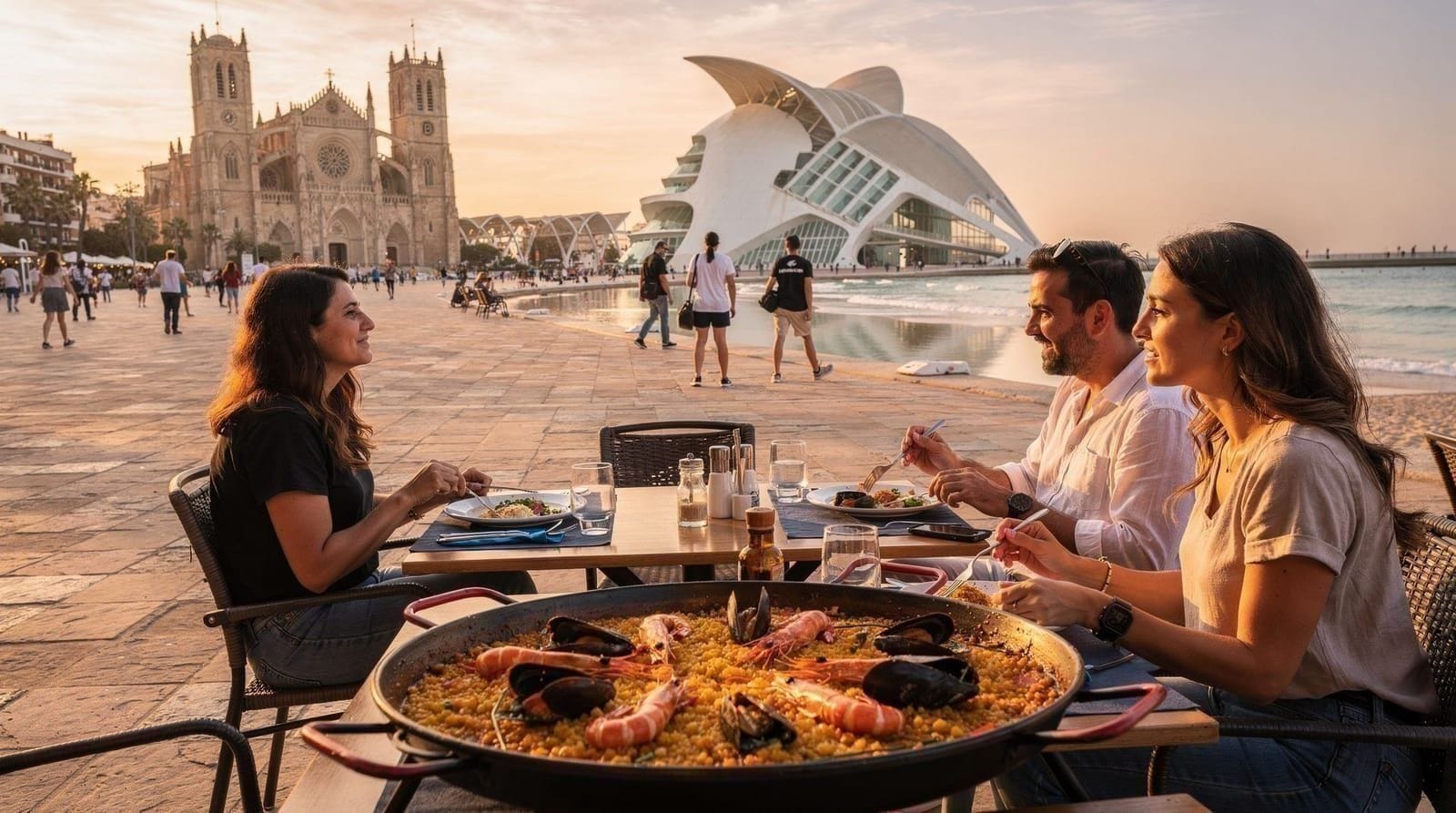
Two days let you see the city’s two distinct personalities — the layered medieval old town and the futuristic Ciudad de las Artes y las Ciencias — plus a beach visit.
Day 1 — Old town and markets:
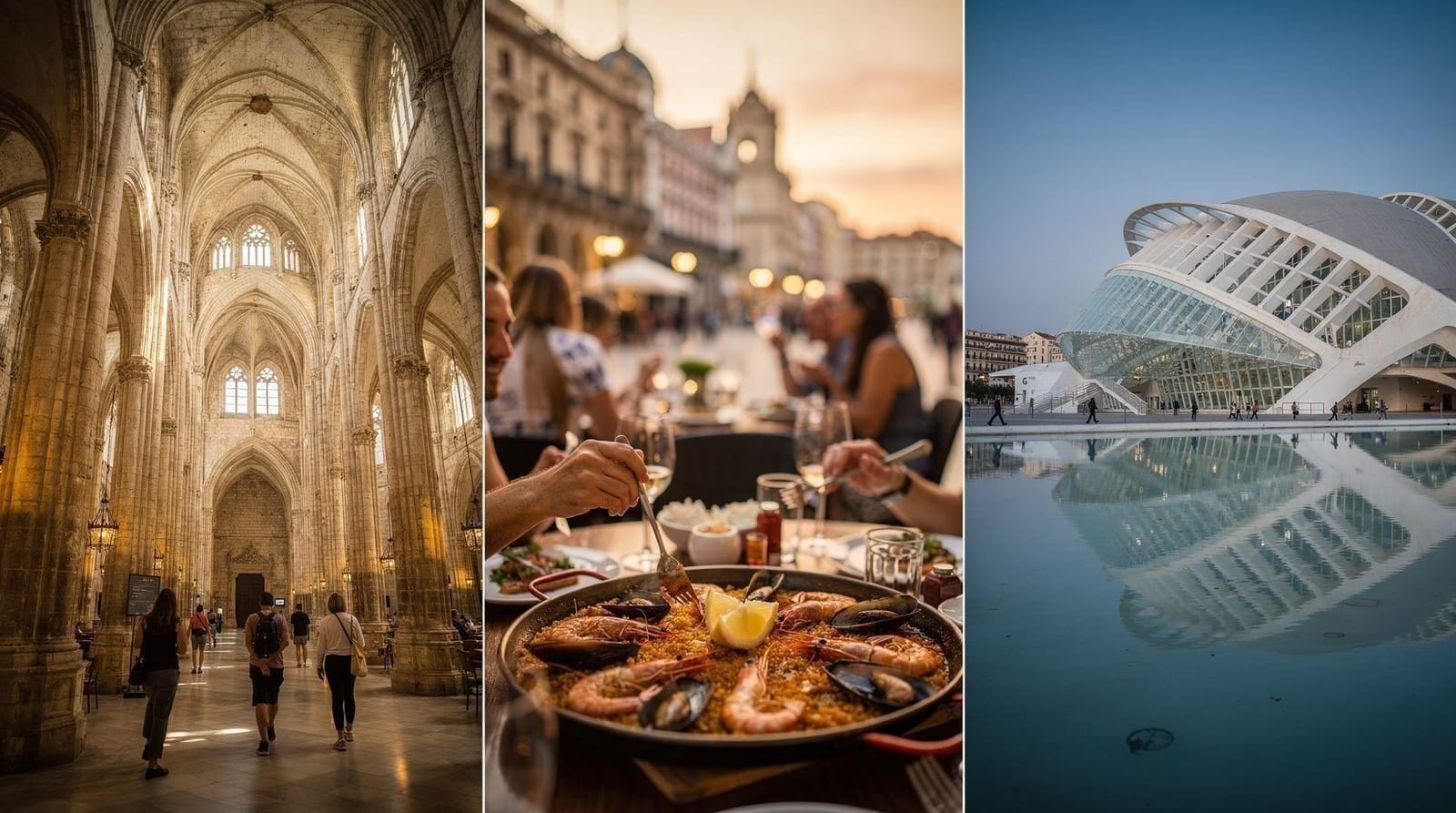
Start at Mercado Central (open until 15:00, Mon–Sat). This is Spain’s largest covered market and genuinely one of Europe’s best. Spend an hour here — taste horchata, pick up a lunch snack, watch the stalls. Walk from there to the Cathedral (€12 for the interior; the Micalet tower is a separate €3 ticket). El Carmen is best explored on foot — the neighbourhood north of the Cathedral has the densest concentration of street art, independent bars, and medieval architecture.
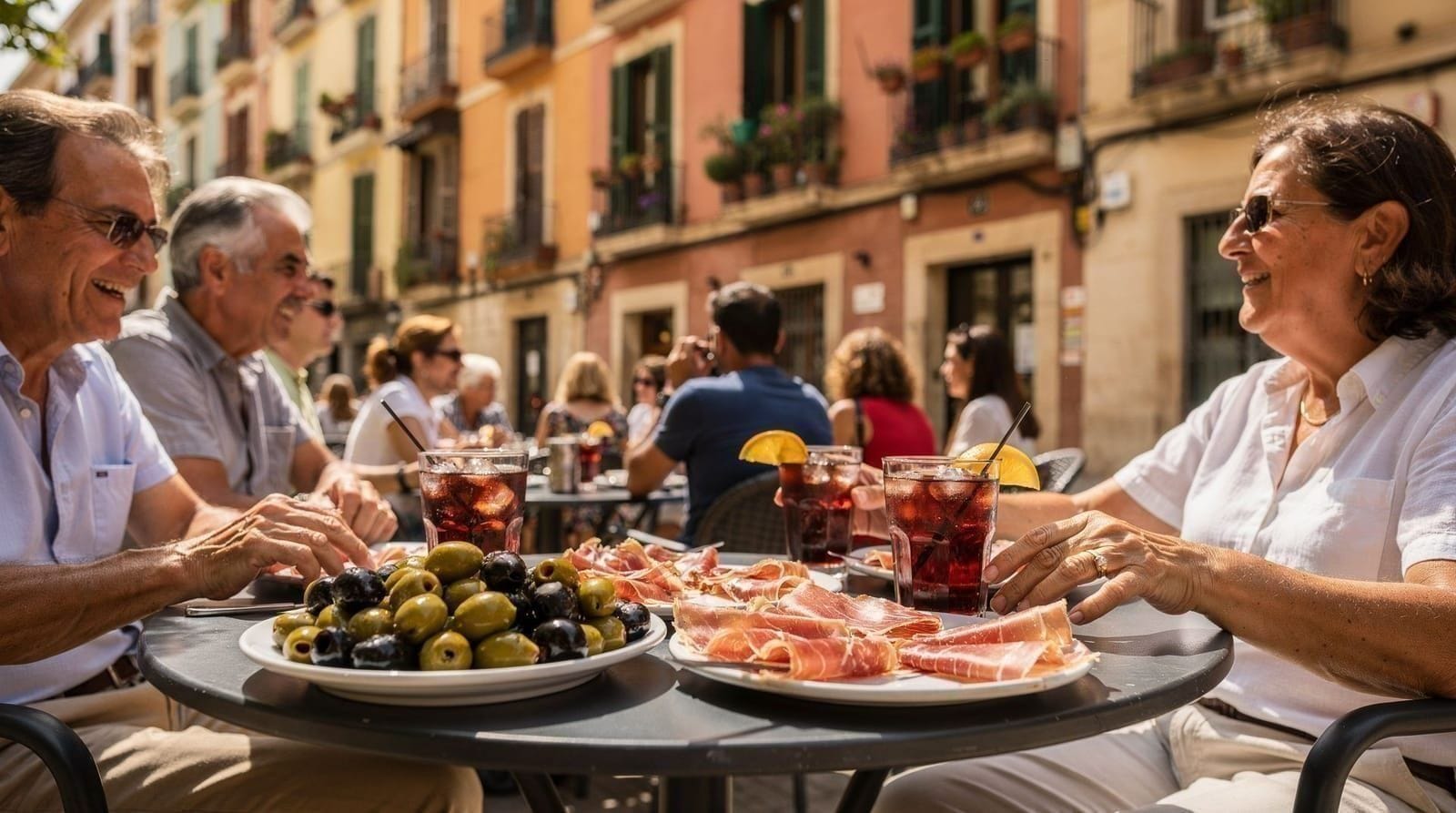
Afternoon: Walk or bike south along the Turia Gardens riverbed to Russafa (Ruzafa). This former working-class neighbourhood is now Valencia’s food and culture hub — the best coffee shops, vermouth bars, and restaurants are here. For an honest guide to the local food scene, see how to eat like a local.
For visitors who want an oriented first walk rather than figuring out the old town alone, a guided introduction can save time on a short trip:
Valencia essentials: world heritage walking tourDay 2 — City of Arts and beaches:
Morning: City of Arts and Sciences. The Oceanogràfic alone needs 3 hours minimum — it’s Europe’s largest aquarium, and genuinely spectacular for all ages. The Hemisfèric shows run approximately every hour. The Science Museum can fill another 2 hours. If you’re doing all three, book in advance and arrive at opening (10:00). The City of Arts full-day combined ticket is usually the best value for multiple venues.
If you would rather not queue, you can reserve entry to the aquarium ahead of time, and anyone planning to see several venues in one go can look at a single ticket covering the aquarium, the planetarium-style dome and the science museum. Our Oceanogràfic guide, the Hemisfèric guide and the Science Museum guide say which of the three suits your group best.
Afternoon: Head to Malvarrosa beach (tram from Torres Serranos, or bus 31/32 from the city centre — about 20 minutes). The beach is wide, clean, and busy in summer. For food near the beach, the area immediately behind the front (not the beachfront restaurants, which charge tourist prices) has better-value options. Agua de Valencia is sold on every terrace — read our honest take before ordering.
Three days: the sweet spot
Three days is where Valencia really makes sense. You have time to linger over a paella lunch, take a half-day trip to Albufera, and explore one or two neighbourhoods properly.
Day 1 — Old town, Mercado Central, El Carmen: As above — the old town circuit is best done first to get oriented.
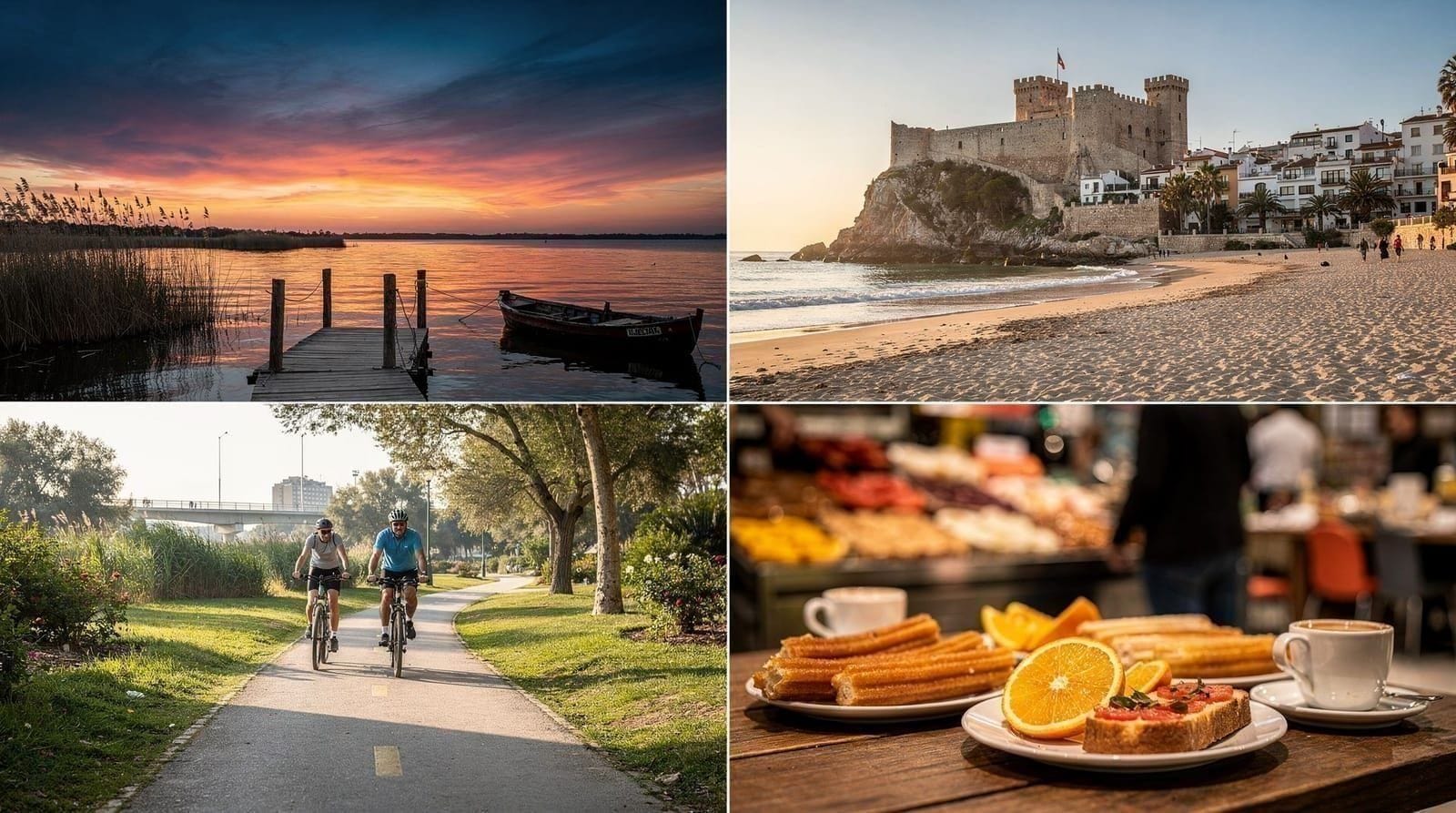
Day 2 — City of Arts and Sciences, Turia Gardens: City of Arts in the morning, walk back through the Turia riverbed park in the afternoon. The Turia Gardens are a converted dried riverbed running 9 km through the city — flat, wide, and full of cyclists, families, and joggers. Cycling the Turia is one of the best free activities in Valencia.
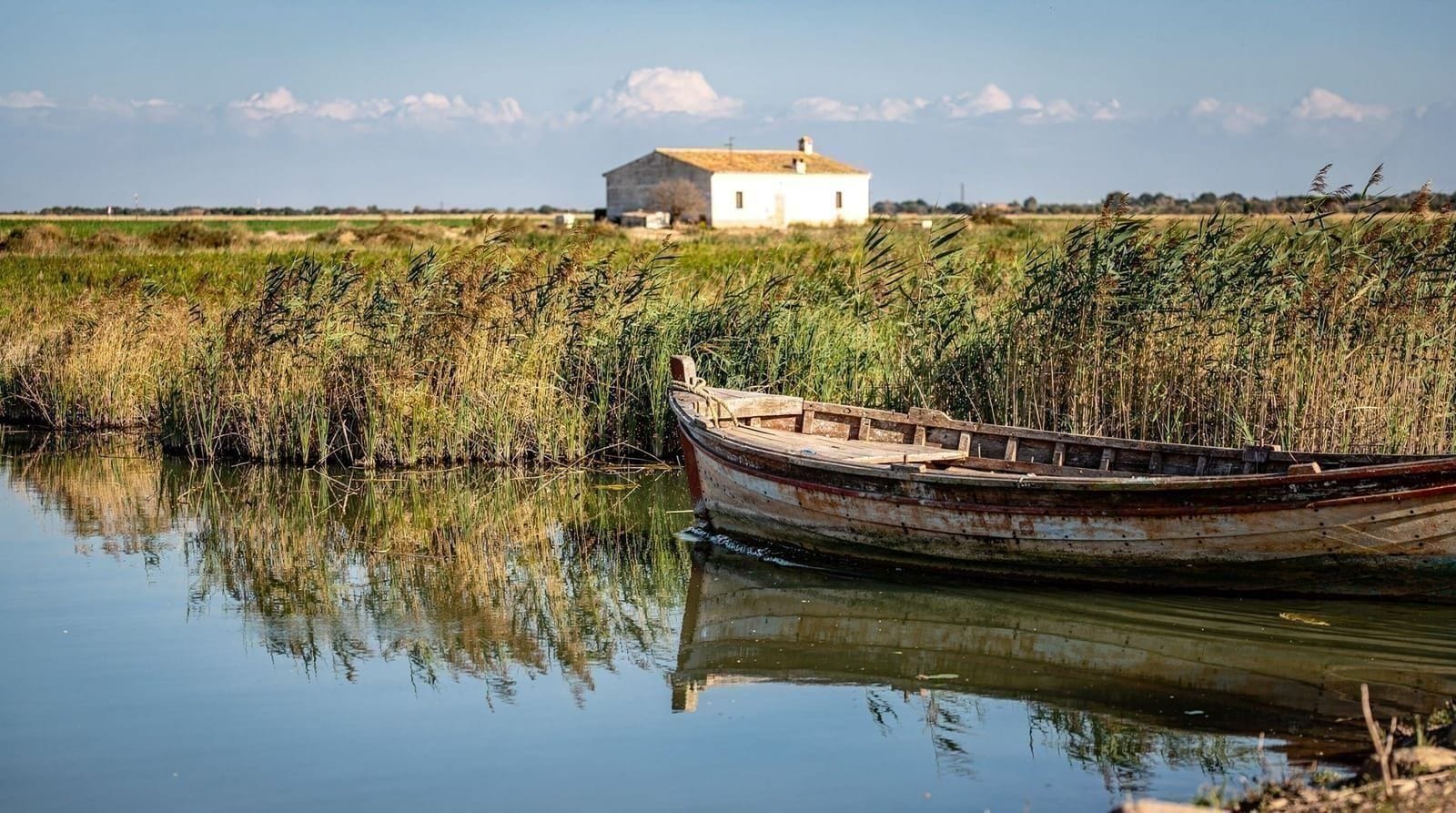
Day 3 — Albufera natural park: The Albufera is the wetland lake south of Valencia where traditional Valencian paella was born. A half-day excursion (afternoon departure recommended) includes a boat ride on the lake and ideally a paella lunch in El Palmar village. The classic circuit: bus 24/25 from Valencia towards El Palmar, paella lunch at one of the village restaurants, then an organised sunset boat ride. Organised Albufera boat tours with paella and transport from Valencia are also available — see Albufera day trip for full options.
Alternatively, day 3 works perfectly for Xàtiva Castle — a 30-minute AVE train south, one of the best-preserved hilltop castles in Spain, and completely manageable as a day trip. Full details at Xàtiva Castle day trip.
Four to five days: neighbourhoods and day trips
Four or five days opens up a second day trip and genuine neighbourhood exploration.
What to add on day 4:
- El Cabanyal — the former fishing village is now Valencia’s most interesting neighbourhood in transition, with striking modernista tiled facades, seafood restaurants, and a beach at the end of every street. Allow half a day minimum. The street art is exceptional.
- Peñíscola — a castle city perched on a rocky promontory, 1.5 hours north of Valencia. Used as a filming location for Game of Thrones. A full day is needed; organised tours are the easiest option without a car.
- Requena — the wine-producing region 70 km west. Train journey is about 1 hour, or take an organised wine tour. Underrated and almost entirely Spanish-tourist crowd (i.e. no tourist traps).
What to add on day 5:
- Bocairent — a medieval village in the mountains, only reachable by car or organised tour. One of the most visually striking villages in the Valencia region, and virtually unknown to non-Spanish visitors.
- Albufera at dawn — if you stayed late the first time, an early morning visit when the mist is on the water and the birds are active is completely different from an afternoon tourist outing.
- Benimaclet — Valencia’s “alternative” neighbourhood, university-heavy, with a Saturday market and a strong local bar scene. A half-day addition rather than a full day.
Valencia with a longer stay: 6+ days
If you have a week or more, Valencia functions well as a base for exploring the entire Valencia region:
- Morella — a medieval walled city in the mountains north of Valencia, 2.5 hours by car or bus. Extraordinary and rarely visited by non-Spanish tourists.
- Montanejos — thermal springs and swimming holes in a river gorge, about 90 minutes by car. Only practical with a vehicle.
- Gandia — 65 km south, a beach city with a historic old town (Borgia family palace). Day trip by train.
- Sagunto — Roman theatre and medieval castle, 25 km north. Easy half-day by train or car.
Traveling with kids: adjust the pace
Families need a different calculation than couples or solo travellers. A family itinerary for Valencia generally needs one extra day compared to the adult version above, because attractions like the Oceanogràfic and Bioparc genuinely take longer with children — expect 3-4 hours rather than 2, and factor in nap breaks or a hotel pool afternoon on hot days. The Turia Gardens, with its playgrounds and open space, works well as a low-effort afternoon that still counts as sightseeing. If you’re short on time, prioritise the City of Arts and Sciences and one beach day over a day trip — children get more out of hands-on attractions than a wetland boat ride or a hilltop castle.
How to choose your stay length
The simplest way to decide: list what you definitely want to see, then count the days. If your list includes the City of Arts, Albufera, the old town, and one day trip, that’s four days minimum at a relaxed pace.
For first-time visitors with limited time: three days is the minimum that lets you leave with a genuine sense of the city rather than a rushed highlight reel.
For families with children: add a buffer day. The Oceanogràfic alone will take longer than expected (the kids won’t want to leave), and family meals tend to run longer in Spain.
For travellers combining Valencia with other Spanish cities: Valencia sits almost exactly between Madrid and Barcelona — it’s a natural midpoint on the AVE high-speed rail corridor. Madrid to Valencia is 1 hour 55 minutes by AVE; Barcelona to Valencia is around 3 hours. Many visitors do Valencia as a 2-3 day stop on a longer Spain itinerary, which works well if you accept the brevity.
Matching your stay to travel style
Not every visitor wants the same mix of sights and downtime, so it’s worth adjusting the framework above to how you actually travel. Food-focused travellers should weight time toward Russafa and Mercado Central rather than adding a second museum-heavy day — a slower three days built around meals often beats a rushed four.
First-time-in-Spain travellers benefit from the classic three-day circuit exactly as outlined, since it hits the landmarks that anchor expectations (Cathedral, City of Arts, a beach afternoon). Repeat visitors or those who’ve already “done” the highlights get much more value from a fourth or fifth day spent on El Cabanyal street art, Russafa’s bar scene, or an early Albufera boat ride than from re-covering ground already seen.
Budget travellers can compress the itinerary slightly, since Valencia’s free attractions (Turia Gardens, the City of Arts exterior, El Carmen’s street art) carry a lot of the experience — see the Valencia on a budget guide for a fuller cost breakdown by stay length.
Weather and season as a factor in stay length
Stay length isn’t only about sights — Valencia’s climate changes how much you’ll want to do in a day. In July and August, midday heat above 30°C makes a packed two-day sightseeing sprint genuinely uncomfortable; visitors doing a short summer trip often do better spreading the same itinerary over three unhurried days with a beach afternoon as recovery time. Spring and autumn allow a brisker pace, since mild temperatures make walking between the old town and the Turia Gardens comfortable at any hour. Winter visitors can move quickly since there’s no heat to slow you down, but should check opening hours carefully, as some day-trip attractions and smaller museums reduce hours outside high season. For a month-by-month breakdown, see the best time to visit guide.
Where to read next once you have picked your length
Once you know how many days you have, a few pages help you turn the plan into a real trip. For a ready-made day-by-day plan, start with the three-day itinerary, the four-to-five-day itinerary or, for a short break, the first weekend plan. If you only have a single day, the one-day itinerary shows how to prioritise.
Getting around is easy once you have a base: the metro and EMT guide explains public transport, and the airport transfer guide covers your arrival. Choosing the right neighbourhood matters on a short stay, so read where to stay in Valencia and the best area for first-timers. If you plan to leave the city, compare the day trips by train with car rental for day trips before deciding how many extra days to add. And if sights beyond the headline ones appeal, the UNESCO sites guide and the Cathedral and Micalet guide are good additions to a slower stay.
Frequently asked questions about How many days do you need in Valencia?
Is 2 days enough for Valencia?
Two days covers the main highlights — El Carmen old town, the City of Arts and Sciences complex, Mercado Central, and Malvarrosa beach. You'll feel slightly rushed but leave having seen the city's signature sights. A 3-day stay is noticeably more comfortable.What can you do in Valencia in 3 days?
Three days is the classic sweet spot. Day 1 covers the old town (Cathedral, Llotja, Mercado Central, El Carmen). Day 2 tackles the City of Arts and Sciences (Oceanogràfic, Hemisfèric, Science Museum) and Turia Gardens. Day 3 works perfectly for an Albufera boat trip or a day trip to Xàtiva Castle. See /guides/valencia-3-days/ for a detailed itinerary.Is one day in Valencia enough?
One day is genuinely not enough. You can walk the old town, see the Cathedral exterior and Mercado Central in a morning, then reach the City of Arts and Sciences by afternoon — but it's rushed, and you'll miss the beach, neighbourhood atmosphere, and any day trips entirely. If you truly have only one day, treat it as a teaser rather than a complete visit.What is the best neighbourhood to base yourself in Valencia?
El Carmen (old town) puts you within walking distance of the Cathedral, Llotja, and Mercado Central. Russafa is better for food, nightlife and a younger atmosphere. The Eixample area is quieter and more residential. For beach access, El Cabanyal is a 20-minute bike ride to Malvarrosa. Most first-timers do well in El Carmen or near the Plaza del Ayuntamiento.How many days do you need for Valencia including day trips?
Add one day per day trip. Albufera fits into half a day but better as a full afternoon. Xàtiva Castle takes a full day by train. Peñíscola needs a full day by organised tour. Budget at least 4 days total to see Valencia city properly plus one meaningful day trip.Is Valencia worth more than one visit?
Yes — locals say the same. First visits tend to focus on the landmark circuit (City of Arts, Cathedral, Mercado Central). Return visitors explore El Cabanyal's street art, Ruzafa's restaurant scene, Albufera at dawn, and inland towns like Requena and Bocairent that rarely make first-trip itineraries.Is Valencia better than Barcelona?
Different, not better. Valencia is 15-25% cheaper, significantly less crowded, easier to navigate, and has better beaches closer to the city centre. Barcelona has more internationally famous architecture (Sagrada Família, Park Güell) and a larger overall food scene. Read the full Valencia vs Barcelona comparison for an honest side-by-side.Can you do Valencia as a day trip from Barcelona?
Technically yes — the AVE takes about 3 hours each way. That leaves 4-5 hours in Valencia, which is enough for a very compressed visit to the old town and City of Arts. In practice, the train journey and a hotel night make much better use of that time.What is the best base for exploring Valencia?
For most first-time visitors: El Carmen or the area around Plaza del Ayuntamiento. Both are walkable to the major sights, well served by public transport, and have a good mix of accommodation. For food-focused visitors, Russafa offers more interesting restaurant density. For beach access, El Cabanyal puts you 100 metres from the sand.How far in advance should you book Valencia hotels?
Normal season (March outside Fallas, May-June, Sept-Oct): 2-4 weeks in advance is fine. During Las Fallas (1-19 March) — book 3-6 months ahead and expect prices 2-3× higher. August is high tourist season with beach visitors; 1-2 months ahead for decent rates.Is Valencia safe for solo travellers?
Yes — Valencia is one of Spain's safest large cities. Standard urban precautions apply: watch your belongings on the metro during Fallas, at Malvarrosa beach in peak summer, and in Mercado Central. See the pickpocket and safe areas guide for specifics.