Pickpockets and safe areas in Valencia — honest safety guide
Valencia: Oceanogràfic ticket with immersive experience
Is Valencia safe from pickpockets?
Valencia is significantly safer than Barcelona's tourist zones for pickpocket incidents. The main risk areas are the metro during Las Fallas, crowded beaches at peak summer, and the Mercado Central tourist circuit. Standard precautions (front pockets, anti-theft bag, phone awareness) effectively reduce risk. Violent crime against tourists is rare. The city's residential neighbourhoods are genuinely safe to walk at any hour.
The honest safety picture
Valencia is a safe city by any objective measure. Its violent crime rates are low; tourists are not specifically targeted for robbery beyond the standard opportunistic pickpocketing that exists in any large European city. Nighttime safety in the old town and Russafa is good — these areas have active bar scenes that keep streets populated until late.
That said, pickpocket incidents do occur, and some situations concentrate risk significantly. This guide covers where, when, and how — without overstating the threat.
| Overall risk | Low — mostly opportunistic theft, not violent crime |
| Highest-risk period | Las Fallas (1–19 March) |
| Highest-risk spots | Mascletà crowds, Mercado Central circuit, crowded metro |
| Precaution cost | €0 — crossbody bag, front pockets, phone awareness |
| Emergency number | 112 (or 091 for Policía Nacional) |
Highest risk situations
Las Fallas (1-19 March)
The single highest-risk period for tourist theft in Valencia. The festival draws massive crowds — the streets of the old town are often so dense that normal walking pace becomes shuffling. Professional pickpockets work festivals specifically because the chaos and close physical contact create ideal conditions. The complete Las Fallas guide covers the schedule and what to expect beyond the safety picture.
What happens: Bag-dipping in the Mascletà crowd (Plaza del Ayuntamiento, 14:00 daily), phone snatching on crowded streets, and distraction theft (someone “spills” something on you while an accomplice reaches into your bag).
Practical steps:
- Use a crossbody bag with the bag in front of your body, not hanging at your side
- Use a phone lanyard during fireworks events and crowded street nights
- Back pockets are not safe — anything valuable in a back pocket will be extracted without you feeling it in a crowd this dense
- Keep essential cards and a small amount of cash in a front trouser pocket or money belt; leave your main wallet in your accommodation safe
- Be alert at the specific bottleneck moments: approaching the Mascletà site 30 minutes before 14:00, when crowd density peaks
Malvarrosa beach (July-August)
Beach theft in summer is a consistent problem. Unattended bags on the beach are an obvious target. The most common scenario: valuables left in bags/shoes while swimmers are in the water.
What happens: Bags and shoes left unattended while people swim are the primary target. Phone theft from beach bars — phones left face-up on tables while the owner is distracted.
Practical steps:
- Don’t leave anything valuable unattended on the beach
- If you’re swimming with a group, leave one person out of the water with the bags, in rotation
- Carry only what you need — leave your main wallet, extra cards, and passport in the hotel safe. A single credit card and enough cash for the day is sufficient
- Use a waterproof phone case with a neck strap for swimming (not a selfie-stick-style holder — a proper closed pouch)
- The Malvarrosa beachfront is better monitored in the mornings (beach police present until around 20:00); evening sessions have less official presence
Mercado Central and Cathedral tourist circuit
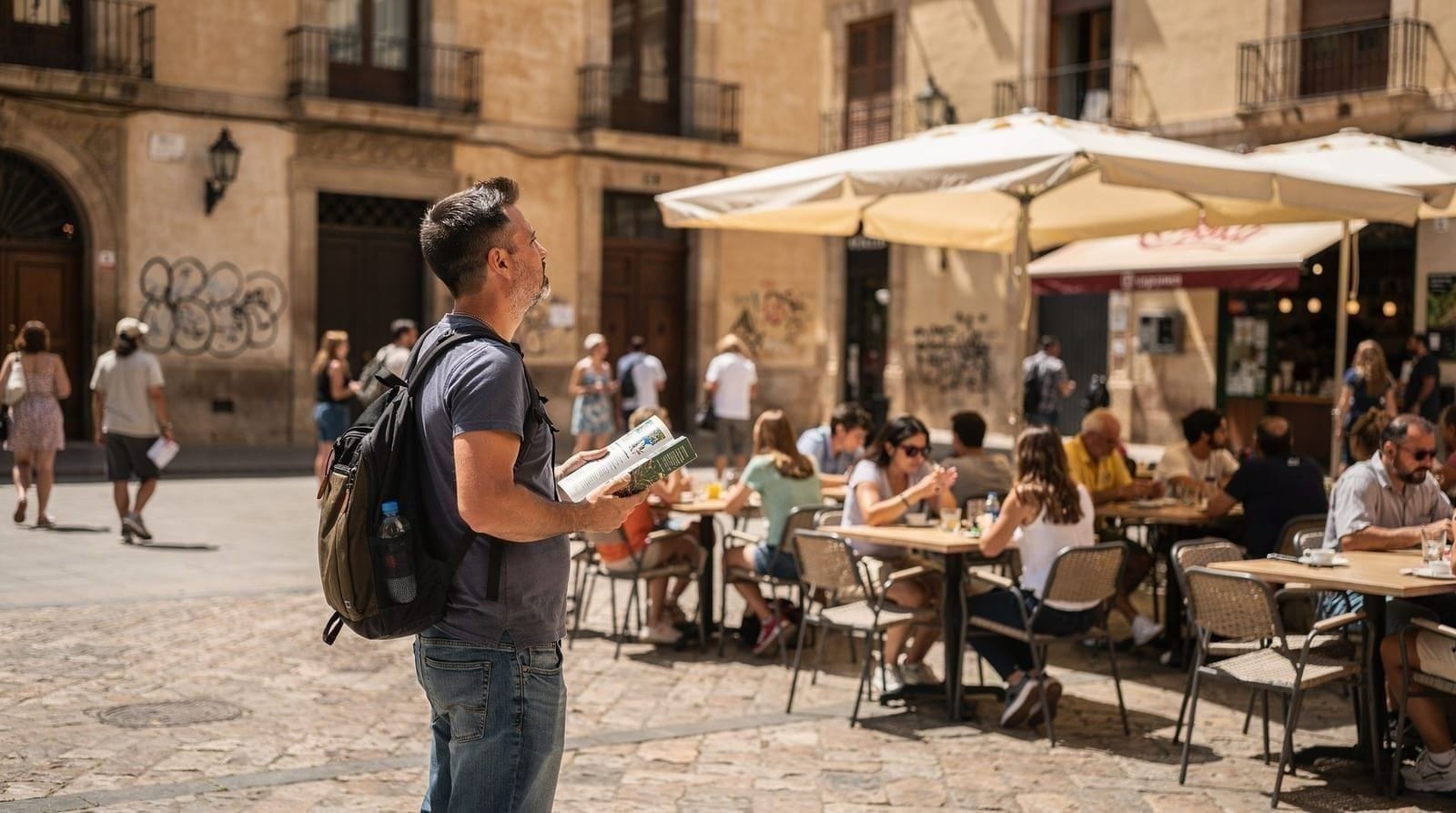
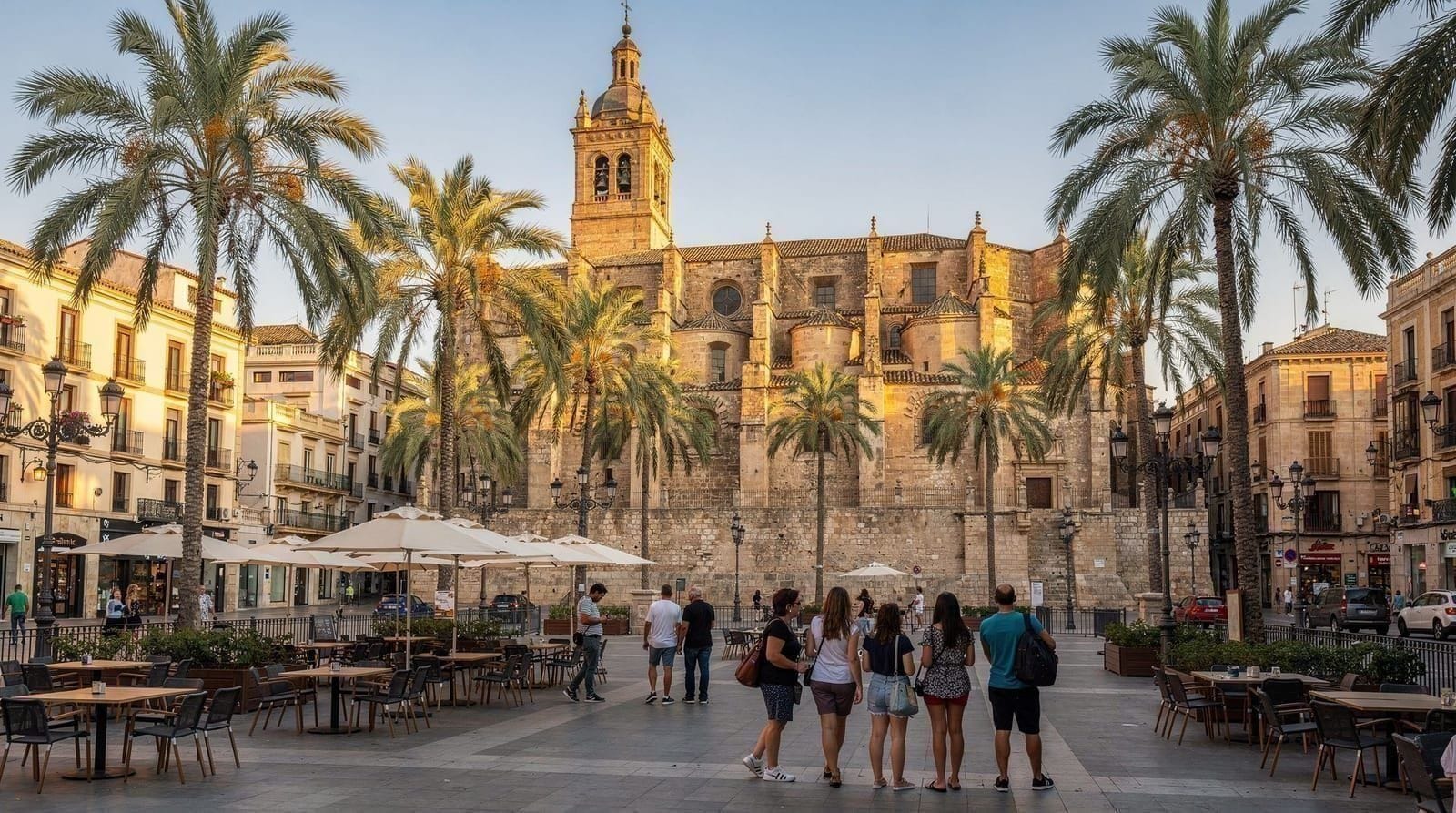
The area between Mercado Central and the Cathedral — specifically the internal streets around Calle de les Barques, Plaza de la Reina, and Calle de la Paz — has the highest density of casual tourist pickpocketing in the city outside of Fallas season.
What happens: Bag-dipping in crowded market stalls, distraction theft (someone asks for directions while an accomplice works the bag), and phone snatching from table areas on busy terraces.
Practical steps:
- At Mercado Central, keep your bag closed and in front of you while browsing
- Don’t put your phone face-up on a café table in this area — keep it in a pocket
- Watch for the “friendly stranger who approaches you” routine — a common distraction theft set-up
Timing your visit outside the festival’s most crowded days, or at least avoiding the densest Mascletà crowd moments, is a real option — see the best time to visit guide for how Fallas season compares to the rest of the year.
Valencia Metro (lines during peak Fallas period, line 5 on weekdays)
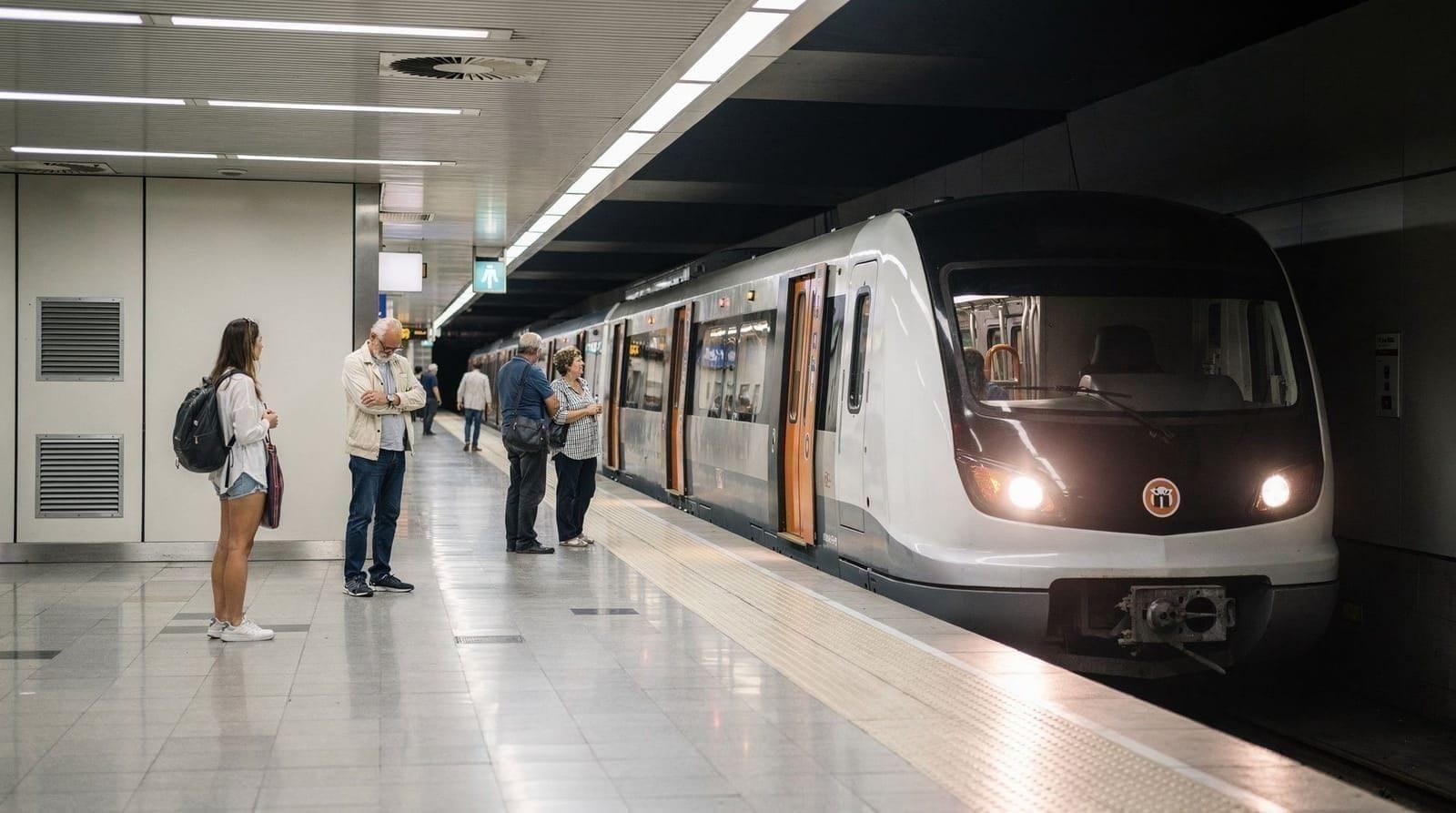
Metro pickpocketing during Fallas is concentrated on lines 1, 3, and 5, which feed the major Fallas zones. Outside of festival season, the metro is generally low-risk. See the getting around by metro and EMT bus guide for general navigation, fares and app tips beyond the safety angle.
What happens: Standard public transport pickpocketing — working in pairs, one creates distraction at entry/exit, the other takes from bags in the compressed doorway moment.
Practical steps:
- Be aware of the doorway moment — when the doors are about to close and people are rushing in or out, this is when distraction theft most commonly happens
- Messenger bags and backpacks are vulnerable from behind — wear the bag in front when the metro is crowded
- At busy festival-period stations, the platform itself is often where the attempt happens (bag is unzipped from behind in a standing crowd)
Low-risk situations and neighbourhoods
Russafa (Ruzafa): Valencia’s most rapidly gentrifying neighbourhood has very low tourist-pickpocket incidence. The local population density and the mix of visitors and residents creates normal urban vigilance. Perfectly safe at night — see the Russafa guide for what to do there beyond safety considerations.
El Cabanyal: The neighbourhood’s rough reputation is outdated. El Cabanyal has undergone significant regeneration over the past decade — the El Cabanyal guide covers the tiled architecture and market that make it worth the trip. Walking the neighbourhood during the day or evening is safe. The beach area directly adjacent to El Cabanyal is generally safer than the Malvarrosa main beachfront.
Turia Gardens (day and early evening): The park is extensively used by local families, cyclists, and joggers. Safe, monitored, and low risk for opportunistic theft. See the Turia Gardens guide for the full length of the park and what’s worth stopping for.
Benimaclet (university area): Student-populated neighbourhood with a local bar scene. Low risk for tourist-targeted theft. The Benimaclet guide has more on the neighbourhood’s character.
City of Arts and Sciences area: The open esplanade and modern complex has security presence and camera coverage. Low pickpocket risk. Full visiting details are in the City of Arts and Sciences guide.
Old town streets (away from main tourist circuit): The internal streets of El Carmen that are off the main tourist drag — Calle de la Beneficència, Calle de la Llibertat, the streets around Plaza de la Llibertat — have a neighbourhood feel and low theft incidents.
Sightseeing with less to worry about
Some of the calmest sightseeing in Valencia happens at the big ticketed attractions, where entrances are controlled, queues are orderly and you are usually carrying little more than a bag and a phone. If you want to spend a day without thinking much about your pockets, the City of Arts and Sciences complex is a good candidate. The Oceanogràfic guide and the honest verdict on whether it is worth it help you decide how much of the day to give it, and booking ahead, for example with an Oceanogràfic admission ticket, means less time standing in a line with your bag open at the till.
If you would rather cover several sights in one go, the Hemisfèric and the Science Museum sit on the same esplanade. A combined ticket for the Oceanogràfic, the Hemisfèric and the Science Museum keeps the logistics simple: one booking, one set of confirmations on your phone, and fewer moments fumbling for cards and cash in public. Families will find extra ideas in the Science Museum with kids guide.
A guided visit is another way to lower your guard safely. Someone who knows the site handles the route and the timing, and you can keep your attention on the architecture rather than your surroundings. A guided tour of the City of Arts and Sciences is one option; for the same reason, the free walking tours in the old town are useful on your first day, because the guides usually point out the busiest spots to watch your bag.
Small habits that work anywhere
- Keep tickets and booking confirmations saved offline on your phone so you are not scrolling in a crowded entrance.
- Use the Valenbisi bike-share guide if you cycle: lock the bike properly and never leave a bag in the front basket while you step away.
- If you are weighing a pass, the Valencia Tourist Card guide explains how it fits with a sightseeing day, and a single card means less cash changing hands.
- Look at the Mercado Central guide and the Cathedral and Miguelete guide before you go, so you know the layout and are not stopping to study a map in the middle of the busiest streets.
- On beach days, the Malvarrosa beach guide and the quiet beaches guide help you choose a spot with more space and less crowding around your things.
Risk by situation, at a glance
| Situation | Risk level | Main precaution |
|---|---|---|
| Las Fallas crowds (Mascletà, fireworks) | High | Crossbody bag in front, no back pockets |
| Malvarrosa beach, July–August | Moderate | Never leave bags unattended; rotate watch |
| Mercado Central / Cathedral circuit | Moderate | Bag closed and in front while browsing |
| Metro during Fallas | Moderate | Extra care at doorway moments |
| Russafa, El Cabanyal, Turia Gardens | Low | Standard urban awareness |
| Old town away from main circuit | Low | Standard urban awareness |
Violent crime: rare but worth knowing
Mugging (robbery with violence) targeting tourists is uncommon in Valencia. The city’s crime pattern is predominantly opportunistic theft (pickpocketing, bag-snatching) rather than confrontational robbery. The few incidents that occur tend to happen:
- Late at night in the outer districts of the old town near the underpass areas (not specifically tourist zones)
- Near ATMs, the classic anywhere-in-Spain risk — use bank ATMs in daylight and be aware of your surroundings
What to do if your bag is snatched: Don’t physically resist — the bag isn’t worth it. Report to Policía Nacional (central police station: Gran Via Germanies 46, or dial 091 for emergencies or 962 255 100 for non-urgent reporting). You’ll need a police report (denuncia) for insurance claims. The process takes 1-2 hours at the station.
Protecting your phone specifically
Phone theft in Valencia is opportunistic rather than systematic. The main risks:
- Phone in a back pocket, pickpocked on the metro
- Phone left on a café table, snatched by a passing person
- Phone taken from beach bag while swimming
- Distraction technique: someone films your screen password entry from behind, then takes the phone later
Practical setup before travel:
- Enable Find My (iPhone) or Find My Device (Android) before departing
- Set a strong PIN/biometric lock
- Note your phone’s IMEI number (found in settings under About) — required for police reports
- Back up photos to cloud storage daily — if the phone is stolen, you lose the hardware but not the memories
Official emergency contacts
- 112: European standard emergency number (police, ambulance, fire)
- 091: Policía Nacional (national police)
- 092: Policía Local (municipal police)
- Comisaría (police station) for tourist theft reports: Gran Via Germanies 46, Valencia city centre
- Lost/stolen card blocking: Your bank’s 24-hour number (save this before departing)
Frequently asked questions about safety in Valencia
Is Valencia safe for solo female travellers?
Yes. Valencia is considered a safe city for solo female travellers by European standards. The main city neighbourhoods — El Carmen, Russafa, Eixample, El Cabanyal — have active streets and good general safety. Standard urban precautions apply: stick to lit streets late at night, use official taxis rather than informal transport, be aware of your surroundings in crowded festival situations.
Is Valencia safe at night?
The tourist areas (El Carmen, Russafa, Plaza del Ayuntamiento surroundings) are active at night due to the bar and restaurant culture. Streets with active bars are effectively self-policing by pedestrian density. Areas that become quiet late at night (some outer districts) warrant the same caution you’d use in any European city. The metro runs until 00:00 most days, later on weekends — using it after midnight in non-festival periods is generally fine.
Are there any specific areas to avoid in Valencia?
No areas that tourists typically visit have genuinely dangerous reputations. The Malvarrosa area has had some drug-related issues in the early hours, but these don’t affect tourists visiting the beach during normal hours. Some urban renewal zones in the outer barrios (Orriols, Patraix) are working-class residential areas that aren’t tourist destinations and have no particular safety issue. The city doesn’t have a “no-go zone” for visitors by any reasonable measure.
How do I report a theft in Valencia?
Go to the Comisaría de Policía Nacional at Gran Via Germanies 46 in the city centre. Open 24 hours. You can also file a report online via the Policía Nacional website (policia.es) for non-violent thefts, which is faster and sufficient for insurance purposes. The denuncia (police report) is the required document for all insurance claims. Keep the report number and a copy.
Is Valencia safer than Barcelona?
For tourist-targeted pickpocketing: yes, significantly. Barcelona’s Las Ramblas, Gothic Quarter, and La Barceloneta beach have consistently higher reported tourist theft rates than Valencia’s equivalent zones. Valencia’s tourist circuit is smaller, less overwhelmed by volume, and has fewer professional theft gangs operating. This isn’t a statistical certainty — both cities have pickpocket incidents — but the everyday experience of vigilance required in Valencia is notably lower than in Barcelona’s tourist core.
Are scams a bigger risk than pickpocketing in Valencia?
For most visitors, tourist-menu overpricing and other soft scams are a more common annoyance than actual theft — see the tourist traps guide for the specific restaurant and street-vendor patterns to watch for. Neither category is a serious threat if you stay reasonably alert, but they are different problems: one costs you money through inflated prices, the other through theft.
Does the length of my trip change my risk?
Not meaningfully. Risk in Valencia is tied to specific situations (festival crowds, packed metro cars, unattended beach bags) rather than accumulating with time spent in the city. Whether you’re following a 3-day itinerary or staying two weeks, the same handful of precautions in this guide cover the realistic risk.