Best time to visit Valencia — month by month guide
Valencia: Las Fallas Festival guided tour
Duration: 2 hours
When is the best time to visit Valencia?
May, June, September, and October offer the best overall combination — warm weather (22-28°C), manageable crowds, and fair accommodation prices. Avoid August for heat and packed beaches. March is extraordinary if you want Las Fallas (but prices triple and accommodation books out months ahead). November through February is quiet, mild, and cheap.
Valencia’s climate: the basics
Valencia sits on the eastern coast of Spain, facing the Mediterranean. Its climate is classified as semi-arid Mediterranean — hot, dry summers; mild, occasionally wet winters; and two genuinely excellent shoulder seasons in spring and autumn.
Average temperatures by season:
- Winter (Dec-Feb): 8-16°C daytime, rarely below 4°C at night
- Spring (Mar-May): 14-22°C daytime, warming through the season
- Summer (Jun-Aug): 24-35°C daytime, humid nights in July-August
- Autumn (Sep-Nov): 16-28°C in September, cooling through November
Sea temperatures follow a similar pattern: too cool for casual swimming October-April (below 18°C from January-March), pleasant from May (19°C), ideal from June-September (22-28°C), still viable in early October (22-24°C).
How to use this guide
Think about what you want from the trip before you pick a month. A beach holiday, a food-focused city break, a festival trip and a quiet cultural escape point to different parts of the year, and Valencia handles all four. The sections below walk through each month, then close with advice on matching your priorities to a season, planning around weather, and building a flexible plan.
If you already know your dates, jump to the matching month. If you are still deciding, read the sections on priorities and trade-offs at the end first. For a longer look at each season, the dedicated guides cover Valencia in spring, Valencia in summer, Valencia in autumn and Valencia in winter.
Month-by-month breakdown
January
Weather: Cool, mostly dry. Daytime 12-14°C. Occasional rain. Some years have a “January thaw” with days reaching 18-20°C.
Crowds: Very low. The city returns to normal after the Christmas-New Year period. Accommodation is cheap.
Why go: Museum visits without queues, full local restaurant culture (no August closures), the city feels genuinely Spanish rather than tourist-focused. Oranges are being harvested in the fields around the city — the smell of orange blossoms begins in late January.
Events: Three Kings parade on January 5 (Cavalcada de Reis) is a big local event, colourful and attended by families citywide.
February
Weather: Mild to cool, 13-15°C. Valencia sometimes gets warm Saharan wind days with temperatures spiking to 20°C+.
Crowds: Low. Pre-Fallas season — the first falles sculptures begin appearing in the streets, giving an appetising hint of what’s coming in March.
Why go: Best accommodation prices of the year. Good for food and culture without weather constraints.
March — Las Fallas
Weather: 14-20°C, variable. Can be warm and sunny or cool and wet. Fallas crowds create their own micro-climate of noise, smoke, and energy.
Crowds: During Las Fallas (1-19 March): extreme. The old town is essentially pedestrianised by foot traffic. Accommodation sells out and prices are 2-3× normal.
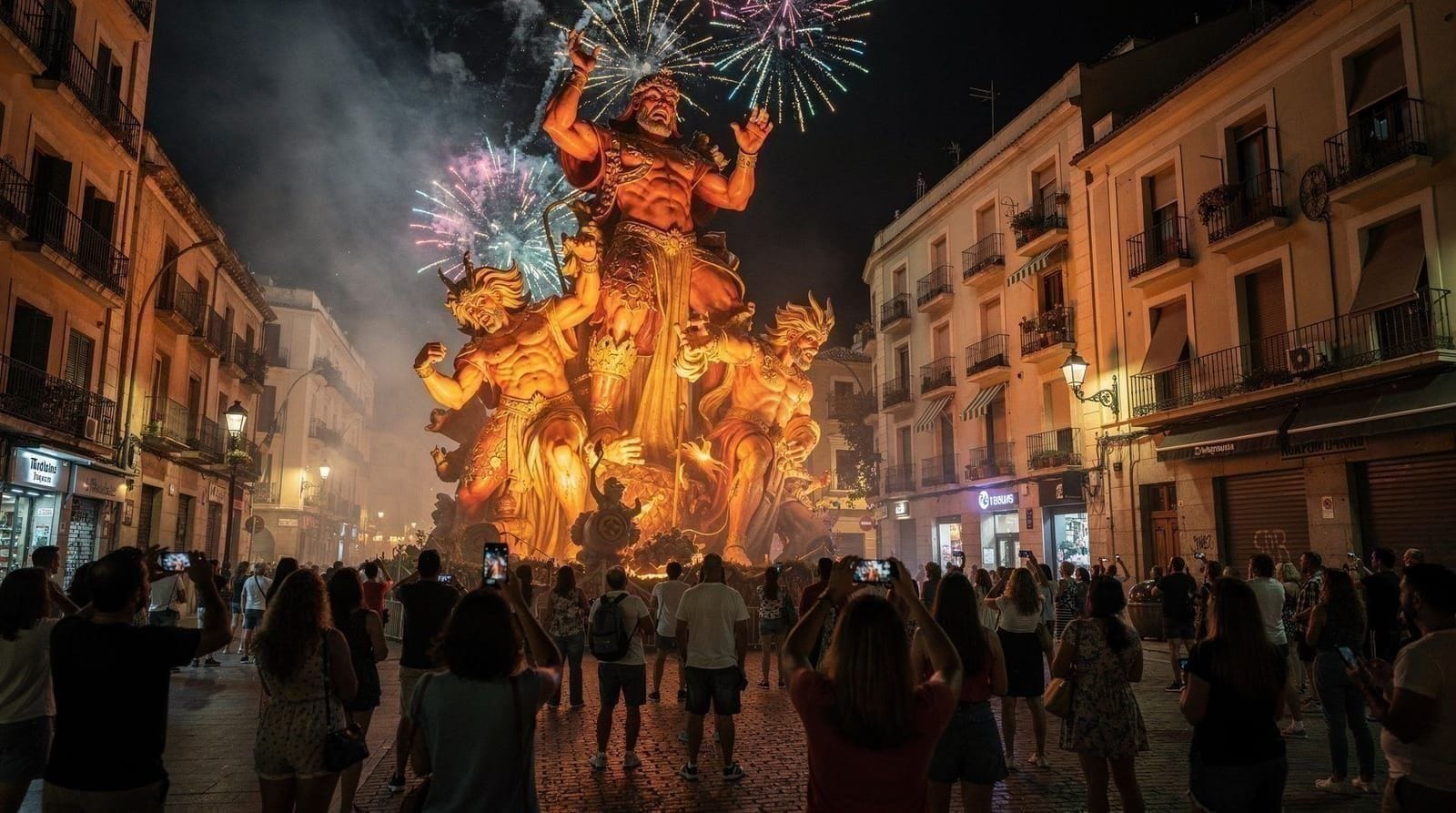
Las Fallas (1-19 March):
This is Valencia’s defining event — a UNESCO Intangible Cultural Heritage festival that fills 700+ streets with giant satirical sculptures (fallas), runs daily fireworks displays (the Mascletà at 14:00 in Plaza del Ayuntamiento is one of the loudest experiences in European festival culture), and culminates in the Nit del Foc on the night of 18-19 March when all but one sculpture is burned. The sound and spectacle are genuinely extraordinary.
What to know honestly: it’s extremely loud (earplugs recommended, especially for children), it runs on Spanish time (celebrations go past 03:00 most nights), and the accommodation situation requires planning well in advance. Full details at Las Fallas complete guide.
If you decide Fallas is for you, it helps to see the festival with someone who knows the routes. A guided walk through the Fallas festival explains the satire behind the sculptures and keeps you away from the worst of the crush. For the fireworks climax, read the Nit del Foc guide, and for the day-to-day programme see Fallas day by day. Where you sleep matters just as much, so check where to stay during Fallas before you book anything.
Outside Las Fallas dates in March: A perfectly normal month to visit. Quieter, good weather, lower prices.
April
Weather: 16-20°C, pleasant. Some rain. Easter week (Semana Santa) sees increased visitors, though less dramatically than Fallas.
Crowds: Moderate. Post-Fallas recovery; some accommodation deals as the crowds thin.
Events: Semana Santa Marinera in El Cabanyal — a more authentic, less tourist-heavy Easter procession than Seville’s famous version.
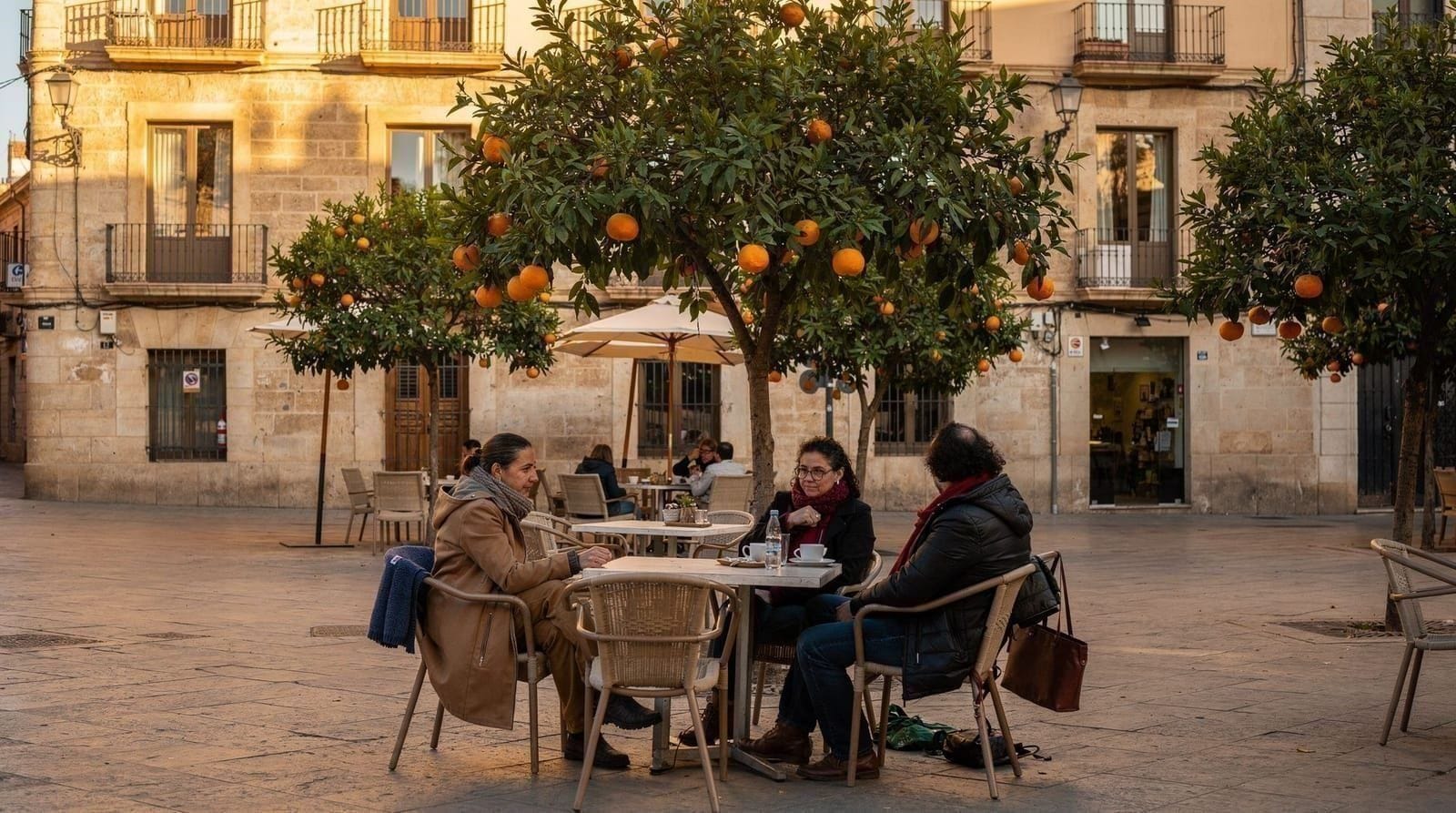
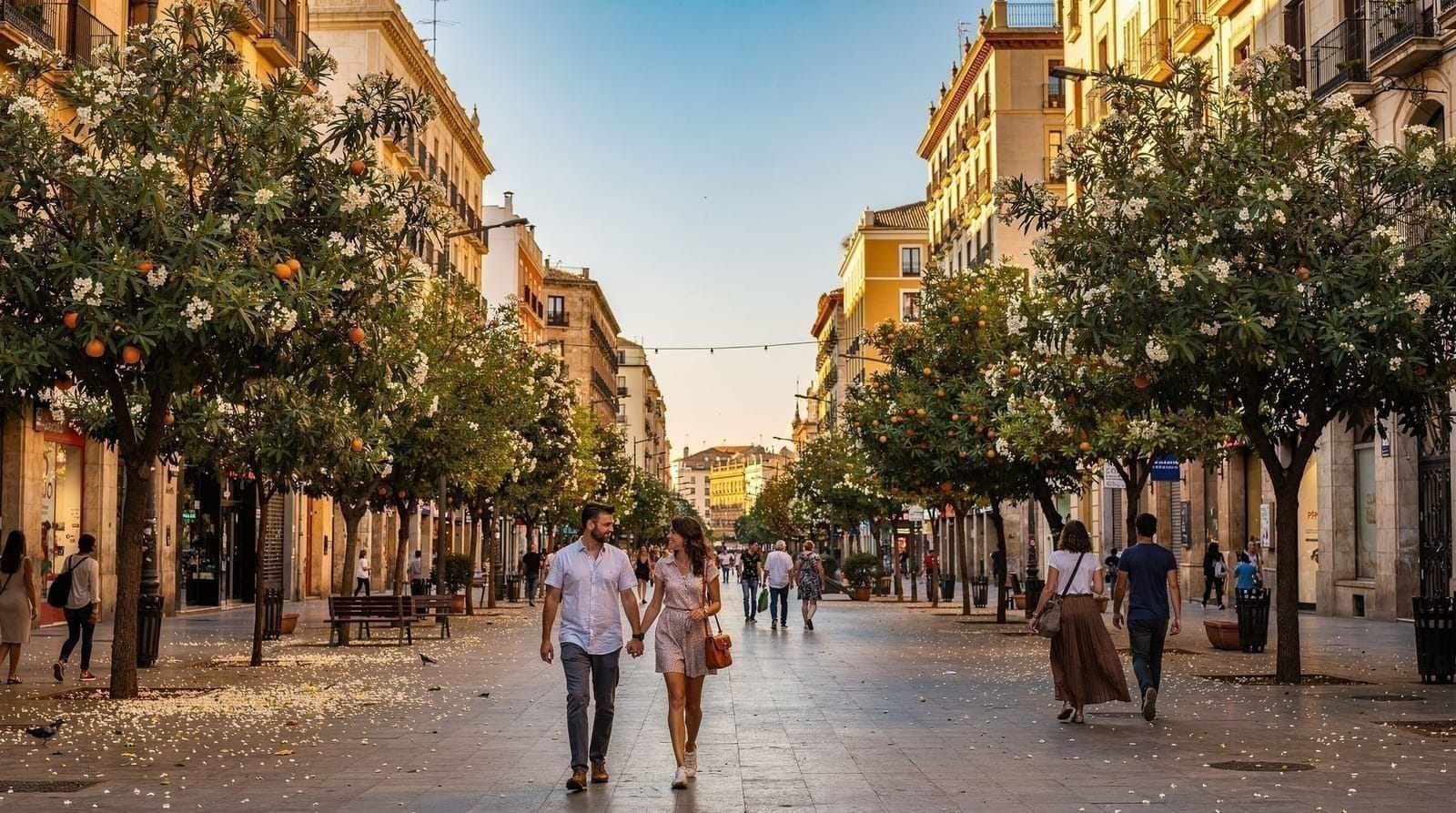
Why go: Very good shoulder-season conditions. Gardens are full and the Turia is green. Orange blossom season peaks.
May — one of the best months
Weather: 19-25°C. Warm enough for beach visits; comfortable for sightseeing without heat stress. Sea temperature around 19-21°C — already swimmable for hardier visitors.
Crowds: Moderate to high, but manageable. Pre-summer prices still apply for most of the month.
Why go: This is genuinely the best month for most visitors. The city is at its most beautiful (gardens full, orange trees heavy), the weather is warm without being oppressive, and accommodation is below peak-summer prices. Malvarrosa beach is pleasant without August crowds. Beach bars begin to open.
May also suits the big sights. Walking around the City of Arts and Sciences is comfortable at this time of year, and a visit to the aquarium works well whatever the weather, for example with entry to the Oceanogràfic aquarium. See the City of Arts and Sciences guide to plan the day.
June — excellent, especially early
Weather: 22-28°C. Warm beach weather begins in earnest. Sea temperature: 21-23°C, ideal for swimming.
Crowds: Increasing. Northern European summer holidays begin in late June; prices rise accordingly.
Why go: The first half of June is nearly perfect — warm enough for beach, not yet the full tourist surge, and daylight until 21:30. Gran Fira de València begins in late June/July.
Note: Valencia’s famous Hogueras de San Juan (midsummer beach bonfires on June 23-24) is celebrated quietly compared to nearby Alicante’s famous festival, but it’s still a good evening to be at the beach.
July
Weather: 26-32°C daytime, warm nights. Sea temperature peaks around 25-26°C.
Crowds: High. European summer holidays in full swing.
Events: Gran Fira de València runs through July, with concerts, parades, and street events citywide. FIB (Benicàssim music festival) is north of Valencia and draws a large international crowd.
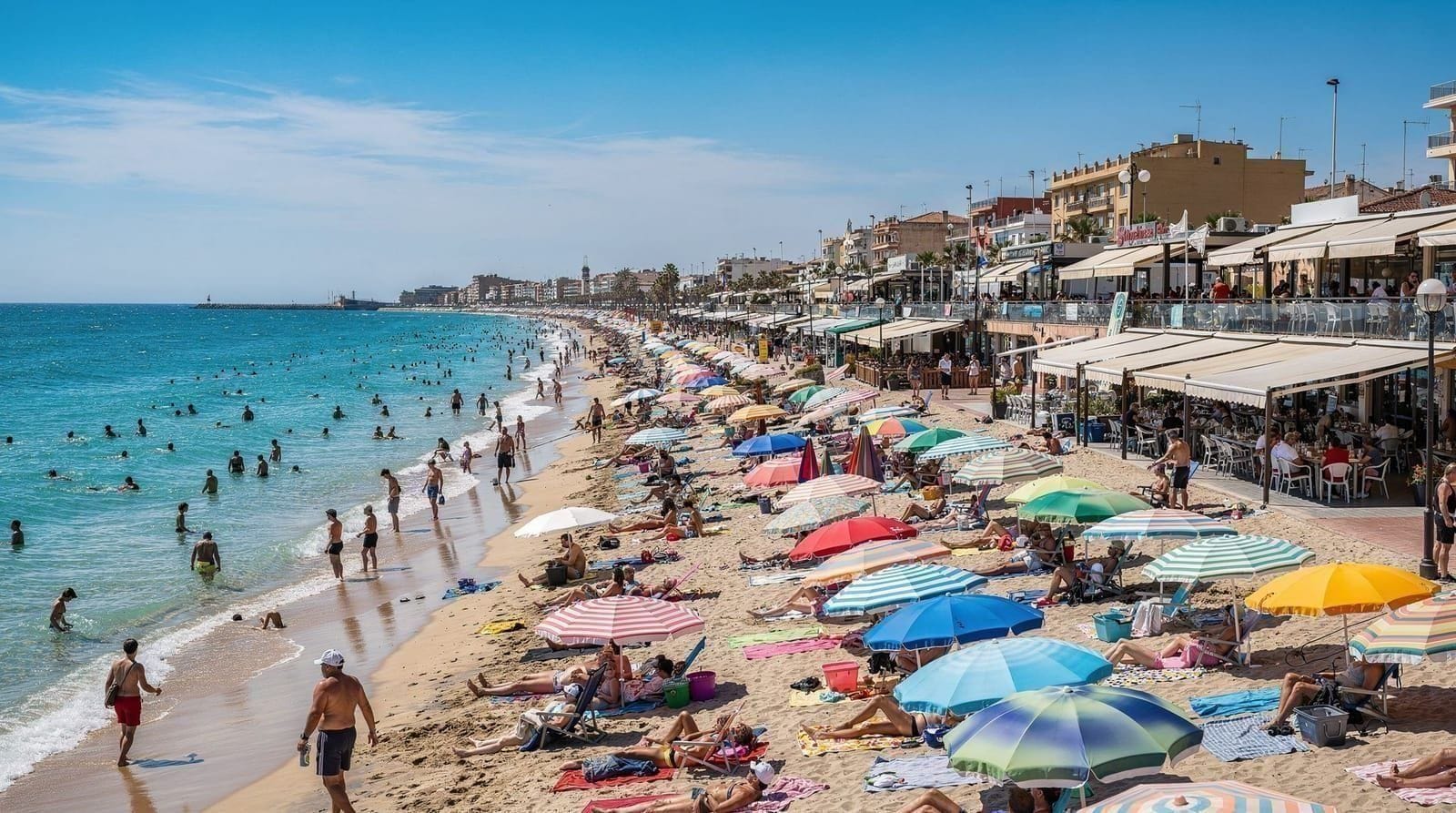
Honest advice: July is when the beach-resort dynamic kicks in. Malvarrosa and Patacona are very crowded; beachfront prices are peak. The old town and museum visits are comfortable with air conditioning. Afternoon siestas are not optional — walking between 14:00 and 17:00 in full sun is exhausting.
August — proceed with caution
Weather: 28-35°C, hottest month. Humid. Occasional thunderstorms.
Crowds: Peak. Malvarrosa beach is wall-to-wall in the first two weeks. Spanish domestic holiday season.
The August problem:
August is peak tourist season but simultaneously when many local restaurants, small shops, and neighbourhood bars close for the owners’ own summer holidays. This creates a strange paradox: the city is full of tourists but emptied of locals. The restaurants that remain open in tourist zones charge peak prices and are more likely to be relying on frozen or pre-prepared food.
The beach is genuinely good in August — hot weather, warm sea, late sunsets — but the authentic city culture is reduced. If your primary goal is beach plus city sightseeing, August works. If you want to eat in good local restaurants and experience Valencia as it normally functions, choose May, June, or September instead.
Best part of August: Early mornings at the beach before 10:00, and the city itself on weekday afternoons when Spanish families are all at the coast. Some museums are quieter than expected.
September — arguably the best overall month
Weather: 24-28°C in the first half, 20-24°C in the second half. Sea temperature: 24-26°C, still ideal for swimming. Lower humidity than August.
Crowds: Sharp decrease after the first week of September (schools reopen in Spain and northern Europe). Prices drop noticeably.
Why go: September gives you the best of both worlds — beach weather and sea temperatures comparable to July, but with fewer crowds, lower prices, and local restaurants and shops back from summer closure. By mid-September, the beach is pleasant without being packed. This is when many food-focused visitors come specifically.
La Tomatina: The last Wednesday of August (not September, but worth mentioning for planning) is La Tomatina in Buñol, 40 km west of Valencia. A ticket is required (not free); book months ahead. Read La Tomatina guide.
October — excellent for culture and food
Weather: 18-24°C. Sea temperature still around 22-23°C — swimmable for most people. Some risk of DANA storm events (see November note below).
Crowds: Low to moderate. A significant drop from the summer surge.
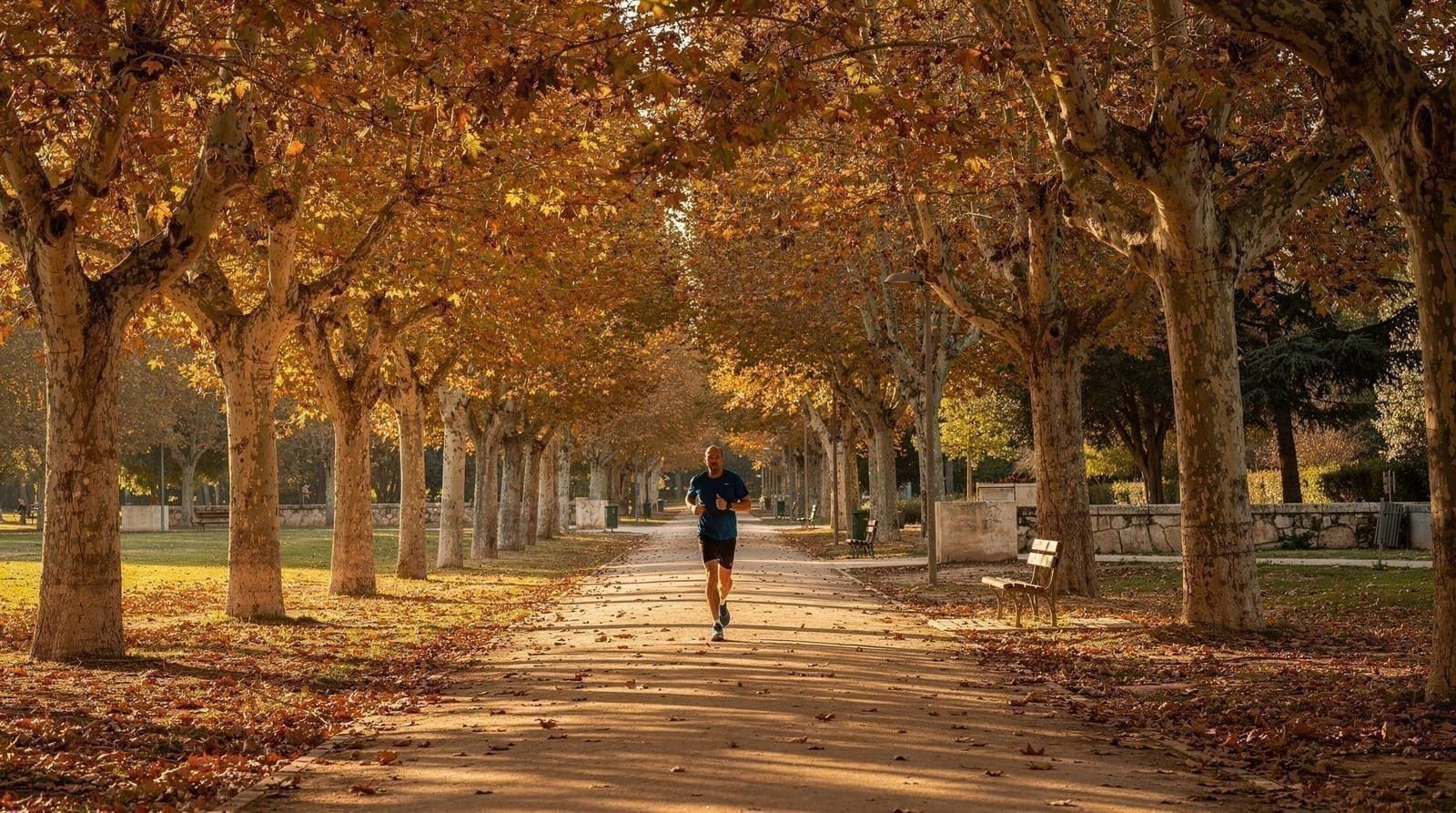
Why go: October is increasingly popular for its combination of mild temperatures, low prices, and the beginning of truffle and autumn mushroom season in the inland markets. The Turia Gardens are at their autumnal best. Valencia’s restaurant scene fully opens up after summer.
Warning: DANA weather events (isolated cold-air drops creating sudden intense storms) most commonly occur in October-November in Valencia. They are unpredictable and can cause flooding. In November 2024, a severe DANA event caused significant damage in the Valencia region. Check weather forecasts carefully during October visits and avoid river valleys and underpasses in heavy rain.
November
Weather: 14-19°C. Rainy month. DANA risk (see above).
Crowds: Very low.
Why go: Cheapest accommodation prices outside January. The city is quiet and genuinely local. Good for food and art museum visits. The autumn light is beautiful in the old town.
Why not: The DANA risk is real — Valencia’s weather can turn rapidly from pleasant to dangerous in November. November 2024’s flooding was exceptional but not unprecedented. Travel insurance and awareness of local weather alerts is advisable.
December
Weather: 12-16°C. Comfortable for walking. Occasional rain. Christmas lights throughout the city from late November.
Crowds: Moderate — Christmas market visitors and domestic tourism increase from mid-December. Christmas Eve and New Year are increasingly popular in Valencia.
Why go: Valencia at Christmas is genuinely charming — traditional nativity displays (belenes), Christmas lights in the old town, the Mercado Central has special seasonal produce. Accommodation is reasonably priced except Christmas week itself.
Special events calendar summary
| Date | Event | Impact on prices/crowds |
|---|---|---|
| January 5-6 | Three Kings parade | Low |
| 1-19 March | Las Fallas | Very high — book 3-6 months ahead |
| Easter (variable April) | Semana Santa Marinera | Moderate |
| Late June / July | Gran Fira de València | Moderate |
| Last Wednesday of August | La Tomatina, Buñol | Moderate (day trip) |
| July (Benicàssim) | FIB festival | Regional impact |
| September-October | No major events | Low impact — best value |
Matching the season to your priorities
If you want the beach: June and September are the sweet spots. The sea is warm, the sand is not wall-to-wall, and you can still eat in proper local restaurants. Compare the options in the Valencia beach season guide and the best beaches near Valencia.
If you want food and local life: September, October and May. Restaurants are fully open, the market is at its best, and menus follow the season. The Valencia food markets guide and the menú del día guide help you eat well whatever the month.
If you want to travel on a budget: Winter and November are the cheapest stretch, and the weeks right after Fallas can be good value too. The Valencia on a budget guide breaks down where the savings are.
If you want day trips: Spring and autumn are the most comfortable for being outdoors all day. Summer afternoons are hard going away from the coast, while winter days are shorter. The Albufera day trip and the day trips by train guide both work best in the shoulder seasons.
If you are travelling with children: Choose a month that lets you mix outdoor play with indoor attractions, so that one rainy day does not wreck the plan. Indoor options such as the Science Museum and a ticket like a combined visit to the planetarium-style Hemisfèric and the science museum are useful insurance in the wetter months. More ideas are in the Valencia with kids guide.
Planning around weather and flexibility
Valencia’s weather is generally reliable, but a few habits make any month go better.
- Build slack into the schedule. In the wetter months, keep one or two days open so you can swap indoor and outdoor plans when a forecast changes.
- Layer your clothes. Mornings and evenings feel noticeably different from midday in spring and autumn, and a light jacket earns its place in the bag.
- Start early in summer. Do the outdoor sightseeing in the morning, rest through the hottest hours and go out again in the evening, as locals do.
- Watch the alerts in autumn. If a storm warning is issued, follow local advice and postpone river-valley walks and underpass routes.
- Book popular items early. Accommodation for Fallas is the obvious case, but busy attractions in peak months also reward advance planning.
How long to stay, and what else to read
The best month matters less if your stay is too short to enjoy it. The how many days in Valencia guide helps you decide, and the itinerary for three days in Valencia shows a pace that works across most seasons. If you are arriving for the first time, the best area for first-timers and the where to stay guide help you choose a base. For a full list of what happens when, the Valencia festivals calendar covers the year beyond the highlights above.
Frequently asked questions about Best time to visit Valencia
What is the best month to visit Valencia?
May and October are the two best months for most visitors. May brings warm weather (20-25°C), green Turia Gardens, lower prices than peak summer, and all attractions operating normally. October is cooler but still beach-viable (22-24°C sea temperature), cheaper, and increasingly pleasant as summer crowds thin.What is the weather like in Valencia in summer?
July and August are hot and dry — daytime temperatures reach 30-35°C, occasionally higher. The sea is warm (25-28°C) and ideal for swimming. However, August is peak tourist season with crowded beaches, higher prices, and the infamous "Agosto muerto" effect where many local restaurants and smaller shops close for the month.Is March good for visiting Valencia?
March is extraordinary — if you plan around Las Fallas (1-19 March). The festival is one of Europe's great street events, with massive papier-mâché sculptures, fireworks, parades, and the spectacular Nit del Foc (night of fire) on 18-19 March. Outside of Las Fallas dates, March is pleasant but has rainy days and lower temperatures. Accommodation prices during Fallas are 2-3× normal; book 3-6 months in advance.Can you swim in Valencia in October?
Yes. Sea temperatures in October range from 22-24°C — comfortable for swimming for most people. The beaches are significantly less crowded than summer. Many beach bars and chiringuitos close in October, but the sea itself is perfectly swimmable. November is the cutoff — sea temperature drops to 18-19°C, which most visitors find too cool.Is Valencia good in winter?
Winter in Valencia (December-February) is mild by northern European standards — average daytime temperatures of 12-16°C, occasional rain, rare frost. It's not beach weather, but Valencia's indoor culture (museums, restaurants, market visits, the City of Arts and Sciences) is entirely viable. Hotels are significantly cheaper, and the city feels more authentically local without summer tourist crowds.When should you avoid Valencia?
August is the month most visitors regret — it's the hottest month, the most crowded at beaches, and paradoxically when many local restaurants and shops close. Unless you specifically want beach holiday weather and are happy paying peak prices, avoid August or book well in advance knowing what you're getting.What are the rainy months in Valencia?
October and November have the highest rainfall probability, particularly in the form of DANA weather events (isolated cold air drops that produce sudden, intense storms). These can cause flash flooding — Valencia experienced a severe DANA event in November 2024. Spring (March-May) also has some rain. July-August and June are the driest months by far.When is Las Fallas 2027?
Las Fallas runs annually from 1-19 March, with the climax on the Nit del Foc (night of fire) on 18-19 March. The dates are fixed every year. Las Fallas 2027 runs 1-19 March 2027. See the full guide at /guides/las-fallas-complete-guide/.Is Valencia worth visiting in winter?
Yes, especially for culture and food. Average winter temperatures of 12-16°C are mild compared to northern Europe. The City of Arts and Sciences, Mercado Central, museums, and restaurants are all operating normally and much less crowded. You won't be swimming, but the city is genuinely pleasant to explore.How hot is Valencia in summer?
July and August regularly reach 30-35°C, occasionally 38-40°C during heat waves. The heat is dry in the first half of summer but can become humid (bochorno) in late July and August. Air-conditioned accommodation, an early start, and a siesta break are practical necessities in peak summer.When is the cheapest time to visit Valencia?
January and February offer the lowest accommodation prices — typically 30-40% below peak summer rates. November and early December are also cheaper. The period immediately after Las Fallas (late March) often offers good value as the Fallas premium prices drop suddenly.Can I visit Valencia during Fallas without booking far ahead?
Not realistically. During Fallas (1-19 March), every hotel and rental apartment in the city fills months in advance, and prices are 2-3× normal. Last-minute visitors typically have to stay in Castellón, Alicante, or small towns in the Valencia region and commute in. For anything during Fallas, book accommodation at least 3-4 months ahead; for the Nit del Foc (17-19 March), six months ahead is not excessive.What month has the best weather in Valencia for sightseeing (not beach)?
May and October. Both offer comfortable temperatures for outdoor sightseeing (20-25°C), manageable crowds, and the full range of tourist infrastructure operating normally. May has longer daylight hours; October has better restaurant availability after the summer period.Is Valencia good for a Christmas visit?
December is increasingly popular. The Christmas decorations in the old town are charming, the Mercado Central is excellent for seasonal food, and the city has a genuine festive atmosphere. Accommodation prices are moderate (not cheap) in mid-December, then rise for Christmas week. A good choice for visitors who want a European city break in the Christmas period without the extreme crowds of Barcelona or Madrid.