Port and Marina guide: Valencia's waterfront neighborhood
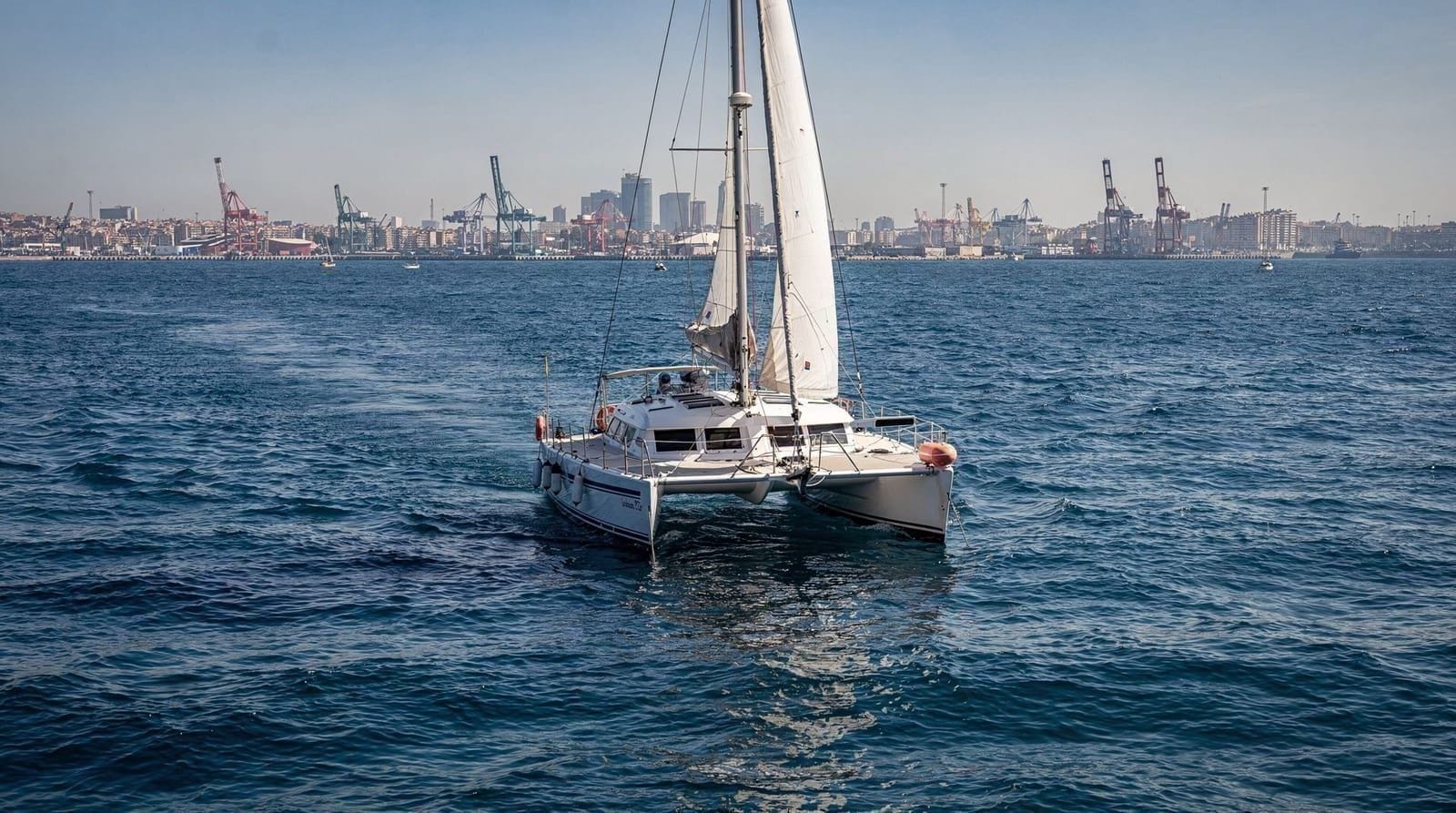
Valencia: sailing catamaran cruise with sunset option and DJ
Duration: 1-1.5 hours
What is the Port and Marina area in Valencia?
Valencia's Port and Marina district is the waterfront area south of La Malvarrosa, dominated by the America's Cup 2007 legacy infrastructure and the working commercial port. It has excellent catamaran and sailing tours departing from the marina, some good waterfront restaurants, and a different character from the city center — more open, more Mediterranean.
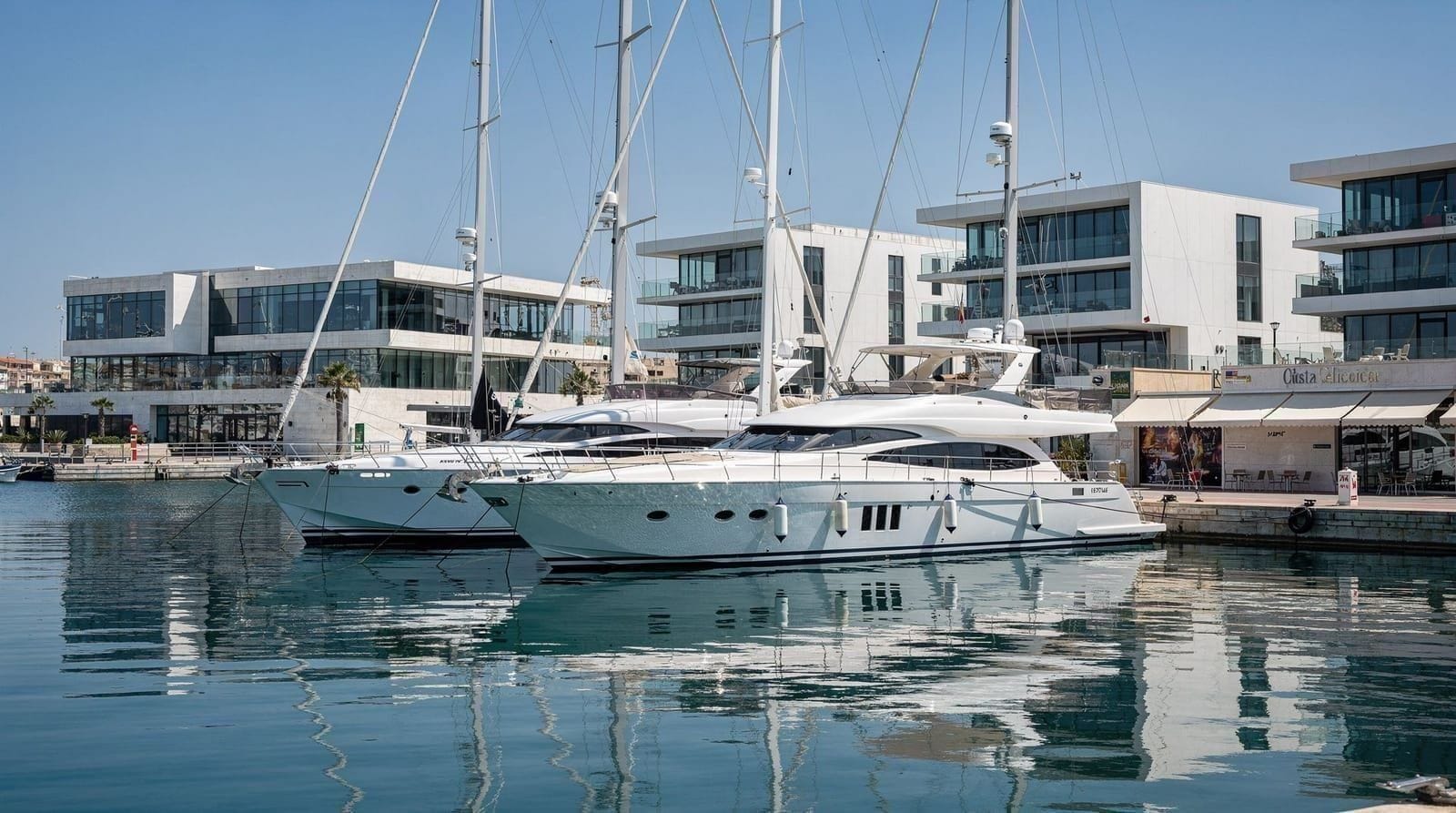
Valencia’s port area has two distinct characters that exist in uneasy coexistence. The working commercial port — container terminal, car shipping, bulk cargo — is one of the busiest in the Western Mediterranean and occupies a large footprint south of the marina. The America’s Cup legacy infrastructure, to the north and immediately visible from the marina esplanade, is a completely different environment: the sculpted marina, the Louis Vuitton trophy building, and the sweeping harbour views left behind by the 2007 and 2010 America’s Cup.
For tourists, the marina and waterfront esplanade are the relevant zone. The commercial port is not accessible to visitors.
| Where | Waterfront south of La Malvarrosa beach |
| Getting there | Metro line 5 to Marítima-Serreria, or EMT bus 19 |
| Cost | Free to walk; catamaran tours from around €25–35 |
| Time needed | 2–3 hours for a walk and a drink; half a day with a boat tour |
| Best time | Sunset for the Veles e Vents terraces and catamaran tours |
The America’s Cup legacy
Valencia was chosen to host the 32nd America’s Cup in 2007, the first time the event had been held in Europe. The city built and renovated a substantial waterfront infrastructure: the Marina Juan Carlos I, the Veles e Vents pavilion (designed by David Chipperfield), the waterfront promenade, and the network of new restaurant and retail spaces along the esplanade.
The Veles e Vents building — named after the Valencian national song, the structure is a dramatically cantilevered series of white platforms overlooking the water — is now used as an events venue and upscale bar/restaurant. It’s worth seeing for the architecture alone. The interior spaces host events year-round; the exterior is accessible.
The marina basin is active with private sailing boats, charter yachts, and the catamaran and boat tour operators who depart from here for Valencia’s coastal tours. On weekday mornings you can watch the fishing fleet return — the fish is offloaded and auctioned at the fish market (Lonja del Pescado) in a process that starts around 05:30. The auction itself is not open to the public, but the activity around the dock is visible.
Boat tours from the marina
The marina is the departure point for Valencia’s catamaran and sailing tours. The options range from 50-minute sunset cruises to half-day sailing excursions with swim stops.
The sunset catamaran departures (around 18:30-19:00, arriving back at 20:00-20:30) are the most popular. Several operators compete on this route; the quality differences are mainly about boat size (smaller boats are more sociable; larger catamarans can accommodate groups), drink quality, and music volume (some have DJs).
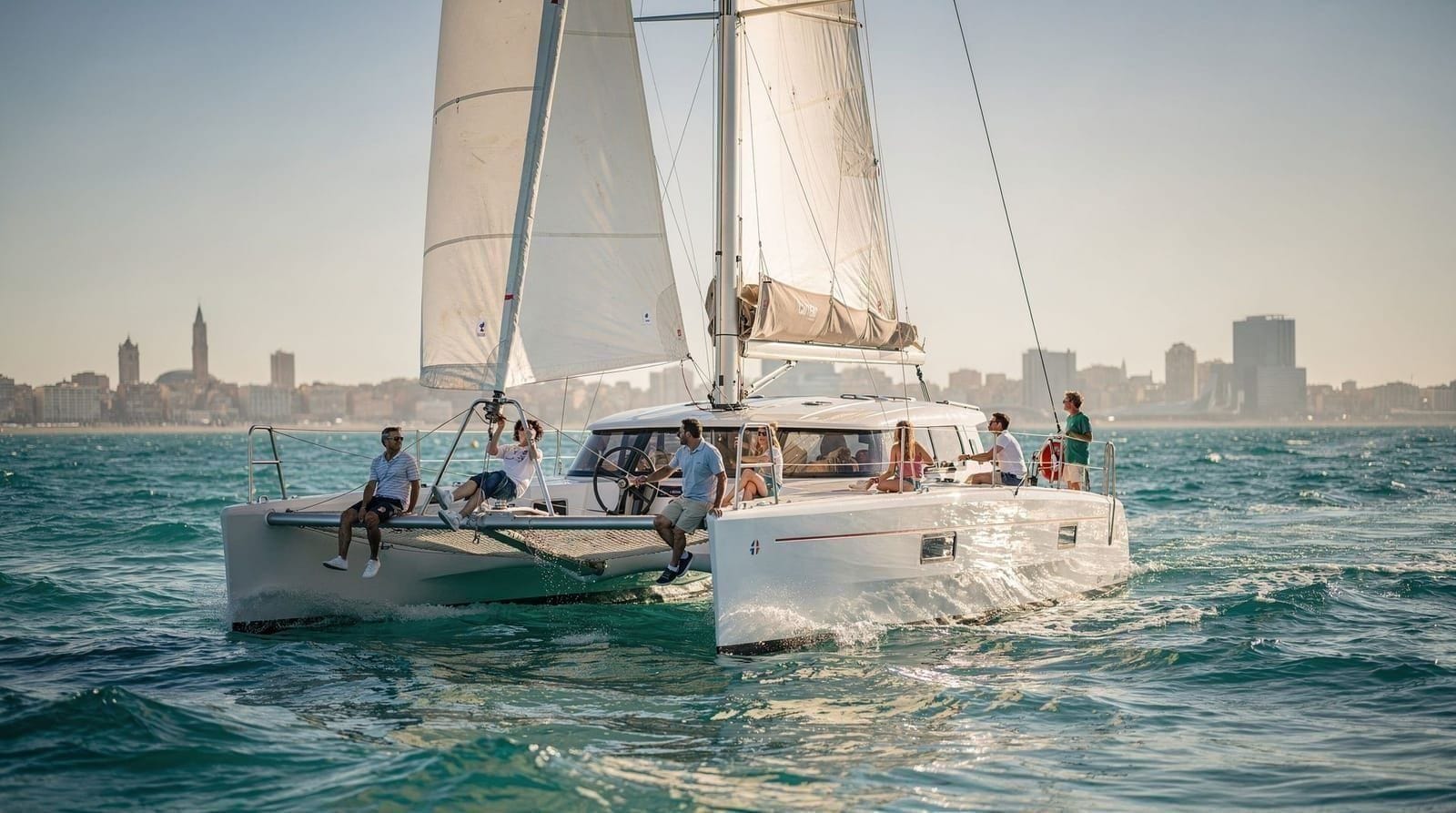 sailing catamaran cruise with sunset option and DJCheck availability
Kayak rental is available directly at the marina from several operators (approximately €12-15/hour). The water in the marina itself is calm but not particularly clean; the operators typically direct you along the harbor edge toward the beach end rather than into the working port water.
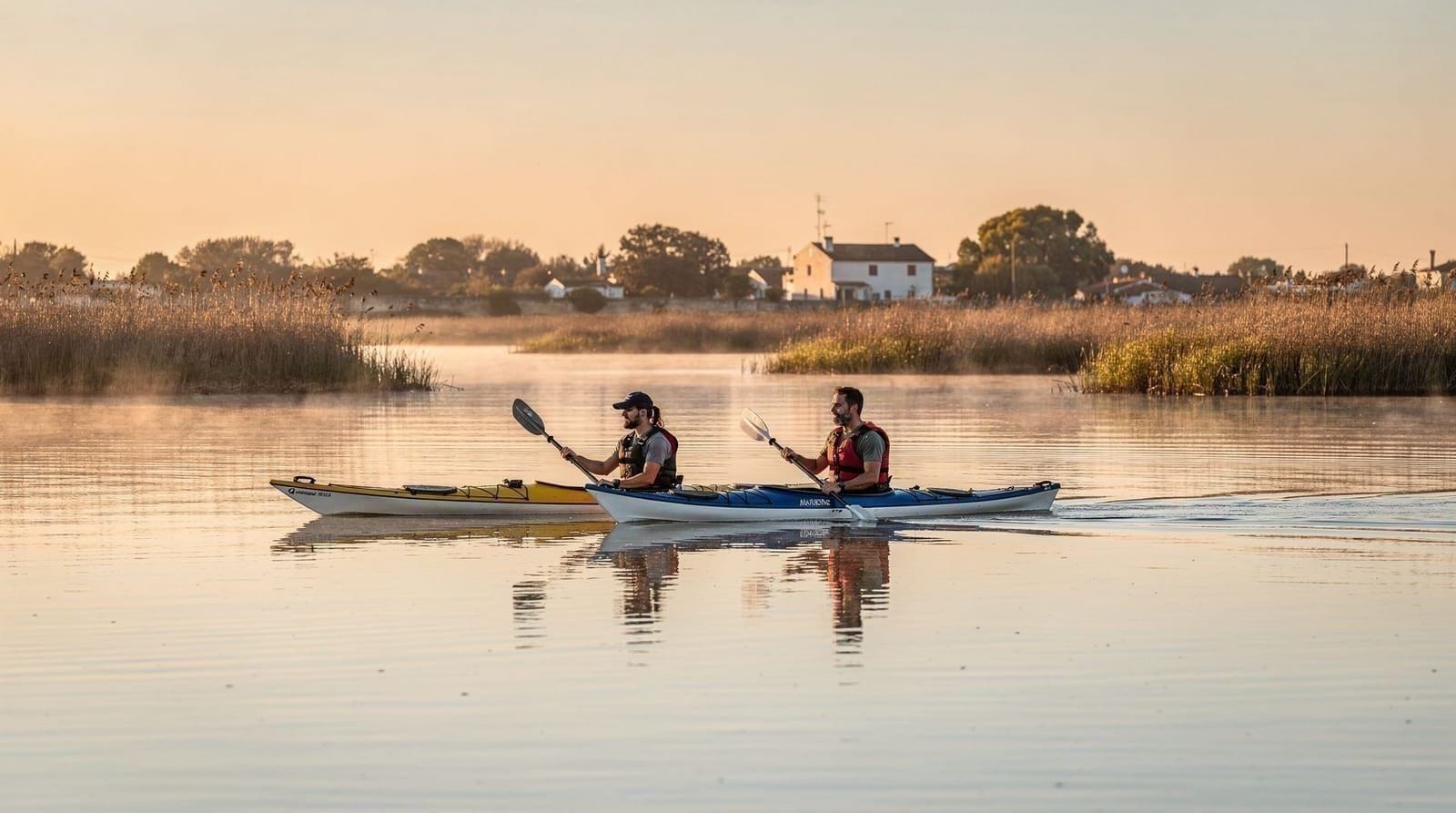 kayak rental at the marinaCheck availability
tuk-tuk city tour for cruise passengers (2 hours)Check availability
kayak rental at the marinaCheck availability
tuk-tuk city tour for cruise passengers (2 hours)Check availability
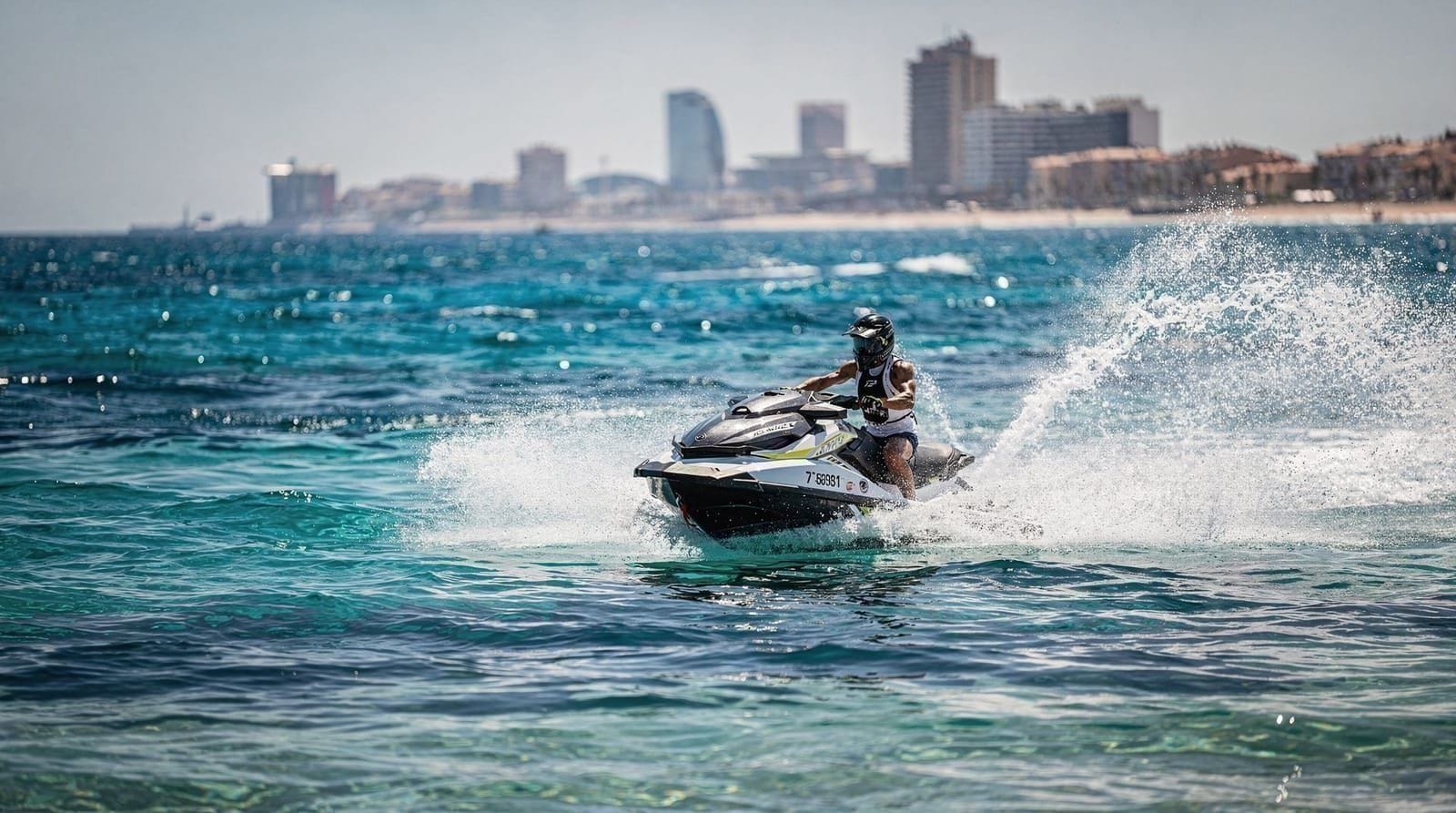
Jet ski operations run from the beach side of the port, near the Malvarrosa beach end. See the boat tours guide for the full range of water activities.
Eating and drinking at the port
The waterfront restaurant and bar strip has a predictable tourist-pricing premium: expect €5-7 for a beer (versus €2.50-3 inland) and €18-28 for a main course at sit-down restaurants. Some of this premium reflects real quality — several of the marina restaurants source directly from the Lonja del Pescado and cook excellent fish. But the location premium is real.
Worth the price:
La Pepica (Av. de Neptune, near Malvarrosa beach — not technically the marina but nearby): historically Valencia’s most famous paella restaurant, associated with Hemingway and Blasco Ibáñez. The cooking has declined from its historic peak; the paella is adequate rather than excellent; the prices reflect the fame. Go for the history if you’re curious, not for the food. Expect €30-40/person.
La Marcelina (Av. de Neptune): More reliable for actual fish quality. The fresh fish rice dishes are good; the grilled fish is excellent when the catch is right. Lunch only for the rice; full service for fish.
Marina Beach Club (marina esplanade): The most scenographic eating option at the port — tables on the water, good cocktails, acceptable food. The price-to-quality ratio is below Ruzafa but the setting is different.
Avoid: The tourist restaurants along the pedestrian strip immediately in front of the Veles e Vents building. These are orientated entirely to cruise passengers and tourists; the quality is predictable.
Getting to the marina from the city center
Metro: Line 5 runs from Colón and Alameda to Marítima-Serreria station (15-18 minutes from the center). The station is about 700m from the marina basin entrance.
Bus: EMT line 19 runs from Plaza del Ayuntamiento directly to the port. Journey time approximately 20 minutes. Useful for late evenings when the metro stops at midnight.
Bike: The cycle route from the old city passes through El Cabanyal and connects to the marina via the beachfront promenade. Total distance from El Carmen: 4 km, approximately 20-25 minutes.
Walk: 35-40 minutes from the Cathedral. Not recommended for hot summer days.
Staying in the Port and Marina area
The port area has several hotel options, mostly in the 4-star range, and a handful of apartment hotels. The character is different from the city center — quieter, more resort-like, with less of the urban neighborhood atmosphere that characterizes Ruzafa or El Carmen.
Hotel Balneario Las Arenas (Av. de Eugene Vinaixa, near Malvarrosa beach): Valencia’s most architecturally significant beach hotel — a spa hotel built into the 1897 bathhouse structure. Pool, beach access, exceptional location. €150-250/night. A strong choice if you want a sea-facing hotel with historic atmosphere.
Hotel Neptuno (Paseo de Neptuno): 4-star beachfront hotel, good pool, functional rooms with sea views. €100-160/night.
NH Valencia Center (near the port access road): Standard NH quality, convenient for the port and marina but lacks the character of the beachfront options.
The honest assessment: staying at the port makes most sense if you are arriving by cruise, if you specifically want a pool-and-beach hotel rather than a city-center hotel, or if you are staying 5+ days and want a change of atmosphere. For a general first-time Valencia visit, the city center is more practical.
See the where to stay in Valencia guide for the full comparison, and the best area for a first-time visit guide if you’re weighing the port against the city-centre neighbourhoods more broadly.
sunset cruise on a motor catamaranCheck availability
Cruise passengers
If you’re arriving by cruise ship, your ship docks at the Terminal de Creucers, which is in the northern part of the commercial port — approximately 1.5 km from the marina esplanade and 3 km from the city center.
The cruise terminal has a taxi rank and a hop-on hop-off bus pickup point. Taxis to the city center cost approximately €8-10. The hop-on hop-off bus (purchased on-site or in advance) connects the cruise terminal to the main monuments and the City of Arts.
The tuk-tuk tours are another option specifically marketed to cruise passengers, with 1-2 hour circuits designed for passengers with limited time in port.
The beach connection: Malvarrosa and Patacona
The Port and Marina area is the southernmost end of Valencia’s urban beach system. Walking north from the Veles e Vents building, the sequence is:
Marina south end → 800m walk north → La Malvarrosa beach (south end) → 1.5 km along the beach north → La Patacona beach → continuing north into the municipality of Alboraya.
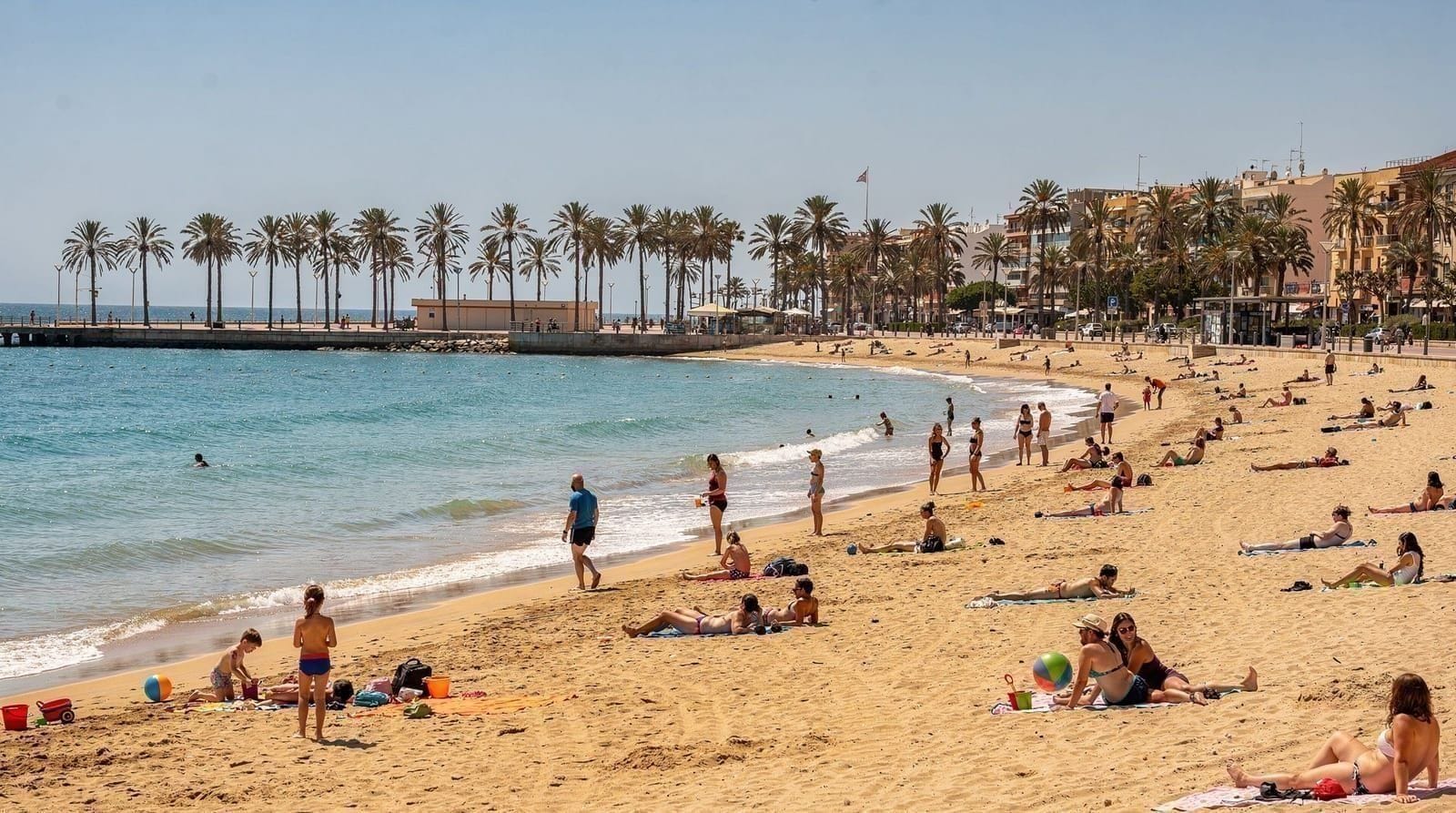
The Malvarrosa beach guide covers the beach in detail, but relevant context for the marina visitor: the beach is reachable in 15-20 minutes on foot from the marina. The walk along the Paseo Marítimo promenade (paved, separated from traffic, with food kiosks in summer) is entirely pleasant. Cycling the same route takes 10 minutes.
The beach at this end (closest to the marina) tends to be slightly less crowded than the central stretch of Malvarrosa, which is where most sunbathers cluster near the main restaurant strip. In July and August, arriving at the beach by 10:30 is advisable to secure a reasonable position; by midday the popular sections are very dense.
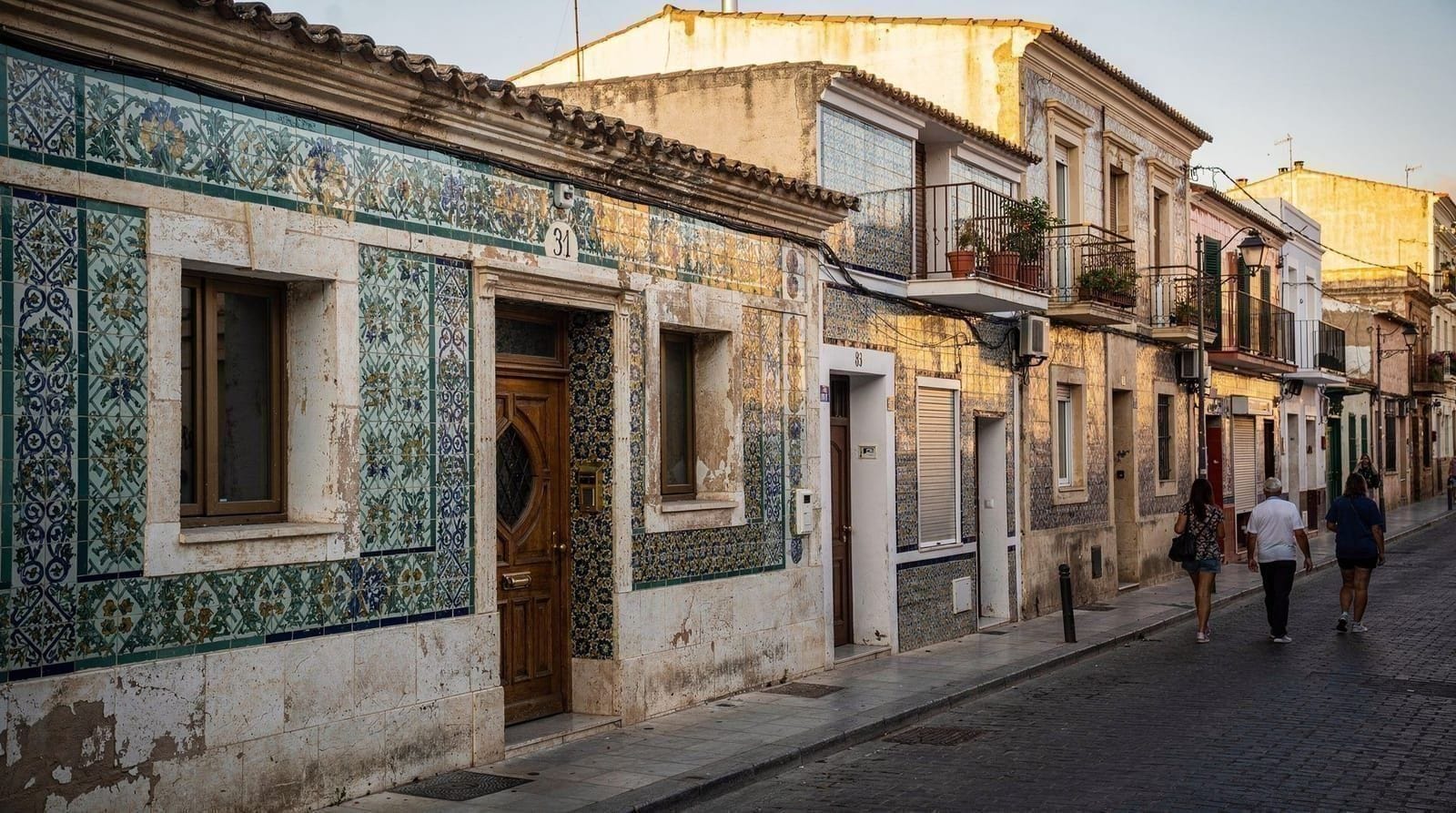
Walking the other direction from the marina takes you into El Cabanyal, the historic fishing neighbourhood immediately inland from this stretch of coast — a reasonable pairing if you want tiled architecture and a proper neighbourhood market alongside the waterfront. The full America’s Cup context, including what happened to the venues after 2010 and why the trophy never returned to Valencia, is covered in the Marina and America’s Cup guide.
Choosing a boat tour from the marina
| Tour type | Duration | Typical price | Best for |
|---|---|---|---|
| Sunset catamaran with DJ | ~1.5–2 hours | €35–45 | Groups, atmosphere, music |
| Motor catamaran, quieter option | ~1.5–2 hours | €30–40 | Couples, families wanting calmer pace |
| Kayak rental (self-guided) | By the hour | €12–15/hour | Independent exploring, budget |
| Jet ski excursion | 30 min–1 hour | €50–80 | Adrenaline, shorter time window |
| Half-day sailing with swim stop | 4+ hours | €50–70 | Serious time to spend on the water |
Water activities from the marina
The marina is the best-organized base for water activities in Valencia. In addition to the catamaran tours (covered above), the following are available:
Kayak rental: Available from operators on the marina promenade. The protected water of the marina basin (calm, flat) is ideal for first-time kayakers. Hire runs €12-15/hour with a basic safety briefing. For more serious kayaking, routes north toward Patacona offer open water with small waves.
Paddle surfing (SUP): Similar rental operations to kayak, with lessons available. The beach side is better for SUP than the marina — the swell and wind create more interesting paddling.
Jet ski: Several operators run jet ski excursions from the beach side of the port, starting at the south end of Malvarrosa. These are 30-minute to 1-hour circuits along the coastline. See the boat tours guide for specifics.
Sailing lessons: Several sailing schools operate from the marina, offering both day lessons and multi-day courses. These cater primarily to Valencia residents, but short visitor courses (half-day “taste of sailing” sessions) are available.
The maritime heritage context
Valencia’s relationship with the sea is ancient and complex. The city grew as a Mediterranean trading hub, and the Port of Valencia has been a commercial facility since Roman times. The modern port complex began taking shape in the 19th century, when industrial shipping demanded infrastructure incompatible with the city’s historic waterfront.
The Dársena Interior (inner harbor), the Moll de Llevant (East Quay), and the successive expansions across the 20th century pushed the working port ever further from the city. What remained adjacent to the city — the marina and the northern waterfront — became recreational space, a process accelerated dramatically by the America’s Cup investment in 2007.
The fishing fleet, though much reduced from its historic scale, still operates from the northern end of the commercial port. The catch from these boats goes to the Lonja del Pescado (fish auction) at dawn, then to the best fish restaurants and markets in the city — a supply chain that is worth knowing about even if you can’t access it directly.
The port and sustainability
Worth noting for context: the Port of Valencia has been involved in ongoing controversy about its planned expansion, which would involve reclaiming additional sea area. The debate involves environmental concerns (impact on currents that maintain the beaches to the north, sediment issues), economic arguments (port competitiveness), and urban planning questions about the relationship between the port and the beach neighborhoods. Local residents’ associations and environmental groups have campaigned against the expansion. The situation was ongoing as of 2026.
Frequently asked questions about the port and marina
Can I walk along the port waterfront?
Yes. The promenade from the Veles e Vents building north to the La Malvarrosa beach is freely accessible and makes a pleasant 2-hour walk or bike ride. The southern section near the commercial port has more limited access.
Are the marina restaurants expensive?
Yes, relative to the city center. Budget €20-30/person for a sit-down lunch at a marina restaurant versus €13-15 for an equivalent meal in Ruzafa. The setting premium is real; whether it’s worth it depends on your priorities.
Is the water clean for swimming near the port?
The water quality immediately around the marina basin is not recommended for swimming — between the boat traffic and the proximity to the commercial port, it’s not a swim location. La Malvarrosa beach (1 km north) is regularly tested and generally rated clean in summer. See the Malvarrosa beach guide for current quality ratings.
Can I see the sunset from the marina?
The marina faces southeast, which means the sunset is behind you when facing the water. The best sunset views in the port area are from the Veles e Vents building terraces (west-facing) or from the beach side looking north-west. The catamaran tours specifically time their sunset excursions to be on the water as the sun sets behind the city — this is the most effective way to experience a Valencia sunset from the sea.
What is there to do at the port in the evening?
The marina comes alive in the evening: restaurant terraces fill from 21:00, the Veles e Vents terrace bar opens, and the catamaran and boat tours complete their sunset excursions. It’s a pleasant evening destination from the city center even if you’re not staying in the area.
Is the port area walkable from El Cabanyal?
Yes — the port and marina sit immediately south of El Cabanyal, and the two make a natural half-day combination: the neighbourhood’s tiled architecture and market in the morning, the waterfront and a boat tour or sunset drink in the late afternoon. The walk between them is under 15 minutes.
Do I need to book a catamaran tour in advance?
In July and August, yes — the popular sunset departures sell out, especially on weekends. Outside peak summer, walk-up availability is common but not guaranteed on weekend evenings. Booking a day ahead removes the risk either way.
Top experiences
Bookable activities with verified prices and instant confirmation on GetYourGuide.